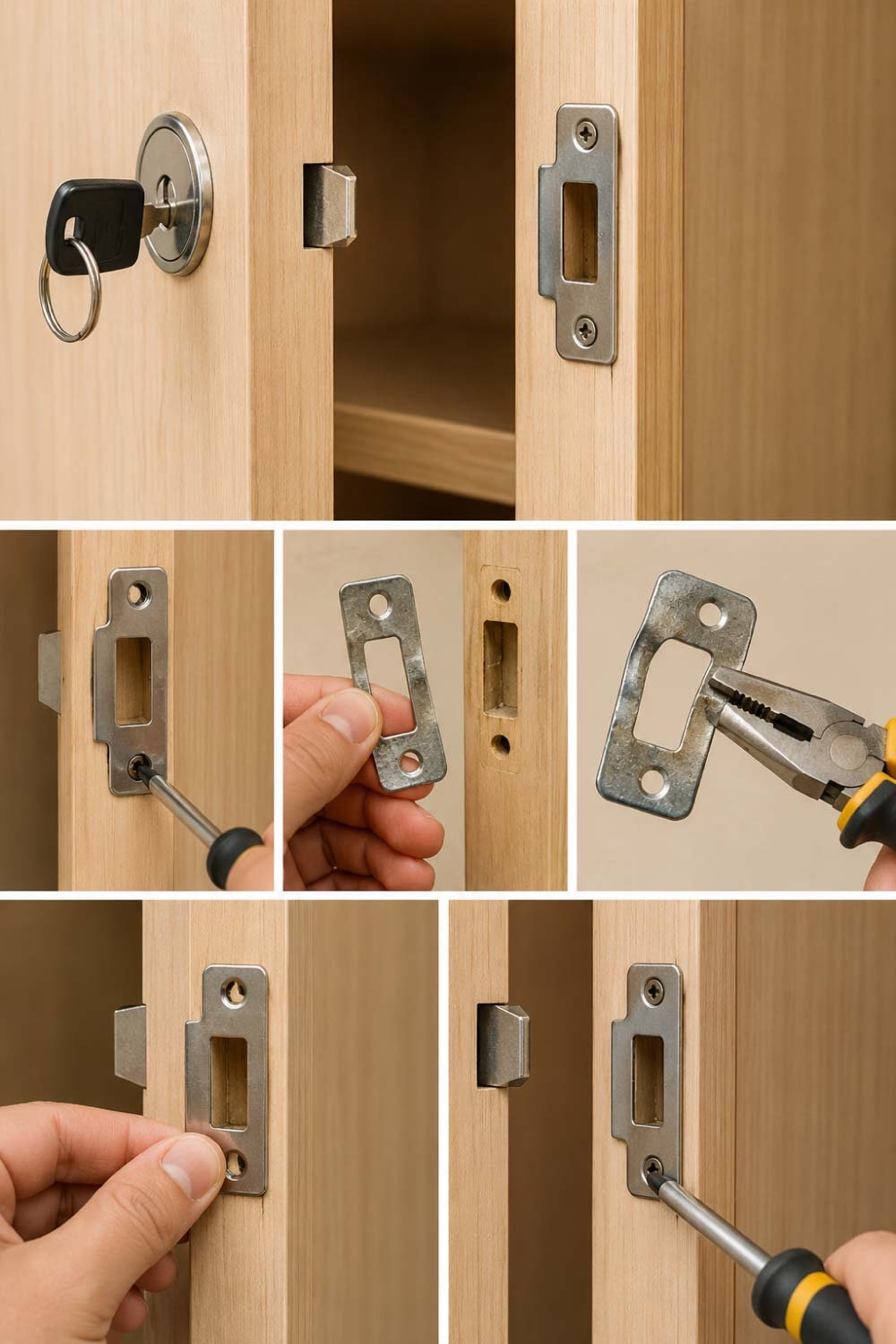
A broken cupboard lock might seem like a small issue at first, but it can quickly become a daily frustration. Whether it’s your kitchen cabinet, bedroom cupboard, office storage, or wooden wardrobe, a faulty lock can compromise privacy, safety, and convenience. The good news is that you don’t always need a carpenter or locksmith to fix it. In many cases, you can repair it yourself with simple tools and a little patience.
This guide will walk you through the most common causes of cupboard lock problems and step-by-step solutions you can apply at home today.
Before jumping into repairs, it helps to understand what usually goes wrong. Cupboard locks are small mechanisms, and even minor issues can affect their function.
1. Loose Screws
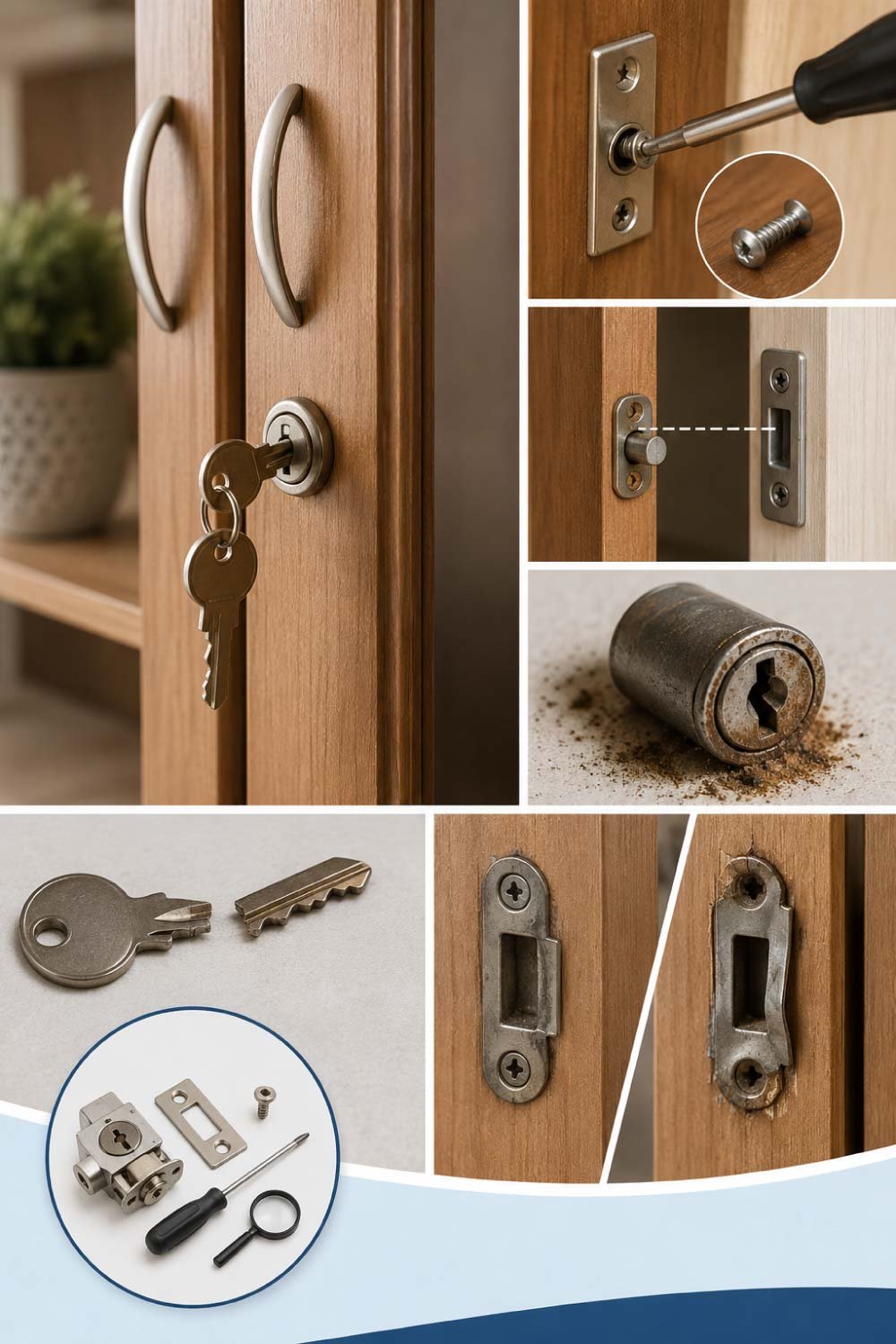
One of the most common reasons a cupboard lock stops working is loose screws. Every time you open and close the cupboard, small vibrations occur that gradually loosen the screws holding the lock and handle in place. When the screws are not tight, the lock shifts slightly from its original position. This causes the key, latch, or bolt to miss its proper alignment, making it difficult or impossible to lock and unlock the cupboard smoothly.
2. Misalignment of Door and Frame
Cupboard doors can become misaligned over time due to humidity, heavy usage, or the weight of items stored inside. Wood may expand during damp weather and contract when dry, causing the door to shift. When this happens, the lock and strike plate no longer line up correctly. As a result, the latch may not enter the catch properly, making the key hard to turn and preventing the cupboard from locking securely.
3. Rust or Dirt Build-Up
Dust, grease, and rust can accumulate inside and around the lock mechanism, especially in kitchen cupboards where moisture and cooking residue are common. These particles interfere with the movement of internal parts such as pins and springs. Over time, the lock may become stiff or jam completely. Regular cleaning and lubrication can help restore smooth operation and prevent further damage caused by corrosion or dirt accumulation.
4. Broken Key or Internal Damage
Sometimes the problem lies inside the lock itself. A key may become bent from excessive force or even break off inside the keyhole. In other cases, the internal components of the lock, such as springs and pins, wear out after years of use. When these parts are damaged, the key may no longer turn properly. In such situations, the lock may require repair or complete replacement to function correctly again.
5. Damaged Strike Plate
The strike plate is the metal piece attached to the cupboard frame where the latch fits when the door is locked. If this plate becomes loose, bent, or worn out, the latch cannot engage properly. Even a small shift in position can prevent the cupboard from locking. Tightening the screws, straightening the plate, or replacing it can often solve the issue and restore proper lock performance.
Once You Identify the Cause, Fixing It Becomes Much Easier
After carefully inspecting the cupboard lock and determining the exact cause of the problem, the repair process becomes much simpler. Whether the issue is loose screws, door misalignment, rust, internal damage, or a faulty strike plate, each problem has a practical solution. By addressing the root cause instead of guessing, you can save time, avoid unnecessary replacements, and restore your cupboard lock to smooth and reliable operation.
Tools You May Need
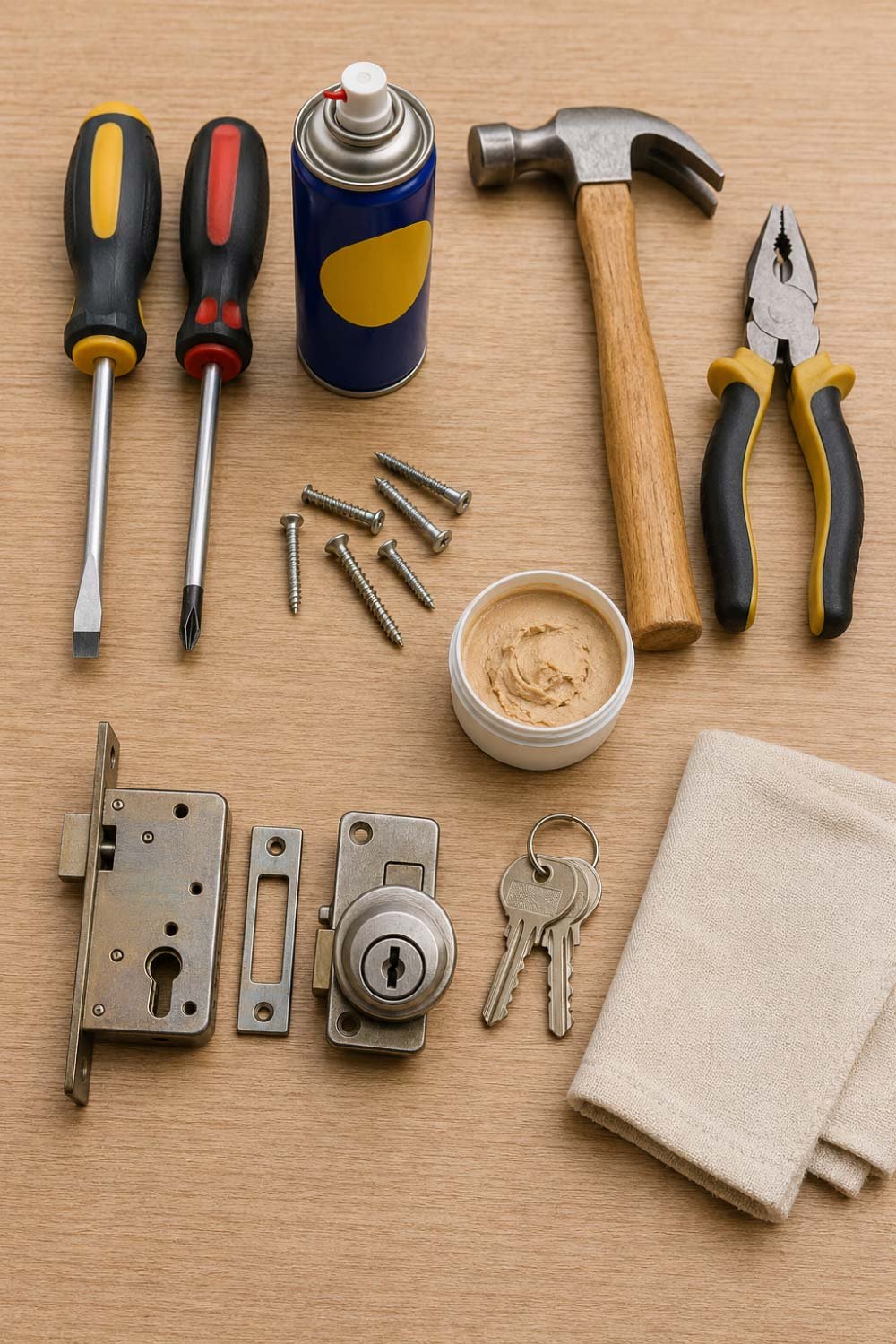
Repairing a broken cupboard lock usually does not require expensive equipment or professional tools. In most cases, a few common household items are enough to complete the job successfully. A screwdriver set, lubricant spray, pliers, and replacement screws are the most frequently used tools. You may also need wood filler for stripped screw holes, a small hammer for gentle adjustments, a soft cloth for cleaning, and a replacement lock if the existing mechanism is beyond repair.
Common Tools for Cupboard Lock Repair
Screwdriver (Flathead and Phillips): Used to remove and tighten lock screws and hardware.
Lubricant Spray (such as WD-40): Helps loosen rust, dirt, and sticky internal components.
Small Hammer: Useful for gently straightening bent strike plates or hardware.
Pliers: Assist in removing broken key pieces or gripping small parts.
Replacement Screws: Needed when original screws are stripped, rusted, or missing.
Wood Filler: Repairs enlarged or damaged screw holes in wooden cupboards.
Replacement Lock: Required if the lock mechanism is severely worn or broken.
Soft Cloth: Used to wipe away dust, grease, and excess lubricant.
Having these tools prepared before you begin will make the repair process much smoother, faster, and more efficient.
Step-by-Step Fix for a Broken Cupboard Lock
Step 1: Inspect the Lock Carefully
The first and most important step is to examine the cupboard lock closely to identify the exact cause of the problem. Insert the key and turn it gently, or test the handle if the cupboard uses a latch mechanism. Pay attention to how the lock responds and look for visible signs of wear, rust, looseness, or damage around the door and frame.
During Your Inspection, Check the Following:
Does the key turn freely? If not, the lock may be jammed or internally damaged.
Is the lock stuck or difficult to move? Dirt, rust, or lack of lubrication may be the cause.
Is the door misaligned? The latch may not be lining up with the strike plate.
Are any screws loose? Loose hardware can shift the lock out of position.
This initial inspection helps you determine whether the issue can be solved with a simple adjustment and cleaning or whether the entire lock needs to be replaced. Spending a few minutes diagnosing the problem will save time and ensure you choose the most effective repair method.
Step 2: Tighten Loose Screws
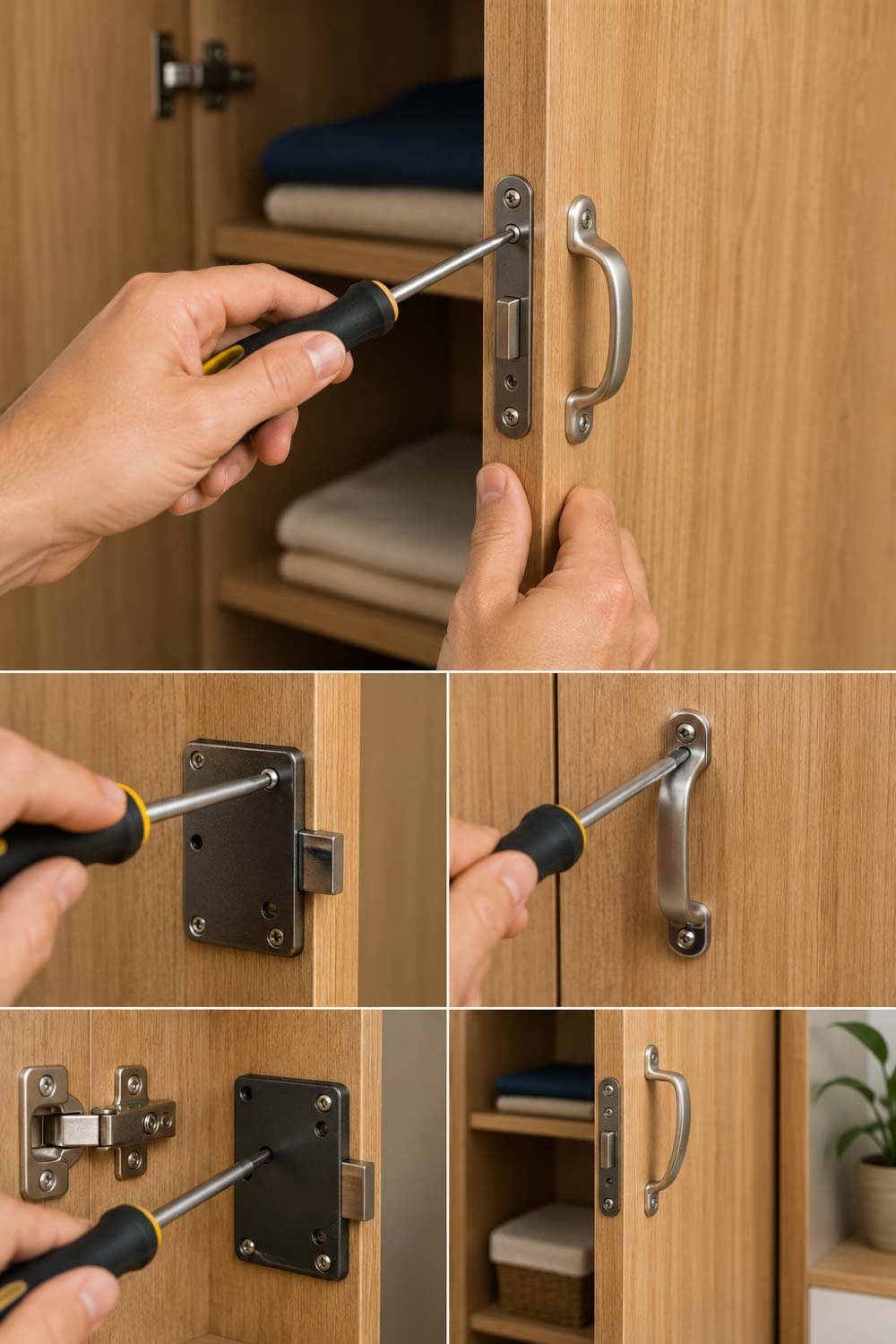
Loose screws are one of the most common and easiest cupboard lock problems to fix. As the cupboard door is opened and closed repeatedly, the screws securing the lock and handle can gradually loosen. This causes the lock to shift out of position, preventing the latch from aligning correctly. Use a screwdriver to tighten every visible screw on both sides of the door. If the screws spin without tightening, the wood may be worn and will need repair before the lock can be secured properly.
How to Tighten Loose Screws
Use a flathead or Phillips screwdriver that matches the screw head.
Tighten all screws on the lock body and handle.
Check screws on both the inside and outside of the cupboard door.
Test the lock after tightening.
If screws still feel loose, repair the stripped holes before continuing.
In many cases, this simple adjustment restores proper lock alignment and allows the cupboard to open and close smoothly again.
Step 3: Lubricate the Lock Mechanism
When a cupboard lock feels stiff, sticky, or completely jammed, the problem is often caused by rust, dust, or dried grease inside the mechanism. Applying a small amount of lubricant can loosen internal parts and restore smooth movement. Insert the spray nozzle into the keyhole and apply a short burst of lubricant such as WD-40. Turn the key gently back and forth to distribute the lubricant and wipe away any excess with a soft cloth.
How to Lubricate the Lock
Spray a small amount of lubricant into the keyhole.
Insert the key and turn it slowly in both directions.
Repeat several times until the movement becomes smooth.
Wipe away extra oil and residue.
Avoid over-spraying, as too much lubricant can attract dust.
Proper lubrication reduces friction, removes minor rust, and helps extend the life of the lock mechanism.
Step 4: Fix Misaligned Cupboard Doors
If the key turns but the cupboard still does not lock, the door may be slightly out of alignment. This commonly happens when hinges loosen or wood expands due to humidity. Even a small shift of a few millimeters can prevent the latch from entering the strike plate. By adjusting the hinges, you can reposition the door so that the lock and catch line up perfectly and function as intended.
How to Adjust the Door Alignment
Close the cupboard and observe where the latch meets the strike plate.
Loosen the hinge screws slightly.
Move the door up, down, left, or right as needed.
Hold the door in position and retighten the screws.
Test the lock several times to confirm proper alignment.
A minor hinge adjustment often solves locking problems without requiring any replacement parts.
Step 5: Repair Stripped Screw Holes
When screws repeatedly come loose, the surrounding wood may be stripped or enlarged. This prevents the screws from gripping tightly, causing the lock to wobble and shift out of place. Fortunately, this issue can be repaired easily using toothpicks or matchsticks and a small amount of wood glue. Once repaired, the screws will hold firmly and keep the lock securely attached.
How to Repair Damaged Screw Holes
Remove the loose screw.
Insert wooden toothpicks or matchsticks into the hole.
Add a small amount of wood glue if available.
Break off any excess material so it sits flush with the surface.
Reinsert and tighten the screw.
This simple repair strengthens the wood and provides a solid base for the screw to grip securely.
Step 6: Fix a Stuck or Jammed Key
A key that is stuck or difficult to turn should never be forced, as this can bend the key or break it inside the lock. The safest approach is to lubricate the mechanism and gently work the key back and forth. If the key remains stuck, use pliers carefully to pull it straight out. If the key is bent, replacing it is the best long-term solution.
How to Remove a Jammed Key
Stop turning the key immediately if it feels stuck.
Spray lubricant into the keyhole.
Gently wiggle the key while applying light pressure.
Use pliers carefully if the key does not come out by hand.
Replace any bent or damaged key.
Taking your time and using gentle movements will help free the key without damaging the lock or causing a more expensive repair.
Step 7: Replace a Damaged Strike Plate
The strike plate is the metal piece attached to the cupboard frame where the latch locks into place. If this plate becomes bent, loose, or worn out, the lock may fail to catch even when the key turns properly. Fortunately, repairing this issue is usually quick and straightforward. In many cases, simply removing the strike plate, adjusting its position, and securing it firmly will restore the cupboard lock to normal working condition.
How to Repair or Replace the Strike Plate
Remove the strike plate using a screwdriver.
Inspect it for bends, cracks, or worn edges.
Straighten minor bends with pliers or a small hammer.
Realign it so the latch enters smoothly.
Tighten the screws securely and test the lock.
Sometimes, a small repositioning is all that is needed to solve the locking problem completely.
Although many cupboard lock issues can be repaired, some locks are too damaged to function reliably. If the internal mechanism is broken, the key turns without engaging the latch, or the lock is heavily rusted, replacement is often the best solution. Installing a new lock is inexpensive, easy to do, and usually takes less than fifteen minutes with only basic tools.
Signs That a New Lock Is Needed
The internal mechanism is broken or worn out.
The key turns but the lock does not engage.
The lock is severely rusted or corroded.
Repairs and adjustments do not improve performance.
Replacing the lock ensures dependable operation and prevents recurring problems in the future.
How to Replace a Cupboard Lock
Installing a new cupboard lock is a simple project that most homeowners can complete without professional help. Once the old lock is removed, take it to a hardware store to find an exact match in size and style. Make sure the replacement is compatible with the thickness of the cupboard door and fits the existing hole and screw positions.
Steps to Install a New Lock
Remove the old lock using a screwdriver.
Take the lock to a hardware store for matching.
Position the new lock in the same opening.
Tighten all screws securely.
Test the key and latch several times.
A properly matched replacement lock will provide smooth and reliable performance for years.
Preventing Future Lock Problems
Once your cupboard lock is repaired or replaced, regular maintenance can help prevent future issues. Dust, moisture, and repeated use gradually wear down moving parts, but simple care routines can greatly extend the life of the lock. By cleaning, lubricating, and inspecting the hardware periodically, you can keep the mechanism working smoothly and avoid unexpected failures.
Maintenance Tips for Long-Lasting Performance
Clean Regularly – Wipe away dust, grease, and debris from the lock and handle.
Lubricate Occasionally – Apply a small amount of lubricant every few months.
Avoid Slamming Doors – Gentle use helps maintain alignment.
Tighten Screws Periodically – Check for loose hardware and secure it promptly.
Protect from Moisture – Reduce humidity exposure in kitchens and bathrooms.
These simple habits will help your cupboard lock remain dependable and easy to operate.
Simple Home Trick for an Emergency Lock Fix
If your cupboard lock suddenly stops working and you need an immediate temporary solution, there are a couple of simple methods you can use. These quick fixes allow you to access and use the cupboard until you have time to make a proper repair or install a replacement lock.
Temporary Emergency Solutions
Use a small screwdriver to turn the locking mechanism manually from the inside.
Remove the latch plate temporarily so the cupboard can open and close freely.
While these methods are not permanent repairs, they are very useful when you need fast access and cannot fix the lock right away.
A broken cupboard lock doesn’t always require professional repair or replacement. In most cases, the problem is minor—like loose screws, misalignment, or dirt inside the mechanism. With basic tools and a little patience, you can fix it yourself in under an hour.
The key is to diagnose the issue correctly and apply the right solution. Whether it’s tightening screws, lubricating the lock, or adjusting the door alignment, these simple steps can restore full function quickly.
Taking care of small repairs like this not only saves money but also extends the life of your furniture. So the next time your cupboard lock gives you trouble, you’ll know exactly what to do.