

A cold, drafty room can quickly turn your home from a comfortable space into something you avoid spending time in. Whether it’s winter winds sneaking through windows, gaps under doors, or poorly insulated walls, that constant chill is not only uncomfortable but also increases energy bills as you try to compensate with heaters.
The good news is that you don’t always need expensive renovations to fix the problem. In many cases, simple and affordable solutions can make a big difference almost immediately. In this guide, we’ll explore why rooms become drafty, how to identify the sources of cold air, and practical ways to fix the issue quickly so you can stay warm and comfortable.
Why Your Room Feels So Cold and Drafty
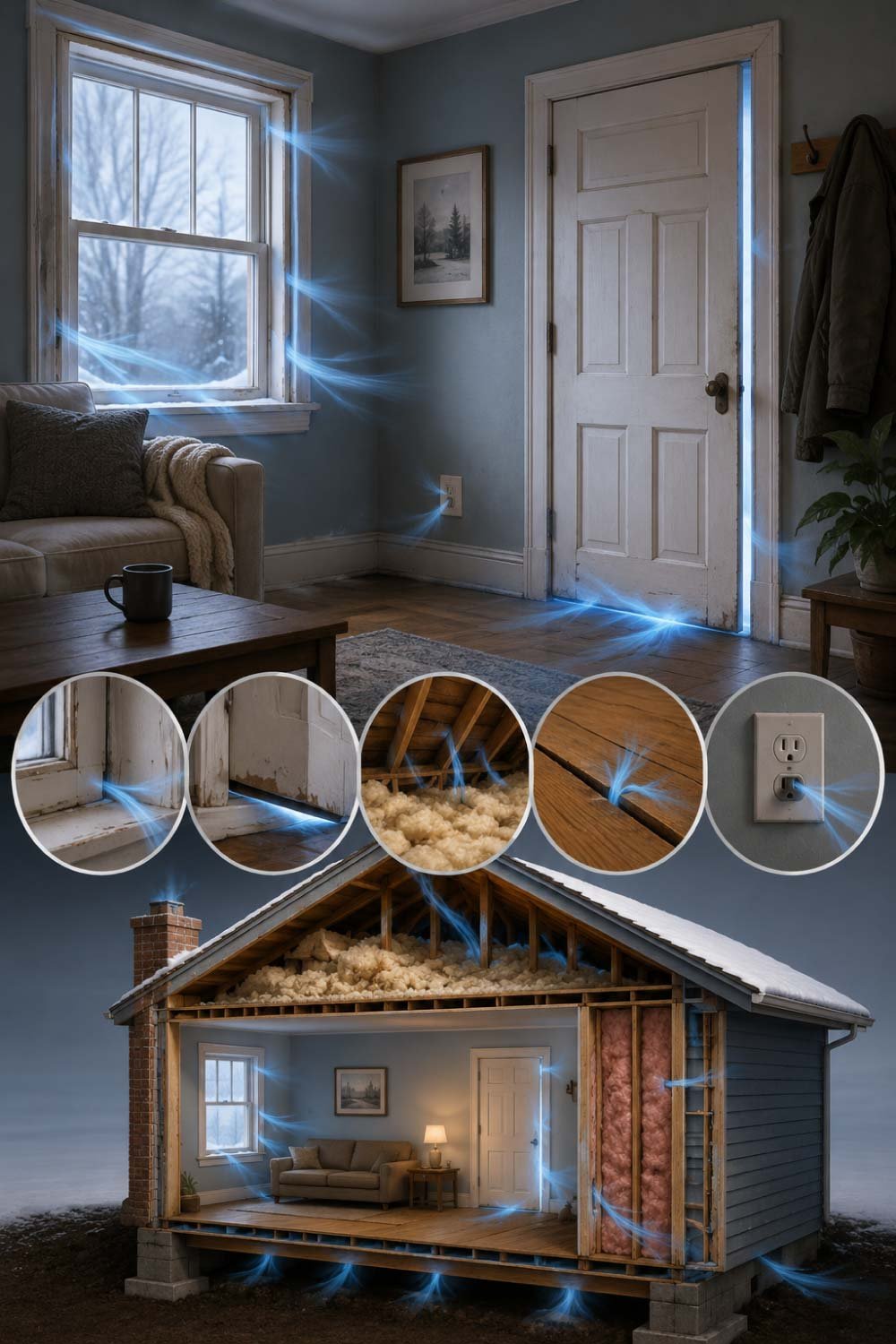
Before jumping into solutions, it helps to understand what’s actually causing the problem. A draft doesn’t just mean cold air—it means unwanted air movement entering your room from outside or unheated areas.
One of the most common reasons is poor sealing around windows and doors. Even small gaps can let in a surprising amount of cold air. Over time, materials like wood frames can shrink or warp, creating tiny openings.
Another major factor is lack of insulation. Many older homes were built without modern insulation standards, allowing heat to escape easily through walls, ceilings, and floors. Even newer homes can develop issues if insulation is damaged or uneven.
Floor gaps, electrical outlets on exterior walls, and attic leaks also contribute to heat loss. Once warm air escapes, your room feels colder, and your heating system has to work harder to maintain a comfortable temperature.
Understanding these causes helps you target the right fixes instead of guessing.
Step 1: Identify Where the Draft Is Coming From
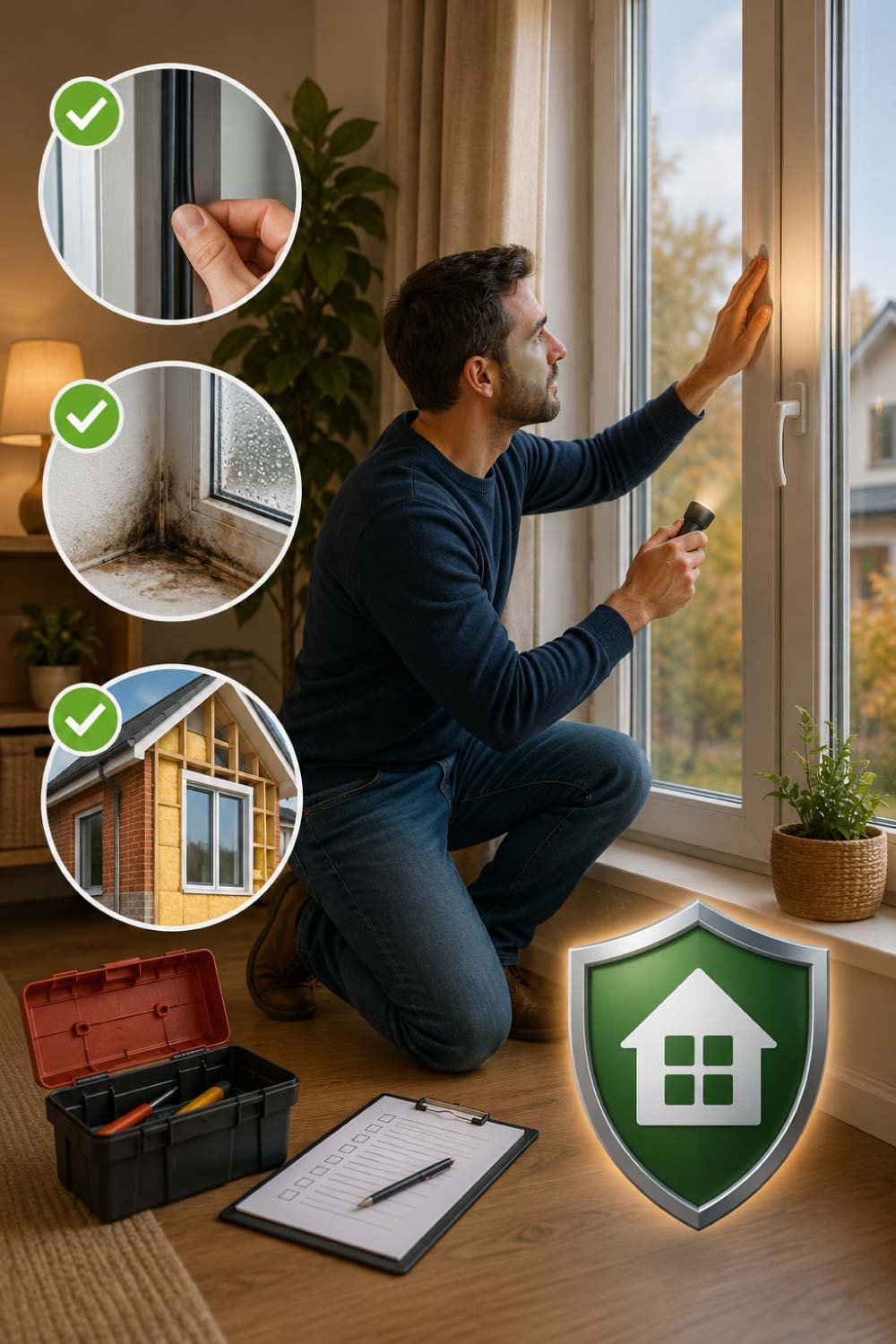
The first and most important step in dealing with a drafty room is accurately identifying where the cold air is entering. Without this, any sealing work may be ineffective. Careful inspection helps you target the exact problem areas and avoid unnecessary repairs or expenses.
Close all doors and windows, then slowly move your hand around edges of windows, door frames, and walls. If you feel cold air, you’ve found a leak. You can also use a candle or incense stick—if the smoke flickers or moves sideways, there is air movement.
Common draft locations include:
Window edges and seals
Door bottoms and sides
Electrical sockets on exterior walls
Floorboards and skirting gaps
Attic or ceiling corners
Once you identify the problem areas, you can focus on sealing them efficiently instead of wasting time and money.
Step 2: Seal Windows Properly
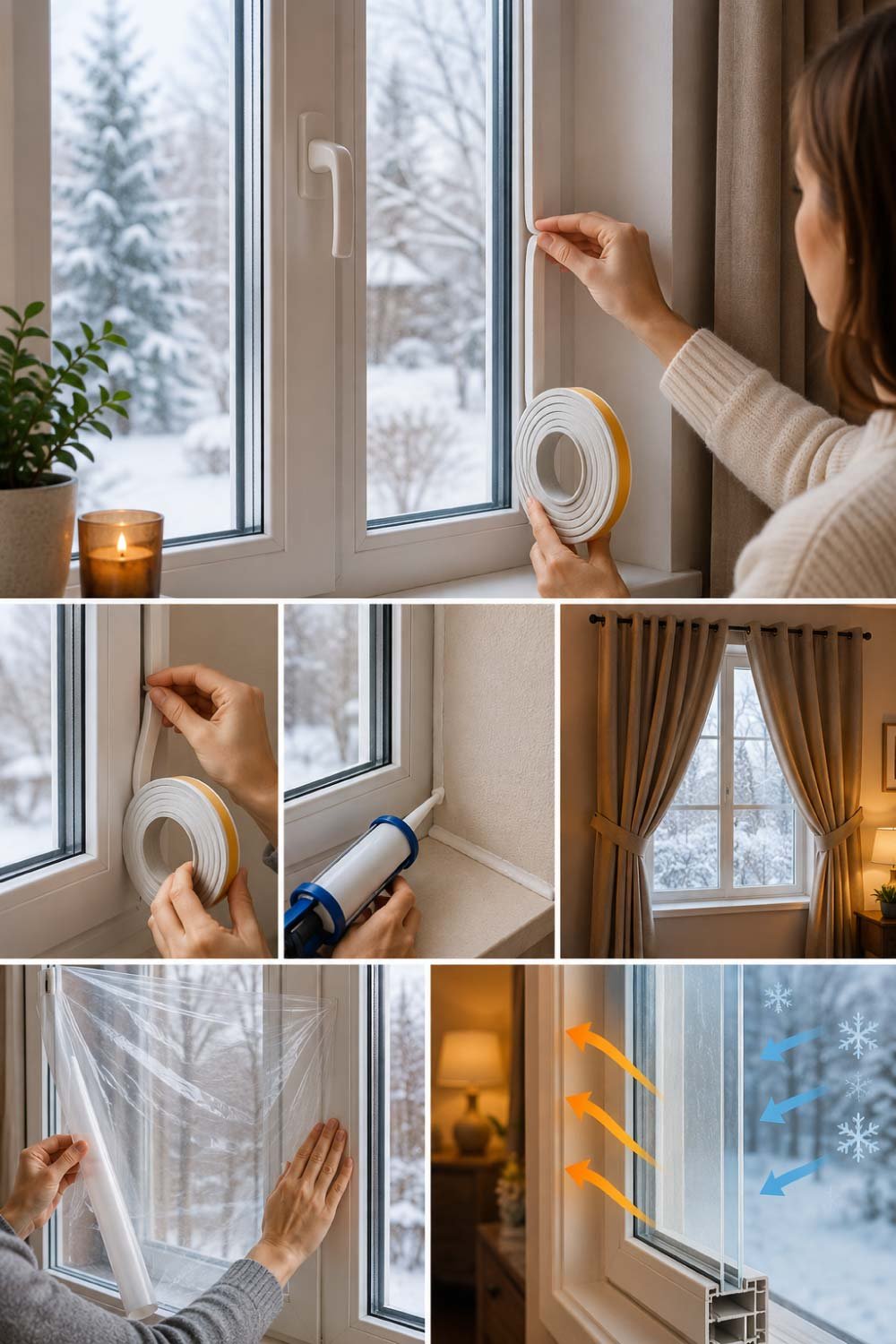
Windows are usually the biggest contributors to heat loss in a room, often allowing cold air to seep in through even the smallest gaps. Proper sealing is essential not only for comfort but also for improving energy efficiency and reducing heating costs during colder months.
Windows are one of the biggest sources of heat loss in any room. Even small gaps around frames can let cold air in continuously.
A quick fix is using weatherstripping tape. This adhesive strip can be applied around window edges to block gaps. It’s inexpensive and easy to install without tools.
Another effective method is using caulk for permanent sealing. If you notice cracks between the window frame and wall, applying a good-quality sealant can stop drafts for years.
For an instant improvement, heavy curtains also help. Thick, thermal curtains act as a barrier against cold air and reduce heat loss significantly, especially at night.
If your windows are single-glazed, consider adding a clear plastic window insulation film during winter. It creates an extra layer that traps heat inside.
Also Read:
Step 3: Stop Cold Air from Doors
Doors are another major source of heat loss in most homes, especially exterior doors that face direct outdoor air pressure. Even small gaps around or beneath doors can allow continuous cold airflow, making indoor spaces uncomfortable and harder to heat efficiently.
Doors are another major entry point for cold air, especially exterior doors.
One of the simplest fixes is a door draft stopper. This can be a fabric tube filled with sand or foam placed at the bottom of the door to block air flow.
You can also install a door sweep, which attaches to the bottom of the door and seals the gap when it closes. This is a more permanent solution and works very well.
For side gaps, use weatherstripping foam tape around the door frame. It compresses when the door closes and blocks air leakage effectively.
If you want a quick DIY solution, rolling up a towel and placing it at the door base still works surprisingly well in emergencies.
Step 4: Improve Floor Insulation
Cold floors can significantly affect how warm a room feels, even when the air temperature is adequate. Heat loss through flooring is common in homes with tile, wood, or uninsulated bases, making proper floor insulation an important step for overall comfort.
Cold floors can make an entire room feel uncomfortable even if the air temperature is fine. This is especially common in tiled or wooden floors with gaps underneath.
Adding thick rugs or carpets is one of the fastest ways to improve warmth. Rugs act as insulation and reduce heat loss through the floor.
If you want a stronger solution, use carpet padding underneath rugs. This adds an extra thermal layer and improves comfort significantly.
For rooms above garages or open spaces, insulating the floor from below (if accessible) can make a major long-term difference.
Even rearranging furniture to cover exposed floor areas can slightly reduce the cold feeling.
Step 5: Check Walls and Electrical Outlets
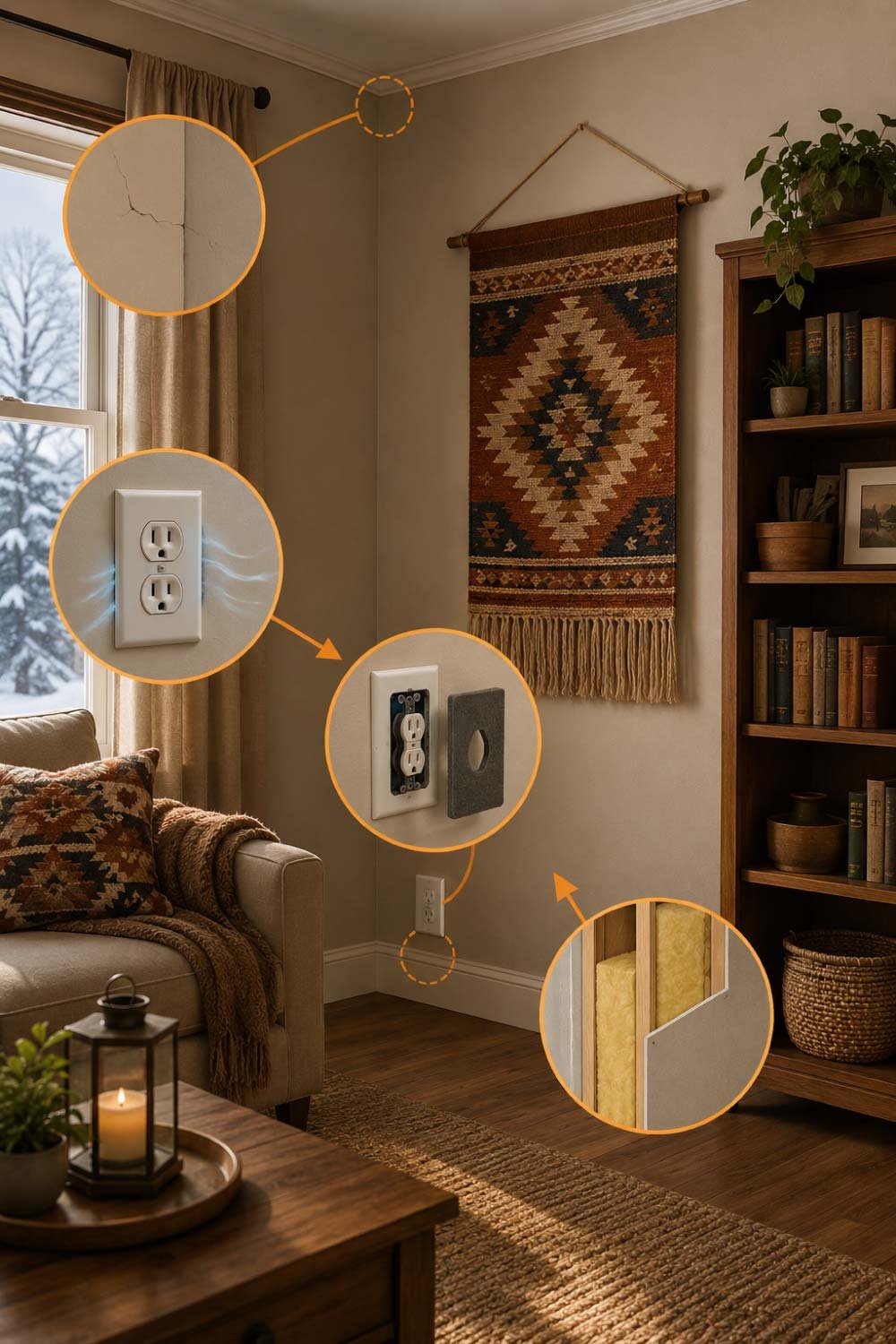
Walls and electrical outlets are often overlooked sources of drafts, yet they can quietly let in cold air through small cracks and unsealed gaps. Addressing these hidden areas is essential for maintaining a consistently warm and energy-efficient indoor environment throughout the room.
Cold air doesn’t just come from windows and doors—it can also sneak through walls.
Exterior walls often have small cracks or poorly sealed areas around sockets and switches. Installing foam gaskets behind outlet covers can reduce air leakage.
If you notice cold spots on walls, it may be due to missing insulation. While full wall insulation is a bigger project, placing furniture like bookshelves against exterior walls can help reduce heat loss.
Hanging tapestries or thick wall decor can also act as a thermal barrier in colder rooms.
Also Read:
Step 6: Use Heat More Efficiently
Even after sealing major drafts, how you use heat within a room plays a crucial role in maintaining warmth. Efficient heating practices can maximize comfort, reduce energy waste, and ensure that the warmth you generate is used effectively throughout the space.
Even after sealing drafts, how you use heat in your room matters.
Instead of heating the entire house, focus only on occupied rooms. Close doors to unused areas to trap heat where you need it.
If using electric heaters, place them centrally in the room for even heat distribution. Avoid placing them near drafty windows, as heat will escape quickly.
Using a fan in reverse mode (if available on ceiling fans) can help circulate warm air that rises to the ceiling, bringing it back down into the room.
Layering blankets, wearing warm clothing indoors, and using hot water bottles are simple but effective ways to stay warm without increasing energy usage.
Final Thoughts
A drafty room doesn’t always require expensive repairs or professional help. In many cases, the problem comes down to small gaps and poor sealing that can be fixed with simple tools and materials.
By identifying where cold air is entering and applying quick solutions like sealing windows, blocking door gaps, and improving insulation, you can dramatically improve comfort in a short time.
The key is to act early. The longer drafts are ignored, the more energy you waste and the less comfortable your home becomes. With a few practical changes, you can turn a cold, uncomfortable room into a warm and cozy space you actually enjoy spending time in.