
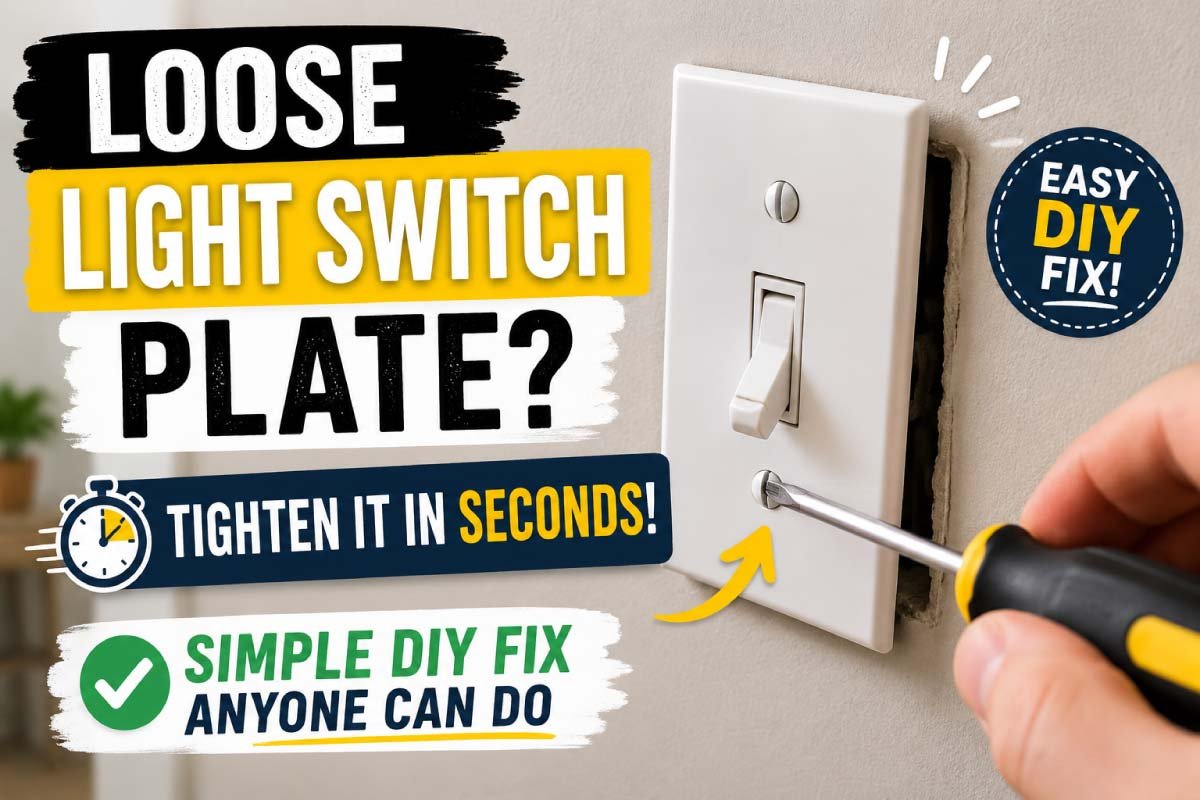
A loose light switch plate is one of those small household problems that feels harmless at first—but quickly becomes annoying. The cover shifts when you press it, makes clicking noises, or even leaves a gap between the wall and plate. While it might not seem serious, a loose switch plate can make your wall look poorly maintained and, in some cases, expose internal wiring areas to dust and accidental contact.
The good news? You don’t need an electrician for this. In most cases, you can fix a loose light switch plate in just a few seconds with basic tools you probably already have at home.
This guide will walk you through why it happens, how to fix it safely, and how to prevent it from loosening again.
Why Light Switch Plates Become Loose
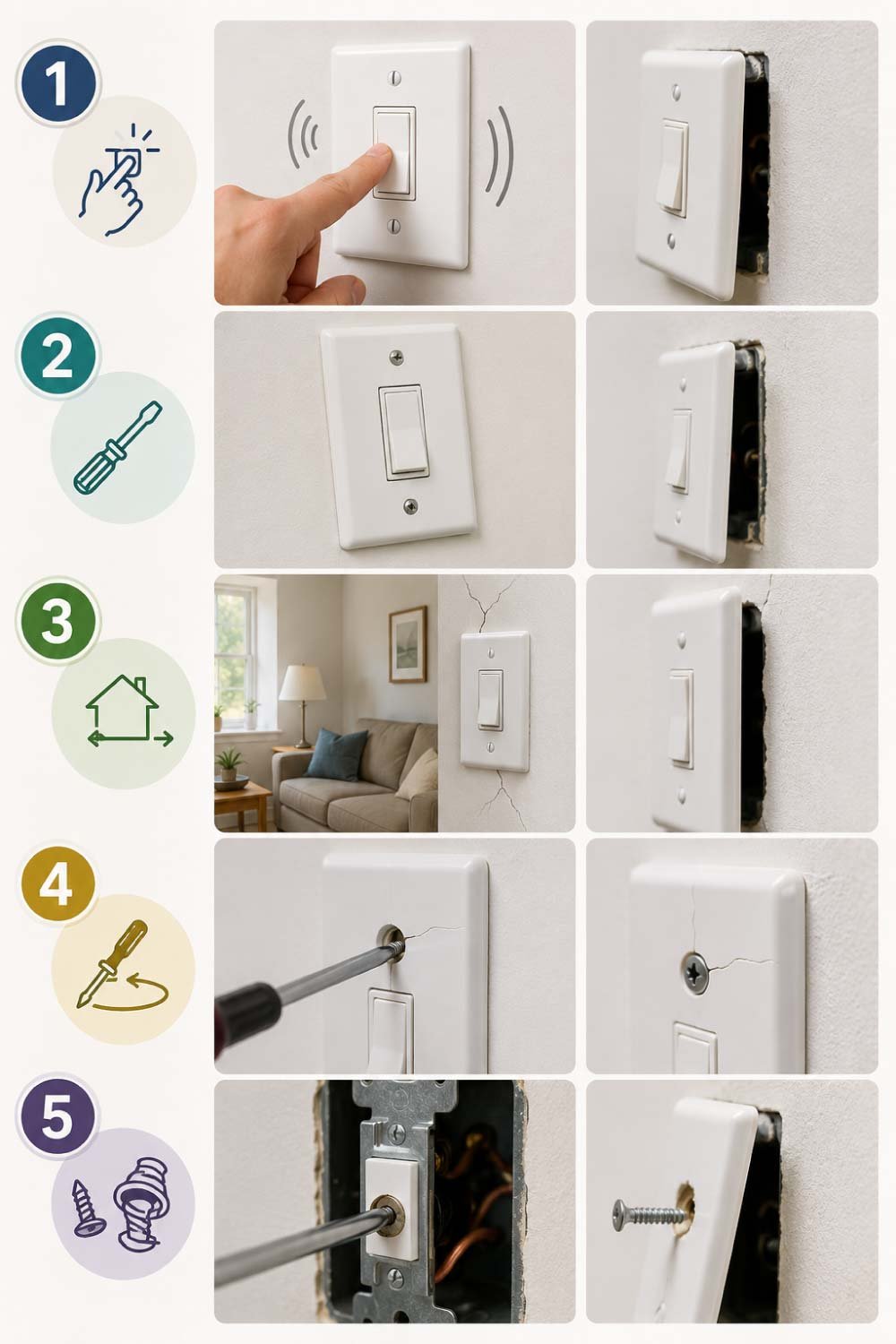
A loose light switch plate usually develops gradually over time rather than suddenly failing. Everyday usage, environmental changes, and installation quality all play a role. Understanding the root causes helps you prevent the issue from returning after fixing it. Most of the time, it is a simple mechanical problem rather than an electrical fault.
1. Frequent Use
Light switches are among the most frequently used fixtures in any home, often pressed multiple times a day by different family members. This repeated pressure creates small vibrations in the screws over time, slowly loosening their grip and causing the switch plate to wobble or shift away from the wall.
2. Poor Installation
If the switch plate was not properly secured during installation, it can become loose very quickly. Even slightly under-tightened screws fail to hold the plate firmly against the wall. Poor alignment or rushed fitting work often results in early instability, making the plate move or rattle within a short period.
3. Wall Movement or Settling
Buildings naturally expand and contract due to temperature changes, humidity, and structural settling. These small shifts can affect how tightly screws hold in place. Over time, this constant movement weakens the grip between the wall box and screws, leading to a gradually loosening switch plate.
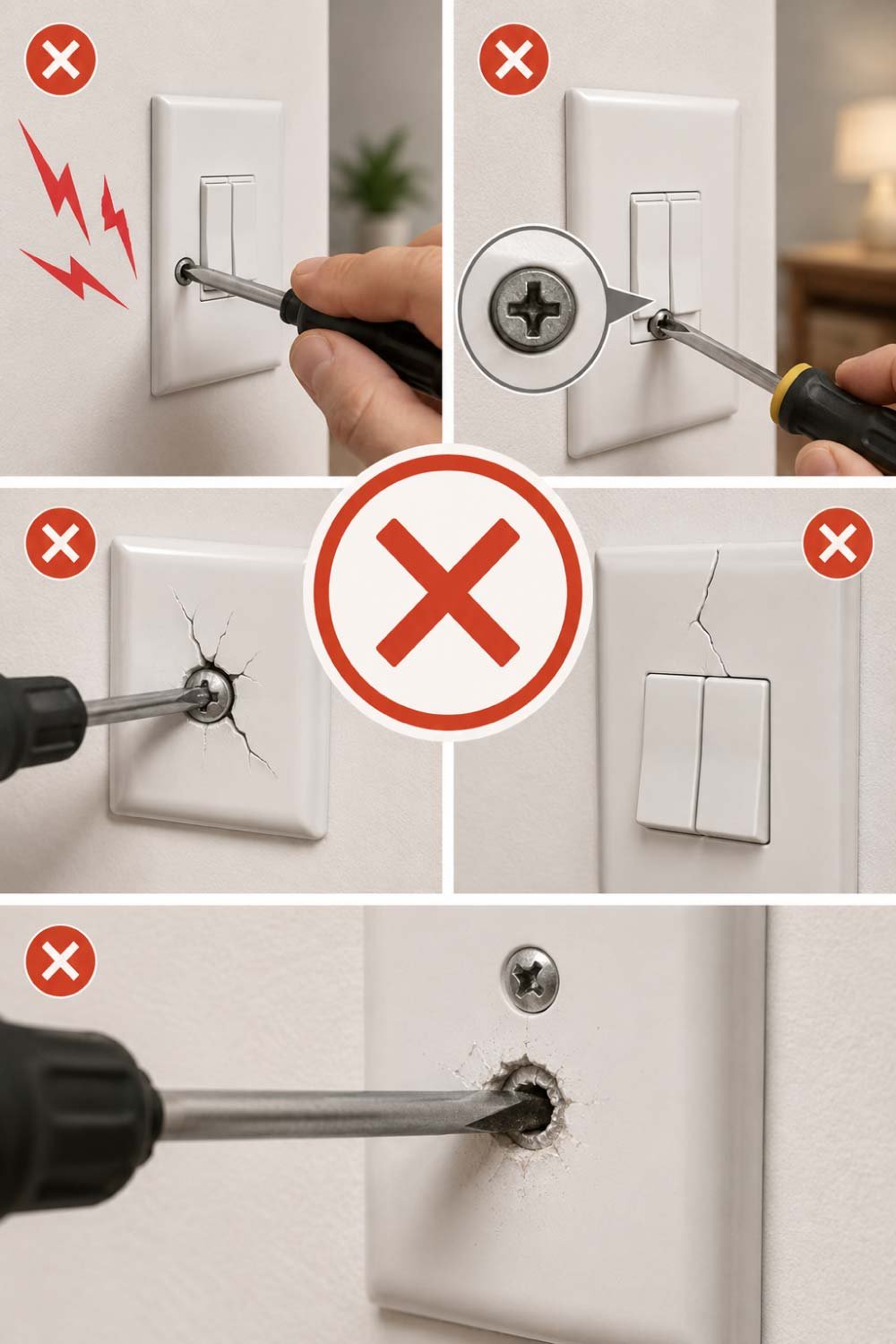
4. Over-tightened Screws
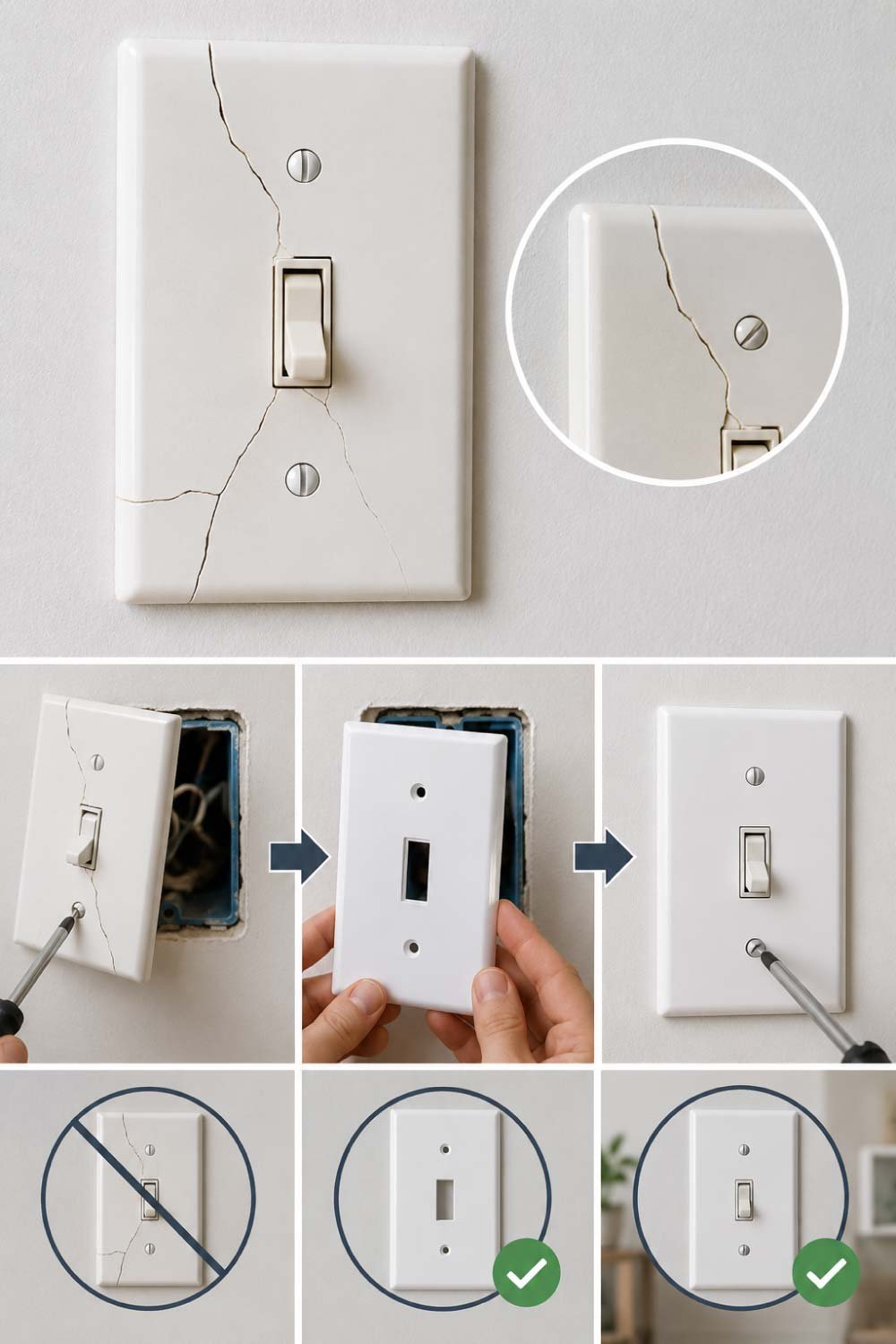
While tightening is important, overdoing it can create new problems. Excess force can crack the plastic plate or damage the screw holes, reducing their holding strength. Once the material is strained or slightly broken, the plate becomes unstable and may loosen again even if it appears tightly fixed.
5. Worn Screw Holes
With repeated tightening and loosening over time, the screw holes inside the electrical box can become worn or stripped. When this happens, screws no longer grip securely and easily slip out of place. This leads to a loose or shifting switch plate that cannot stay firmly attached to the wall.
Is a Loose Light Switch Plate Dangerous?
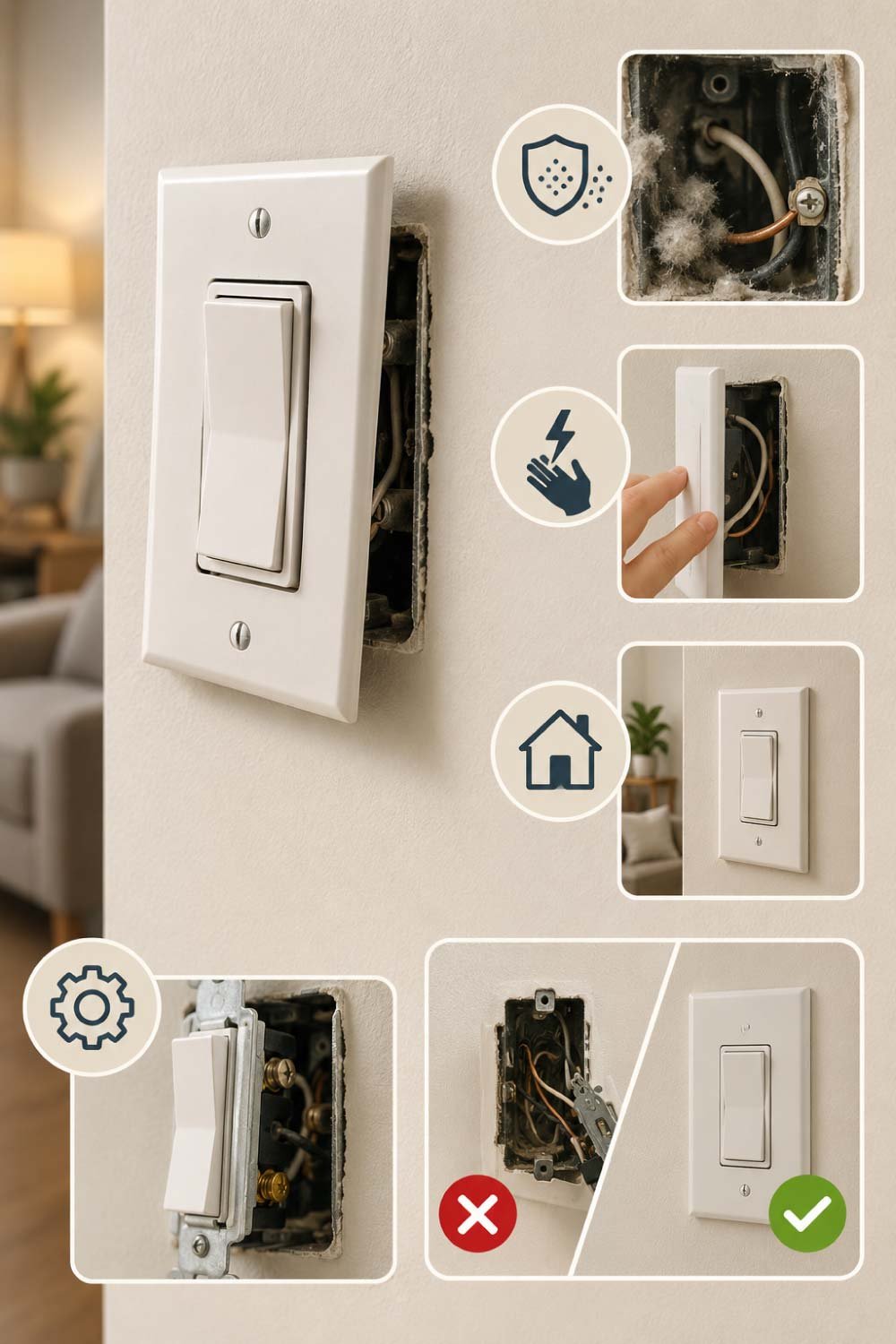
A loose switch plate is usually not an immediate safety hazard, but it should never be ignored. While it may seem minor, it can expose internal components over time and increase wear on the switch assembly. Fixing it early helps maintain both safety and the overall appearance of your wall.
• Keeps dust and debris away from wiring
A properly secured switch plate acts as a protective barrier, preventing dust, dirt, and small particles from entering the electrical box. When the plate is loose, these contaminants can accumulate inside, potentially affecting switch performance and increasing long-term maintenance issues.
• Prevents accidental contact with electrical components
A stable switch plate ensures that internal wiring and connections remain safely covered. If the plate is loose or shifting, there is a higher chance of accidental contact during cleaning or use, which can create unnecessary risk, especially in homes with children.
• Maintains wall appearance and safety
A tight switch plate keeps the wall looking clean and well-maintained. Loose plates create gaps and uneven edges that make the area look neglected. Beyond appearance, proper alignment ensures the fixture stays secure and does not worsen over time.
• Reduces wear on internal switch connections
When a plate moves frequently, it can indirectly stress the internal switch mechanism. This repeated movement may loosen internal parts or affect alignment, reducing the lifespan of the switch. Keeping the plate firm helps maintain stable internal connections.
If the plate is extremely loose or you see exposed wiring, that’s when you should take immediate action or consult a professional.
Tools You Will Need
Fixing a loose light switch plate is a simple task that requires only basic household tools. Most of these items are commonly available in every home, so you usually won’t need to buy anything special. Having the right tools ready makes the repair quick, safe, and hassle-free.
Flathead or Phillips screwdriver (depending on screw type)
A screwdriver is the main tool needed for this repair. Most switch plates use either flathead or Phillips screws. Choosing the correct type ensures proper grip and prevents damage to the screw head while tightening or loosening the plate.
Flashlight (optional, for better visibility)
A flashlight can help you clearly see the screw positions, especially in dimly lit rooms or corners. It improves accuracy during inspection and ensures you don’t miss any loose or damaged areas around the switch plate.
Wall anchors or toothpicks (if screw holes are stripped)
If the screw holes are worn out and no longer hold properly, wall anchors or even wooden toothpicks can temporarily improve grip. They help fill the gap so the screws can tighten securely again and hold the plate firmly.
Electrical tape (optional safety step)
Electrical tape is not always required, but it can be used for added safety or insulation if you are near exposed areas. It provides an extra layer of protection and helps secure loose wiring points if needed.
Most homes already have these tools available, making this one of the easiest DIY fixes.
Step-by-Step Guide to Tighten a Loose Light Switch Plate
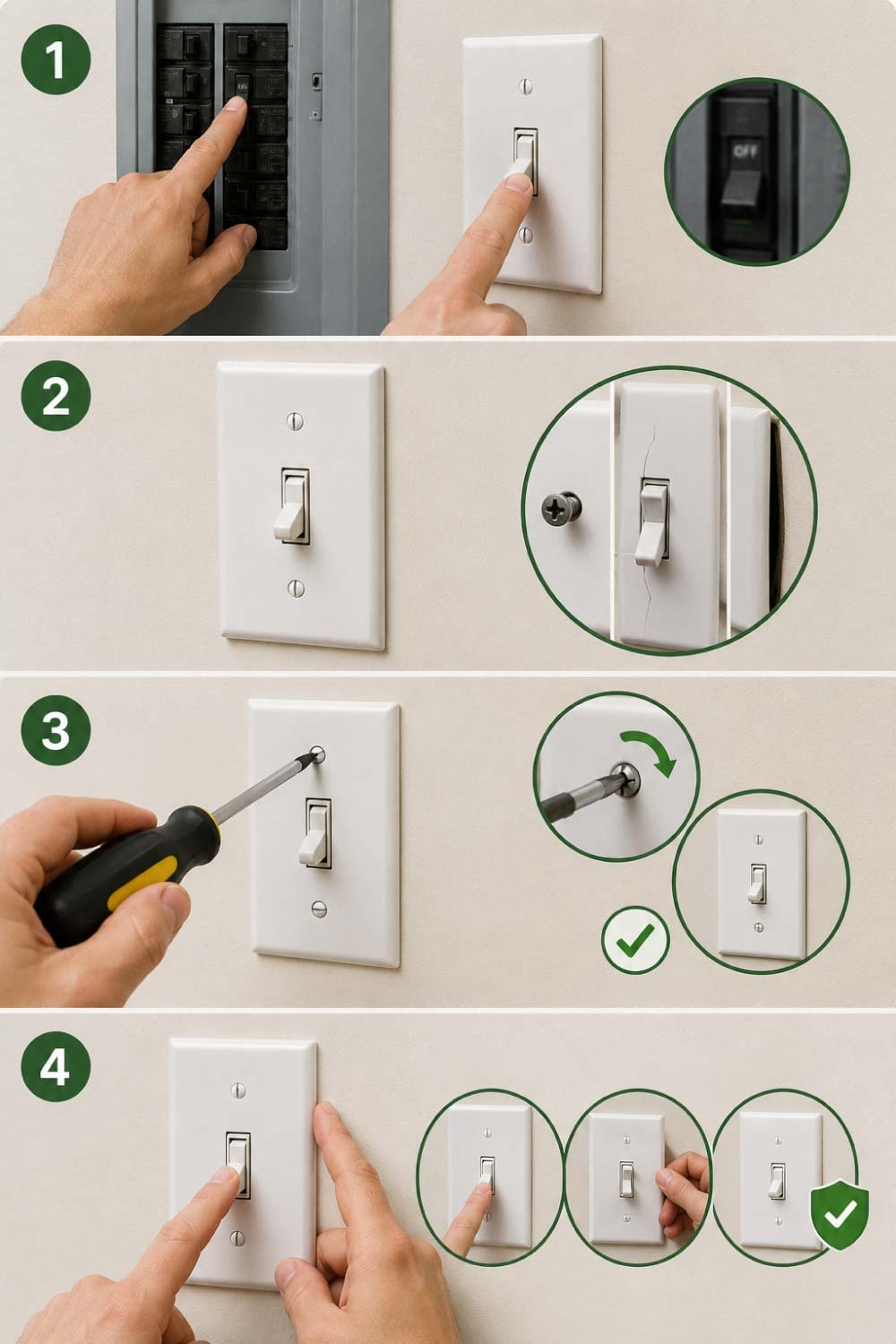
Fixing a loose switch plate does not require technical expertise. By following a few simple steps carefully, you can restore stability in just a few minutes. The process is straightforward, but attention to safety and proper handling ensures a long-lasting result.
Step 1: Turn Off Power (Safety First)
Before doing anything, safety should always come first. Go to your home’s circuit breaker and switch off the power connected to the specific light switch. This prevents any risk of electrical shock while working on the plate.
After turning off the power, press the switch once to confirm that there is no electricity running through it.
Step 2: Inspect the Plate
Carefully examine the switch plate to understand the condition of the problem. Look closely for loose screws, cracks in the plastic, or gaps between the plate and wall. This inspection helps you determine whether a simple tightening is enough or if additional repair is needed.
Step 3: Tighten the Screws
Use a screwdriver to gently tighten the top and bottom screws of the switch plate. Turn them clockwise, but avoid applying too much force.
Important tips:
- Tighten slowly and evenly
- Do not overtighten to avoid cracking the plate
- Ensure the plate sits flush against the wall
Once tightened, press lightly to check stability.
Step 4: Check for Movement
After tightening, test the plate thoroughly to ensure it is secure. Press the switch multiple times, gently wiggle the plate, and observe any movement.
If it feels firm and stable, your job is done. If it still moves, the issue may be deeper.
Final Thoughts
A loose light switch plate may seem like a small inconvenience, but fixing it quickly helps maintain both safety and appearance in your home. The entire repair usually takes less than five minutes and requires only a screwdriver.
Whether it’s a simple tightening or a quick fix for stripped screws, this is one of the easiest home maintenance tasks you can do yourself.
By checking your switches regularly and handling small issues early, you keep your home safer, cleaner, and more stable—without spending money on unnecessary repairs.
A few seconds of attention today can save you bigger headaches tomorrow.
Also Read: