

Keeping a home in good condition often feels like a never-ending task. Something always seems to need attention—whether it’s a dripping tap, a squeaky door, flickering lights, or clutter piling up faster than you can handle it. The good news is that most everyday home problems don’t require expensive repairs or professional help right away. With a few quick fix solutions and simple habits, you can maintain your home easily, save money, and avoid bigger issues later.
This guide will walk you through practical, easy-to-follow solutions that help you handle common household problems without stress. These are not complicated renovations—just smart, fast fixes that make a big difference.
Table of Contents
Toggle1. Stop Leaky Faucets Before They Waste Water
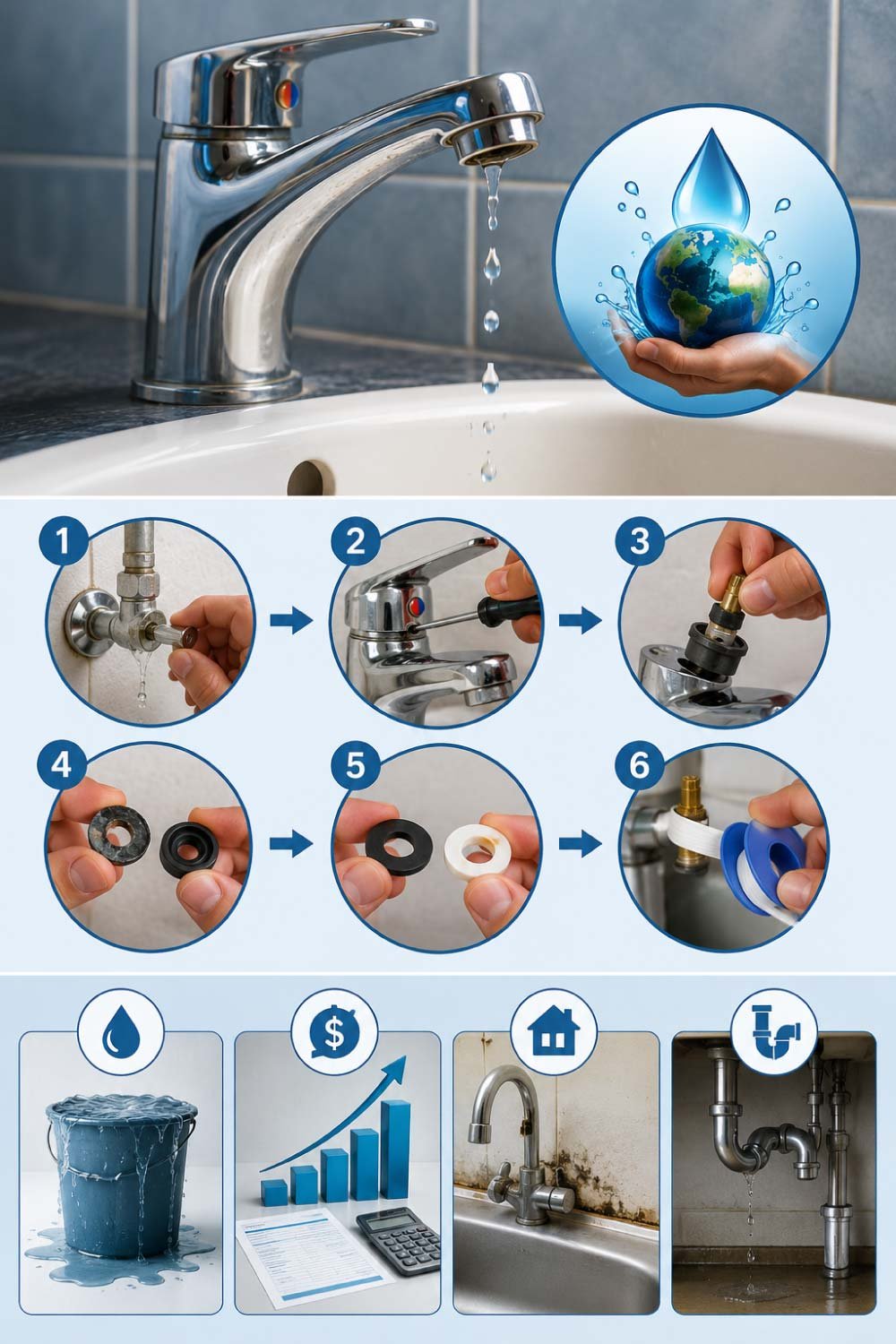
A leaking faucet is one of the most common household problems that often gets ignored. Even a slow drip can lead to significant water loss over time and higher utility bills. Most leaks happen due to worn-out washers, loose fittings, or internal seal damage. Fixing it early is simple and prevents unnecessary water waste.
Quick Fix:
- Turn off the main water supply before starting any repair
- Unscrew the faucet handle carefully using a screwdriver
- Inspect the washer and rubber seal for cracks or wear
- Replace damaged parts with new ones if available
- Tighten loose components to stop minor leaks
- Use plumber’s tape around threads for a temporary seal if needed
Why It Matters:
- A dripping faucet can waste hundreds of liters of water every month
- Increases monthly water bills without noticeable benefit
- Continuous leakage can damage sink areas over time
- Early repair prevents bigger plumbing problems later
2. Silence Squeaky Doors with Household Oil
Squeaky doors are a small but very irritating household issue that usually happens due to dry or rusty hinges. The good news is that you don’t need expensive tools or professional help to fix it. A simple lubricant from your kitchen or toolbox can instantly solve the problem.
Quick Fix:
- Apply a few drops of cooking oil, petroleum jelly, or soap on hinges
- Open and close the door several times to spread lubrication evenly
- Wipe away extra oil to avoid stains on walls or floor
- Repeat if the squeak returns after some time
- Use proper machine oil for longer-lasting results if available
Bonus Tip:
- Place a cloth or paper under hinges while applying oil
- Prevents dripping and keeps the area clean
3. Fix Flickering Lights Safely

Flickering lights can make your home feel uncomfortable and sometimes even unsafe. This issue is often caused by loose bulbs, poor connections, or low-quality lighting products. While it may seem minor, ignoring it can lead to bigger electrical problems later, so quick attention is important.
Quick Fix:
- Turn off the main power before handling any electrical fixture
- Tighten the bulb properly and ensure it is seated correctly
- Replace old or low-quality bulbs with reliable LED options
- Check if flickering continues after replacement
- If multiple lights flicker, call a professional electrician
Prevention:
- Use energy-efficient and branded bulbs
- Avoid mixing old and new bulbs in the same fixture
- Regularly inspect fittings for loose connections
4. Unclog Drains Without Harsh Chemicals
Blocked drains are a frequent household headache, especially in kitchens and bathrooms. They are usually caused by grease, food particles, soap, or hair buildup. Instead of using strong chemical cleaners that may damage pipes, natural solutions can work just as effectively and safely.
Quick Fix:
- Pour half a cup of baking soda into the drain
- Add half a cup of vinegar immediately after
- Let the mixture sit for 10–15 minutes
- Flush with hot water to clear loosened debris
- Use a plunger for stubborn or deeper clogs
Why It Works:
- Natural reaction helps break down grease and dirt
- Cleans pipes without causing corrosion
- Safe for regular household use
- Helps maintain smooth water flow
5. Patch Small Wall Cracks Before They Grow
Small cracks in walls often go unnoticed, but they can gradually expand due to temperature changes, moisture, or building movement. Repairing them early is important to maintain both the appearance and strength of your walls. Quick fixes can easily prevent bigger and more expensive repairs later.
Quick Fix:
- Clean the crack area to remove dust and loose particles
- Fill it using wall filler or a plaster mixture
- Smooth the surface with a spatula or putty knife
- Allow it to dry completely before sanding
- Repaint the area to match the wall color
Tip:
- Regularly inspect walls for early signs of damage
- Fixing small cracks early prevents structural issues over time
6. Control Musty Smells in Rooms
Musty smells in rooms are usually caused by trapped moisture, poor air circulation, or hidden mold growth behind furniture or walls. These odors can make a home feel unclean and uncomfortable. Improving ventilation and controlling dampness are key steps to restoring a fresh indoor environment.
Quick Fix:
- Open windows daily to improve airflow and reduce trapped odors
- Place bowls of baking soda in corners to absorb bad smells
- Use activated charcoal bags for stronger odor control
- Sprinkle baking soda on carpets, leave for a few hours, then vacuum
- Move furniture slightly away from walls for better air circulation
Long-Term Solution:
- Identify and repair any water leaks immediately
- Keep rooms dry and well-ventilated at all times
- Use a dehumidifier in damp areas if needed
- Prevent mold growth by controlling indoor moisture levels
Also Read:
How to Replace a Faucet Washer: Simple Step-by-Step DIY Guide
7. Fix Loose Furniture Before It Breaks
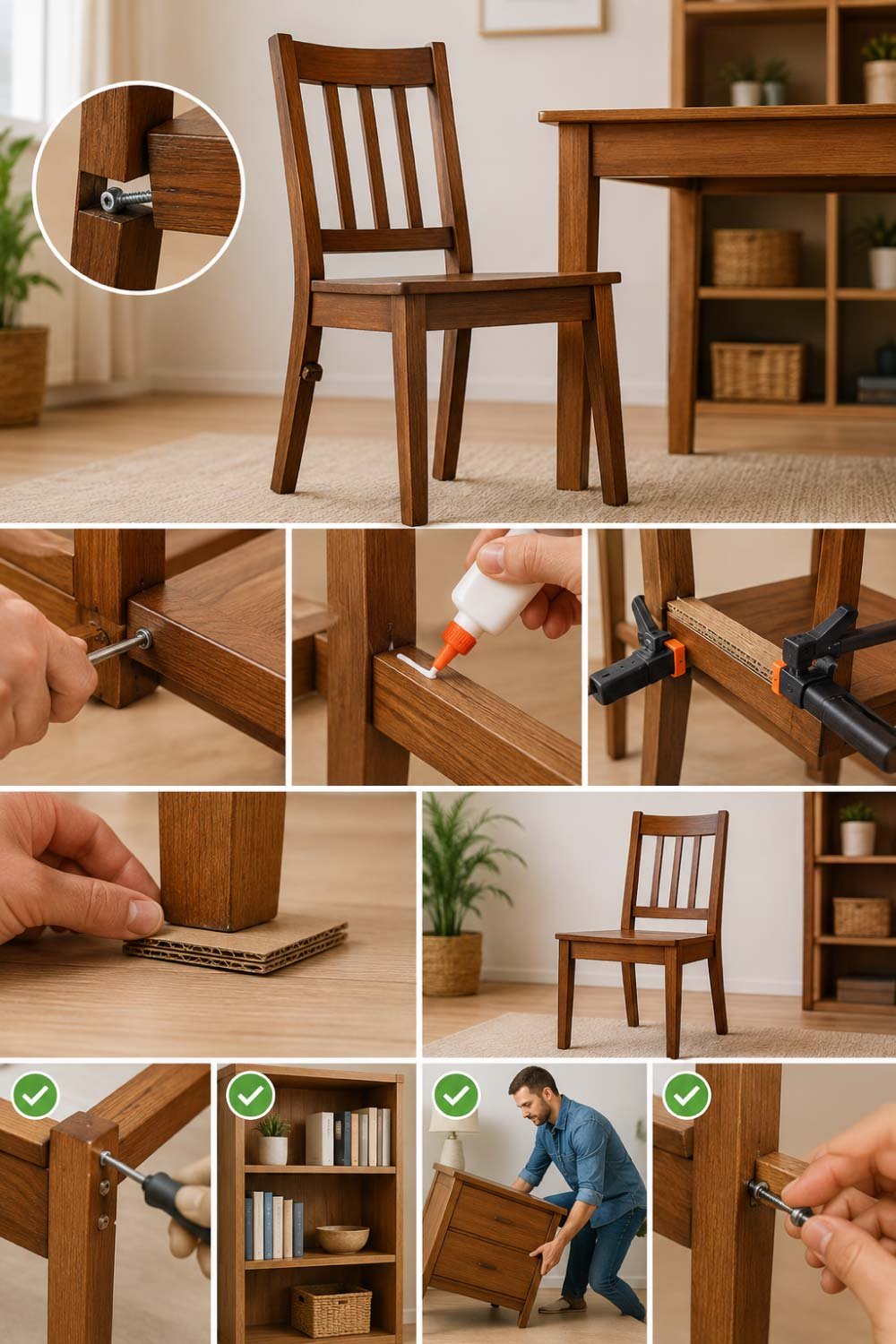
Loose or wobbly furniture is a common issue that can become dangerous if ignored. Chairs, tables, or shelves may lose stability due to worn joints or loose screws. Fixing them early ensures safety and extends the life of your furniture while avoiding costly replacements.
Quick Fix:
- Tighten all screws and bolts using a screwdriver
- Apply wood glue to loose joints for stronger bonding
- Use clamps to hold glued parts until they dry completely
- Place folded cardboard or rubber under uneven legs for balance
- Test stability after repairs before regular use
Prevention:
- Check furniture joints every few months
- Avoid overloading shelves beyond their capacity
- Handle furniture carefully during movement or cleaning
- Fix minor looseness immediately before it worsens
Also Read:
Plumbing Repair at Home DIY: A Practical Guide for Homeowners
8. Restore Weak Water Pressure Easily
Low water pressure can make simple tasks like bathing, washing dishes, or cleaning frustrating. This problem is often caused by clogged aerators, pipe blockages, or supply issues. The good news is that in many cases, it can be fixed quickly without major plumbing work.
Quick Fix:
- Remove faucet aerators carefully from taps
- Soak them in vinegar for 30 minutes to dissolve mineral deposits
- Scrub gently with a brush to remove remaining debris
- Reattach and check water flow improvement
- Repeat cleaning for all taps showing weak pressure
Maintenance Tip:
- Clean aerators every few months to prevent buildup
- Avoid ignoring slow water flow as it may worsen over time
- If all taps are affected, consult a plumber for supply issues
9. Fix Sticky Doors and Windows
Sticky doors and windows are often caused by humidity, dust buildup, or slight frame swelling due to moisture changes. This can make them hard to open or close properly. Simple household solutions can restore smooth movement without expensive repairs.
Quick Fix:
- Rub candle wax or soap along edges where friction occurs
- Open and close several times to distribute lubrication evenly
- Clean dirt from frames to improve movement
- Lightly sand swollen wooden edges if necessary
- Check alignment of hinges if sticking continues
Extra Tip:
- Keep frames clean and dry to avoid buildup
- Avoid excess moisture in rooms to prevent swelling
- Regular maintenance helps prevent long-term sticking issues
Also Read:
10. Prevent Overcrowded Countertops
Overcrowded kitchen countertops make cooking difficult and reduce overall cleanliness. Clutter builds up quickly when items are left out without a proper storage system. Organizing surfaces not only improves appearance but also increases efficiency in daily kitchen tasks.
Quick Fix:
- Remove everything from the counter and start fresh
- Keep only essential daily-use items like kettle or toaster
- Store extra appliances inside cabinets or shelves
- Use wall hooks or magnetic strips for utensils
- Organize items based on frequency of use
Why It Helps:
- Creates a cleaner and more spacious kitchen environment
- Makes cooking and cleaning faster and easier
- Reduces stress caused by visual clutter
- Improves overall home appearance instantly
11. Handle Peeling Paint Quickly
Peeling paint can make walls look old, damaged, and poorly maintained. It often happens due to moisture, poor surface preparation, or aging paint. Fixing small areas early prevents further spreading and keeps walls looking fresh and clean.
Quick Fix:
- Scrape off loose or peeling paint carefully
- Clean the surface to remove dust and debris
- Apply primer to ensure better paint adhesion
- Repaint the area using matching wall color
- Allow proper drying time for a smooth finish
Prevention:
- Keep walls dry and well-ventilated
- Fix leaks or dampness immediately
- Use high-quality paint for longer-lasting results
- Avoid painting over moist surfaces
12. Reduce Noise from Floors and Stairs
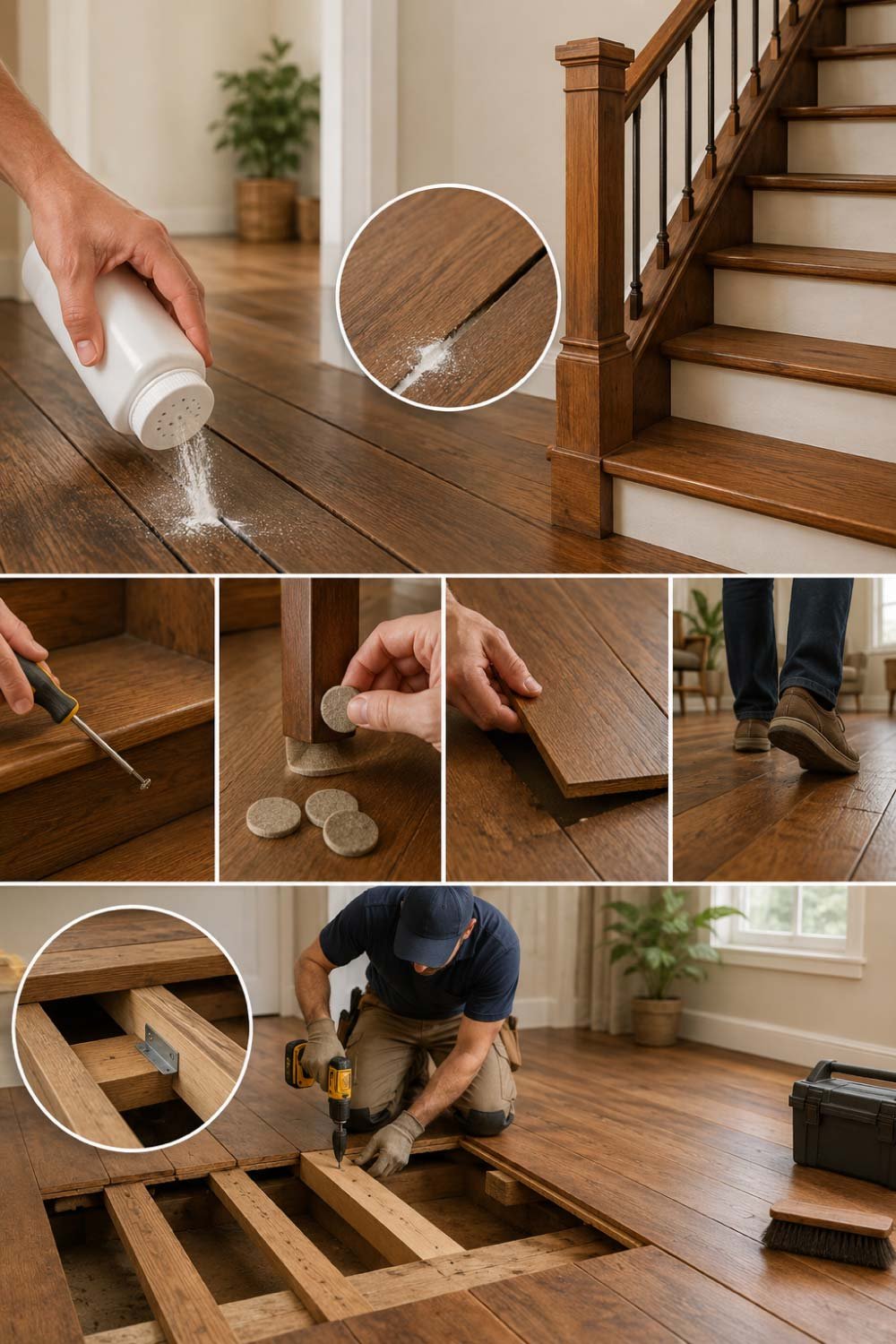
Creaky floors and noisy stairs are common in older homes and can become very irritating over time. The sound is usually caused by friction between wooden boards or loose fittings. Simple fixes can significantly reduce noise without major renovation.
Quick Fix:
- Sprinkle talcum powder or graphite powder into floor gaps
- Tighten loose nails or screws on stairs and flooring
- Add felt pads under furniture to reduce friction
- Check for loose boards and secure them properly
- Walk over surfaces to test noise reduction
Long-Term Solution:
- Reinforce weak floor sections if noise persists
- Consider professional repair for structural issues
- Regular maintenance prevents worsening of creaks
13. Keep Bathroom Mold Under Control
Bathrooms are highly prone to mold growth due to constant moisture and poor ventilation. Mold not only looks unpleasant but can also affect health if left untreated. Regular cleaning and proper airflow are essential for keeping bathrooms fresh and hygienic.
Quick Fix:
- Clean affected areas using vinegar or mild bleach solution
- Wear gloves and ensure proper safety while cleaning
- Scrub mold from tiles, corners, and grout lines
- Open windows or use exhaust fans after showers
- Keep surfaces dry whenever possible
Prevention:
- Wipe down wet surfaces after each use
- Improve ventilation in the bathroom
- Fix leaks immediately to prevent moisture buildup
- Clean regularly to stop mold from returning
Final Thoughts
Home maintenance doesn’t have to be overwhelming or expensive. Most common household issues can be solved quickly with simple tools and everyday materials. The key is to address problems early before they turn into major repairs.
By adopting these quick fix solutions and staying consistent with small maintenance habits, you can keep your home safe, comfortable, and well-organized without stress.
A well-maintained home isn’t about perfection—it’s about attention, care, and timely action.
Also Read:
DIY Plumbing Repair Guide: Fix Common Plumbing Problems Without a Professional