

Home maintenance is one of those things that never really ends. Just when you fix one problem, another one seems to appear—leaky faucets, squeaky doors, flickering lights, or clogged drains. Over time, it can feel like your home is constantly asking for attention, money, and effort.
But here’s the good news: many of these recurring issues don’t actually require expensive repairs or professional help every time. In fact, with a few simple, practical fixes and habits, you can reduce repair stress significantly and keep your home running smoothly.
This guide walks you through easy, effective solutions to common household problems so you can stop reacting to issues all the time—and start preventing them instead.
Table of Contents
ToggleWhy Home Repairs Keep Happening

Home repairs often feel never-ending because most issues don’t get fully resolved or are ignored in early stages. Small faults slowly turn into bigger problems due to lack of maintenance, daily wear, and temporary fixes that don’t address the root cause.
Most recurring home issues happen due to a few simple reasons:
- Lack of regular maintenance
- Ignoring small issues until they grow bigger
- Using temporary fixes instead of proper solutions
- Wear and tear from daily use
- Environmental factors like humidity, dust, or water quality
The key to breaking the cycle is not working harder—it’s working smarter. Small, consistent fixes and habits can dramatically reduce the number of repairs your home needs.
1. Stop Leaky Faucets Before They Waste Water and Money
Leaky faucets are one of the most overlooked home problems. A slow drip may not seem serious, but over time it wastes water, increases bills, and damages fixtures. Fixing it early prevents bigger plumbing issues and helps maintain efficient water usage throughout your home.
Simple Fix:
Most faucet leaks are caused by worn-out washers or loose fittings. Turn off the water supply, remove the faucet handle, and check the rubber washer inside. Replacing it usually solves the problem instantly.
Prevention Tip:
Don’t overtighten taps when turning them off. Over-tightening wears out internal parts faster and leads to leaks sooner.
2. Fix Squeaky Doors with One Quick Trick
Squeaky doors may seem like a small annoyance, but they can become distracting and irritating in daily life. The good news is that this problem is usually caused by simple friction in hinges and can be fixed in minutes using basic household items.
Simple Fix:
Apply a small amount of oil, petroleum jelly, or even cooking oil to the door hinges. Open and close the door a few times to spread it evenly.
Prevention Tip:
Clean hinges occasionally to remove dust buildup. Dirt and friction are often the real cause of the squeaking.
3. Unclog Drains Before They Become a Major Problem
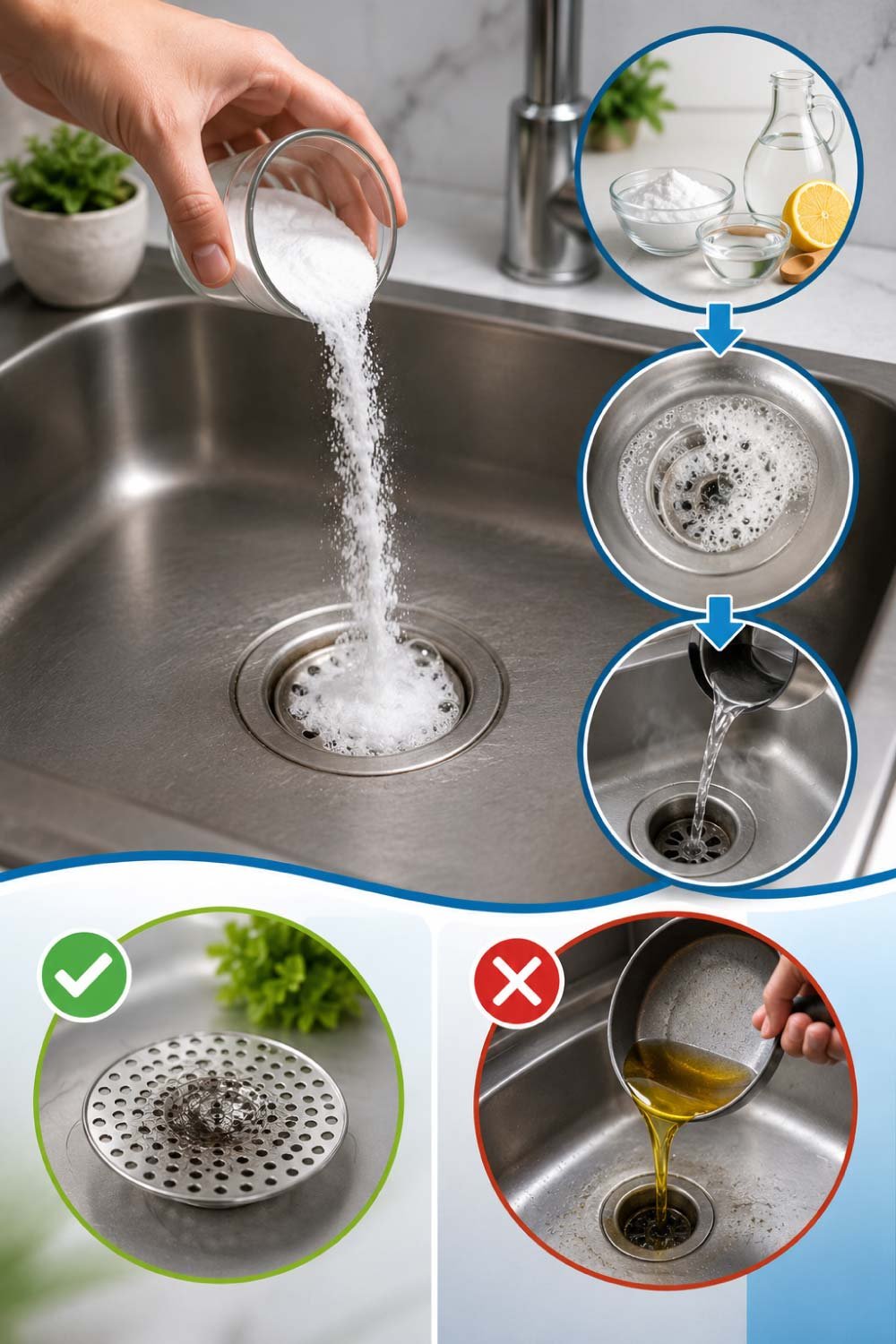
Slow or clogged drains are a common household issue that often builds up gradually. Many people ignore early signs like slow water flow until it becomes a full blockage. Regular cleaning and simple natural solutions can keep drains running smoothly and prevent expensive plumbing repairs.
Simple Fix:
Pour hot water mixed with baking soda and vinegar down the drain. Let it sit for 10–15 minutes, then flush with more hot water. This helps break down buildup naturally.
Prevention Tip:
Use drain covers to catch hair and debris. Avoid pouring oil or grease down the sink, as it solidifies and causes blockages.
4. Fix Loose Screws and Wobbly Furniture Instantly
Wobbly furniture and loose screws are common in every home, especially with regular use. While they may seem minor, they can affect safety and durability over time. Quick tightening and simple reinforcements can restore stability and extend the life of your furniture.
Simple Fix:
Tighten loose screws using a screwdriver. If the hole is stripped and the screw won’t hold, insert a small wooden toothpick or matchstick with glue before reinserting the screw.
Prevention Tip:
Check furniture joints every few months. Regular tightening prevents long-term damage and keeps everything stable.
5. Stop Wall Cracks from Spreading
Wall cracks are common in many homes and often appear due to temperature changes or natural settling of the building. While small cracks may not seem serious, they can expand over time if left untreated, affecting both appearance and structure.
Simple Fix:
Use wall filler or spackle to seal small cracks. Smooth it out with a putty knife and repaint the area if needed.
Prevention Tip:
Avoid sudden temperature changes indoors and maintain proper ventilation. Excess moisture and heat changes often contribute to wall cracking.
Also Read:
How to Fix Kitchen Plumbing Issues: A Step-by-Step DIY Guide
6. Fix Flickering Lights Safely
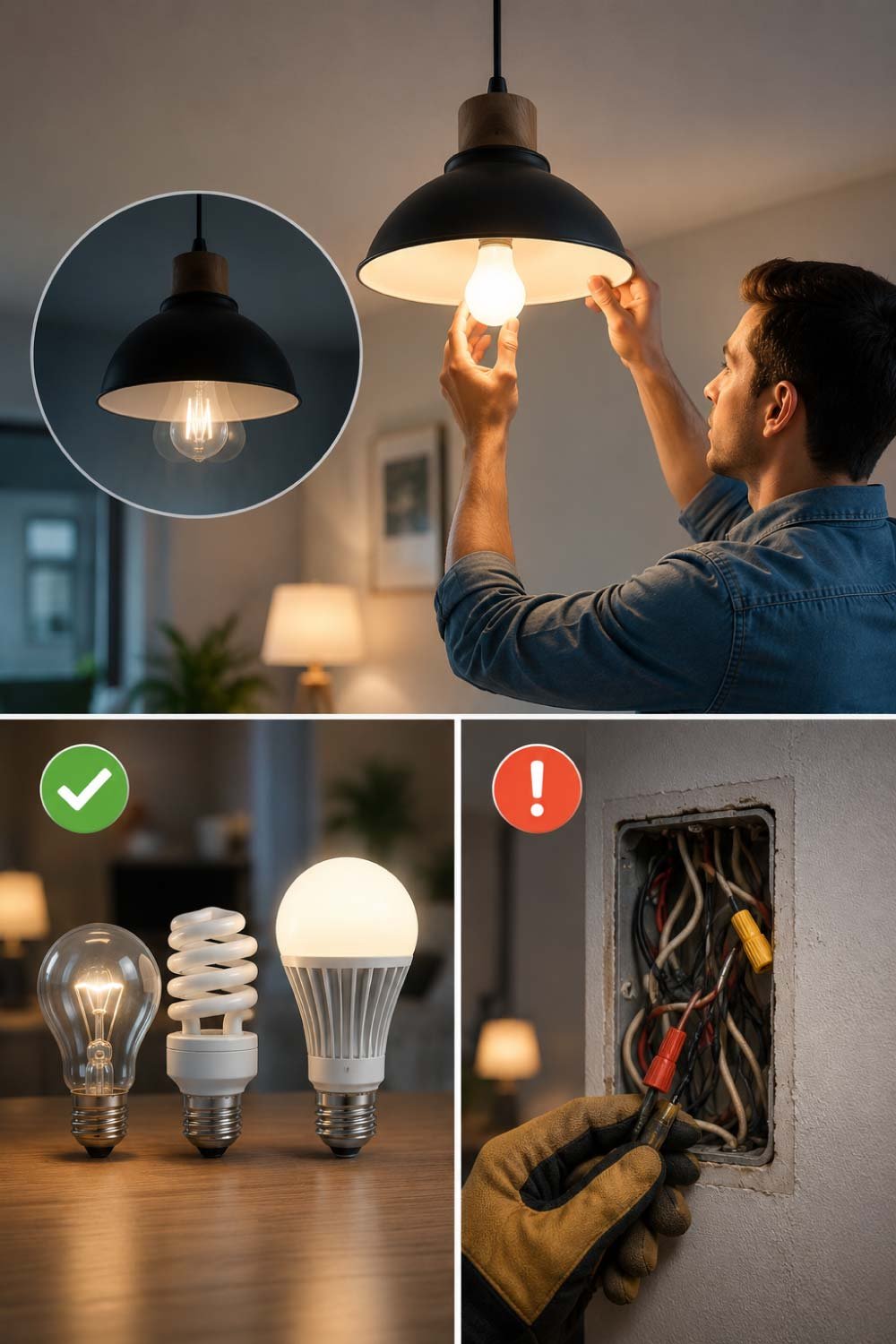
Flickering lights are a common household issue that can range from harmless bulb problems to more serious electrical concerns. While it may seem minor at first, ignoring it can lead to bigger safety risks. Identifying the cause early helps keep your home safe and well-lit.
Simple Fix:
First, turn off the power and tighten the bulb. If the problem continues, replace the bulb. Low-quality bulbs are often the culprit.
Prevention Tip:
Use good-quality, energy-efficient bulbs. If multiple lights flicker, it may indicate a wiring issue that should be checked professionally.
Also Read:
7. Reduce Constant Dust Build-Up
Constant dust accumulation can make a clean home feel dirty again within hours. It not only affects appearance but can also impact comfort and air quality. Understanding how dust enters and spreads in your home helps you control it more effectively with simple daily habits.
Simple Fix:
Use a damp microfiber cloth instead of dry dusting. This traps dust instead of spreading it around.
Prevention Tip:
Keep windows closed during windy days and use doormats at entrances. Regular vacuuming also reduces dust buildup significantly.
8. Prevent Peeling Paint Before It Gets Worse
Peeling or bubbling paint is not just a cosmetic issue—it often signals underlying moisture or surface problems. If ignored, it spreads quickly and damages wall surfaces. Early attention and proper preparation can restore your walls and keep them looking fresh for longer.
Simple Fix:
Scrape off loose paint, sand the area lightly, and apply a primer before repainting. This helps the new paint stick properly.
Prevention Tip:
Ensure walls are dry before painting. Moisture is the biggest reason paint starts peeling early.
Also Read:
9. Fix Weak Water Pressure Without Stress
Weak water pressure can disrupt daily routines, making simple tasks like bathing or washing dishes frustrating. In many cases, the issue is caused by minor blockages rather than serious plumbing faults. A quick inspection can often restore normal flow without expensive repairs.
Simple Fix:
Check faucet aerators and showerheads. Mineral buildup can block water flow. Soak them in vinegar for a few hours and scrub gently.
Prevention Tip:
Clean aerators every few months to maintain strong water flow and prevent buildup.
10. Keep Electrical Switches Working Smoothly
Electrical switches are used countless times every day, which makes them prone to loosening or wear. While issues may seem small at first, faulty switches can become inconvenient or unsafe. Regular checking and gentle handling help maintain smooth and reliable performance over time.
Simple Fix:
Turn off the electricity and gently tighten the screws on the switch plate. If the switch still feels faulty, replacing it is usually inexpensive and quick.
Prevention Tip:
Avoid pressing switches too hard. Gentle use extends their lifespan significantly.
1. Do a Weekly Home Check
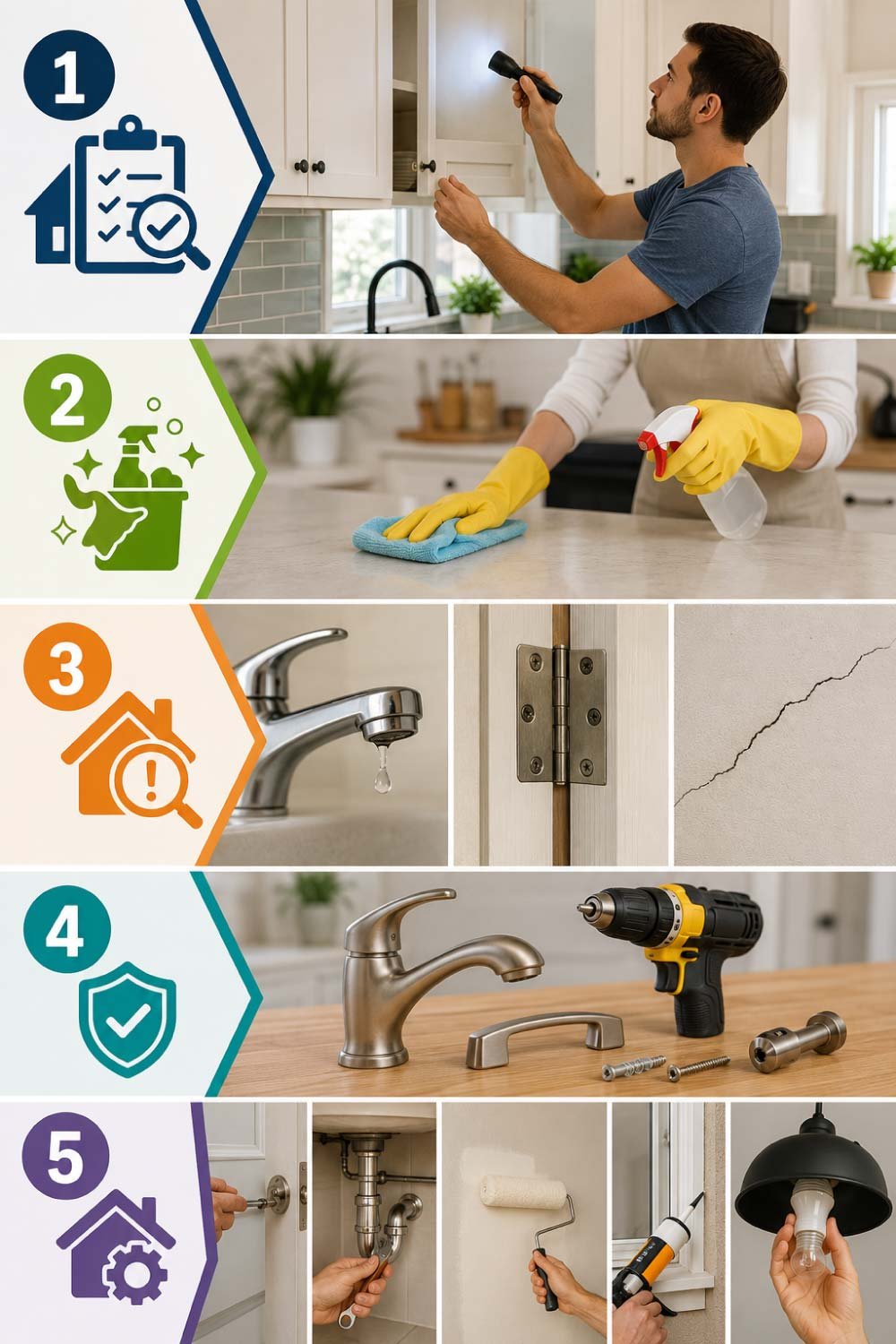
Set aside 10–15 minutes each week to inspect your home for minor issues. Look for leaking faucets, loose screws, cracked walls, or damaged fixtures. Catching these problems early helps prevent expensive repairs and keeps your home in good condition throughout the year.
2. Clean Regularly, Not Occasionally
Regular cleaning does more than keep your home looking nice. Dust, dirt, grease, and moisture can slowly damage surfaces, appliances, and fixtures. By maintaining a consistent cleaning routine, you can prevent buildup that often leads to wear, breakdowns, and unnecessary repair costs.
3. Don’t Ignore Small Problems
Small household issues rarely stay small for long. A tiny water leak, loose hinge, or hairline crack can gradually worsen and cause more damage. Addressing minor problems as soon as they appear saves money, reduces stress, and prevents larger repairs later.
4. Use Quality Materials
Choosing high-quality materials and replacement parts may cost more initially, but they usually last much longer. Durable fixtures, tools, and hardware are less likely to fail, reducing the need for frequent repairs and helping you save money over time.
5. Fix One Thing at a Time
Avoid putting off repairs simply because multiple issues need attention. Tackle problems one at a time as they arise. Prompt action prevents small defects from worsening, reduces overall maintenance costs, and helps keep your home safe, functional, and well-maintained.
Final Thoughts
Constant home repairs can feel overwhelming, but most of them are preventable or easily fixable with simple techniques. You don’t always need expensive tools or professional help—just awareness, consistency, and a few smart habits.
By addressing small problems early and maintaining your home regularly, you can reduce stress, save money, and enjoy a more comfortable living space.
A well-maintained home isn’t about perfection—it’s about staying one step ahead of problems before they grow.
Also Read:
Essential Home Plumbing Maintenance Tips Every Homeowner Should Know