
Plumbing problems can be stressful. A dripping faucet, a clogged drain, or a running toilet often feels like something only a professional can handle. The good news is that many common plumbing issues are simple, inexpensive, and safe to fix on your own. Learning a few basic plumbing skills can save you money, prevent water damage, and give you confidence in maintaining your home.
This blog covers easy plumbing fixes you can do at home using basic tools and a little patience. These repairs do not require advanced skills or expensive equipment. However, if you ever feel unsure, or if the problem involves major leaks, sewage, or pipes inside walls, it’s always best to call a licensed plumber.
Basic Plumbing Tools Every Home Should Have
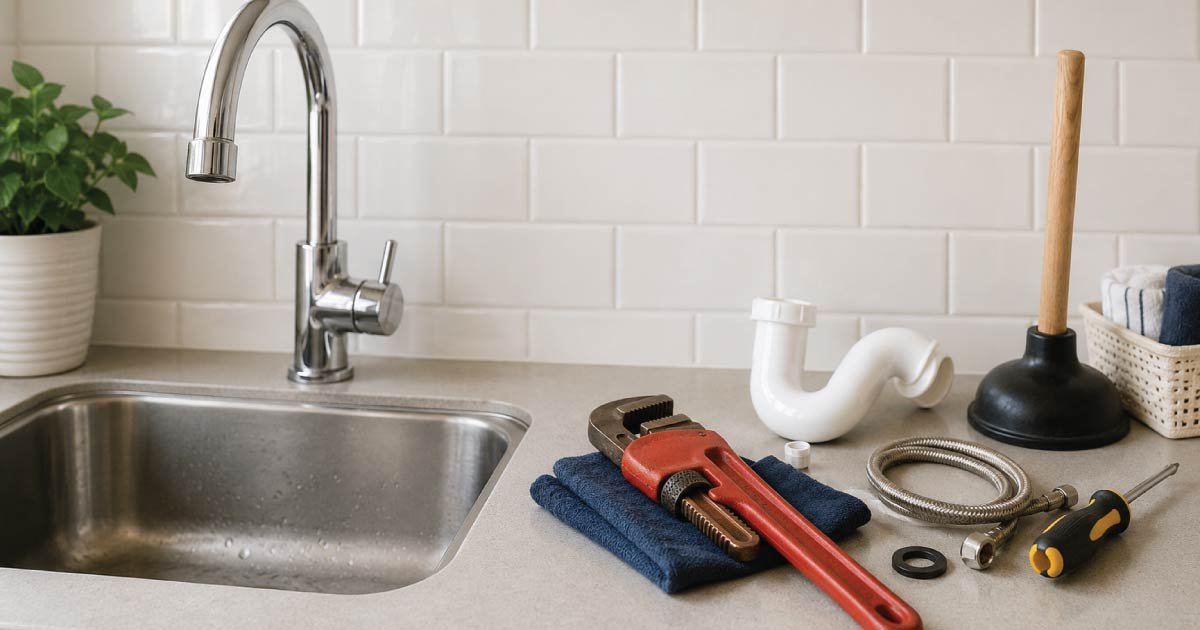
Having the right tools ready before any plumbing repair makes the process faster, safer, and far less stressful. Most common household plumbing issues can be handled without professional help if you already have essential tools available. Keeping them stored in an accessible place ensures quick response during leaks, clogs, or minor repairs.
Essential Tools
- Adjustable wrench
- Plunger (both cup and flange types if possible)
- Screwdrivers (flathead and Phillips)
- Plumber’s tape (Teflon tape)
- Bucket and old towels
- Allen wrench set
- Drain snake or drain auger
Having these tools ready can turn a stressful situation into a quick fix.
Fixing a Dripping Faucet
A dripping faucet is one of the most frequent household plumbing problems and often results from worn internal components. While it may seem minor, continuous dripping can waste significant water over time and increase utility bills. Fortunately, the repair is usually simple and inexpensive.
Common Causes
- Worn-out washer or O-ring
- Loose parts
- Mineral buildup
How to Fix It
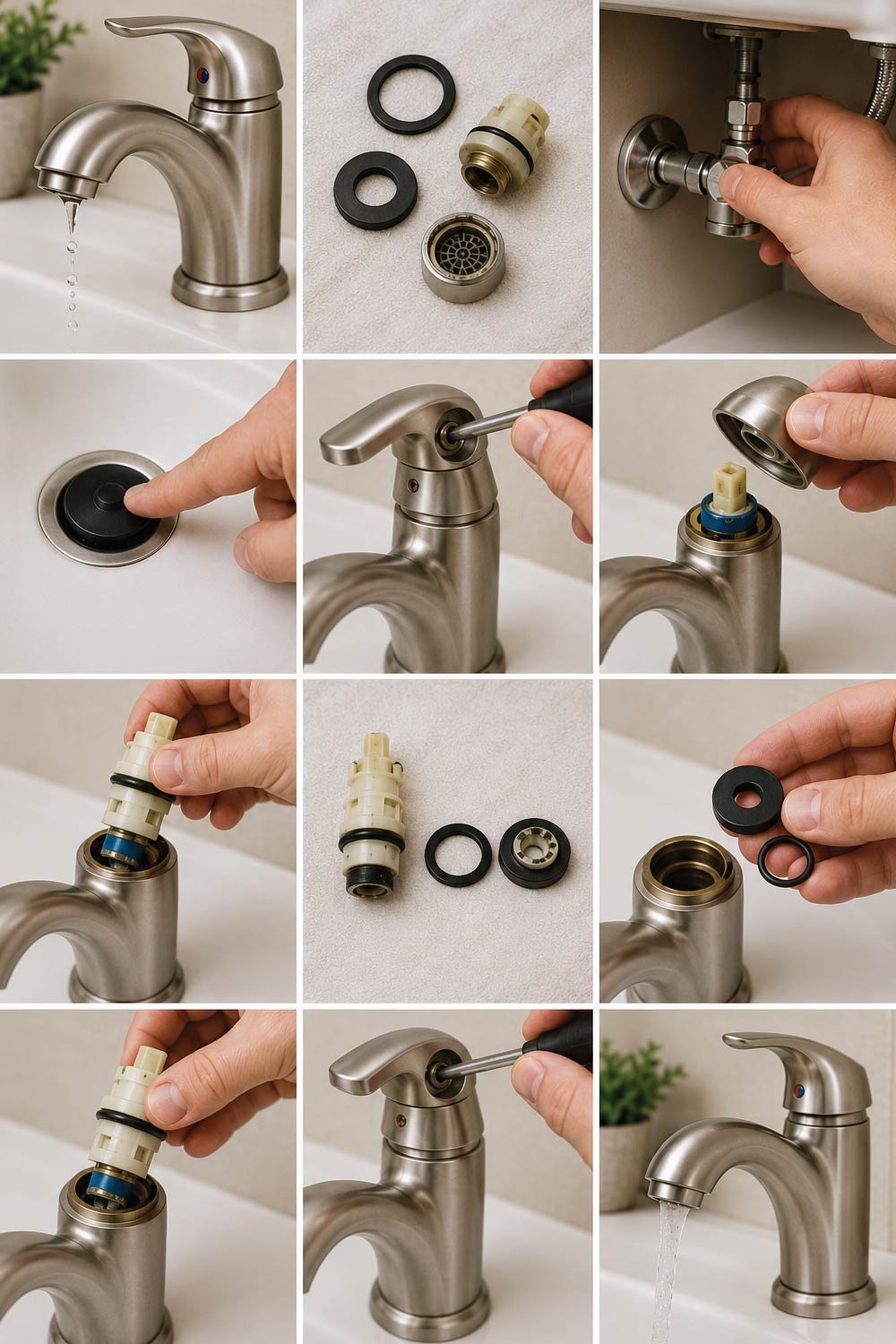
- Turn off the water supply under the sink.
- Plug the drain to avoid losing small parts.
- Remove the faucet handle using a screwdriver or Allen wrench.
- Take out the cartridge, washer, or O-ring.
- Replace worn parts with matching new ones.
- Reassemble the faucet and turn the water back on.
This simple fix usually takes less than 30 minutes and costs very little.
Unclogging a Slow or Blocked Drain
Slow or blocked drains are usually caused by everyday buildup such as grease, hair, soap residue, or food particles. Addressing clogs early prevents complete blockages and avoids more serious plumbing issues. Most minor clogs can be cleared using simple household methods without harsh chemicals.
Simple Methods to Try
- Boiling water: Pour slowly down the drain to dissolve grease.
- Plunger: Works well for sinks and tubs when used correctly.
- Baking soda and vinegar: Pour baking soda followed by vinegar, wait 15 minutes, then flush with hot water.
- Drain snake: Insert it into the drain and pull out debris.
Avoid chemical drain cleaners whenever possible. They can damage pipes and are harmful to the environment.
Also Read:
Bathroom Mold Problem? Remove It Fast and Stop It Coming Back
Fixing a Running Toilet
A running toilet is not only annoying but also wasteful, as it can significantly increase water bills. This issue is typically caused by worn internal tank components. Fortunately, most repairs are quick and require only basic replacement parts.
Common Causes
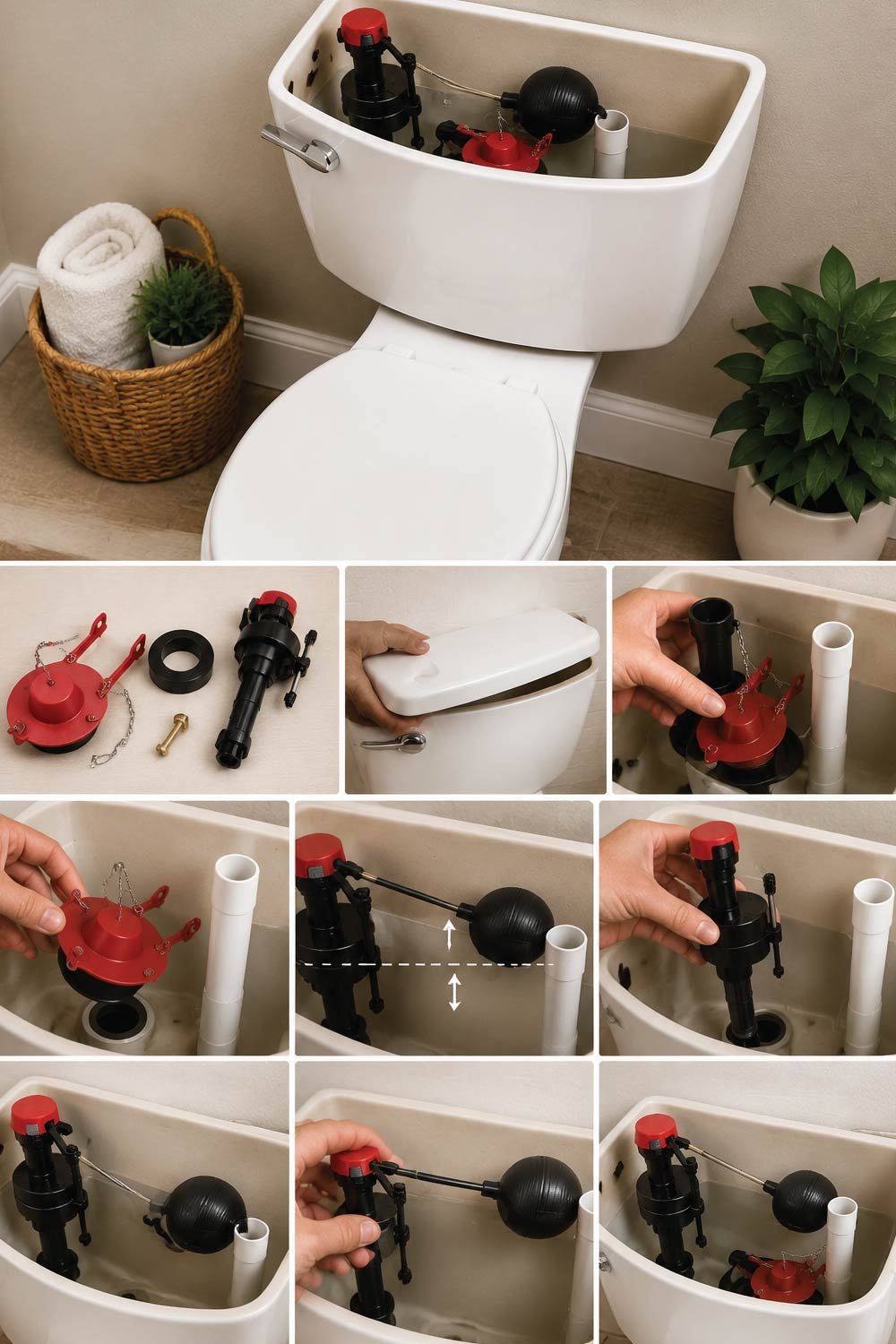
A running toilet usually happens because one or more internal tank parts are not working correctly. These components control how water fills and seals inside the tank, and when they wear out or shift out of position, water keeps flowing unnecessarily. Identifying the exact cause is the first step toward an effective and lasting repair.
- Faulty flapper
- Incorrect float level
- Worn fill valve
How to Fix It
Fixing a running toilet is usually straightforward and requires only basic adjustments or part replacements. Most issues can be solved by inspecting the tank components carefully and ensuring everything is properly aligned and sealing as intended to stop continuous water flow.
- Remove the toilet tank lid.
- Check if the flapper is sealing properly.
- Replace the flapper if it looks worn or damaged.
- Adjust the float so the water level stops about an inch below the overflow tube.
- If needed, replace the fill valve.
Most toilet repair kits are inexpensive and come with easy instructions.
Replacing a Showerhead
Replacing a showerhead is a quick and effective way to improve water pressure and reduce water waste. Over time, old showerheads can become clogged with mineral deposits or simply become inefficient. Installing a new one can instantly upgrade your bathroom experience.
Steps
- Wrap a cloth around the shower arm to prevent scratches.
- Use an adjustable wrench to remove the old showerhead.
- Clean any mineral buildup from the threads.
- Wrap plumber’s tape around the threads.
- Screw on the new showerhead and tighten gently.
This fix improves water flow and can modernize your bathroom in minutes.
Also Read:
Fixing Low Water Pressure
Low water pressure can make daily tasks inconvenient and often indicates minor plumbing issues. In many cases, the cause is simple and can be resolved without professional help. Identifying the source helps restore normal water flow quickly and efficiently.
Possible Causes
- Mineral buildup in aerators
- Partially closed shut-off valves
- Leaks in fixtures
Easy Solutions
- Unscrew the faucet aerator and soak it in vinegar to remove minerals.
- Check under-sink shut-off valves to ensure they are fully open.
- Inspect visible pipes for leaks.
Often, cleaning an aerator restores full water pressure instantly.
Stopping Leaks Under the Sink
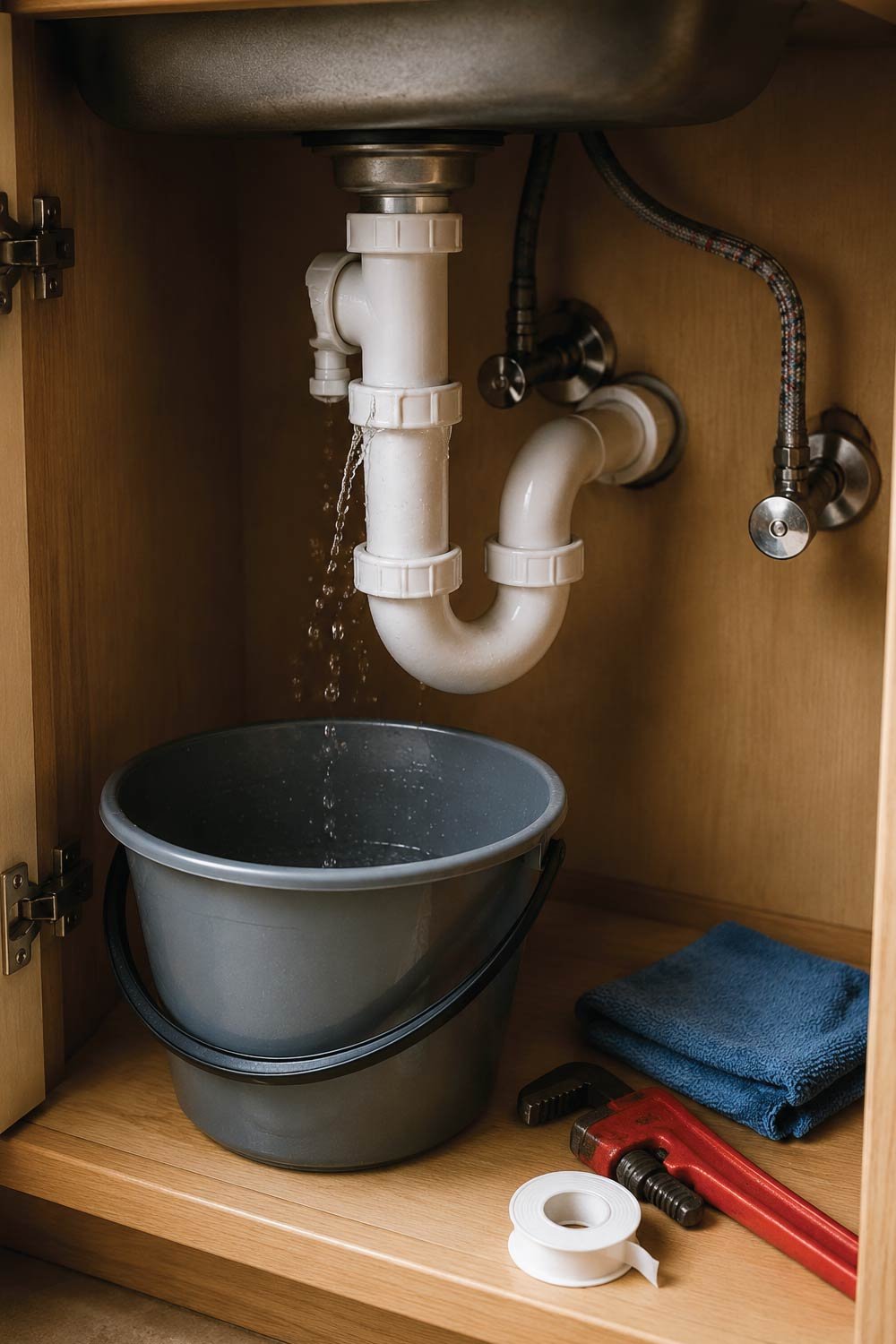
Leaks under the sink are one of the most common household plumbing issues and are usually caused by loose fittings or worn seals. If ignored, even a small drip can lead to mold growth, wood damage inside cabinets, and unpleasant odors. Quick tightening and inspection often solve the problem before it becomes serious.
How to Fix It
- Place a bucket under the leak.
- Tighten slip nuts by hand or with a wrench.
- Replace worn washers if tightening doesn’t help.
- Wrap plumber’s tape around threaded connections.
Catching and fixing small leaks early helps prevent mold and cabinet damage.
Fixing a Loose or Wobbly Toilet
A wobbly toilet may seem minor, but it can damage the wax seal underneath, leading to hidden leaks and floor damage. Over time, movement can worsen the issue, so stabilizing the toilet quickly is important to maintain a proper seal and prevent costly water damage.
Steps
- Remove the plastic caps at the base of the toilet.
- Gently tighten the bolts using a wrench.
- Be careful not to overtighten, as porcelain can crack.
- If the toilet still moves, the wax ring may need replacing.
This is a simple fix but an important one for preventing water damage.
Also Read:
Clearing a Clogged Toilet
A clogged toilet is a common issue in many homes and is usually caused by excessive toilet paper or non-flushable items. While it can be unpleasant, most clogs are easy to clear with the right technique and tools, restoring normal function quickly without professional help.
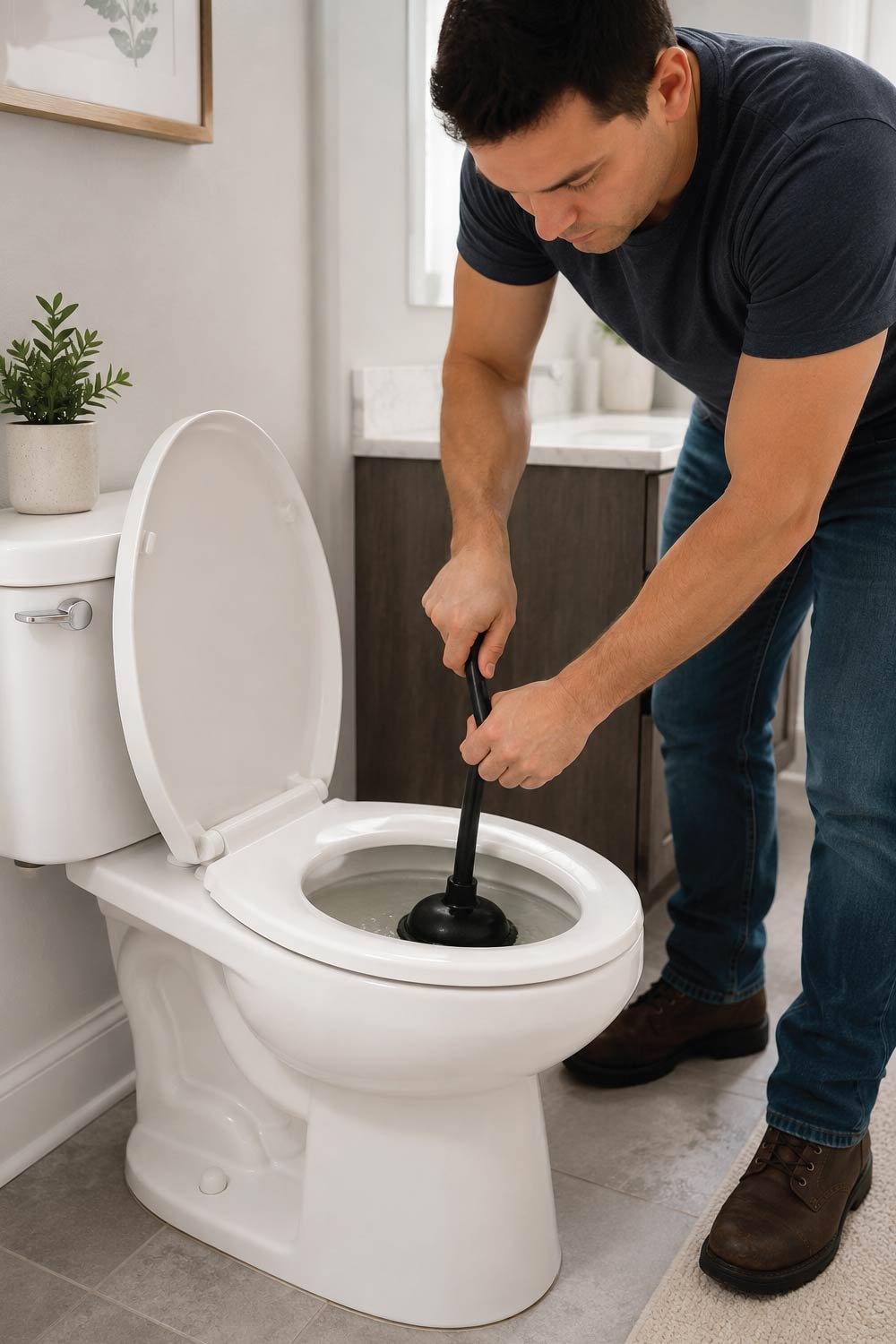
Best Method
- Use a flange plunger designed for toilets.
- Place it firmly over the drain hole.
- Push down gently, then pull up with force.
- Repeat until the water drains.
Avoid flushing repeatedly, as this can cause overflow.
Replacing a Sink Trap (P-Trap)
The P-trap is an essential part of the plumbing system that prevents sewer gases from entering your home while allowing wastewater to flow out. Over time, it can collect debris or develop leaks, making replacement or cleaning necessary for proper drainage and hygiene.
How to Replace It
- Place a bucket under the trap.
- Loosen the slip nuts on both ends.
- Remove the trap and clean or replace it.
- Reinstall and tighten the connections.
This fix is straightforward and does not require special tools.
Preventive Plumbing Tips
Preventive care helps reduce the likelihood of plumbing emergencies and extends the lifespan of your home’s plumbing system. By following simple daily habits, you can avoid clogs, leaks, and costly repairs while maintaining smooth water flow throughout your home.
- Avoid pouring grease down drains.
- Use drain strainers to catch hair and food.
- Flush only toilet paper.
- Check under sinks regularly for leaks.
- Clean faucet aerators every few months.
Small preventive steps can save you from costly repairs later.
Also Read:
When to Call a Professional Plumber
While many plumbing problems can be solved with basic DIY skills, some situations require professional tools and expertise. Knowing when to stop and call an expert helps prevent further damage and ensures that serious issues are fixed safely and correctly.
Call a plumber if you experience:
- Burst pipes
- Sewage backups
- No water supply
- Major water leaks
- Persistent clogs that won’t clear
Knowing your limits is just as important as knowing how to fix things.
Final Thoughts
Simple plumbing fixes at home are easier than most people think. With a few basic tools and a little guidance, you can handle many common problems yourself. These repairs save money, reduce stress, and help you maintain your home more effectively.
Start with small fixes, work carefully, and always turn off the water before beginning any repair. Over time, you’ll gain confidence and skills that make home maintenance far less intimidating.A little plumbing knowledge goes a long way and your home (and wallet) will thank you.