
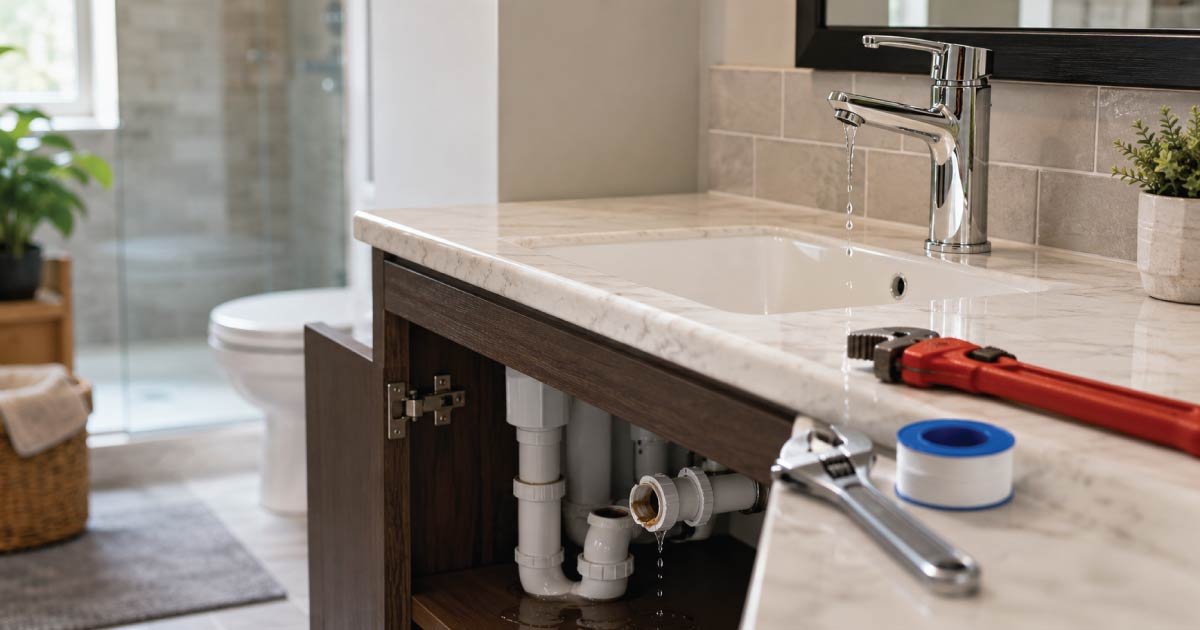
Bathroom plumbing problems are among the most common household issues. From dripping faucets and clogged drains to running toilets and low water pressure, these problems can be annoying and costly if ignored. The good news is that many bathroom plumbing issues are simple enough to fix on your own without calling a plumber.
This guide explains the most common bathroom plumbing problems, what causes them, and how you can fix them safely using basic tools. These fixes are suitable for beginners and homeowners with little or no plumbing experience.
Essential Tools for Bathroom Plumbing Repairs
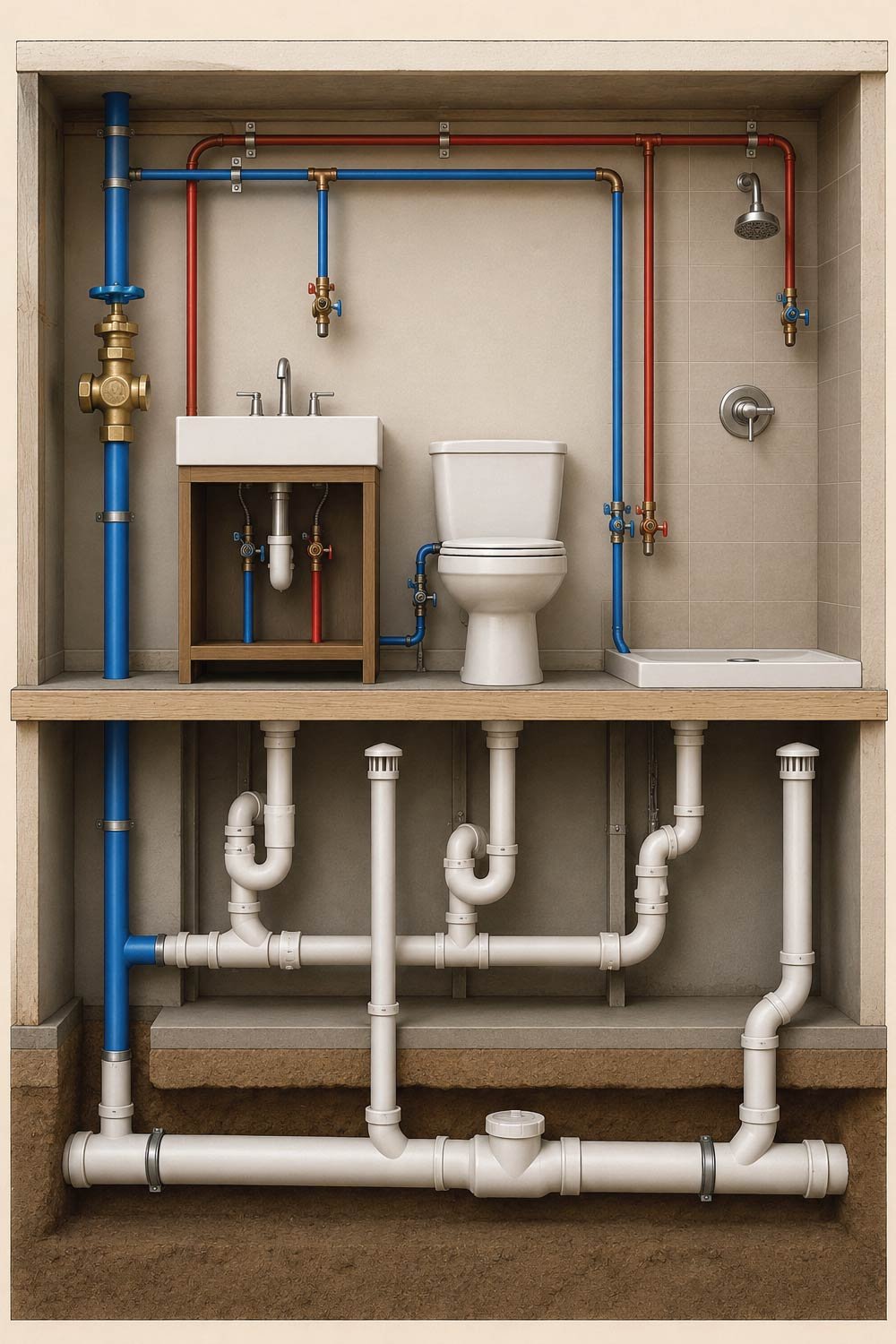
Having the right tools ready before starting any bathroom plumbing repair helps make the process faster, safer, and more effective. Most common issues such as leaks, clogs, and loose fittings can be handled with simple household tools, so a basic toolkit is usually enough for routine maintenance and small repairs.
Must-Have Tools
Must-Have Tools: These basic plumbing tools help you handle common bathroom repairs like tightening fittings, clearing clogs, and replacing small internal components without requiring professional equipment.
- Adjustable wrench
- Screwdrivers (flathead and Phillips)
- Plunger (toilet and sink types)
- Plumber’s tape (Teflon tape)
- Bucket and towels
- Drain snake or auger
- Allen wrench
Always turn off the water supply before working on any plumbing fixture.
Fixing a Leaky Bathroom Faucet
A leaky bathroom faucet is a frequent issue that often starts as a slow drip but can lead to significant water waste over time if not repaired. Most leaks are caused by worn internal components, and fixing them usually requires only basic tools and simple replacement parts.
Common Causes
Common Causes: Bathroom faucet leaks typically occur due to worn seals or loose mechanical parts inside the faucet assembly that fail to stop water flow completely.
- Worn washer or O-ring
- Loose handle
- Damaged cartridge
How to Fix It
How to Fix It: These steps explain how to safely disassemble the faucet, replace faulty components, and restore proper sealing to stop continuous dripping.
- Turn off the water supply under the sink.
- Plug the drain to prevent losing small parts.
- Remove the faucet handle using a screwdriver or Allen wrench.
- Take out the cartridge or washer.
- Replace any worn parts with matching new ones.
- Reassemble the faucet and turn the water back on.
This repair usually takes less than 30 minutes.
Unclogging a Bathroom Sink Drain
Bathroom sink drains commonly become clogged due to everyday materials like hair, soap residue, toothpaste, and dirt that gradually build up inside pipes. These blockages can slow drainage or completely stop water flow, but most can be cleared using simple and safe DIY methods without harsh chemicals.
Simple Methods to Clear a Clog
Simple Methods to Clear a Clog: These techniques help break down or remove common bathroom sink blockages using heat, suction, natural reactions, or manual extraction tools.
- Pour boiling water down the drain to dissolve soap buildup.
- Use a plunger to loosen the blockage.
- Try baking soda followed by vinegar, then flush with hot water.
- Use a drain snake to remove trapped hair.
Avoid chemical drain cleaners, as they can damage pipes over time.
Also Read:
Fixing a Running Toilet
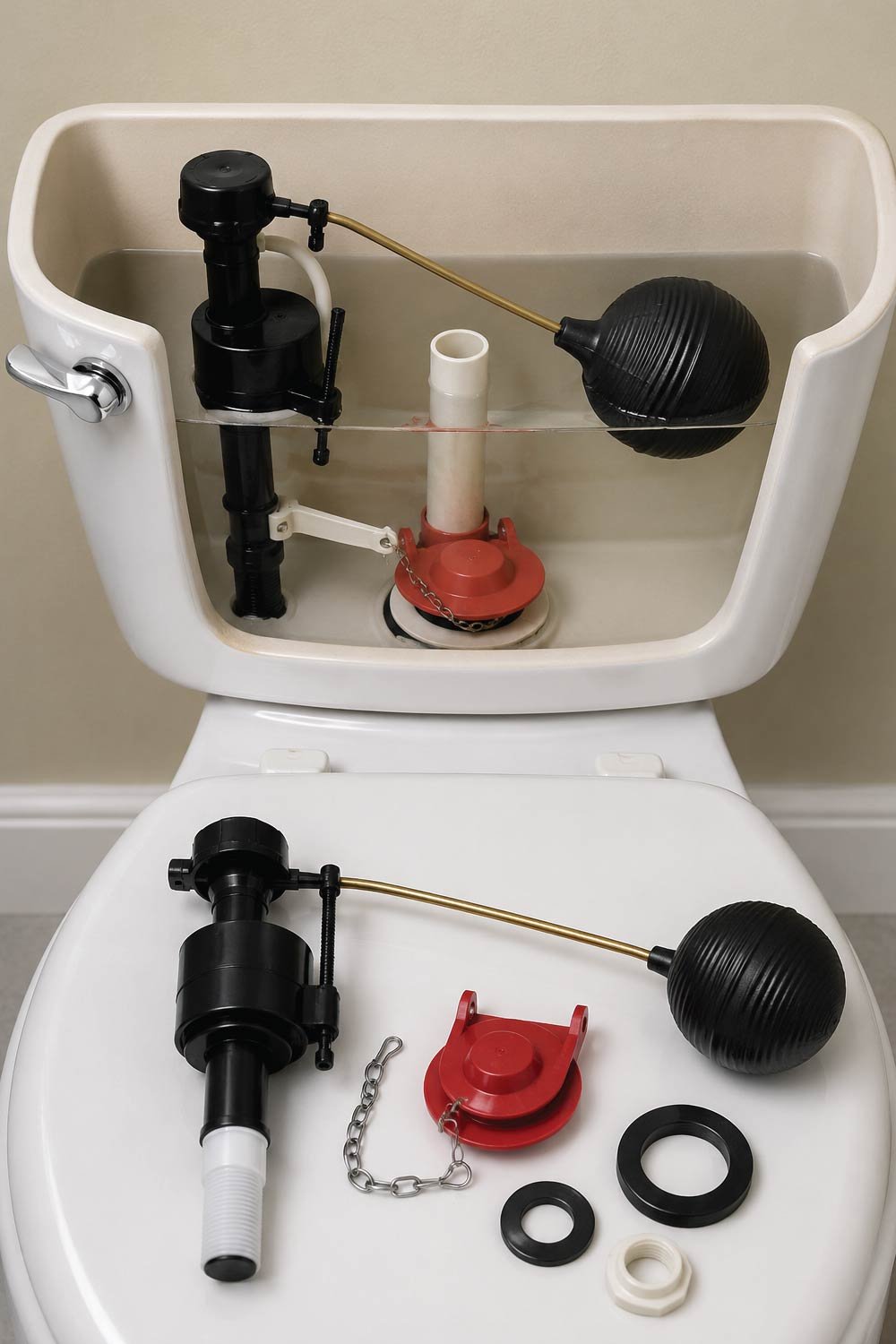
A running toilet is a common plumbing issue that can waste large amounts of water every day if not fixed quickly. The problem usually occurs due to internal tank components failing to seal or regulate water flow properly, but most repairs are simple and inexpensive.
Common Causes
Common Causes: Running toilets are typically caused by worn or improperly adjusted tank components that fail to control flushing and refill cycles correctly.
- Worn flapper
- Incorrect float level
- Faulty fill valve
How to Fix It
How to Fix It: These steps guide you through inspecting and adjusting toilet tank parts to stop continuous water flow and restore normal operation.
- Remove the toilet tank lid.
- Check if the flapper seals properly.
- Replace the flapper if it looks worn or stiff.
- Adjust the float so the water level stops below the overflow tube.
- Replace the fill valve if the problem continues.
Toilet repair kits are inexpensive and easy to install.
Clearing a Clogged Toilet
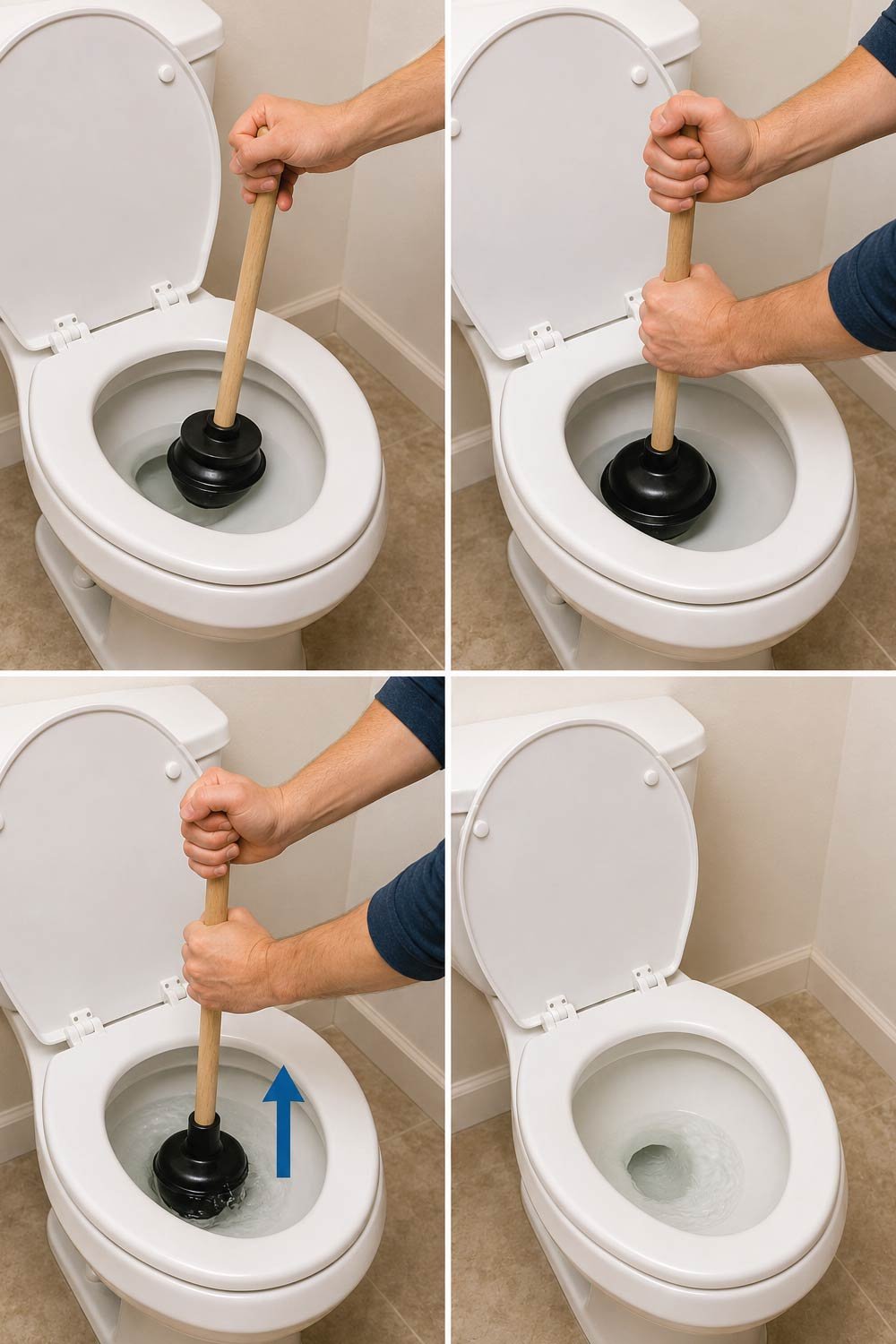
A clogged toilet is unpleasant but usually easy to resolve with the right technique and tool. Most blockages are caused by excessive toilet paper or foreign objects, and they can typically be cleared without needing professional assistance if handled carefully.
Best Way to Fix It
Best Way to Fix It: These steps explain how to safely use a flange plunger to create pressure and remove toilet blockages without causing overflow or damage.
- Use a flange plunger made specifically for toilets.
- Place it over the drain hole and push gently.
- Pull up firmly to create suction.
- Repeat until the water drains normally.
Never flush repeatedly, as this may cause overflow.
Fixing Low Water Pressure in the Bathroom
Low water pressure in bathroom sinks or showers is a common issue that often develops gradually due to mineral deposits, debris buildup, or partially closed valves. These problems restrict water flow and reduce performance, but in many cases they can be resolved quickly using simple cleaning and basic checks without needing professional assistance.
How to Fix It
How to Fix It: These steps help restore normal water flow by removing mineral buildup from fixtures and ensuring the water supply system is fully open and functioning properly.
- Unscrew the faucet aerator or showerhead.
- Soak it in vinegar for 30 minutes to remove mineral deposits.
- Rinse and reinstall.
Also check under-sink shut-off valves to ensure they are fully open.
Also Read:
Replacing a Leaky Showerhead
A leaky showerhead can waste water, reduce pressure, and make daily use less efficient over time. This issue is often caused by worn internal seals or mineral buildup, but replacing the showerhead is a simple and cost-effective DIY task that can instantly improve water flow and performance.
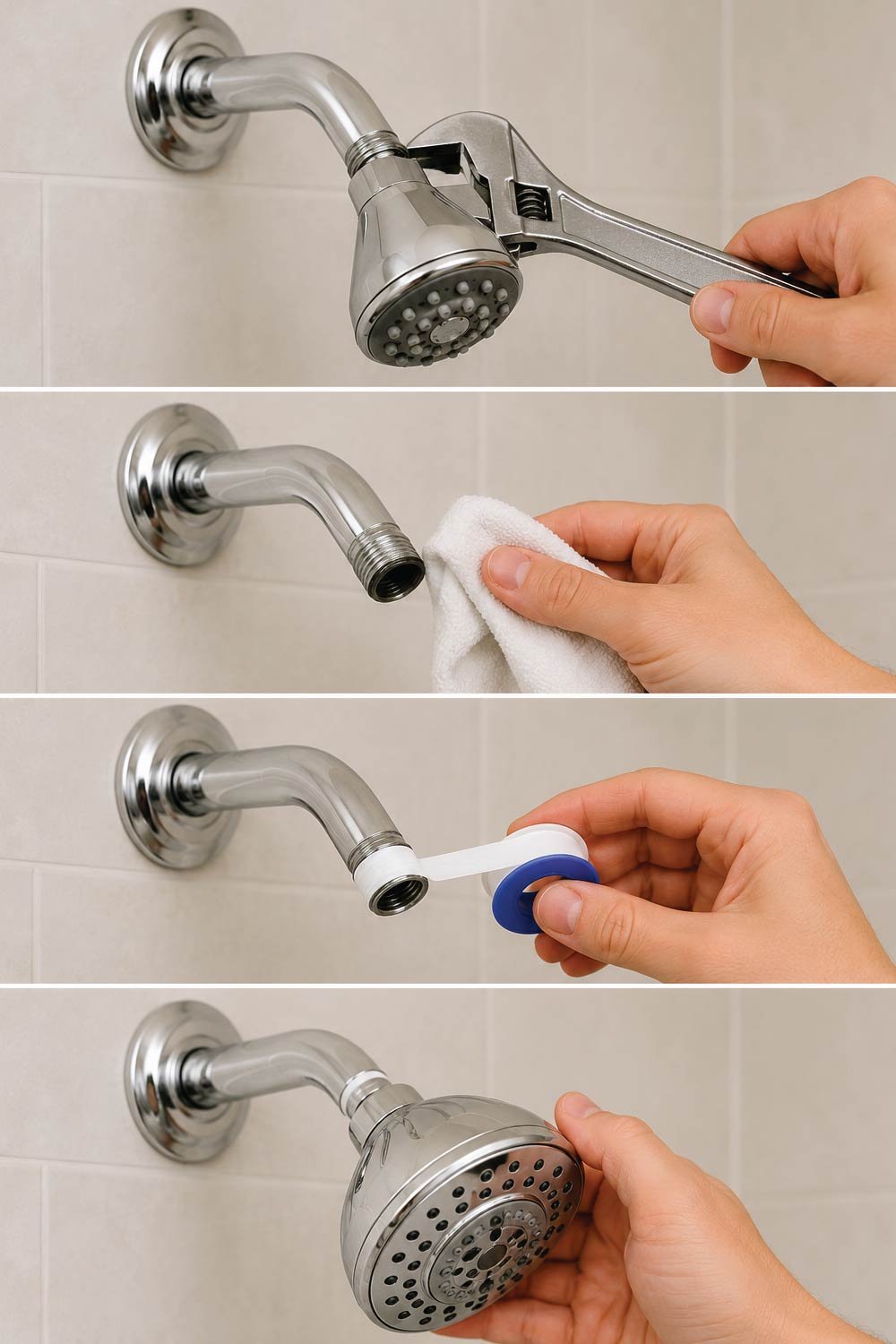
Steps
Steps: These instructions guide you through safely removing the old showerhead, preparing the connection, and installing a new unit to ensure a secure, leak-free fit.
- Use a wrench to remove the old showerhead.
- Clean the threads on the shower arm.
- Wrap plumber’s tape around the threads.
- Screw on the new showerhead and tighten gently.
This is one of the easiest bathroom plumbing upgrades.
Fixing Leaks Under the Bathroom Sink
Leaks under the bathroom sink are usually caused by loose pipe connections, degraded washers, or worn sealing materials that fail over time. If ignored, these leaks can lead to water damage, mold growth, and higher utility bills, making early detection and repair very important for maintaining a healthy bathroom environment.
How to Fix It
How to Fix It: These steps help identify the source of the leak, tighten fittings, and replace faulty sealing components to stop water from dripping under the sink.
- Place a bucket under the sink.
- Tighten pipe connections by hand or with a wrench.
- Replace washers if tightening doesn’t stop the leak.
- Use plumber’s tape on threaded joints.
Fixing small leaks early prevents water damage and mold.
Fixing a Wobbly Toilet
A wobbly toilet is more than an inconvenience it can damage flooring, break seals, and eventually cause hidden leaks around the base. This issue typically happens when mounting bolts become loose or when the wax ring beneath the toilet begins to deteriorate over time.
How to Fix It
How to Fix It: These steps help stabilize the toilet by tightening mounting bolts and checking the base seal to ensure a secure and leak-free installation.
- Remove the plastic caps at the base of the toilet.
- Gently tighten the bolts on each side.
- Do not overtighten, as porcelain can crack.
- If the toilet still moves, the wax ring may need replacement.
Also Read:
Preventing Bathroom Plumbing Problems
Preventing bathroom plumbing problems is easier and more cost-effective than repairing them after damage occurs. Regular maintenance, proper usage habits, and routine inspections help reduce clogs, leaks, and fixture wear, ensuring your bathroom plumbing system stays efficient and reliable for a longer period.
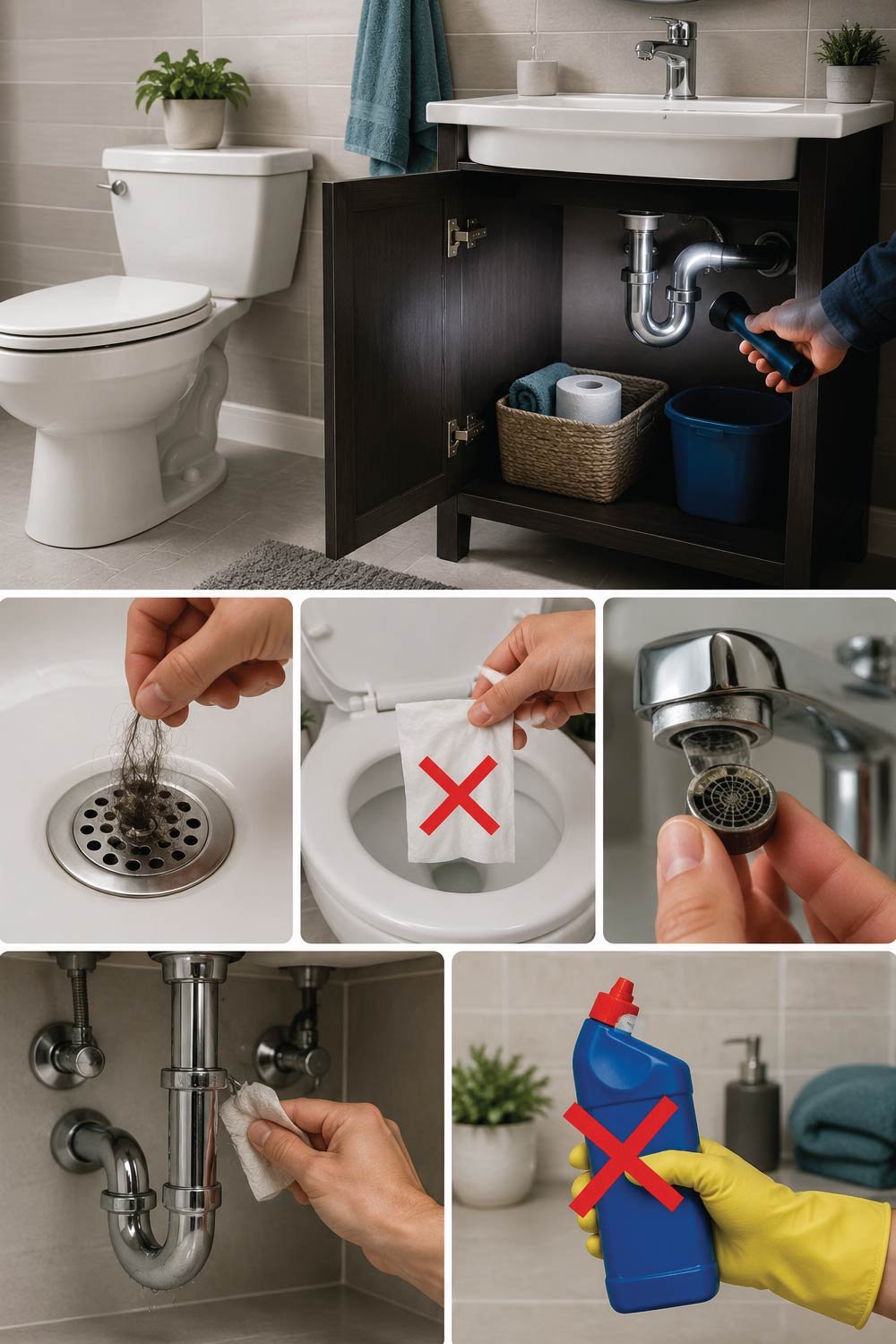
Good Habits
Good Habits: These daily and weekly practices help maintain smooth water flow, reduce buildup, and prevent common bathroom plumbing issues before they start.
- Use drain strainers to catch hair.
- Avoid flushing anything except toilet paper.
- Clean faucet aerators regularly.
- Check for leaks under sinks monthly.
- Avoid using harsh chemical cleaners.
When to Call a Professional Plumber
While many bathroom plumbing issues can be fixed with simple DIY methods, some problems are too complex or risky to handle without professional expertise. Recognizing these situations early can prevent further damage, reduce repair costs, and ensure the safety and integrity of your plumbing system.
Warning Signs
Warning Signs: These conditions indicate serious plumbing failures that often require specialized tools and professional diagnosis to avoid worsening the problem.
- Burst pipes
- Sewage backups
- Major water leaks
- No water supply
- Repeated clogs that won’t clear
Also Read:
Final Thoughts
Bathroom plumbing issues don’t always require expensive repairs or professional help. With basic tools and simple instructions, you can fix many common problems yourself. Learning these skills saves money, prevents damage, and helps you maintain your home with confidence.
Start small, work carefully, and always turn off the water before beginning any repair. Over time, you’ll find that bathroom plumbing maintenance is much easier than it seems.