

Foggy windows are more than just a visual annoyance. They can make your home feel damp, reduce natural light, and even indicate hidden moisture problems that may lead to mold or damage over time. If you’ve ever woken up to glass covered in mist or noticed water droplets forming between panes, you’re dealing with window condensation.
The good news is that foggy windows are usually fixable—and often preventable—without expensive repairs. In this guide, you’ll learn why condensation happens, how to remove it quickly, and how to stop it from coming back.
Why Windows Get Foggy in the First Place

Foggy windows are a common household issue, especially during colder or more humid seasons. This happens when moisture in the air meets a cold glass surface and turns into water droplets. Understanding the root cause helps you prevent it more effectively instead of just wiping it away repeatedly.
- Warm indoor air carries moisture from daily activities like cooking, bathing, and breathing
- Cold window glass cools the air quickly, forcing water vapor to condense
- Poor ventilation traps humidity inside the room
- Seasonal temperature differences increase the chance of fogging
Condensation happens when warm, moist air meets a cold surface. Windows are usually the coldest part of a room, especially in winter or during rainy seasons, which makes them the perfect spot for water vapor to turn into liquid droplets.
There are generally three types of window fogging:
1. Interior Condensation (Inside the room)
Interior condensation is the most noticeable and frequent type of window fogging. It forms on the inside surface of the glass when indoor humidity levels rise too high. This is usually linked to daily household activities and poor airflow.
- Caused by high indoor humidity from cooking, bathing, or drying clothes
- Appears as visible water droplets or mist on the inside glass
- Often worse in mornings or colder weather
- Can lead to mold growth if left untreated
This is the most common type. You’ll see water droplets forming on the inside surface of your windows. It usually happens when indoor humidity is too high.
2. Exterior Condensation (Outside the window)
Exterior condensation forms on the outer surface of windows and is often mistaken for a problem inside the house. In reality, it is usually a sign that your windows are well insulated and outdoor conditions are causing temporary fogging.
- Occurs during early morning or cool nights
- Happens when outdoor air is humid and glass is colder
- Usually clears up naturally as temperature rises
- Indicates good insulation in many cases
This looks like fog on the outer glass surface. It often happens early in the morning when outdoor air is humid and the glass is cooler than the air.
3. Between-the-Panes Condensation
This type of condensation is more serious and indicates a window seal failure. In double-glazed windows, moisture should never enter between the panes. If it does, the insulating barrier has been compromised.
- Caused by broken seals in double-glazed windows
- Moisture gets trapped between glass layers
- Indicates loss of insulating gas inside the window unit
- Cannot be fixed by simple cleaning
If you have double-glazed windows and see fog trapped inside, it means the seal is broken. Moisture has entered between the panes, and the insulating gas may have escaped.
Each type has a different cause—and a different solution.
Fast Ways to Get Rid of Foggy Windows
When windows fog up, quick action can prevent damage and improve visibility immediately. These fast methods don’t fix the root cause but help control moisture and keep your space more comfortable while you work on long-term solutions.
- Immediate removal of moisture prevents streaks and water damage
- Helps improve visibility and indoor comfort quickly
- Reduces risk of mold forming on window frames
- Easy methods using common household tools
If your windows are already fogged up, you don’t have to wait for the weather to change. Here are quick fixes you can use immediately.
1. Wipe Them Down Immediately
Wiping fogged windows is the fastest way to restore clarity. While it doesn’t stop condensation from returning, it prevents water from dripping and damaging nearby surfaces like wood frames, paint, or walls.
- Use microfiber cloth or rubber squeegee for best results
- Start wiping from the top to avoid streak marks
- Dry window edges where moisture collects
- Repeat when condensation reappears
This doesn’t solve the root problem, but it prevents water from pooling and damaging frames or paint.
2. Improve Air Circulation
Good airflow is one of the simplest ways to reduce window fogging. When air moves freely, moisture does not settle on cold surfaces as easily. This helps balance indoor humidity levels naturally.
- Open windows for 10–20 minutes daily
- Use ceiling fans or standing fans for circulation
- Keep interior doors slightly open
- Avoid blocking airflow near windows
Even short bursts of fresh air can significantly reduce condensation.
3. Turn On Exhaust Fans
Exhaust fans play a major role in controlling indoor humidity, especially in moisture-heavy areas like kitchens and bathrooms. They help remove warm, damp air before it reaches your windows.
- Always use during cooking and boiling water
- Run bathroom fans during and after showers
- Helps remove steam at the source
- Essential for long-term humidity control
If you don’t have exhaust fans, consider installing one—it’s one of the most effective long-term solutions.
4. Use a Dehumidifier
A dehumidifier actively removes excess moisture from indoor air, making it one of the most effective tools against foggy windows. It helps maintain balanced humidity levels throughout the home.
- Place near frequently fogged windows
- Use in bedrooms during nighttime
- Effective in damp or closed rooms
- Helps maintain 30%–50% humidity level
Keeping indoor humidity between 30%–50% is ideal.
5. Open Curtains and Blinds
Curtains and blinds can trap warm air against cold glass, increasing condensation. Allowing airflow across windows helps equalize temperature differences and reduce moisture buildup.
- Open curtains during daylight hours
- Allow air movement across glass surfaces
- Avoid heavy, moisture-trapping fabrics
- Leave small gaps at night if possible
At night, consider leaving a small gap for air circulation.
Long-Term Solutions to Prevent Foggy Windows

Preventing foggy windows permanently requires controlling indoor moisture sources and maintaining proper ventilation. These long-term habits reduce condensation at its root rather than just treating symptoms.
- Focus on reducing indoor humidity consistently
- Improve ventilation throughout the home
- Change daily habits that produce excess moisture
- Helps prevent mold, damage, and recurring fogging
Quick fixes help in the moment, but prevention is what keeps your windows clear every day.
1. Control Indoor Humidity Levels
Managing humidity is the most important step in preventing window condensation. Everyday activities often release more moisture into the air than people realize, especially in closed spaces.
- Cooking without lids releases steam into the air
- Long hot showers increase bathroom humidity
- Drying clothes indoors adds excess moisture
- Houseplants naturally release water vapor
To reduce humidity:
- Always cover pots while cooking
- Dry clothes outside when possible
- Limit long hot showers
- Use moisture absorbers in small rooms
Even small changes make a big difference.
2. Insulate Your Windows
Poor insulation is one of the main reasons windows stay cold and attract condensation. When the glass surface is much colder than indoor air, moisture quickly turns into droplets. Improving insulation helps keep the glass warmer and reduces fogging significantly.
- Reduces temperature difference between indoor air and glass
- Helps prevent moisture from settling on cold surfaces
- Improves overall energy efficiency in the home
- Creates a more comfortable indoor environment
Cold glass attracts moisture. Better insulation keeps the surface temperature closer to room temperature.
Options include:
- Double or triple glazing windows
- Window insulation film
- Thermal curtains
Insulated windows reduce both condensation and energy loss.
3. Seal Window Gaps and Leaks
Small gaps and leaks around windows may seem minor, but they allow cold air to enter and disrupt indoor temperature balance. This creates the perfect conditions for condensation to form repeatedly around the glass edges and frames.
- Stops cold air from entering the room
- Prevents warm moist air from settling near glass
- Improves heating efficiency indoors
- Reduces recurring fog around window edges
Air leaks around window frames allow cold air in and warm moist air to settle near the glass.
Check for:
- Cracks in caulking
- Loose frames
- Small gaps around edges
Seal them using silicone caulk or weatherstripping for a quick improvement.
4. Keep Indoor Temperature Stable
Temperature fluctuations are a hidden cause of window condensation. When indoor heat rises and falls quickly, moisture has more opportunities to settle on cooler surfaces like glass. Maintaining steady warmth helps reduce this imbalance.
- Prevents rapid temperature shifts inside the room
- Reduces condensation formation on windows
- Improves overall indoor comfort
- Supports consistent humidity control
Sudden temperature changes increase condensation risk. Try to maintain consistent indoor heating during colder months.
Avoid:
- Turning heat on and off frequently
- Heating only one room while others stay cold
Balanced heating reduces temperature differences between air and windows.
5. Use Anti-Condensation Products
Anti-condensation products provide a simple surface-level solution for problem windows. These sprays or coatings reduce how easily water droplets form on glass by changing how moisture behaves on the surface.
- Creates a protective layer on glass
- Helps water spread instead of forming droplets
- Reduces visible fogging temporarily
- Easy to apply and widely available
There are sprays and coatings designed to reduce moisture buildup on glass. These create a thin protective layer that helps water spread evenly instead of forming droplets.
While not permanent, they are useful for problem windows.
Also Read:
Special Case: Condensation Between Glass Panes
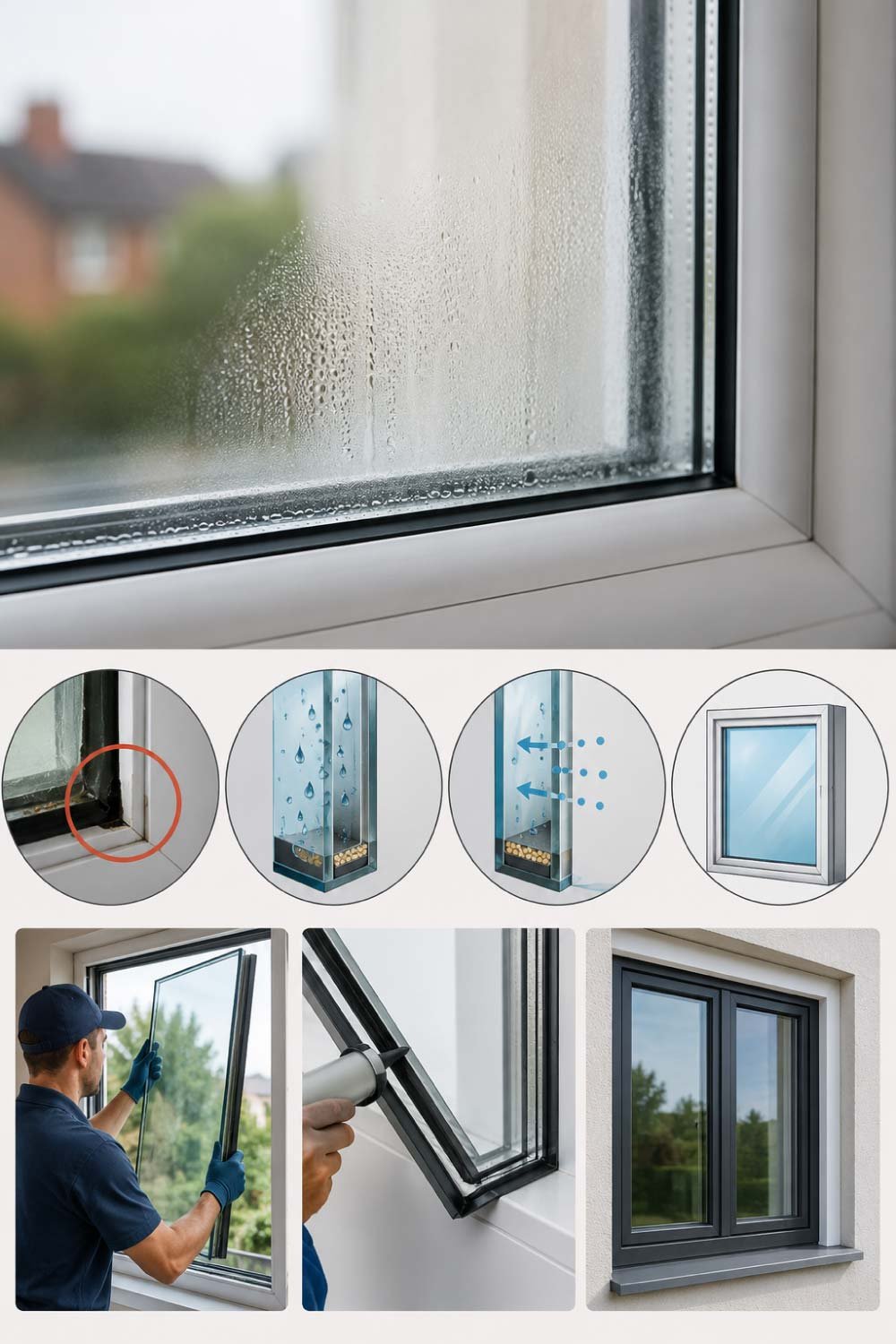
When condensation forms between double-glazed window panes, it signals a deeper structural issue. Unlike surface fogging, this cannot be fixed with cleaning or ventilation because the insulation seal has already failed.
- Indicates damaged window seal
- Moisture trapped between glass layers
- Loss of insulating gas inside panes
- Requires repair or replacement
If fog appears inside double-glazed windows, normal cleaning or ventilation won’t fix it.
This usually means:
- The seal has failed
- Moisture has entered between panes
- Insulating gas has escaped
Unfortunately, this type of damage doesn’t go away on its own. Your options are:
- Replace the glass unit
- Repair the seal (if possible)
- Replace the full window in severe cases
If only one window is affected, replacing the glass panel is usually more cost-effective than changing the entire frame.
Natural Ways to Reduce Indoor Moisture
For those who prefer simple and chemical-free solutions, natural methods can help absorb excess humidity in the air. These approaches are affordable and easy to apply in most homes.
- Helps balance indoor moisture naturally
- Low-cost and widely available options
- Useful for small rooms and problem areas
- Works best alongside ventilation improvements
If you prefer simple, chemical-free methods, these can help control humidity:
Houseplants (Use Carefully)
Plants can help regulate indoor humidity, but balance is important. Too many plants in a closed room may actually increase moisture levels instead of reducing them.
- Some plants absorb excess moisture
- Overwatering can increase humidity
- Best used in well-ventilated spaces
- Avoid overcrowding rooms with plants
Some plants absorb moisture, but too many can increase humidity. Balance is important.
Charcoal or Baking Soda
Activated charcoal and baking soda naturally absorb moisture from the air. They are simple, effective, and require no maintenance.
- Place in open bowls near windows
- Helps reduce dampness in small areas
- Absorbs odor along with moisture
- Needs regular replacement
Place bowls of baking soda or activated charcoal near windows. They absorb excess moisture from the air.
Salt Traps
Rock salt is another natural moisture absorber. It pulls humidity from the air and slowly dissolves over time, making it useful in damp corners or enclosed spaces.
- Effective in small, enclosed areas
- Inexpensive and easy to use
- Gradually absorbs airborne moisture
- Requires periodic replacement
Rock salt naturally absorbs humidity and can be placed in small containers around damp areas.
Also Read:
How to Fix Door Keeps Swinging Open? Stop It Fast With This Simple Fix
Common Mistakes That Make Fogging Worse
Many people unintentionally make condensation worse while trying to fix it. Understanding these mistakes helps you avoid habits that increase indoor humidity or trap moisture near windows.
- Poor airflow increases moisture buildup
- Excess humidity sources worsen condensation
- Ignoring leaks allows continuous fogging
- Overcorrection can create new problems
Sometimes efforts to fix condensation accidentally make it worse. Avoid these mistakes:
Blocking Airflow Completely
Sealing a room too tightly prevents moisture from escaping. Without airflow, humidity builds up and settles on cold surfaces like windows.
- Traps moisture indoors
- Increases humidity levels
- Leads to repeated fogging
- Reduces air quality
Keeping windows sealed all the time traps moisture inside.
Ignoring Small Leaks
Even minor gaps in window frames can allow constant cold air entry. Over time, this leads to persistent condensation that is hard to control.
- Causes continuous air leakage
- Increases temperature imbalance
- Leads to recurring fogging
- Often overlooked during maintenance
Even tiny gaps can cause persistent fogging over time.
Overusing Indoor Humidifiers
Humidifiers are helpful in dry conditions, but using them in already humid environments increases condensation risk around windows.
- Raises indoor moisture levels
- Worsens fogging problems
- Should be used carefully
- Needs humidity monitoring
Humidifiers are useful in dry climates, but in already humid conditions, they worsen condensation.
Drying Clothes Indoors Without Ventilation
This is one of the biggest hidden causes of foggy windows. Wet clothes release large amounts of moisture into the air, especially in closed rooms.
- Adds large amounts of indoor humidity
- Increases window condensation
- Needs proper ventilation
- Better done outdoors when possible
This is one of the biggest hidden causes of foggy windows.
When Foggy Windows Signal a Bigger Problem
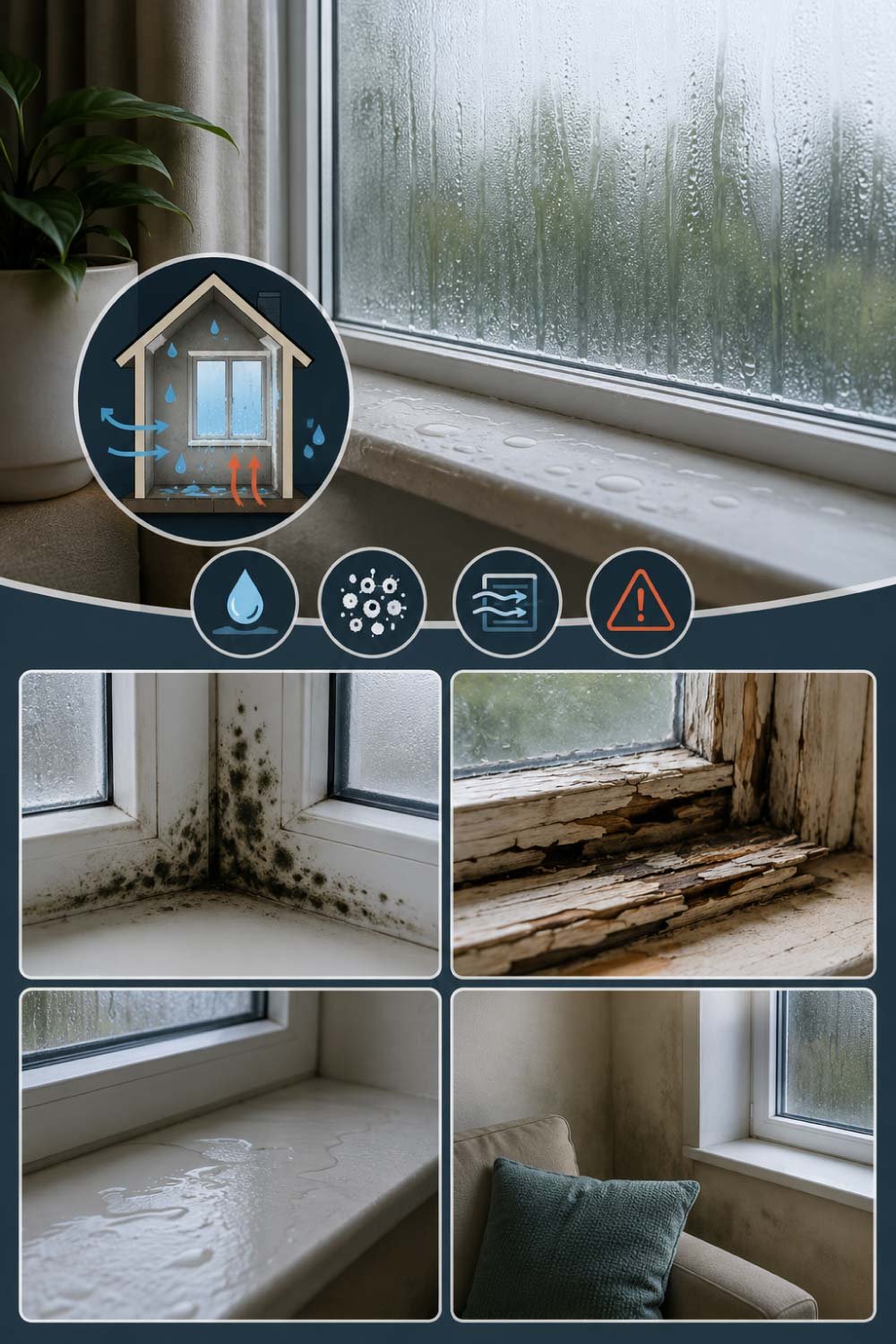
While condensation is often harmless, persistent or severe cases can indicate deeper issues in the home. Ignoring these warning signs may lead to structural damage or health concerns over time.
- Continuous moisture buildup is a red flag
- Can lead to mold growth and damage
- Indicates poor ventilation or insulation
- Requires immediate attention if severe
In most cases, condensation is harmless. But if you notice the following, it may indicate deeper issues:
- Persistent mold around window frames
- Rotting wood or swelling frames
- Water pooling regularly on sills
- Strong damp smell in the room
These signs suggest long-term moisture imbalance that needs immediate attention.
Final Thoughts
Foggy windows are a common household issue, especially during colder or humid seasons. While they may seem like a small inconvenience, they often point to excess moisture in your home.
The key to solving the problem is a combination of quick fixes and long-term prevention:
- Wipe and ventilate for immediate relief
- Control humidity and improve airflow for lasting results
- Insulate and seal windows to stop future condensation
Once you understand the cause, managing foggy windows becomes simple and routine. A few small habits can keep your glass clear, your home healthier, and your living space much more comfortable all year round.
Also Read:
How To Fix Loose Ceiling Fixture? Ceiling Fixture Repair Complete Guide