
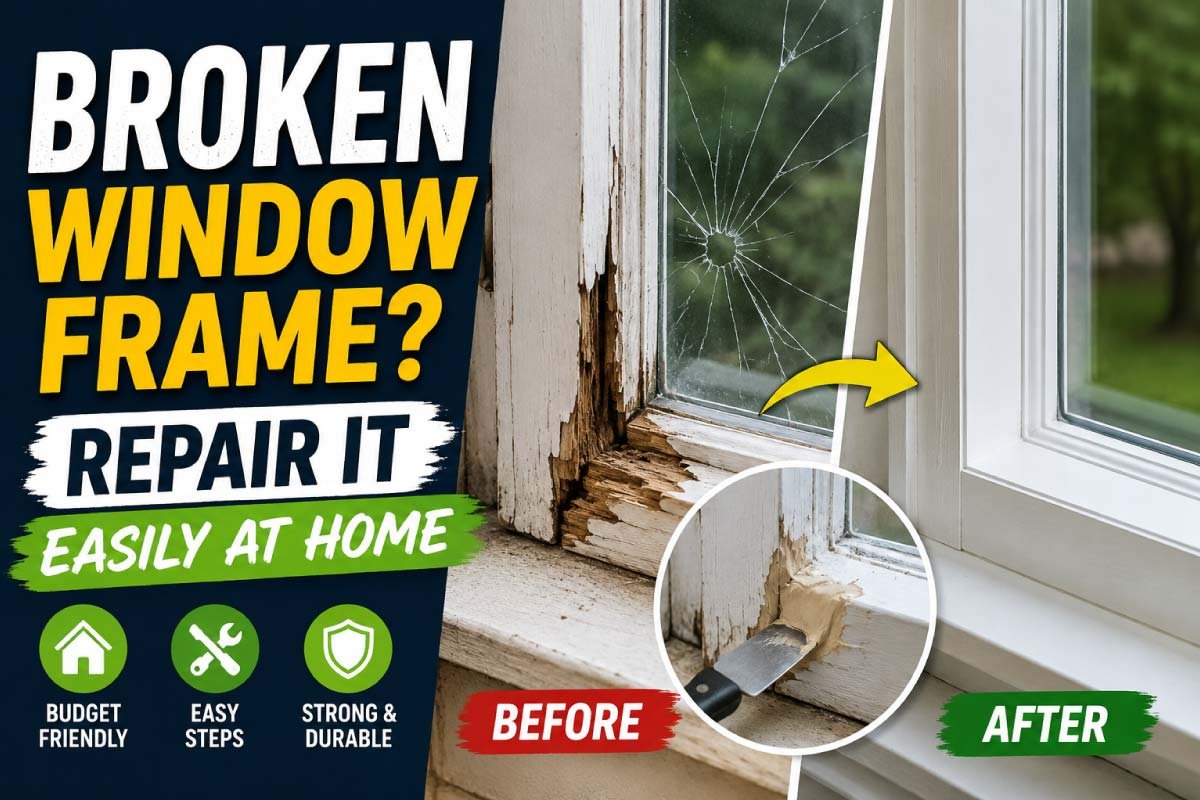
A broken window frame can quickly turn from a small annoyance into a serious household problem. It affects comfort, energy efficiency, security, and even the overall look of your home. The good news is that most window frame issues don’t always require professional help. With the right tools, a bit of patience, and a clear method, you can repair many common problems at home without spending too much money.
This guide will walk you through everything you need to know—from identifying damage to fixing it step by step—so your window frame becomes strong, secure, and good as new.
Table of Contents
ToggleUnderstanding Why Window Frames Get Damaged
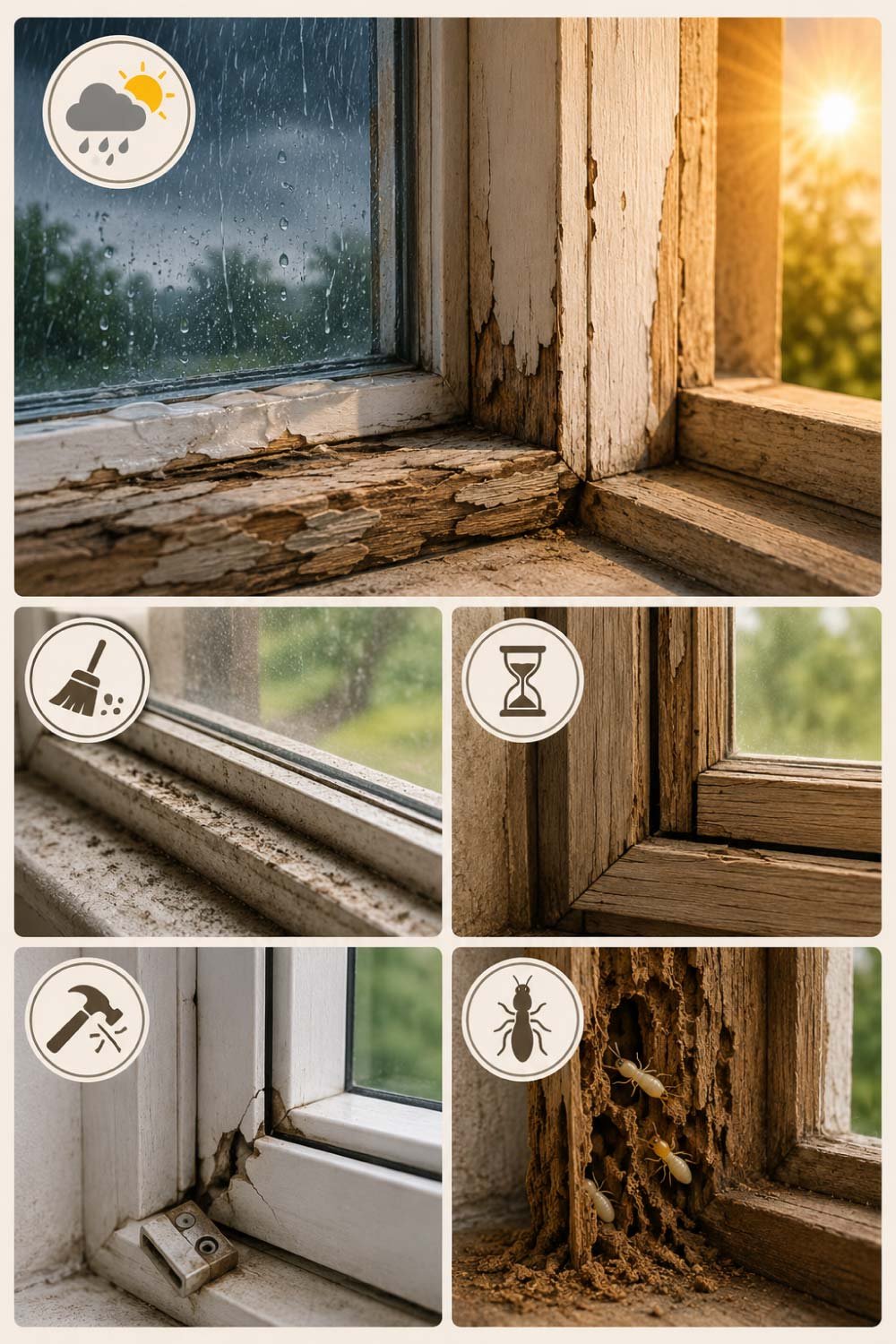
Before starting any repair work, it is important to clearly understand why window frames become weak or damaged over time. Different environmental and physical factors slowly affect their strength, alignment, and appearance. Knowing the root cause helps you apply the right repair method and also prevents the same issue from returning in the future.
1. Weather Exposure
Constant exposure to harsh weather conditions like strong sunlight, heavy rain, and humidity gradually weakens window frames. Wooden frames may swell or crack, while metal frames can develop rust. Over time, these changes reduce durability and cause structural damage that affects both function and appearance.
2. Poor Maintenance
Lack of regular cleaning and maintenance allows dust, moisture, and grime to build up around window frames. Small issues like minor cracks or loose fittings are often ignored, which slowly turns into bigger structural problems. Without proper care, even strong materials begin to deteriorate earlier than expected.
3. Aging Material
Every window frame has a natural lifespan, and with time, materials start losing their strength. Wooden frames become brittle, plastic may turn weak, and metal can lose alignment. Aging leads to loosened joints, reduced support, and overall instability, making repairs necessary to restore proper function.
4. Physical Impact
Window frames often get damaged due to accidental impacts or rough handling. Slamming windows shut or applying excessive force while opening can break joints, loosen fittings, or crack the frame. Even minor repeated pressure over time can weaken the structure and lead to visible or hidden damage.
5. Pest Damage
In wooden window frames, pests like termites and insects can silently cause serious internal damage. They feed on the inner structure, making the frame hollow and weak from inside. This type of damage is often unnoticed until the frame starts breaking, bending, or losing its strength completely.
Types of Window Frame Damage You Might Notice
Window frame damage can appear in different forms depending on the cause and material. Some issues are visible on the surface, while others develop internally. Identifying the exact type of damage is important because it helps you choose the correct repair method and prevents unnecessary replacement or further deterioration.
Small cracks in wood or plastic frames
Small cracks usually appear due to temperature changes, aging, or pressure on the frame. These cracks may look minor at first but can expand over time if ignored. They weaken the structure and allow moisture to enter, which can lead to deeper internal damage.
Loose or shaking frame structure
A loose or shaking frame indicates that the screws, nails, or joints have weakened over time. This can happen due to poor installation or repeated use. If not fixed, the entire window may become unstable, making it difficult to open or close properly.
Rotten or soft wood areas
Wooden frames exposed to moisture often develop soft or rotten patches. These areas lose strength and crumble easily when touched. This type of damage spreads quickly if not treated, affecting the overall stability of the frame and requiring immediate repair or reinforcement.
Rust on metal frames
Metal frames are highly prone to rust when exposed to moisture and air for long periods. Rust slowly eats away the metal surface, weakening its structure. If not removed in time, it can cause permanent damage and reduce the lifespan of the frame significantly.
Misaligned or stuck windows
When frames become warped or damaged, windows may stop moving smoothly. They may get stuck, tilt, or fail to close properly. Misalignment usually happens due to structural shifting, moisture damage, or loose fittings that affect the overall positioning of the frame.
Gaps between wall and frame
Gaps between the wall and window frame often appear due to settling of the building or poor installation. These gaps allow air, dust, and water to enter, reducing energy efficiency and increasing damage risk. They also weaken the stability of the entire frame.
Broken joints or corners
Corners and joints are the most sensitive parts of a window frame. When they break, the entire structure becomes unstable. This damage usually occurs due to pressure, aging, or poor-quality materials, and it often requires reinforcement or replacement of affected sections.
Once you understand the type of damage, you can move on to fixing it effectively.
Tools and Materials You’ll Need
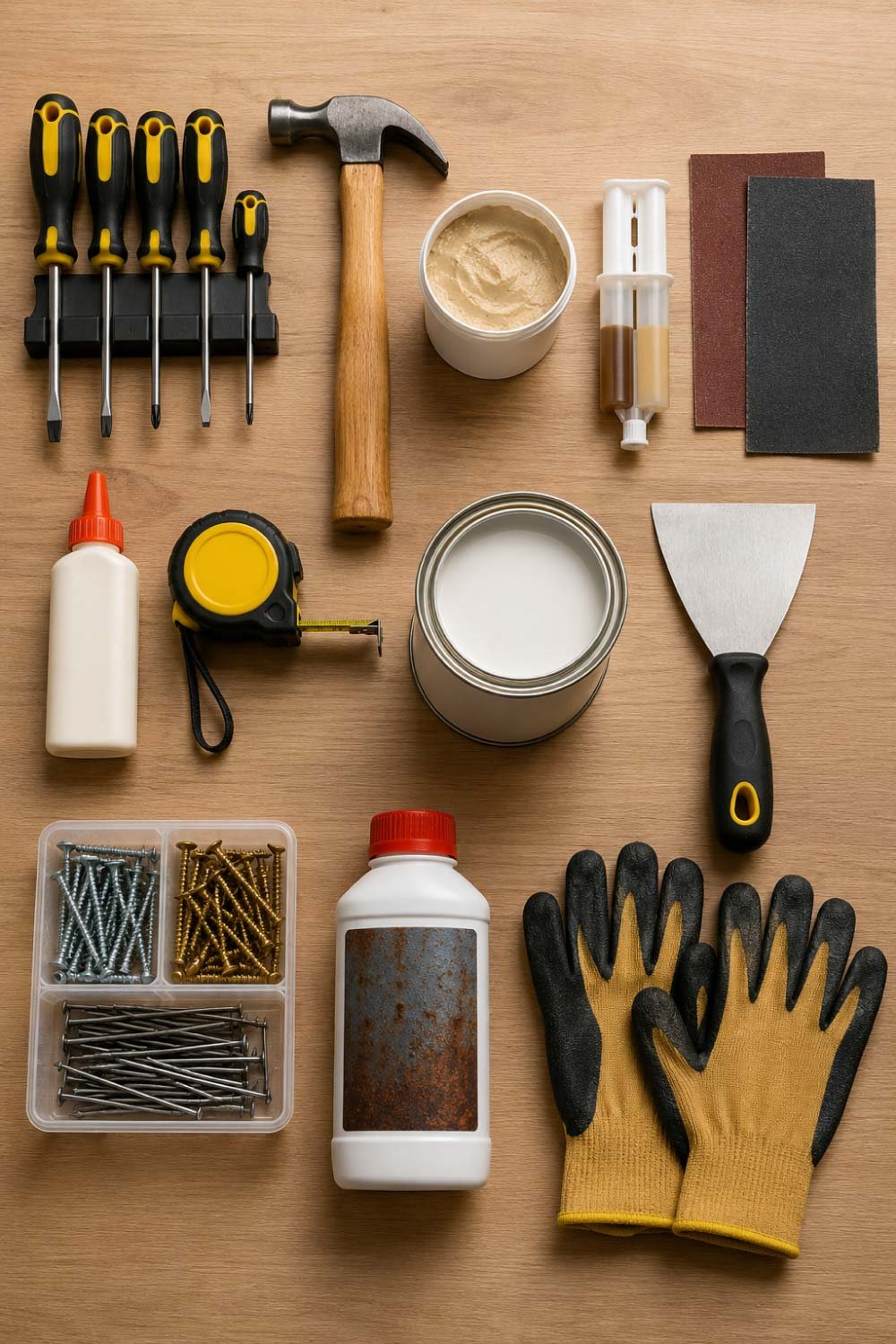
Having the right tools ready before starting any repair makes the process smoother and faster. It also helps avoid interruptions during work. Each tool serves a specific purpose, whether it is tightening, filling gaps, removing rust, or finishing the surface for a clean and professional result.
Screwdriver set
A screwdriver set is essential for tightening or removing screws from the window frame. Different sizes help you work with various fittings. It ensures that loose parts are properly secured, helping restore stability and preventing further movement or damage in the frame structure.
Hammer
A hammer is used for fixing nails, adjusting loose parts, or gently repositioning frame sections. It helps secure wooden or metal components firmly in place. Careful use is important to avoid causing additional cracks or damage while repairing the window frame.
Wood filler or epoxy (for wooden frames)
Wood filler or epoxy is used to fill cracks, holes, and damaged areas in wooden frames. It restores strength and creates a smooth surface for finishing. Once dried, it hardens and blends with the wood, making the repair durable and long-lasting.
Sandpaper (medium and fine grit)
Sandpaper helps smooth rough or uneven surfaces before and after repairs. Medium grit removes old paint or rough patches, while fine grit gives a polished finish. It ensures proper adhesion of filler, glue, or paint, improving the overall appearance of the repaired frame.
Wood glue or strong adhesive
Wood glue or strong adhesive is used to bond broken or loose frame parts. It strengthens joints and holds pieces firmly together. Applying the right amount ensures a strong grip, helping restore stability and extending the life of the repaired window frame.
Measuring tape
A measuring tape helps ensure accuracy while aligning or replacing frame parts. It is used to check dimensions, gaps, and positioning. Proper measurement prevents uneven fitting and ensures that all repairs are precise and well-balanced for smooth window operation.
Paint or polish (matching your frame)
Paint or polish is used to restore the appearance of the repaired frame. It protects the surface from moisture, dust, and weather damage. Matching the original color ensures a uniform look, making the repair blend naturally with the rest of the window.
Putty knife
A putty knife is used to apply filler or remove excess material from cracks and holes. It helps in creating a smooth and even surface during repairs. Its flat edge allows precise application, ensuring a clean and professional finish.
Replacement screws or nails
Replacement screws or nails are needed when old or damaged fasteners cannot hold the frame properly. Using new ones ensures a stronger grip and better stability. They help reinforce weak joints and restore the structural strength of the window frame.
Rust remover (for metal frames)
Rust remover is essential for cleaning corroded metal surfaces. It breaks down rust and restores the metal’s original condition. Removing rust early prevents further damage and helps maintain the strength and appearance of metal window frames.
Protective gloves
Protective gloves keep your hands safe while handling tools, chemicals, or rough surfaces. They prevent cuts, irritation, and exposure to harmful materials. Wearing gloves ensures safe working conditions throughout the repair process.
Step-by-Step Guide to Repair a Broken Window Frame
Now let’s go through practical repair methods based on different types of damage.
Step 1: Inspect the Damage Carefully
Start by closely examining the entire window frame. Don’t rush this step.
Check for:
- Loose corners: Carefully test each corner of the frame to see if it shifts or moves under light pressure, as this indicates weakened joints that may need tightening or reinforcement.
- Cracks or splits: Look for visible cracks along wood, plastic, or metal surfaces, as even small splits can expand over time and compromise the overall strength of the frame.
- Weak joints: Press joint areas gently to check stability, since weakened connections often cause misalignment and can lead to further structural damage if not repaired properly.
- Signs of moisture or rot: Inspect for damp patches, discoloration, or soft wood, as these are clear indicators of water damage that can weaken the frame from inside.
- Rust or corrosion: Examine metal parts for rust formation, which gradually eats away at the surface and reduces the durability and safety of the window frame.
Gently press different parts of the frame to see if anything moves or feels unstable. This will help you decide whether it needs minor fixing or deeper repair.
Step 2: Clean the Frame Area
Before repairing, always clean the surface.
- Remove dust, dirt, and loose paint: Carefully wipe or scrape off any accumulated dust, dirt, or peeling paint so the repair materials can properly stick to the surface without interference.
- Use a dry cloth or brush: A clean dry cloth or soft brush helps remove fine particles from corners and edges, ensuring the frame is fully prepared for repair work.
- For metal frames, remove rust using a wire brush or rust remover: Rust must be fully cleaned from metal surfaces because it weakens structure and prevents proper bonding of repair materials.
- Let the area dry completely: After cleaning, allow the frame to dry fully so no moisture remains, as damp surfaces can weaken adhesives and reduce repair effectiveness.
A clean surface ensures better bonding of glue, filler, or paint.
Step 3: Fix Loose Frame Joints
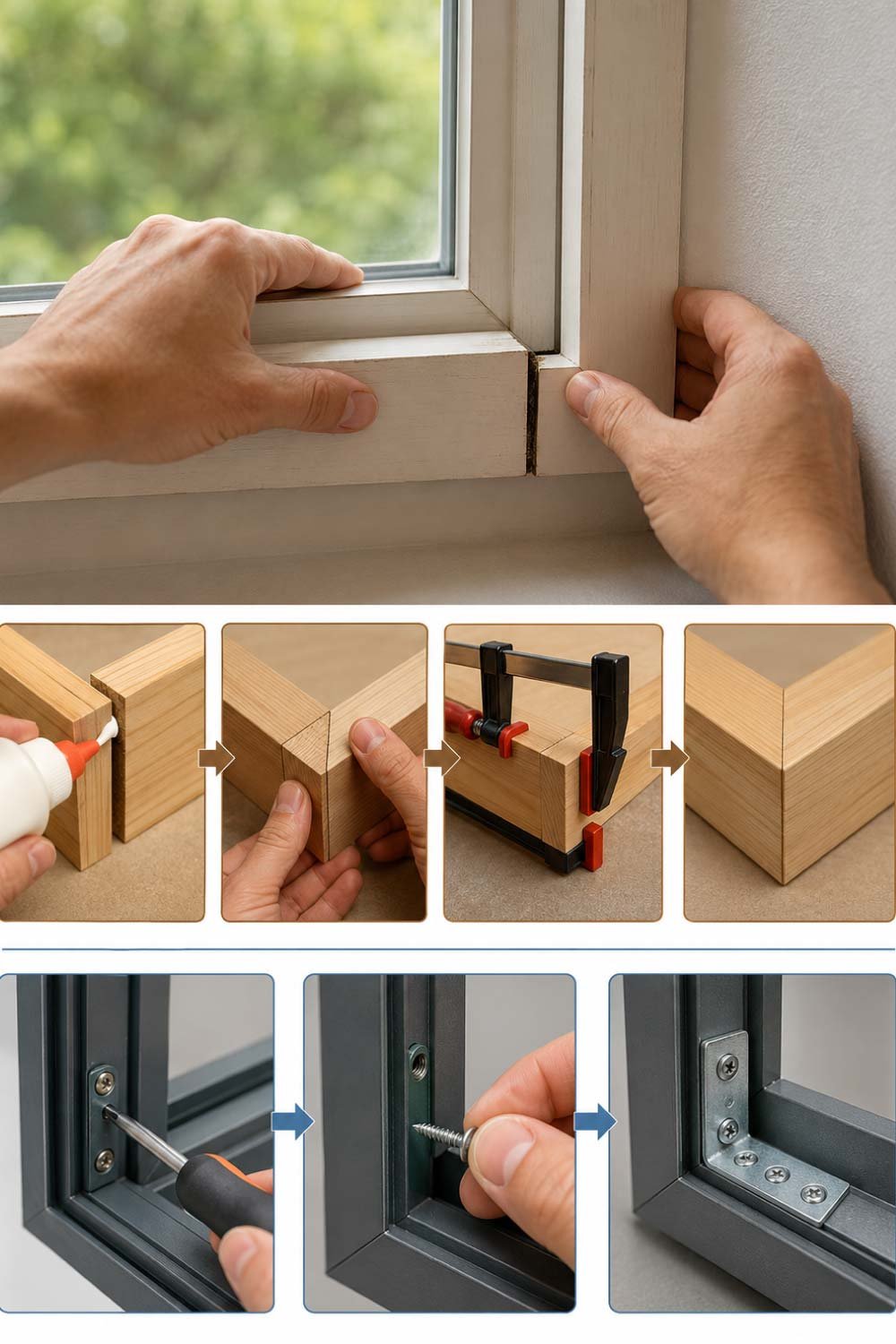
Loose joints are one of the most common and frustrating window frame issues. They often occur due to aging, poor installation, or repeated opening and closing of windows. If ignored, these weak joints can lead to misalignment, drafts, and even structural failure, so fixing them early is important for stability and safety.
For Wooden Frames:
- Apply strong wood glue inside the loose joint: Carefully open the joint slightly and apply a high-quality wood glue deep inside so it bonds all hidden surfaces properly for a strong hold.
- Press the parts together firmly: Push the joint pieces tightly back into position so the adhesive spreads evenly and fills any small internal gaps between the wood sections.
- Use clamps or heavy objects to hold it in place: Secure the joint using clamps or weighted objects to ensure it stays fixed while the glue sets and hardens properly.
- Let it dry for several hours or overnight: Allow sufficient drying time so the bond becomes strong and durable, preventing the joint from loosening again after use.
For Metal Frames:
- Tighten screws using a screwdriver: Check all visible screws and tighten them properly to restore stability and reduce unwanted movement in the frame structure.
- Replace any stripped or missing screws: Remove damaged screws that no longer grip properly and replace them with new ones to ensure a firm connection.
- If needed, add metal brackets for extra support: Install brackets at weak points to reinforce the structure and improve overall strength and alignment of the frame.
Also Read:
Step 4: Repair Cracks and Small Gaps
Cracks and small gaps may look harmless at first, but they can quickly expand due to temperature changes, moisture, and daily use. Repairing them early helps maintain the strength, insulation, and appearance of the window frame, preventing more serious damage in the future.
Wooden Frames:
- Fill cracks with wood filler or epoxy: Carefully apply filler into the cracks so it fills every gap completely and restores the lost strength of the damaged wood surface.
- Smooth it using a putty knife: Level the filled area using a putty knife to ensure a flat and even surface that blends with the surrounding frame.
- Let it dry fully: Allow enough time for the filler to harden completely so it becomes strong and durable under regular use.
- Sand it down until smooth: Use sandpaper to smooth the repaired area, making it seamless and ready for finishing or painting.
Plastic or PVC Frames:
- Use PVC adhesive or epoxy filler: Select a suitable adhesive designed for plastic materials to ensure proper bonding and long-lasting repair results.
- Apply carefully into cracks: Fill the damaged areas slowly and evenly so the adhesive penetrates deep and seals the crack effectively.
- Let it cure properly before touching: Allow full curing time so the material hardens completely and restores structural integrity without weakening over time.
This step restores both strength and appearance.
Step 5: Fix Rotting or Damaged Wood
Rotting wood is a serious issue because it weakens the internal structure of the frame. It usually develops due to prolonged moisture exposure or poor sealing. Repairing it quickly is essential to prevent the damage from spreading and affecting the entire window frame.
- Remove all loose or decayed wood using a scraper or chisel: Carefully cut away damaged sections so only solid, healthy wood remains for proper repair and reinforcement.
- Clean the area thoroughly: Remove dust, debris, and moisture from the exposed surface to ensure better bonding of repair materials.
- Fill the space with epoxy wood filler: Apply strong epoxy filler to rebuild the missing section and restore structural strength to the weakened area.
- Shape it to match the original frame: Mold the filler while it is still workable so it matches the original design and structure of the frame.
- Let it harden completely: Allow sufficient curing time so the repaired area becomes solid, durable, and ready for finishing.
- Sand and smooth the surface: Use sandpaper to blend the repaired section with the rest of the frame for a clean finish.
If the damage is too severe, replacing that section may be necessary instead of repairing.
Step 6: Repair Metal Frame Rust Issues
Rust is one of the biggest threats to metal window frames. It slowly eats away at the surface and weakens the entire structure if not treated in time. Proper rust removal and protection can significantly extend the life of the frame.
- Scrape off rust using sandpaper or a wire brush: Remove all visible rust thoroughly so the clean metal surface is exposed for further treatment.
- Apply rust remover solution: Use a rust treatment product to break down deeper corrosion and stop it from spreading further.
- Clean and dry the area: Wipe the surface properly and ensure it is completely dry before applying any protective coating.
- Use anti-rust primer or coating: Apply a protective layer that prevents future rust formation and strengthens the metal surface.
- Repaint the frame with metal-friendly paint: Finish with durable paint that protects against moisture and improves the frame’s appearance.
This not only repairs but also protects the frame from future corrosion.
Step 7: Realign a Misaligned Window Frame
Sometimes the problem is not damage but improper alignment. A misaligned window frame can cause difficulty in opening or closing, air leaks, and uneven pressure on the structure. Fixing alignment improves both functionality and long-term durability.
- Loosen the screws slightly: Carefully loosen the fittings just enough to allow controlled movement of the frame without removing them completely.
- Adjust the frame position carefully: Shift the frame into the correct position so it sits evenly within the wall opening.
- Check if the window opens and closes smoothly: Test the movement multiple times to ensure proper alignment and smooth operation.
- Retighten all screws once alignment is correct: Secure all fittings firmly to lock the frame in its corrected position.
Small adjustments can make a big difference in function.
Step 8: Seal Gaps Between Frame and Wall
Gaps between the frame and wall can cause air leaks, dust entry, and even insect problems. Sealing them properly improves insulation, energy efficiency, and overall comfort inside the room.
- Use silicone sealant or caulking material: Choose a flexible sealant that can handle expansion and contraction caused by temperature changes.
- Apply evenly along the gap: Fill the entire gap smoothly without leaving any empty spaces or uneven lines.
- Smooth it with a finger or tool: Level the sealant for a clean finish and better adhesion to both wall and frame surfaces.
- Allow it to dry fully: Let the sealant cure completely so it forms a strong and long-lasting protective barrier.
This improves insulation and overall efficiency of the window.
Step 9: Sand and Finish the Frame
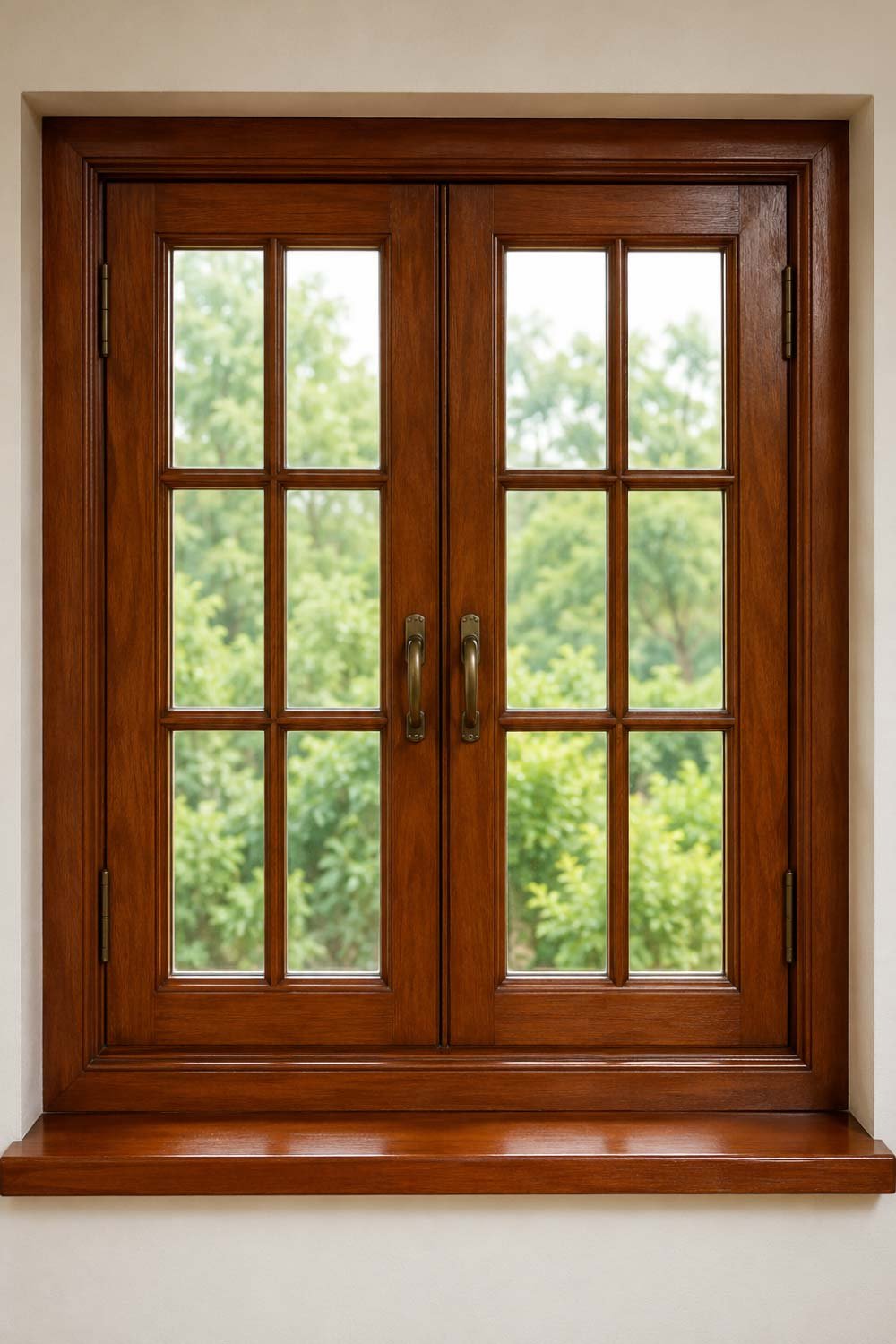
Finishing is the final and most important step after all repairs. It not only improves appearance but also protects the frame from future damage caused by moisture, dust, and daily wear.
- Sand all repaired areas smoothly: Carefully smooth every repaired section so the surface becomes even and ready for finishing.
- Remove dust with a clean cloth: Wipe away all sanding dust to ensure proper adhesion of paint or polish.
- Apply paint, polish, or varnish: Use a suitable finishing product to protect the frame and enhance its appearance.
- Let it dry properly before using the window: Allow full drying time so the finish becomes strong, durable, and long-lasting.
A good finish makes the frame look brand new again.
Also Read:
Common Mistakes to Avoid During Repair
Even simple window frame repairs can fail if done incorrectly. Many issues occur not because of complexity, but due to small overlooked mistakes that reduce durability and effectiveness of the repair work.
- Skipping cleaning before repair
- Using weak glue or filler
- Not allowing proper drying time
- Over-tightening screws in wooden frames
- Ignoring small cracks or gaps
- Applying paint before surface is smooth
Avoiding these mistakes ensures a long-lasting repair.
When You Should Consider Replacement Instead of Repair
Not every damaged window frame can or should be repaired. In some cases, the structure is too weak or deteriorated, and replacement becomes a more practical and cost-effective solution in the long run.
Consider replacing the frame if:
- More than 50% of the frame is damaged
- Severe termite or rot damage is present
- Metal frame is heavily corroded
- Repeated repairs are not holding
In such cases, replacing the frame saves time and future costs.
Also Read:
Tips to Prevent Future Window Frame Damage
Preventing damage is always easier and cheaper than repairing it. With simple regular care and maintenance, you can significantly extend the lifespan of your window frames and avoid frequent repair issues.
- Clean frames regularly
- Repaint wooden frames every few years
- Check for moisture or leaks near windows
- Tighten loose screws periodically
- Apply anti-rust coating on metal frames
- Avoid slamming windows
Small maintenance steps can significantly extend the life of your window frames.
Final Thoughts
A broken window frame may look like a big problem, but in most cases, it can be repaired easily at home with basic tools and a little effort. Whether it’s a crack, loose joint, rust, or misalignment, the key is to act early before the damage spreads.
By following the steps in this guide, you can restore strength, improve appearance, and extend the life of your window frames without unnecessary expense. Regular maintenance will ensure your windows stay functional, secure, and visually appealing for years to come.