
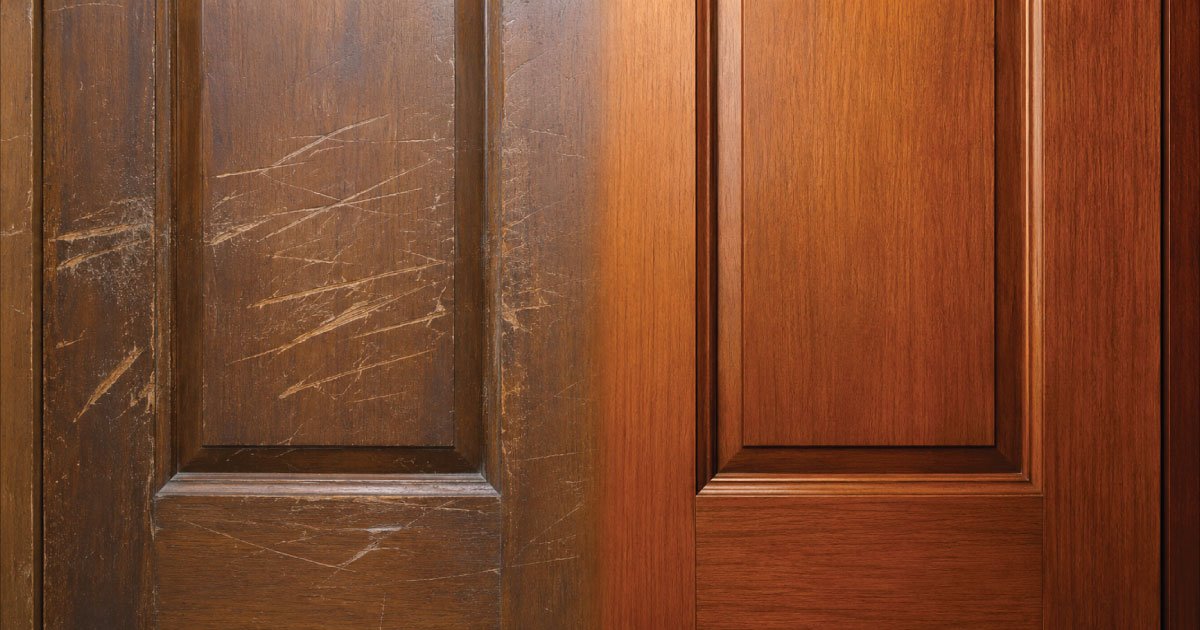
Wooden doors add warmth, elegance, and durability to any home. However, over time, even the best-quality wooden doors can develop scratches due to daily use, pets, moving furniture, or accidental impacts. While these imperfections may seem minor, they can significantly affect the overall appearance of your space.
The good news is that repairing wooden door scratches is easier than you might think. With the right tools, techniques, and a bit of patience, you can restore your door to its original beauty without needing professional help. In this comprehensive guide, we’ll walk you through everything you need to know about fixing scratches on wooden doors—from light surface marks to deeper damage.
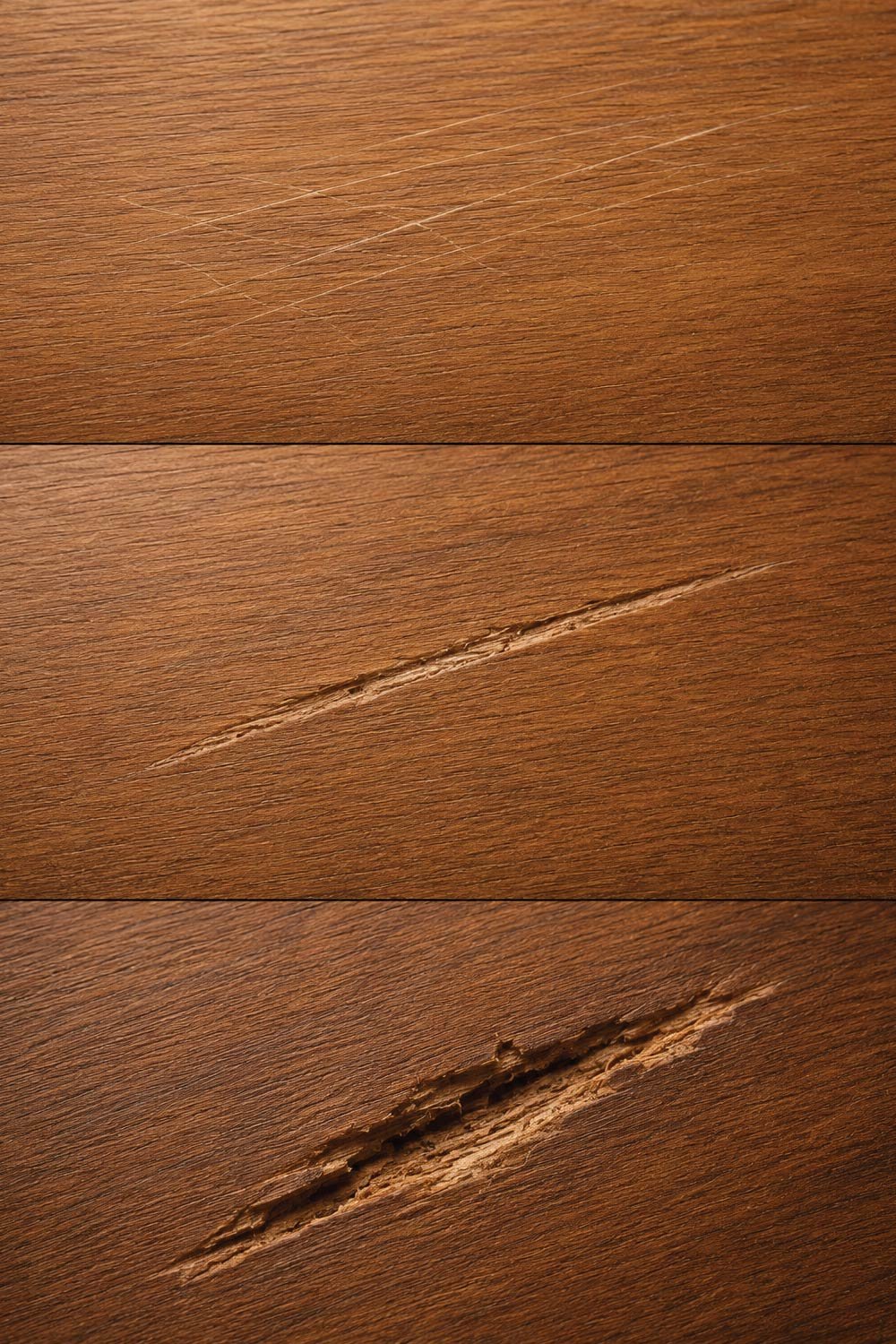
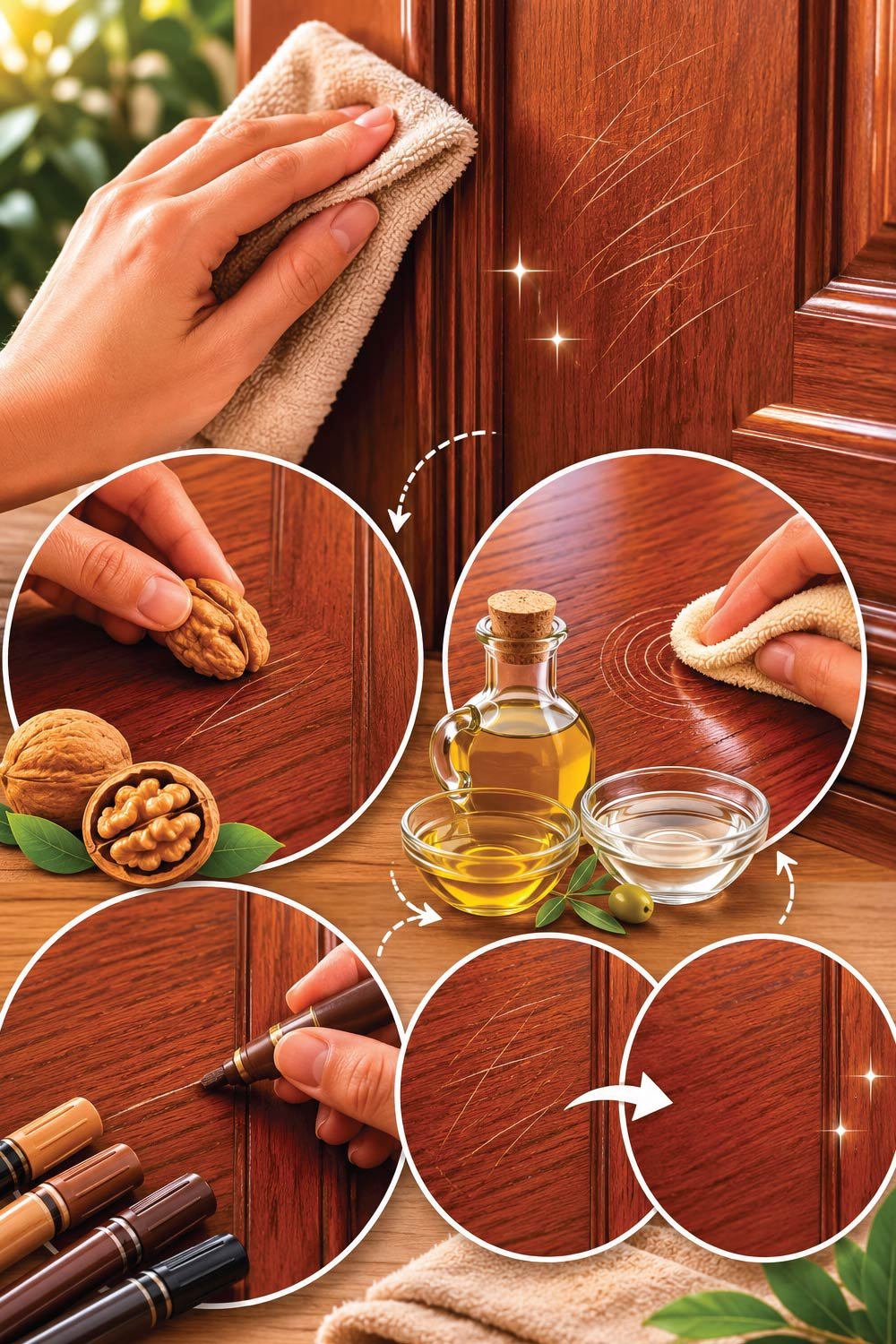
Step 3: Repairing Medium Scratches
Medium scratches go beyond the surface finish and require a more structured repair process. With careful sanding, filling, and finishing, you can restore the door’s appearance and make the damage nearly invisible.
Light Sanding
Sanding helps smooth out rough edges and prepares the surface for filler. Doing it correctly ensures you don’t worsen the scratch.
Use fine-grit sandpaper (around 220 grit) to gently sand the scratched area. Always sand in the direction of the wood grain to avoid further damage. The goal is to smooth out the edges of the scratch, not remove a large amount of material.
Apply Wood Filler
Filling the scratch restores the surface and prepares it for finishing. Proper application ensures a strong and even repair.
Once sanded, apply a small amount of wood filler or putty into the scratch using a putty knife. Press it firmly to fill the gap completely. Allow it to dry according to the manufacturer’s instructions.
Sand Again
A second round of sanding ensures the repaired area blends seamlessly with the surrounding wood surface.
After the filler has dried, lightly sand the area again to make it smooth and level with the surrounding surface.
Apply Matching Stain
Staining helps match the repaired section with the rest of the door. Choosing the right color is essential for a natural look.
Use a wood stain that matches your door color. Apply it carefully over the repaired area using a cloth or small brush. Let it dry completely.
Seal the Surface
Sealing protects the repaired area and restores the door’s original finish. It also adds durability and shine.
Finish by applying a clear varnish or polyurethane to protect the area and restore shine. This step ensures durability and a uniform appearance.
Also Read:
Step 4: Fixing Deep Scratches and Gouges
Deep scratches and gouges require more effort but can still be repaired effectively without replacing the entire door. A careful step-by-step approach ensures strong and visually appealing results.
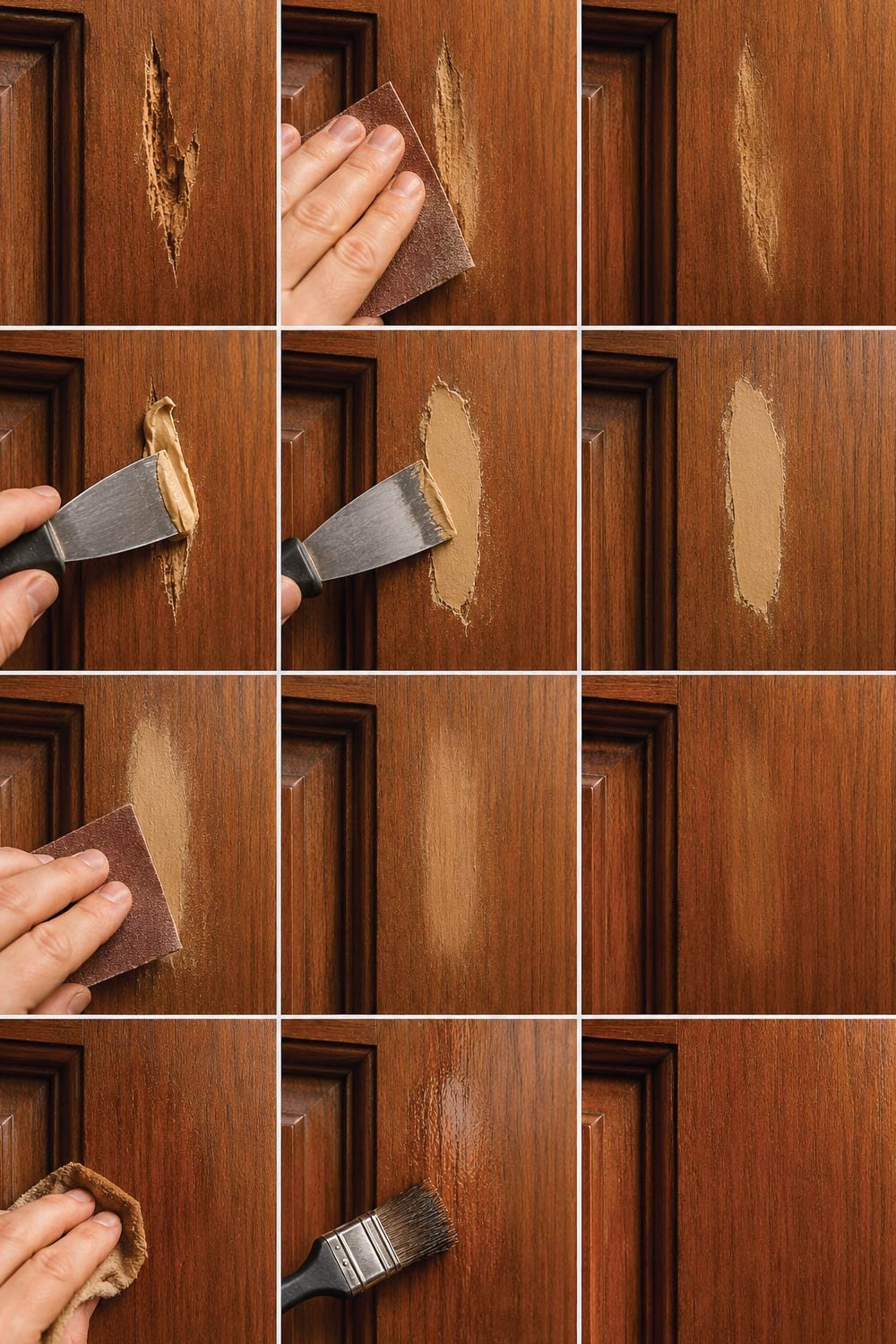
Clean and Sand
Proper preparation is essential for deep repairs. Cleaning and sanding remove debris and create a workable surface.
Start by cleaning the area thoroughly. Then use medium-grit sandpaper to smooth the edges of the scratch.
Fill the Damage
Filling deep gouges completely restores the structure of the wood. Proper filling prevents weak spots and ensures durability.
Apply wood filler generously into the gouge. Make sure it fills the entire damaged area. Smooth it out with a putty knife and let it dry completely.
Shape and Smooth
Once the filler has dried, shaping and smoothing are necessary to blend the repair with the surrounding surface.Once dry, sand the area carefully until it blends seamlessly with the surrounding wood.
Stain and Finish
Final finishing restores the door’s original appearance. Multiple coats may be needed for a perfect color match.Apply stain to match the rest of the door. You may need to apply multiple coats to achieve the correct color. Once satisfied, seal it with a clear finish.This process may take a bit longer, but the results are worth it.
Also Read:
DIY Plumbing Repair Guide: Fix Common Plumbing Problems Without a Professional
Final Thoughts
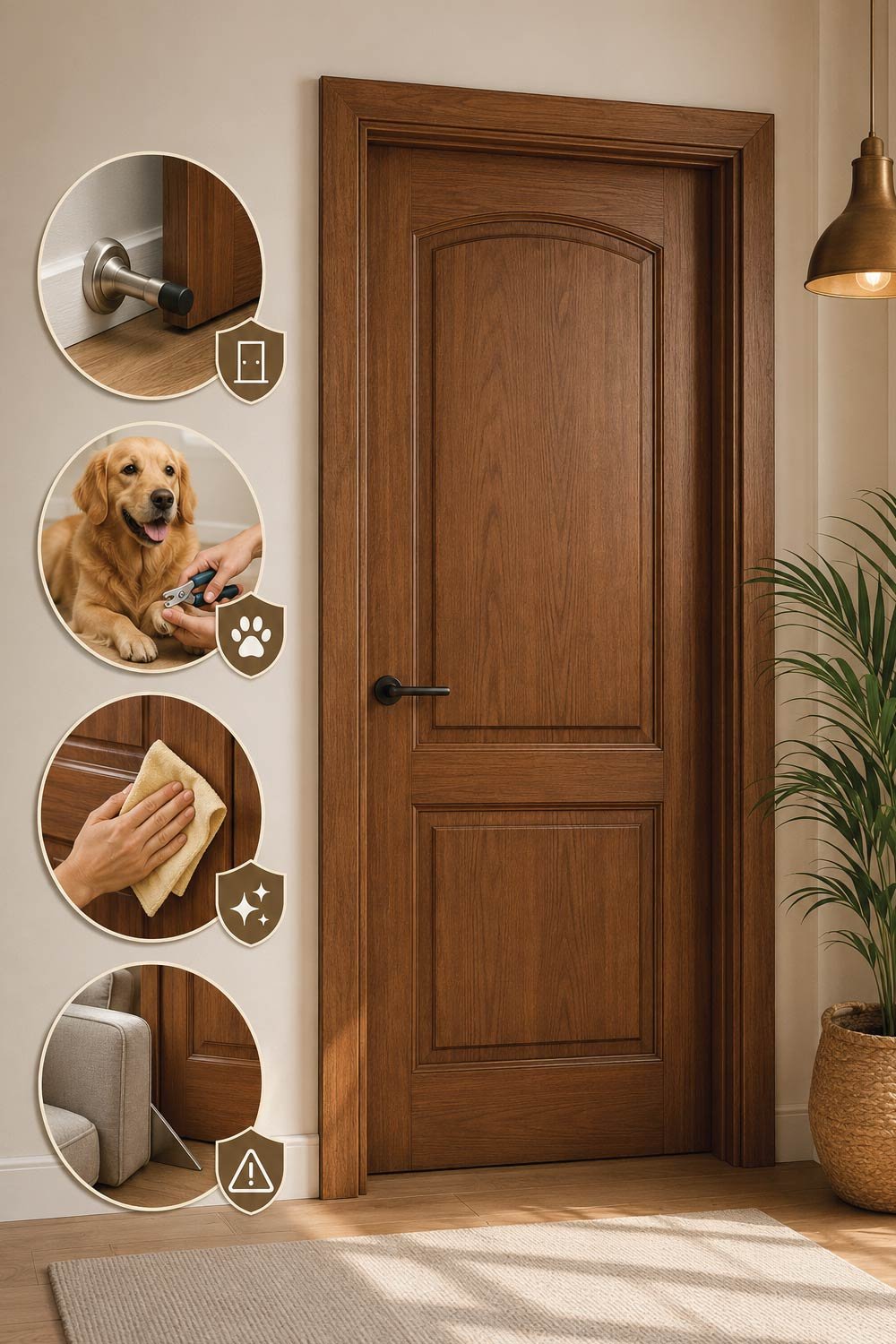
Wooden door scratches are a common issue, but they don’t have to be permanent. Whether you’re dealing with light surface marks or deeper gouges, there are practical and affordable solutions available. By understanding the type of scratch and using the right techniques, you can restore your door’s appearance and extend its lifespan.
With a little effort and attention to detail, your wooden door can look as good as new again. Not only does this improve the aesthetics of your home, but it also helps maintain the value and quality of your interior features.
So next time you notice a scratch, don’t panic—just follow this guide and fix it like a pro.