
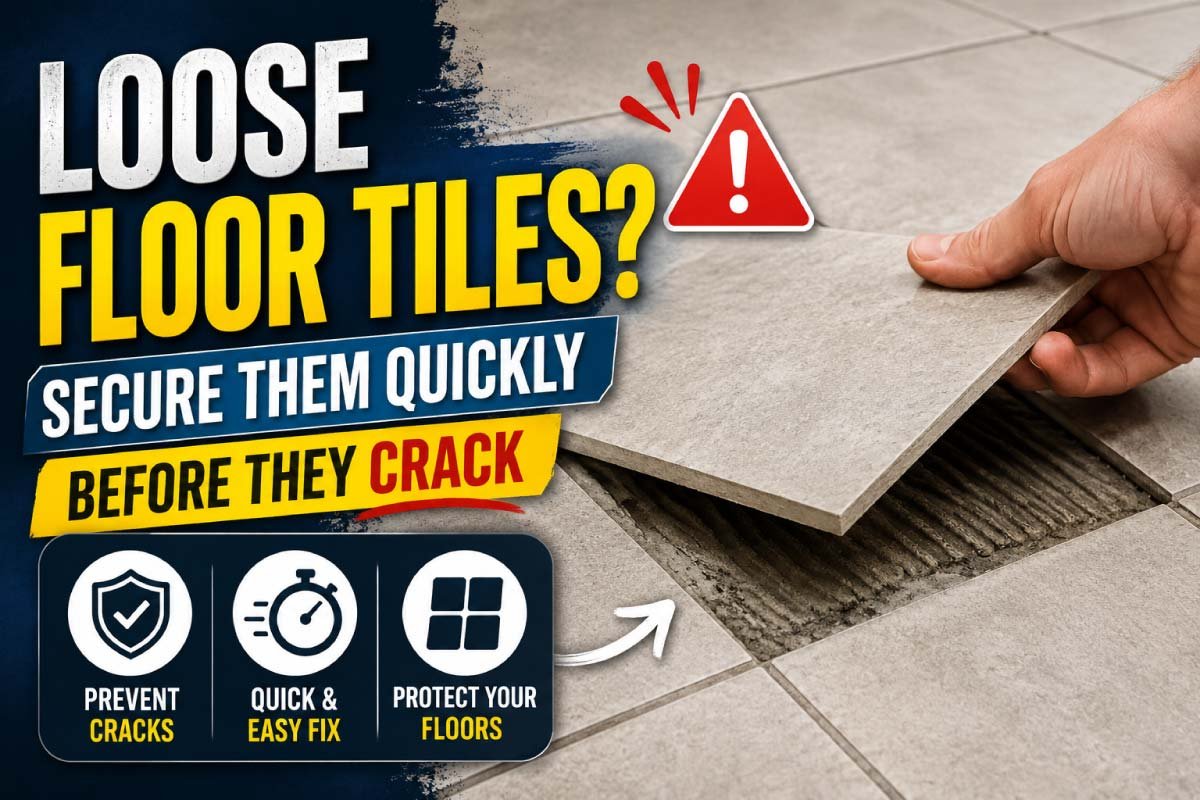
Loose floor tiles might seem like a small annoyance at first, but they are actually one of the earliest warning signs of bigger flooring problems. If ignored, they can quickly turn into cracked tiles, uneven surfaces, water damage underneath, and expensive repairs that could have been avoided with simple early action.
Whether it’s in your kitchen, bathroom, hallway, or living room, loose tiles should never be left unattended. The good news is that you don’t always need a full renovation to fix them. In many cases, you can secure them quickly and restore your floor’s strength and appearance.
This guide explains why tiles become loose, how to fix them properly, and how to prevent the problem from coming back.
Table of Contents
ToggleWhy Floor Tiles Become Loose in the First Place
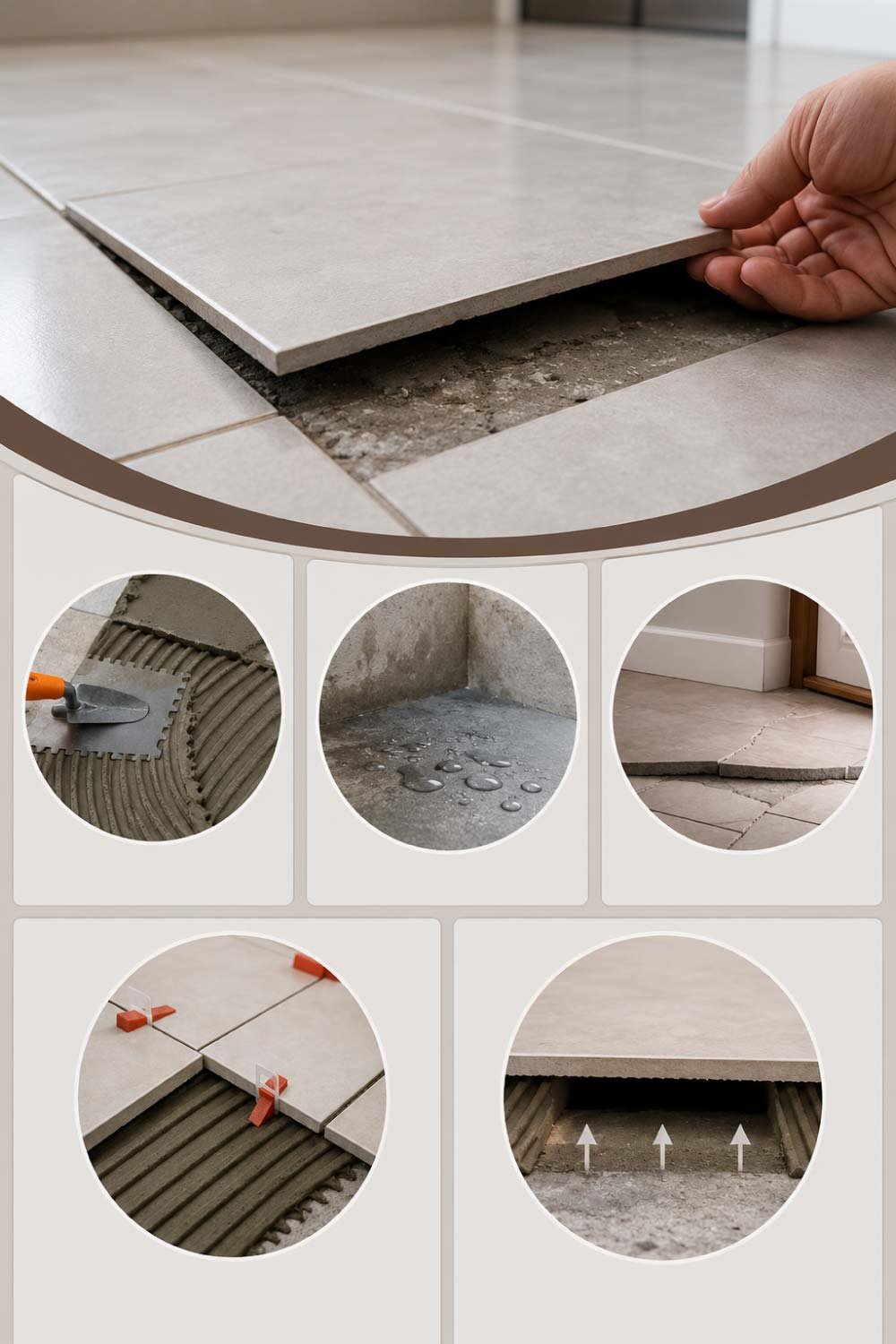
Before you start fixing loose tiles, it’s important to understand why this problem happens in the first place. Floor tiles don’t usually loosen suddenly without warning. In most cases, there is a hidden issue beneath the surface that slowly weakens the adhesive bond between the tile and the floor base. Identifying the root cause helps you apply a more permanent and effective repair instead of a temporary fix.
- Weak adhesive bond due to poor surface preparation
- Moisture penetration affecting the base layer
- Structural movement in flooring over time
- Incorrect tile installation methods
- Hidden air gaps under tiles from uneven adhesive application
1. Poor Installation Work
Poor installation is one of the most common reasons tiles become loose over time. When tiles are not installed properly from the beginning, the foundation of the flooring is already weak. Issues like uneven surfaces, incorrect adhesive mixing, or rushed workmanship can all lead to long-term tile failure and early loosening.
- Surface not cleaned or leveled before installation
- Low-quality or incorrect tile adhesive used
- Improper spacing between tiles during laying
- Insufficient pressure applied while setting tiles
- Lack of proper curing time after installation
2. Water or Moisture Damage
Moisture is a major enemy of floor tiles, especially in areas like bathrooms, kitchens, and laundry spaces. When water seeps through grout lines, it gradually weakens the adhesive underneath. Over time, this hidden damage causes tiles to lift, shift, or become completely loose, even if they were originally installed correctly.
- Water seeping through cracked or worn grout lines
- High humidity weakening adhesive strength
- Leaks from pipes or nearby plumbing issues
- Dampness trapped under tiles for long periods
- Poor waterproofing beneath flooring layers
3. Natural Wear and Tear
Every floor experiences wear and tear due to daily use, and tiles are no exception. Constant foot traffic, dragging furniture, and heavy loads slowly reduce the strength of the bond holding tiles in place. Over time, this gradual pressure weakens the adhesive, leading to movement and loosening of tiles.
- Continuous foot traffic weakening tile grip
- Heavy furniture causing pressure on specific tiles
- Dragging objects scratching and loosening edges
- Repeated impact from dropped items
- Long-term stress on high-use areas like hallways
4. Temperature Changes
Temperature fluctuations can also affect tile stability, especially in areas exposed to sunlight or outdoor environments. Tiles expand in heat and contract in cold conditions. This constant movement puts stress on the adhesive layer, eventually causing cracks, gaps, and loosening over time.
- Expansion of tiles during hot weather
- Contraction during cooler temperatures
- Repeated stress on adhesive bond
- Outdoor flooring more exposed to climate changes
- Cracks forming due to continuous movement
5. Hollow Spaces Under Tiles
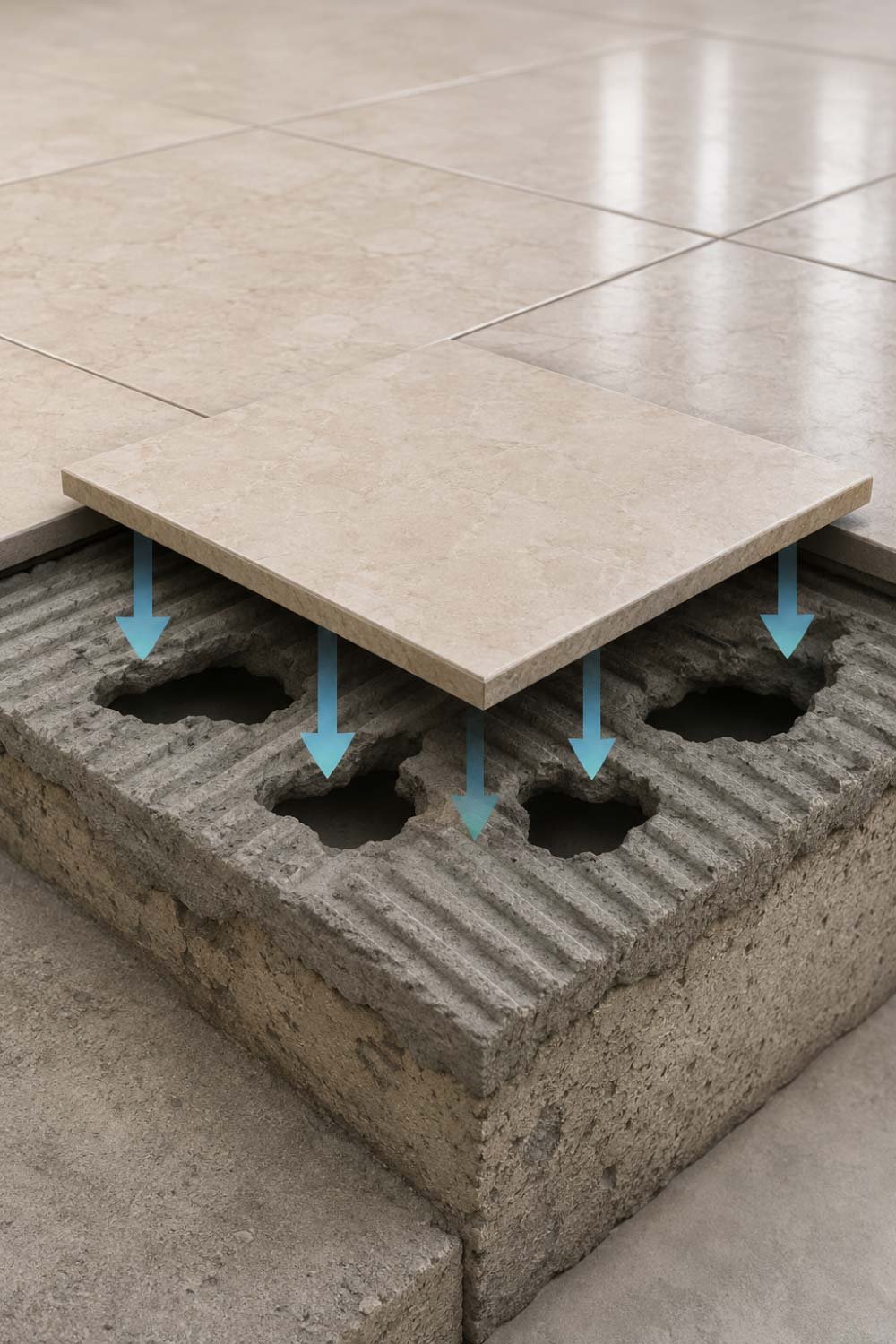
Hollow spaces beneath tiles are another major cause of loosening. This happens when adhesive is not evenly spread during installation, leaving air pockets underneath. These weak spots cannot support weight properly, and over time, they cause tiles to shift, crack, or detach from the surface.
- Uneven adhesive application during installation
- Air pockets trapped under tile surface
- Weak support beneath heavy pressure points
- Gradual movement leading to loosened edges
- Increased risk of cracking under foot pressure
Warning Signs You Should Not Ignore
Loose tiles rarely fail without warning. There are usually early signs that indicate something is wrong beneath the surface. Paying attention to these indicators can help you fix the problem early before it turns into a costly repair or full floor replacement.
- Hollow sound when tapping tiles
- Slight movement or wobbling underfoot
- Cracks appearing in grout lines
- Uneven flooring surface while walking
- Dust or debris emerging from tile joints
If you notice any of these signs, it’s best to act immediately before the tile cracks completely or breaks.
Why You Should Fix Loose Tiles Quickly
Delaying repairs might seem harmless at first, but loose tiles can quickly turn into bigger and more expensive problems. A small issue can spread across nearby tiles, damage the flooring base, and even create safety risks in your home if left untreated for too long.
- Prevents full tile replacement costs later
- Stops water from damaging the subfloor
- Reduces risk of trips and injuries
- Avoids spreading looseness to nearby tiles
- Saves time and money on major repairs
A small repair today can save you from a major renovation tomorrow.
Tools and Materials You May Need
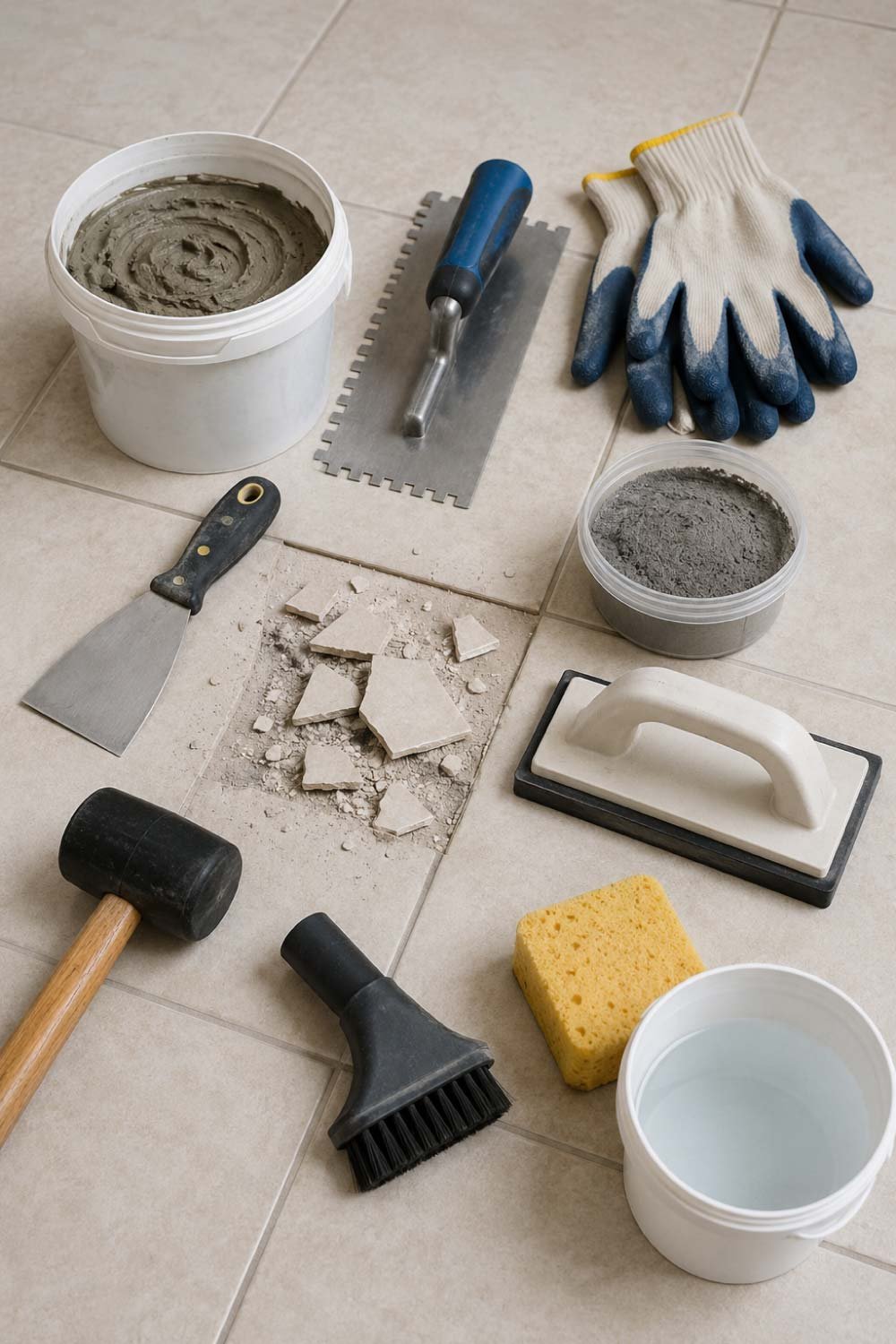
Before starting the repair process, it’s important to gather all the necessary tools and materials. Having everything ready in advance makes the work smoother, faster, and more efficient. It also helps ensure that the repaired tile stays strong and secure for a long time.
- Tile adhesive or thin-set mortar
- Putty knife or scraper for removal work
- Matching grout for finishing joints
- Grout float for smooth application
- Rubber mallet for gentle adjustment
- Vacuum or brush for cleaning debris
- Sponge and clean water for wiping
- Protective gloves for safety
Having the right tools ensures a strong and long-lasting fix.
Step-by-Step Guide to Fix Loose Floor Tiles
Now that you understand the causes and have your tools ready, it’s time to fix the problem. Following a proper step-by-step method is essential to ensure the tile is securely reattached and does not loosen again in the future.
Step 1: Identify the Loose Area
Start by carefully checking the floor to locate the loose tile. Gently tap different areas using your knuckles or a small tool. A hollow sound usually indicates a problem beneath the surface. Mark the affected tile so you can easily focus on it during the repair process.
Be careful not to apply too much pressure if the tile is already fragile.
Step 2: Remove the Grout Around the Tile
Once the loose tile is identified, carefully remove the grout surrounding it using a scraper or grout removal tool. This step is important because it frees the tile edges, allowing you to lift it without damaging adjacent tiles. Take your time to avoid chipping or cracking nearby joints.
Slow and careful removal ensures a clean repair area.
Step 3: Lift the Loose Tile
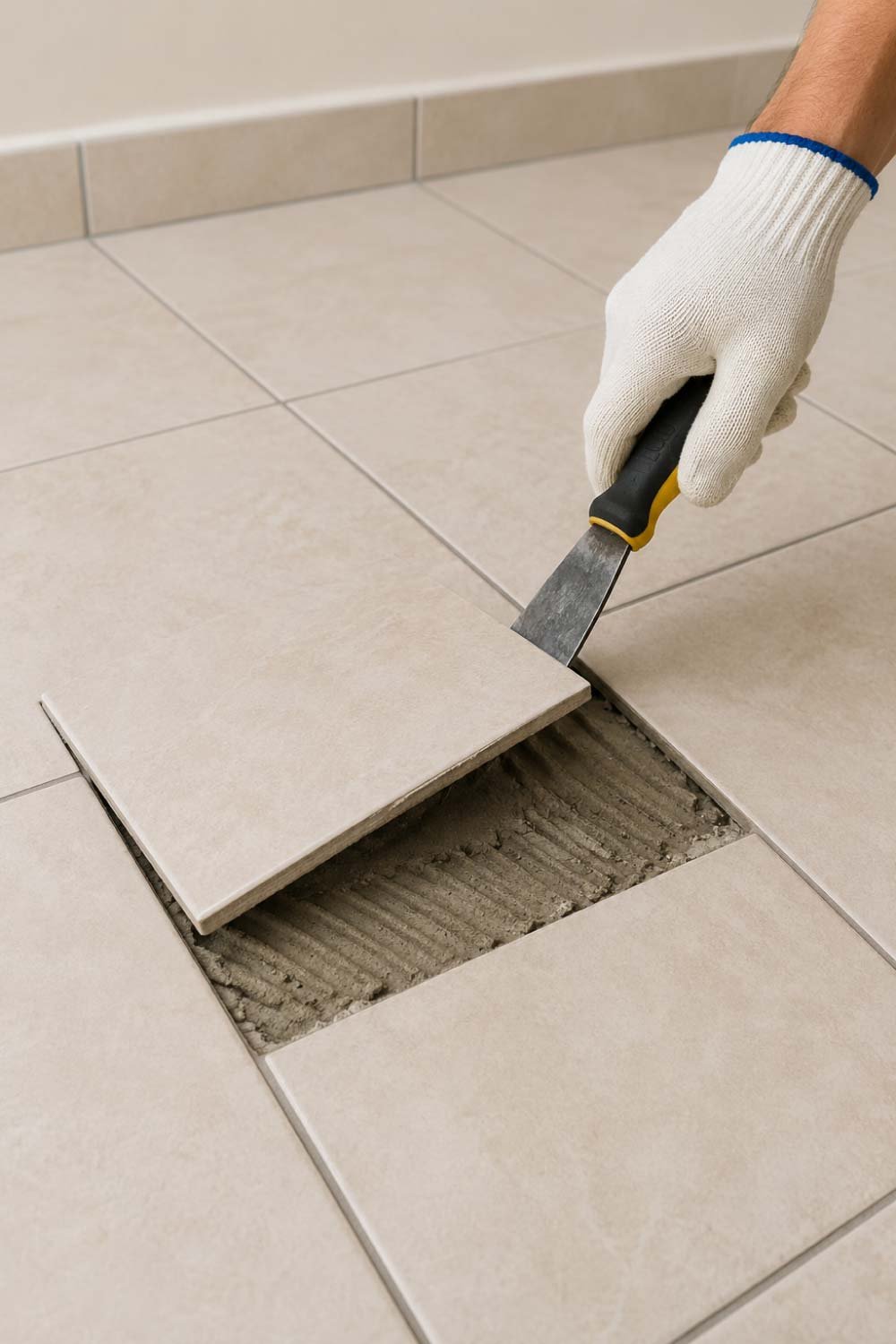
After removing the grout, gently lift the tile using a flat tool. Do not force it if it feels stuck, as this may cause it to break. Instead, work slowly from different sides until it loosens. If the tile cracks during removal, it can still be replaced with a matching one.
Careful lifting helps preserve the surrounding floor condition.
Step 4: Clean the Surface Beneath
This is one of the most important steps. Scrape off old adhesive, dust, and debris from the base. A clean surface ensures strong bonding.
Use a vacuum or brush to remove fine particles. The cleaner the surface, the better the new adhesive will hold.
Also Read:
Step 5: Apply Fresh Adhesive
Spread tile adhesive evenly on the floor base using a putty knife. Avoid applying too much or too little. An even layer ensures proper grip and balance.
If the old adhesive was uneven, take extra care to level the surface.
Step 6: Reposition the Tile Carefully
Place the tile back into its original position. Press it down firmly to ensure it bonds properly with the adhesive beneath.
You can gently tap it with a rubber mallet to secure it evenly. Make sure it aligns with surrounding tiles.
Step 7: Let It Set Properly
Allow the adhesive to dry completely. This usually takes several hours, depending on the product used.
Avoid walking on the area during this time. Premature pressure can weaken the bond.
Also Read:
Step 8: Reapply Grout
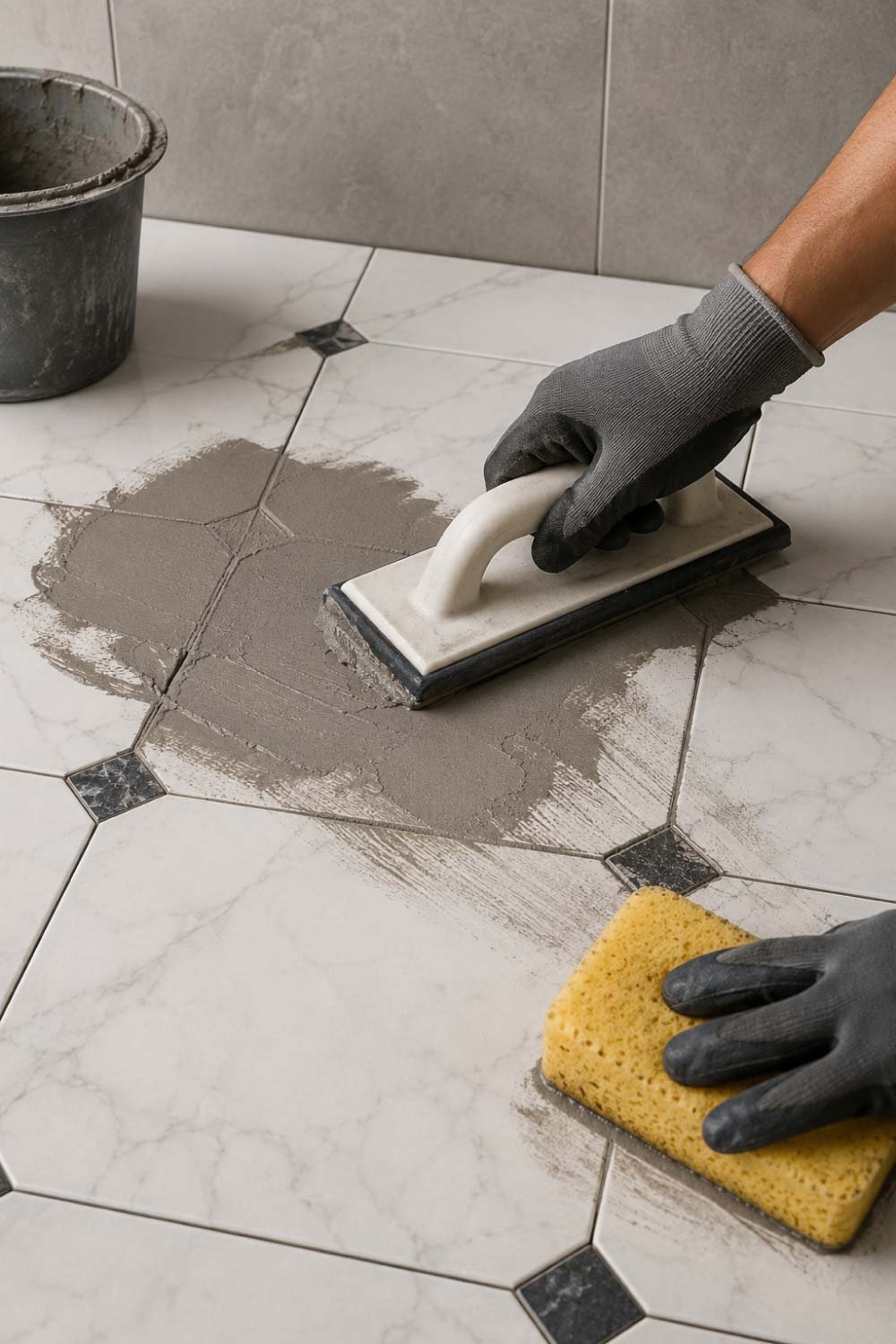
Once the adhesive is dry, fill the gaps around the tile using fresh grout. Spread it evenly and remove excess with a grout float.
Clean the surface with a damp sponge before the grout fully hardens.
What If the Tile Keeps Getting Loose?
If the same tile becomes loose repeatedly, the problem may be deeper than just adhesive failure. It could indicate:
- Weak or damaged subfloor
- Water leakage underneath
- Structural movement in the base
- Poor-quality tile material
In such cases, replacing the tile and repairing the base layer may be necessary.
Also Read:
Noisy Door Driving You Crazy? Make It Silent in Seconds (Simple Fix Guide)
Preventing Floor Tiles From Becoming Loose Again
Prevention is always better than repair. Once your tiles are fixed, follow these tips to keep them secure for years.
1. Avoid Excess Water Exposure
Wipe spills immediately, especially in bathrooms and kitchens. Standing water is one of the biggest causes of tile loosening.
2. Use Quality Cleaning Methods
Avoid harsh chemicals that can weaken grout and adhesive over time. Stick to mild cleaners and soft mops.
3. Don’t Drag Heavy Furniture
Always lift furniture instead of dragging it across tiled floors. This prevents unnecessary pressure on tiles.
4. Inspect Tiles Regularly
Check for early signs of movement or cracks every few months. Early detection makes repairs easier and cheaper.
5. Ensure Proper Ventilation
Moisture buildup can be reduced by keeping rooms well-ventilated, especially bathrooms.
Also Read:
When You Should Call a Professional
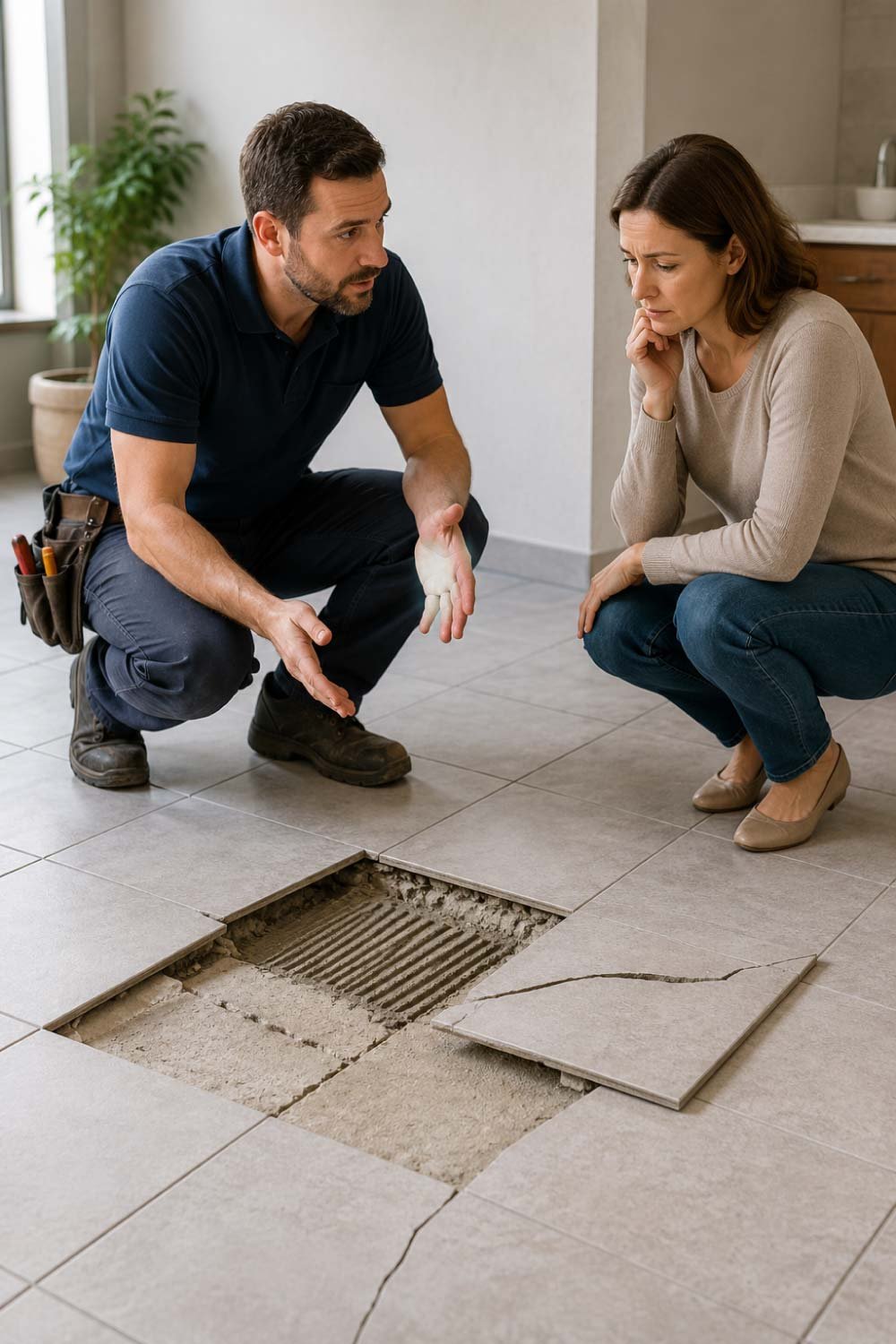
While many loose tile issues can be fixed at home, there are situations where professional help is necessary:
- Large areas of flooring are affected
- Multiple tiles are loose or hollow
- Water damage is visible underneath
- You are unsure about proper repair techniques
A professional can identify hidden structural problems and ensure long-term stability.
Final Thoughts
Loose floor tiles should never be ignored. What starts as a small movement can quickly turn into cracked tiles, safety hazards, and expensive repairs. Fortunately, fixing them early is simple, affordable, and highly effective.
By identifying the problem early, cleaning the base properly, using the right adhesive, and following correct installation steps, you can restore your flooring without replacing the entire surface.
A little attention today can keep your floors strong, safe, and beautiful for years to come.
Also Read:
Bathroom Mold Problem? Remove It Fast and Stop It Coming Back