
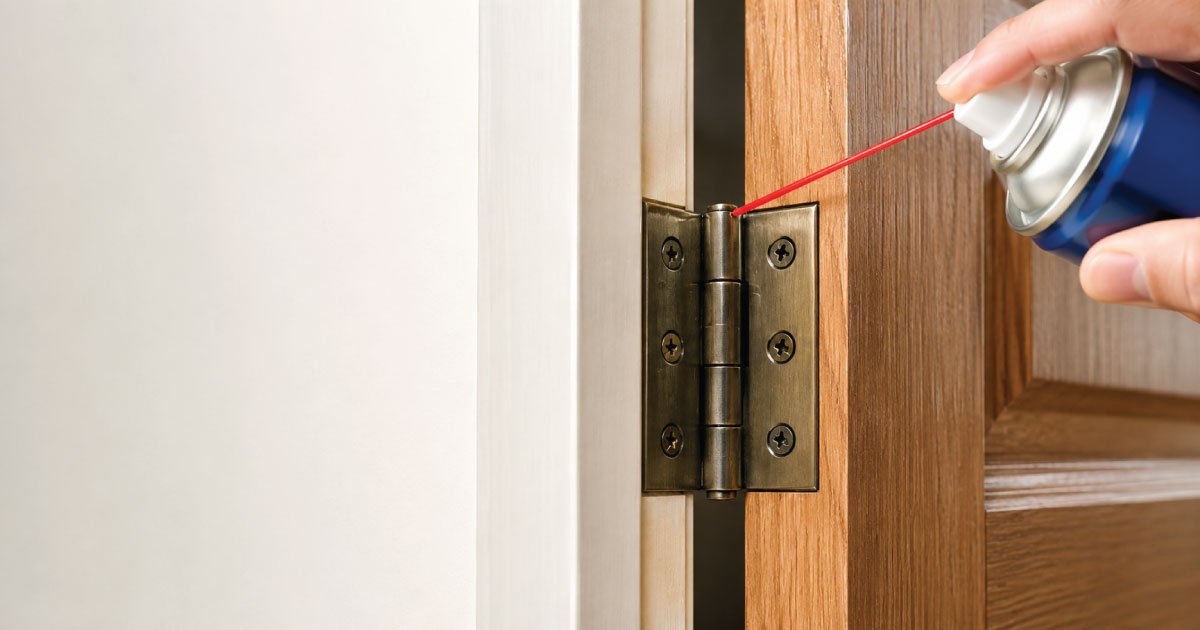
A squeaky door might seem like a small annoyance, but over time it can become surprisingly irritating—especially in quiet homes, offices, or at night. The good news is that fixing squeaky door hinges is one of the easiest home maintenance tasks you can do yourself. You don’t need advanced tools or technical skills, just a little patience and the right method.
In this guide, you’ll learn why door hinges squeak, how to fix them using different methods, and how to prevent the problem from coming back. By the end, you’ll be able to silence almost any squeaky door in minutes.
Why Do Door Hinges Squeak?
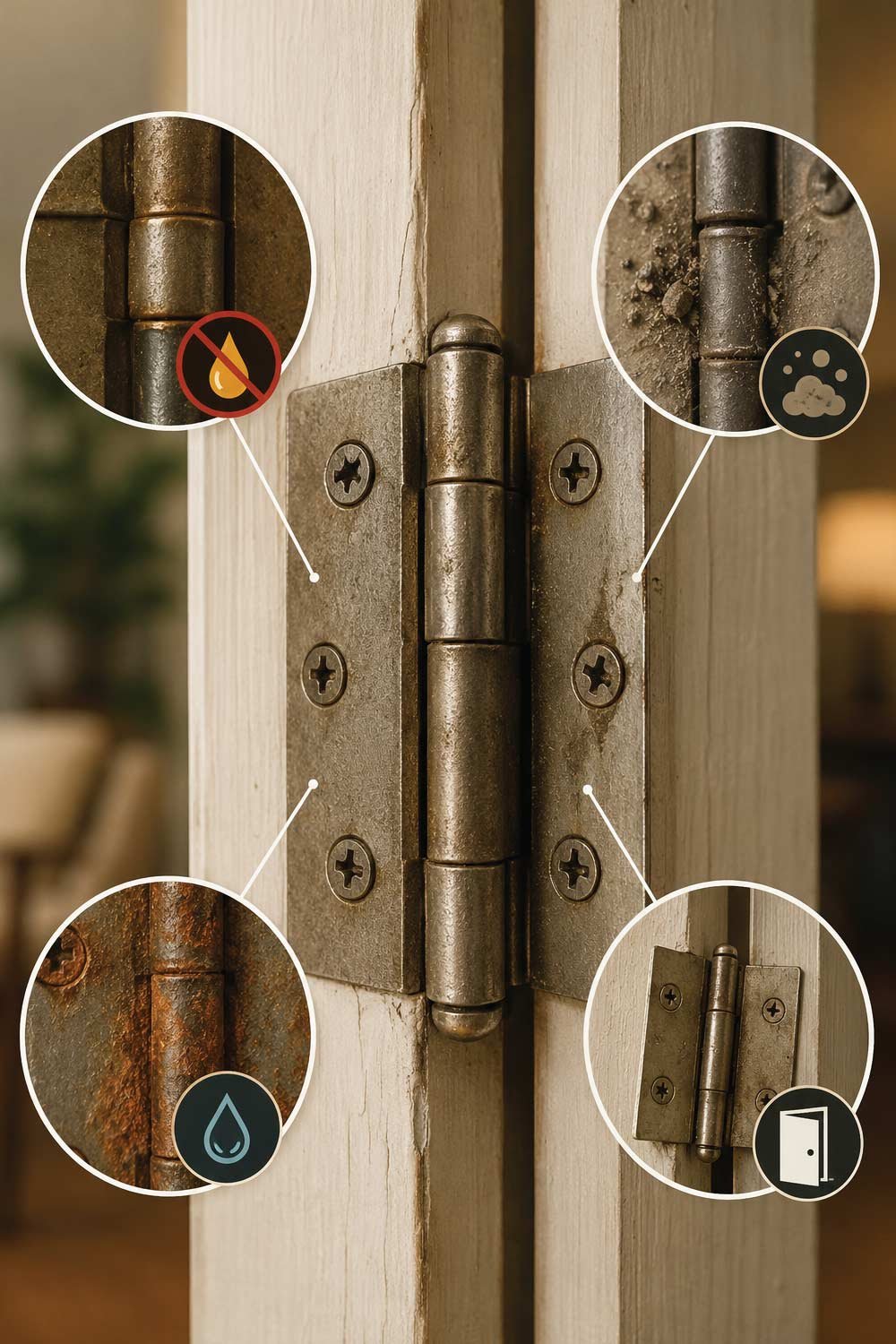
Before applying any fix, it’s important to understand why hinges start making noise. Squeaking usually happens due to friction, dirt, or wear inside the hinge, and identifying the cause helps you choose the most effective solution.
1. Lack of Lubrication
Over time, the original lubricant inside the hinge dries out or disappears. Without proper lubrication, metal parts rub directly against each other, producing the familiar squeaking sound.
Over time, the original lubricant inside the hinge dries out or wears away. When metal parts rub against each other without lubrication, they produce that familiar squeaking sound.
2. Dirt and Dust Build-Up
Hinges are constantly exposed to the environment, allowing dust and debris to collect inside. This buildup increases friction and leads to unwanted noise during movement.
Hinges are exposed to air, which means dust, dirt, and even grease particles can collect inside them. This buildup increases friction and causes noise.
3. Rust Formation
Moisture can cause hinges to rust, especially in humid areas or near water sources. Rust creates resistance between moving parts, leading to squeaking or grinding sounds.
In humid environments or areas exposed to moisture (like bathrooms or exterior doors), hinges may develop rust. Rust increases resistance and creates a grinding or squeaking sound.
4. Misalignment or Wear and Tear
Frequent use or slight misalignment can cause uneven wear on hinge components. This results in irregular movement and noise over time.
If a door is slightly misaligned or used frequently, the hinge pins and plates may wear unevenly. This can also contribute to noise.
Understanding the cause helps you choose the right fix, although most solutions work for multiple issues at once.
Tools and Materials You Might Need
You don’t need specialized equipment to fix squeaky hinges. Most required items are simple household tools that make the process quick and convenient.
- Screwdriver (flathead or Phillips depending on hinge screws)
- Lubricant (WD-40, silicone spray, or similar)
- Household oil (cooking oil or motor oil in emergencies)
- Petroleum jelly (Vaseline)
- Pencil (graphite acts as a dry lubricant)
- Cloth or rag
- Paper towels
- Hammer (optional for removing hinge pins)
- Nail or small punch tool (for pushing hinge pins out)
Method 1: Quick Fix Using Lubricant Spray
This is the fastest and easiest way to stop hinge noise. It works well for most minor to moderate squeaking issues and requires minimal effort.
Steps
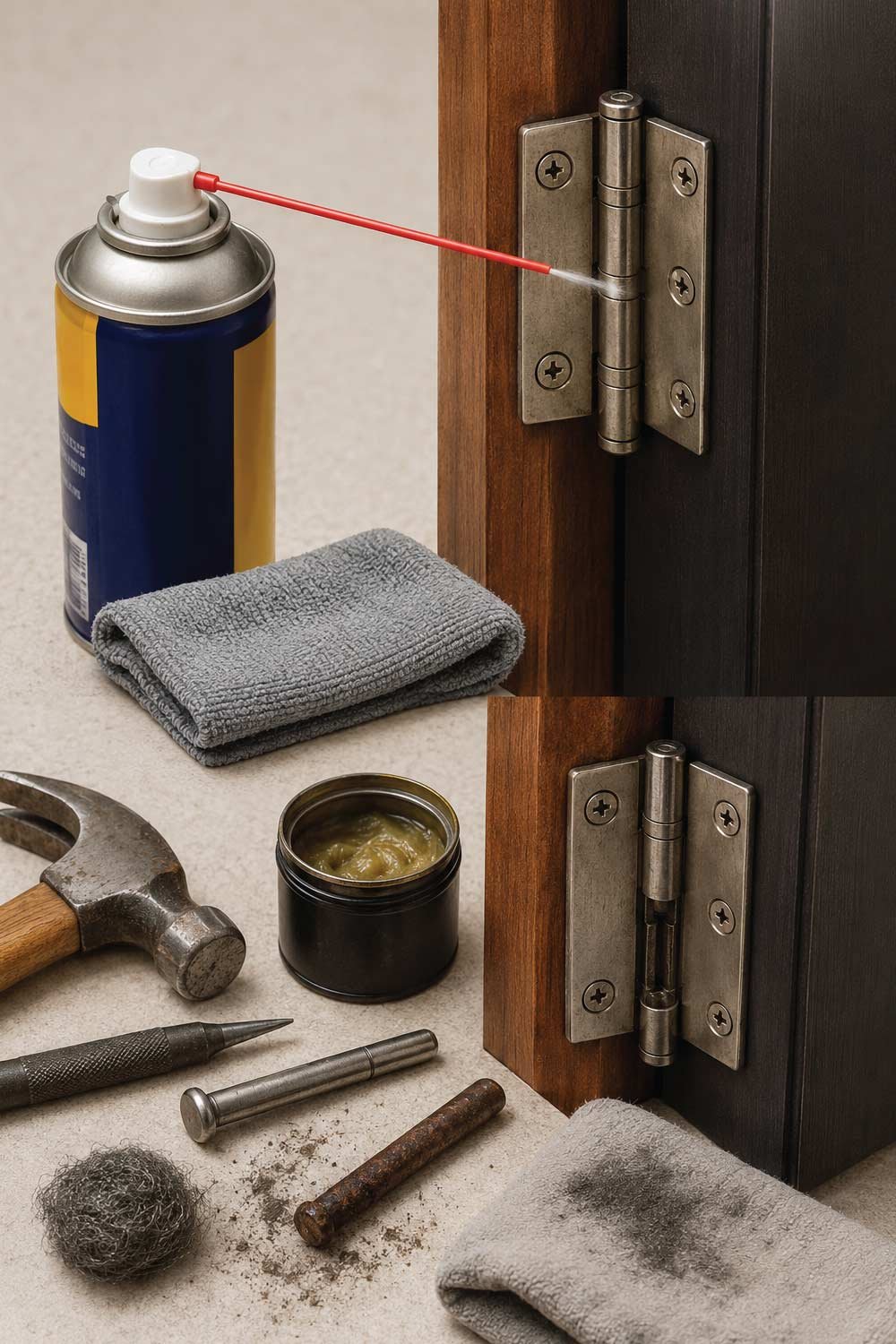
Applying lubricant directly to the hinge reduces friction quickly. Moving the door helps distribute the lubricant evenly inside the mechanism.
- Open and close the door a few times to identify the squeaky hinge.
- Shake your lubricant spray can well.
- Spray directly onto the hinge joint where the metal parts meet.
- Move the door back and forth to help the lubricant spread inside.
- Wipe away excess oil with a cloth to prevent dripping.
Why It Works
Lubrication creates a smooth layer between metal surfaces, reducing friction and eliminating noise effectively.
Lubricant reduces friction between metal parts, allowing smooth movement.
Best For
This method is ideal for quick results and does not require disassembly. It’s perfect for everyday maintenance or minor issues.
- Immediate results
- Light to moderate squeaking
Tip
Using the right technique improves efficiency and reduces mess. Precision application ensures better penetration into the hinge.
Use a straw attachment for more precise spraying and less mess.
Method 2: Removing the Hinge Pin for Deep Cleaning
If the squeak continues after lubrication, the problem may be deeper inside the hinge. Removing the hinge pin allows thorough cleaning and proper lubrication.
Steps
This method involves partial disassembly to access internal components. It ensures long-lasting results by removing dirt and rust completely.
- Close the door slightly so it is stable.
- Place a nail or punch tool under the hinge pin head.
- Gently tap upward with a hammer until the pin loosens.
- Pull the hinge pin out completely.
- Clean the pin with a cloth. If rusty, scrub with steel wool.
- Apply lubricant or grease along the pin.
- Reinsert the pin and test the door.
Why It Works
By accessing internal parts, this method removes hidden debris and rust, restoring smooth operation more effectively than surface lubrication.
This method lets you clean and lubricate the internal parts thoroughly, not just the surface.
Best For
This approach is suitable for older or heavily used hinges that need deeper maintenance.
- Old or heavily used doors
- Hinges with visible rust or grime
Method 3: Using Household Oil (Emergency Fix)
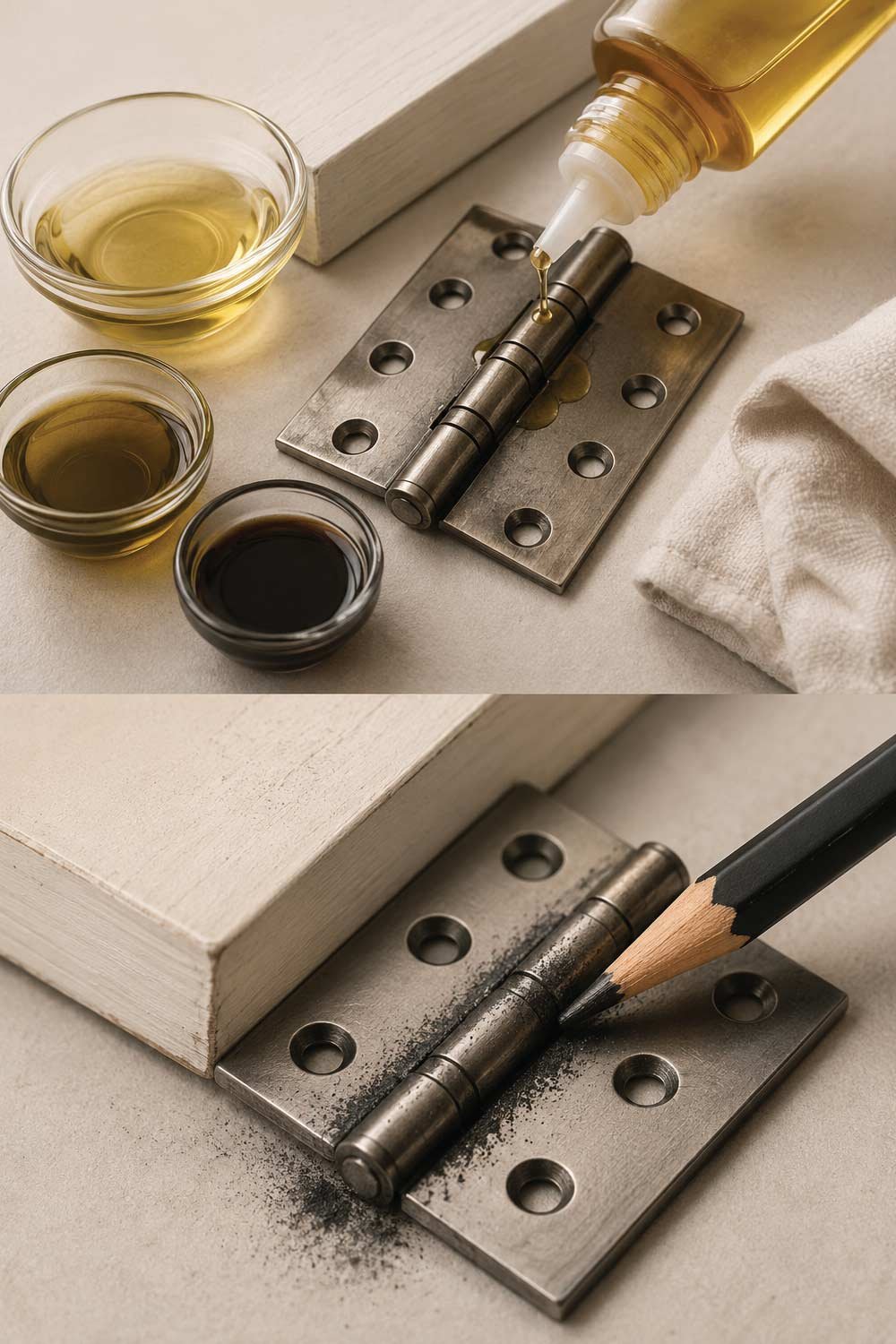
If proper lubricant is not available, common household oils can provide a temporary solution. While not ideal long-term, they can quickly reduce noise in urgent situations.
Options
These alternatives are easy to find and can be used when standard lubricants are unavailable.
- Cooking oil (temporary solution)
- Olive oil
- Motor oil (if available in garage)
Steps
Applying a small amount of oil helps reduce friction immediately. Proper wiping prevents buildup and mess.
- Apply a few drops directly onto the hinge joint.
- Move the door back and forth.
- Wipe off excess oil to avoid attracting dust.
Warning
While effective short-term, these oils can attract dust and may cause the problem to return sooner if not replaced with proper lubricant later.
Household oils are temporary. They can attract dust over time, making the problem return faster.
Best For
Use this method only when other options are not available and a quick fix is needed.
- Emergency situations
- Quick short-term fixes
Also Read:
Method 4: Graphite from a Pencil (Dry Lubrication)
This method is a clean and effective alternative to liquid lubricants. It is especially useful when you want to avoid oil stains or dust buildup while still reducing friction inside the hinge mechanism.
Steps
Applying graphite is simple and does not require disassembling the hinge. It works best when evenly distributed across contact points.
- Take a soft pencil (preferably 2B or softer).
- Rub the pencil tip on the hinge pin and joint areas.
- Move the door to spread the graphite powder inside.
Why It Works
Graphite acts as a dry lubricant, creating a smooth surface between metal parts without attracting dirt or grime over time.
Graphite reduces friction without using liquid, so it doesn’t attract dust or dirt.
Best For
This method is ideal when cleanliness and long-term performance are priorities, especially for indoor doors.
- Clean, long-term lubrication
- Indoor doors where you want no oil mess
Method 5: Soap or Petroleum Jelly Fix
Household items like soap and petroleum jelly can provide quick lubrication when other materials are not available. These are convenient and easy-to-use alternatives.
Soap Method
Using a dry soap bar is a simple and mess-free way to reduce friction temporarily.
- Rub a dry bar of soap on the hinge pin.
- Move the door back and forth.
Petroleum Jelly Method
Petroleum jelly offers smoother and slightly longer-lasting lubrication compared to soap.
- Apply a small amount of Vaseline on the hinge.
- Work the door to distribute it evenly.
Best For
These methods are suitable for minor issues and quick fixes without needing sprays or special tools.
- Light squeaks
- Quick fixes without sprays
Also Read:
Method 6: Tightening Loose Screws
Sometimes squeaking is not just due to friction but also loose hinge components. Tightening screws can stabilize the hinge and eliminate noise caused by movement.
Steps
Ensuring all screws are secure helps maintain proper hinge alignment and reduces unnecessary movement during operation.
- Inspect all hinge screws.
- Tighten them using a screwdriver.
- If a screw keeps spinning, remove it and fill the hole with a wooden toothpick and glue, then reinsert the screw.
Why It Works
Loose hinges can shift slightly during use, creating friction and noise. Securing them restores stability and smooth operation.
Loose hinges shift slightly, causing noise during movement.
Best For
This fix is effective for doors that feel unstable or continue to squeak even after lubrication.
- Wobbly or unstable doors
- Persistent squeaking after lubrication
How to Prevent Door Hinges from Squeaking Again
Preventive maintenance helps keep hinges quiet and functioning smoothly over time. A few simple habits can eliminate the need for repeated fixes.
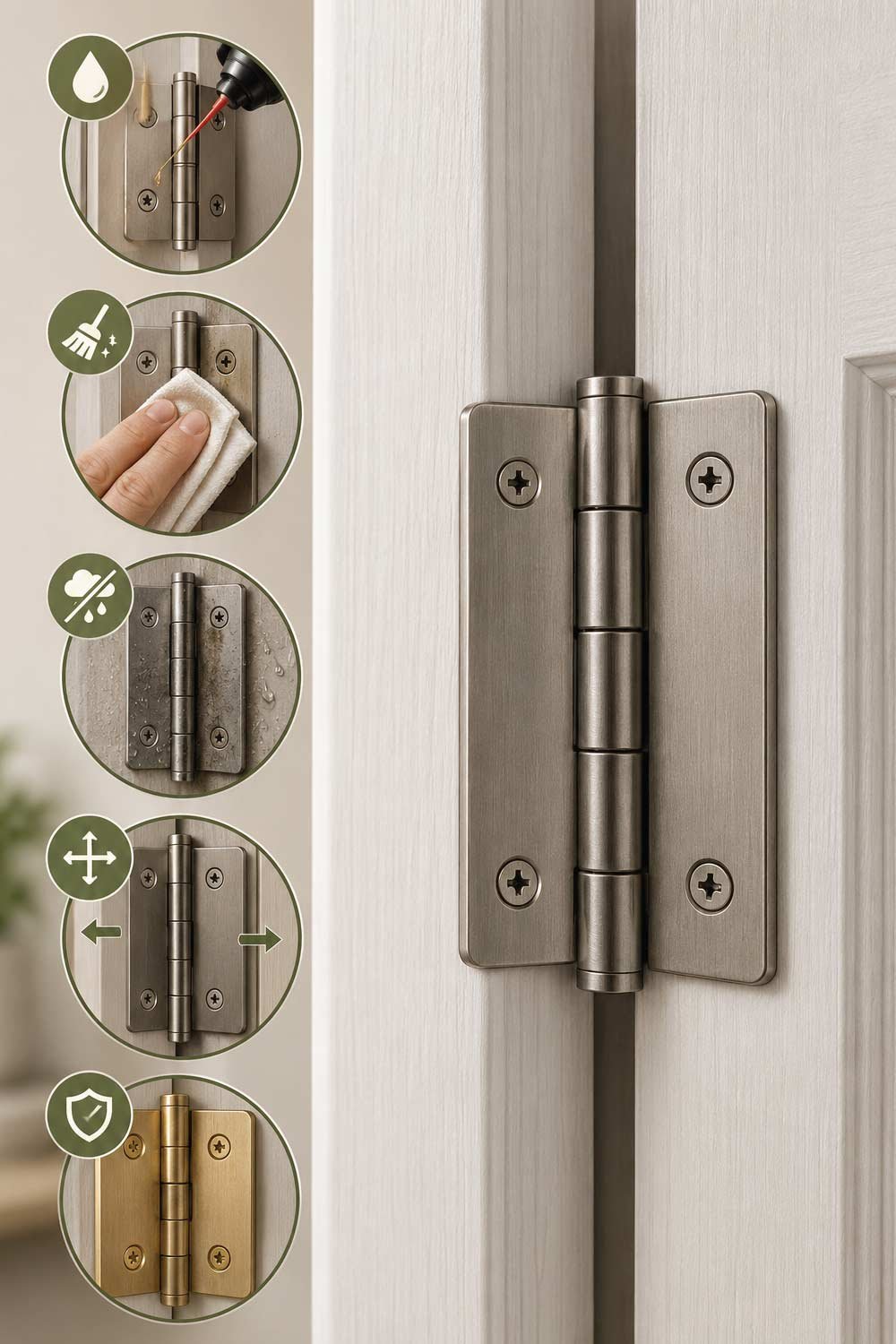
1. Lubricate Periodically
Regular lubrication reduces friction and keeps hinge movement smooth, especially for frequently used doors.
Apply lubricant every 6–12 months, especially for frequently used doors.
2. Keep Hinges Clean
Dust and dirt buildup can cause friction over time. Keeping hinges clean helps maintain performance.
Wipe hinges occasionally to remove dust and grease buildup.
3. Avoid Excess Moisture
Moisture can lead to rust and corrosion. Reducing exposure helps extend hinge life.
If possible, reduce humidity exposure near hinges (especially bathrooms). Consider rust-resistant hinges for damp areas.
4. Check Alignment
Misalignment can strain hinges and cause noise. Early correction prevents further damage.
If the door starts dragging or shifting, fix alignment early before it damages hinges.
5. Use Quality Hinges
High-quality materials resist rust and wear better, ensuring long-term performance.
Stainless steel or brass hinges last longer and are less prone to rust and squeaking.
Common Mistakes to Avoid
Even simple fixes can fail if done incorrectly. Avoiding these mistakes ensures better results and prevents recurring issues.
1. Overusing Lubricant
Applying too much lubricant can create mess and attract dust, leading to future problems.
Too much oil can drip, stain floors, and attract dust.
2. Ignoring the Root Cause
If the issue is deeper than friction, surface-level fixes won’t last long.
If rust or misalignment is the issue, spraying lubricant alone won’t solve the problem long-term.
3. Using the Wrong Tools
Improper tools can damage hinge components, making repairs more difficult.
Forcing hinge pins out incorrectly can bend or damage them.
4. Not Cleaning First
Applying lubricant over dirt traps debris inside, worsening the condition over time.
Applying lubricant over dirt traps grime inside, making things worse later.
Also Read:
When to Replace Hinges Instead of Repairing
In some cases, repairing the hinge is not enough, and replacement becomes the better option. Recognizing these situations saves time and ensures long-term reliability.
Signs You Need Replacement
Severely damaged hinges cannot function properly even after repairs. Replacing them is often more effective and economical.
- The hinge is heavily rusted or cracked
- The pin is bent or damaged
- Screws no longer hold properly
- Squeaking returns immediately after lubrication
Replacing hinges is inexpensive and often more effective than repeated repairs.
Also Read:
Final Thoughts
Fixing squeaky door hinges is one of the simplest DIY home repairs you can do, yet it makes a big difference in comfort and peace at home. Whether you use a quick spray, household items, or a deep-cleaning method, the key is identifying the cause and applying the right solution.
With just a few minutes of effort, you can eliminate that annoying squeak and keep your doors moving smoothly for a long time.