
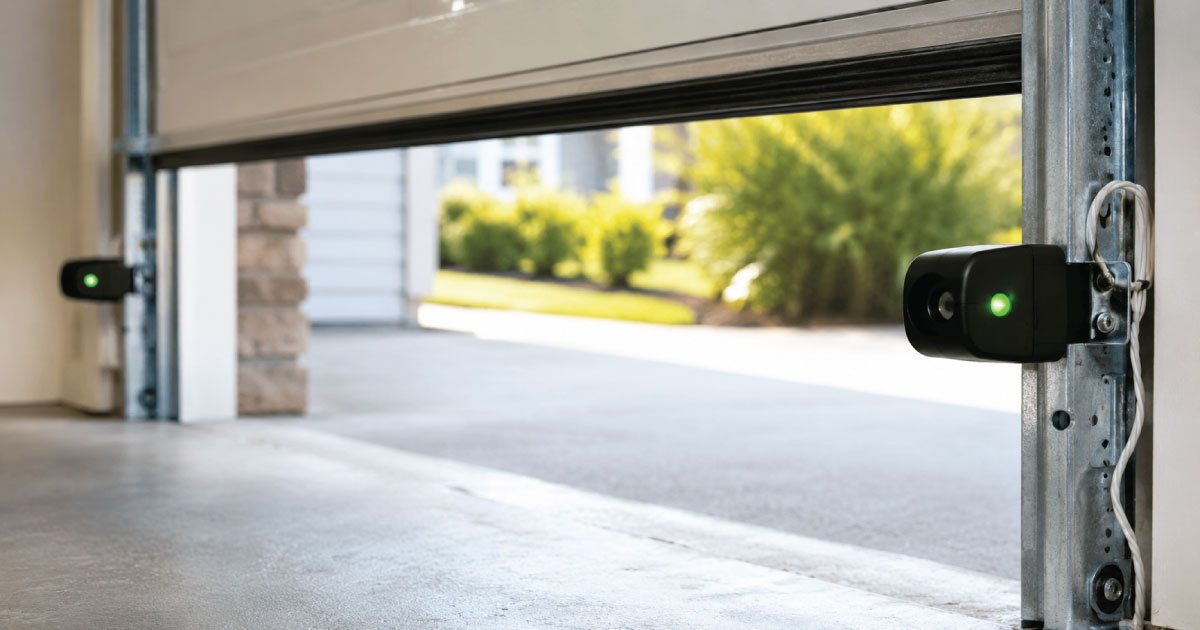
Garage door sensors are a critical safety feature in modern homes. They prevent accidents by ensuring that your garage door doesn’t close when something—or someone—is in its path. However, like any mechanical or electronic component, garage door sensors can malfunction over time. When that happens, your garage door may refuse to close, reverse unexpectedly, or display blinking lights.
If you’re dealing with a faulty garage door sensor, don’t worry. In many cases, you can fix the issue yourself without calling a professional. This comprehensive guide will walk you through everything you need to know about diagnosing and fixing garage door sensor problems.
What Are Garage Door Sensors and How Do They Work?
Garage door sensors are a critical safety feature designed to prevent accidents and damage during door operation. Installed near the bottom of the tracks, these devices ensure the door only closes when the path is clear. They use an infrared beam system to detect obstructions and respond instantly, enhancing both safety and functionality in modern garage systems.
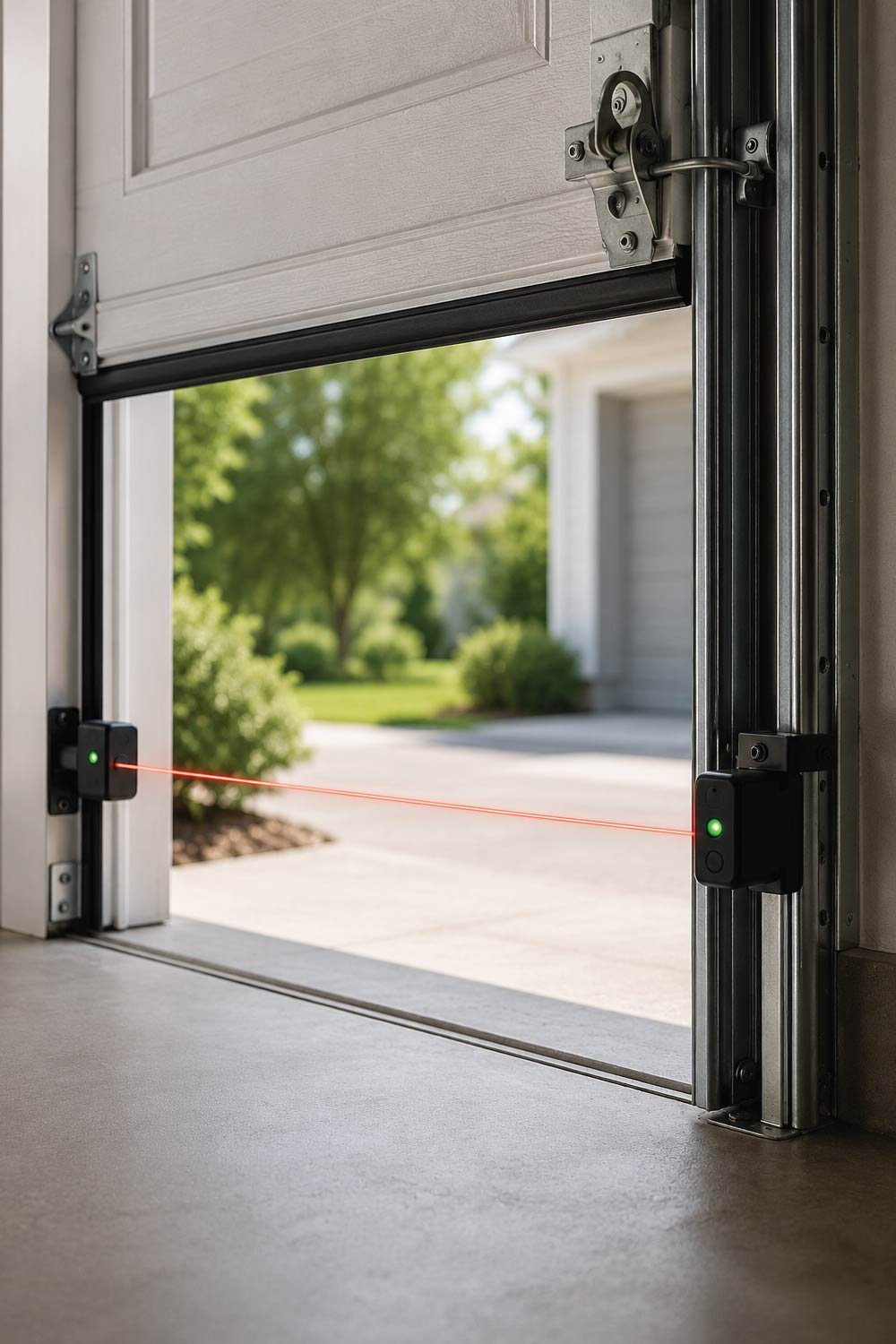
Garage door sensors, also known as safety sensors or photo-eye sensors, are typically installed near the bottom of your garage door tracks—about 6 inches above the ground. These sensors work by sending an invisible infrared beam from one unit (the transmitter) to another (the receiver).
When the beam is uninterrupted, the garage door operates normally. However, if something blocks the beam, the system signals the door to stop closing or reverse direction. This feature is essential for preventing injuries and damage.
Common Signs of a Faulty Garage Door Sensor
Understanding the warning signs of a faulty garage door sensor can save time and prevent unnecessary repairs. These issues often appear as inconsistent door behavior or unusual responses when closing. Identifying these early helps ensure your garage door system remains safe, reliable, and fully operational without unexpected interruptions.
Before jumping into repairs, it’s important to confirm that the sensors are actually the problem. Here are some common signs:
- The garage door won’t close unless you hold down the wall button
- The door starts closing but then reverses suddenly
- The sensor lights are blinking or off
- The garage door behaves inconsistently
If you notice any of these issues, your sensors likely need attention.
Tools You May Need
Having the right tools prepared beforehand makes the repair process more efficient and stress-free. Basic household tools are usually sufficient for fixing garage door sensors. Being organized not only speeds up the task but also helps avoid interruptions once you begin the repair process.
Before starting, gather the following tools:
- Soft cloth or microfiber towel
- Screwdriver
- Level
- Measuring tape
- Electrical tape
- Wire cutters/strippers (if needed)
Having these tools ready will make the process smoother and faster.
Step-by-Step Guide to Fix Garage Door Sensors
Fixing garage door sensors can often be done without professional help if the issue is minor. By following a structured approach, you can diagnose and resolve common problems efficiently. Each step focuses on a specific cause, ensuring a thorough and practical repair process.
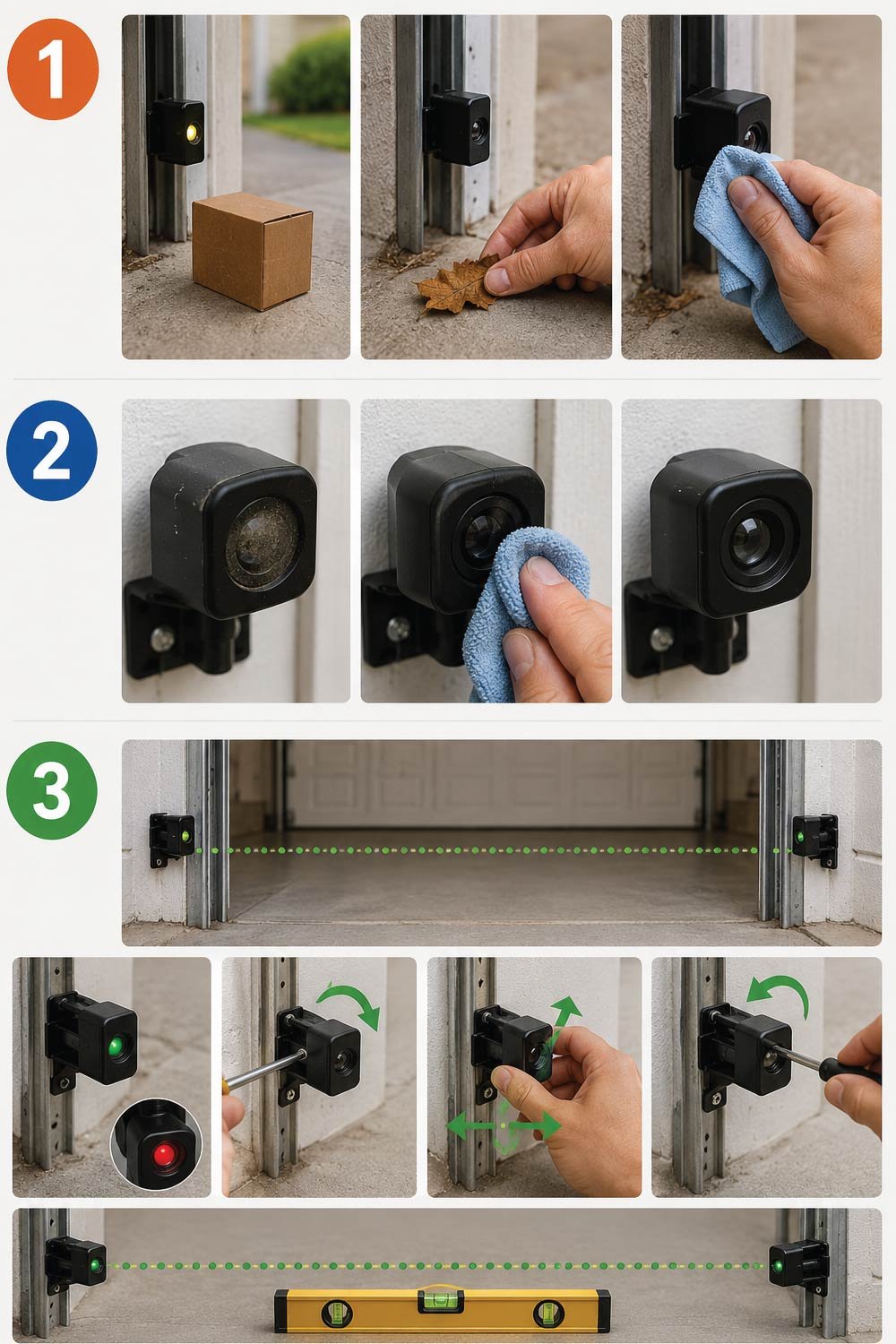
1. Check for Obstructions
This is the most basic yet frequently overlooked issue when dealing with sensor problems. Even tiny objects can block the infrared beam and prevent proper functioning. A careful inspection of the sensor area often resolves the issue quickly without further troubleshooting.
What to do:
- Inspect the area between the sensors
- Remove any visible obstacles
- Clean the sensor lenses with a soft cloth
Even a small obstruction can interrupt the signal, so be thorough.
2. Clean the Sensor Lenses
Over time, garage door sensor lenses can collect dust, dirt, and moisture, which weakens their ability to transmit the infrared beam effectively. Regular cleaning helps maintain optimal performance and prevents unnecessary malfunctions caused by simple visibility issues.
Dust, dirt, and moisture can accumulate on the sensor lenses over time, reducing their effectiveness.
How to clean:
- Use a dry or slightly damp microfiber cloth
- Gently wipe both sensor lenses
- Avoid using harsh chemicals
Clean lenses ensure the infrared beam can travel uninterrupted.
3. Check Sensor Alignment
Proper alignment is essential for garage door sensors to function correctly. If the sensors are not facing each other directly, the infrared beam won’t connect, causing the system to fail. Even slight misalignment can lead to operational issues.
Misaligned sensors are one of the most common causes of malfunction. The sensors must face each other directly for the beam to connect.
How to fix alignment:
- Look at the LED lights on both sensors
- A steady light usually means proper alignment
- Loosen the mounting brackets slightly
- Adjust the sensors until both lights are steady
- Tighten the brackets carefully
You can also use a level to ensure both sensors are at the same height.
4. Inspect the Wiring
Wiring issues can disrupt the connection between the sensors and the garage door opener. Even minor damage or loose connections can prevent the system from working properly, making this step important for diagnosing deeper technical problems.
Loose, damaged, or disconnected wires can prevent the sensors from working correctly.
Steps to check wiring:
- Turn off power to the garage door opener
- Inspect wires running from sensors to the opener
- Look for frayed or broken wires
- Tighten any loose connections
If you find damaged wires, you may need to strip and reconnect them or replace the wiring entirely.
5. Check for Sunlight Interference
Environmental factors like direct sunlight can interfere with the sensor’s infrared beam. This is especially common when sensors are exposed to strong light during certain times of the day, affecting their ability to function consistently.
Direct sunlight can sometimes interfere with the sensor beam, especially if one sensor faces west or receives strong afternoon light.
Solutions:
- Install a small shade or cover over the sensor
- Reposition the sensor slightly
- Use sun shields designed for garage sensors
This is a common issue in bright climates and is often overlooked.
Also Read:
Squeaky Door Hinges? Make Them Silent Instantly (Easy Fix Guide)
6. Test the Sensor Lights
Sensor indicator lights provide useful clues about their current status. By observing these lights, you can quickly determine whether the issue is related to alignment, obstruction, or power supply without extensive troubleshooting.
Each sensor typically has an LED indicator light. These lights can tell you a lot about what’s going wrong.
What the lights mean:
- Solid light: Sensors are aligned and working
- Blinking light: Misalignment or obstruction
- No light: Power issue or faulty sensor
If one sensor has no light at all, it may need replacement.
7. Reset the Garage Door System
Sometimes, garage door sensor issues are caused by temporary system glitches rather than physical faults. Resetting the system can refresh its internal settings and restore normal functionality without requiring additional repairs.
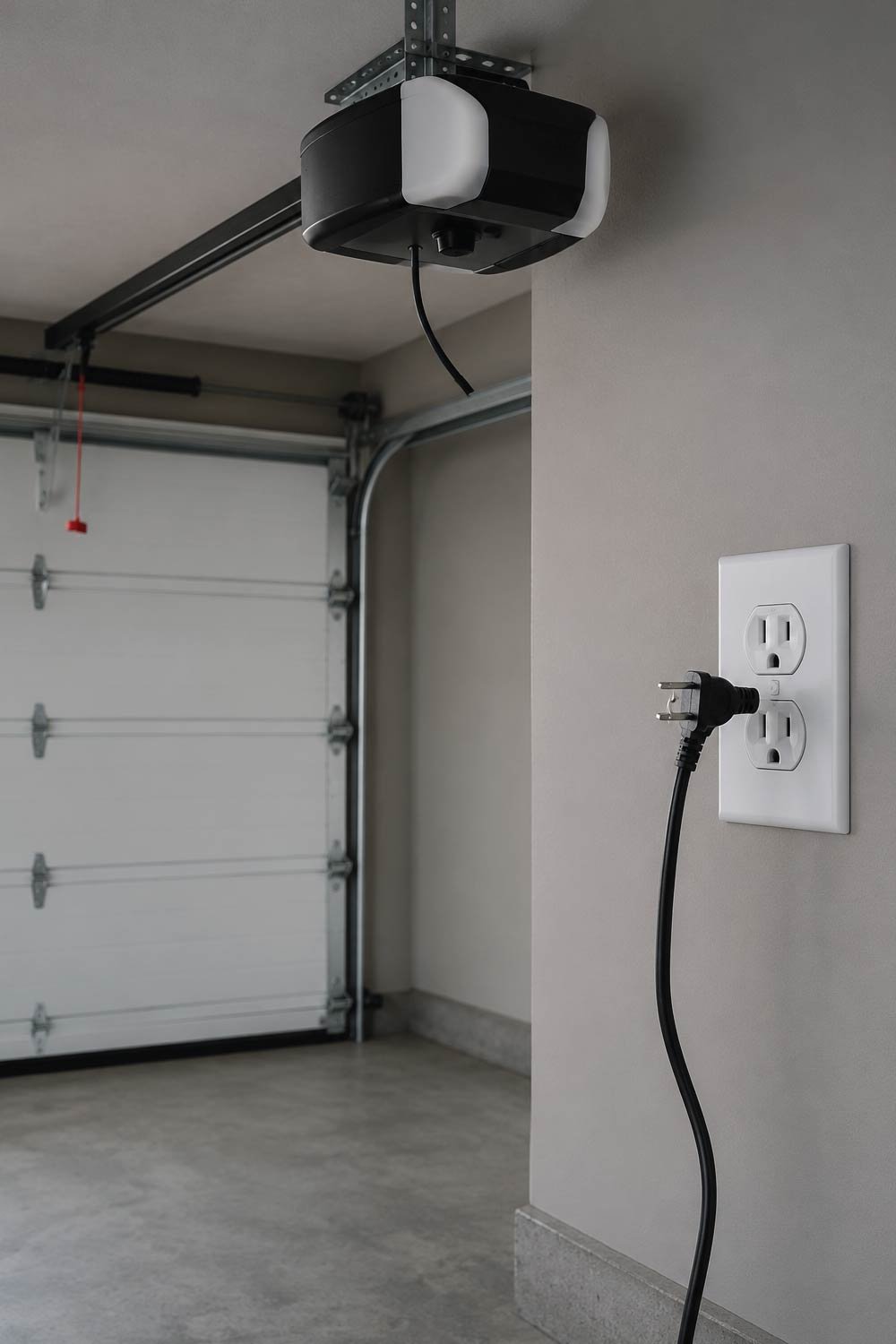
Sometimes the issue isn’t the sensors themselves but a temporary glitch in the system.
How to reset:
- Unplug the garage door opener
- Wait 30–60 seconds
- Plug it back in
- Test the door operation
This simple reset can resolve minor electronic issues.
Also Read:
8. Replace Faulty Sensors
If all troubleshooting steps fail, replacing the sensors may be the only effective solution. New sensors ensure reliable operation and restore the safety mechanism, especially if the existing units are damaged or no longer functioning properly.
If you’ve tried everything and the sensors still don’t work, replacement may be necessary.
Steps to replace:
- Purchase compatible sensors for your garage door model
- Disconnect the old sensors
- Install the new ones in the same position
- Connect wiring and align them properly
Make sure to follow the manufacturer’s instructions for best results.
Safety Tips to Keep in Mind
Working with garage door systems requires careful attention to safety, as these mechanisms involve electrical components and heavy moving parts. Taking proper precautions reduces the risk of injury and ensures a smoother repair process. Following basic safety practices is essential before attempting any fixes or adjustments.
When working with garage door systems, safety should always come first:
- Always disconnect power before handling wires
- Avoid placing your hands near moving parts
- Use proper tools to prevent injury
- Test the system thoroughly after repairs
Garage doors are heavy and can be dangerous if mishandled.
Also Read:
When to Call a Professional
Although many garage door sensor issues can be fixed at home, some problems are more complex and require professional expertise. Knowing when to step back and seek help can prevent further damage and ensure the system is repaired correctly and safely.
While many sensor issues are DIY-friendly, some situations require expert help:
- Persistent wiring problems
- Electrical issues beyond basic fixes
- Damaged garage door opener unit
- Sensor replacement doesn’t solve the issue
If you’re unsure or uncomfortable with repairs, it’s best to contact a professional technician.
Preventing Future Sensor Problems
Proper maintenance plays a key role in keeping your garage door sensors functioning efficiently over time. Simple, routine checks can help you avoid unexpected malfunctions and extend the lifespan of your system without requiring frequent repairs.
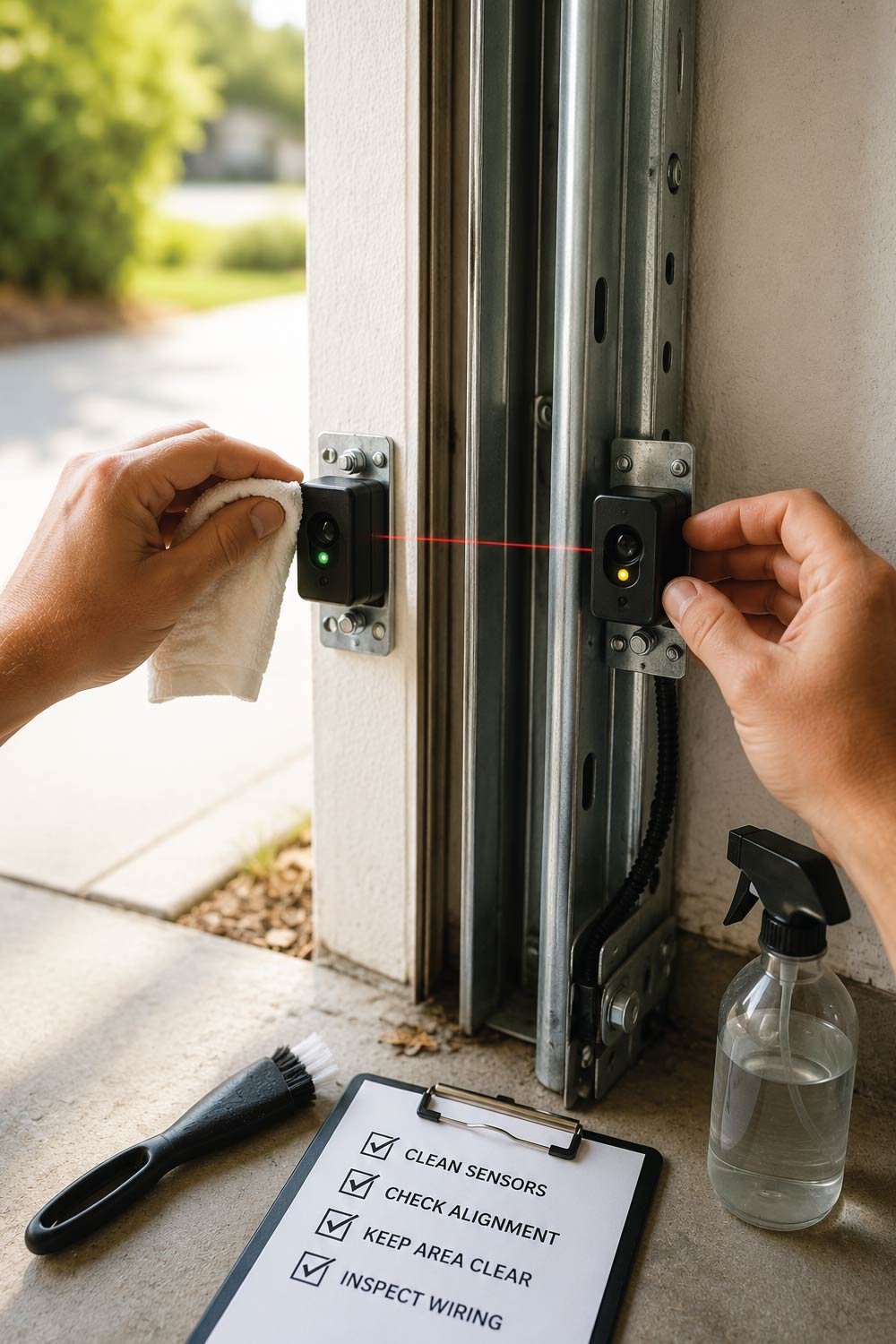
Once your sensors are working again, a little maintenance can go a long way in preventing future issues.
Maintenance tips:
- Clean sensors regularly
- Check alignment every few months
- Keep the area around sensors clear
- Inspect wiring periodically
Taking these small steps can save you time and money in the long run.
Also Read:
Noisy Door Driving You Crazy? Make It Silent in Seconds (Simple Fix Guide)
Final Thoughts
Garage door sensors are small but essential components that play a big role in your home’s safety and convenience. The good news is that most sensor problems are easy to diagnose and fix with a bit of patience and basic tools.
By following this step-by-step guide, you can troubleshoot common issues like misalignment, dirt buildup, wiring problems, and interference. In many cases, you’ll have your garage door working smoothly again in no time without the need for professional assistance.However, if the problem persists or seems too complex, don’t hesitate to seek help. A properly functioning garage door system is crucial for both safety and peace of mind.