
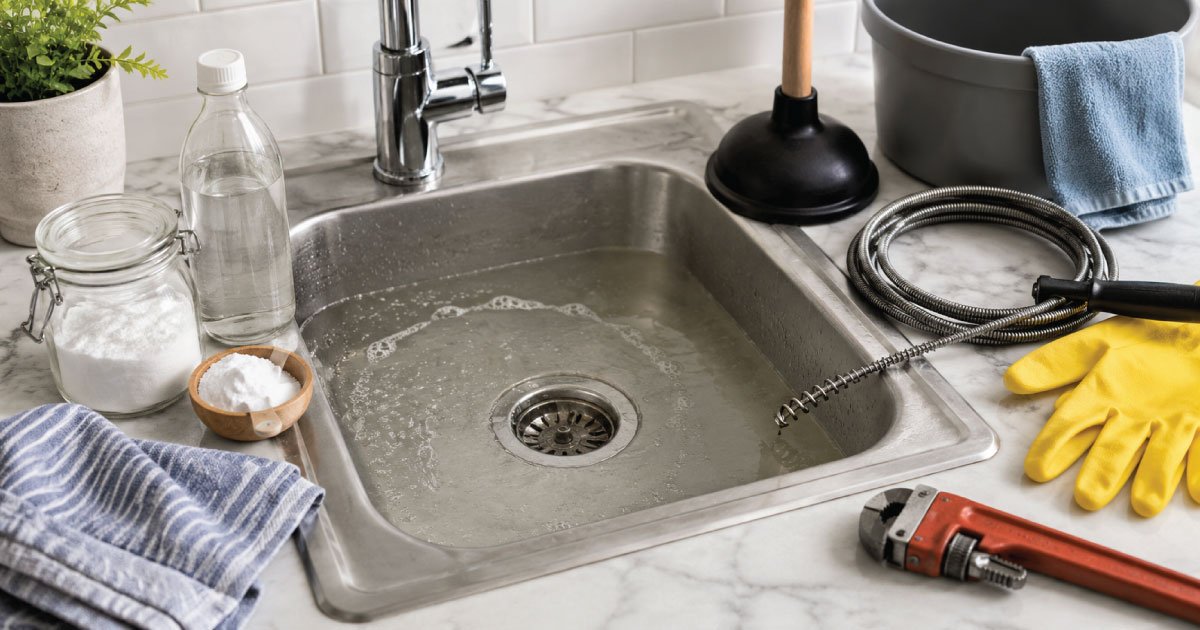
A clogged drain is one of the most common household plumbing problems. Slow-draining sinks, standing water in the shower, or unpleasant odors can disrupt daily life and signal buildup inside your pipes. Fortunately, most clogged drains can be fixed at home using simple tools and safe techniques no plumber required.
This guide explains why drains clog, how to identify the type of clog, and step-by-step methods to clear it effectively and prevent future blockages.
Common Causes of Clogged Drains
Blocked drains are one of the most common household plumbing problems, often developing gradually due to everyday use and unnoticed buildup. Understanding the underlying materials and behaviors that lead to blockages helps you choose effective solutions, prevent recurring issues, and maintain smooth water flow throughout sinks, showers, and household drainage systems.
Understanding what caused the clog helps you choose the right solution.
A clear understanding of what caused the blockage allows you to select the most appropriate method for clearing it effectively while also helping you avoid making the problem worse during the repair process.
- Hair buildup (bathroom sinks and showers)
- Soap scum and grease
- Food scraps and coffee grounds
- Oil and fat poured down the sink
- Paper products and hygiene items
- Mineral buildup from hard water
- Foreign objects stuck in the pipe
Different drains clog for different reasons, so approach each one carefully.
Step 1: Identify the Location and Severity of the Clog
Proper diagnosis of a drain clog is essential before attempting any repair, as the location and severity determine the safest and most effective solution. By carefully observing how many drains are affected and how water behaves, you can quickly understand whether the issue is minor, localized, or part of a larger plumbing system blockage.
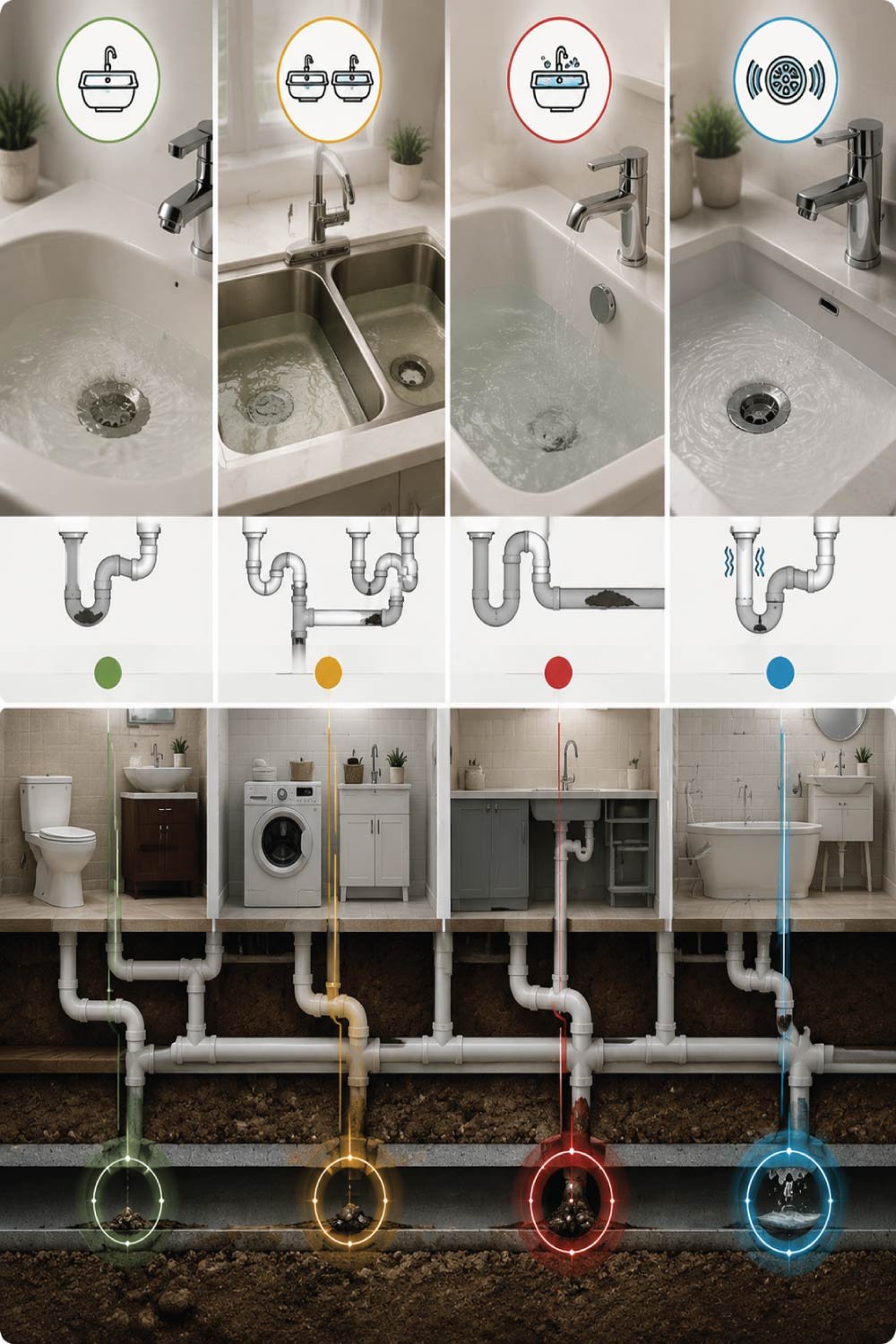
Check These Signs
Observing specific warning signs in your drainage system helps you accurately determine whether the clog is superficial, developing, or indicating a more serious blockage deeper within the plumbing network.
- One drain clogged → Local blockage
- Multiple drains slow → Deeper clog in the plumbing system
- Water backing up → Serious blockage
- Gurgling sounds → Partial obstruction or venting issue
If more than one drain is affected, skip basic fixes and consider advanced methods or professional help.
Step 2: Try Boiling Water (Best for Grease Clogs)
Using boiling water is one of the simplest and most effective first-line methods for breaking down grease and soap-related clogs in household drains. The heat helps dissolve sticky buildup and restore flow, making it a quick and low-cost solution that is often successful before moving on to more advanced or chemical-based techniques.
How to Do It
A simple step-by-step approach ensures boiling water is used safely and effectively, allowing heat to reach the blockage gradually and improve the chances of clearing grease buildup without damaging the plumbing system.
- Bring a kettle or pot of water to a rolling boil.
- Pour slowly down the drain in two or three stages.
- Wait a few minutes between pours.
⚠️ Avoid boiling water for PVC pipes older than 10–15 years, as extreme heat may weaken them.
Step 3: Use Baking Soda and Vinegar (Natural Method)
This natural cleaning combination is widely used for clearing minor drain clogs and eliminating unpleasant odors without relying on harsh chemicals. The reaction between baking soda and vinegar creates fizzing action that helps loosen organic debris, making it a safe and environmentally friendly option for routine drain maintenance and light blockages.
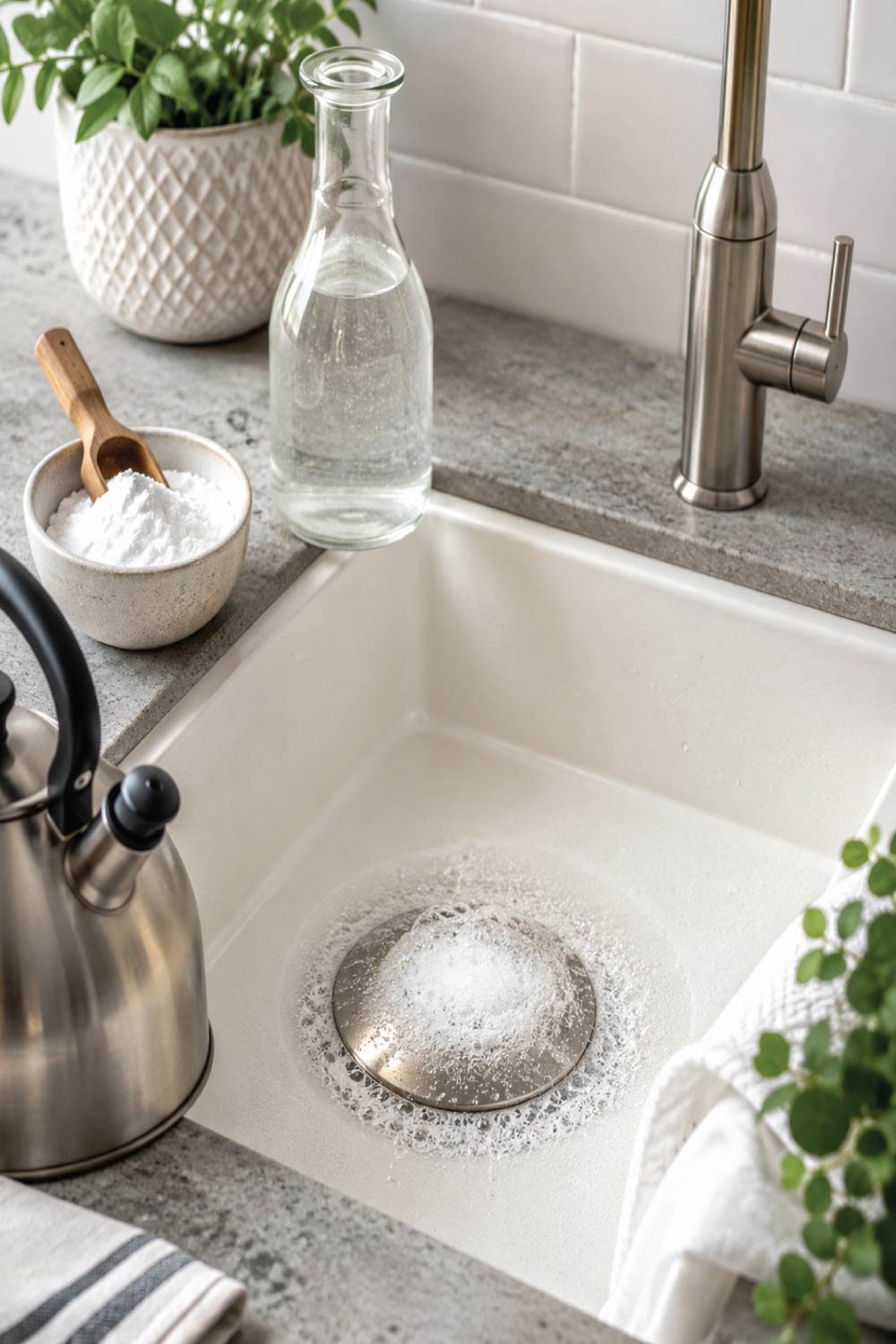
Instructions
Following the correct sequence of steps ensures the chemical reaction occurs effectively, helping break down small clogs and residue while keeping the process safe for household plumbing systems.
- Pour ½ cup baking soda into the drain.
- Add 1 cup white vinegar.
- Cover the drain and let it fizz for 15–30 minutes.
- Flush with hot water.
This method is safe and effective for light organic buildup.
Step 4: Use a Plunger Correctly
A plunger is a fundamental household tool designed to create suction and pressure that dislodges blockages in sinks, tubs, and toilets. When used correctly, it can quickly restore water flow without chemicals, making it an essential first response method for many common drain clogs encountered in kitchens and bathrooms.
How to Plunge Properly
Using the correct plunging technique ensures maximum suction and pressure, helping to loosen blockages efficiently while preventing air leaks and improving overall effectiveness during the drain clearing process.
- Use a cup plunger for sinks and tubs.
- Fill the sink or tub with enough water to cover the plunger head.
- Create a tight seal.
- Push and pull forcefully for 20–30 seconds.
- Test the drain.
For double sinks, block the second drain opening to maintain pressure.
Also Read:
Step 5: Remove and Clean the Drain Trap (P-Trap)
When basic plunging fails, the clog is often located in the drain trap beneath the sink, where debris naturally accumulates over time. Removing and cleaning this section allows direct access to trapped materials, making it one of the most effective ways to eliminate stubborn blockages without specialized plumbing equipment.
How to Clean the P-Trap
Carefully disassembling the P-trap allows you to remove accumulated debris and inspect the pipe section for any additional buildup that may be contributing to the blockage further inside the system.
- Place a bucket under the trap.
- Unscrew the slip nuts by hand or with pliers.
- Remove the trap and empty debris.
- Rinse thoroughly and inspect for buildup.
- Reinstall and tighten connections.
Most sink clogs are located here and are easy to remove.
Step 6: Use a Drain Snake or Auger
For deep and stubborn clogs that cannot be cleared with plunging or household solutions, a drain snake or auger provides mechanical reach into the plumbing system. This tool is designed to break apart or retrieve blockages located further down the pipe, restoring proper drainage flow when simpler methods are not sufficient.
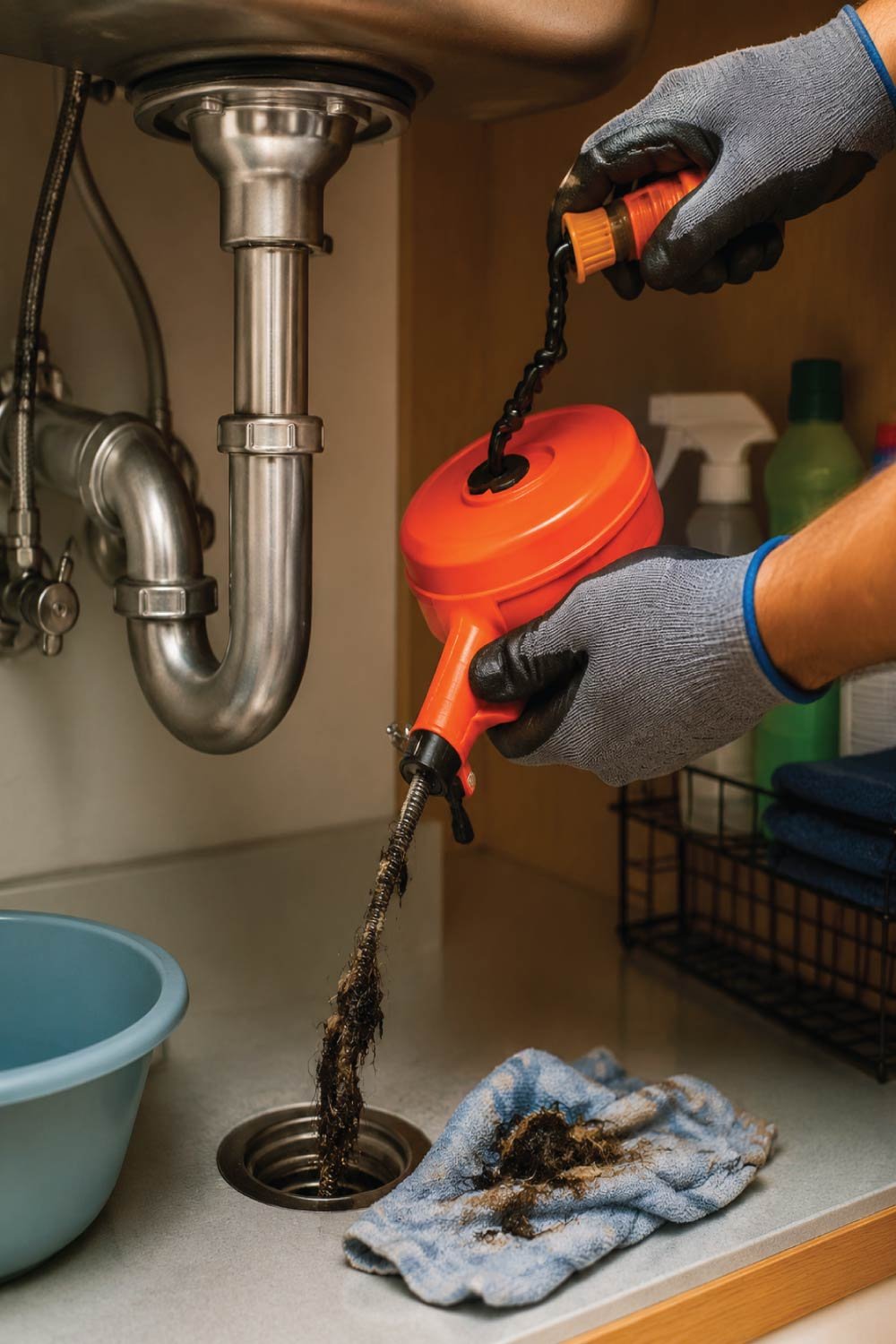
How to Use a Snake
Using a drain snake correctly allows you to reach deeper blockages, hook onto debris, and pull it out or break it apart to restore normal water flow effectively.
- Insert the snake into the drain.
- Rotate the handle to catch debris.
- Pull out hair, grease, or blockages.
- Repeat until the drain flows freely.
- Flush with hot water.
Manual snakes are inexpensive and ideal for home use.
Also Read:
Step 7: Clear Hair Clogs in Showers and Tubs
Hair buildup is one of the most frequent causes of slow or completely blocked bathroom drains, especially in showers and bathtubs where strands collect easily over time. Regular cleaning and simple tools can remove these clogs quickly, restore proper water flow, and significantly reduce the chances of recurring drainage issues in bathroom plumbing systems.
Easy Fixes
Simple manual methods are often enough to remove hair clogs, especially when they are caught early before they form dense blockages deep inside the drain system.
- Use a plastic hair removal tool
- Remove and clean the drain cover
- Pull out visible hair clumps
- Flush with hot water
Installing a drain strainer prevents future hair clogs.
Step 8: Avoid Chemical Drain Cleaners (Use with Caution)
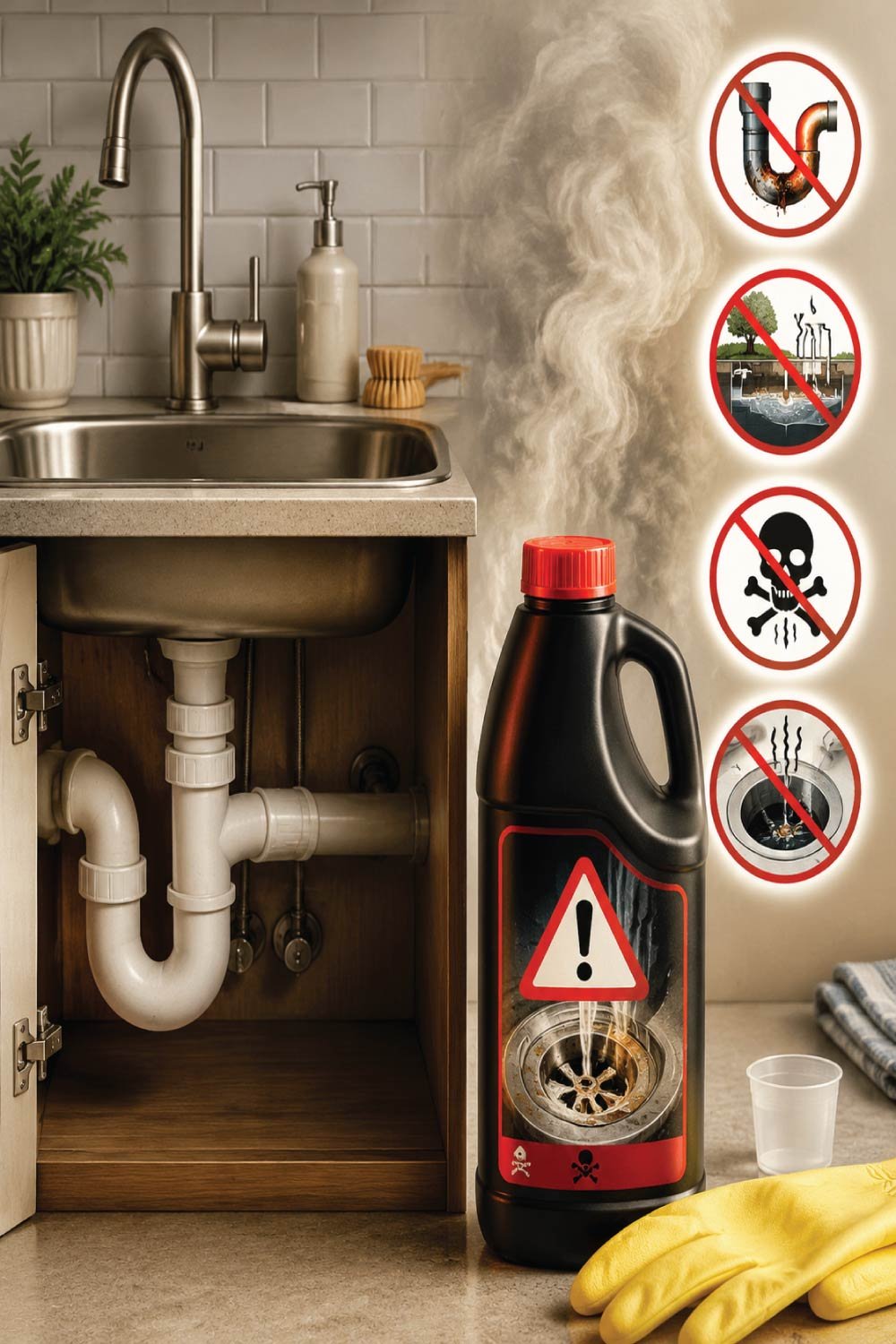
Chemical drain cleaners may appear to be a quick solution for blockages, but they often come with serious downsides that can damage your plumbing system over time. While they can sometimes dissolve minor clogs, they are generally not recommended for repeated use due to their harsh composition and potential long-term risks to pipes and household safety.
Risks
Understanding the risks of chemical drain cleaners helps you make safer decisions and avoid unnecessary damage to pipes, septic systems, and indoor air quality while attempting to clear blockages.
- Corrode pipes over time
- Harm septic systems
- Dangerous fumes
- Ineffective on severe clogs
If you must use one, follow instructions carefully and use it sparingly.
Also Read:
Step 9: Check the Vent Pipe (Advanced)
Plumbing vent pipes play an important role in maintaining proper air pressure in the drainage system, and when they become blocked, water flow can slow down or behave abnormally. Vent issues are more complex than standard clogs and often require inspection at roof level or professional plumbing assistance for safe and effective clearing.
Signs of Vent Issues
Recognizing vent pipe problems early can help you distinguish them from standard drain clogs and prevent unnecessary or ineffective cleaning attempts inside the pipes.
- Sewer odors
- Gurgling sounds
- Slow drainage in multiple fixtures
Clearing vent pipes usually requires roof access and is best handled by a professional.
Step 10: Flush and Test the Drain
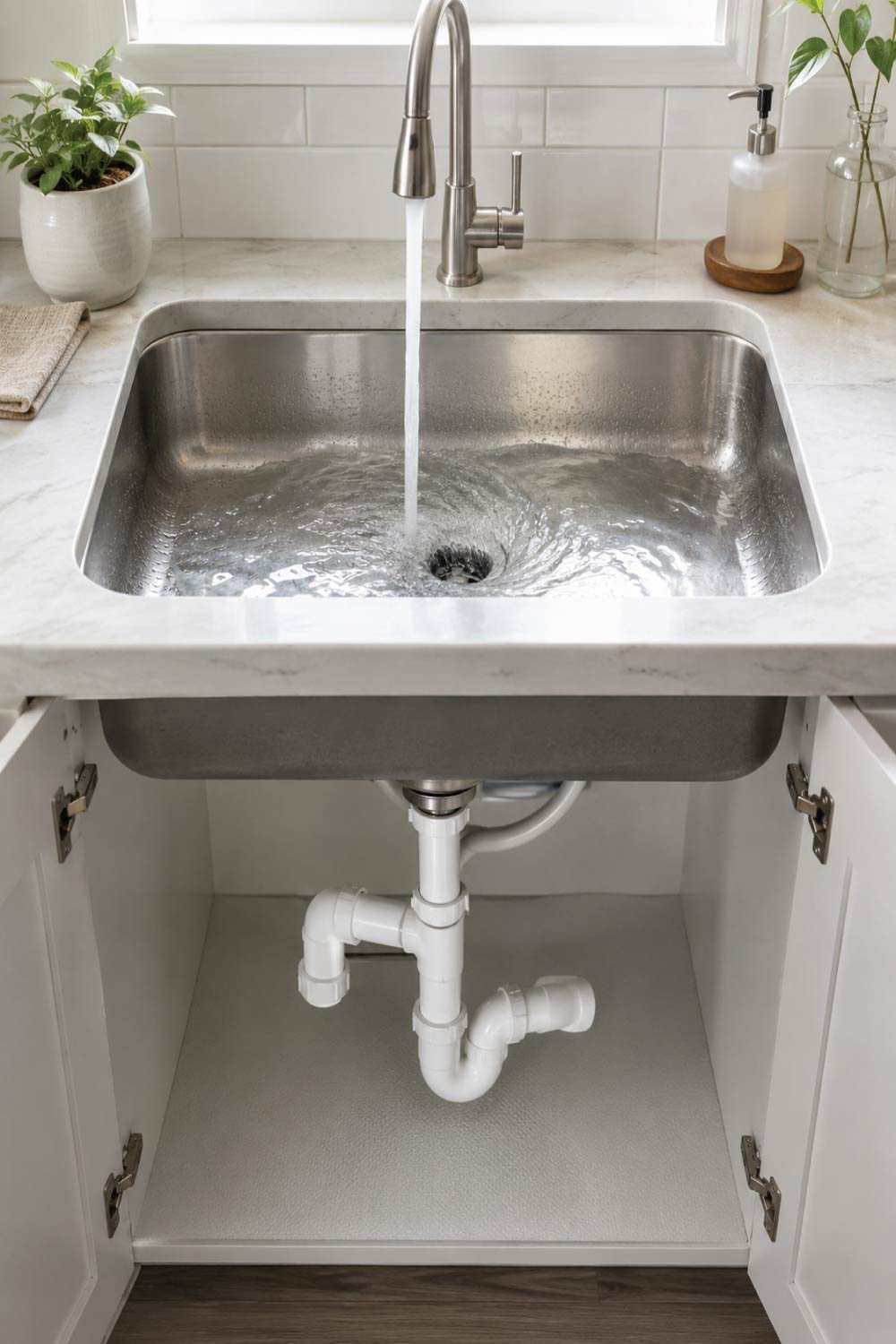
After clearing a clog, it is important to properly test the drainage system to ensure that water flows freely and no hidden blockages remain. This final step confirms that your repair was successful and helps you detect any lingering issues that may require additional attention or repeated cleaning.
Instructions
A careful post-cleaning check ensures that the drain system is fully restored and functioning correctly without leaks, slow flow, or unusual noises.
- Run hot water for several minutes
- Check for leaks under sinks
- Ensure water drains smoothly
- Listen for unusual sounds
If the drain remains slow, repeat the method or move to the next step.
When to Call a Plumber
While many drain issues can be resolved with DIY methods, some situations require professional expertise to prevent further damage and ensure safe, long-term solutions. Recognizing these warning signs helps you avoid worsening plumbing problems and unnecessary repairs.
- Multiple drains are clogged
- Water backs up into tubs or sinks
- Clogs return frequently
- You suspect a sewer line blockage
- There is standing sewage or foul odor
Persistent clogs can indicate deeper plumbing issues.
Also Read:
How to Prevent Future Drain Clogs
Preventing clogs is far easier and more cost-effective than repeatedly fixing them, and consistent maintenance habits can keep your plumbing system running smoothly for years. Simple daily and weekly practices significantly reduce buildup and help maintain proper drainage flow throughout your home.
Best Practices
Adopting these routine habits helps minimize debris accumulation, reduce pipe stress, and maintain long-term drainage efficiency in all household sinks, showers, and plumbing fixtures.
- Use drain strainers in sinks and showers
- Never pour grease down drains
- Run hot water after washing dishes
- Clean drain covers monthly
- Avoid flushing wipes or hygiene products
- Flush drains weekly with hot water
Consistent maintenance keeps pipes clear and functional.
Final Thoughts
Fixing a clogged drain at home is usually straightforward when you follow a logical, step-by-step approach. From boiling water and plunging to cleaning the P-trap and using a drain snake, most clogs can be resolved without professional help.
Address clogs early to avoid pipe damage, unpleasant odors, and costly plumbing repairs. If problems persist, calling a licensed plumber is the safest long-term solution.