
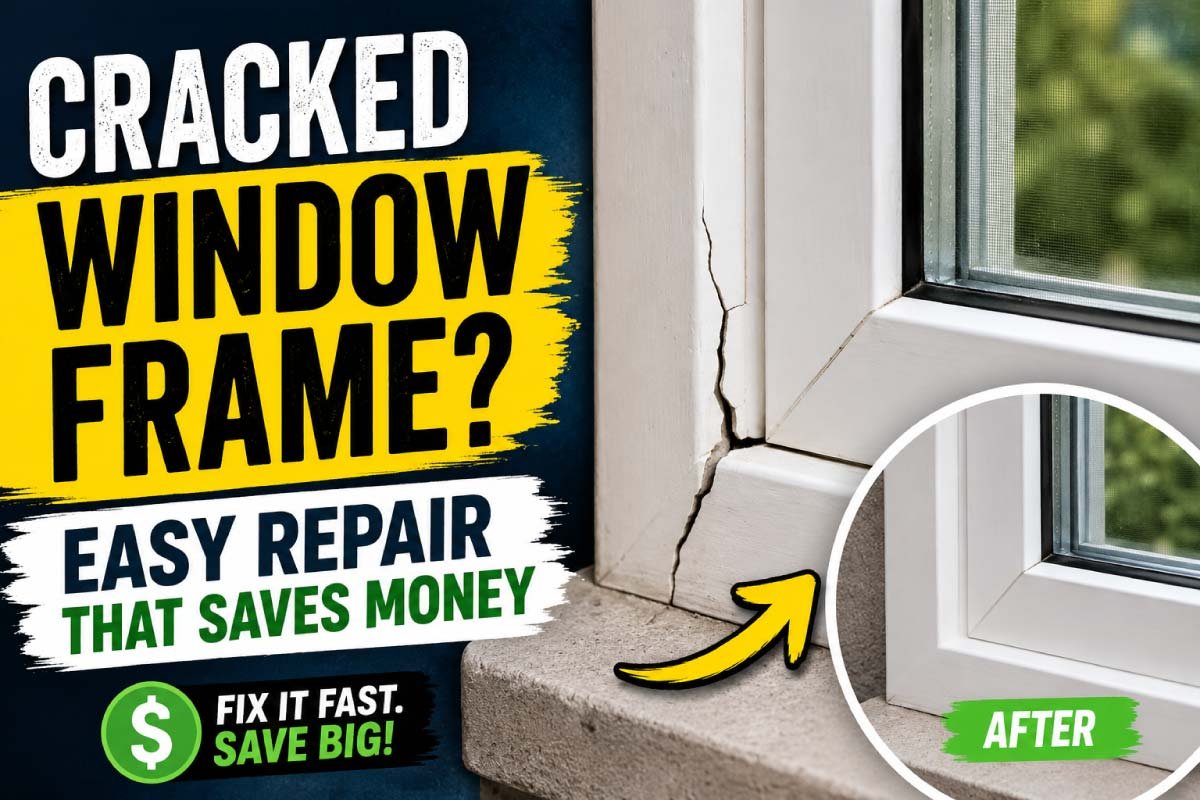
A cracked window frame may look like a small cosmetic issue at first, but it can quickly turn into a bigger and more expensive problem if ignored. Drafts, water leaks, higher energy bills, and even structural weakening can all start from a simple crack. The good news is that in many cases, you don’t need to replace the entire window. With the right approach, tools, and a bit of patience, you can repair a cracked window frame yourself and save a significant amount of money.
This guide walks you through everything you need to know—from understanding why window frames crack to step-by-step repair methods for different materials like wood, aluminum, and uPVC.
Why Window Frames Crack in the First Place
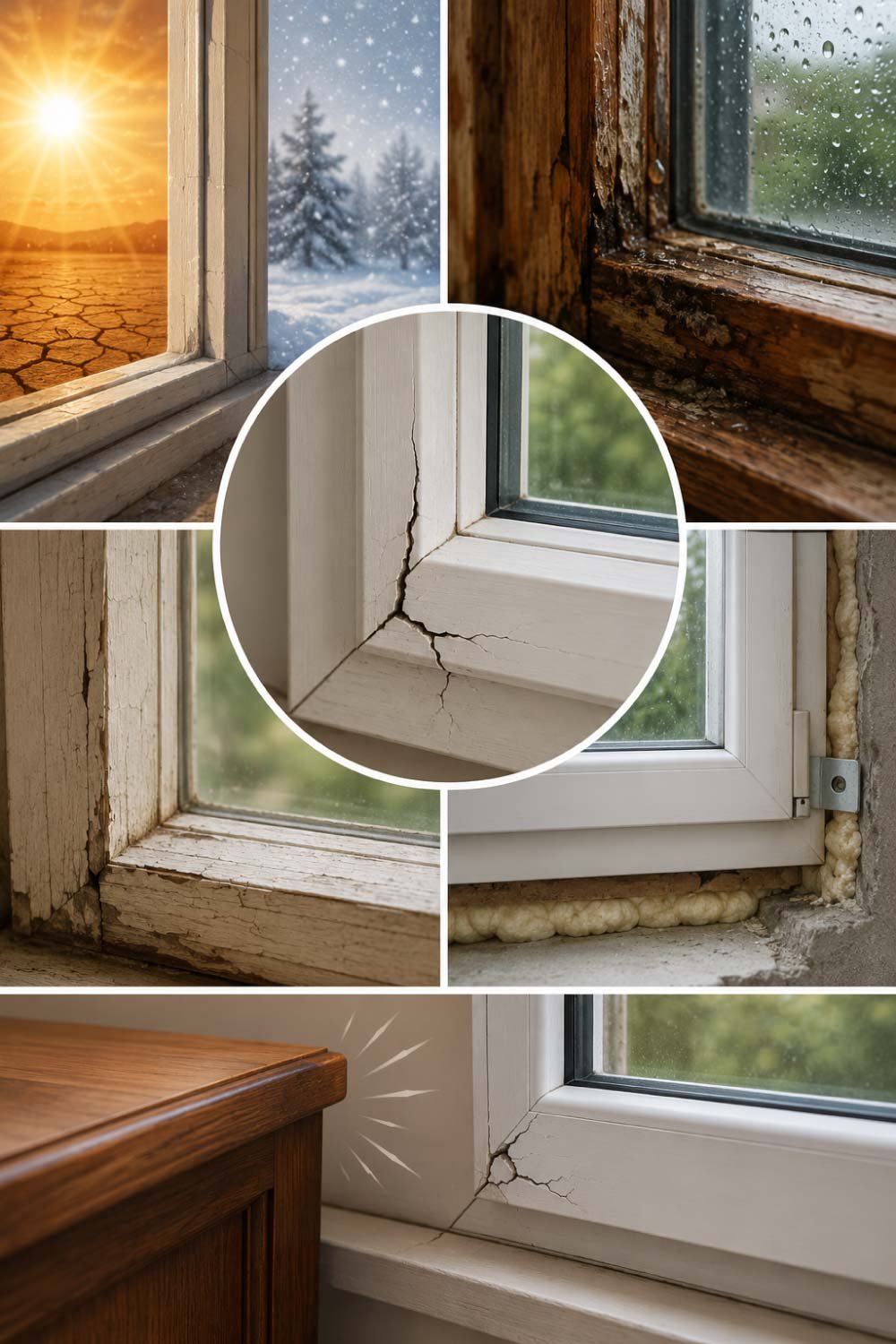
Before fixing the problem, it helps to understand what causes it. Window frames don’t usually crack randomly; there are specific environmental and structural reasons behind it. Knowing these causes helps you prevent future damage and choose the right repair method.
Weather Changes
Extreme heat and cold cause materials to expand and contract repeatedly. Over time, this constant movement creates internal stress in the frame. As the stress builds up, small lines appear and gradually turn into visible cracks.
Moisture and Water Damage
Wooden frames are especially sensitive to moisture exposure. Rainwater, humidity, and poor sealing allow water to seep in. This causes swelling, weakening, and repeated drying cycles that eventually lead to cracking and surface damage.
Age and Wear
Every window frame has a natural lifespan. As years pass, materials start losing strength and flexibility. Old frames become dry, brittle, and less resistant to pressure, making cracks more likely even under normal use.
Poor Installation
If a window is not installed properly, uneven pressure points develop in the frame. These weak spots carry extra load and stress, which often leads to early cracking and long-term structural issues.
Physical Impact
Accidental force such as hitting furniture, slamming doors, or strong wind pressure can damage frames instantly. Even a single impact can create small fractures that slowly expand over time.
Why You Should Fix a Cracked Window Frame Quickly
It may seem harmless at first, but even small cracks can quickly turn into serious problems if ignored. Acting early helps protect your home from higher repair costs, energy loss, and structural damage that becomes harder to fix later.
Air Leaks Increase Energy Costs
Cracks allow outside air to enter and indoor air to escape. This makes heating and cooling systems work harder, increasing electricity bills and reducing indoor comfort.
Water Seepage Damage
Rainwater can enter through cracks and spread into walls, paint, and surrounding wood. Over time, this leads to stains, damp patches, and weakening of nearby structures.
Pest Entry Points
Small gaps in cracked frames create easy access for insects and pests. Ants, termites, and even rodents can enter through these openings and spread inside your home.
Structural Weakening Spreads
A small crack rarely stays small. With time, it expands and affects surrounding areas of the frame, reducing overall strength and stability.
Costly Full Replacement
Ignoring early damage often results in complete frame replacement later. Early repair is simple and far more affordable than rebuilding the entire structure.
Fixing a crack early is almost always cheaper and easier than dealing with a full replacement later.
Step-by-Step Guide to Repair a Cracked Window Frame
Repairing a cracked window frame becomes much easier when you follow a clear process. The method depends on the frame material, but the basic steps involve cleaning, filling, smoothing, and finishing for a strong and neat result.
1. Repairing a Wooden Window Frame
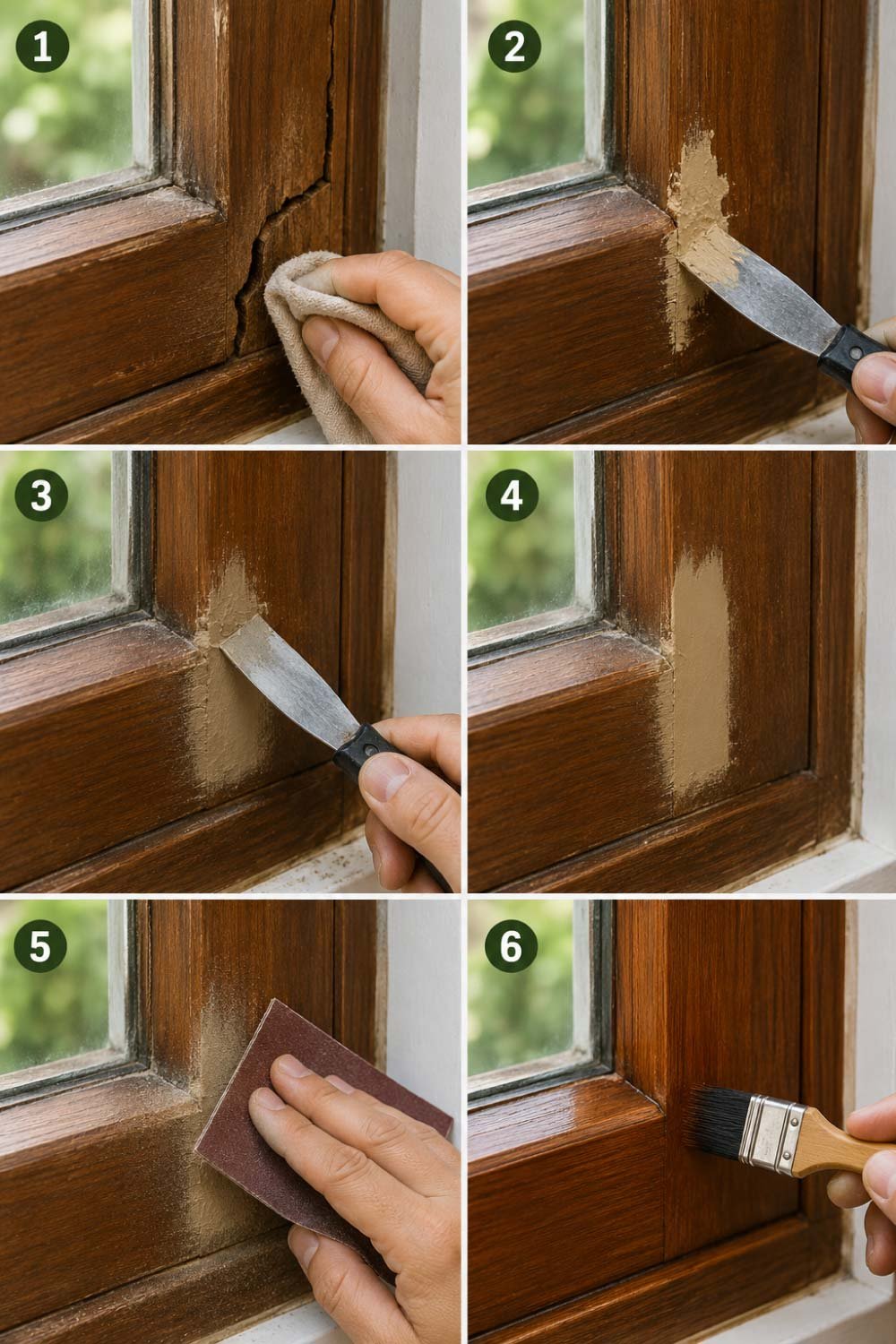
Wooden frames are common in many homes and respond well to simple repair techniques. With the right materials and careful application, even visible cracks can be restored smoothly without needing full replacement.
What You will Need:
- Wood filler or epoxy filler
- Sandpaper (medium and fine grit)
- Putty knife
- Paint or wood polish
- Clean cloth
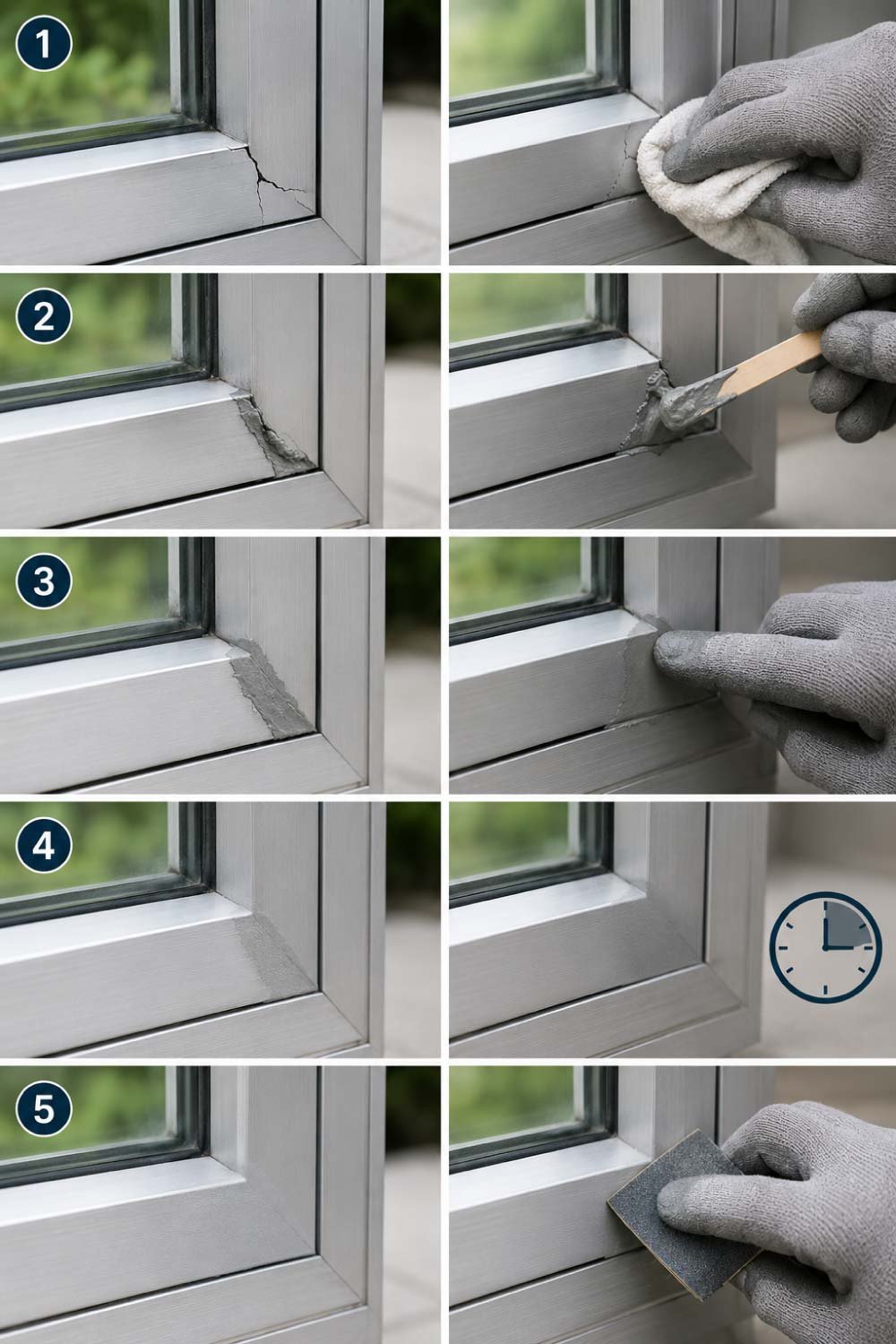
Step 1: Clean the Area
Remove all dust, loose paint, and debris from the cracked section. A clean surface ensures the filler bonds properly and creates a stronger, longer-lasting repair.
Step 2: Apply Wood Filler
Use a putty knife to push wood filler deep into the crack. Make sure the gap is completely filled so no hollow spaces remain inside.
Step 3: Smooth the Surface
Level the filler carefully so it matches the surrounding frame. A smooth surface helps achieve a natural and professional finish after sanding.
Step 4: Let It Dry
Allow the filler to dry fully without disturbance. Drying time depends on the product, but proper curing is essential for durability.
Step 5: Sand It Down
Use sandpaper to smooth the repaired area until it blends evenly with the rest of the frame. Start rough, then finish fine.
Step 6: Paint or Polish
Apply paint or wood polish to restore the original appearance. This final step protects the repaired area and improves overall look.
Also Read:
Bathroom Mold Problem? Remove It Fast and Stop It Coming Back
2. Fixing a uPVC Window Frame Crack
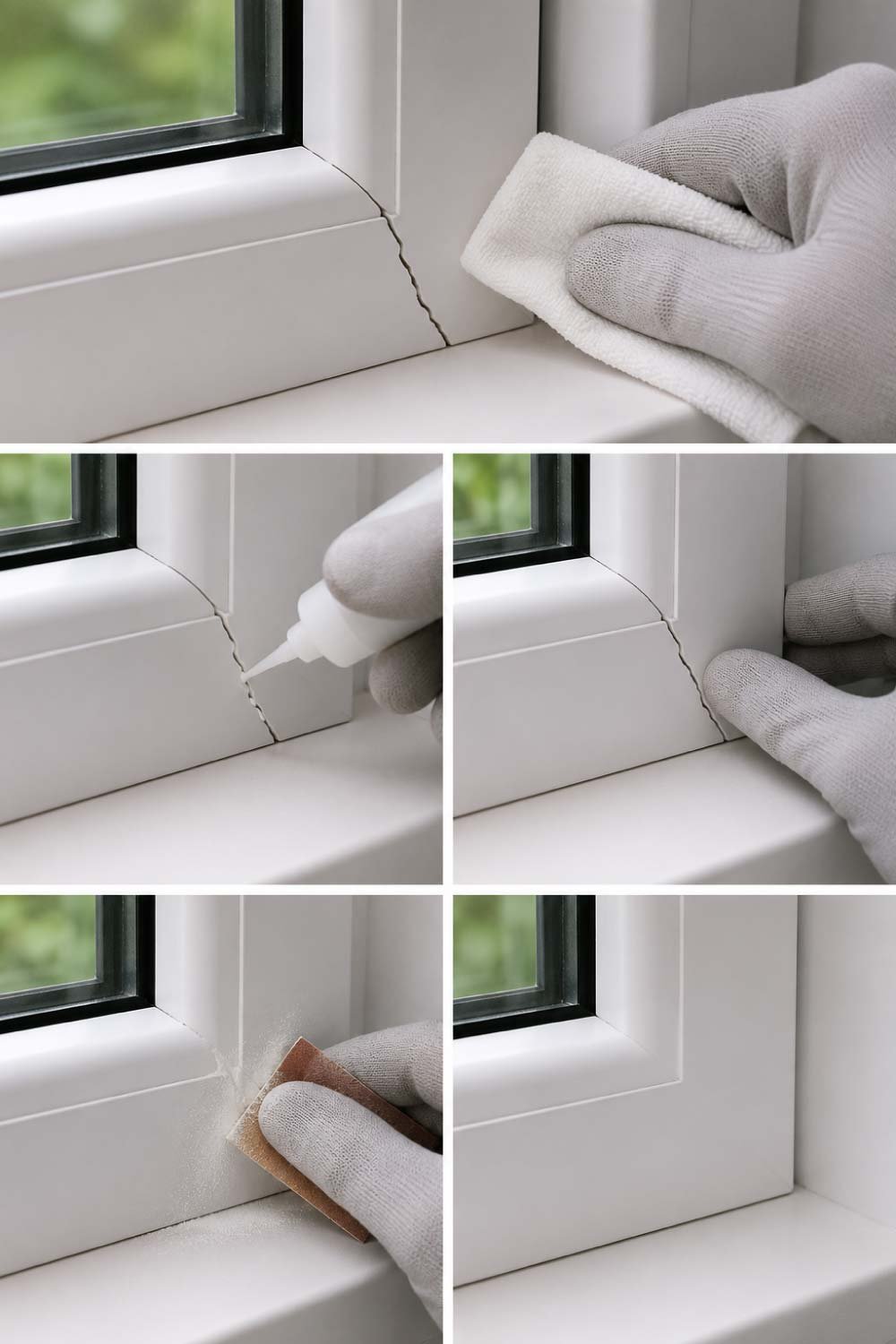
PVC frames are strong and low-maintenance, but they can still crack due to impact or pressure. The good thing is that repairs are usually quick and do not require heavy tools or complex procedures.
What You will Need:
- PVC repair adhesive or epoxy resin
- Cleaning solution
- Plastic filler (optional)
- Fine sandpaper
Step 1: Clean the Frame
Wipe the cracked area using a mild cleaning solution. Removing grease, dust, and dirt ensures better adhesion and a stronger bond.
Step 2: Apply Adhesive or Epoxy
Fill the crack carefully with uPVC adhesive. For deeper or wider cracks, epoxy resin provides better strength and long-term durability.
Step 3: Hold It in Place
Press the cracked edges together gently and hold them until the adhesive starts setting. This helps the material bond properly.
Step 4: Smooth the Surface
Once fully dry, lightly sand the area to make it even. This removes excess material and creates a clean finish.
Step 5: Finish if Needed
You can repaint or polish the surface if required to match the rest of the frame and maintain a uniform appearance.
Also Read:
Final Thoughts
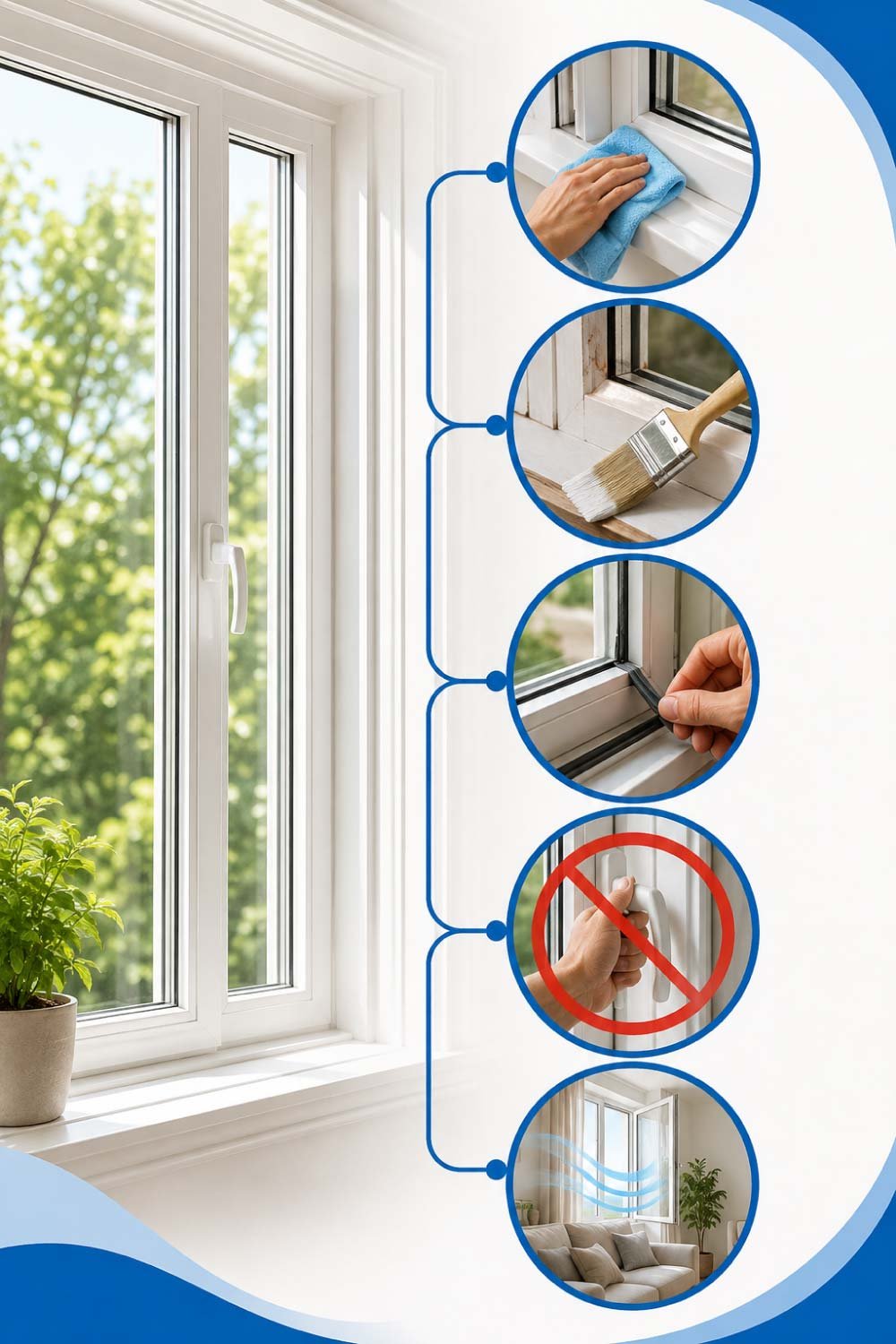
A cracked window frame may seem like a minor issue, but it can quickly turn into an expensive repair if ignored. The good news is that most cracks are easy to fix at home with basic tools and materials. Whether your frame is wood, aluminum, or uPVC, a simple repair can restore its strength, improve insulation, and extend its lifespan.
Taking action early not only saves money but also keeps your home more comfortable and energy-efficient. Instead of waiting for the damage to spread, a quick DIY repair can make a big difference.
With the right care and maintenance, your window frames can last for many more years without needing a full replacement.
Also Read: