
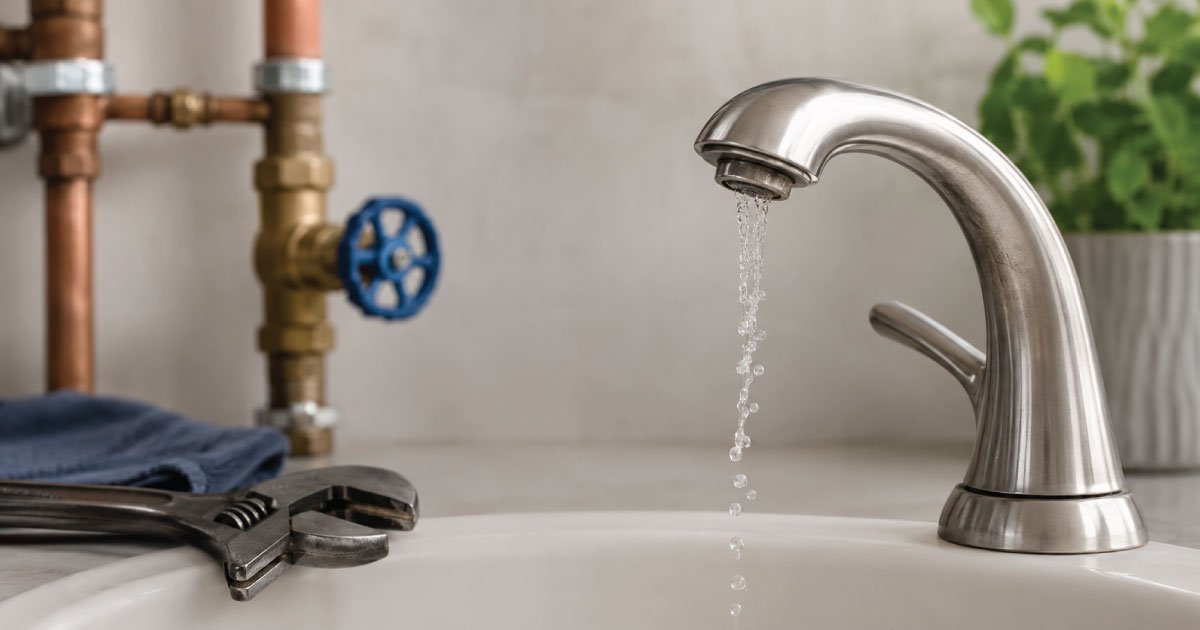
Low water pressure is one of the most common and frustrating plumbing problems homeowners face. A weak shower, slow-filling washing machine, or trickling faucet can disrupt daily routines and signal deeper plumbing issues. While some causes are simple and easy to fix, others may require professional attention.
This comprehensive guide explains why low water pressure happens, how to diagnose the source, and step-by-step solutions you can try before calling a plumber.
What Is Low Water Pressure?
Water pressure refers to the force that pushes water through your pipes and out of fixtures. It’s usually measured in pounds per square inch (PSI). Most homes function best between 40 and 60 PSI. Anything significantly below this range can feel inconvenient or unusable.
Low water pressure can affect:
- Showers and bathtubs
- Kitchen and bathroom sinks
- Dishwashers and washing machines
- Outdoor hose bibs and sprinklers
Understanding the cause is the key to fixing it effectively.
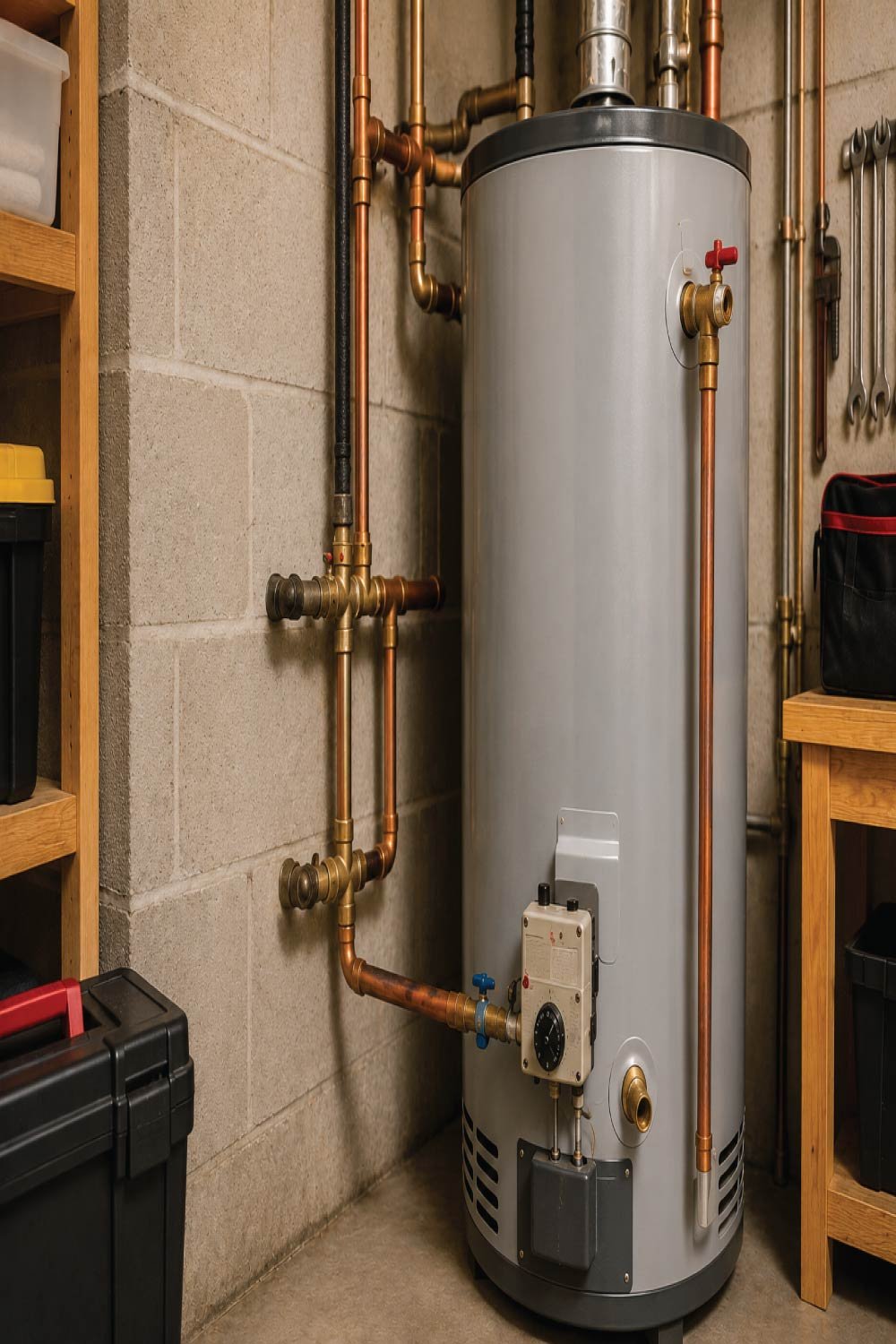
Step 8: Inspect Pipes for Corrosion or Mineral Buildup
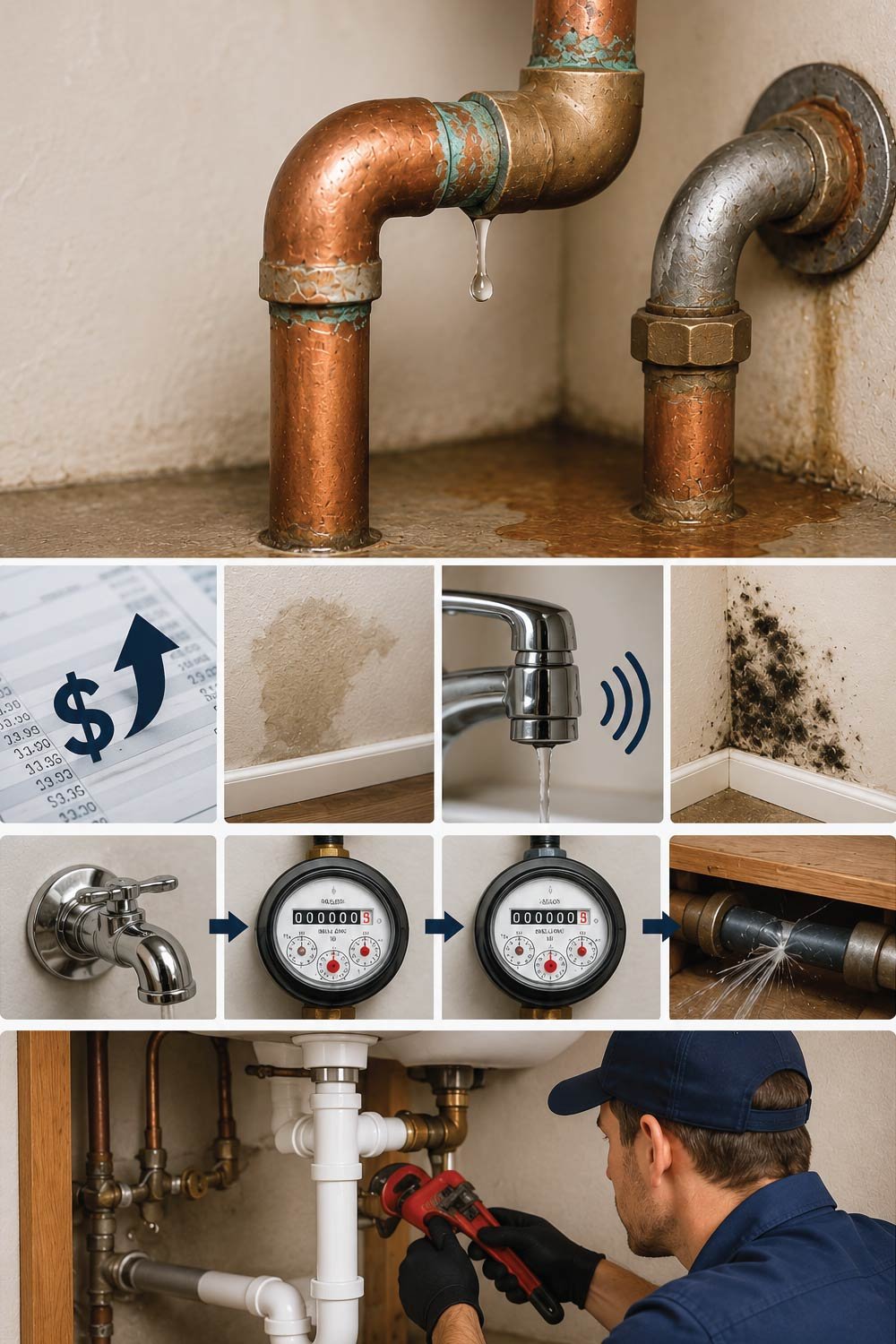
Older plumbing systems often use galvanized steel pipes that gradually corrode from the inside. As corrosion builds up, it narrows the pipe diameter and reduces water flow throughout the home. This leads to ongoing pressure problems that usually worsen over time and cannot be fixed with simple cleaning methods.
Symptoms of Corroded Pipes
These warning signs help you identify internal pipe damage that may be restricting water flow and reducing pressure.
- Gradual pressure loss
- Brown or discolored water
- Frequent clogs
Internal corrosion cannot be cleaned effectively. The long-term solution is pipe replacement, often with copper or PEX piping.
Step 9: Evaluate the Main Water Supply Line
The main water supply line is responsible for delivering water from the municipal system into your home. If this line is damaged, undersized, or blocked, it can significantly reduce overall water pressure regardless of internal plumbing condition.
Potential Problems
These common issues can restrict water flow before it even enters your home plumbing system.
- Crushed or kinked pipes
- Tree root intrusion
- Undersized pipes for household demand
If neighbors have good pressure but you don’t, your supply line may be the issue.
Step 10: Consider Municipal Water Supply Issues
Sometimes low water pressure is caused by external factors beyond your home plumbing system. Municipal supply problems can temporarily affect entire neighborhoods or regions, especially during maintenance work or peak demand periods.
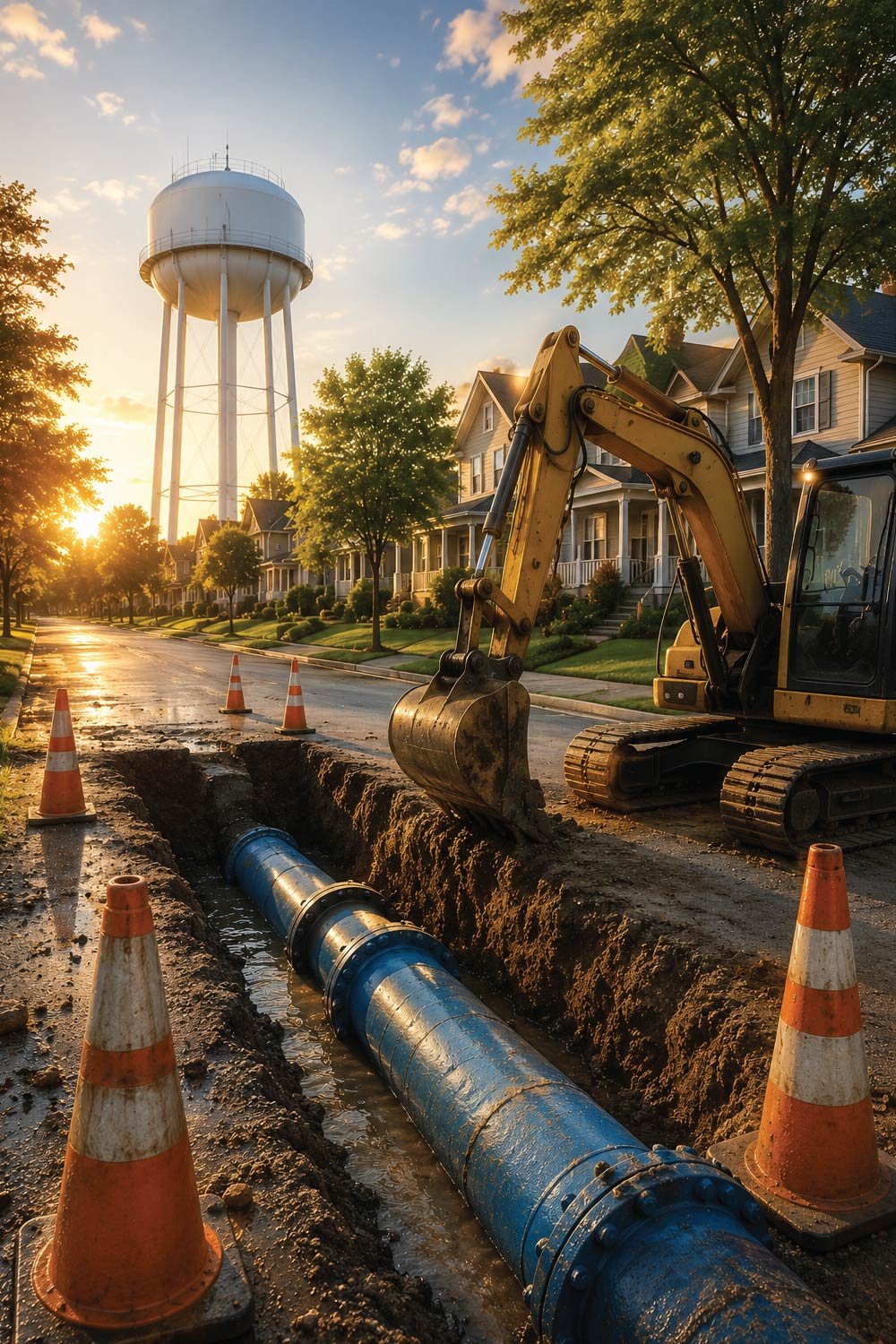
Common External Causes
These outside factors can reduce water pressure temporarily across multiple homes.
- Water main repairs
- Seasonal demand increases
- Infrastructure issues in your area
Check with neighbors or contact your local water provider to confirm whether the issue is temporary or widespread.
Step 11: Install a Water Pressure Booster Pump
If low water pressure is consistent and unavoidable, especially in multi-story homes or high-elevation areas, a booster pump can significantly improve water flow. This system increases incoming pressure and ensures steady performance across all fixtures.
Benefits
These advantages make booster pumps a reliable long-term solution for persistent low pressure problems.
- Improves flow throughout the house
- Consistent pressure at all fixtures
- Ideal for multi-story homes
Installation typically requires a licensed plumber and may need local approval.
Preventing Low Water Pressure in the Future
Regular maintenance helps prevent pressure issues before they develop into major plumbing problems. Simple routine checks and cleaning can keep your system running efficiently and reduce the risk of sudden pressure drops or costly repairs.
Preventive Tips
These habits help maintain stable water pressure and extend the life of your plumbing system.
- Clean aerators every 6–12 months
- Flush water heaters annually
- Monitor water bills for sudden changes
- Inspect visible pipes for corrosion
- Replace aging plumbing proactively
Preventive care is often far cheaper than emergency repairs.
Also Read:
When to Call a Professional Plumber
While many water pressure issues can be handled with basic DIY steps, some problems require professional diagnosis and repair. Knowing when to call a plumber helps prevent further damage and ensures the issue is fixed correctly and safely.
Call a Plumber If:
These situations indicate more serious plumbing issues that need expert attention.
- Pressure is low throughout the entire house
- You suspect hidden leaks
- Pipes are corroded or damaged
- The pressure regulator fails
- Water pressure drops suddenly and severely
A licensed plumber can diagnose the problem accurately and ensure repairs meet local codes.
Final Thoughts
Low water pressure can range from a simple annoyance to a sign of serious plumbing trouble. By following a logical troubleshooting process starting with easy fixes and moving toward more complex causes you can often restore proper water flow without unnecessary expense.
Whether it’s cleaning a clogged aerator, adjusting a pressure regulator, or upgrading outdated pipes, addressing low water pressure improves comfort, efficiency, and the overall value of your home.
If the problem persists despite your best efforts, don’t hesitate to seek professional help. Proper water pressure isn’t just about convenience it’s essential for a healthy, functional plumbing system.