
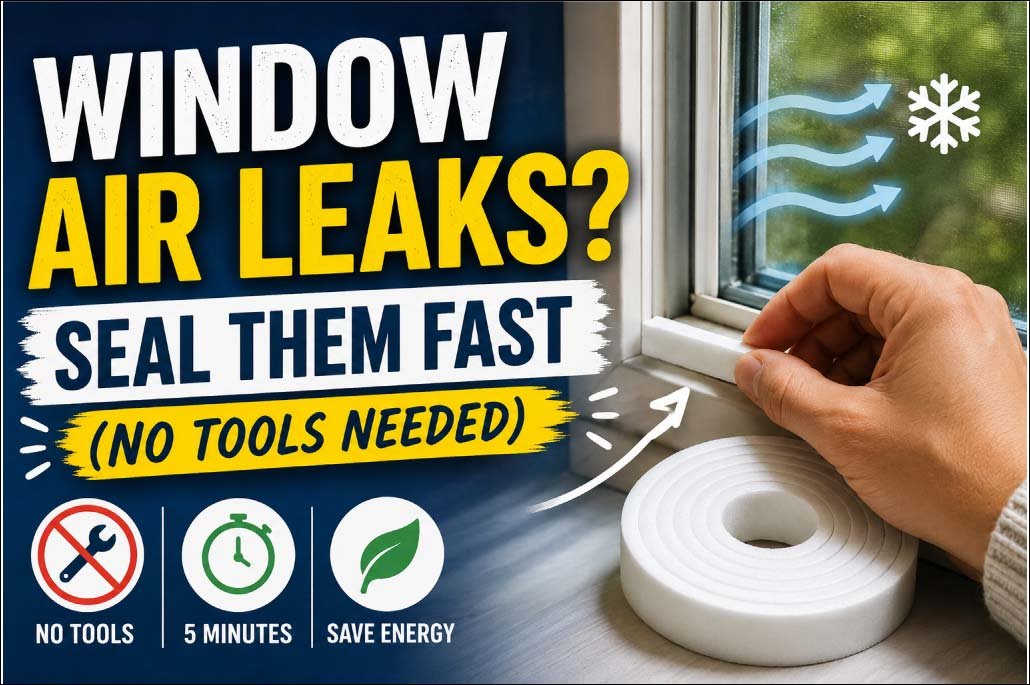
If your room feels drafty even when the windows are closed, you’re probably dealing with window air leaks. These small gaps around your windows might not look serious, but they can quietly waste energy, increase your electricity or heating bills, and make your home uncomfortable all year round.
The good news? You don’t need tools, special equipment, or professional help to fix most window air leaks. With a few simple, low-cost methods, you can seal those gaps quickly and noticeably improve comfort in your home.
This guide walks you through how to identify air leaks, why they happen, and most importantly, how to fix them instantly using easy, tool-free solutions.
Table of Contents
ToggleWhy Window Air Leaks Matter More Than You Think

Air leaks around windows are often overlooked because they seem small, but they can quietly impact your home’s comfort, energy use, and air quality. Even tiny gaps allow continuous airflow exchange, forcing your heating or cooling systems to work harder. Over time, this leads to higher costs and noticeable discomfort indoors.
Higher Energy Bills
When air escapes, your heating or cooling system has to run longer and more frequently to maintain the set temperature. This increases electricity or gas usage significantly over time, especially in extreme weather seasons, leading to consistently higher monthly utility bills.
Reduced Comfort
Even minor drafts can disrupt indoor temperature balance, making rooms feel too cold in winter or too warm in summer. This constant fluctuation often forces you to adjust the thermostat repeatedly, reducing overall comfort and making living spaces less enjoyable.
Dust and Pollution Entry
Small gaps in windows act as entry points for outdoor pollutants, including dust, smoke, and allergens. Over time, this affects indoor air quality, which can cause discomfort, allergies, and a less clean living environment—especially in busy or polluted areas.
Moisture Problems
Air leaks can also allow humid air to enter your home, especially during rainy or humid seasons. This trapped moisture may lead to condensation buildup around window frames, which can eventually encourage mold growth and damage surrounding surfaces.
Fixing these issues does not require expensive renovation. Most of the time, it just takes a bit of attention and a few household materials.
How to Tell If Your Windows Are Leaking Air
Before fixing window air leaks, it’s important to identify exactly where the gaps are. Fortunately, you don’t need special tools or equipment. A few simple household tests can help you quickly detect airflow and pinpoint the weak areas around your window frames.
Hand Test
Slowly move your hand around the edges of the closed window frame. If you feel a noticeable breeze or temperature change, it’s a clear sign that air is entering or escaping through small gaps in that area.
Tissue or Paper Test
Hold a thin tissue or sheet of paper close to the window edges. If it flutters or moves without any direct wind source, it indicates air leakage through the frame or sealing points.
Candle or Incense Test
Light a candle or incense stick and carefully bring it near the window frame. If the flame flickers or the smoke bends in a certain direction, it confirms air movement through hidden gaps.
Sound Clue
In windy conditions, listen closely near the window. A faint whistling or humming sound often suggests air is passing through narrow openings in the frame or seal.
Once you’ve identified the leak areas, you’re ready to fix them—no tools required.
Quick Fix #1: Use Cloth or Fabric Strips
This is one of the simplest and most accessible methods for sealing small window gaps. It requires no tools and can be done using items already available at home. Fabric works well as a flexible filler that adapts to uneven spaces around older or slightly loose window frames.
- How it works:
Soft fabric helps block airflow by physically filling the small openings between the window sash and the frame. It reduces drafts effectively by acting as a temporary insulating barrier. - Steps:
Take an old cotton cloth or towel
Roll it into a tight strip
Press it gently into the leaking gaps
This method is especially useful for sliding windows or slightly loose frames.
Why it helps:
The fabric acts as a flexible barrier that blocks air movement without damaging the window.
Quick Fix #2: Paper Towel Sealing Method
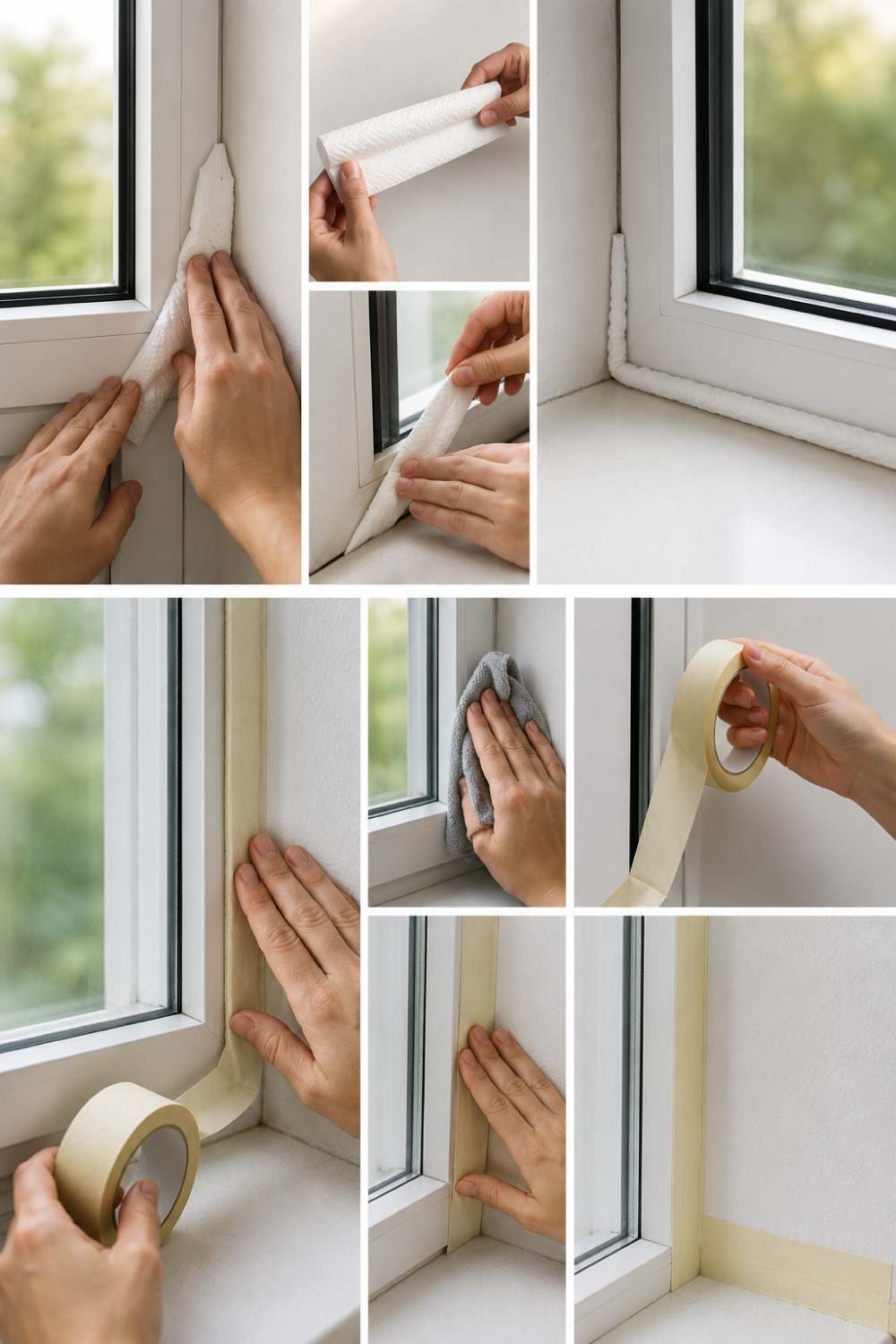
Paper towels can be a quick emergency solution when you don’t have cloth or other materials available. They are easy to shape and can temporarily reduce airflow through very small cracks or corner gaps around window edges.
- Steps:
Fold paper towels into long strips
Slightly dampen them (not soaking wet)
Press them into the air gaps
As they dry, they expand slightly and form a tighter seal.
- Best for:
Small corner gaps
Temporary sealing in emergencies
Rental homes where permanent changes aren’t allowed
Quick Fix #3: Use Masking Tape or Household Tape
Tape is one of the fastest and most effective no-tool solutions.
Steps:
Clean the window edges with a dry cloth
Apply tape along the gap areas
Press firmly with your fingers
Important tip:
Use wider tape for better coverage and overlap slightly for stronger sealing.
Why it works:
Tape blocks direct airflow and stabilizes loose window edges instantly.
Quick Fix #4: Plastic Wrap Barrier Method
Plastic wrap isn’t just for the kitchen—it can also help seal air leaks.
Steps:
Stretch plastic wrap over the window edges
Press it tightly against the frame
Smooth it with your hands to remove gaps
Best use:
This works well during extreme weather when you need a fast insulation layer.
Bonus benefit:
It also helps reduce condensation on glass during cold weather.
Quick Fix #5: Cushion or Sponge Filling
Larger window gaps often need a slightly thicker and more flexible material to block airflow effectively. Soft household items like cushions, foam pieces, or sponges work well because they can compress and expand depending on the space, making them ideal for irregular or uneven window frames.
- Steps:
Cut a small piece of sponge or cushion filling
Press it into visible gaps around the frame
Adjust until it fits snugly - Why it’s effective:
These materials naturally compress and expand, allowing them to adapt to uneven surfaces. This helps them seal wider gaps better than flat materials like paper or tape.
Quick Fix #6: Curtain Positioning Trick
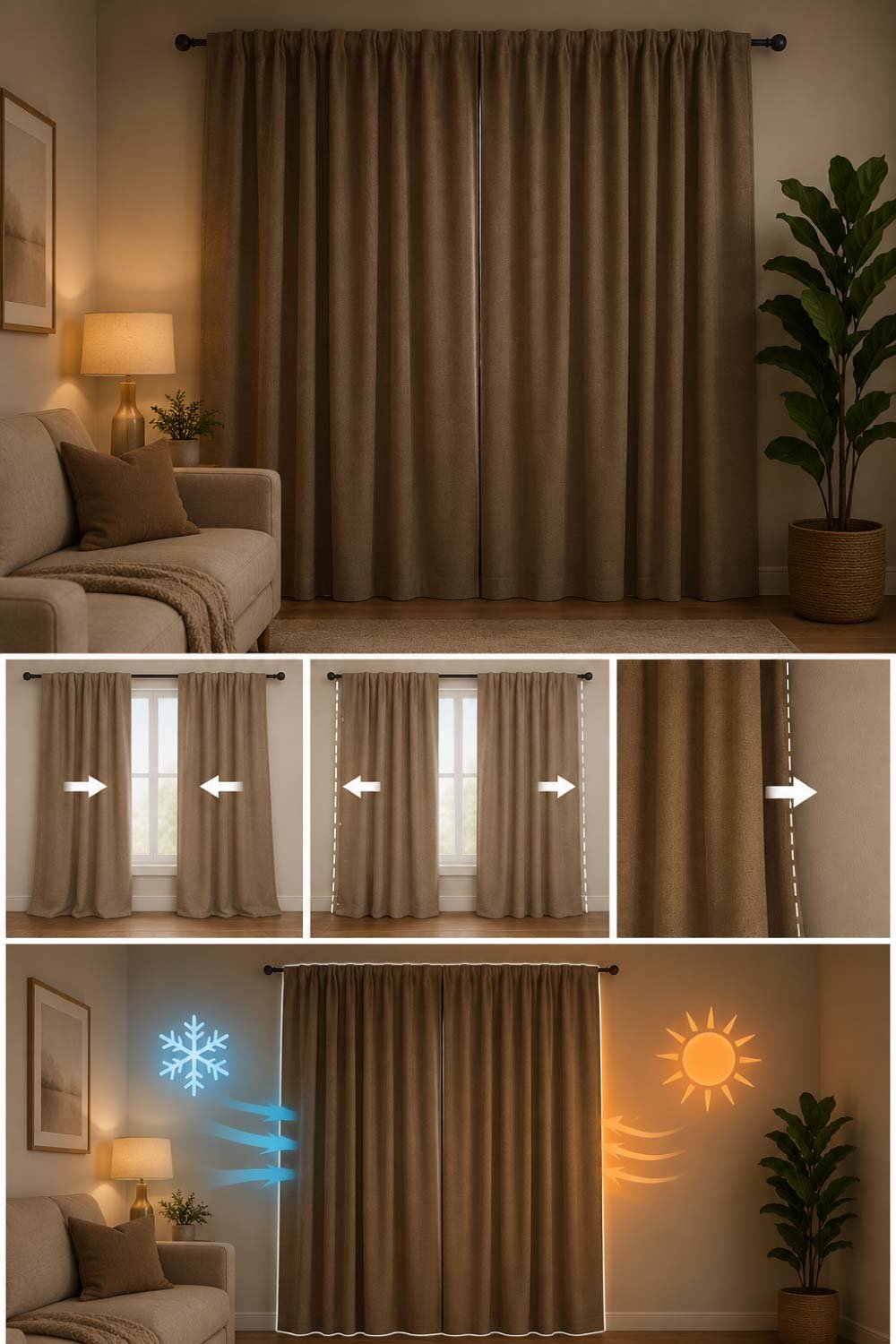
Sometimes window leaks don’t need direct sealing—instead, controlling how air moves inside the room can make a big difference. Thick curtains can act as a secondary barrier, reducing drafts and stabilizing indoor temperature without any repairs or tools.
- Steps:
Close thick curtains completely
Ensure curtains overlap the window edges
Keep them tight against the wall when possible - Why it helps:
Curtains create an insulating layer between the cold or hot window surface and the room. This reduces the impact of small air leaks and helps maintain a more stable indoor environment.
Quick Fix #7: Soap or Wax Rubbing (Emergency Seal)
This is a simple old-home remedy used for extremely small cracks or sudden drafts. It’s not a permanent fix, but it works well when you need immediate relief from airflow during cold nights or unexpected weather changes.
- Steps:
Take a bar of soap or wax candle
Rub it along visible cracks or gaps
Smooth it with your finger - How it works:
Soap and wax slightly fill micro-gaps on the surface, temporarily blocking airflow and reducing drafts almost instantly. - Note:
This is a short-term fix but useful during cold nights or sudden weather changes.
Also Read:
Common Causes of Window Air Leaks
To prevent air leaks from returning, it’s important to understand what causes them in the first place. Most window gaps develop slowly over time due to natural wear, environmental conditions, or installation issues. Identifying the root cause helps you choose better long-term prevention methods.
Old or Shrinking Window Frames
Wooden frames naturally expand and shrink with temperature changes. Over time, this movement can create small gaps that allow air to pass through easily.
Poor Installation
If windows were not fitted properly during installation, small alignment gaps may remain. These gaps often become more noticeable over time.
Wear and Tear
Frequent opening and closing gradually loosens screws, hinges, and frame alignment, making air leaks more likely.
Weather Damage
Rain, heat, and humidity slowly weaken sealing materials and can cause cracks or separation around window edges.
House Settling
As buildings age, natural shifting of the structure can slightly distort window alignment, creating uneven gaps.
Long-Term Prevention Tips
After sealing air leaks, it’s important to maintain your windows properly so the problem doesn’t return. Simple habits and regular checks can significantly reduce future drafts and improve overall home efficiency.
- Keep windows clean
Dust and debris can prevent proper sealing and cause gaps to form over time. - Avoid slamming windows
Forceful closing can loosen frames, screws, and hinges, gradually increasing air leakage. - Check alignment regularly
Ensure windows close evenly on all sides and adjust if you notice uneven pressure or gaps. - Maintain curtains and insulation
Proper indoor insulation reduces strain on windows and helps maintain consistent temperature control. - Inspect after seasonal changes
Temperature and humidity shifts often reveal new or developing gaps that should be fixed early.
Also Read:
When You Should Consider Permanent Fixes
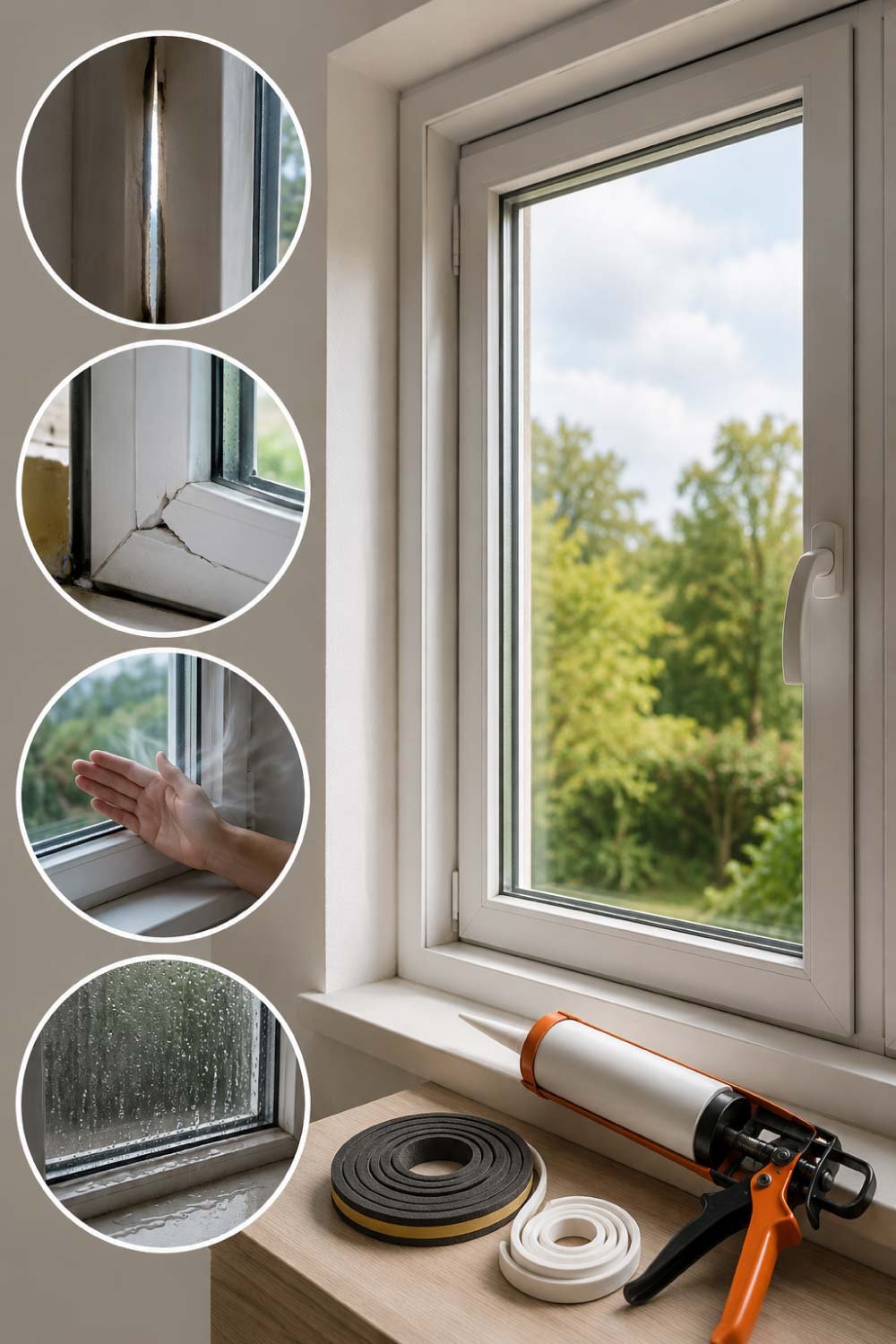
No-tool and quick fixes are great for temporary relief, but some window issues require more permanent solutions. If the problem keeps coming back or worsens over time, basic household methods may no longer be enough.
- Large visible gaps that keep reopening
- Cracked or broken window frames
- Constant drafts even after sealing attempts
- Water leakage during rain
In these cases, using proper sealant, weather stripping, or professional repair may be necessary.
Final Thoughts
Window air leaks may seem like a small issue, but they can significantly affect your comfort and energy usage. Fortunately, you don’t need tools, expensive materials, or professional help to fix most of them.
Simple household items like cloth, tape, paper, or even soap can provide quick relief and noticeably improve your indoor environment. The key is identifying the leaks early and acting fast.
By using these easy, no-tool methods, you can make your home warmer in winter, cooler in summer, and much more energy-efficient—all without spending much money.
A few minutes of attention today can save you from ongoing discomfort and higher bills tomorrow.
Also Read: