
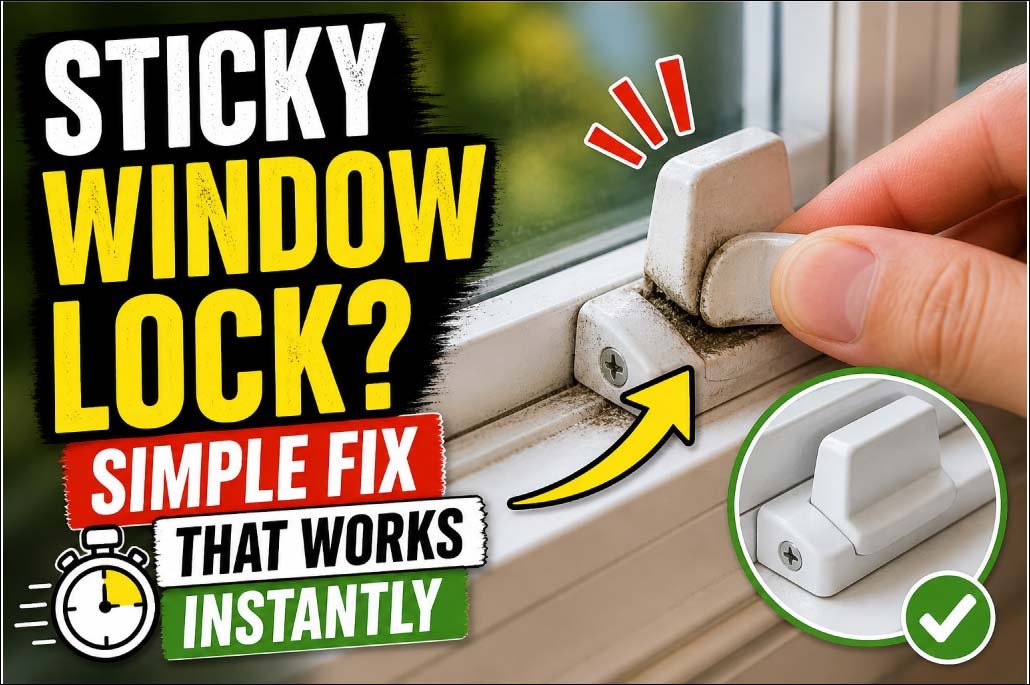
Sticky Window Lock? Simple Fix That Works Instantly

A sticky window lock can be frustrating, especially when you’re in a hurry or trying to secure your home quickly. You turn the handle, apply a bit of pressure, and instead of a smooth lock, you get resistance, grinding, or a lock that simply refuses to engage.

The good news is that in most cases, this problem does not require replacing the entire window or calling a professional. With a few simple steps, you can fix a sticky window lock instantly and restore smooth operation.

In this guide, we will walk through why window locks become sticky, how to fix them quickly, and how to prevent the issue from coming back.
Why Window Locks Become Sticky

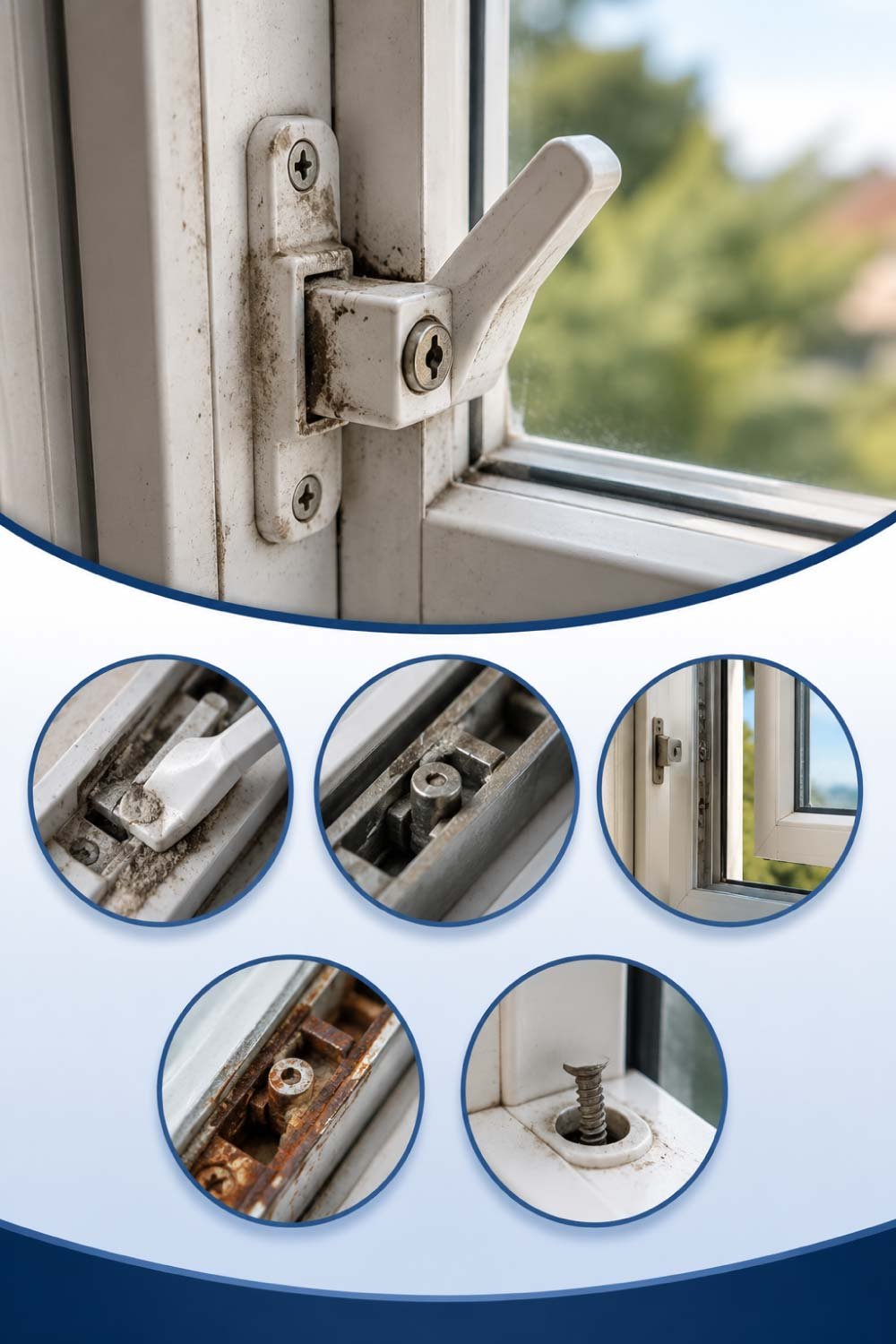
Why Window Locks Become Sticky

Before jumping into solutions, it helps to understand what causes the problem. A sticky window lock is usually the result of everyday wear, environmental exposure, or lack of maintenance. Over time, small issues slowly build up inside the mechanism, making the lock harder to operate and less reliable than before.

  • Dirt and dust entering the locking system
  • Dry metal parts with no lubrication
  • Slight frame shifts affecting alignment
  • Moisture causing rust or corrosion
  • Loose screws affecting stability

Once you identify the cause, fixing the issue becomes much easier.


1. Dirt and Dust Buildup

Dust, sand, and tiny debris often find their way into window lock mechanisms, especially in open or frequently used windows. Over time, this buildup settles inside moving parts and creates resistance. Even a small amount of dirt can significantly affect smooth operation and make the lock feel stiff or jammed.

  • Dust and sand accumulate inside mechanism
  • Debris increases friction between parts
  • Movement becomes slow or stuck
  • Common in open or dusty environments
  • Gradual buildup worsens over time

Once you identify the cause, fixing the issue becomes much easier.


2. Lack of Lubrication

Window locks rely on smooth metal-to-metal movement, which requires proper lubrication. When this lubrication dries out, the parts begin to rub against each other, causing stiffness. This is one of the most common yet overlooked reasons behind sticky locks, especially in older windows or rarely maintained fixtures.

  • Metal parts lose smooth movement
  • Friction increases inside mechanism
  • Lock feels tight or uneven
  • Common in older or unused windows
  • Regular maintenance prevents this issue

Once you identify the cause, fixing the issue becomes much easier.


3. Misalignment of the Window Frame

Over time, window frames can shift slightly due to temperature changes, humidity, or natural settling of the building. Even a minor shift can affect how the lock and latch meet, making it difficult to close or open smoothly. This misalignment is often mistaken for a faulty lock.

  • Frame shifts due to weather changes
  • Lock no longer aligns properly
  • Requires extra force to operate
  • Common in older structures
  • Small adjustments can fix the issue

Once you identify the cause, fixing the issue becomes much easier.


4. Rust or Corrosion

Moisture exposure can cause metal parts of window locks to rust or corrode over time. This buildup creates rough surfaces that prevent smooth movement. Rust not only makes the lock harder to use but can also weaken the mechanism if left untreated for too long.

  • Moisture leads to rust formation
  • Metal surfaces become rough
  • Lock movement becomes stiff
  • Can damage internal parts over time
  • Regular care prevents corrosion

Once you identify the cause, fixing the issue becomes much easier.


5. Loose Screws or Hardware

Loose Screws or Hardware

Loose screws may seem minor, but they can significantly affect how a window lock functions. When the hardware shifts out of place, the locking mechanism no longer aligns correctly, causing stiffness or failure to engage properly. This is one of the easiest problems to fix.

  • Screws loosen over time with use
  • Lock shifts from original position
  • Misalignment causes sticking
  • Simple tightening often solves issue
  • Easy to overlook during inspection

Once you identify the cause, fixing the issue becomes much easier.

You May Also Like:

19 Tiny Kitchen Makeover DIY Ideas


Quick Fix #1: Clean the Lock Mechanism

The simplest and often most effective solution is a thorough cleaning. Dirt and debris are usually the first culprits behind a sticky window lock. Cleaning removes blockages inside the mechanism and restores basic movement without requiring any tools or replacements.

Steps to Clean a Sticky Window Lock:

  • Open the window fully
  • Use a dry brush or old toothbrush to remove visible dust and debris
  • Spray compressed air into the lock mechanism if available
  • Wipe the area with a dry cloth

If dirt buildup is heavy, you can slightly dampen the cloth with mild soapy water, but make sure everything is dry afterward.

Why This Works:

Removing dirt eliminates friction and allows the internal parts to move freely again.


Quick Fix #2: Apply Lubrication (Instant Smooth Action)

If cleaning alone doesn’t solve the problem, lubrication is the next step—and often the fastest fix. Proper lubrication helps metal parts glide smoothly against each other, reducing resistance and restoring normal function almost instantly.

Best Lubricants to Use:

  • Silicone spray (recommended)
  • Graphite powder
  • Light machine oil (in small amounts)

Steps:

  • Spray a small amount directly into the lock mechanism
  • Move the handle back and forth several times
  • Wipe off any excess to prevent dust buildup

Important Tip:

Avoid using thick grease, as it can trap dust and make the problem worse over time.

Why This Works:

Lubrication reduces friction between moving parts, allowing the lock to operate smoothly again almost instantly.


Quick Fix #3: Check for Misalignment

If your lock still feels tight or refuses to engage, misalignment may be the real issue. Even a slight shift in the window frame or latch position can disrupt the locking mechanism and create unnecessary resistance during use.

How to Check Alignment:

  • Close the window slowly and observe how the lock meets the latch
  • Look for gaps or force needed to close it
  • Try lifting or gently pushing the window while locking

How to Fix Minor Misalignment:

  • Loosen the screws on the lock slightly
  • Adjust the position of the lock or latch
  • Retighten the screws while holding it in the correct position
  • Test the lock again

Why This Works:

Even a small shift in position can cause resistance. Realigning restores proper contact between locking parts.


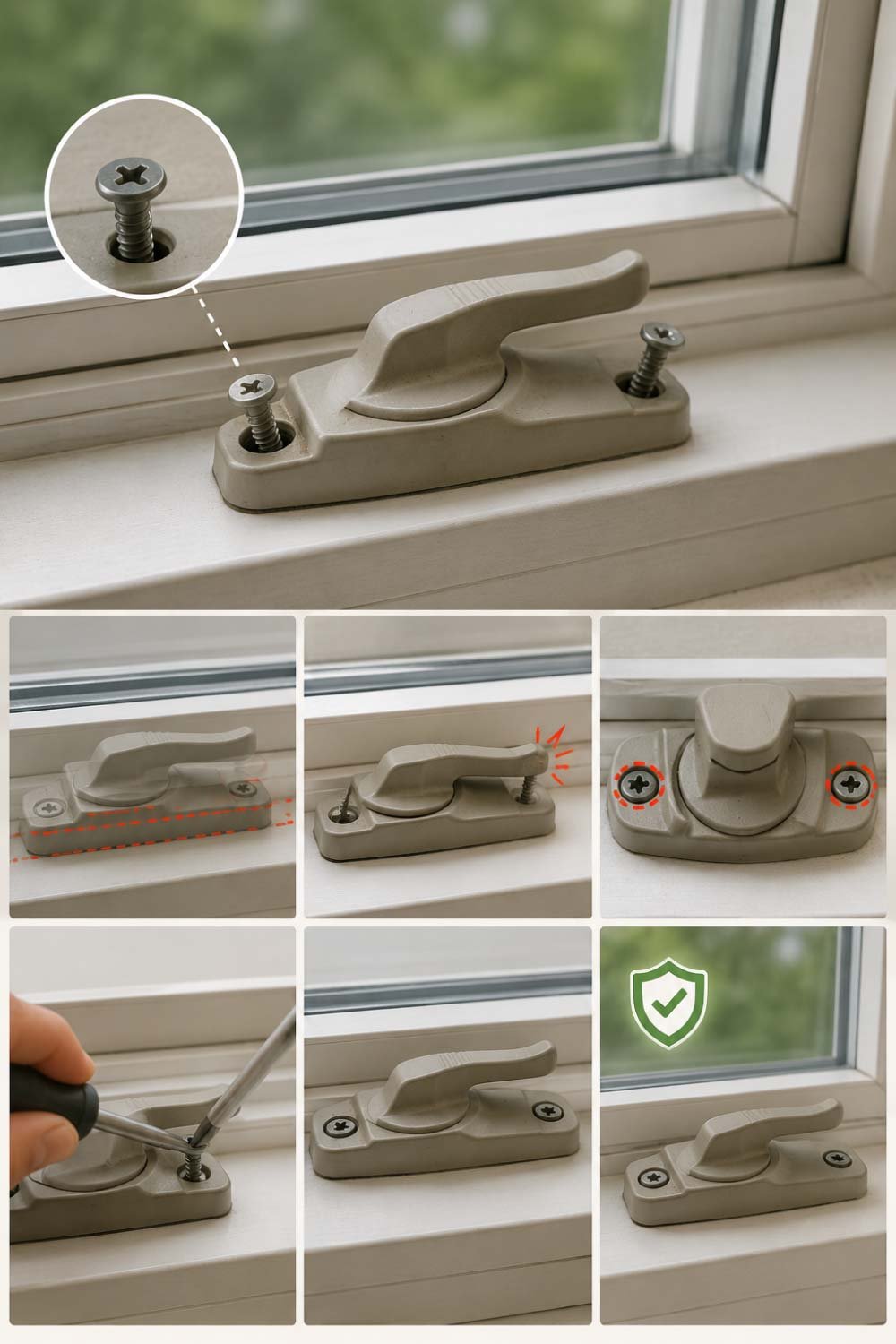
Quick Fix #4: Tighten Loose Screws

Tighten Loose Screws

Loose screws are a hidden but very common cause of sticky locks. When hardware becomes unstable, the entire locking system can shift slightly, making it harder to operate smoothly. Thankfully, this is usually a quick and simple fix that requires only a screwdriver.

Steps:

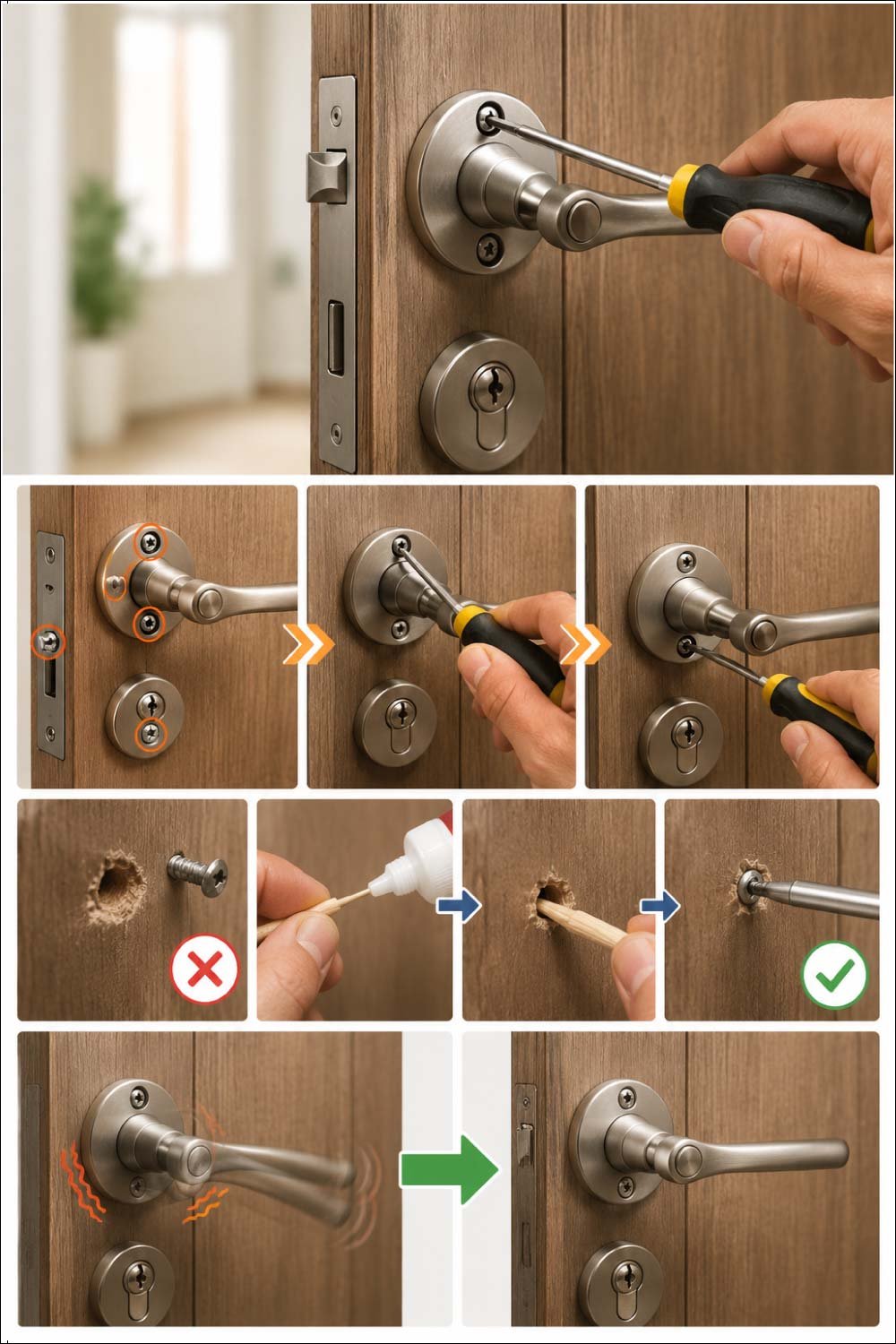
  • Inspect all screws around the lock and handle
  • Use a screwdriver to tighten any that feel loose
  • Avoid over-tightening, as it can strip the holes

Extra Tip:

If a screw keeps spinning without tightening, the hole may be stripped. You can fix this by inserting a small wooden toothpick with glue into the hole and reinserting the screw.

Why This Works:

Tightening restores stability, keeping the lock aligned and stable during operation.

You May Also Like:

19 DIY Bedroom Furniture Hacks That Look Expensive


Quick Fix #5: Remove Light Rust or Corrosion

If your window lock feels rough or squeaky, rust might be the issue. Rust creates friction and weakens metal surfaces, making movement difficult. Removing it early helps restore smooth function and prevents long-term damage.

What You Need:

  • Fine sandpaper or steel wool
  • Lubricant spray

Steps:

  • Lightly scrub rusted areas with sandpaper
  • Wipe away dust
  • Apply lubricant generously
  • Move the lock repeatedly to distribute the lubricant

Why This Works:

Removing rust restores smooth metal contact and prevents further deterioration.


Quick Fix #6: Adjust the Window Frame (If Needed)

Sometimes the real problem isn’t the lock at all—it’s the window frame itself shifting slightly over time. This can happen due to seasonal expansion, humidity, or normal building settlement. When the frame moves even a little, the lock and latch may no longer line up properly, causing sticking or resistance.

Signs of Frame Issues:

  • Lock works only when window is pushed or lifted
  • Uneven gaps around the window edges
  • Difficulty closing during certain weather conditions
  • Window feels slightly tilted or out of place
  • Increased pressure needed to lock

Simple Adjustment Method:

  • Slightly loosen hinge or frame screws
  • Gently adjust the window position into alignment
  • Hold it steady while retightening screws
  • Test the lock several times for smooth movement

Why This Works:

Correcting the frame ensures the lock and latch meet perfectly without force.


Preventing Sticky Window Locks in the Future

Once you fix the problem, a little regular maintenance can save you from repeated issues. Window locks stay smooth for years when they are cleaned, lubricated, and checked occasionally instead of being ignored until they fail.

1. Regular Cleaning

Dust builds up slowly inside lock mechanisms, so routine cleaning is essential. Wiping and brushing every few months prevents debris from hardening inside moving parts and keeps everything operating smoothly.

  • Wipe locks every few months
  • Remove dust before it builds up
  • Prevents internal friction
  • Keeps mechanism responsive

2. Light Lubrication Every 6 Months

Lubrication keeps metal parts moving freely and prevents stiffness. A small amount of silicone spray is usually enough to maintain smooth operation without attracting dust.

  • Use silicone spray lightly
  • Apply twice a year
  • Keeps movement smooth
  • Reduces long-term wear

3. Avoid Forcing the Lock

Forcing a stuck lock can bend internal parts or damage alignment. Instead, always check for dirt, rust, or misalignment before applying pressure.

  • Never force a stuck lock
  • Check cause before applying pressure
  • Prevents internal damage
  • Extends lock lifespan

4. Check Alignment Seasonally

Weather changes can cause slight expansion or contraction in window frames, especially wooden ones. Regular checks help you catch small alignment issues early.

  • Inspect during seasonal changes
  • Watch for frame shifting
  • Adjust before it worsens
  • Maintains smooth locking

5. Keep Moisture Away

Excess moisture is one of the main reasons for rust and corrosion in metal locks. Keeping windows dry helps preserve both appearance and function.

  • Avoid water exposure
  • Wipe moisture quickly
  • Prevents rust formation
  • Protects metal parts

When You Might Need Replacement
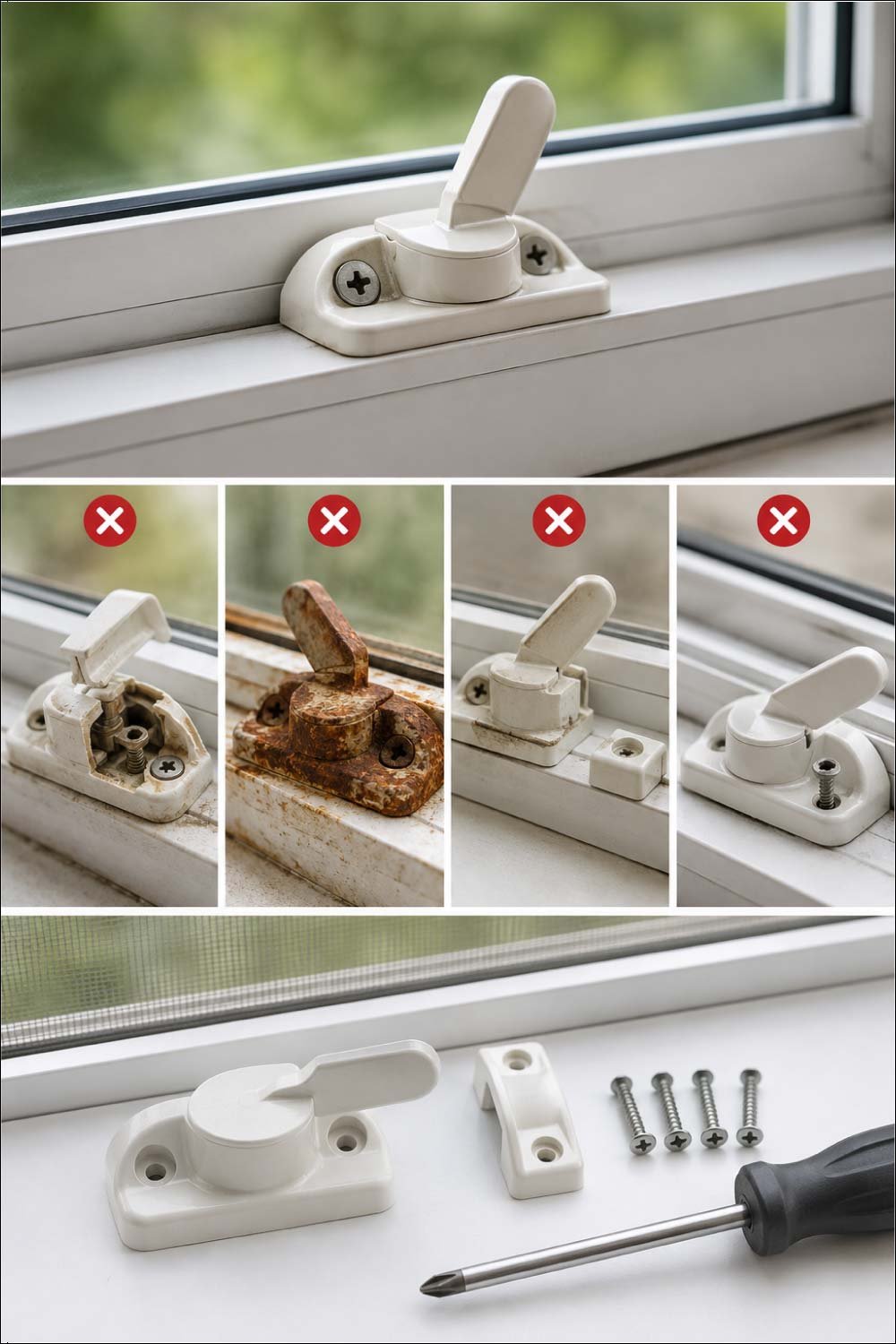
When You Might Need Replacement

Most sticky window lock problems can be fixed with cleaning, lubrication, or minor adjustments. However, in some situations, the damage is too severe for repair alone, and replacement becomes the better option for safety and reliability.

You should consider replacing the lock if:

  • The internal mechanism is broken
  • Metal parts are severely rusted
  • The lock no longer aligns even after adjustment
  • It feels loose even after tightening

Fortunately, window locks are inexpensive and easy to replace.

You May Also Like:

How to Choose Bedroom Lighting Fixtures: 7 Expert Tips


Final Thoughts

A sticky window lock might seem like a small inconvenience, but it can quickly become frustrating if ignored. Luckily, in most cases, the fix is simple and requires no special tools or professional help.

Whether it’s cleaning out dust, applying lubrication, tightening screws, or adjusting alignment, these quick solutions can restore smooth function in just a few minutes.

By taking a little time for maintenance, you can ensure your window locks stay reliable, secure, and easy to use for years to come.

Leave a Comment