
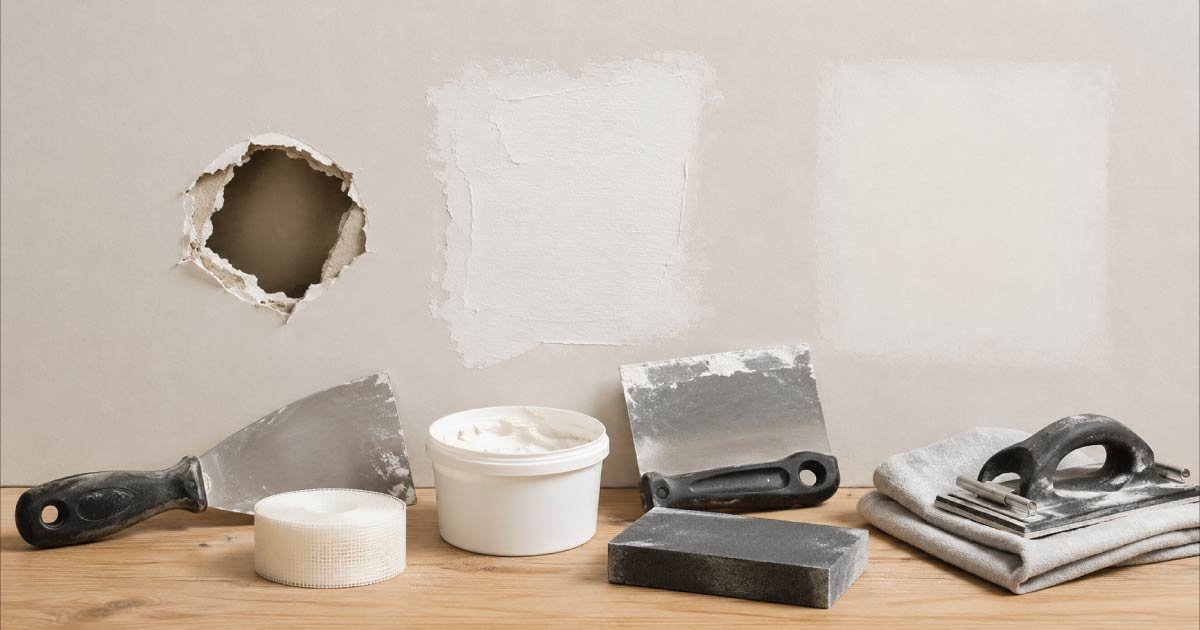
Drywall damage happens in almost every home. Whether it’s from moving furniture, an accidental door handle impact, kids playing indoors, or simple wear and tear, holes in drywall are common—and thankfully, they’re also very repairable. You don’t need to be a professional contractor to fix drywall holes neatly and permanently. With the right tools, materials, and technique, you can restore your walls so well that no one will ever know there was damage.
This comprehensive guide will walk you through how to repair drywall holes of all sizes, from tiny nail holes to large damaged sections. By the end, you’ll know exactly what to do, what materials to use, and how to achieve a smooth, professional-looking finish.

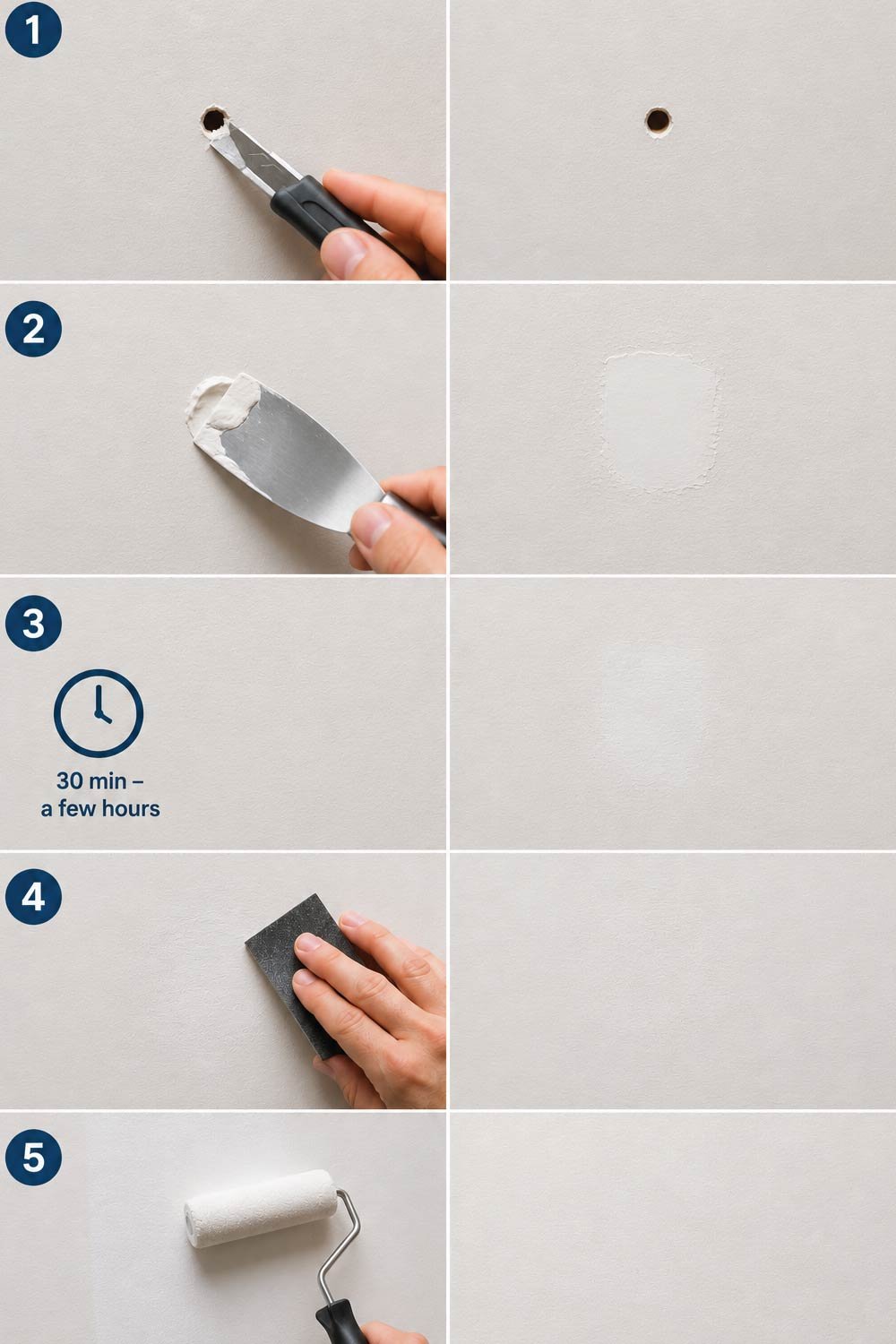
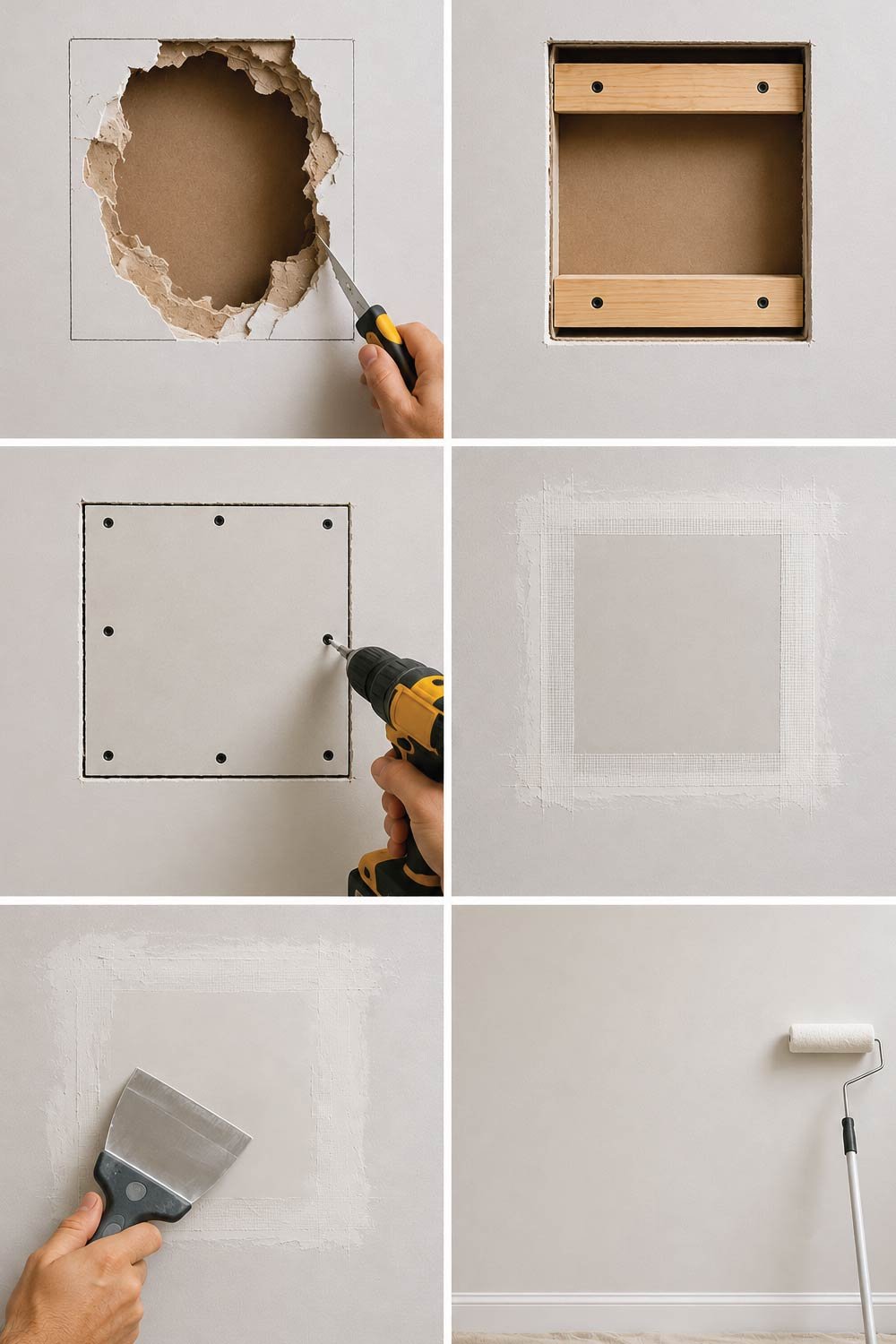
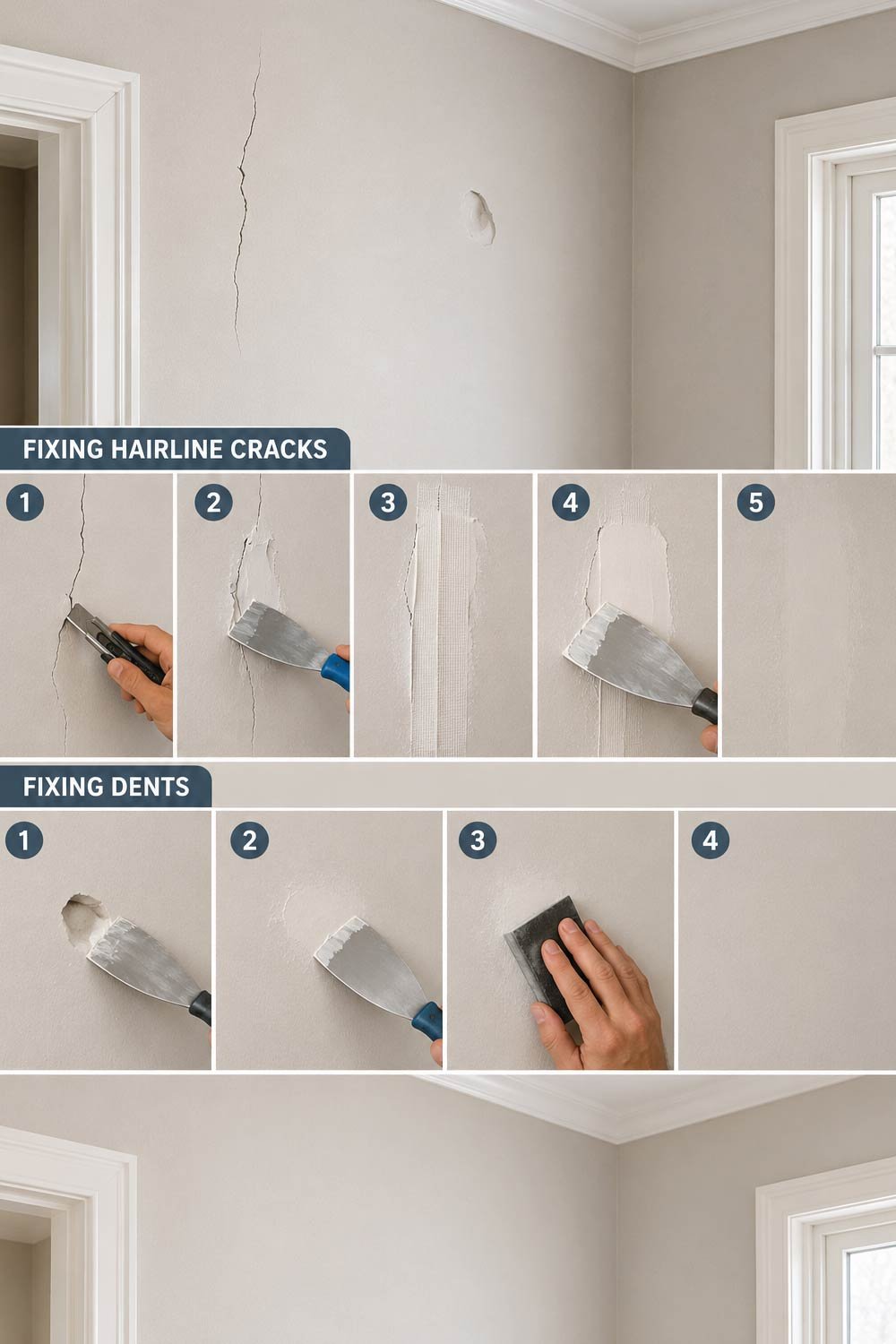
Common Drywall Repair Mistakes to Avoid
Even small drywall repairs can fail if common mistakes are overlooked. Understanding these frequent errors helps you avoid uneven finishes, visible patches, and repeat repairs. Paying attention to preparation, application, and finishing techniques ensures stronger, cleaner, and longer-lasting drywall repair results.
- Skipping primer before painting
- Applying compound too thick
- Not sanding between coats
- Rushing drying time
- Ignoring wall texture
Taking your time leads to better results and fewer repairs later.
Also Read:
When to Call a Professional
While many drywall repairs can be handled as DIY projects, some situations require professional expertise. Knowing when to step back and hire a specialist helps prevent costly mistakes, ensures safety, and guarantees proper repair for complex or high-risk drywall damage.
DIY drywall repair is great for most homeowners, but there are times when hiring a professional makes sense:
- Extensive water damage
- Structural cracks
- Large ceiling repairs
- Time-sensitive projects before selling a home
Knowing your limits can save frustration and ensure safety.
Final Thoughts
Learning how to repair drywall holes is a valuable skill that saves money, improves your home’s appearance, and boosts confidence in your DIY abilities. From tiny nail holes to large damaged sections, the process is straightforward when broken into simple steps.
With patience, proper tools, and attention to detail, you can achieve results that rival professional work. The next time your wall suffers a dent, crack, or hole, you’ll know exactly how to fix it—cleanly, confidently, and correctly.