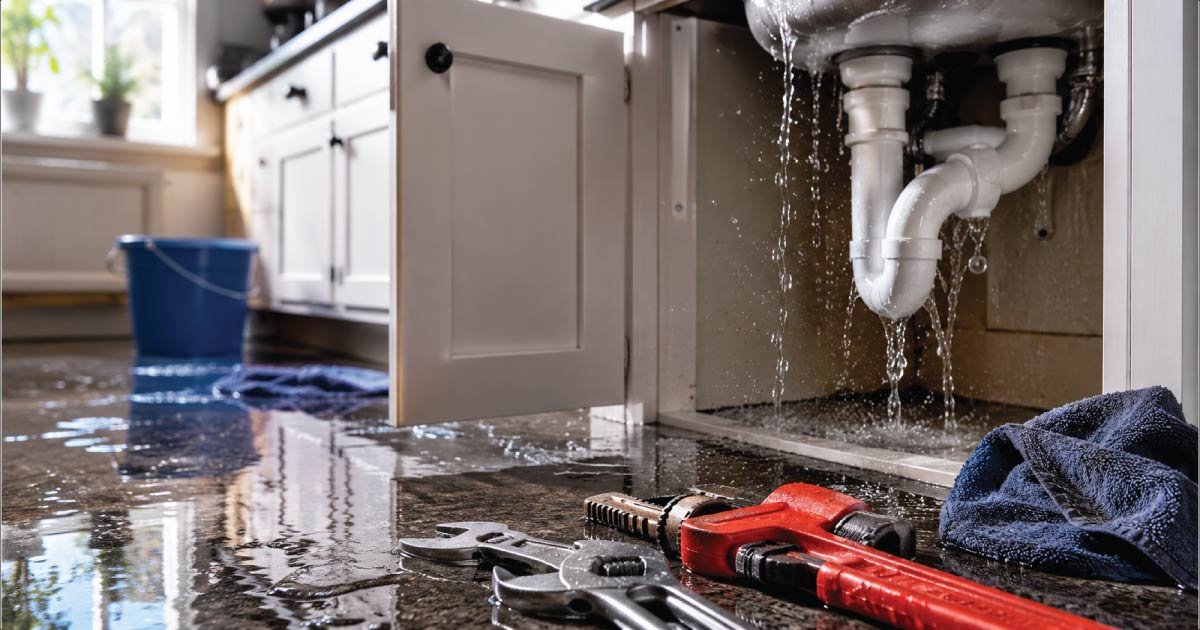
Plumbing emergencies rarely happen at convenient times. A burst pipe in the middle of the night, a toilet overflowing when guests are over, or a sudden loss of water pressure can quickly turn into a stressful and costly situation. Knowing how to respond in the first few minutes of a plumbing emergency can make the difference between minor damage and a major disaster.
This guide covers the most common emergency plumbing problems and the immediate fixes you can apply to limit damage until a professional plumber arrives. While these fixes are not permanent solutions, they can protect your home, your belongings, and your peace of mind when time is critical.
Understanding What Counts as a Plumbing Emergency
A plumbing emergency refers to any sudden or severe plumbing issue that leads to ongoing water damage, poses serious health or sanitation risks, or completely disrupts essential water usage in a home or business. Such situations often escalate quickly and demand immediate attention to prevent costly structural damage and unsafe living conditions.
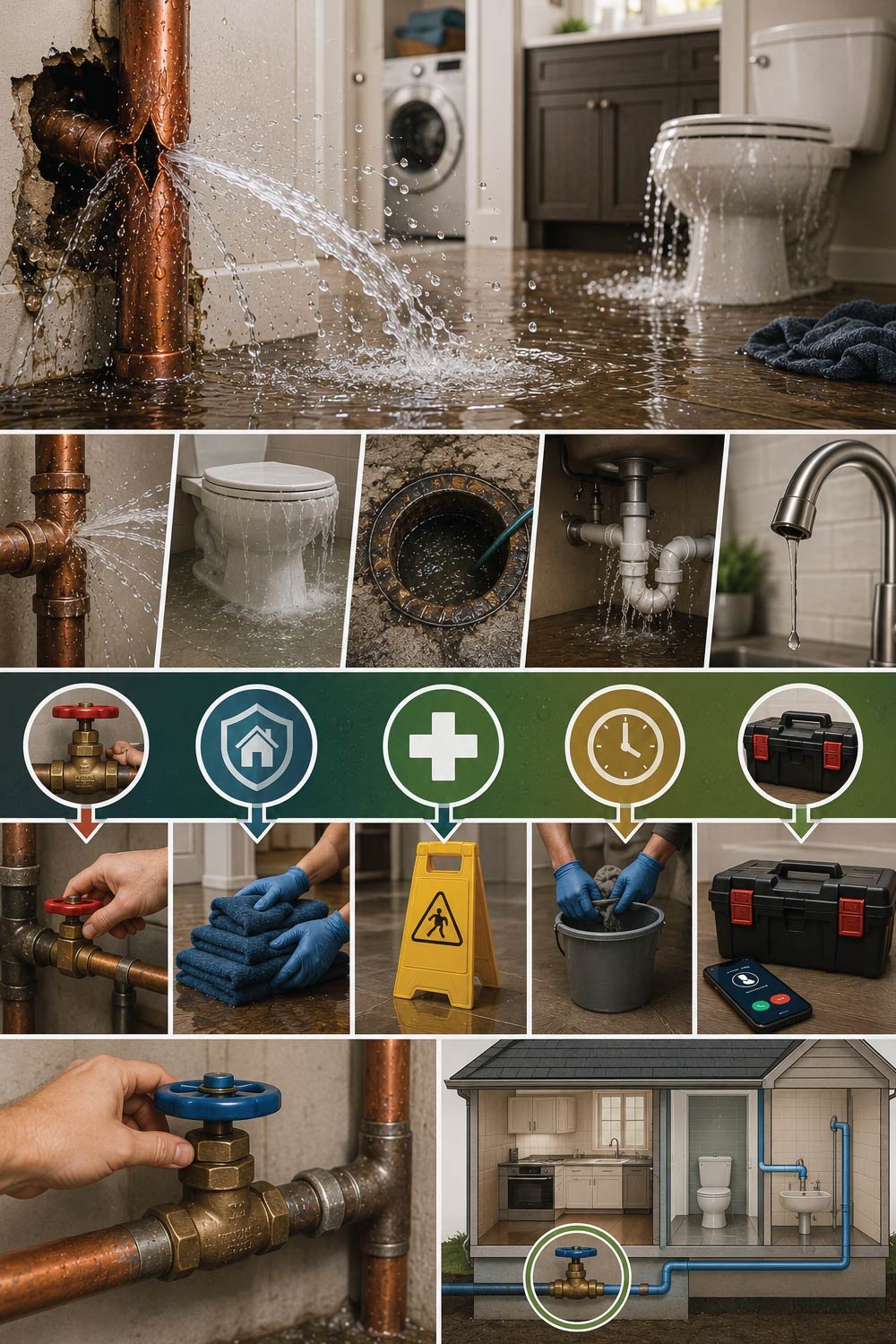
A plumbing emergency is any issue that causes active water damage, creates health hazards, or prevents essential water use. Examples include burst pipes, overflowing toilets, sewage backups, major leaks, and complete water loss. These problems require immediate action, even if a plumber is not instantly available.
Key Priorities During a Plumbing Emergency
During a plumbing emergency, the main focus should always be on minimizing damage, protecting occupants, and stabilizing the situation until professional help arrives. Acting quickly and calmly can significantly reduce long-term repair costs and prevent further complications.
The key priorities during any plumbing emergency are:
- Stop or control the water flow
- Reduce damage to property
- Maintain safety and hygiene
- Buy time until professional repair is possible
Preparing Before a Plumbing Emergency Occurs
Being prepared before a plumbing emergency happens can make a critical difference in limiting damage and stress. Knowing basic emergency steps and system locations allows faster response and better control during unexpected situations.
Before any emergency occurs, it is wise to locate your main water shut-off valve and learn how it works. This single step can prevent thousands of dollars in damage.
First Step in Any Plumbing Emergency: Shut Off the Water
In any plumbing emergency involving leaks or flooding, immediately shutting off the water supply is the most critical first step to prevent further damage. Acting quickly helps limit water spread, reduces repair costs, and protects your home from structural and electrical hazards.
When water is leaking or flooding, your first action should almost always be turning off the water supply. Most homes have a main shut-off valve located near where the water line enters the house, often in a basement, crawl space, garage, or utility room.
Turn the valve clockwise to shut off the water. If the issue is isolated to a fixture like a sink or toilet, you can shut off the local valve instead, usually located beneath or behind the fixture.Once the water is off, open a faucet to drain any remaining pressure from the pipes.
Emergency Fix for Burst or Leaking Pipes
Burst or leaking pipes represent one of the most severe plumbing emergencies because they can release large volumes of water in a very short time. These situations commonly occur due to freezing temperatures, aging pipe materials, corrosion buildup, or sudden spikes in water pressure that weaken the pipe structure.
What to Do Immediately
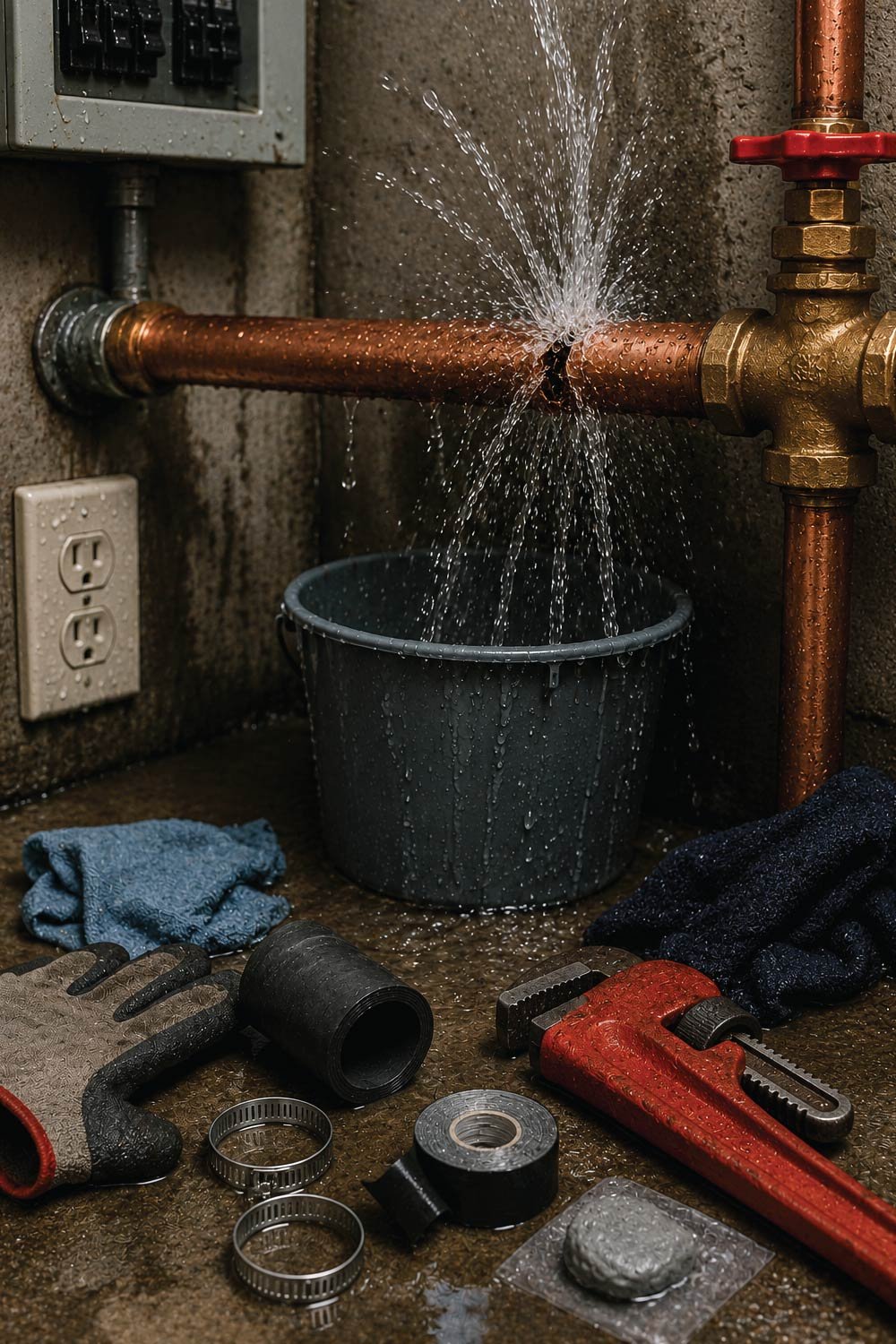
Taking fast and correct action immediately after discovering a burst or leaking pipe can greatly reduce water damage and safety risks. The goal is to stop water flow, eliminate electrical danger, and relieve pressure within the plumbing system as quickly as possible.
- Shut off the main water supply
- Turn off electricity in the affected area if water is near outlets
- Drain remaining water by opening nearby faucets
Temporary Fixes You Can Apply
Temporary pipe repairs are useful for slowing or stopping leaks until professional plumbing service is available. These short-term solutions help control water damage but are not permanent repairs and should only be used as emergency measures.
- Wrap the pipe tightly with rubber (such as from a garden hose) and secure it with hose clamps
- Use plumber’s epoxy putty to seal small cracks or holes
- Apply pipe repair tape as a short-term seal
These solutions are temporary and meant only to stop or slow the leak. A damaged pipe should always be replaced by a professional plumber.
Fixing an Overflowing Toilet in an Emergency
An overflowing toilet can quickly lead to unsanitary conditions and water damage if not handled immediately. Fast action helps control the water level, prevents contamination from spreading, and reduces the risk of damage to flooring and bathroom fixtures while keeping the situation manageable until resolved.
An overflowing toilet can cause rapid water damage and contamination. Quick action is essential.
Immediate Steps
Immediate response is critical when a toilet begins to overflow. Acting calmly and following the correct steps can stop further flooding, protect surrounding areas, and minimize health hazards caused by wastewater exposure in the bathroom.
- Remove the toilet tank lid
- Push the flapper valve down to stop water flow
- Shut off the toilet’s water supply valve behind or below the tank
If the Toilet Is Clogged
Clogs deeper in the drain line often require proper tools or professional assistance, as repeated flushing or forceful plunging may worsen the blockage and increase overflow risk.
- Use a plunger with a firm, controlled motion
- Avoid flushing repeatedly, as this can worsen the overflow
- Do not use chemical drain cleaners, as they may damage pipes and worsen blockages
If plunging does not resolve the issue, the blockage may be deeper in the drain line and require professional equipment.
Emergency Solutions for a Clogged Sink or Drain
A completely blocked sink or shower drain can quickly disrupt daily routines, making kitchens or bathrooms unusable, especially in busy households where water usage is frequent. Immediate action helps prevent overflow, bad odors, and further buildup that can worsen the blockage.
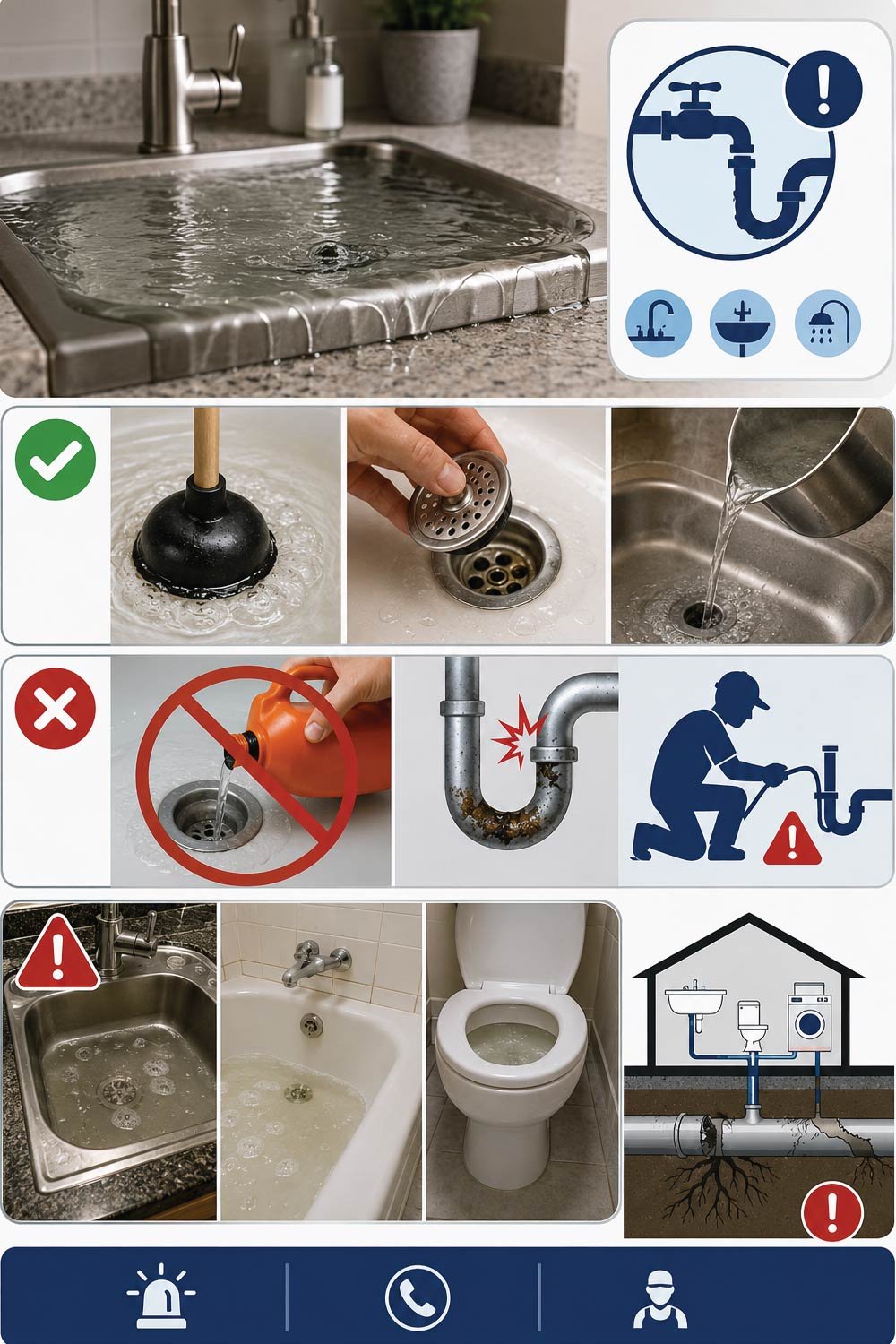
A completely blocked sink or shower drain can render bathrooms or kitchens unusable, especially in busy households.
Quick Fixes to Try
Simple, safe techniques can often provide temporary relief by loosening minor blockages or restoring partial water flow until a proper cleaning or repair is done.
Use a plunger designed for sinks or tubs
Remove and clean the drain stopper if accessible
Pour hot (not boiling) water down the drain to loosen grease buildup
Avoid Chemical Drain Cleaners
Chemical drain cleaners may seem like a fast solution, but during emergencies they can create additional risks, including pipe corrosion and increased difficulty for later professional repairs.Avoid chemical drain cleaners during emergencies. They can damage pipes and make professional repairs more dangerous.
Warning for Multiple Drain Blockages
When more than one drain is clogged at the same time, it often indicates a deeper issue within the main sewer line. This situation should be treated as a serious plumbing emergency requiring immediate professional inspection and specialized equipment.If multiple drains are clogged at once, this may indicate a main sewer line problem, which is a serious emergency requiring immediate professional help.
Handling a Water Heater Emergency
A water heater emergency can involve sudden leaks, complete loss of hot water, or serious safety hazards related to gas or electricity. Quick response is important to reduce the risk of flooding, equipment damage, and potential injury while keeping the system under control until professional help is available.
Water heater failures can involve leaks, loss of hot water, or even potential safety risks.
If Your Water Heater Is Leaking
When a water heater starts leaking, immediate action is necessary to prevent water damage and reduce pressure inside the tank. Shutting off key connections helps control the situation and limits further leakage.
- Turn off the cold water supply to the heater
- Shut off power (electricity or gas) to the unit
- Drain the tank if possible to reduce leaking
If There Is No Hot Water
A loss of hot water does not always mean major failure. Often, the issue can be traced to simple electrical, gas, or thermostat-related settings that can be checked safely during an emergency.
- Check the thermostat setting
- For electric heaters, check the circuit breaker
- For gas heaters, ensure the pilot light is on
Safety Warning
Water heaters involve high temperatures, pressure systems, and sometimes gas connections, making them dangerous to repair without proper training. Attempting major repairs during an emergency can lead to serious injury or significant property damage.Never attempt major repairs on a water heater during an emergency. Improper handling can cause serious injury or property damage.
What to Do During a Sewer Backup
A sewer backup is one of the most dangerous plumbing emergencies because it involves highly contaminated wastewater that can spread quickly through living spaces, creating serious health risks, strong odors, and potential structural damage if not managed immediately with strict safety precautions and fast professional intervention.
Immediate actions:
Immediate actions are critical in a sewer backup situation because the priority is to prevent exposure, stop further contamination, and reduce water usage in the home while ensuring that no one comes into contact with hazardous sewage water until the issue is fully controlled and assessed.
- Stop using all water in the home
- Keep people and pets away from affected areas
- Avoid direct contact with sewage water
Professional intervention is required for sewer backup situations due to contamination risk, equipment needs, and health hazards that make DIY solutions unsafe and ineffective in all cases.There are no safe DIY fixes for sewer backups. This situation requires professional equipment and expertise. Attempting to fix it yourself can worsen contamination and damage.
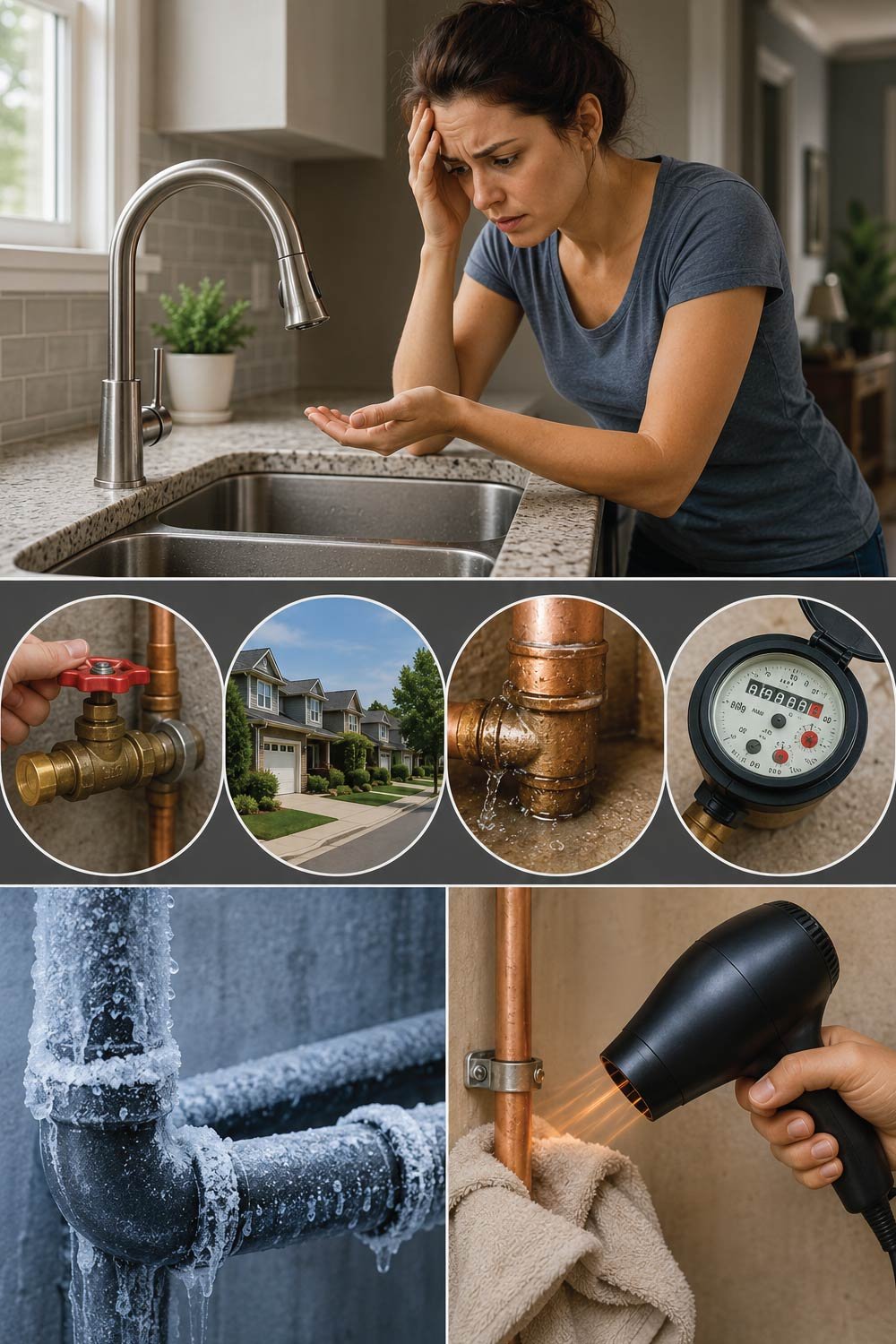
Essential Emergency Plumbing Tools to Keep at Home
Having a basic emergency plumbing kit readily available at home can significantly reduce damage during unexpected leaks, clogs, or fixture failures by allowing you to respond quickly before the situation worsens or requires more extensive professional repairs.
Having a basic emergency plumbing kit can make a huge difference. Consider keeping the following items on hand:
- Plunger (toilet and sink types)
- Adjustable wrench
- Pipe repair tape
- Plumber’s epoxy putty
- Bucket and towels
- Flashlight
These tools can help you manage emergencies effectively while waiting for professional help.
Common Mistakes to Avoid During Plumbing Emergencies
During stressful plumbing emergencies, it is common to take rushed actions that may unintentionally worsen the issue, increase water damage, or make later repairs more complicated and costly.
Avoid:
- Ignoring small leaks that can quickly escalate
- Using chemical drain cleaners during severe clogs
- Applying excessive force to valves or fittings
- Attempting complex repairs without proper knowledge
When in doubt, focus on stopping the water and minimizing damage rather than fixing the problem completely.
Also Read:
Plumbing Repair at Home DIY: A Practical Guide for Homeowners
When to Call a Professional Plumber Immediately
While temporary fixes can help control damage, certain plumbing emergencies are too serious or complex to handle safely without professional tools, training, and immediate intervention.
While temporary fixes are useful, certain situations require immediate professional intervention:
- Burst or severely damaged pipes
- Sewer line backups
- Water heater leaks involving gas or electricity
- Flooding that cannot be controlled by shut-off valves
Emergency plumbers have specialized tools and experience that homeowners do not, and delaying professional help can lead to higher repair costs.
Preventing Future Plumbing Emergencies
Preventing plumbing emergencies through regular maintenance, inspections, and responsible usage habits is the most effective way to avoid costly repairs, water damage, and unexpected disruptions in the home.
Prevention is the best long-term strategy. Regular maintenance can significantly reduce the risk of emergencies.
Helpful preventive steps include:
- Insulating pipes in cold areas
- Scheduling routine plumbing inspections
- Avoiding flushing non-degradable items
- Monitoring water pressure levels
- Replacing old or corroded pipes
Small proactive measures can save thousands of dollars and countless headaches.
Also Read:
Final Thoughts
Plumbing emergencies are stressful, but they do not have to be catastrophic. By knowing how to shut off water, apply temporary fixes, and recognize when professional help is necessary, you can protect your home and minimize damage.
Emergency plumbing fixes are about buying time, not replacing professional repairs. Staying calm, acting quickly, and using the right approach can turn a potential disaster into a manageable inconvenience. Preparation, knowledge, and prompt action are your best defenses when plumbing problems strike without warning.