

Arranging furniture in a small bedroom can feel like solving a puzzle. You want comfort, functionality, and style but limited space makes it tricky. The good news is that with smart planning and a few expert strategies, even the smallest bedroom can feel spacious, organized, and inviting.
In this guide, I will walk you through 7 professional ideas to arrange furniture in a small bedroom, along with real personal experience to help you understand what truly works in everyday life.
1. Start with the Bed Placement First
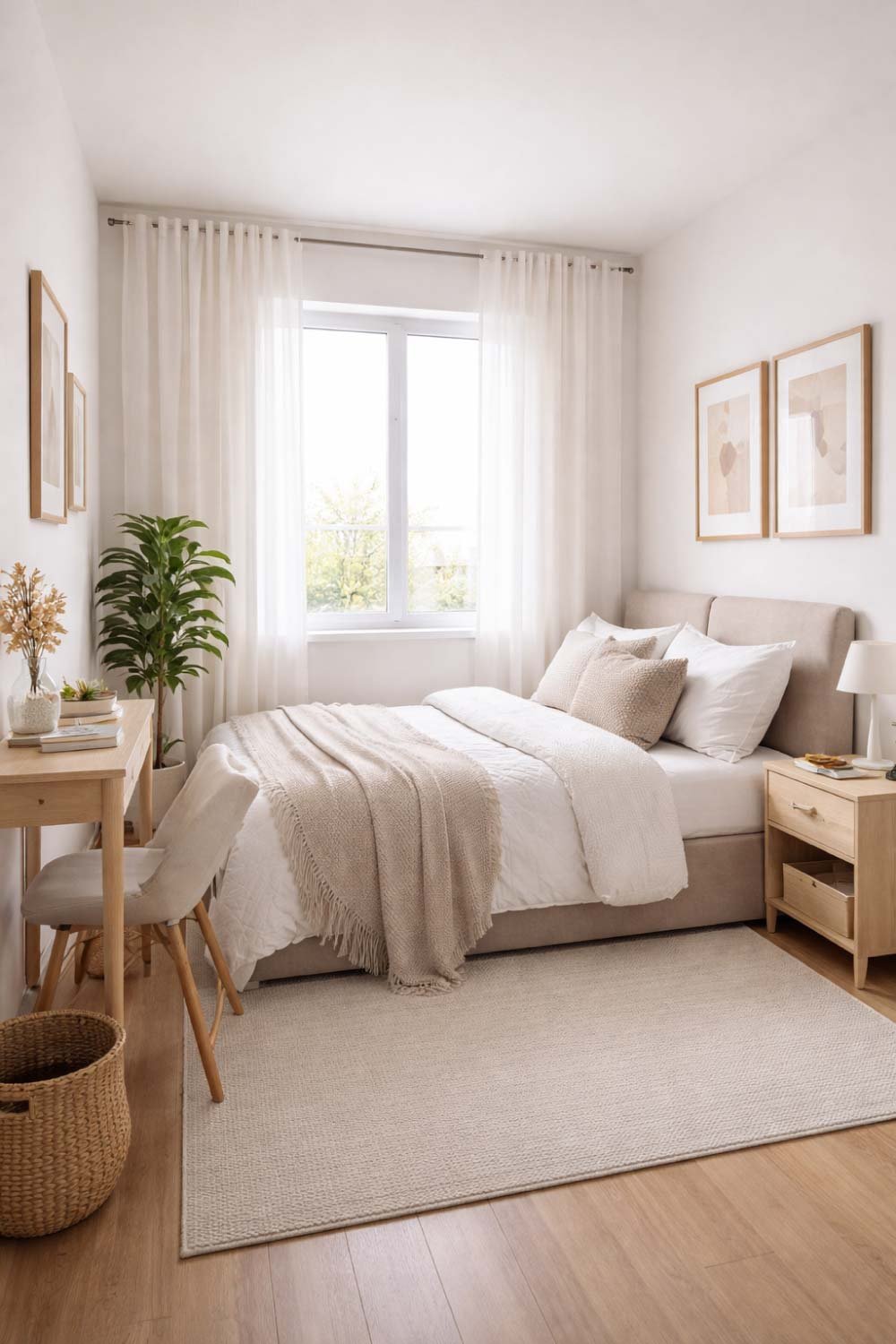
The bed is undeniably the focal point of any bedroom. In a small bedroom, it becomes even more critical because it takes up the majority of the available space. The way you position your bed will directly impact how functional, comfortable, and visually appealing your room feels.
When working with limited square footage, every inch matters. Unlike larger bedrooms where you have flexibility, small spaces require intentional decisions. Placing your bed correctly is the foundation of a well-organized room. Once the bed is in the right spot, arranging the rest of the furniture becomes much easier and more logical.
Why Bed Placement Matters So Much
Think of your bedroom as a puzzle. The bed is the biggest piece, and everything else must fit around it. If you place it incorrectly, you’ll struggle to fit in other essentials like a wardrobe, desk, or even a simple nightstand.
A poorly positioned bed can:
- Block natural light
- Interrupt walking paths
- Make the room feel cramped
- Limit storage options
On the other hand, smart bed placement can instantly make your room feel larger, brighter, and more functional.
Pro Tip: Use the Longest Wall
One of the most effective strategies is to position your bed against the longest wall in the room. This creates a sense of balance and leaves more open space for movement.
If your room is extremely small, consider pushing one side of the bed against the wall. While this may limit access from both sides, it significantly increases usable floor space.
Things to Consider
1. Avoid Blocking Windows
Natural light plays a huge role in making a small room feel open and airy. Placing your bed in front of a window can block sunlight and make the space feel darker and more confined.
If you have no other option, try using low-profile headboards or sheer curtains to allow light to flow through.
2. Leave at Least One Accessible Side
Even in tight spaces, it’s important to maintain some level of accessibility. Having at least one open side of the bed makes it easier to get in and out, change bedding, and clean the room.
3. Keep Clear Walking Paths
One of the biggest mistakes people make is cramming furniture around the bed. Always ensure there’s a clear path from:
- Door to bed
- Bed to wardrobe
- Bed to window
This improves both functionality and comfort.
4. Consider Door Swing and Layout
Make sure your bed doesn’t block the door or interfere with how it opens. A blocked entrance can make the room feel even smaller and less practical.
5. Think About Visual Balance
Even in a small room, aesthetics matter. Try to create a sense of symmetry where possible, especially if your bed is visible as soon as you enter the room.
Creative Bed Placement Ideas
- Corner placement: Great for extremely small rooms
- Against the wall: Maximizes floor space
- Under a window: Works if done carefully
- Loft bed: Ideal for vertical space usage
My Experience
In my small bedroom, I initially placed my bed right in the center because I thought it would create a balanced and stylish look. But in reality, it made the room feel tight and difficult to move around in.
Every time I walked in, I felt like I had to squeeze past furniture. Cleaning became harder, and the space felt cluttered even when it wasn’t.
Eventually, I decided to push the bed against the wall. The difference was immediate. I suddenly had more walking space, and the room felt much more open and breathable. It also gave me extra room to add a small desk without making the space feel crowded.
That one simple change completely transformed how my bedroom looked and functioned.
Also Read:
2. Use Multi-Functional Furniture
When you’re dealing with a small bedroom, efficiency is everything. You simply can’t afford to fill your space with single-purpose furniture. That’s where multi-functional furniture becomes a game changer.
The idea is simple: every piece of furniture should do more than one job. This approach helps you save space, reduce clutter, and maintain a clean, organized environment.
Why Multi-Functional Furniture Is Essential
In a compact room, adding more furniture isn’t always an option. Instead of increasing quantity, focus on increasing functionality.
Multi-functional furniture helps you:
- Maximize storage
- Reduce clutter
- Save floor space
- Improve organization
- Maintain a minimalist look
It’s one of the smartest ways to make a small bedroom feel bigger without actually increasing its size.
Great Multi-Functional Furniture Options
1. Beds with Storage Drawers
These beds come with built-in drawers underneath, perfect for storing clothes, bedding, or seasonal items.
2. Ottoman with Hidden Storage
An ottoman can serve as a seat, footrest, and storage unit all in one.
3. Foldable or Wall-Mounted Desks
These desks can be folded away when not in use, freeing up valuable floor space.
4. Sofa Beds
Ideal for studio apartments or shared rooms, sofa beds serve as seating during the day and a bed at night.
5. Storage Benches
Placed at the foot of the bed, these provide seating and extra storage.
How to Choose the Right Pieces
When selecting multi-functional furniture, consider:
- Your daily needs: What do you use most?
- Available space: Measure carefully before buying
- Ease of use: Choose items that are simple to operate
- Design: Go for styles that match your room
Avoid overly complicated designs that are difficult to use or maintain.
Decluttering Benefits
One of the biggest advantages of multi-functional furniture is that it naturally reduces clutter. When everything has a designated place, your room stays cleaner and more organized.
Instead of having separate furniture for storage, seating, and sleeping, you combine these functions into fewer pieces.
My Experience
Switching to multi-functional furniture completely transformed my bedroom.
Before, I had a standard bed and a bulky wardrobe that took up too much space. My room always felt crowded, and I struggled to keep things organized.
Then I upgraded to a storage bed with built-in drawers. It was a total game changer.
I started storing seasonal clothes, extra blankets, and even shoes under the bed. This allowed me to get rid of unnecessary furniture and free up a significant amount of space.
The room instantly felt cleaner, more open, and much easier to manage. It also reduced visual clutter, which made the space feel more relaxing.
Now, I always prioritize functionality when choosing furniture—and it has made a huge difference.
Also Read:
3. Keep Furniture Proportional to Room Size
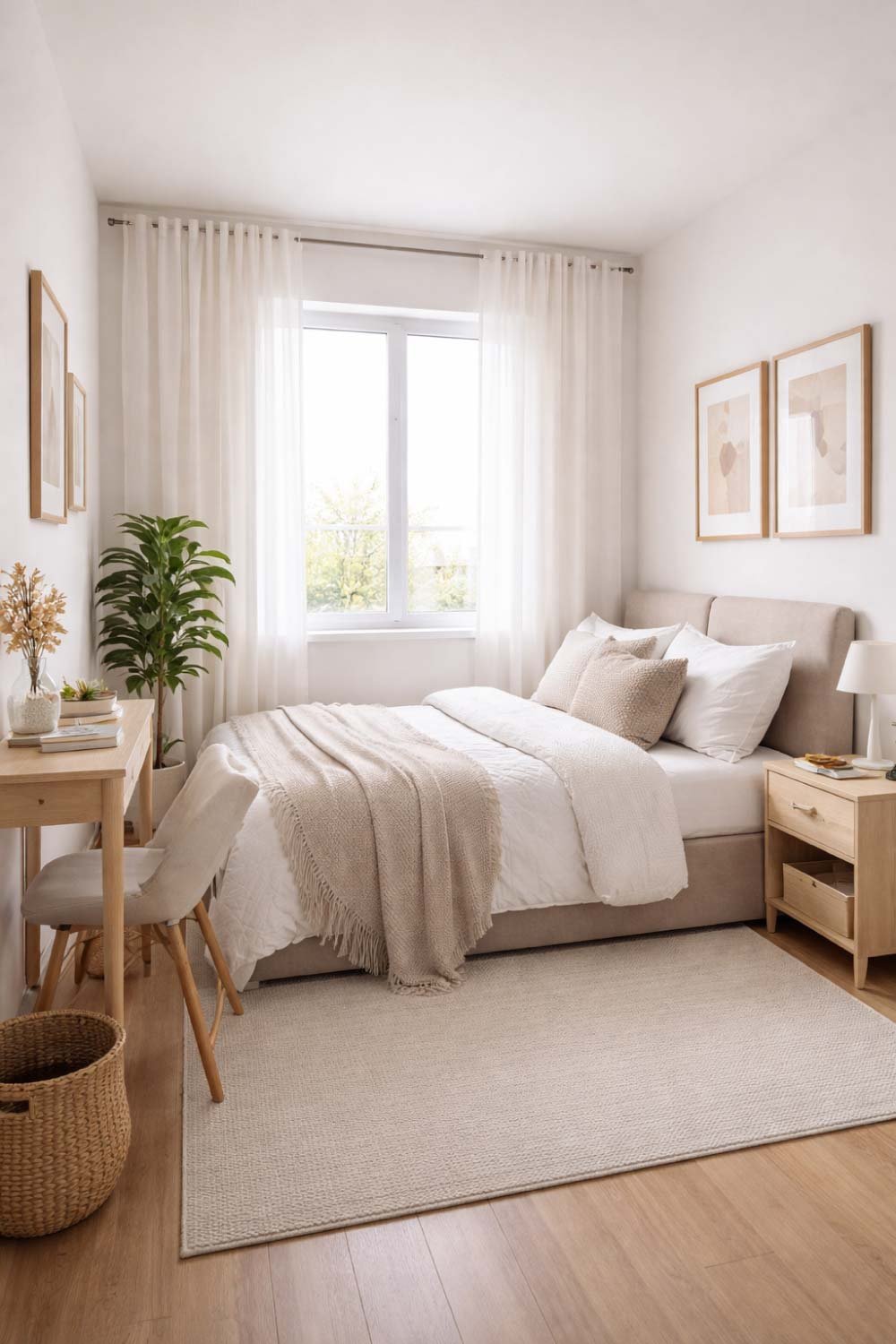
One of the most common mistakes people make in small bedrooms is choosing furniture that is too large. Oversized pieces can quickly overwhelm the space, making it feel cramped and uncomfortable.
The key is to maintain proportion. Your furniture should complement the size of your room, not dominate it.
Why Proportion Matters
In a small bedroom, balance is everything. Large furniture can:
- Block movement
- Reduce usable space
- Make the room feel crowded
- Disrupt visual harmony
On the other hand, properly scaled furniture creates a sense of openness and flow.
Smart Furniture Choices
1. Slim Bedside Tables
Instead of bulky nightstands, opt for narrow or floating options.
2. Compact Wardrobes
Choose wardrobes that fit your needs without taking over the room.
3. Narrow Desks
A slim desk can provide functionality without occupying too much space.
4. Low-Profile Beds
Beds closer to the ground create the illusion of higher ceilings.
5. Minimalist Designs
Simple, clean designs make the room feel less crowded.
Tips for Maintaining Proportion
- Measure your room before buying furniture
- Leave space between pieces
- Avoid heavy, dark furniture
- Choose light colors and simple designs
- Prioritize essential items only
Visual Tricks to Enhance Space
- Use mirrors to create depth
- Keep furniture legs visible (adds openness)
- Stick to a consistent color palette
- Avoid over-decorating
My Experience
I learned this lesson the hard way.
At one point, I bought a large wooden desk thinking it would be perfect for work and storage. But once I placed it in my bedroom, it completely dominated the space.
The room felt tight, cluttered, and uncomfortable. Moving around became difficult, and the overall vibe was overwhelming.
Eventually, I replaced it with a slim, wall-mounted desk. The difference was incredible.
Not only did I gain more floor space, but the room also felt lighter and more organized. It improved both the functionality and the appearance of my bedroom.
Since then, I always focus on proportion when choosing furniture—and it has made my space much more enjoyable to live in.
Also Read:
How to Fix Sliding Closet Doors in Bedrooms: The Complete Repair Guide
4. Maximize Vertical Space
When you’re working with a small bedroom, one of the smartest strategies is to stop thinking horizontally and start thinking vertically. Floor space may be limited, but your walls hold untapped potential.
By using vertical space effectively, you can add storage, style, and functionality—without making your room feel crowded.
Why Vertical Space Matters
Most people focus only on what fits on the floor, but in small bedrooms, that approach quickly leads to clutter. The more items you place on the ground, the tighter the room feels.
Using vertical space allows you to:
- Keep the floor clear
- Create more storage
- Improve organization
- Add visual height to the room
It also makes your bedroom feel taller and more open, which is a huge advantage in compact spaces.
Smart Ways to Use Vertical Space
1. Install Wall Shelves
Wall shelves are one of the easiest and most effective solutions. They can be installed above your bed, desk, or even near the ceiling.
Use them for:
- Books
- Decorative items
- Storage baskets
- Everyday essentials
2. Use Tall Wardrobes
Instead of wide, bulky wardrobes, go for tall, slim designs that extend upward. This maximizes storage without taking up extra floor space.
3. Hang Hooks or Wall Racks
Hooks are perfect for hanging:
- Bags
- Jackets
- Accessories
They’re simple, affordable, and incredibly useful.
4. Add Floating Nightstands
Floating nightstands free up floor space while still providing a place for essentials like your phone, lamp, or book.
5. Use Over-the-Door Storage
Don’t overlook the back of your door. Hanging organizers can store shoes, accessories, or small items.
Design Tips for Vertical Space
- Keep shelves organized to avoid a cluttered look
- Use matching storage boxes for a clean appearance
- Avoid overloading walls—balance is key
- Place frequently used items within easy reach
My Experience
Adding wall shelves above my bed was a complete game changer.
Before that, my desk was always cluttered with books, small decor pieces, and random items. It made the room feel messy, even when I tried to organize it.
Once I installed a couple of simple wall shelves, everything changed. I moved my books and decorative items up onto the shelves, which instantly cleared my desk.
The room felt more open, organized, and visually appealing. Plus, the shelves added a stylish touch without taking up any floor space.
It’s one of the simplest upgrades I’ve made—and one of the most effective.
Also Read:
5. Create Clear Pathways
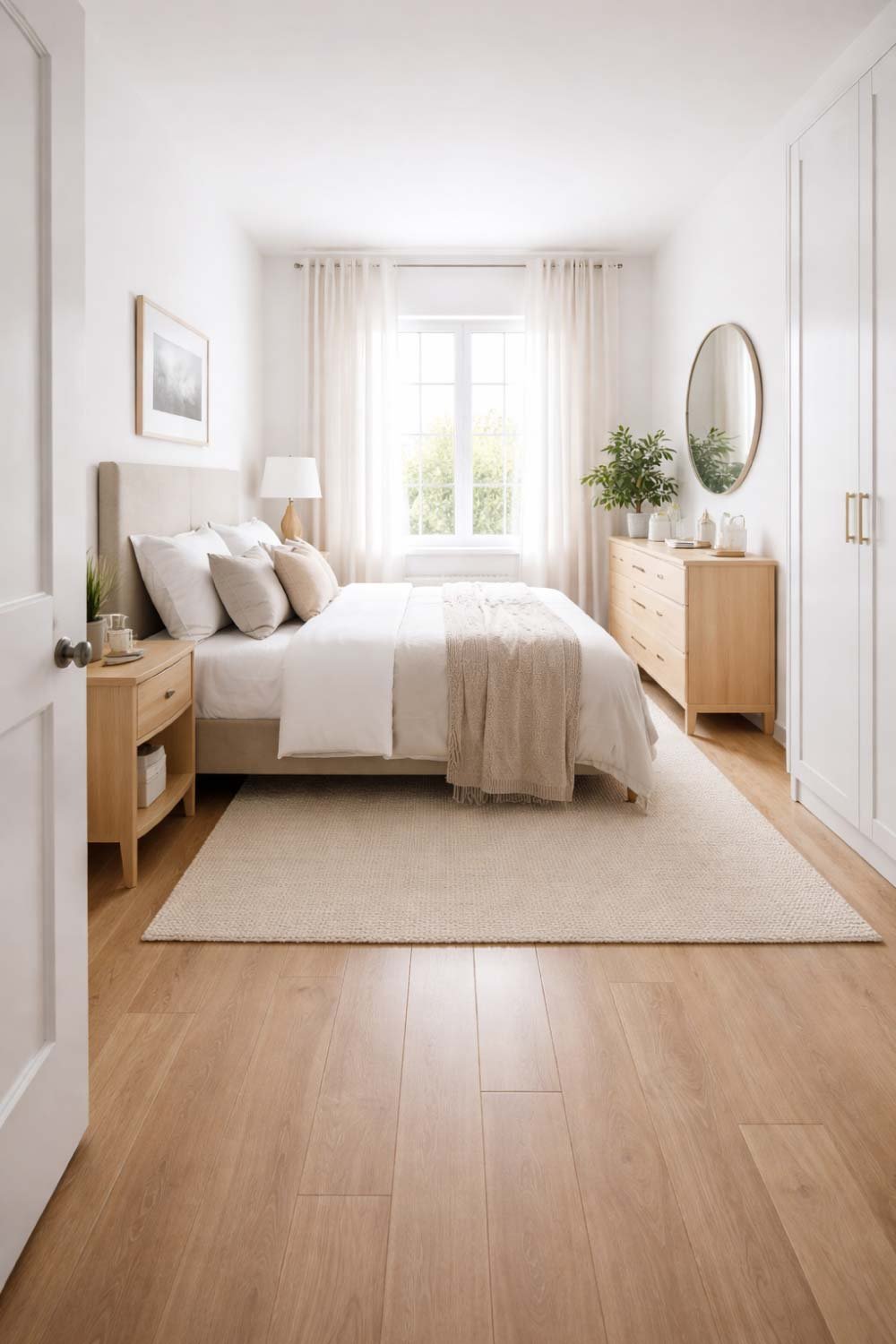
A small bedroom should feel easy to move around in. Unfortunately, one of the most common mistakes people make is blocking natural walking paths with furniture or decor.
Even a well-decorated room can feel uncomfortable if movement is restricted.
Why Pathways Are Important
Clear pathways are essential for both functionality and comfort. When your movement is smooth and uninterrupted, your room feels:
- More spacious
- More organized
- Easier to use daily
- Less stressful
On the other hand, tight or blocked pathways can make your room feel cramped—even if it’s clean.
Rule of Thumb for Small Bedrooms
Always ensure there’s a clear path between key areas:
- Door → Bed
- Bed → Wardrobe
- Bed → Window
These are your primary movement zones, and they should remain unobstructed.
Common Mistakes to Avoid
- Placing furniture in walkways
- Adding unnecessary chairs or decor
- Overcrowding the foot of the bed
- Ignoring door clearance
Even small obstacles can disrupt the flow of the room.
How to Improve Movement
1. Keep It Simple
Only include furniture you truly need. Extra pieces often create unnecessary barriers.
2. Arrange Furniture Along Walls
This helps keep the center of the room open and easy to navigate.
3. Leave Breathing Room
Even a few inches of extra space can make a big difference.
4. Test Your Layout
Walk around your room after arranging furniture. If it feels tight, adjust it.
My Experience
I used to keep a chair at the foot of my bed. At first, it seemed like a good idea—it looked nice and felt functional.
But in reality, it constantly got in the way.
Every time I moved around the room, I had to step around it. It made the space feel smaller and more frustrating to use.
Eventually, I removed the chair—and the difference was immediate.
The room felt more open, movement became easier, and everything just worked better. Now, I make it a rule to keep my main walking paths completely clear.
It’s a small change that has a big impact on daily comfort.
6. Use Corners Efficiently
Corners are often overlooked in bedroom design, especially in small spaces. But when used correctly, they can provide valuable storage and functionality without interfering with the rest of the room.
Instead of letting corners sit empty, turn them into purposeful areas.
Why Corners Matter
In a small bedroom, every inch counts—including corners.
Using corners effectively helps you:
- Maximize unused space
- Reduce clutter in other areas
- Improve organization
- Add functionality without crowding
Smart Corner Ideas
1. Corner Shelves
Perfect for books, decor, or small storage items. They fit neatly without taking up much room.
2. Small Corner Desks
Ideal for creating a compact workspace without occupying central space.
3. Floor Lamps
A tall lamp in the corner provides lighting without needing a table.
4. Storage Baskets
Great for storing blankets, laundry, or miscellaneous items.
5. Corner Wardrobes
If space allows, a corner wardrobe can maximize storage in an otherwise unused area.
Design Tips for Corners
- Keep it simple—don’t overcrowd the corner
- Match the design with the rest of the room
- Use vertical elements to enhance space
- Prioritize functionality over decoration
My Experience
For a long time, the corners of my bedroom were completely unused. They just collected dust and didn’t serve any purpose.
Eventually, I decided to add a small corner shelf unit.
I started using it to store my daily essentials—things like books, chargers, and small accessories that were previously scattered across my room.
The result was amazing.
Not only did it free up space elsewhere, but it also made my room feel more organized and intentional. That one small change helped me use my space much more efficiently.
Now, I always look at corners as an opportunity rather than wasted space.
Also Read:
7. Keep It Minimal and Clutter-Free
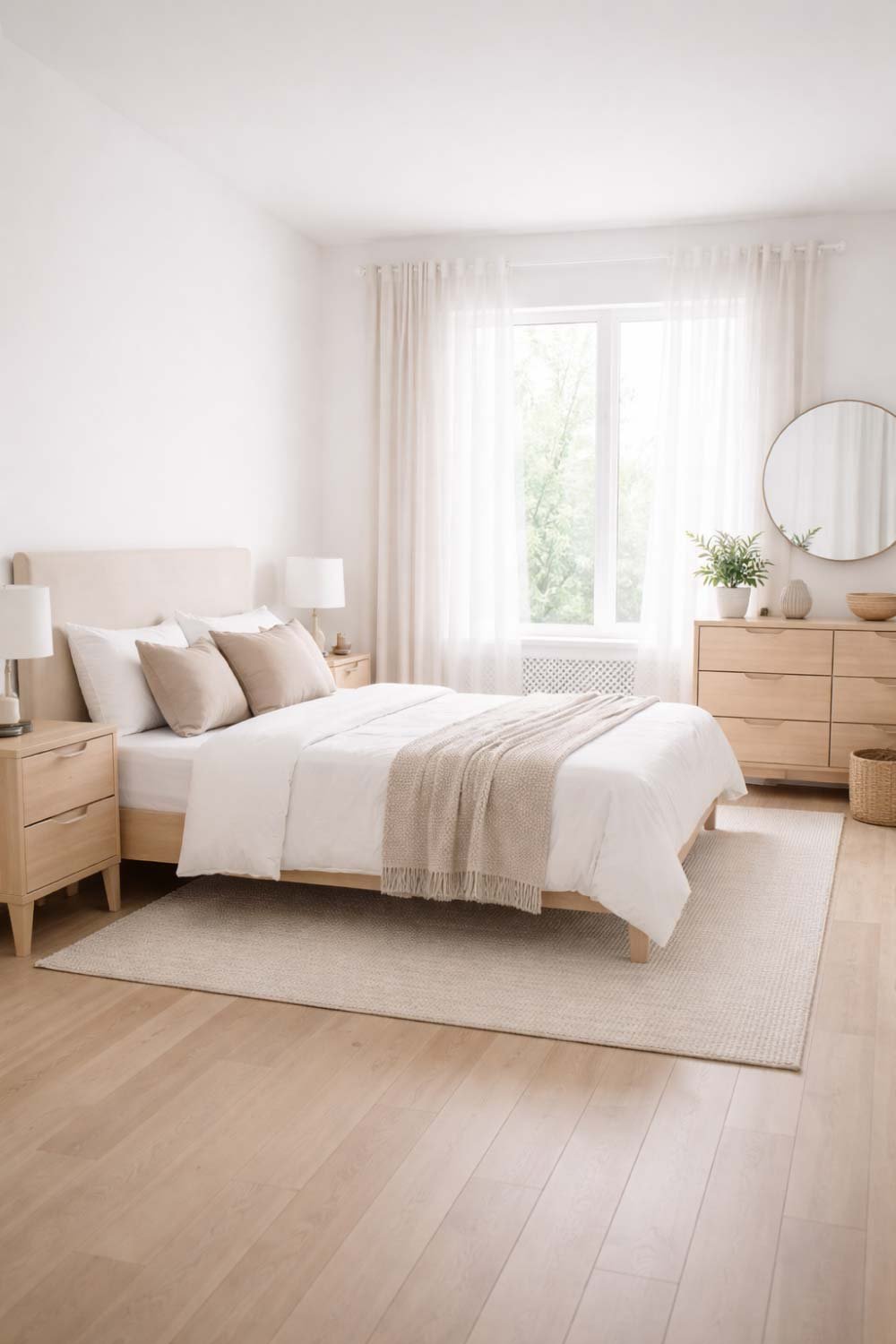
When it comes to small bedrooms, simplicity is key. The more items you have, the more crowded the space will feel.
Minimalism isn’t about having nothing—it’s about keeping only what truly adds value to your space.
Why Minimalism Works
A cluttered room can feel overwhelming and stressful. In a small bedroom, this effect is even stronger.
Keeping things minimal helps:
- Create a sense of calm
- Make the room feel larger
- Improve organization
- Reduce visual noise
Practical Minimalism Tips
1. Limit Decorative Items
Choose a few meaningful pieces instead of filling every surface.
2. Keep Surfaces Clean
Avoid piling items on your desk, nightstand, or bed.
3. Store Unused Items Away
If you don’t use something regularly, store it out of sight.
4. Stick to Essentials
Only keep furniture and items that serve a clear purpose.
5. Use a Simple Color Palette
Neutral tones can make the room feel more open and cohesive.
Decluttering Strategy
- Start with one area at a time
- Remove items you don’t need
- Organize what remains
- Maintain the habit regularly
Minimalism is not a one-time task—it’s an ongoing mindset.
My Experience
I used to decorate my room with everything I liked—photo frames, accessories, random decor pieces, and more.
At first, it looked great. But over time, it started to feel overwhelming.
There was too much going on visually, and the room began to feel smaller and more chaotic.
Eventually, I decided to simplify.
I removed most of the items and kept only a few meaningful pieces. I cleared my surfaces and focused on keeping things organized.
The transformation was incredible.
The room instantly felt calmer, more spacious, and more relaxing. It became a place where I could truly unwind.
Now, I follow a “less is more” approach—and it has made my small bedroom feel much bigger and better.
Also Read:
How to Fix a Hole in a Bedroom Door: The Complete Step-by-Step Guide
Bonus Tips for Better Arrangement
Use Light Colors
Light-colored furniture and walls make a small room feel bigger and brighter.
Add Mirrors
Mirrors reflect light and create the illusion of more space.
Choose Furniture with Legs
Raised furniture creates a sense of openness compared to bulky pieces that sit directly on the floor.
Keep Natural Light Flowing
Avoid blocking windows with large furniture. Natural light makes a huge difference in how spacious a room feels.
Also Read:
Final Thoughts
Arranging furniture in a small bedroom doesn’t have to be stressful. With the right approach, you can create a space that feels open, functional, and comfortable.
Key takeaways:
- Prioritize bed placement
- Use multi-functional furniture
- Keep everything proportional
- Think vertically
- Maintain clear pathways
- Utilize corners
- Keep things minimal
My Final Experience:
After experimenting with different layouts over time, I realized that small changes can make a big difference. The moment I focused on functionality instead of trying to fit everything in, my bedroom transformed into a much more relaxing and enjoyable space.