
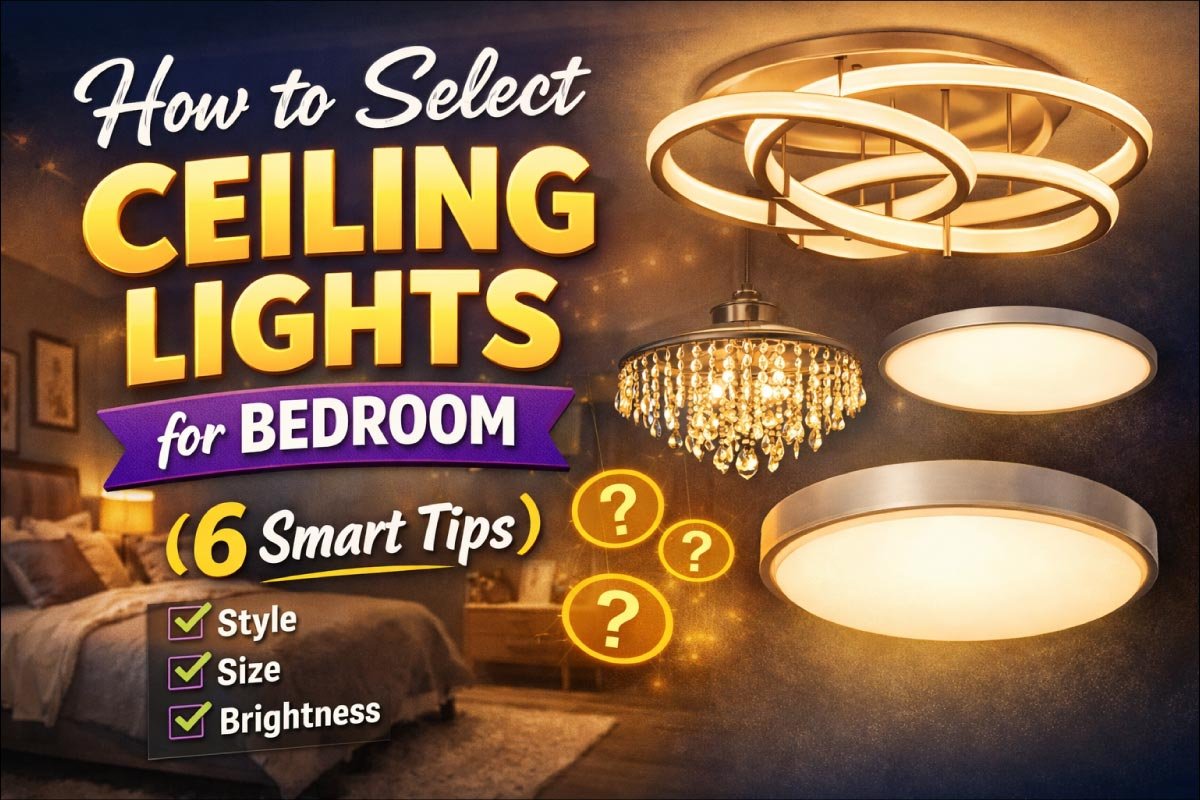
Choosing the perfect ceiling lights for your bedroom might seem like a simple task, but it’s actually more nuanced than many people realize. The right lighting can transform your bedroom from a purely functional space into a relaxing sanctuary.
It affects your mood, your productivity, and even your sleep quality. Whether you’re renovating, redecorating, or simply upgrading, selecting the right ceiling lights is a decision that requires careful thought.
Here are six smart tips to guide you through the process, along with my personal experience to make the advice practical and relatable.
1. Understand the Types of Ceiling Lights
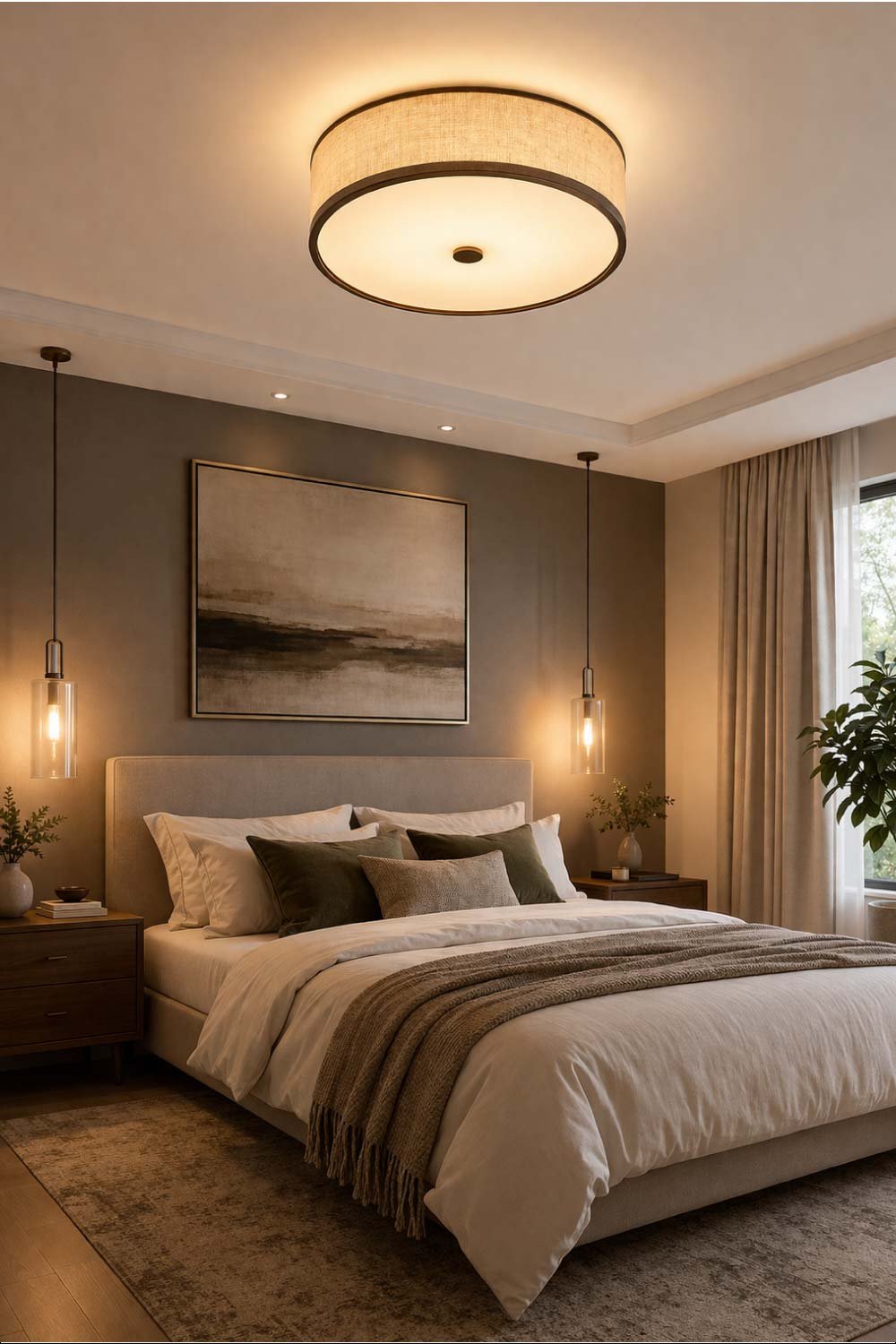
Choosing the right ceiling light is one of the most critical steps in designing a comfortable and visually appealing bedroom. Ceiling lights not only illuminate the space but also set the mood, complement the room’s decor, and can even affect your sense of spatial proportion. Before you make any purchase, it’s essential to understand the different types of ceiling lights, their functions, and which style will suit your bedroom best.
Flush Mount Ceiling Lights
Flush mount lights are designed to sit directly against the ceiling, creating a streamlined and minimalist look. These lights are especially suitable for bedrooms with lower ceilings because they don’t hang down into the room, preventing any feeling of crowding. They often come in a wide range of designs—from sleek, modern domes to intricate, decorative patterns.
Pros:
- Ideal for rooms with low ceilings.
- Provide even, general lighting.
- Often more affordable and easy to install.
Cons:
- Limited decorative impact compared to chandeliers or pendants.
- May not provide focused light for specific tasks.
Personal Experience:
When redecorating my bedroom, I initially selected a semi-flush mount light thinking it would add a stylish element to the space. The room had an 8-foot ceiling, and while the fixture looked modern, it felt imposing over the bed. After switching to a flush mount, the bedroom instantly felt lighter and more spacious, yet it still delivered enough brightness for daily activities.
Semi-Flush Mount Ceiling Lights
Semi-flush mounts hang slightly below the ceiling, offering a balance between form and function. They are perfect for bedrooms where you want more visual interest than a flush mount provides but still need to maintain a sense of openness. Semi-flush mounts often come in creative shapes or with glass shades that diffuse light softly, contributing to the room’s aesthetic appeal.
Pros:
- More decorative than flush mounts.
- Can accommodate larger or multiple bulbs for increased brightness.
- Versatile enough for medium-height ceilings.
Cons:
- May feel too low in rooms with very low ceilings.
- Slightly more expensive than flush mounts.
Tip: When selecting a semi-flush mount, consider the height of the fixture itself plus the space from the ceiling. Ensure it doesn’t interfere with movement or create a visual imbalance over the bed.
Chandeliers
Chandeliers are a statement piece, often reserved for larger bedrooms or master suites. They instantly elevate a room’s elegance, creating a focal point while providing abundant illumination. Modern chandeliers come in countless styles—from minimalist geometric designs to classic crystal arrangements.
Pros:
- Dramatic visual impact.
- Ideal for high ceilings.
- Can serve as both ambient and decorative lighting.
Cons:
- Not suitable for small rooms or low ceilings.
- Require careful selection to ensure proportionality with room size.
- More complex to install and maintain.
Tip: To select the right chandelier size, multiply the room’s width and length in feet, add the numbers, and convert that sum into inches. This number is roughly the ideal diameter of the chandelier. For example, a 14×16-foot bedroom: 14+16=30, meaning a 30-inch diameter chandelier is proportionate.
Personal Experience:
I once considered a chandelier for a standard-sized bedroom. While it would have looked luxurious, the fixture would have hung too low, creating an obstacle when getting in and out of bed. I realized that aesthetics must always meet practicality. Eventually, I chose a smaller flush mount paired with layered lighting for style and function.
Pendant Lights
Pendant lights are versatile fixtures that hang from the ceiling on a cord, chain, or rod. They are ideal for bedside areas, reading corners, or over a small desk. Pendants provide both ambient and task lighting, depending on the design and placement. Many modern pendants also come with adjustable cords, allowing you to set the height according to your needs.
Pros:
- Perfect for task lighting near a bed or workspace.
- Adjustable height for customization.
- Stylish, modern, and available in numerous materials.
Cons:
- May overwhelm small bedrooms if too large.
- Require precise placement to avoid interfering with movement.
Tip: In bedrooms, consider using a pair of pendant lights on either side of the bed instead of bedside lamps. This not only frees up nightstand space but also creates symmetry and visual balance.
2. Consider the Room’s Size and Ceiling Height
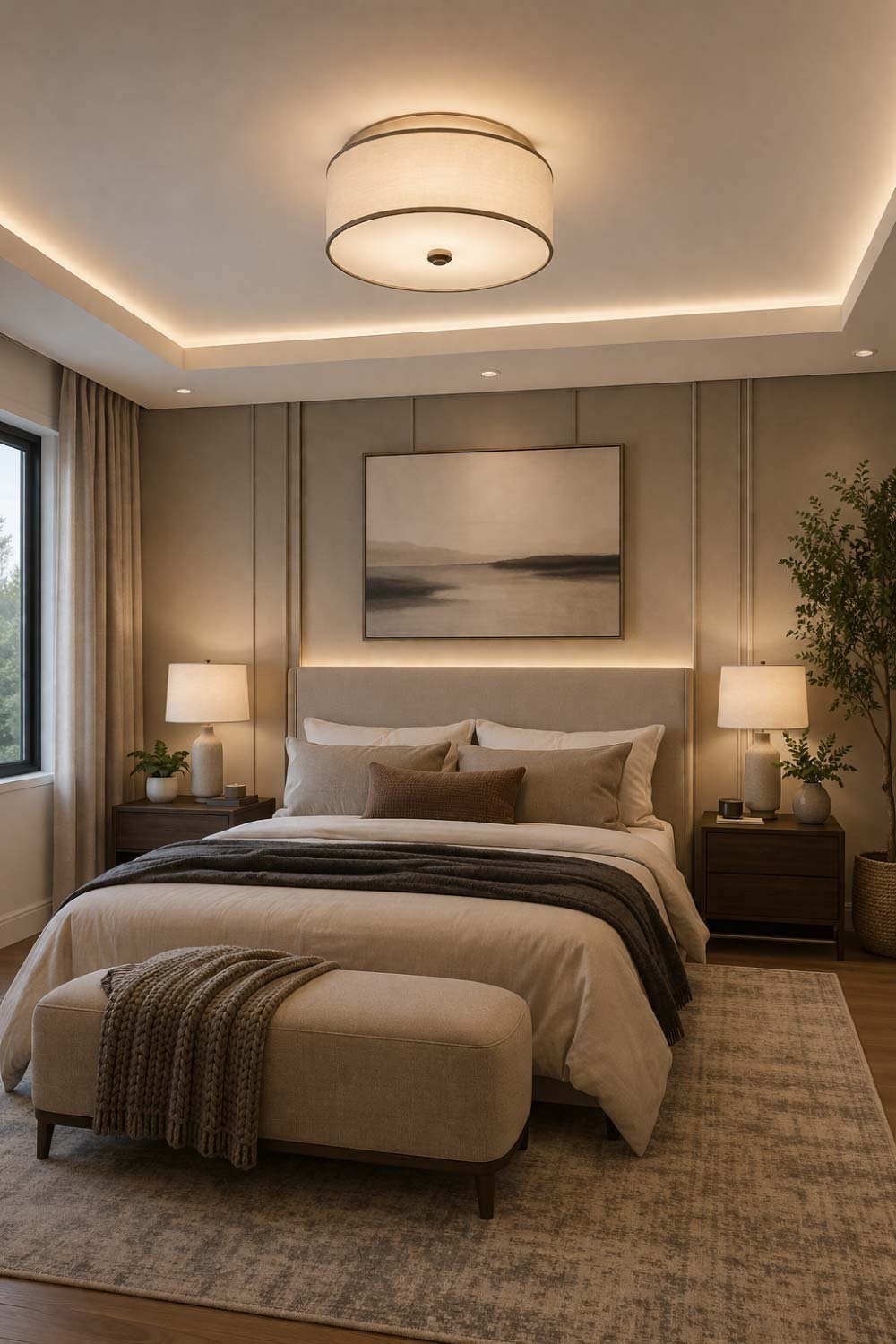
The size of your bedroom and the height of its ceiling play a crucial role in determining the appropriate ceiling light. A fixture that is too large can make a small bedroom feel cramped, while a fixture that is too small can get lost in a spacious room. Matching the scale of the lighting to the space is essential for both functionality and visual appeal.
Room Size Considerations
Start by calculating your room’s square footage. This helps estimate how much light you need. A general guideline is to multiply the square footage by 1.5 to 2 to determine the total lumens required. For example, a 200-square-foot bedroom would need 300–400 lumens per square foot for sufficient brightness.
Small Bedrooms:
- Avoid oversized chandeliers or pendants.
- Choose flush or semi-flush mounts to keep the room feeling open.
- Use compact fixtures with clean lines to create the illusion of space.
Large Bedrooms:
- Can accommodate larger or multiple fixtures.
- Chandeliers or statement pendants become the focal point.
- Consider combining ambient, task, and accent lighting to balance illumination.
Ceiling Height Considerations
Ceiling height affects both the style and placement of your ceiling lights. A low ceiling can feel crowded with hanging fixtures, while a high ceiling can make a small flush mount look lost and ineffective.
Low Ceilings (Under 8 Feet):
- Opt for flush or semi-flush mounts.
- Avoid chandeliers or long pendants that hang too low.
- Keep fixtures simple and unobtrusive to maintain the sense of space.
High Ceilings (Above 8 Feet):
- Chandeliers or pendant lights can create a dramatic, proportional effect.
- Consider multi-tiered lighting or large statement pieces.
- Adjustable pendants allow flexibility if you want to lower light for reading areas.
Personal Experience:
In my 14×16-foot bedroom with an 8-foot ceiling, I initially wanted a chandelier for a luxurious look. However, it would have hung too low and interfered with movement around the bed. I ended up choosing a modern flush mount paired with layered lighting—bedside lamps and LED strips—which perfectly balanced style, function, and proportion.
Tips for Matching Fixture Size to Room
-
Calculate chandelier diameter: Width of the room (ft) + length of the room (ft) = diameter in inches.
-
Height clearance: Leave at least 7 feet of clearance from floor to bottom of hanging fixtures.
-
Proportion: A large bedroom with low ceilings may need multiple smaller fixtures rather than one large fixture.
Additional Consideration:
Color and finish can also affect perception. Dark, heavy fixtures can make a small room feel even smaller, while light or reflective finishes open up the space visually.
Also Read:
3. Prioritize Lighting Layers
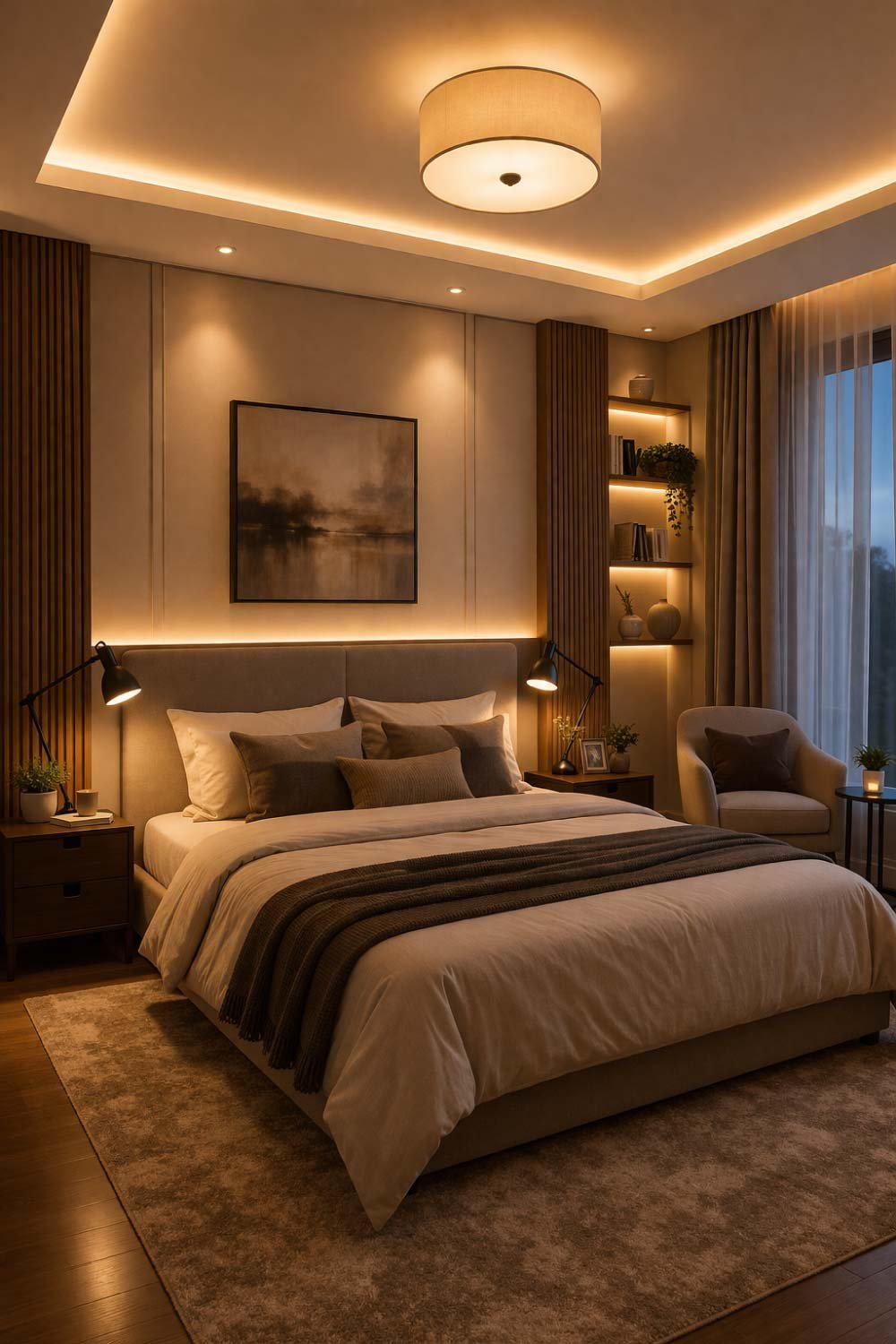
A well-lit bedroom is never achieved by a single ceiling fixture alone. To create a versatile, comfortable, and functional space, you need multiple layers of lighting. Layered lighting combines ambient, task, and accent lighting to meet different needs, moods, and activities throughout the day.
Ambient Lighting
Ambient lighting is the primary source of illumination in your bedroom. It provides overall visibility, allowing you to navigate and use the room safely. Ceiling lights typically serve as the main ambient source.
Tips:
- Choose a fixture that evenly illuminates the entire room.
- Dimmer switches allow you to adjust brightness to suit different times of day.
- Consider the fixture’s color temperature: warmer light (2700–3000K) creates a cozy atmosphere, while cooler light (3500–4000K) is better for active tasks.
Personal Experience:
I installed a bright ceiling fixture in my bedroom, expecting it to suffice for all needs. At night, the light felt harsh, making relaxation difficult. I quickly realized that ambient light alone was not enough to create a comfortable atmosphere.
Task Lighting
Task lighting focuses on specific activities that require more direct illumination, such as reading, working, or applying makeup. In bedrooms, common task lights include bedside lamps, wall sconces, and pendant lights.
Tips:
- Place lamps on bedside tables for reading in bed.
- Adjustable wall sconces near workspaces or reading nooks are ideal.
- Ensure task lighting is bright enough to prevent eye strain but can be dimmed if needed.
Personal Experience:
After my ceiling fixture alone proved too intense, I added task lighting with a pair of adjustable bedside lamps. This allowed me to read comfortably without lighting the entire room, making evening routines much more relaxing.
Accent Lighting
Accent lighting highlights design elements, architectural features, or decorative objects. It can create depth and visual interest in the bedroom. LED strips, uplights, or spotlights are commonly used for accent lighting.
Tips:
- Install LED strips behind headboards or under shelves for subtle glow.
- Use spotlights to highlight artwork, plants, or textured walls.
- Combine accent lighting with dimmers to adjust ambiance.
Personal Experience:
To soften my bedroom’s lighting, I installed dimmable LED strips along the ceiling perimeter. The effect was transformative: harsh overhead light was replaced by a soft, warm glow that enhanced the room’s comfort and made winding down before sleep enjoyable,
Also Read:
4. Match the Style of Your Room
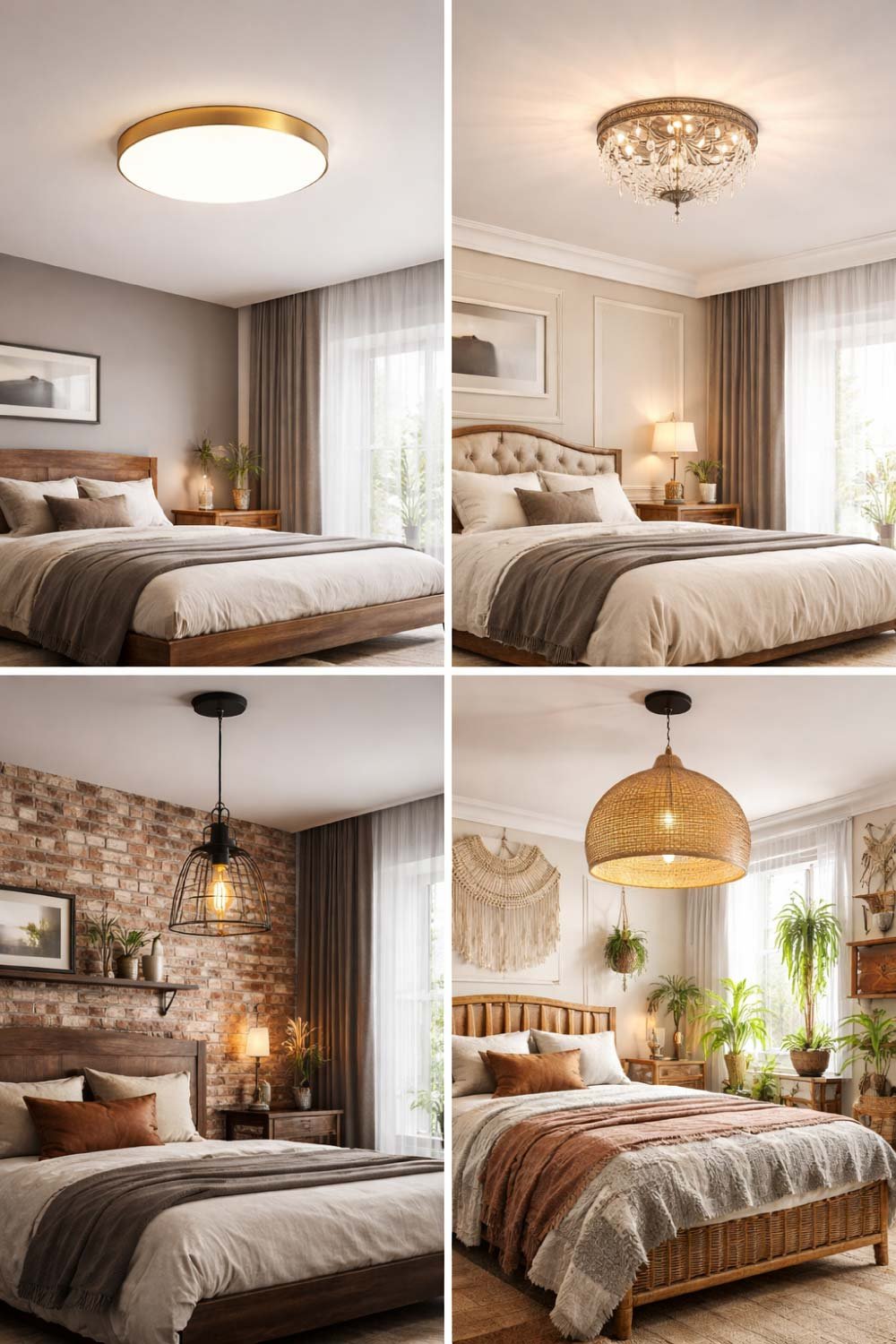
Selecting a ceiling light isn’t just about illumination—it’s about creating harmony with your bedroom’s décor. The fixture you choose can act as a design statement or seamlessly blend into your existing style. The wrong choice can clash with your furniture, colors, or overall vibe, while the right one enhances the space, tying all elements together.
Modern Bedrooms
Modern or contemporary bedrooms focus on clean lines, minimalism, and simplicity. In such spaces, ceiling lights should reflect these principles:
Tips:
- Opt for sleek, geometric shapes, like circles, rectangles, or abstract forms.
- Minimalist flush mounts or simple semi-flush designs work best.
- Metallic finishes such as brushed nickel, matte black, or chrome can complement the modern aesthetic.
Personal Experience:
In my bedroom, I lean toward mid-century modern styling. I chose a semi-flush mount with a gold finish and frosted glass. Its simple geometric form mirrored my wooden furniture and neutral walls. The result was a space that felt cohesive, stylish, and functional. The ceiling light didn’t just illuminate—it became a design anchor for the room.
Traditional or Classic Bedrooms
Traditional bedrooms feature rich textures, classic furniture, and warm, inviting colors. Your ceiling light should add elegance while matching the ornate details often found in these rooms.
Tips:
- Chandeliers with crystals or brass accents make perfect statement pieces.
- Semi-flush mounts with decorative glass or intricate detailing can add sophistication.
- Consider warm finishes like bronze, antique gold, or mahogany to complement furniture tones.
Tip for Balance:
If your room is smaller, choose a single elegant semi-flush mount rather than a large chandelier, which could overwhelm the space.
Industrial Bedrooms
Industrial design often includes raw materials like exposed brick, metal, and wood. Lighting in these spaces should feel utilitarian yet stylish.
Tips:
- Exposed bulbs, matte metal finishes, and pendant lights work best.
- Consider cage-style fixtures or Edison bulbs for a vintage touch.
- Pair lights with other industrial elements like metal shelves or leather furniture to maintain a cohesive theme.
Personal Experience:
A friend of mine redecorated her loft-style bedroom with industrial décor. She chose a black matte pendant with an exposed filament bulb over her bedside table. Not only did it provide perfect task lighting, but it also reinforced the bedroom’s raw, urban aesthetic.
Also Read:
Bohemian Bedrooms
Bohemian bedrooms are all about color, texture, and eclectic charm. Your ceiling light can be a playful or artisanal piece that complements textiles, plants, and layered patterns.
Tips:
- Look for woven, rattan, or bamboo fixtures that introduce texture.
- Colorful pendant lights or fixtures with hand-painted shades add personality.
- Avoid overly sleek or metallic designs that clash with the organic, relaxed vibe.
Personal Experience:
When helping my sister decorate her boho-inspired bedroom, we selected a rattan pendant light. Its natural fibers mirrored the woven rugs and plant baskets, and the warm light created an inviting atmosphere perfect for reading and relaxing.
5. Focus on Light Temperature and Bulb Type
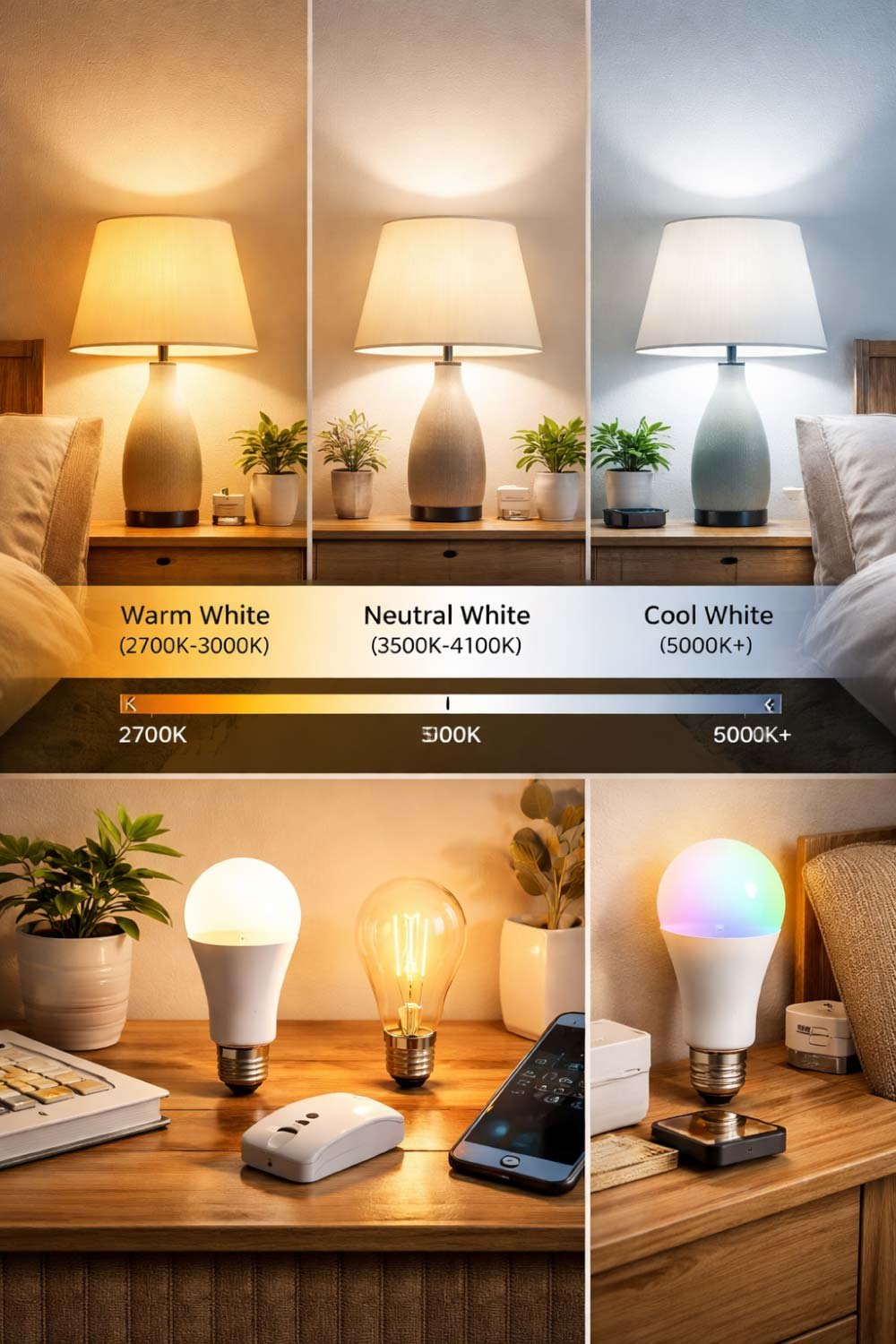
Once you’ve selected the fixture style, the next critical step is choosing the right bulb and color temperature. These elements dramatically affect the mood, functionality, and comfort of your bedroom.
Understanding Color Temperature
Color temperature is measured in Kelvin (K) and indicates how warm or cool the light feels.
- Warm White (2700K–3000K): Cozy, relaxing, and perfect for creating a bedroom that feels inviting. Ideal for winding down before sleep.
- Neutral White (3500K–4100K): Balanced and functional, great for reading, work, or makeup application without feeling harsh.
- Cool White (5000K+): Bright, crisp light, more suitable for offices or task areas than bedrooms. Can feel stark or clinical if overused in relaxing spaces.
Tip: For bedrooms, warm white is almost always preferable, as it promotes relaxation and a sense of comfort.
Choosing the Right Bulb Type
- LED Bulbs: Energy-efficient, long-lasting, and available in a range of color temperatures. Ideal for most modern fixtures.
- Incandescent Bulbs: Offer a warm, inviting glow but consume more energy and have shorter lifespans.
- Smart Bulbs: Adjustable brightness and color temperature via apps or voice assistants. Perfect for creating customizable ambiance.
Tips for Bulb Selection:
- Consider dimmable bulbs to control light intensity.
- Choose LED for cost-effectiveness and sustainability.
- For fixtures with multiple bulbs, ensure all are the same type and color temperature for consistent lighting.
Personal Experience:
Initially, I installed standard LED bulbs rated at 5000K in my bedroom. The light felt harsh and clinical, making it hard to relax. Switching to warm white LEDs (around 3000K) transformed the space: the light became cozy, inviting, and even improved my sleep quality. This reinforced that bulb choice matters just as much as fixture style.
Also Read:
6. Think About Functionality and Maintenance
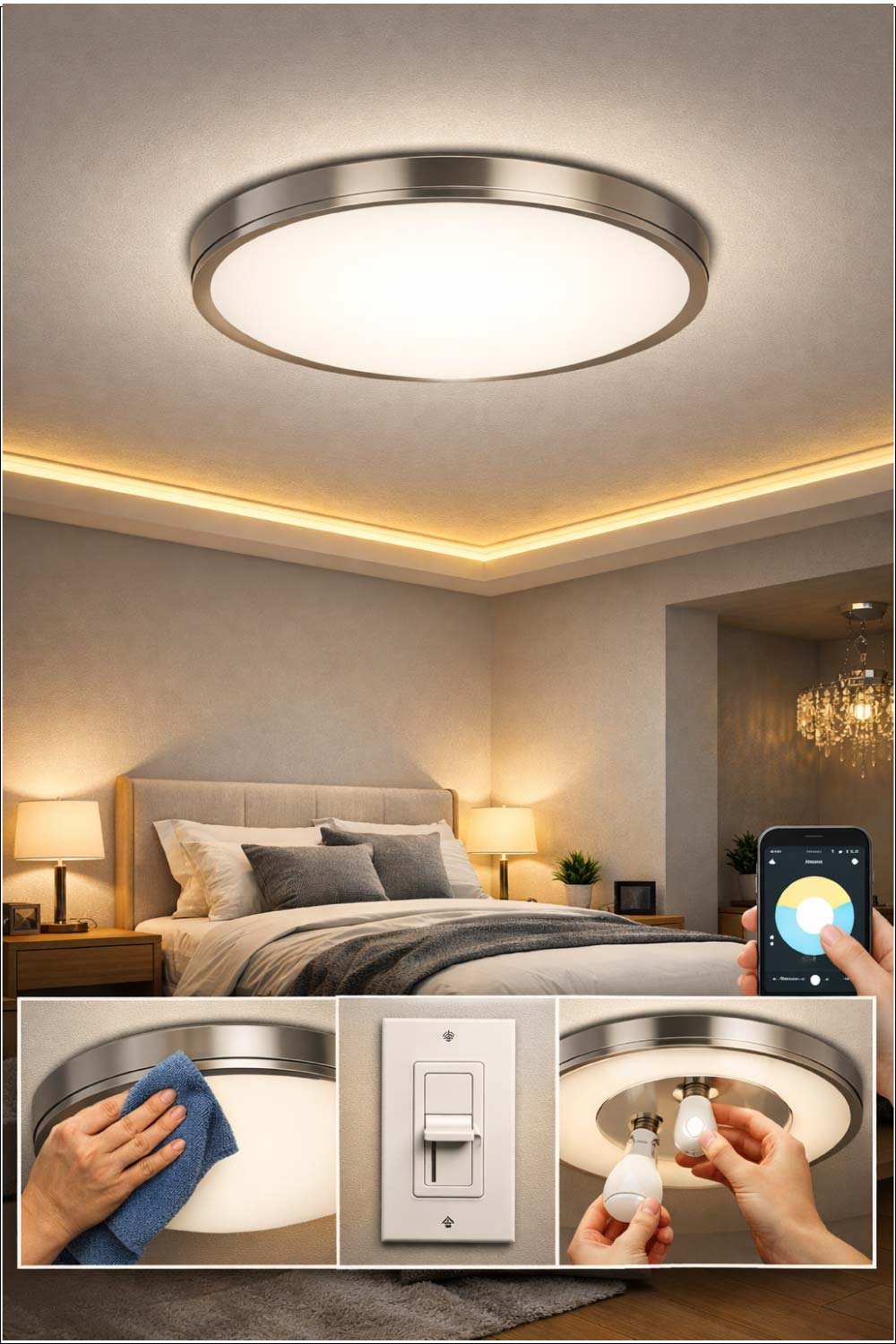
Ceiling lights are decorative, yes, but they also need to be functional, energy-efficient, and easy to maintain. A fixture that looks beautiful but is difficult to clean or replace bulbs quickly becomes a source of frustration. Considering functionality and upkeep ensures your bedroom lighting remains practical over time.
Ease of Cleaning
Ceiling lights collect dust, dirt, and occasional cobwebs. Intricate designs like chandeliers with crystals or multi-glass elements may require frequent dusting and careful handling.
Tips:
- Choose fixtures that are easy to wipe down.
- For ornate designs, check if individual parts are removable for cleaning.
- Avoid overly intricate materials if you prefer minimal maintenance.
Personal Experience:
My first semi-flush mount had intricate glass detailing that needed weekly dusting. It looked beautiful, but it quickly became high-maintenance. I eventually switched to a simple flush-mounted design that I could wipe clean in seconds, saving time while maintaining elegance.
Energy Efficiency
Energy-efficient lighting saves money and reduces environmental impact. LED fixtures and bulbs are the gold standard today due to their low energy consumption and long lifespans.
Tips:
- Prioritize LED bulbs over incandescent or halogen.
- Look for ENERGY STAR-rated fixtures to ensure efficiency.
- Consider dimmable LEDs, which consume even less power when dimmed.
Installation Considerations
Some fixtures, especially chandeliers or heavy semi-flush mounts, may require professional installation. Consider the following before purchasing:
- Ceiling type and support: Drywall, plaster, or vaulted ceilings may require additional hardware.
- Fixture weight: Make sure the ceiling box is rated to support the weight.
- Wiring compatibility: Ensure existing wiring suits the new fixture, or hire an electrician.
Dimmers and Smart Controls
Adding dimmers or smart lighting capabilities dramatically improves bedroom experience:
- Dimmers: Adjust brightness for mood, reading, or winding down before sleep.
- Smart bulbs: Control light via apps, set schedules, or gradually increase brightness in the morning.
- Color adjustment: Some smart bulbs allow warm-to-cool changes, adapting lighting to your activity and time of day.
Personal Experience:
Adding dimmable LED strips around my ceiling perimeter was a game-changer. I could go from bright task lighting for reading to a soft ambient glow for winding down in seconds. Functionality and convenience became just as important as style in making my bedroom feel like a retreat.
Also Read:
Bonus Tip: Don’t Forget the Ceiling Fixture Placement
While it might seem obvious, placement matters more than most people realize. Centering your fixture in the room is typical, but if your bed is off-center or you have reading corners, consider additional lighting. For example, a slightly off-center pendant over the bed or two small ceiling lights on either side can improve balance and functionality.
Personal Experience:
I initially installed a single central ceiling light without considering how it lit my bedside reading area. It left one side in shadow, which was frustrating. Adding small adjustable spotlights near the bed solved the problem and created a balanced, layered lighting scheme.
Conclusion
Selecting the perfect ceiling lights for your bedroom is about more than just picking a beautiful fixture. You need to consider the type, size, style, functionality, and placement, as well as the layers of lighting in your space. By following these six smart tips—understanding light types, factoring in room dimensions, layering lighting, matching your room’s style, choosing the right bulbs, and considering functionality—you can create a bedroom that is both practical and aesthetically pleasing.
Personal Reflection:
Redesigning my bedroom lighting was a game-changer. By investing time into choosing the right ceiling light and complementing it with layered, warm lighting, I transformed my bedroom into a space that feels luxurious, comfortable, and truly restful. The right ceiling light doesn’t just illuminate your room—it sets the tone for your entire living space.
Remember, the goal is to create a bedroom that is not only functional but also a sanctuary. A well-chosen ceiling light will make all the difference in achieving that perfect balance of style, comfort, and relaxation.