
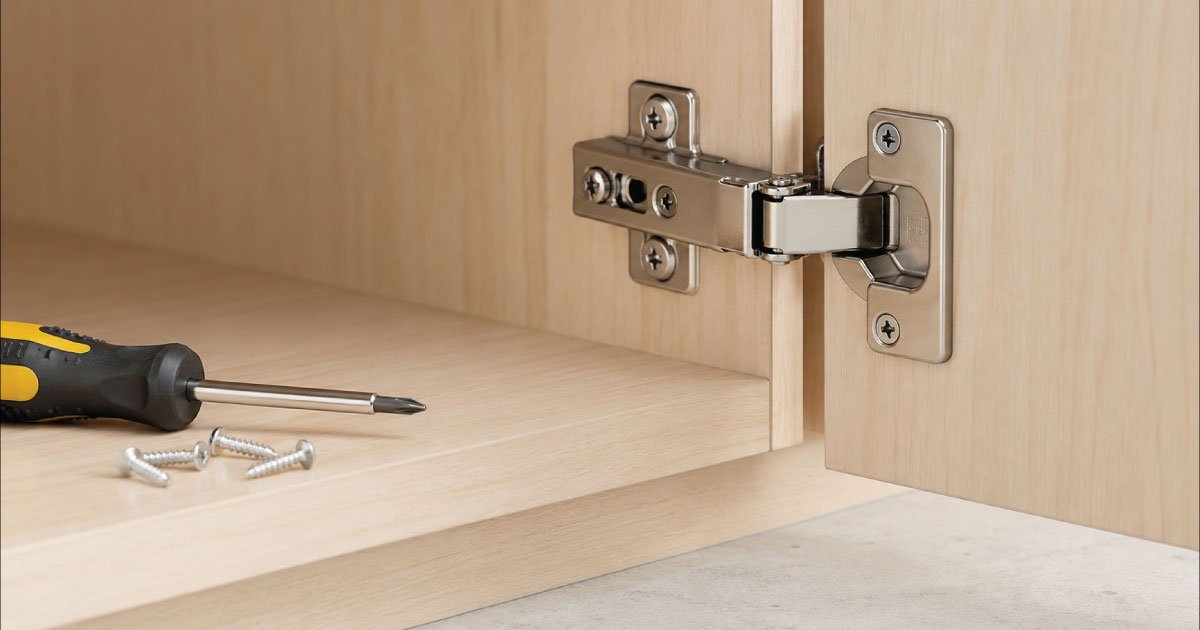
Cabinet doors are among the most frequently used components in any kitchen, bathroom, or storage space. Over time, constant opening and closing can lead to loose, misaligned, or damaged hinges. A cabinet door that won’t close properly, hangs unevenly, or squeaks loudly can be both frustrating and unsightly. Fortunately, fixing a cabinet door hinge is a manageable DIY task that requires minimal tools and basic skills.
In this comprehensive guide, you’ll learn how to diagnose common cabinet hinge problems and fix them efficiently. Whether you’re dealing with loose screws, sagging doors, or completely damaged hinges, this step-by-step article will help you restore your cabinet doors to perfect working condition.
Understanding Cabinet Door Hinges
Cabinet door hinges play a crucial role in the functionality and appearance of your cabinets. Understanding how they work and the different types available can make repairs much easier. Whether you’re dealing with modern concealed hinges or older exposed ones, knowing their structure helps you identify issues quickly and fix them efficiently without unnecessary hassle.
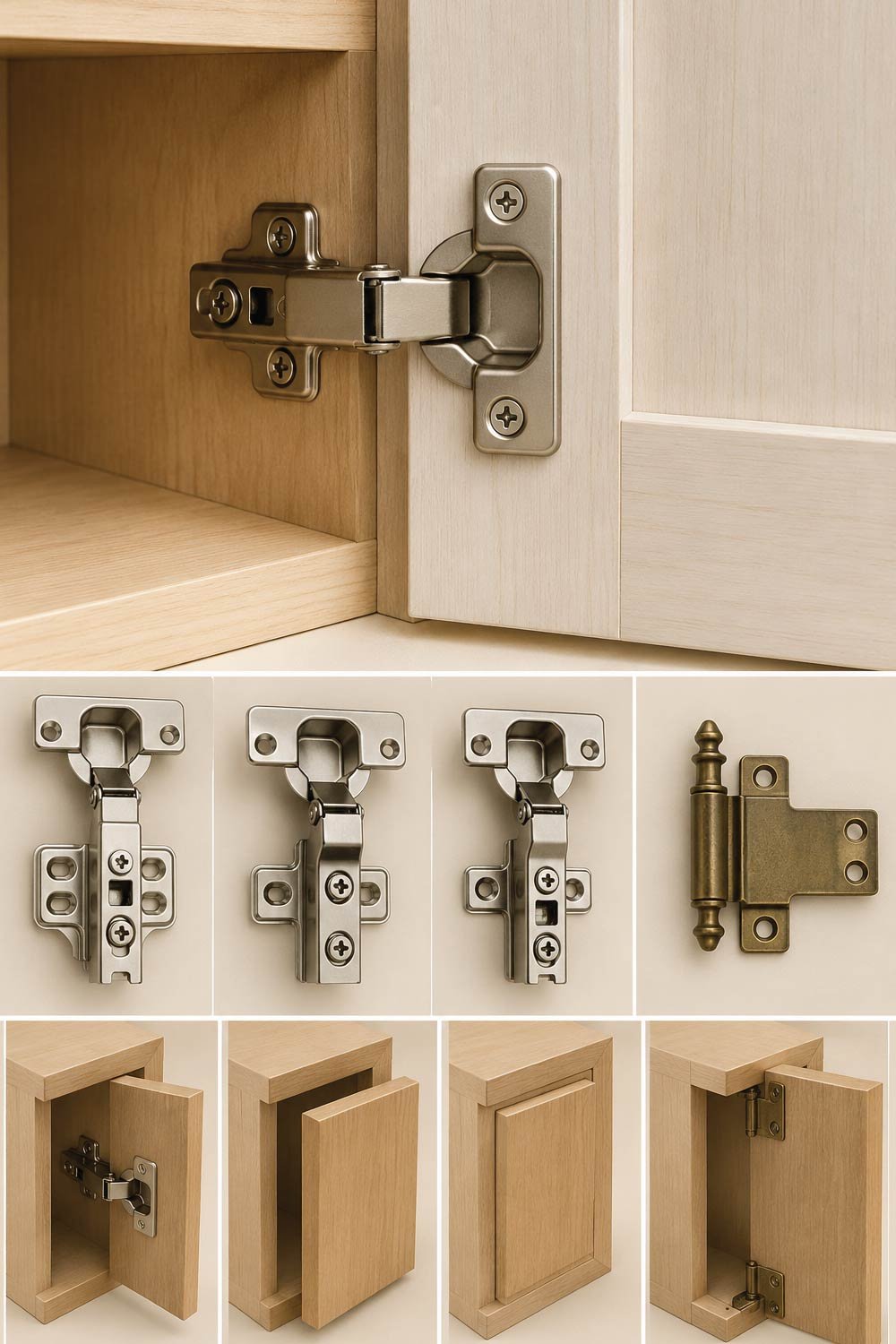
Before diving into repairs, it’s helpful to understand the type of hinges you’re dealing with. Most modern cabinets use concealed hinges (also called European hinges), which are hidden inside the cabinet when the door is closed. Older cabinets may use exposed hinges that are visible on the outside.
Common types of cabinet hinges include:
- Concealed (European-style) hinges
- Overlay hinges
- Inset hinges
- Pivot hinges
Each type may have slightly different adjustment mechanisms, but the basic repair principles remain the same.
Common Cabinet Hinge Problems
Cabinet hinge issues are quite common in households and usually develop over time due to regular use. Recognizing these problems early can save you from bigger repairs later. From loose screws to broken hinges, each issue has clear signs that help you determine the right solution quickly and effectively.
Loose Hinges
Loose hinges are one of the most frequent problems homeowners encounter. Continuous opening and closing can gradually loosen screws, making the cabinet door unstable. Addressing this issue early prevents further damage to both the hinge and the cabinet structure.
Over time, screws can loosen due to repeated use, causing the door to sag or wobble.
Misaligned Doors
Misaligned cabinet doors can affect both functionality and visual appeal. This issue often results in uneven gaps or overlapping edges. Proper alignment ensures smooth operation and maintains a neat and organized kitchen or storage space.
Cabinet doors may no longer line up properly, leaving uneven gaps or overlapping edges.
Stripped Screw Holes
Stripped screw holes occur when screws lose their grip inside the wood. This makes it difficult for hinges to stay firmly attached. Fixing this issue requires reinforcing the hole to restore a secure hold for the screws.
When screws no longer grip the wood, they spin freely and fail to hold the hinge in place.
Squeaky Hinges
Squeaky hinges can be annoying and are usually caused by friction or lack of lubrication. While not a structural problem, addressing the noise improves the overall user experience and indicates smoother hinge operation.
Noise during operation is often caused by friction or lack of lubrication.
Broken Hinges
Broken hinges are more serious and typically require replacement. Damage such as bending, cracking, or snapping can prevent the cabinet door from functioning properly and should be fixed immediately to avoid further complications.
Sometimes hinges are bent, cracked, or completely broken and need replacement.
Tools and Materials You’ll Need
Having the right tools and materials ready before starting your repair makes the process smoother and more efficient. Most cabinet hinge fixes don’t require specialized equipment, just a few basic items that are commonly found in households or easily available at hardware stores.
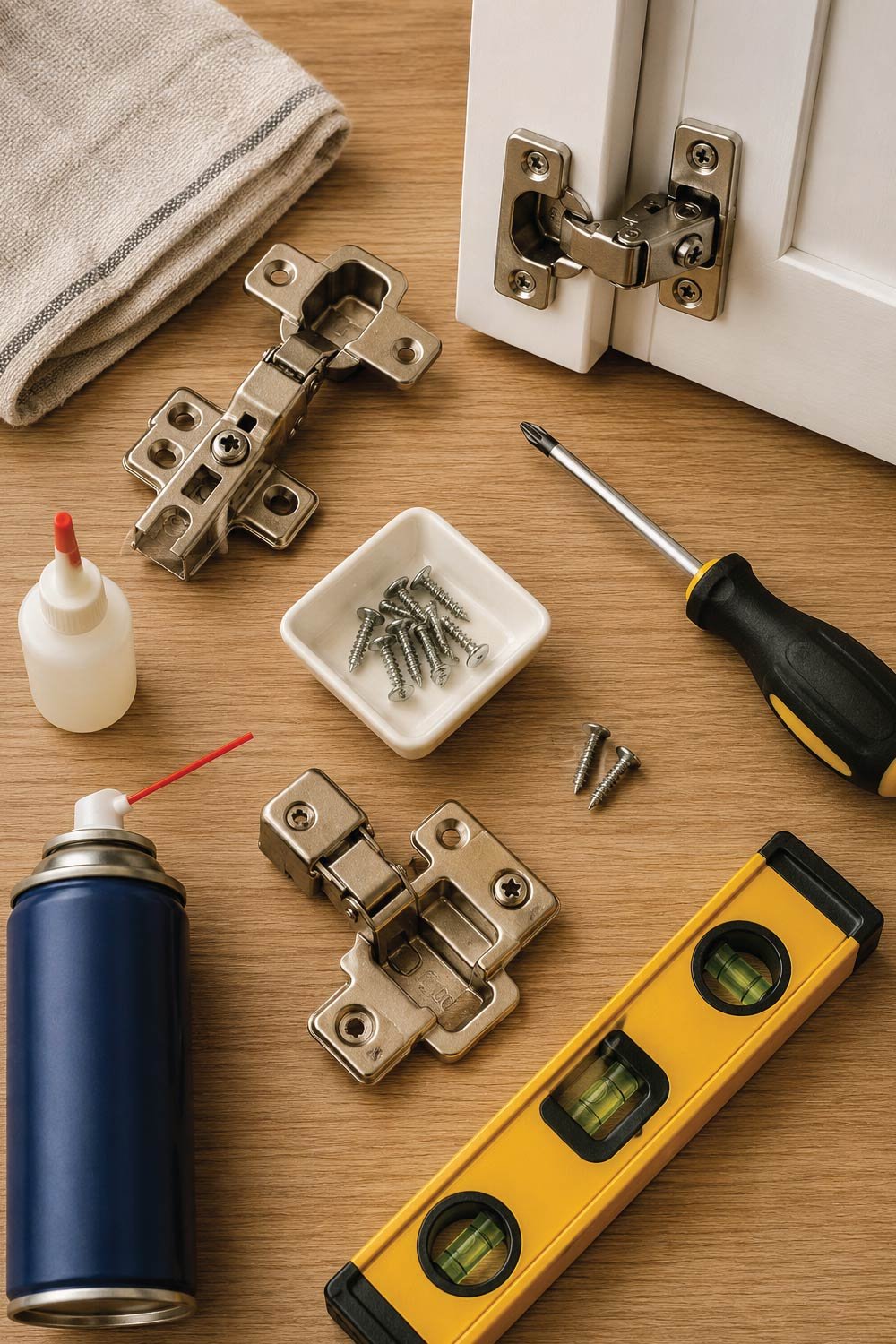
Most hinge repairs require only a few basic tools:
- Screwdriver (Phillips or flathead)
- Drill (optional but helpful)
- Wood glue
- Toothpicks or wooden dowels
- Replacement screws
- Replacement hinges (if needed)
- Lubricant (such as WD-40 or oil)
- Level (optional for alignment)
Step-by-Step Guide to Fix Cabinet Door Hinges
Repairing cabinet door hinges becomes simple when you follow a structured step-by-step approach. By carefully inspecting the issue and applying the correct fix, you can restore proper functionality without professional help. Each step focuses on identifying and resolving specific hinge-related problems efficiently.
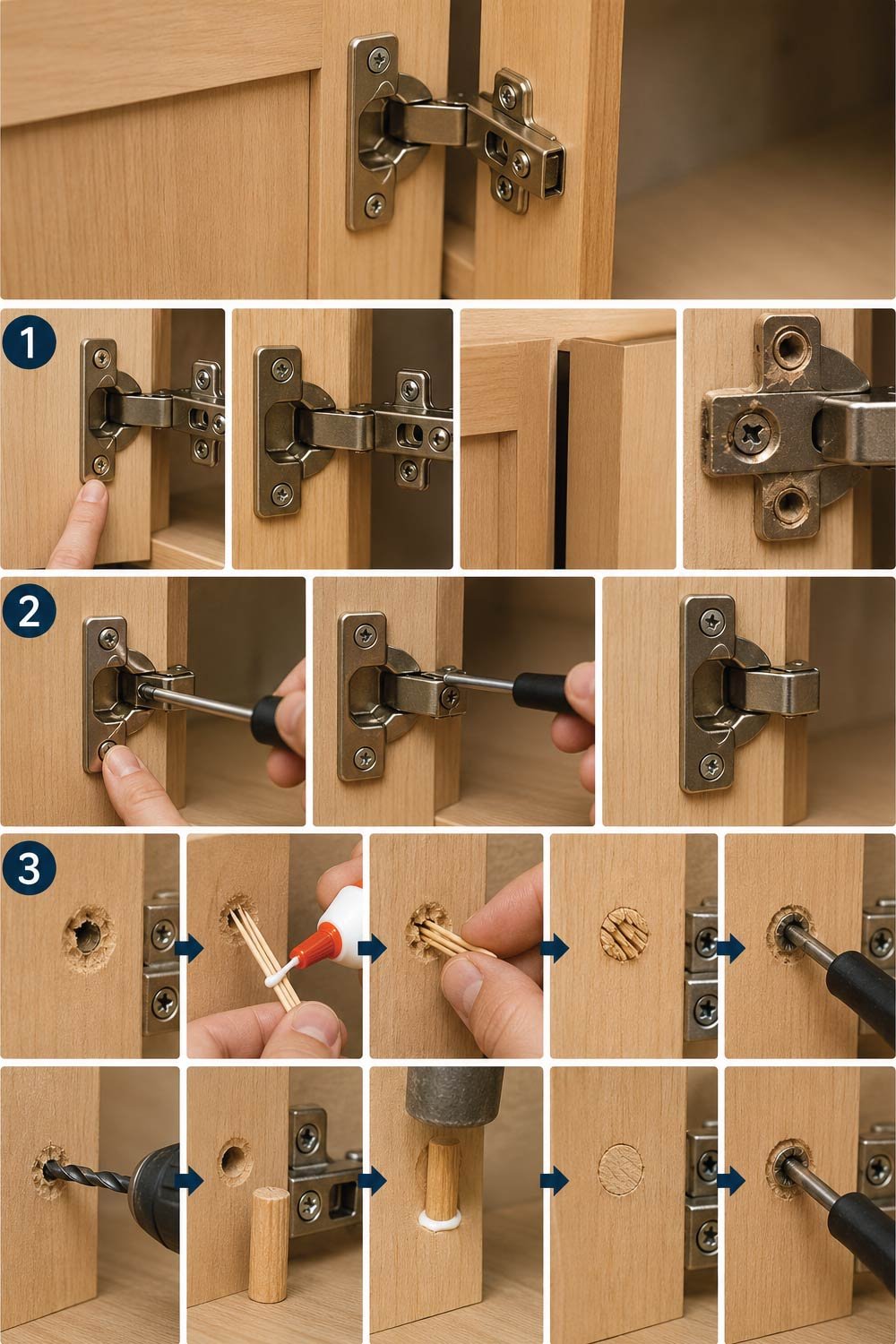
Step 1: Inspect the Problem
Inspection is the first and most important step in the repair process. By carefully observing how the cabinet door moves, you can pinpoint the exact issue. This helps you choose the correct repair method and avoid unnecessary adjustments or damage.
Start by opening and closing the cabinet door slowly. Observe how it moves and where the issue lies. Check for:
- Loose screws
- Misalignment
- Gaps between the door and cabinet
- Worn or damaged hinges
This initial inspection will determine which repair method you need.
Step 2: Tighten Loose Screws
Tightening screws is often the quickest and easiest solution to fix loose hinges. If caught early, this simple step can restore stability and prevent further wear. However, care must be taken to avoid damaging the wood by over-tightening.
If the hinge appears loose, the simplest fix is tightening the screws.
How to do it:
Use a screwdriver to tighten all screws on the hinge. This ensures that the hinge is firmly attached and the door operates smoothly. Always apply moderate pressure to avoid damaging the screw holes or surrounding wood.
- Use a screwdriver to tighten all screws on the hinge.
- Avoid over-tightening, as this can strip the wood.
If the screws tighten properly and hold firm, your problem is solved. If they keep spinning, you’re dealing with stripped holes.
Step 3: Fix Stripped Screw Holes
Stripped screw holes are a frustrating but very common problem, especially in older cabinets where repeated use weakens the wood. Fortunately, there are both quick and long-lasting solutions that can restore the screw’s grip and ensure your cabinet door remains secure and functional.
Quick Fix Method: Fast and Easy Repair
This method is ideal when you need a quick solution without special tools. It helps temporarily restore the screw’s hold using simple household items and works well for light to moderate damage.
Steps to Follow
• Remove the screw.
• Insert a few toothpicks coated in wood glue into the hole.
• Break off excess toothpick material.
• Reinsert the screw and tighten.
Stronger Fix (Using Dowels): Long-Term Solution
If the damage is more severe, using a wooden dowel provides a stronger and more permanent repair. This method reinforces the hole structure, allowing the screw to hold firmly for a long time.
Steps to Follow
• Drill out the damaged hole slightly larger.
• Insert a wooden dowel with glue.
• Let it dry completely.
• Drill a new pilot hole and reattach the screw.
This method restores the grip and provides a long-lasting solution.
Step 4: Adjust the Hinges for Alignment
Cabinet doors that appear uneven or misaligned can often be corrected by adjusting the hinges. Modern concealed hinges are designed with built-in adjustment screws, allowing precise control over the door’s position for a clean and professional look.
Types of Adjustments Available
Understanding the different adjustment options helps you make accurate corrections. Each screw controls a specific direction, making it easier to align the cabinet door perfectly.
Adjustment Types
• Side-to-side adjustment: Moves the door left or right
• Height adjustment: Moves the door up or down
• Depth adjustment: Moves the door closer or farther from the cabinet
How to Adjust Hinges Properly
Making gradual adjustments is key to achieving proper alignment without overcorrecting. Always test the door movement after each change to ensure the desired result.
Steps to Follow
• Locate the adjustment screws on the hinge.
• Turn them slowly (usually clockwise or counterclockwise).
• Test the door after each adjustment.
Make small changes until the door aligns perfectly with the cabinet frame.
Also Read:
Step 5: Lubricate Squeaky Hinges
Squeaky cabinet hinges can be annoying, but they are usually easy to fix with proper lubrication. Applying a suitable lubricant reduces friction between metal parts, ensuring smooth and quiet operation of the cabinet door.

Simple Lubrication Process
This quick maintenance step not only removes noise but also extends the life of your hinges by minimizing wear and tear caused by constant movement.
Steps to Follow
• Apply a small amount of lubricant to the hinge joint.
• Open and close the door several times to distribute it evenly.
• Wipe away any excess oil.
This simple fix can make your cabinets feel like new again.
Step 6: Replace Damaged Hinges
When hinges are bent, cracked, or too worn out to repair, replacement becomes necessary. Installing new hinges ensures proper door function and prevents further damage to the cabinet structure.
When Replacement is Necessary
Recognizing when a hinge is beyond repair helps avoid repeated fixes. Replacing it at the right time ensures durability and maintains the overall appearance of your cabinet.
How to Replace a Hinge
• Remove the screws holding the old hinge.
• Take off the cabinet door carefully.
• Install the new hinge in the same position.
• Reattach the door and tighten all screws.
• Adjust the hinge alignment if needed.
Make sure to purchase a hinge that matches the size and type of your existing one
Also Read:
How to Fix Door Keeps Swinging Open? Stop It Fast With This Simple Fix
Tips for a Professional Finish
A professional finish is not just about fixing cabinet hinges it’s about doing the job with precision, patience, and the right techniques. Paying attention to small details ensures durability and a clean look. By following careful methods and using proper tools, you can avoid damage and achieve a polished, long-lasting result.
- Always use the correct screwdriver size to avoid damaging screws.
- Work slowly and make small adjustments.
- Use a level to ensure doors are straight.
- Replace all hinges if one is badly worn to maintain uniformity.
- Keep spare screws and hinges for future repairs.
Preventing Future Hinge Problems
Once your cabinet hinges are repaired, maintaining them properly becomes essential for long-term performance. Small preventive actions can save you from frequent repairs and keep your cabinets functioning smoothly. Consistent care helps avoid wear and tear, ensuring your cabinet doors remain aligned and easy to use over time.
Regular Maintenance Tips:
Regular maintenance keeps your cabinet hinges in good condition and prevents unexpected issues. Simple routines done every few months can significantly improve hinge lifespan. These steps are easy to follow and help maintain smooth operation without requiring major repairs or replacements.
- Tighten screws every few months
- Avoid slamming cabinet doors
- Clean hinges to remove dust and grease buildup
- Lubricate moving parts occasionally
Why Maintenance Matters
Proper maintenance is key to extending the life of your cabinet hardware and avoiding costly fixes. When hinges are clean, tight, and well-lubricated, they function smoothly and reduce strain on cabinet doors. This not only improves usability but also maintains the overall appearance of your cabinets.
These simple habits can extend the life of your cabinet hardware significantly.
Also Read:
How To Fix Loose Ceiling Fixture? Ceiling Fixture Repair Complete Guide
When to Call a Professional
While many hinge problems can be handled at home, certain situations require expert attention. Ignoring serious issues can lead to further damage or unsafe conditions. Knowing when to seek professional help ensures your cabinets are repaired correctly and remain structurally sound.
Situations That Require Expert Help:
Some cabinet problems go beyond basic adjustments and need specialized tools or skills. In such cases, hiring a professional ensures accurate repair and prevents further complications. Recognizing these situations early can save both time and money in the long run.
- Severe cabinet damage
- Warped doors
- Broken cabinet frames
- Complex hinge systems
Professional Repair Benefits
Hiring a skilled carpenter or handyman ensures that complex issues are resolved efficiently and correctly. Professionals have the experience to handle structural damage and advanced hinge systems, providing a reliable and long-lasting solution that may not be achievable through simple DIY fixes.
If the problem goes beyond a simple repair, a carpenter or handyman can ensure a proper fix.
Also Read:
How to Fix a Wobbly Table? Wobbly Table Repair Complete Guide
Final Thoughts
Fixing a cabinet door hinge is one of the simplest and most rewarding DIY home improvement tasks. With just a few tools and a bit of patience, you can solve common problems like loose screws, misaligned doors, and squeaky hinges without spending much money.
Understanding the root cause of the issue is key. Once you identify whether the problem is due to loose hardware, stripped holes, or damaged hinges, the solution becomes straightforward. By following the steps outlined in this guide, you can restore your cabinet doors to smooth, quiet, and perfectly aligned operation.
Not only will this improve the functionality of your cabinets, but it will also enhance the overall appearance of your space. A well-aligned cabinet door can make your kitchen or bathroom look more polished and maintained.
So next time a cabinet door starts acting up, don’t ignore it. Grab your tools, follow this guide, and fix it yourself with confidence.