
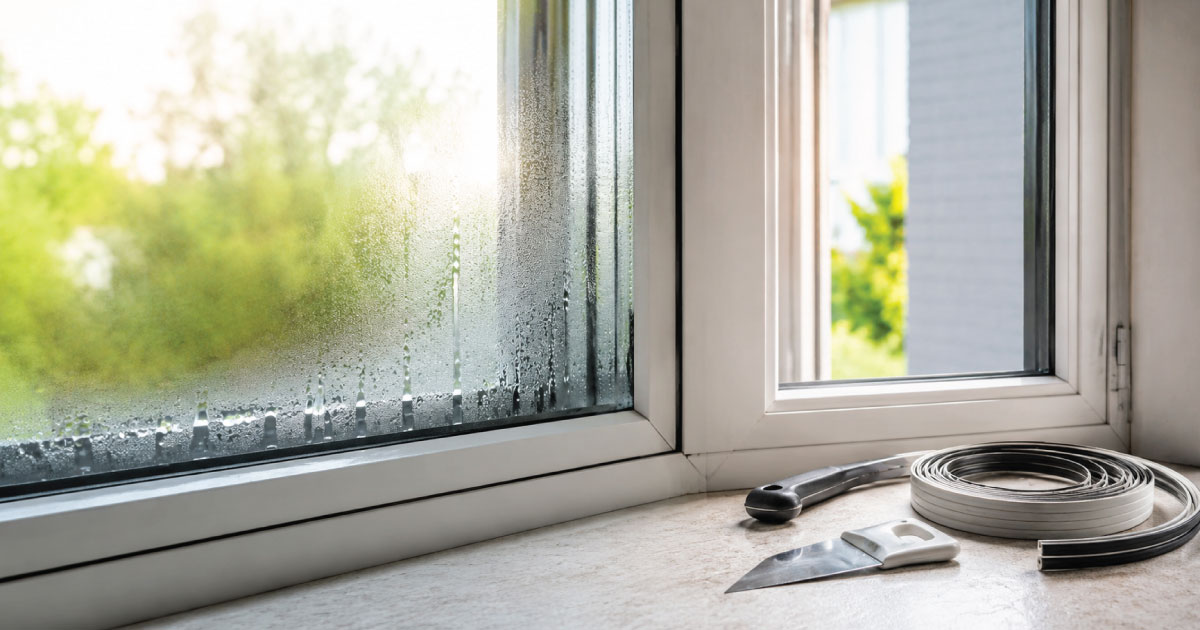
A broken window glass seal is one of those home maintenance issues that often goes unnoticed until it becomes impossible to ignore. Foggy panes, condensation between glass layers, or a sudden drop in insulation efficiency are all signs that your window seal has failed. While it might seem like a major problem requiring full window replacement, in many cases, you can fix or manage the issue yourself with the right knowledge and tools.In this comprehensive guide, we’ll walk you through everything you need to know about broken window seals, including causes, signs, repair options, and when to call a professional.
What Is a Window Glass Seal?
A window glass seal is a critical component in modern insulated windows, designed to keep the space between glass panes airtight. This sealed space improves insulation, reduces energy loss, and prevents moisture from entering between the panes.
Modern windows, especially double-pane or triple-pane designs, rely on airtight seals to maintain insulation. These windows are constructed with multiple layers of glass separated by a space filled with air or inert gas (like argon). The edges are sealed to keep moisture out and maintain internal pressure.
When this seal breaks, outside air and moisture can enter the space between the panes, leading to fogging, condensation, and reduced energy efficiency.
Common Causes of a Broken Window Seal
Window seals can fail for several reasons over time. Understanding these causes helps you prevent future issues and choose the right repair approach.
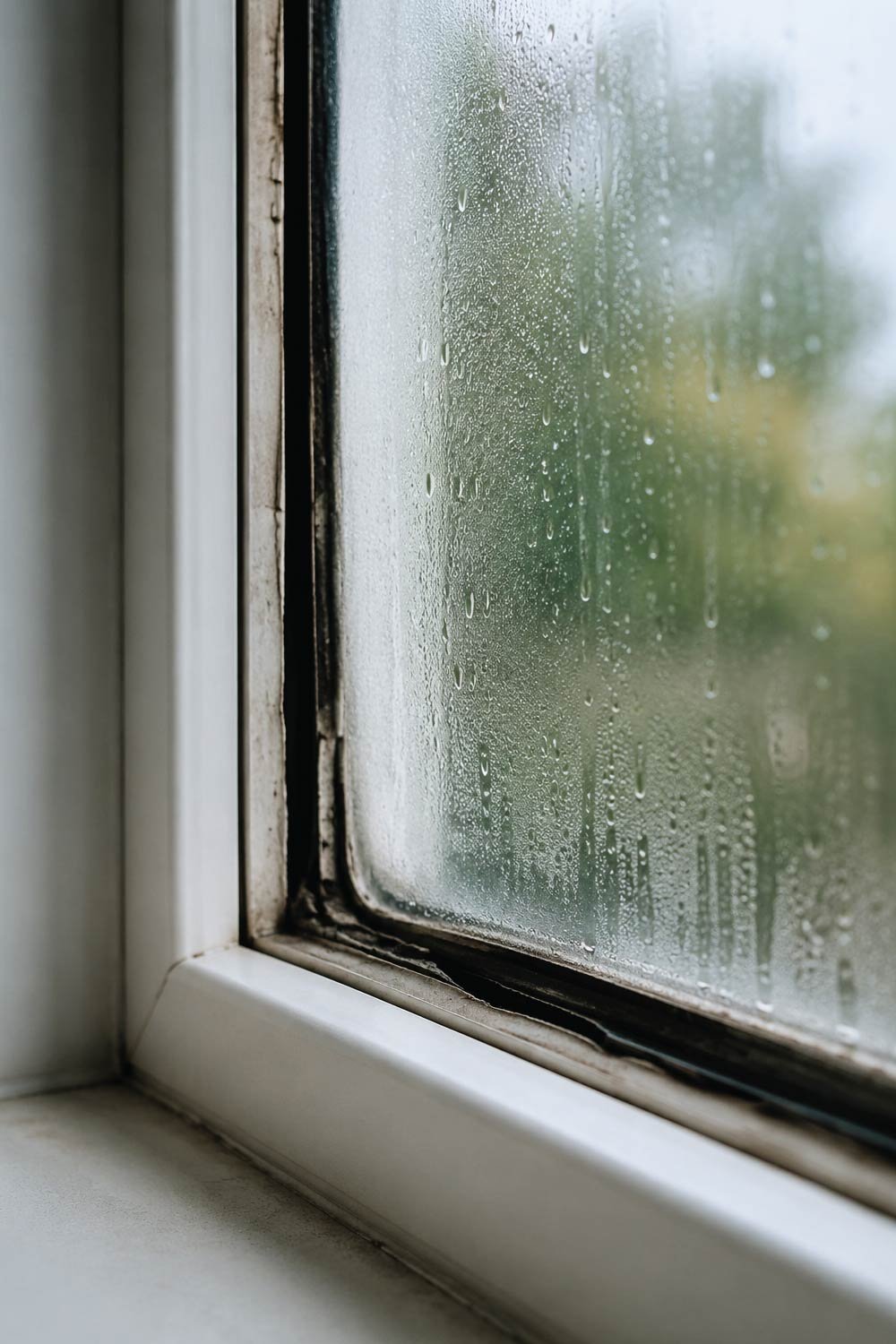
1. Age and Wear
Seals naturally deteriorate as they age. Continuous exposure to sunlight and environmental conditions gradually weakens their effectiveness.
Over time, seals naturally degrade due to exposure to sunlight, temperature changes, and general wear and tear.
2. Temperature Fluctuations
Constant expansion and contraction due to changing weather conditions can stress the seal and eventually cause it to break.
Frequent expansion and contraction caused by changing weather conditions can weaken the seal.
3. Poor Installation
Improper installation can put uneven pressure on the window, leading to early failure of the seal.
Improper installation can stress the window frame and lead to early seal failure.
4. Manufacturing Defects
Sometimes the issue originates during production. A poorly formed seal may fail much sooner than expected.
Sometimes the seal wasn’t properly formed during production, leading to premature failure.
5. Excessive Moisture
High humidity levels can accelerate seal deterioration, especially in areas with poor ventilation.
High humidity levels can accelerate deterioration, especially in poorly ventilated areas.
Signs Your Window Seal Is Broken
Recognizing the signs of a broken seal early helps prevent further damage and energy loss. These symptoms often become more noticeable over time.
Common Indicators
Look for these warning signs to determine whether your window seal has failed.
- Fog or haze between glass panes
- Visible condensation inside the window
- Water droplets trapped between layers
- Distorted or warped view
- Increased energy bills due to poor insulation
- Drafts near the window
If you notice any of these signs, it’s likely your window seal has failed.
Can You Fix a Broken Window Seal?
It’s important to have realistic expectations when dealing with a broken window seal. While complete restoration is not possible, several solutions can improve the situation depending on the severity.
Technically, once a seal is broken, it cannot be fully restored to its original factory condition. However, there are several repair and mitigation options depending on the severity of the damage and your budget.
DIY Methods to Fix a Broken Window Seal
If you prefer a hands-on approach, there are some DIY methods that can help reduce the effects of a broken seal. These solutions are usually temporary but can improve visibility and comfort.
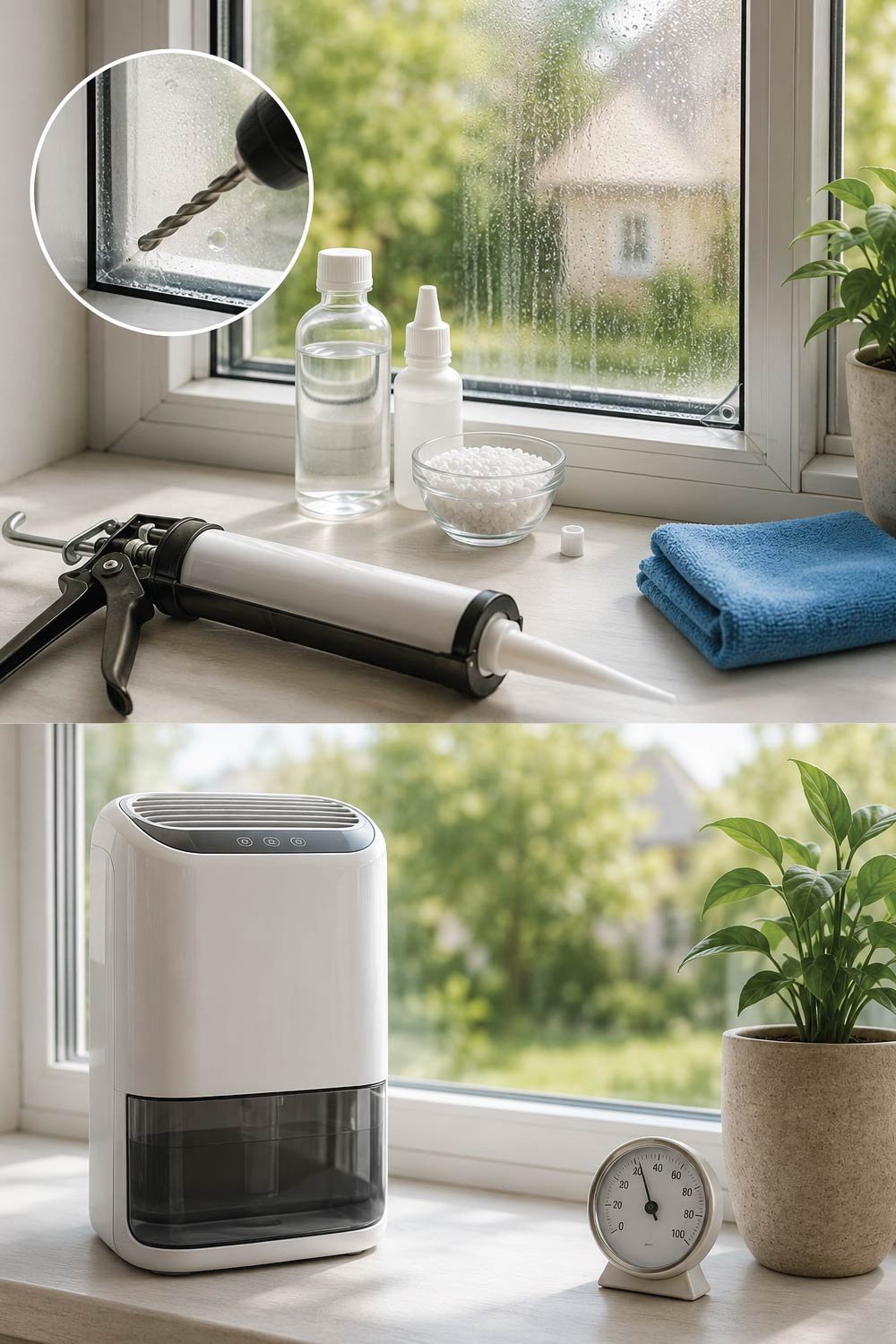
1. Defogging the Window
Defogging is a common and affordable method used to remove moisture trapped between glass panes. It improves clarity but does not fully restore insulation.
Steps
This method involves releasing trapped moisture and preventing it from building up again inside the window.
- Drill a small hole in the corner of the window pane
- Use a defogging solution or alcohol-based cleaner
- Allow moisture to escape
- Insert a small desiccant (moisture absorber)
- Seal the hole with a clear adhesive plug
Pros
This approach is cost-effective and improves visibility quickly without requiring full replacement.
- Affordable
- Improves visibility
Cons
While helpful, this method does not restore the original insulating properties of the window.
- Doesn’t restore insulation
- Temporary fix
2. Applying a Window Sealant
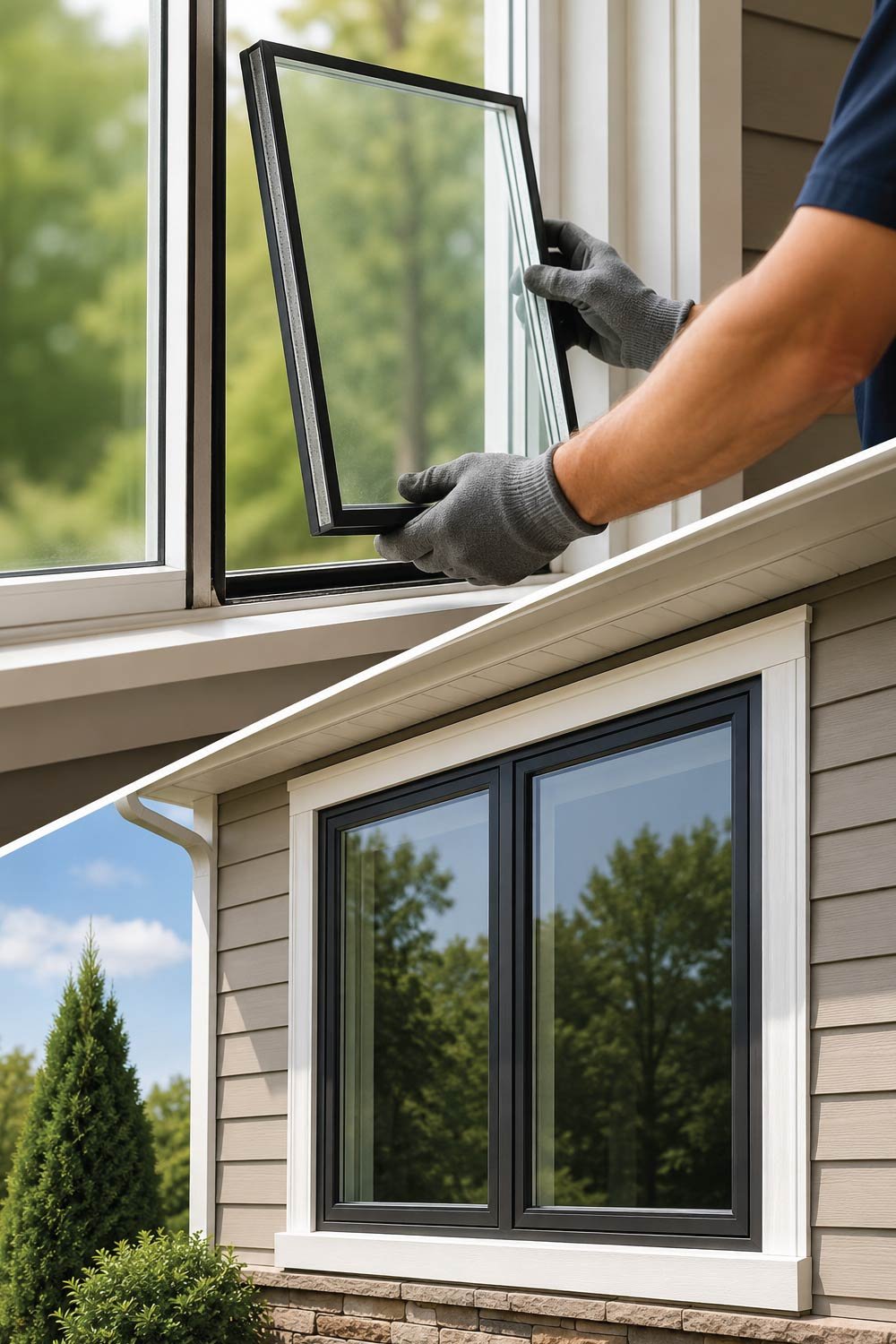
Preventing Future Seal Failures
After fixing a broken window seal, taking preventive measures is essential to avoid recurring problems. Proper care and maintenance can significantly extend the lifespan of your windows and maintain their energy efficiency.

1. Maintain Proper Ventilation
Good airflow helps control indoor humidity, which is one of the main causes of seal deterioration. Proper ventilation keeps moisture levels balanced and reduces stress on window seals.
Reduce indoor humidity by using exhaust fans and opening windows when possible.
2. Avoid Pressure Washing Windows
High-pressure water can damage the edges of the window and weaken the seal over time. Gentle cleaning methods are always safer for maintaining seal integrity.
High-pressure water can damage seals.
3. Inspect Windows Regularly
Routine inspection helps detect early signs of wear before they become major issues. Catching problems early allows for quick and less expensive fixes.
Check for early signs of wear and address them promptly.
4. Use Curtains or Blinds
Direct sunlight can cause repeated heating and cooling of the glass, leading to expansion and contraction. Coverings help reduce this thermal stress.
Protect windows from direct sunlight to reduce thermal stress.
5. Ensure Proper Installation
Proper installation is critical for long-term performance. Poor installation can lead to early seal failure and other structural issues.
If replacing windows, hire experienced professionals.
When to Call a Professional
While many minor issues can be managed with DIY methods, certain situations require professional expertise. Ignoring serious problems can lead to higher repair costs later.
Situations That Need Expert Help
These conditions often indicate deeper issues that cannot be effectively resolved without specialized tools and experience.
- Severe condensation or water buildup
- Cracked or damaged glass
- Structural issues with the frame
- Persistent drafts or energy loss
A professional can assess the situation and recommend the most effective solution.
Also Read:
How to Fix a Running Toilet: A Complete DIY Guide for Homeowners
Final Thoughts
A broken window glass seal may seem like a minor inconvenience at first, but it can lead to bigger problems if left untreated. From reduced energy efficiency to potential mold growth, the impact goes beyond just aesthetics.
The good news is that you have options. Whether you choose a quick DIY fix or invest in professional repair, addressing the issue early can save you time, money, and frustration in the long run.
By understanding the causes, recognizing the signs, and taking proactive steps, you can keep your windows in excellent condition and maintain a comfortable, energy-efficient home.