
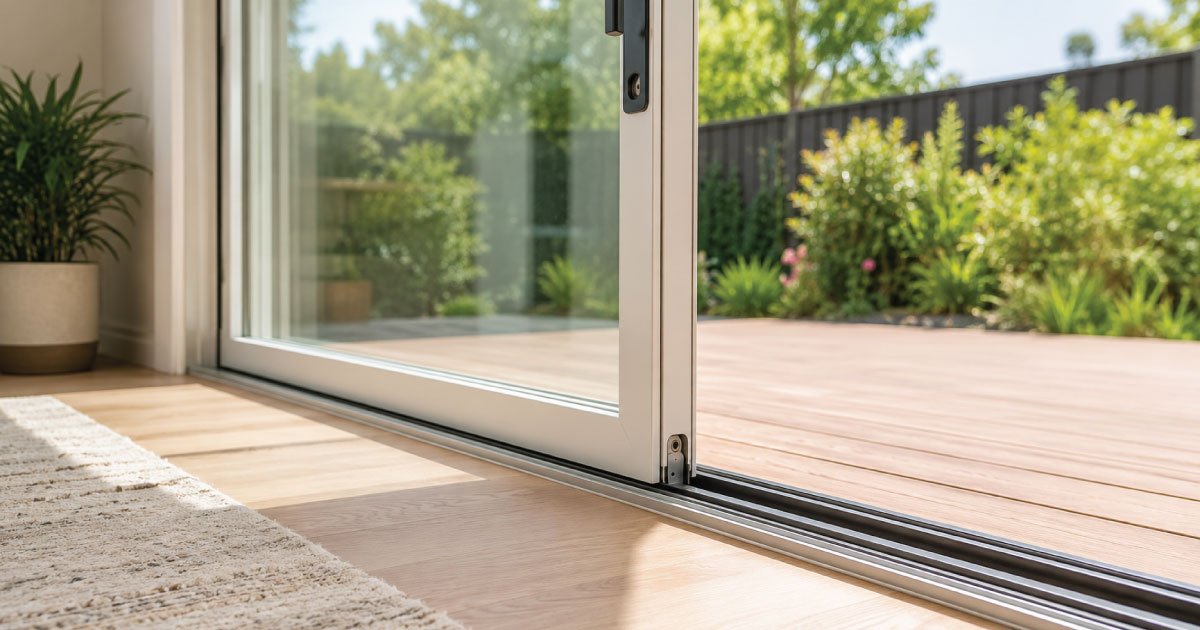
Sliding doors are popular in modern homes because they save space, let in natural light, and provide easy access to patios, balconies, and gardens. But over time, even the best sliding doors start to develop problems sticking, jamming, coming off track, or refusing to lock properly. The good news is that most sliding door issues are not as complicated as they look. With a bit of patience and the right approach, many of them can be fixed at home without calling a professional.
This guide walks you through the most common sliding door problems, why they happen, and how to fix them step by step.
Table of Contents
ToggleUnderstanding How Sliding Doors Work
Before attempting any repairs, it’s important to understand how sliding doors function. Their smooth operation depends on a few key components working together, and even a small issue in one part can affect the entire system.

A sliding door typically runs on rollers fitted at the bottom or top (or both), moving along a metal track. The smooth movement depends on three key things:
- Clean and aligned tracks
- Functional rollers
- Proper door alignment within the frame
When any of these parts get dirty, worn out, or misaligned, the door stops sliding smoothly.
Common Sliding Door Problems
Sliding doors can develop several common issues over time. Identifying the exact problem helps you apply the right fix quickly and effectively.
Typical Issues
These are the most frequent problems homeowners face with sliding doors.
- Door is hard to slide or feels stuck
- Door jumps or comes off the track
- Grinding or scraping noise while moving
- Door doesn’t lock properly
- Gaps appear between the door and frame
- Door drags on the floor
Let’s go through each issue and how to fix it.
1. Sliding Door Is Hard to Move
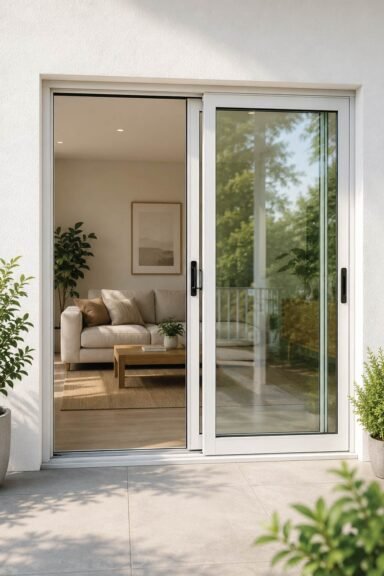
A sliding door that feels heavy or stuck is usually caused by dirt buildup or worn components. This is one of the most common and easiest problems to fix.
Causes
Understanding the root cause helps you decide whether cleaning or repair is needed.
- Dust, sand, or small stones in the track
- Lack of lubrication
- Old or damaged rollers
How to Fix It
Cleaning and lubrication often restore smooth movement. If not, adjusting the rollers can improve alignment and ease of use.
Start by cleaning the track thoroughly. Open the door fully and use a vacuum cleaner to remove loose dirt. Then wipe the track with a damp cloth. If grime is stuck, use warm soapy water and a brush to loosen it.
After cleaning, apply a silicone-based lubricant along the track. Avoid using grease or oil-based lubricants because they attract more dirt.
If the door still feels stiff, the rollers may need adjustment. Most sliding doors have adjustment screws at the bottom. Turning these screws slightly can raise or lower the door to improve movement.
2. Door Keeps Coming Off the Track
A door that comes off its track can be unsafe and should be fixed immediately. This usually indicates a mechanical issue with rollers or the track itself.
Causes
Several factors can cause the door to lose proper alignment and slip off the track.
- Loose or damaged rollers
- Bent or misaligned track
- Excess force while sliding
How to Fix It
Careful inspection and proper reinstallation are key to solving this issue safely.
First, remove the door carefully. This usually requires lifting it upward and tilting the bottom outward. It’s better to have someone help you because sliding doors are heavy.
Inspect the track for bends or damage. If you notice small bends, gently straighten them using pliers. For severe damage, the track may need replacement.
Next, check the rollers. If they are cracked, uneven, or not spinning freely, replace them. Rollers are usually inexpensive and can be found at hardware stores.
When reinstalling the door, make sure it sits evenly on both tracks and glides smoothly before tightening everything.
3. Grinding or Scraping Noise
Unusual noises during movement usually indicate friction or debris inside the mechanism. Addressing this early prevents further wear and damage.
Causes
Noise is often a result of poor maintenance or worn components.
- Dirt in the track
- Dry or rusted rollers
- Metal rubbing against metal
How to Fix It
Cleaning and lubrication are the first steps. Alignment adjustments may also be necessary for persistent issues.
Clean the track first, as described earlier. Even small particles can create loud grinding sounds.
If the noise continues, apply silicone lubricant directly to the rollers and track. Open and close the door several times to spread it evenly.
If you hear persistent scraping, inspect whether the door is misaligned and rubbing against the frame. Adjust the roller height using the adjustment screws until the door sits evenly.
4. Sliding Door Won’t Lock Properly
A sliding door that doesn’t lock properly is not just inconvenient it can also compromise security. Fixing this issue requires checking both alignment and the condition of the locking mechanism.
Causes
Understanding why the lock fails helps you apply the correct fix quickly and effectively.
- Door is misaligned
- Lock mechanism is worn out
- Track shift over time
How to Fix It
Proper alignment and a functional lock are essential for secure closure. Even small adjustments can restore correct locking.First, check if the door is closing fully into the frame. If it isn’t aligning with the lock latch, the issue is likely alignment.Adjust the rollers slightly to raise or lower the door until it aligns with the lock properly. Even a few millimeters can make a difference.If alignment is correct but the lock still doesn’t work, inspect the locking mechanism. Dirt or rust inside the lock can prevent smooth operation. Clean it using a dry cloth and apply a small amount of lubricant.
If the lock is damaged, replacing it is usually the best option. Most sliding door locks are simple to remove and replace with a screwdriver.
Also Read:
5. Door Feels Heavy or Hard to Lift
When a sliding door feels unusually heavy, it often indicates internal wear or resistance in the roller system. Addressing this issue improves both ease of use and long-term durability.
Causes
Heavy movement is usually linked to worn or obstructed components that prevent smooth rolling.
- Worn-out rollers
- Broken wheel bearings
- Dirt buildup in wheel housing
How to Fix It
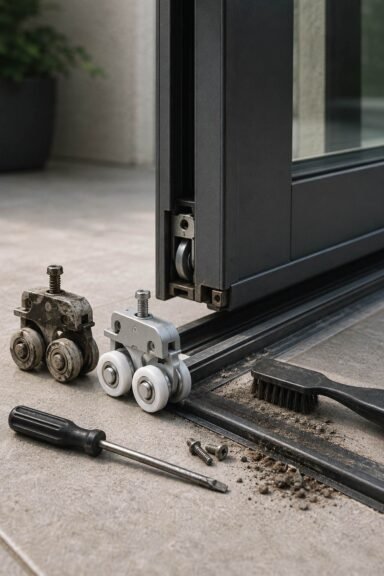
Inspecting and replacing faulty rollers is the most effective solution. Cleaning hidden debris also helps restore smooth operation.Remove the door carefully and inspect the rollers. Spin them with your finger—if they don’t rotate smoothly, they need replacement.Replacing rollers is one of the most effective fixes for sliding doors. Once replaced, the difference in movement is usually immediate.Also check the bottom track for hidden dirt or dents that might be causing resistance.
Also Read:
6. Gaps Between Door and Frame
Gaps between the sliding door and frame can lead to drafts, noise, and reduced insulation. Fixing these gaps improves comfort and energy efficiency.
Causes
Gaps usually result from alignment issues or worn sealing components.
- Misaligned rollers
- Warped door frame
- Worn weather stripping
How to Fix It
Correcting alignment and replacing worn seals ensures proper contact between the door and frame.
Adjust the rollers so the door sits evenly against the frame. This helps restore proper contact between sealing surfaces.
If the weather stripping is old or cracked, replace it. Weather stripping is inexpensive and plays a major role in insulation and noise reduction.
In cases where the frame itself is warped, professional repair may be required.
Preventive Maintenance Tips
Regular maintenance keeps sliding doors functioning smoothly and prevents common issues from developing over time. Small efforts can significantly extend the lifespan of the system.
Maintenance Habits
Following these simple practices helps maintain smooth movement and reduces the need for frequent repairs.
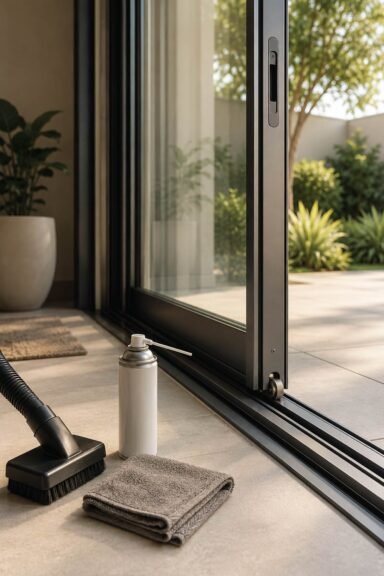
- Keep the track clean by vacuuming it every few weeks. Even small debris builds up quickly and causes problems.
- Lubricate the track and rollers every few months using silicone spray. This keeps movement smooth and prevents wear.
- Avoid slamming or forcing the door. Gentle use extends the lifespan of both rollers and tracks.
- Check alignment occasionally. If you notice early signs of sticking, adjust the rollers before the problem gets worse.
Also Read:
Essential Home Plumbing Maintenance Tips Every Homeowner Should Know
When to Call a Professional
While many sliding door issues can be handled at home, some situations require expert attention. Knowing when to call a professional can save time and prevent further damage.
Situations That Need Expert Help
Complex or severe problems often need specialized tools and experience for safe and effective repair.
- Severe frame damage
- Broken glass panels
- Completely seized rollers that cannot be removed
- Structural misalignment of the doorway
If you encounter any of these, it’s safer and more cost-effective in the long run to call an expert.
Also Read:
Final Thoughts
Sliding doors are simple in design but rely on a few key components working together smoothly. Most common issues—sticking, noise, misalignment, or locking problems—come down to dirt, wear, or minor adjustments.
With basic tools, a bit of cleaning, and careful inspection, you can fix most sliding door problems yourself without replacing the entire unit. Regular maintenance will keep your door working smoothly for years and save you from expensive repairs later.
If your sliding door is acting up right now, start with the basics: clean the track, check the rollers, and adjust the alignment. In most cases, that’s all it takes to bring it back to smooth operation.