
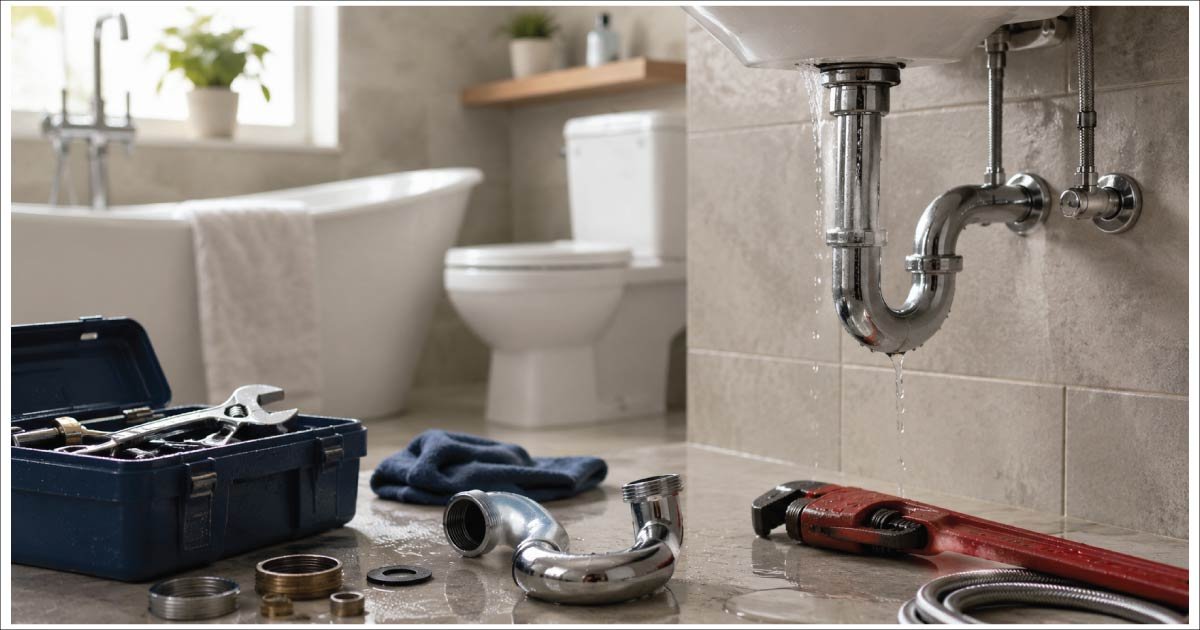
Bathroom plumbing issues are among the most common household problems. From clogged drains and running toilets to low water pressure and mysterious leaks, bathroom plumbing troubles can be frustrating, disruptive, and expensive if ignored. The good news is that many bathroom plumbing problems show early warning signs and can be troubleshooted quickly before they turn into major repairs.
This guide walks you through the most common bathroom plumbing issues, how to identify their causes, and what steps you can take to troubleshoot them safely. While some problems can be handled with simple fixes, others require professional attention. Knowing the difference can save you time, money, and stress.
Understanding Your Bathroom Plumbing System
Before troubleshooting any plumbing issue, it is important to understand how the bathroom plumbing system is structured. Knowing the main components helps homeowners identify where problems may occur and respond more effectively when issues like leaks, clogs, or pressure changes arise in daily use.
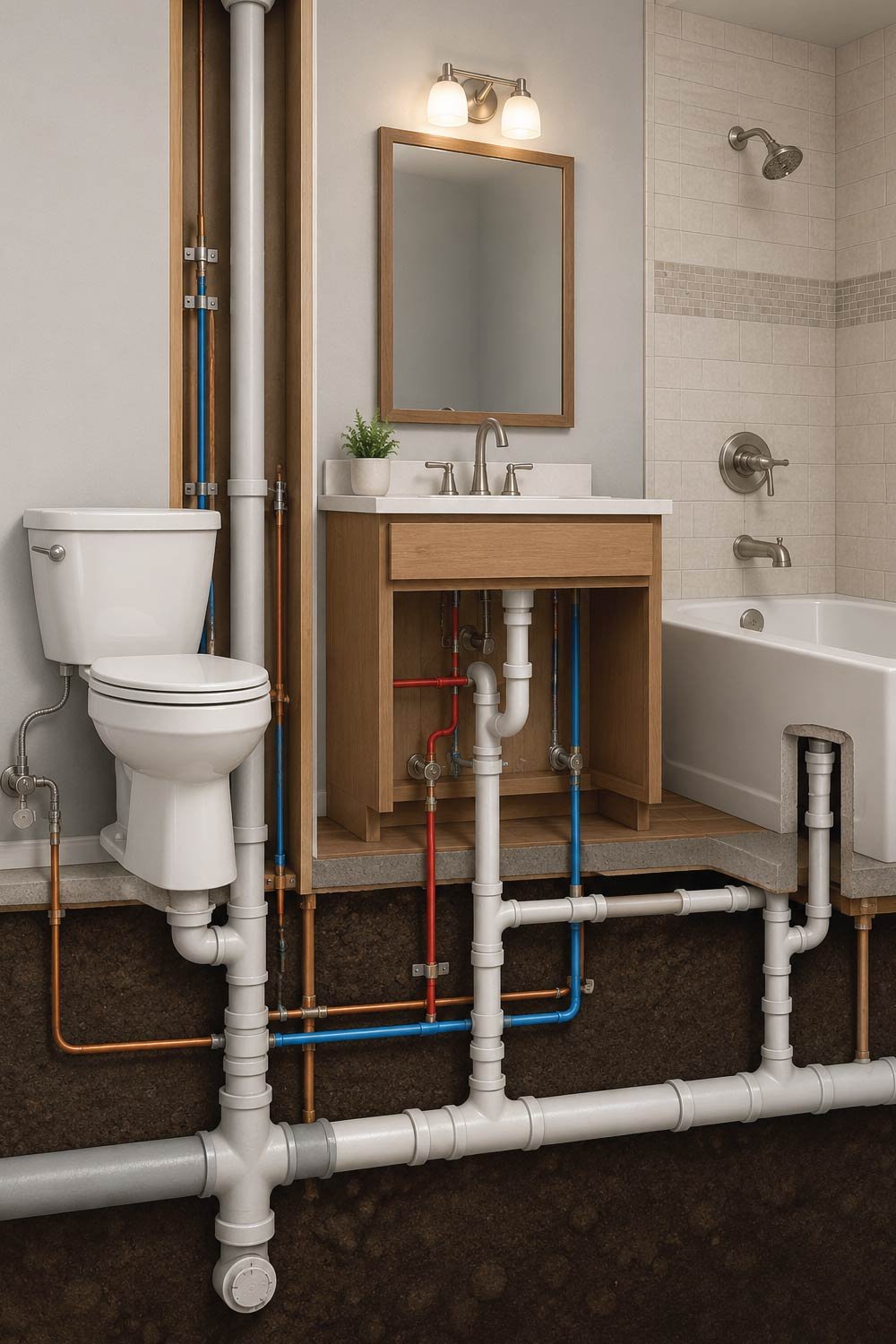
- A toilet with a supply line and drain line
- A sink with hot and cold water supply lines and a drain trap
- A bathtub or shower with mixing valves and drain pipes
- Vent pipes that regulate air pressure in the system
When any of these components fail or become blocked, symptoms like slow drains, leaks, or pressure issues appear.
Clogged Sink Drains
Shower or Tub Drain Clogs
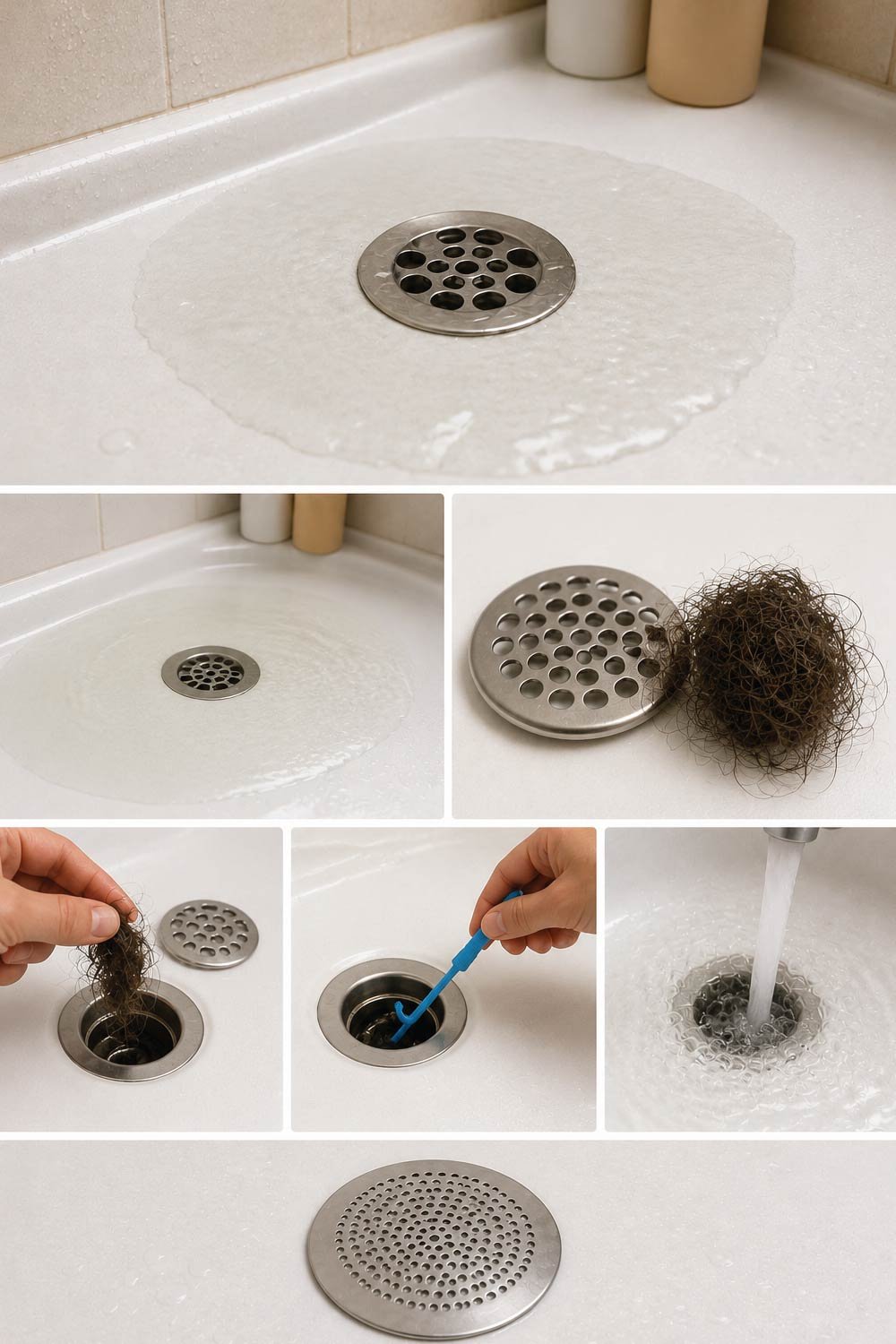
Shower or Tub drain clogs are frequent bathroom plumbing problems that reduce drainage efficiency and create standing water issues. They usually develop over time due to trapped hair, soap residue, and debris, eventually restricting water flow and causing inconvenience during daily bathing routines if not addressed early.
Symptoms
Symptoms of shower or tub drain clogs typically appear as water flow issues and pooling inside the tub or shower area. These signs indicate developing blockages that can worsen if not cleaned promptly and properly.
- Standing water in the tub or shower
- Slow drainage during use
Common Causes
Shower and tub drain clogs commonly develop from everyday bathroom use where organic and soapy materials accumulate over time. These substances combine and stick inside pipes, gradually restricting water flow and forming stubborn blockages.
Hair is the number one cause of shower and tub clogs, often combined with soap scum.
Troubleshooting Steps
Troubleshooting shower or tub drain clogs involves simple cleaning methods that help restore proper drainage without requiring professional plumbing services. These steps focus on removing trapped debris and improving water flow through the drain system.
- Remove the drain cover and pull out visible hair
- Use a drain snake or hair removal tool
- Flush the drain with hot water
Installing a drain strainer can prevent future clogs.
Running or Constantly Filling Toilet
Toilet That Won’t Flush Properly
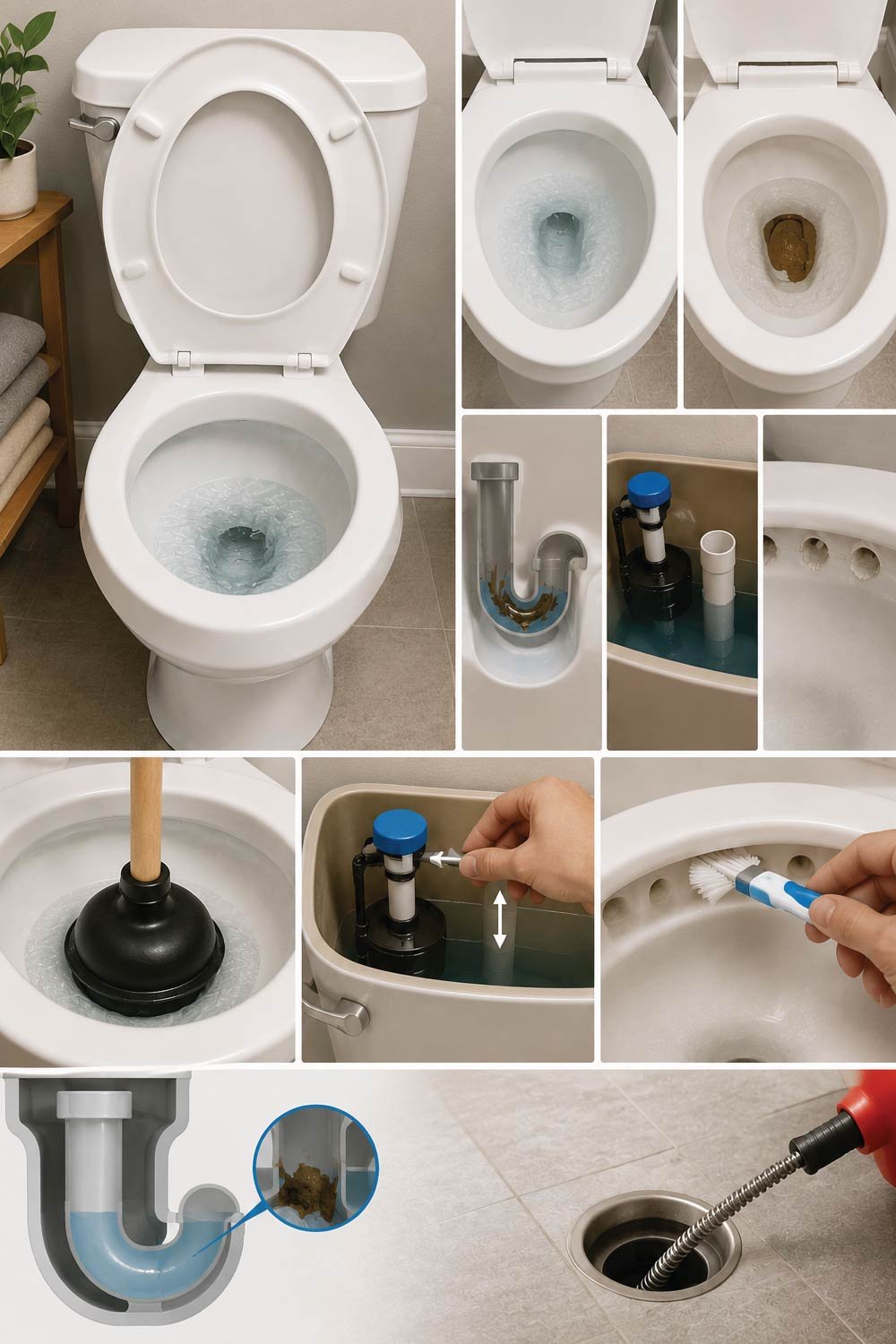
Toilet that won’t flush properly is a common household plumbing issue that affects hygiene and daily convenience. It often occurs when water flow is restricted or internal components malfunction, leading to weak flushing performance. If ignored, it can cause repeated blockages and more serious drainage problems over time.
Symptoms
Symptoms of a toilet that won’t flush properly usually show up as weak water flow and incomplete bowl clearing. These issues indicate reduced flushing power, often making it difficult to fully remove waste and requiring multiple flush attempts.
- Weak or incomplete flush
- Toilet bowl not clearing waste
Common Causes
Common causes of this issue typically involve reduced water flow or buildup inside the toilet system. When internal passages become restricted or tank performance drops, flushing strength decreases, resulting in incomplete waste removal and frequent clogging problems.
- Partial clogs
- Low water level in the tank
- Mineral buildup in rim holes
Troubleshooting Steps
Troubleshooting steps for a weak flushing toilet focus on clearing blockages and restoring proper tank function. Simple maintenance actions can often improve flushing power by ensuring adequate water level and removing minor obstructions in the drain system.
- Use a plunger to clear minor clogs
- Check and adjust the tank water level
- Clean rim holes with a small brush or vinegar
Persistent flushing problems may indicate a deeper drain issue.
Toilet Overflows
Toilet overflows are urgent plumbing issues that can quickly cause water damage and unsanitary conditions in a bathroom. They typically happen when blockages prevent normal drainage, forcing water to rise in the bowl and spill out. Immediate action is required to control the situation and prevent further flooding or contamination.
Symptoms
Symptoms of toilet overflows are usually sudden and visibly alarming, indicating a serious blockage or drainage failure. These signs require immediate attention to avoid water damage and hygiene issues in the surrounding area.
- Water rising quickly in the bowl
- Water spilling onto the floor
Immediate Actions
Immediate actions for toilet overflows focus on stopping water flow and preventing further spillage. Quick response can reduce damage and help control the situation before attempting any clearing methods.
- Remove the tank lid and push down the flapper
- Shut off the toilet’s water supply valve
- Use a plunger carefully
Do not continue flushing. If plunging fails, professional help may be needed.
Leaking Toilet Base
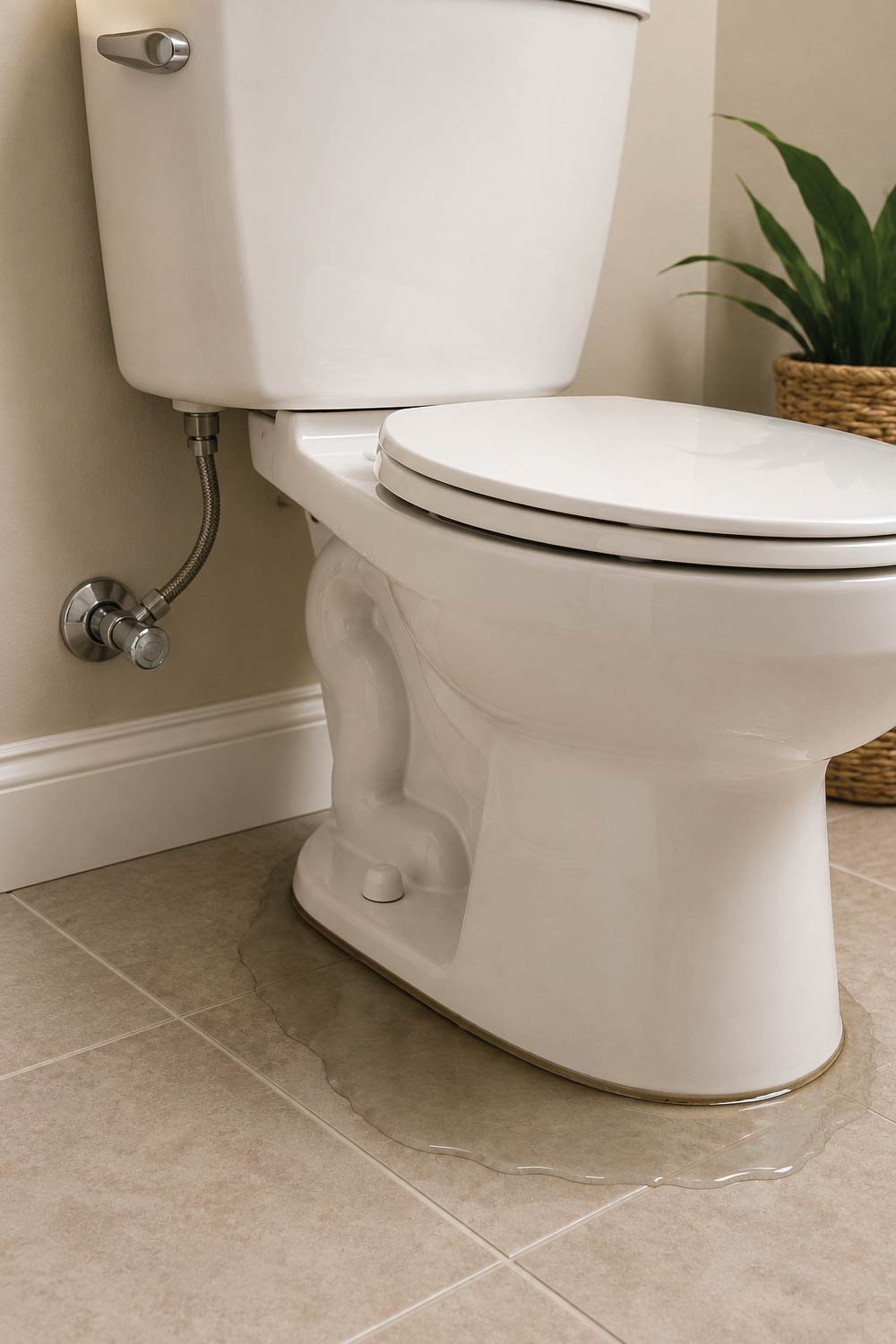
Leaking toilet base is a common bathroom plumbing issue that can lead to floor damage and unpleasant odors if not fixed quickly. It usually occurs when the seal between the toilet and floor fails or when the toilet becomes loose, allowing water to escape during flushing or refilling cycles.
Symptoms
Symptoms of a leaking toilet base are typically visible around the floor area and may also affect the stability of the toilet. These signs often indicate a failing seal or loose installation that requires prompt attention.
- Water pooling around the toilet
- Loose or rocking toilet
Common Causes
Common causes of a leaking toilet base usually involve issues with sealing or mounting hardware. When these components fail or loosen over time, water can escape from the base during flushing or tank refilling.
- Failed wax ring seal
- Loose mounting bolts
Troubleshooting Steps
Troubleshooting a leaking toilet base involves checking stability and tightening fittings to prevent further water escape. If basic adjustments do not resolve the issue, internal sealing components may need replacement.
- Tighten toilet bolts gently
- If leaking continues, the wax ring likely needs replacement
A failed wax ring should be replaced promptly to prevent subfloor damage.
Low Water Pressure in Bathroom Fixtures
Low water pressure in bathroom fixtures is a common plumbing concern that affects faucets, showers, and overall water flow efficiency. It can be caused by buildup, valve issues, or broader plumbing problems, leading to weak or inconsistent water delivery throughout the bathroom or home system.
Symptoms
Symptoms of low water pressure in bathroom fixtures are mainly noticeable through reduced water flow from taps and showerheads. This can make everyday tasks slower and less efficient.
- Weak water flow from faucets or showerheads
Common Causes
Common causes of low water pressure often involve blockages, valve restrictions, or system-wide plumbing issues. These problems reduce water flow and affect multiple fixtures depending on severity.
- Mineral buildup in fixtures
- Partially closed shut-off valves
- Plumbing system issues
Troubleshooting Steps
Troubleshooting low water pressure includes checking fixtures, valves, and comparing water flow across the home. These steps help identify whether the issue is isolated or part of a larger plumbing problem.
- Clean faucet aerators and showerheads
- Check shut-off valves under the sink
- Compare pressure in other parts of the house
If low pressure affects the entire bathroom or home, professional inspection may be required.
Dripping or Leaking Faucets 5
Dripping or leaking faucets are a common household plumbing issue that can waste significant amounts of water over time. They usually occur when internal components wear out or fittings loosen, allowing water to escape even when the faucet is turned off. This issue may seem minor but can increase utility bills if ignored.
Symptoms
Symptoms of dripping or leaking faucets are easy to notice and often persist continuously. These signs indicate internal wear or loose connections that require repair.
- Constant dripping
- Water stains around fixtures
Common Causes
Common causes of faucet leaks typically involve worn internal parts or loose fittings that fail to properly seal water flow. Over time, regular use leads to component deterioration and leakage.
- Worn washers or cartridges
- Loose fittings
Troubleshooting Steps
Troubleshooting dripping faucets involves stopping water supply and checking internal and external connections. Most issues can be resolved by replacing worn parts or tightening fittings.
- Shut off water to the faucet
- Tighten loose connections
- Replace worn internal components
Ignoring dripping faucets wastes water and increases utility costs.
Also Read:
Leaks Under the Bathroom Sink
Leaks under the bathroom sink are common plumbing issues that can cause cabinet damage and unpleasant odors if not addressed quickly. They often develop from loose connections or damaged pipes, leading to slow water accumulation beneath the sink area.
Symptoms
Symptoms of leaks under the bathroom sink usually appear inside the cabinet area and may worsen over time if the source is not identified and fixed.
- Water inside cabinet
- Damp odors
- Warped wood
Common Causes
Common causes of under-sink leaks typically involve damaged or loose plumbing connections. These issues allow water to escape during normal sink usage and gradually damage surrounding materials.
- Loose drain connections
- Cracked pipes
- Faulty supply lines
Troubleshooting Steps
Troubleshooting under-sink leaks involves locating the source of water and securing or replacing faulty components. Quick action helps prevent structural damage and mold growth.
- Dry the area and identify the leak source
- Tighten fittings carefully
- Replace damaged hoses or pipes
Even small leaks should be fixed quickly.
Shower Valve Problems
Shower valve problems are plumbing issues that affect water temperature control and overall shower performance. These problems often arise from worn internal components or mineral buildup, making it difficult to maintain consistent hot or cold water flow during use.
Symptoms
Symptoms of shower valve problems typically involve inconsistent water temperature and reduced control over shower settings. These issues can make showering uncomfortable and unpredictable.
- Difficulty adjusting temperature
- Sudden temperature changes
- No hot or cold water
Common Causes
Common causes of shower valve issues include internal wear, mineral deposits, and pressure imbalances. These factors interfere with proper mixing and regulation of water flow.
- Worn mixing valve
- Mineral buildup
- Pressure imbalance
Troubleshooting Steps
Troubleshooting shower valve problems involves cleaning or replacing internal components and checking system settings. Some repairs may require professional plumbing assistance due to complexity.
- Clean or replace the cartridge
- Check water heater settings
- Avoid DIY valve replacement unless experienced
Shower valve repairs often require professional expertise.
Also Read:
Essential Home Plumbing Maintenance Tips Every Homeowner Should Know
Mold and Musty Smells in the Bathroom
Mold and musty smells in the bathroom are often signs of hidden moisture problems or plumbing leaks. These issues develop when excess humidity or water accumulation is not properly controlled, leading to mold growth and persistent odors that can affect indoor air quality.
Symptoms
Symptoms of mold and musty smells include visible fungal growth and persistent damp odors that indicate excess moisture in hidden or poorly ventilated areas.
- Persistent damp odor
- Visible mold spots
Common Causes
Common causes of mold and musty smells usually involve ongoing moisture problems. These conditions are often linked to leaks, poor airflow, or excess humidity buildup in bathroom spaces.
- Hidden leaks
- Poor ventilation
- Excess moisture
Troubleshooting Steps
Troubleshooting mold and musty smells involves identifying moisture sources and improving ventilation. Addressing leaks and humidity issues is essential to prevent recurrence.
- Inspect for leaks around fixtures
- Improve ventilation
- Repair any water sources promptly
Mold often indicates an underlying plumbing issue.
Gurgling Noises from Drains or Toilet
Gurgling Noises from Drains or Toilet are common plumbing warning signs that indicate trapped air or partial blockages in the drainage system. These sounds often suggest ventilation or flow issues that may worsen over time if not inspected and resolved promptly to maintain proper bathroom plumbing performance.
Symptoms
Symptoms of gurgling noises from drains or toilets usually indicate airflow disruption within the plumbing system. These signs often appear alongside drainage issues and can signal developing blockages or venting problems that require attention.
- Bubbling or gurgling sounds
Common Causes
Common causes of gurgling noises in plumbing systems usually involve airflow restrictions or partial obstructions. These issues can disrupt normal drainage and allow air to become trapped, producing audible bubbling or gurgling sounds during water use.
- Vent pipe blockage
- Partial drain clogs
Troubleshooting Steps
Troubleshooting gurgling noises involves checking for drainage restrictions and ensuring proper system airflow. Basic steps can help identify minor clogs or usage patterns affecting multiple fixtures before more serious plumbing intervention is required.
- Check for slow drains
- Avoid using multiple fixtures simultaneously
- Contact a plumber if noises persist
Gurgling often signals airflow problems in the plumbing system.
Also Read:
When to Stop Troubleshooting and Call a Professional
When to Stop Troubleshooting and Call a Professional is an important guideline for homeowners to avoid worsening plumbing issues. While minor problems can often be fixed at home, certain warning signs indicate deeper system failures that require licensed plumbers to prevent damage, health risks, and costly repairs.
Call a plumber if:
Call a plumber if warning signs persist or worsen despite basic troubleshooting. These conditions often indicate hidden plumbing failures that cannot be safely resolved without professional tools, expertise, and system-level inspection.
- Leaks continue despite basic fixes
- Multiple fixtures are clogged
- Water damage or mold appears
- Sewage odors are present
- Plumbing issues return frequently
Professional diagnosis prevents repeat failures and hidden damage.
Preventive Tips for Bathroom Plumbing
Preventive Tips for Bathroom Plumbing helps homeowners maintain efficient water systems and reduce the likelihood of recurring issues. Regular care and simple maintenance practices can significantly extend the lifespan of plumbing fixtures while preventing costly repairs, water damage, and inconvenient bathroom disruptions over time.
Helpful habits include:
Helpful habits include consistent maintenance routines that keep bathroom plumbing in good condition. These practices reduce buildup, improve water flow, and help prevent unexpected issues that may require professional repair or emergency service.
- Cleaning drains regularly
- Replacing aging fixtures
- Avoiding flushing non-degradable items
- Monitoring water pressure
- Scheduling periodic plumbing inspections
Prevention is always less costly than emergency repairs.
Also Read:
How to Fix Shower Water Flow: A Complete DIY Troubleshooting Guide
Final Thoughts
Bathroom plumbing troubleshooting doesn’t have to be overwhelming. Many common problems have clear symptoms and straightforward solutions if addressed early. By understanding how your bathroom plumbing system works and recognizing warning signs, you can prevent small issues from becoming major repairs.
While DIY troubleshooting is useful, knowing when to call a professional is just as important. A proactive approach to bathroom plumbing maintenance keeps your home safe, efficient, and comfortable.