
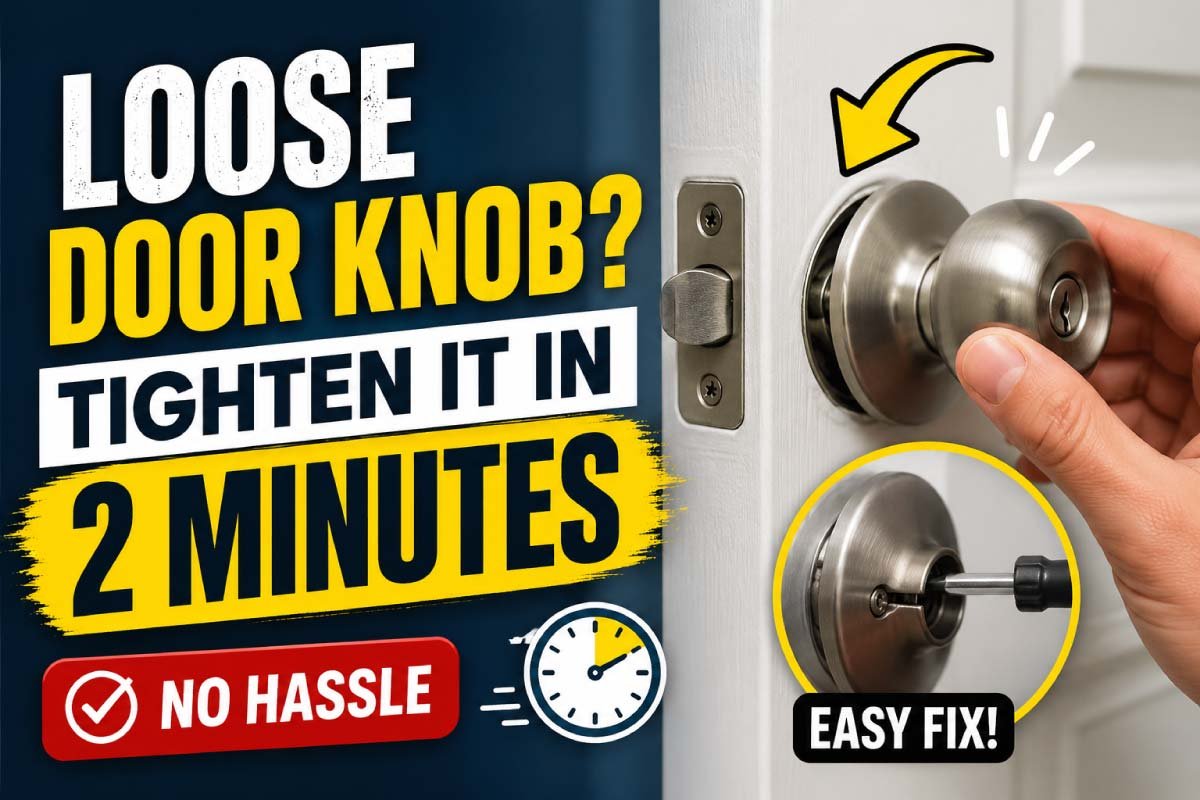
A loose door knob might seem like a small annoyance, but it can quickly turn into a bigger problem if ignored. That slight wobble every time you open the door is often a warning sign that internal screws are coming loose, the latch mechanism is wearing out, or the handle is no longer properly aligned.
The good news? You don’t need a professional, expensive tools, or even much time to fix it. In most cases, you can tighten a loose door knob in under 2 minutes with nothing more than a screwdriver and a few simple steps.
This guide walks you through everything you need to know—why door knobs become loose, how to fix them fast, and how to prevent the issue from coming back.
Why Door Knobs Become Loose in the First Place
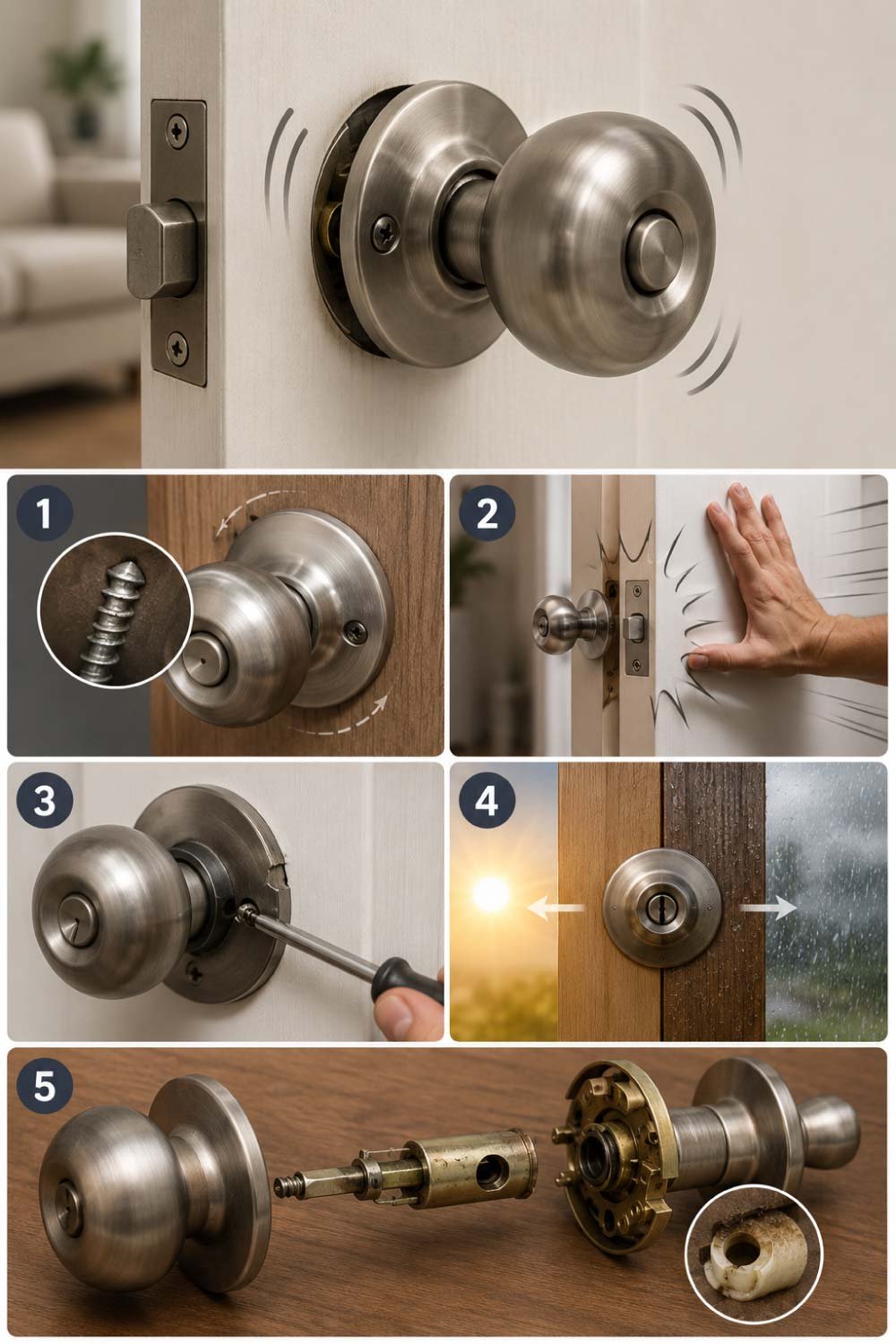
Before jumping into the fix, it helps to understand the cause. Door knobs don’t suddenly become loose overnight—this is usually a gradual process caused by repeated use and small internal shifts. Knowing why it happens can help you prevent it from happening again.
Before jumping into the fix, it helps to understand the cause. Door knobs loosen over time due to everyday use. Every time you turn the handle, small vibrations travel through the screws and internal parts. Eventually, they begin to shift.
Here are the most common reasons:
1. Regular Wear and Tear
Daily use slowly weakens the internal grip of your door knob. Each twist or turn applies minor pressure on screws and components. Over time, these repeated movements reduce tightness, especially in high-traffic doors used multiple times throughout the day.
Daily use is the biggest factor. Thousands of twists, pushes, and pulls slowly weaken the tight grip of screws.
2. Vibration from Slamming Doors
Frequent door slamming creates strong vibrations that travel through the knob assembly. These shocks can loosen screws much faster than normal usage. Even occasional hard closing can gradually affect alignment and stability inside the mechanism.
If doors are frequently slammed, the impact loosens internal fittings faster than normal use.
3. Poor Initial Installation
If a door knob wasn’t properly secured during installation, it’s more likely to loosen quickly. Even slightly loose screws at the start can worsen over time, especially with daily use, making the handle feel unstable much sooner.
Sometimes door knobs were never tightened properly during installation, making them loosen sooner than expected.
4. Temperature and Humidity Changes
Environmental changes can affect how tightly your door knob holds. Wooden doors expand in heat and humidity and contract in dry conditions. This constant movement can shift screw positions and reduce how firmly the knob stays attached.
Wooden doors expand and contract depending on weather conditions, which can affect how tightly screws hold.
5. Worn-Out Internal Mechanism
Older door knobs often suffer from internal wear. Parts like the spindle or latch may degrade over time, reducing their ability to hold everything tightly together. This leads to repeated loosening even after tightening the screws.
In older knobs, the internal spindle or latch mechanism may wear down, causing repeated loosening.
Understanding the cause helps you avoid the problem in the future, but first, let’s fix it.
Tools You’ll Need (Very Minimal)
This is one of the easiest home fixes you can do, mainly because it requires almost no special equipment. Most of the tools are basic household items, and you likely already have them within reach, making the process quick and convenient.
One of the best things about this repair is how simple it is. You likely already have everything at home:
1. Phillips screwdriver (most common)
This is the main tool used to tighten the screws holding the door knob together. It fits most standard screws and gives you proper grip and control while tightening.
2. Flathead screwdriver (optional)
Useful for prying off decorative covers or accessing hidden screws. It can also help adjust small internal components if needed during the repair process.
3. Flashlight (if needed)
Helps you clearly see inside the knob area, especially when working with hidden screws or dimly lit spaces like hallways or closets.
4. A small cloth (to clean dust or grease)
Cleaning the area before tightening ensures better grip and prevents debris from interfering with the mechanism.
That’s it. No drilling, no replacements, no special kits.
Step-by-Step: Tighten a Loose Door Knob in 2 Minutes
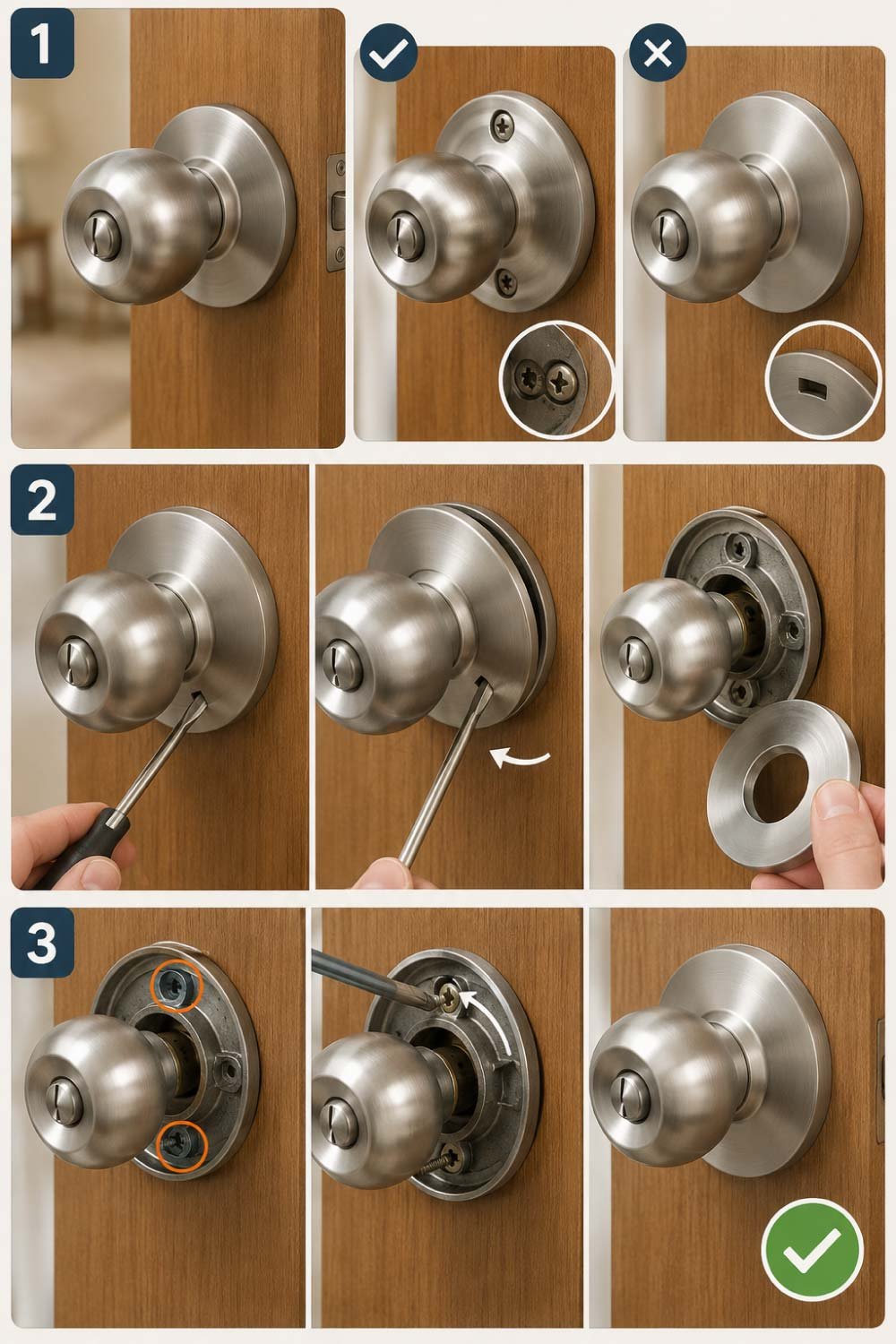
Now let’s move on to the actual fix. This process is simple, quick, and doesn’t require any professional help. Follow each step carefully, and you’ll have your door knob tightened and working smoothly in just a couple of minutes.
Now let’s get straight into the solution. Follow these steps carefully.
Step 1: Identify the Type of Door Knob
Before you begin, it’s important to understand what type of door knob you’re working with. Different designs require slightly different approaches, especially when locating screws or accessing internal components hidden beneath covers.
First, check what kind of knob you have. There are usually two types:
- Exposed Screw Knobs
These knobs have visible screws on the outer plate or handle, making them easy to access and tighten without removing any additional parts. - Hidden Screw Knobs
These have a cleaner, modern look where screws are concealed beneath a decorative plate, requiring an extra step to access them.
Most modern homes use hidden screw designs.
If you see no visible screws, gently look around the base of the knob for a small slot or notch. That’s where the cover comes off.
Step 2: Remove the Cover Plate (If Needed)
If your door knob has hidden screws, you’ll need to remove the outer cover first. This step requires a bit of care to avoid scratching or damaging the decorative plate while exposing the screws underneath.
If your screws are hidden:
- Look for a small groove or notch near the base
- Insert a flathead screwdriver gently
- Pry off the cover plate carefully
Do not force it too hard—you only need slight pressure.
Once removed, you will see the internal screws holding the knob in place.
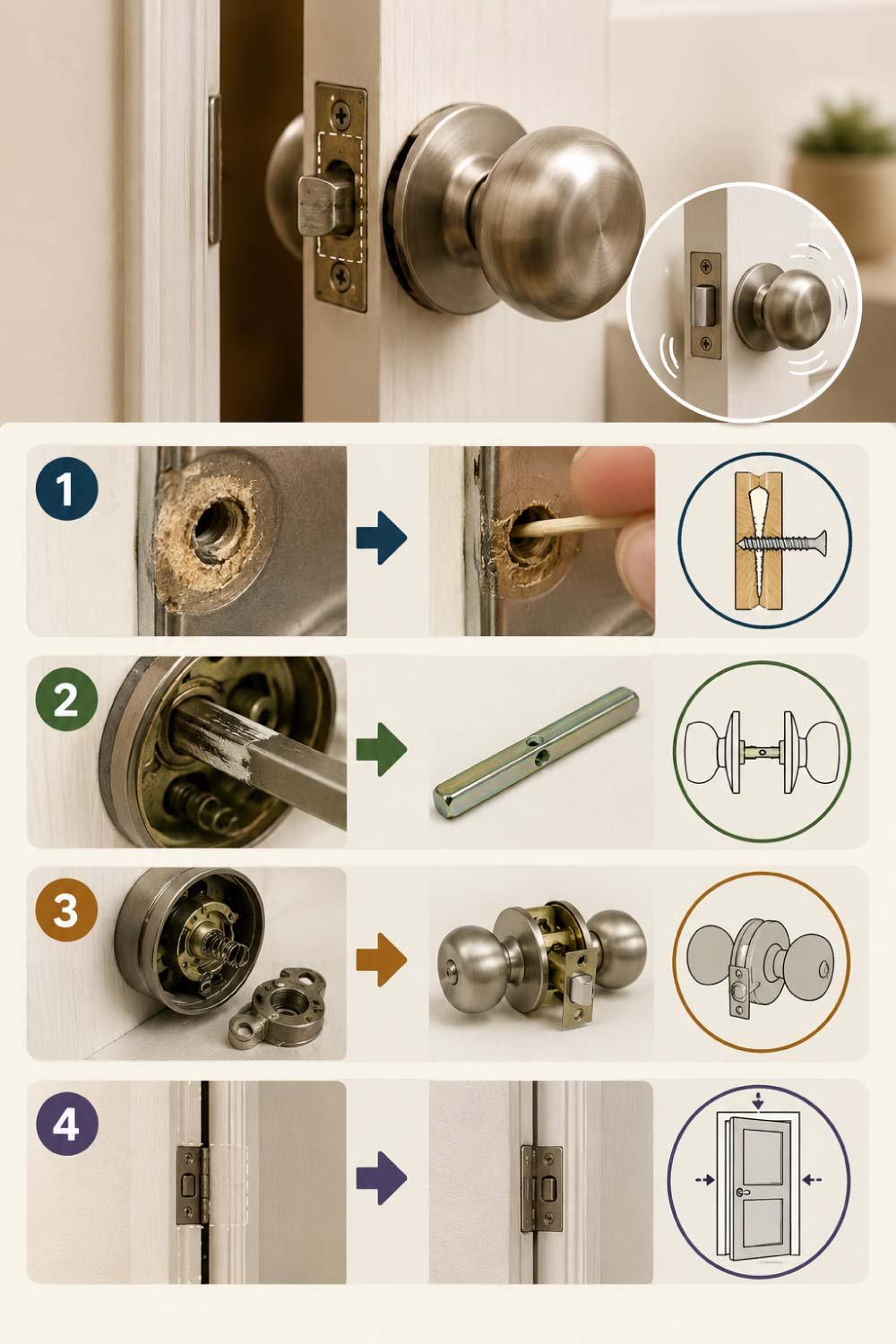
Step 3: Tighten the Mounting Screws
This is the key step that solves the problem in most cases. The internal screws hold both sides of the door knob together, and tightening them restores stability and firmness to the handle.
Inside, you will usually find two long screws holding the knob assembly together.
Take your Phillips screwdriver and:
- Turn each screw clockwise
- Tighten them firmly but not overly tight
- Make sure both screws are equally secure
If only one screw is loose, tighten both anyway for balance.
This step alone fixes most loose door knobs.
Also Read:
Final Thoughts
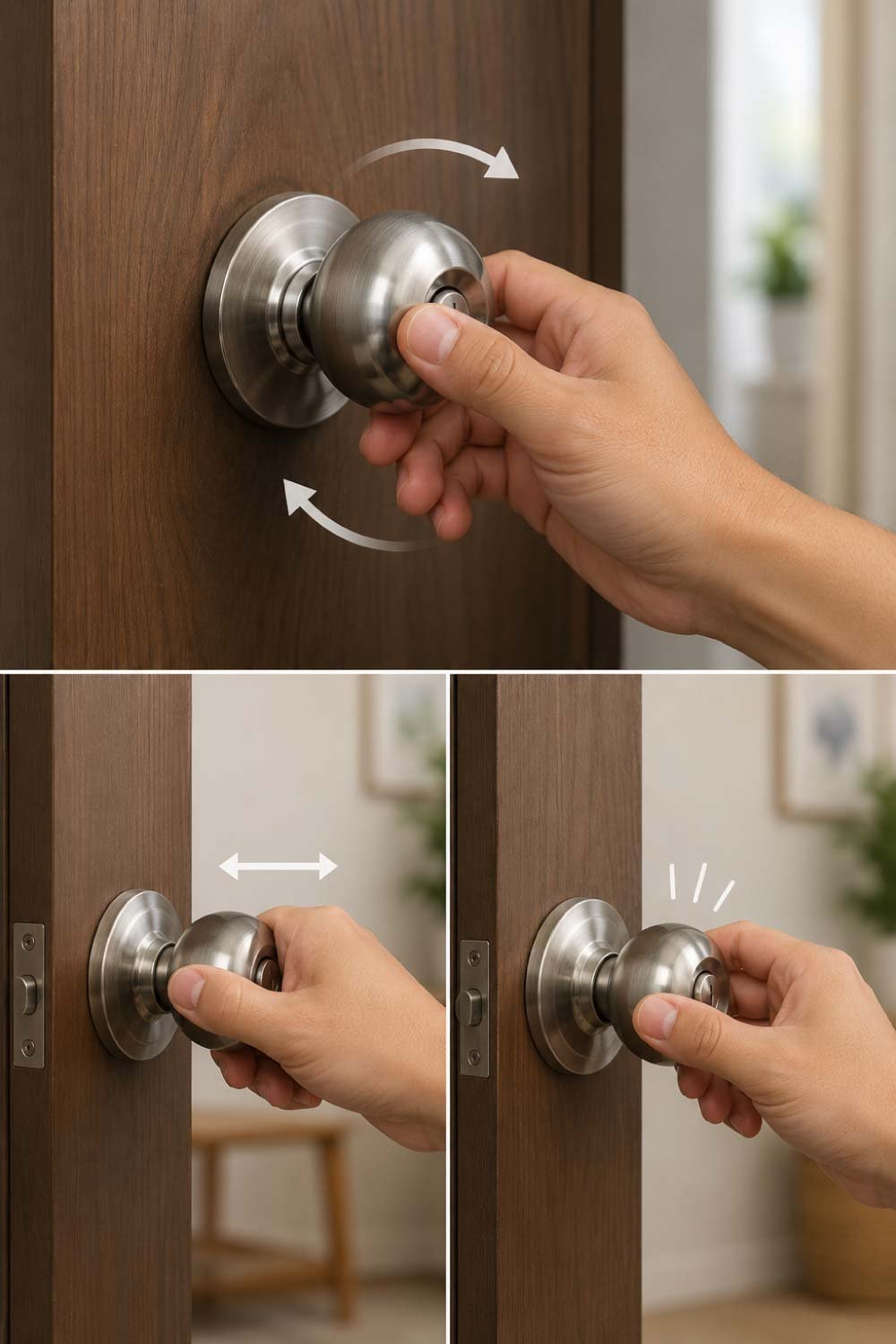
Tightening a loose door knob is one of the easiest home repairs you can do yourself. It takes just a couple of minutes, requires no special skills, and saves you from unnecessary repair costs.
Most of the time, the solution is as simple as tightening a few screws. But understanding how the mechanism works helps you fix it properly and prevent it from happening again.
So next time your door knob starts wobbling, don’t ignore it—and definitely don’t replace it immediately. Grab a screwdriver, follow these steps, and you’ll have it solid and stable again in no time.