
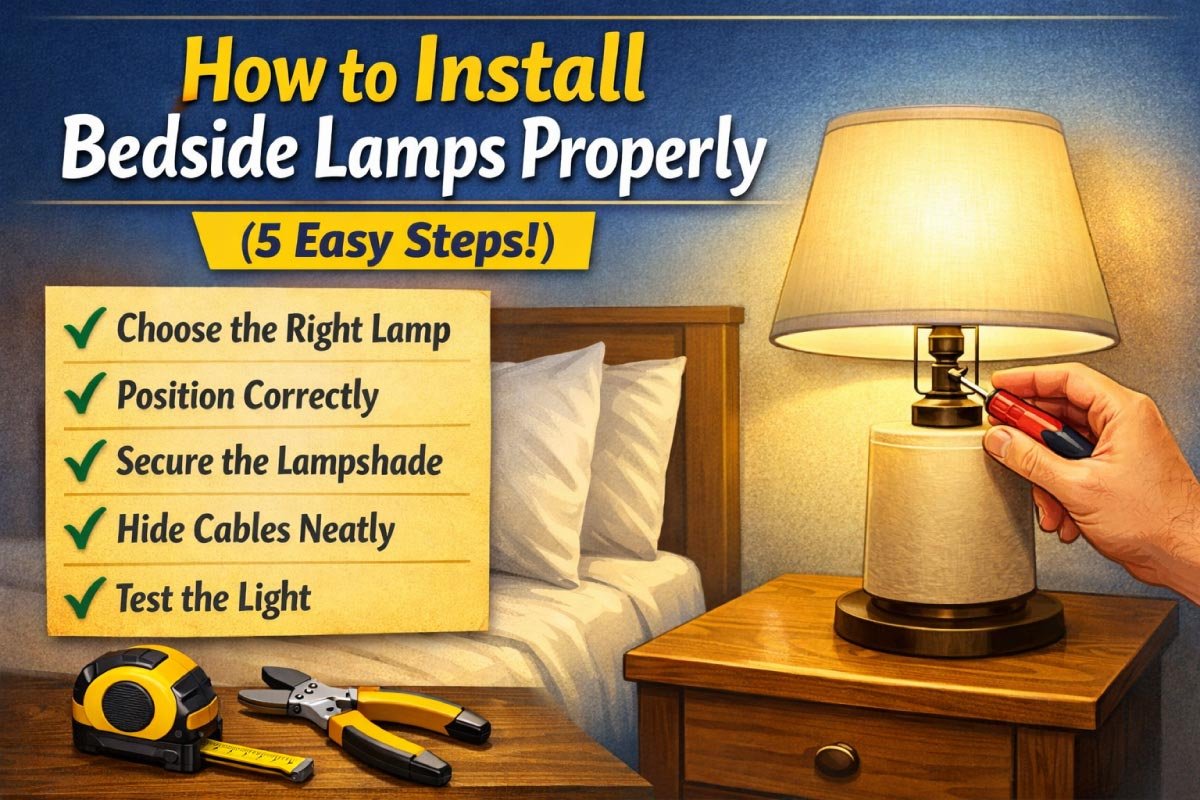
A well-lit bedroom is more than just functional—it sets the mood, enhances comfort, and elevates the overall aesthetics of the space. Bedside lamps are a key element in achieving that perfect balance of light. However, improper installation can lead to awkward shadows, safety hazards, or just plain frustration. In this post, I’ll walk you through five easy steps to install bedside lamps properly, and I’ll share some personal experience on what really works.
Step 1: Choose the Right Lamp for Your Bedroom

Before you even think about plugging in a lamp, it’s essential to choose one that complements your bedroom style and meets your specific lighting needs.
A bedside lamp isn’t just a source of light—it’s a functional and decorative piece that can influence the overall mood of your bedroom.
Lamps come in a variety of shapes, sizes, and functionalities, from simple minimalist designs to elaborate statement pieces.
Selecting the right one requires considering your room’s style, your personal habits, and practical factors such as height, brightness, and lamp base stability.
Height Matters
One of the most overlooked aspects of choosing a bedside lamp is its height. The ideal height for a lamp is where the bottom of the lampshade aligns with your eye level when sitting up in bed. If the lamp is too tall, the light may shine directly into your eyes, causing discomfort when reading.
Too short, and it may not adequately illuminate your bedside area. Generally, bedside lamps should range between 24 to 30 inches tall.
Tip: Measure the height of your bed and nightstand before shopping. Many stores provide height specifications, but it’s important to visualize how the lamp will feel when you’re sitting up in bed.
Brightness and Bulb Type
The type of lighting your lamp provides is just as important as its design. Decide whether you want:
- Ambient lighting: Soft, overall illumination to create a relaxing environment.
- Task lighting: Focused light for reading, writing, or other bedside activities.
- Accent lighting: Decorative lighting to highlight certain areas or objects in your room.
For reading in bed, a lamp with 400–800 lumens is usually sufficient. LED bulbs are often the best choice—they are energy-efficient, long-lasting, and offer adjustable color temperatures ranging from warm to cool light.
Style and Shape
Your lamp should complement the décor of your bedroom. For instance:
- Modern: Sleek lines, metal finishes, and minimalist shades.
- Rustic: Wooden bases, fabric shades, and earthy tones.
- Classic/Traditional: Ornate bases, glass or ceramic materials, and patterned shades.
The shape of the lampshade also affects light distribution. A wide shade spreads light more evenly, while a narrower one directs light downwards, ideal for reading.
Personal Experience
When I first moved into my bedroom, I was so focused on aesthetics that I ignored practical details. I purchased two tall, elegant lamps that looked perfect on my nightstands. However, they were far too tall for my low-profile bed.
Whenever I tried to read at night, the light glared directly into my eyes, making reading uncomfortable and irritating. After returning the lamps, I replaced them with shorter, proportional ones, and the difference was incredible.
The lesson here is clear: always consider function alongside style. A lamp may look beautiful, but if it doesn’t suit your practical needs, it won’t make your bedroom comfortable.
Step 2: Determine the Best Placement

Choosing the right lamp is only half the battle; placement is equally important. Poor placement can create awkward shadows, reduce the lamp’s effectiveness, or even create safety hazards. The goal is to find a spot that provides optimal light for your activities while blending seamlessly with your bedroom layout.
Distance from Bed
The lamp should ideally sit 18–24 inches from the edge of the mattress. This distance ensures that the light is strong enough for reading or other activities but not so close that it’s blinding. If your bedside table is particularly narrow, consider a lamp with a smaller base or a wall-mounted option to save surface space.
Symmetry and Balance
If you have two bedside lamps, placing them equidistant from the center of your bed creates visual harmony and a sense of balance. Symmetry isn’t just aesthetic—it also ensures that both sides of the bed have equal lighting for reading or nighttime activities.
Tip: Use painter’s tape or a measuring tape to mark the spots before moving heavy furniture. This ensures that your placement looks intentional rather than arbitrary.
Surface Considerations
A stable nightstand or bedside table is crucial. Lamps that are too heavy for a small or unstable surface can tip over easily. Make sure your table has enough depth and width to hold the lamp safely, along with any other items you keep at arm’s reach, like books, phones, or glasses of water.
Personal Experience
I once placed one of my bedside lamps too close to the edge of my nightstand. One evening, my curious cat jumped onto the table and knocked it over. Fortunately, the lamp wasn’t damaged, but it was a startling reminder of the importance of placement. Now, I make it a rule to leave at least 6–8 inches of space from the edge of the nightstand for safety. This minor adjustment has prevented multiple near-accidents and keeps the space looking clean and organized.
Step 3: Prepare the Electrical Setup
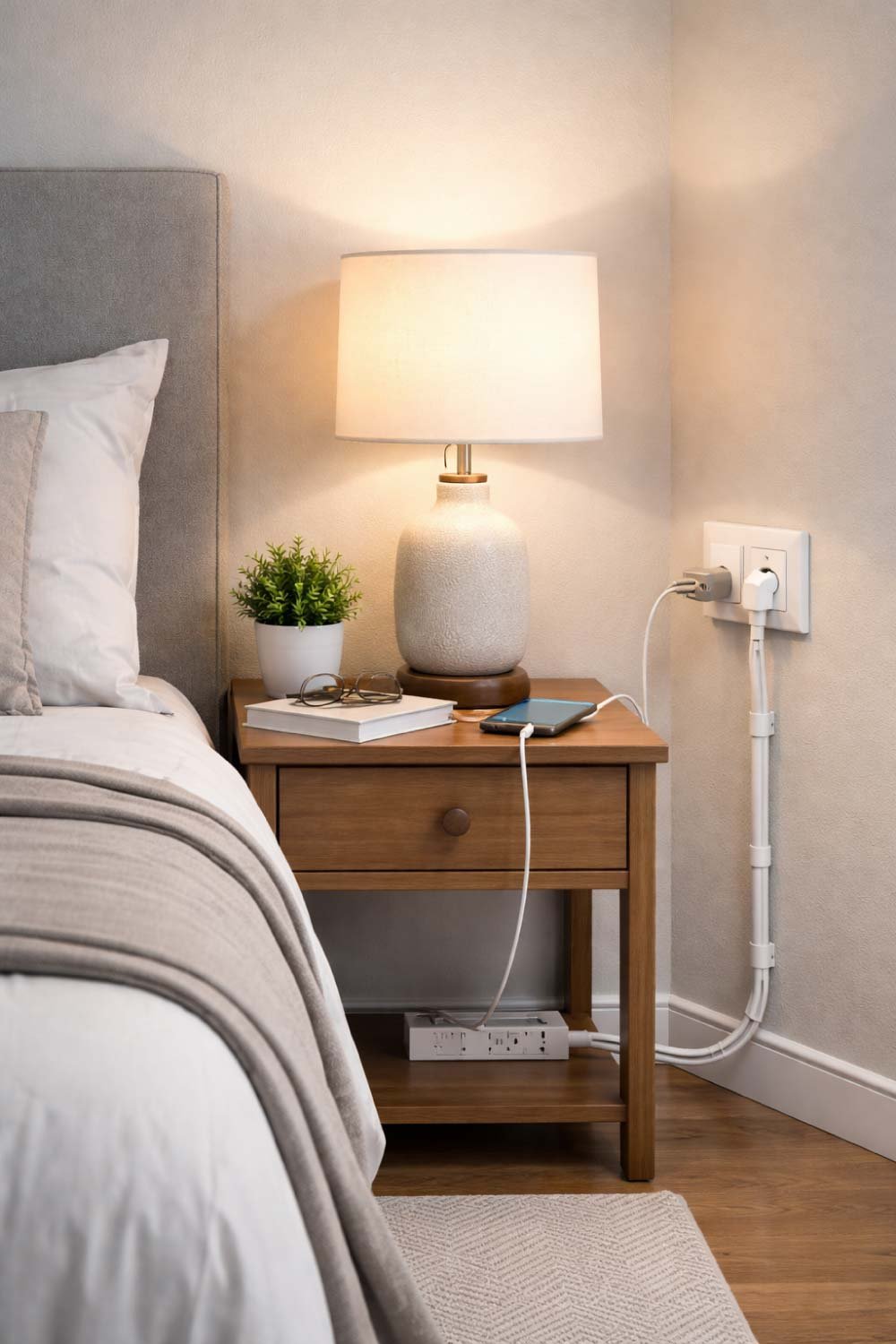
Before plugging in your lamp, it’s crucial to ensure that your bedroom’s electrical setup is safe, convenient, and aesthetically pleasing. Even the most beautiful lamp will be frustrating if it’s hard to reach, flickers, or creates tangled cords.
Check Outlets
Make sure there’s an accessible outlet near your nightstand. If your room doesn’t have an outlet in the ideal spot, you can use a certified extension cord with built-in surge protection. Avoid cheap or frayed cords, as these can be a fire hazard.
Tip: Consider outlets with USB ports if you like to charge devices overnight. This can reduce the number of cords cluttering your bedside table.
Cord Management
Cords can easily become tripping hazards or make a clean setup look messy. Use cord clips, sleeves, or cable organizers to keep wires neatly against the wall. For a sleek, modern look, some people even run cords inside decorative conduits or behind furniture.
Switch Type
Bedside lamps come with various control types:
- Inline switches: Convenient but may dangle on the cord.
- Touch lamps: Easy to operate in the dark, often with dimming functionality.
- Smart plugs or bulbs: Let you control the lamp with a phone, voice assistant, or preset schedules.
Choose a control type that matches your bedtime routine. For example, if you frequently read at night, a touch lamp allows you to adjust light without fumbling for a switch.
Personal Experience
Early on, I tried to hide the lamp cord behind my bed to make the setup look cleaner. Unfortunately, I accidentally pinched the cord under the mattress. The lamp flickered constantly, and I spent hours troubleshooting what I thought was a faulty bulb.
Eventually, I invested in cord clips and neatly secured the wire along the wall. Not only did the flickering stop, but the area also looked much tidier. That simple change saved me frustration and added to the room’s overall safety.
With these three steps, you’re now equipped to select the perfect bedside lamp, place it effectively, and set it up safely. Following these guidelines ensures that your bedroom is not only visually appealing but also functional and comfortable.
Personalizing the setup to your needs—whether you love reading at night, enjoy a soft ambient glow, or need a lamp that blends seamlessly with décor—can completely transform your nighttime routine and bedroom experience.
Also Read:
Step 4: Install the Lamp Properly
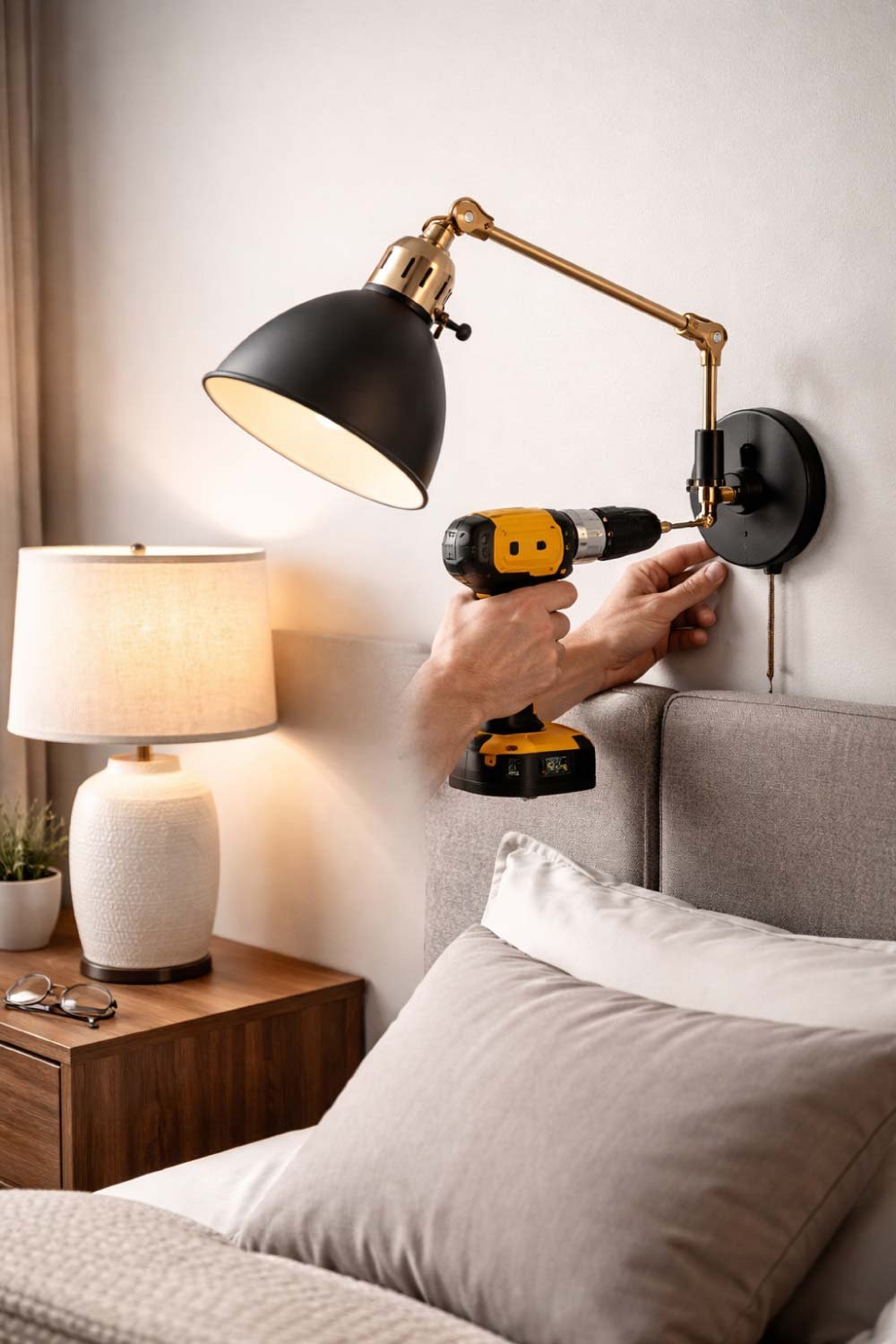
Once you’ve chosen the lamp and confirmed the electrical setup, it’s time for the actual installation.
Tips for installation:
- Tabletop Lamps: Simply place the lamp on the nightstand and ensure it sits flat. Avoid uneven surfaces.
- Wall-Mounted Lamps: If you’re installing wall-mounted lamps, mark the desired height with a pencil, drill holes for anchors, and secure the lamp according to the manufacturer’s instructions.
- Plug in and Test: Plug in the lamp and test it. Turn it on and off a few times to ensure the switch works smoothly and the lamp doesn’t wobble.
Personal Experience:
I installed a wall-mounted swing-arm lamp above my nightstand, thinking it would be easy. I didn’t check the studs behind the wall and ended up using weaker anchors. The lamp shifted slightly every time I pulled the arm. After reinforcing it with proper wall anchors, it’s now solid and perfectly positioned. Lesson: follow installation instructions carefully and use the right hardware.
Step 5: Adjust and Personalize
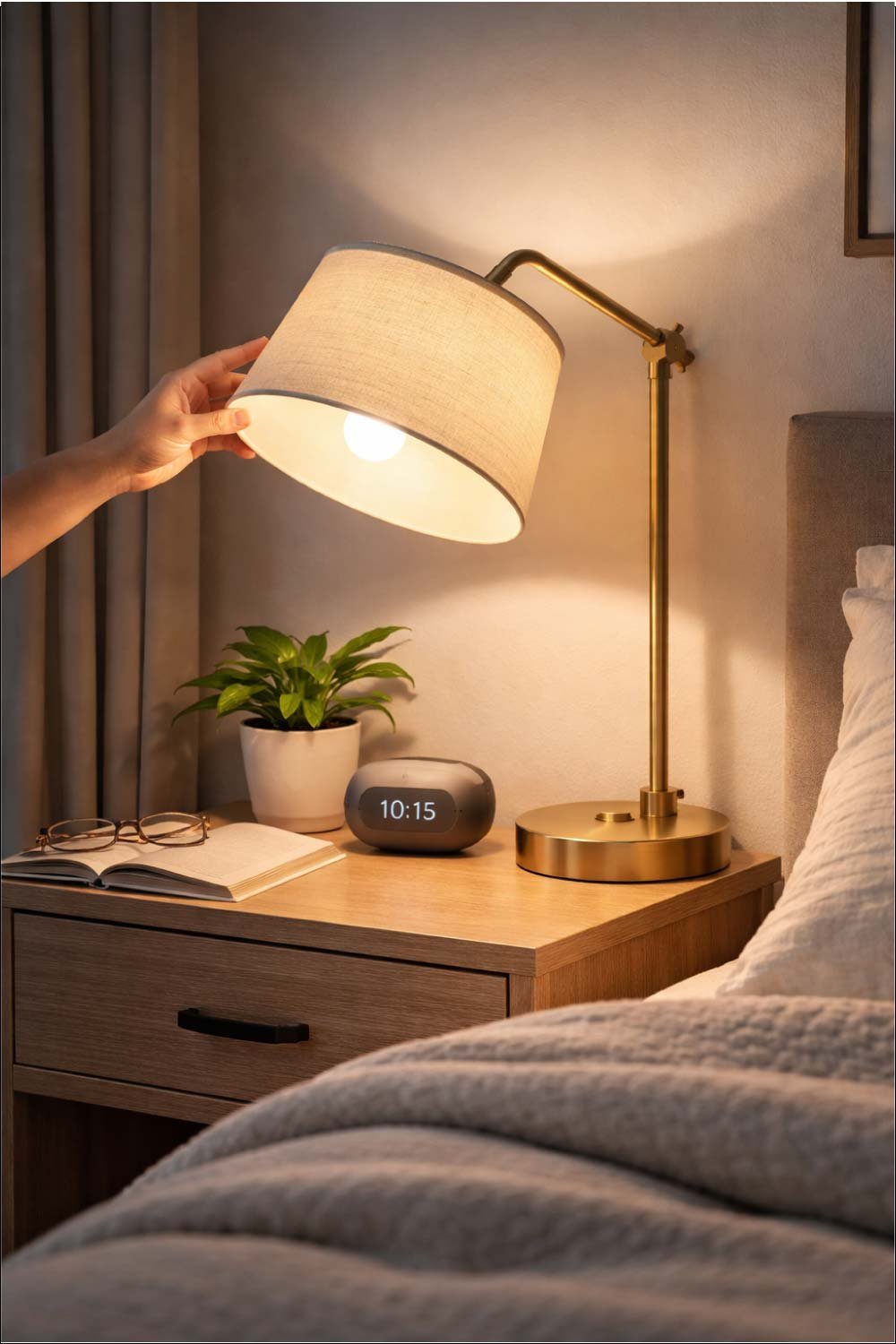
A properly installed lamp is not just about functionality—it should enhance your bedroom’s ambiance. Once the lamp is in place, adjust it and personalize it to suit your needs.
Tips for personalization:
- Shade Adjustment: Tilt or rotate the lampshade for optimal light distribution.
- Bulb Choice: Consider LED bulbs with adjustable color temperatures. Warm light creates a cozy feel, while cool light is better for reading.
- Smart Options: If you enjoy technology, use smart plugs or bulbs to schedule your lamp, dim it gradually, or control it via voice commands.
Personal Experience:
I replaced my standard bulbs with dimmable LEDs, and it completely changed my bedtime experience. Now, I can read without straining my eyes and gradually dim the light before sleep, which helps me wind down naturally.
Also Read:
Additional Tips for a Perfect Bedside Lighting Setup
- Mix Lighting Layers: Combine your bedside lamp with overhead or wall lighting for a layered look.
- Keep It Minimal: Avoid overcrowding your nightstand. A lamp, a book, and maybe a small plant or glass of water is enough.
- Test at Night: Check how the lamp illuminates the bed and surrounding area in the dark before finalizing placement.
Personal Experience:
Initially, I thought a single lamp was enough, but combining a small LED strip behind the headboard with the bedside lamp created a warm, balanced ambiance—perfect for reading or relaxing.
Common Mistakes to Avoid
- Too Bright or Too Dim: Using the wrong bulb can strain your eyes or make the room feel gloomy.
- Ignoring Height and Reach: A lamp that’s too low or too high can be uncomfortable to use.
- Messy Cords: Tangled or exposed cords are unsafe and visually unappealing.
- Overcrowding Nightstand: Too many objects reduce accessibility and increase the risk of accidents.
Personal Experience:
I used to pile decorative items around my lamps. Not only did it feel cluttered, but I also kept knocking things over when reaching for the switch. Simplifying my nightstand has been a game-changer.
Also Read:
Conclusion
Installing bedside lamps properly is a blend of art and science. By following these five easy steps—choosing the right lamp, determining placement, preparing the electrical setup, installing carefully, and adjusting to your needs—you can create a cozy, functional, and stylish bedroom.
From my own experience, the key takeaway is that small adjustments make a big difference. Whether it’s securing cords, picking the right bulb, or adjusting the lamp’s height, thoughtful installation improves both aesthetics and functionality.
A well-lit bedroom isn’t just about seeing clearly—it’s about creating a sanctuary where you can relax, read, and unwind. Proper bedside lamp installation is one of the simplest ways to achieve that perfect ambiance.