
A cold breeze slipping under your door might seem like a small issue, but it can quickly turn into a big comfort problem. That constant stream of cold air makes rooms harder to heat, increases energy bills, and creates an overall chilly, uncomfortable feeling—especially at night or during winter.
The good news is that you don’t need expensive repairs or professional help to fix it. Most door drafts can be stopped in minutes using simple, affordable methods. In this guide, you’ll learn why drafts happen, how to identify them, and most importantly, how to stop air from sneaking under your door instantly so you can stay warm fast.
Table of Contents
ToggleWhy Air Drafts Under Doors Happen
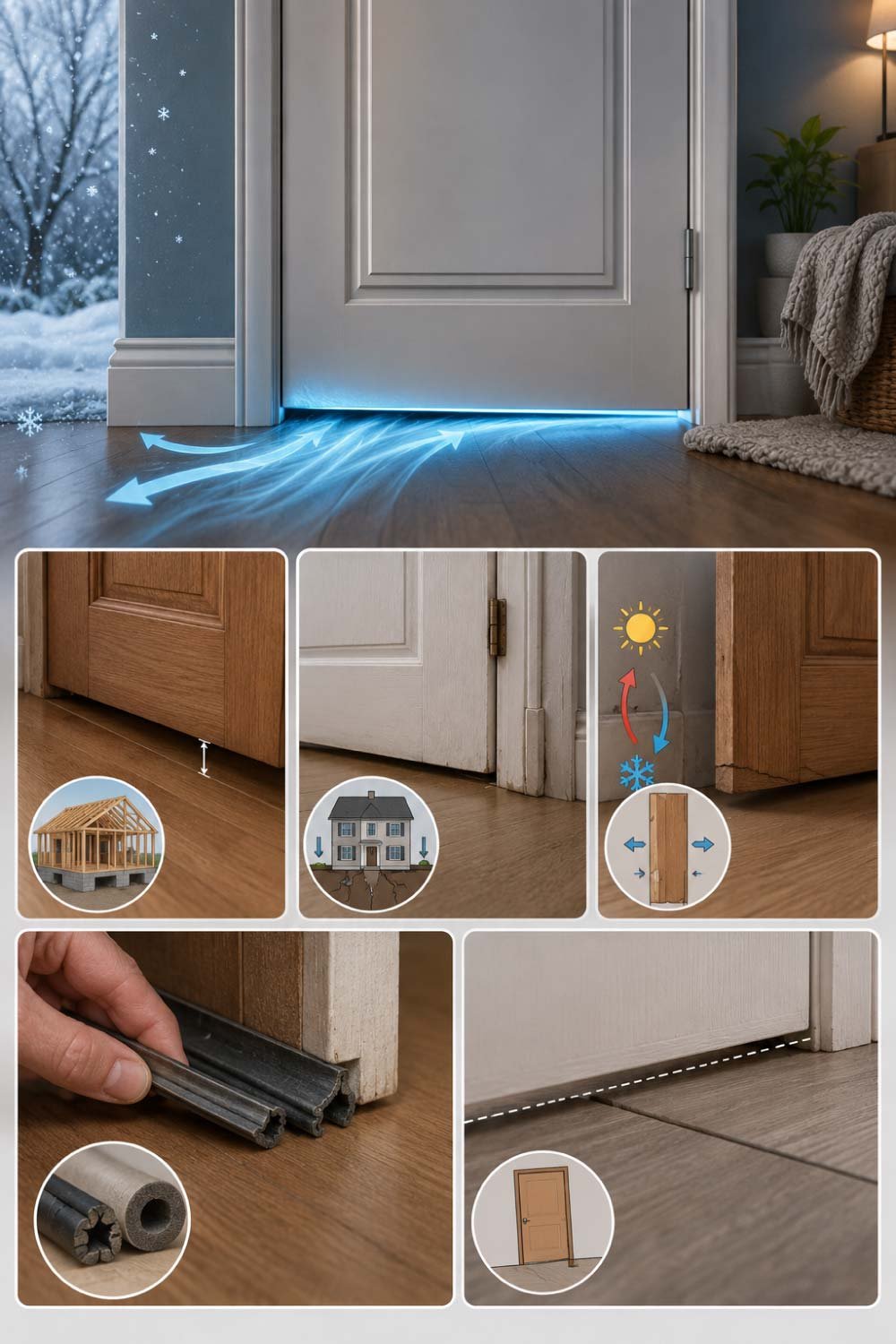
Air drafts under doors are one of the most common reasons a room feels cold even when windows are closed and heating is on. These drafts occur when outside air slips through small openings beneath or around a door. Even a tiny gap can let in continuous cold airflow, making your space uncomfortable and less energy efficient.
Here are the most common reasons:
Natural Gaps in Construction
During construction, doors are intentionally not fitted completely tight to ensure smooth opening and closing. These small factory or builder-made gaps may seem harmless at first, but over time they can allow noticeable airflow, especially during windy or colder weather conditions.
House Settling
As a building ages, it naturally shifts and settles due to soil movement and structural weight distribution. This settling can slightly change door alignment, creating uneven spacing at the bottom or sides where air can easily pass through.
Temperature Changes
Wooden doors are highly responsive to weather conditions. In humidity, they expand, and in dry or cold conditions, they shrink. This constant movement can create temporary or seasonal gaps that allow drafts to enter unexpectedly.
Worn-Out Door Seals
Most doors use rubber, foam, or silicone seals to block air leakage. Over time, these materials lose elasticity, crack, or flatten out, reducing their ability to form a tight barrier against airflow.
Uneven Flooring
If the floor beneath the door is not level, one side of the door may sit higher than the other. This creates an uneven gap where cold air can easily slip inside, especially noticeable in older homes.
Understanding the cause helps you choose the right fix instead of temporary patchwork solutions.
How to Check If Your Door Has a Draft
Sometimes door drafts are very obvious, especially when you feel cold air near your feet while sitting close to the entrance. However, in many cases, the airflow is subtle and goes unnoticed until the room starts feeling consistently chilly or uncomfortable.
Try these simple tests:
The Hand Test
Place your hand slowly near the bottom edge of the closed door. Move it side to side to detect any airflow. If you feel even a slight breeze or temperature change, it confirms that cold air is entering through a gap.
The Candle or Lighter Test
Carefully bring a lit candle or lighter close to the door edges. Watch the flame closely. If it flickers, leans, or moves consistently in one direction, it indicates that air is passing through the gap.
The Paper Test
Slide a thin sheet of paper under the closed door and gently try to move it. If the paper slides easily or doesn’t feel tight when the door is closed, it means there is enough space for air leakage.
Once you confirm the problem, you can move on to quick and effective solutions.
Instant Fixes to Stop Air Draft Under Door
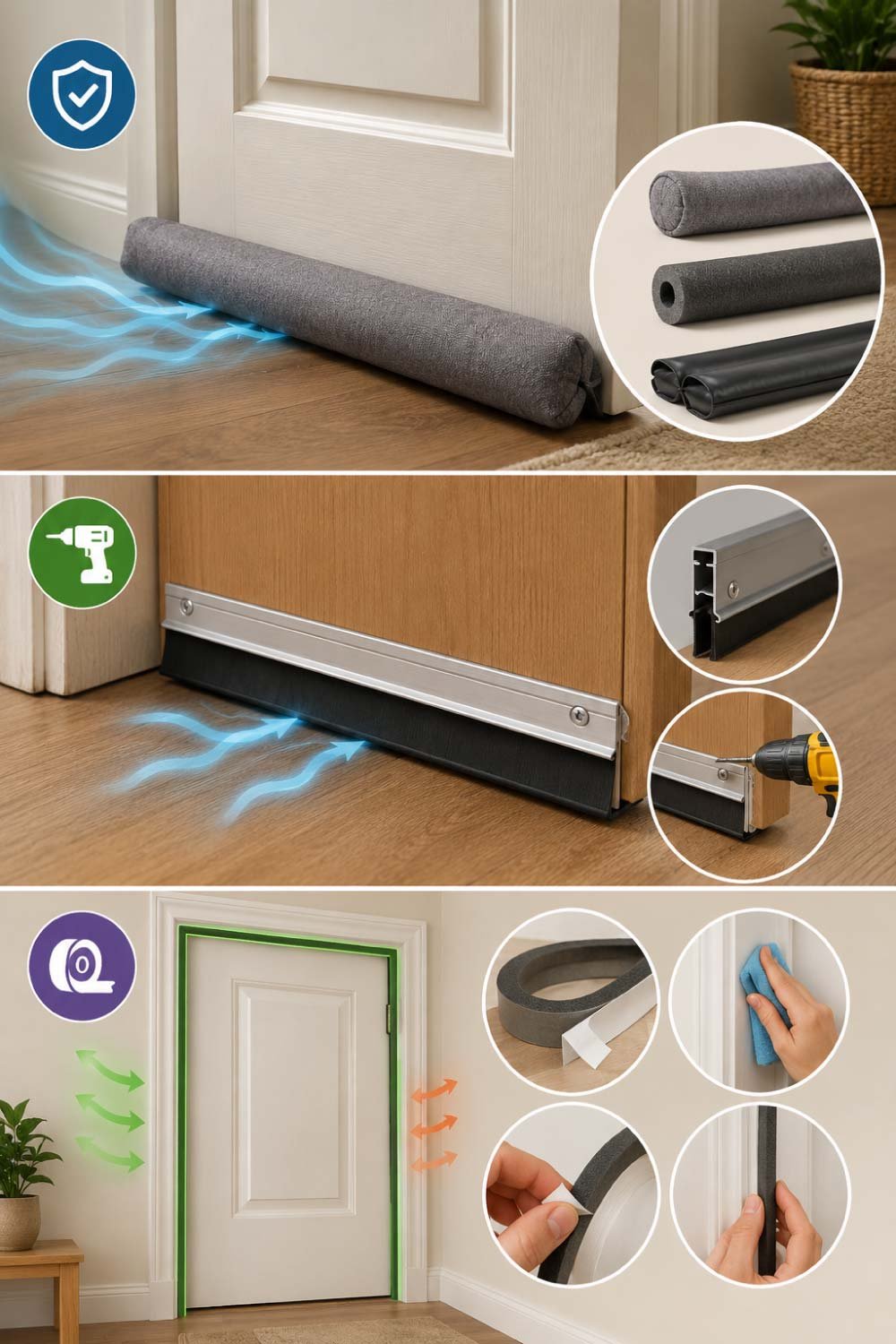
Once you identify the draft, the next step is to block it as quickly as possible. The good news is that there are several simple and effective solutions that don’t require major tools or professional help. These fixes can instantly improve room comfort and reduce cold air entering from under the door.
Use a Door Draft Stopper (Fastest Solution)
A door draft stopper is a simple barrier placed at the bottom of the door to block airflow instantly. It is often made of fabric filled with sand, foam, or cotton and sits tightly against the floor. This works immediately without installation and is ideal for quick relief during cold weather.
Why it works:
- Covers the entire gap instantly
- No installation required
- Works for both sides of the door
Types: - Fabric draft snakes (filled with sand or cotton)
- Foam tube seals
- Dual-sided under-door blockers
Best part:
You can even DIY one using an old cloth and rice or sand.
This is the fastest “plug-and-play” solution if you want immediate warmth.
Install a Door Sweep (Long-Term Fix)
A door sweep is a permanent sealing strip attached to the bottom of the door. It creates a continuous barrier that moves with the door and blocks airflow whenever the door is closed. Unlike temporary solutions, it offers long-lasting protection against drafts.
Benefits:
- Permanent solution
- Durable and weather-resistant
- Works for wood, metal, and PVC doors
Installation steps: - Measure door width
- Cut sweep to size
- Screw or stick it to the bottom edge
- Ensure it lightly touches the floor
Unlike temporary solutions, this stays effective year-round.
Apply Weather Stripping Tape
Weather stripping is a flexible sealing material designed to close small gaps around doors and frames. It is usually made from foam, rubber, or silicone and compresses when the door shuts, blocking air movement through even the smallest openings.
Where to use it:
- Door bottom edges
- Door frame sides
- Top corners if needed
How it helps:
It compresses when the door closes, blocking air from passing through tiny spaces.
Installation:
- Clean surface
- Peel backing
- Stick firmly along edges
This is one of the cheapest and most effective insulation methods.
4. Use a Rolled Towel (Emergency Hack)
When cold air suddenly starts entering under the door and you don’t have any proper sealing materials available, a rolled towel becomes the quickest emergency solution. It is especially useful during cold nights when you need immediate warmth without going out or spending money on tools.
How to use:
- Roll a thick towel tightly into a long shape
- Place it directly along the bottom edge of the door
- Press it firmly so it blocks the gap completely
While not a permanent solution, it instantly reduces cold airflow and keeps heat inside.
5. Adjust Door Hinges for Better Fit
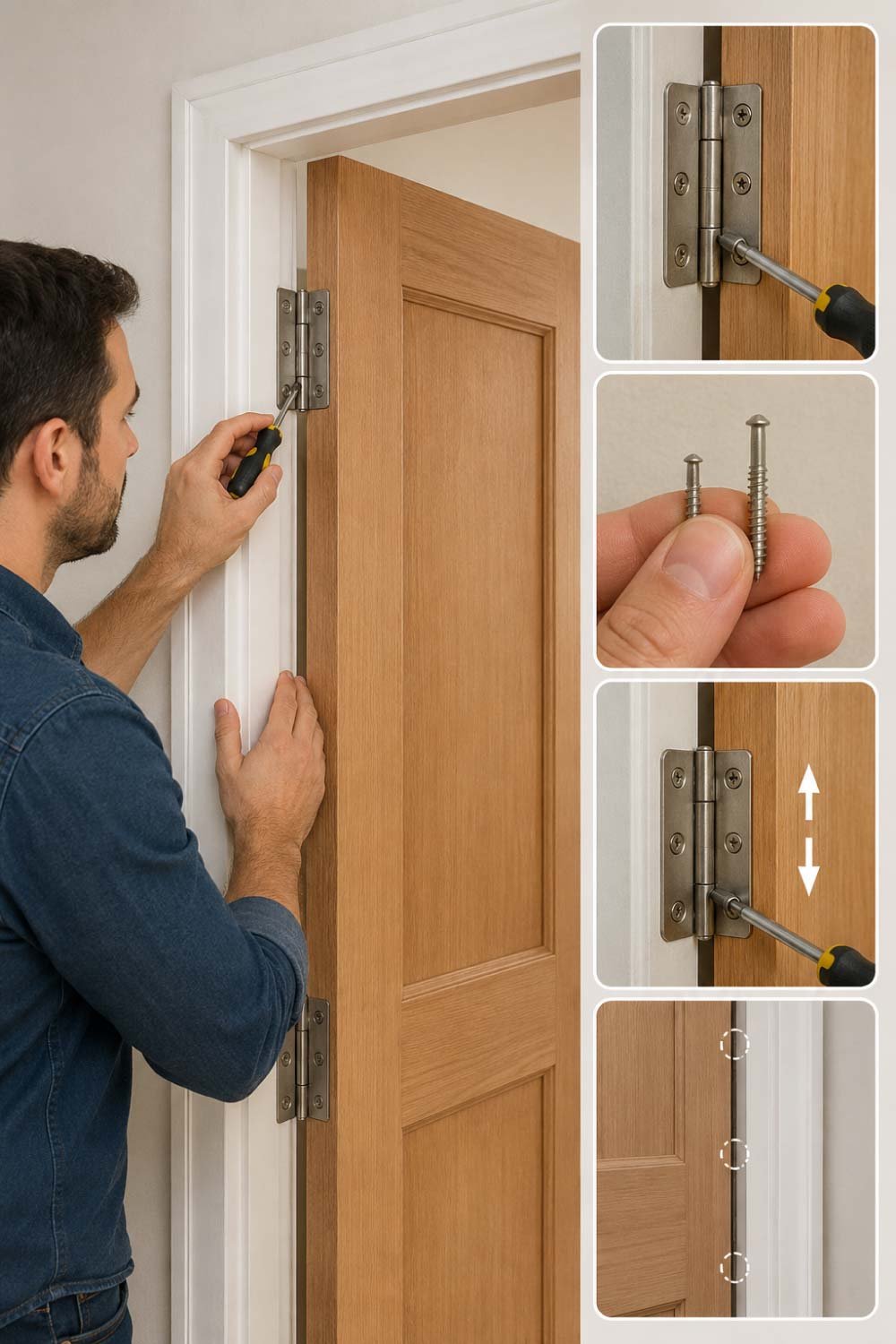
Sometimes the draft problem is not only at the bottom but also caused by poor door alignment. If the hinges are loose or slightly shifted, the door may not sit properly in its frame, leaving uneven gaps that allow air to pass through.
Fix steps:
- Tighten loose screws on all hinges
- Replace short or weak screws with longer ones for better grip
- Slightly adjust hinge position if the door is hanging unevenly
Even a small adjustment can reduce gaps significantly and improve sealing.
Also Read:
6. Install a Threshold Seal
A door threshold is the strip installed on the floor where the door meets when closed. Adding a sealing layer to this area improves insulation and creates a stronger barrier against airflow coming from underneath.
Advantages:
- Strong barrier against air leakage
- Also blocks dust and insects from entering
- Works very well with door sweeps for double protection
This is a great upgrade for long-term comfort.
7. Use Foam Tape for Quick Sealing
Foam tape is one of the easiest and most affordable ways to reduce air drafts. It is a soft, flexible material with an adhesive back that sticks directly to the door or frame and compresses when the door closes, blocking airflow effectively.
Why people like it:
- Very cheap and widely available
- Extremely easy to install with no tools
- Works immediately after application
Simply stick it along the bottom inside edge of the door or frame.
8. Check for Floor Gaps or Uneven Surfaces
In some cases, the door itself is not the main issue—the floor underneath it is uneven. This uneven surface creates varying gaps that allow air to enter from one side more than the other, making drafts harder to control.
What to do:
- Carefully check floor level near the door
- Identify high and low points under the door
- Add an adjustable seal or thicker sweep on the low side
- Consider minor floor leveling for a permanent fix
Even small floor issues can create noticeable drafts.
9. Use Heavy Curtains Near the Door
While curtains do not directly block air under the door, they help reduce overall heat loss in the room. By creating an extra layer between the door and the living space, they slow down heat escape and improve comfort.
Best options:
- Thermal insulated curtains
- Thick blackout curtains
- Layered fabric curtains for added insulation
They create an extra insulation layer, helping your room stay warm longer.
Also Read:
How to Fix a Garage Door That Won’t Open: A Complete DIY Guide
10. Seal Cracks Around Door Frames
Not all drafts come from the bottom—many enter through small cracks around the door frame itself. These tiny openings are often overlooked but can significantly contribute to cold air entering the room.
Fix method:
- Inspect all edges of the door frame carefully
- Fill visible cracks with sealant or caulk
- Reapply weather stripping if old or damaged
This ensures complete insulation around the door.
Long-Term Prevention Tips
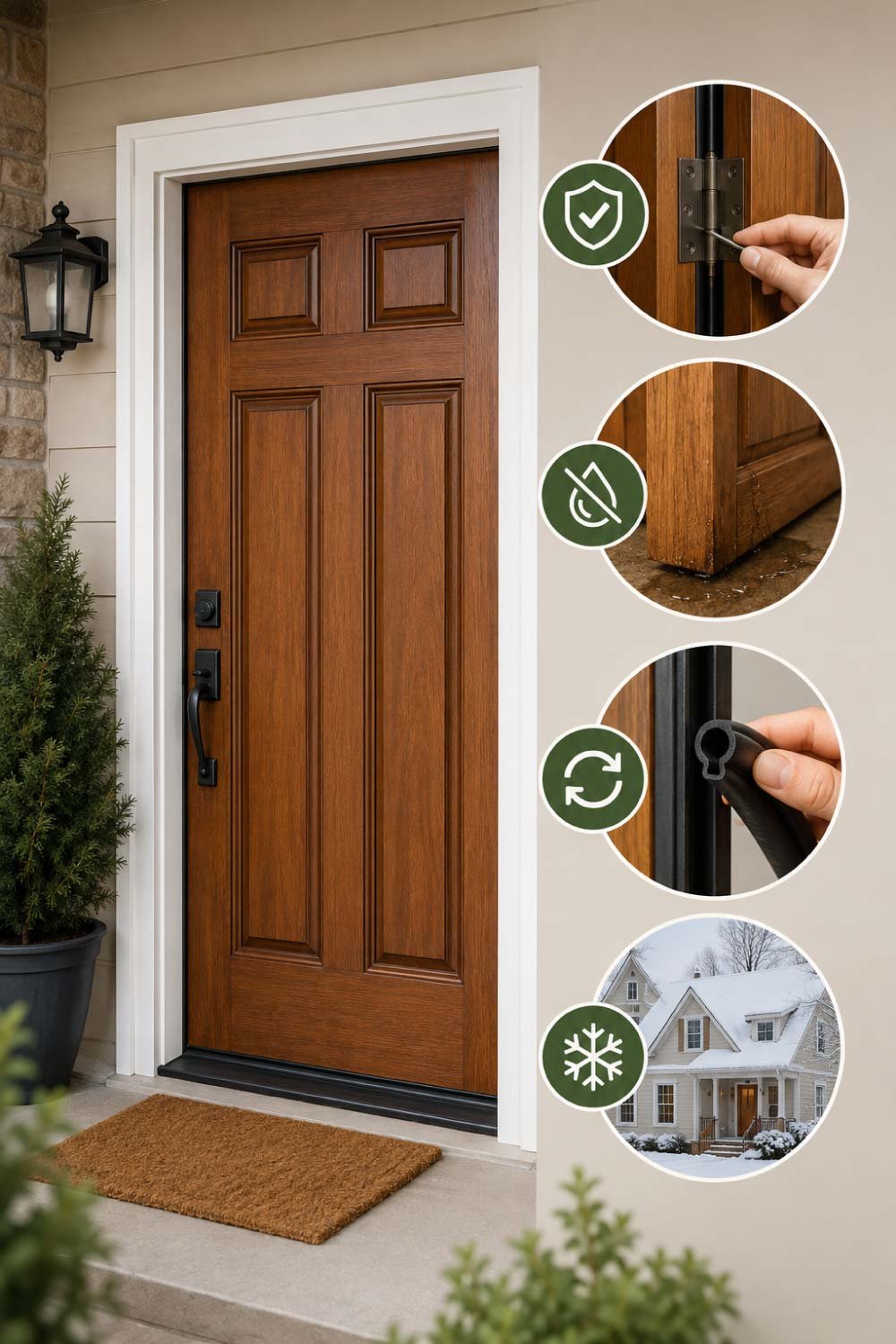
Fixing drafts once is helpful, but preventing them from returning is even more important. Regular maintenance ensures your doors stay sealed properly throughout the year and saves you from repeated issues during cold seasons.
Keep doors maintained
Check hinges, alignment, and seals every few months to ensure everything stays tight and functional.
Avoid moisture damage
Excess humidity can warp wooden doors, creating new gaps over time.
Replace old seals
Rubber and foam seals wear out naturally—replace them when they become flat, cracked, or less flexible.
Inspect seasonally
Before winter arrives, check all doors for leaks and fix small issues early.
Why Fixing Door Drafts Matters
Stopping air drafts is not just about comfort—it has several practical benefits that improve your home environment and reduce unnecessary costs.
1. Lower Energy Bills
Your heating system works more efficiently because warm air stays inside longer, reducing electricity or gas usage.
2. Better Comfort
Rooms feel noticeably warmer and more comfortable, especially during cold nights.
3. Improved Air Quality
Sealing gaps reduces the entry of dust, pollution, and outdoor allergens.
4. Noise Reduction
Well-sealed doors also help block outside noise, making your home quieter.
Even small fixes can make a noticeable difference.
Final Thoughts
An air draft under your door might feel like a minor inconvenience, but it directly affects your comfort, energy usage, and overall indoor environment. Fortunately, it’s one of the easiest home issues to fix.
Whether you choose a quick solution like a towel or foam tape, or a permanent upgrade like a door sweep or weather stripping, the goal is the same—block unwanted cold air and keep warmth inside.
The best part is that most of these solutions cost very little and take only a few minutes to apply. So instead of living with cold drafts, you can take action today and enjoy a warmer, more comfortable home instantly.
Also Read:
How to Fix a Water-Damaged Wall: A Complete Step-by-Step Guide