
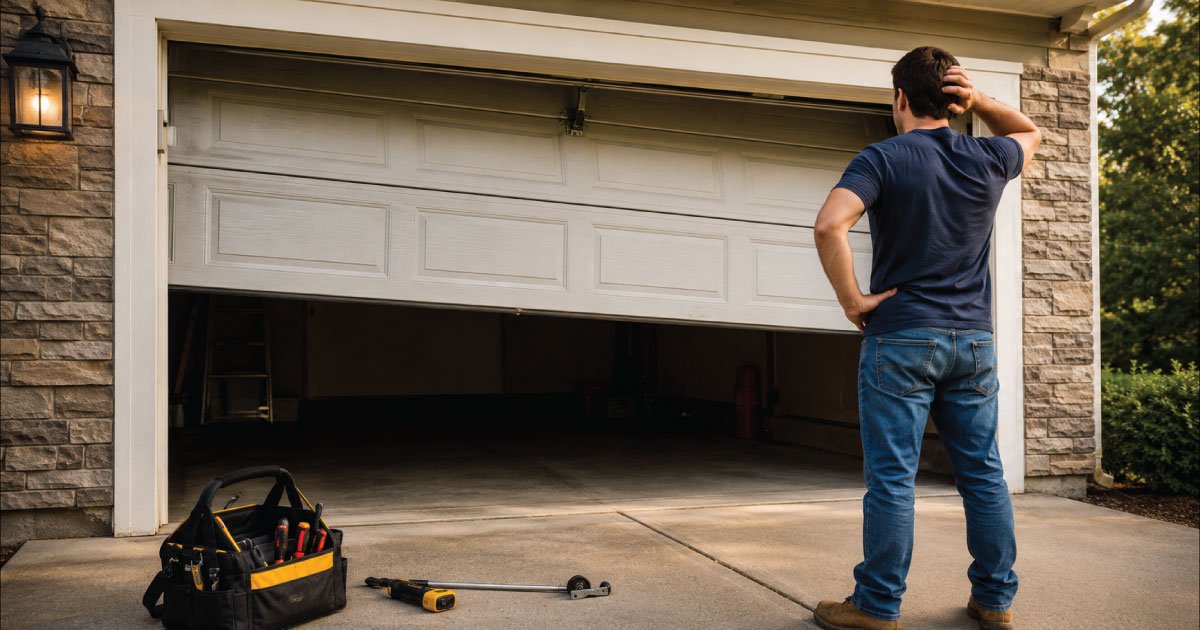
A garage door that refuses to open can quickly turn from a minor inconvenience into a major headache. Whether you’re trying to leave for work, park your car, or simply access stored items, a malfunctioning garage door disrupts your routine and can even pose safety risks. The good news is that many common garage door problems can be diagnosed and fixed without calling a professional.
In this guide, we’ll walk you through the most common reasons why a garage door won’t open and provide step-by-step solutions to help you fix the issue safely and effectively.
Step 4: Check the Door Tracks
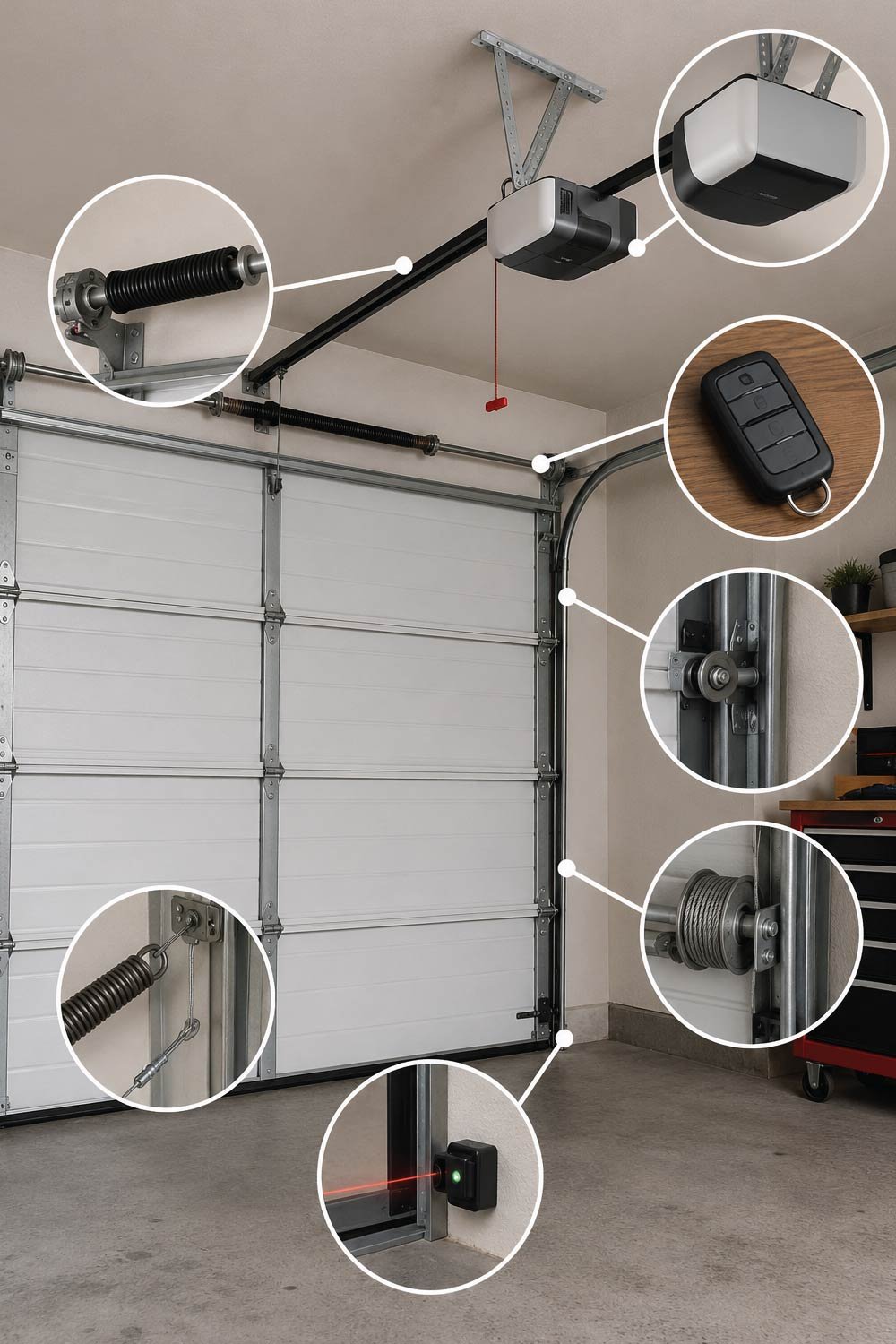
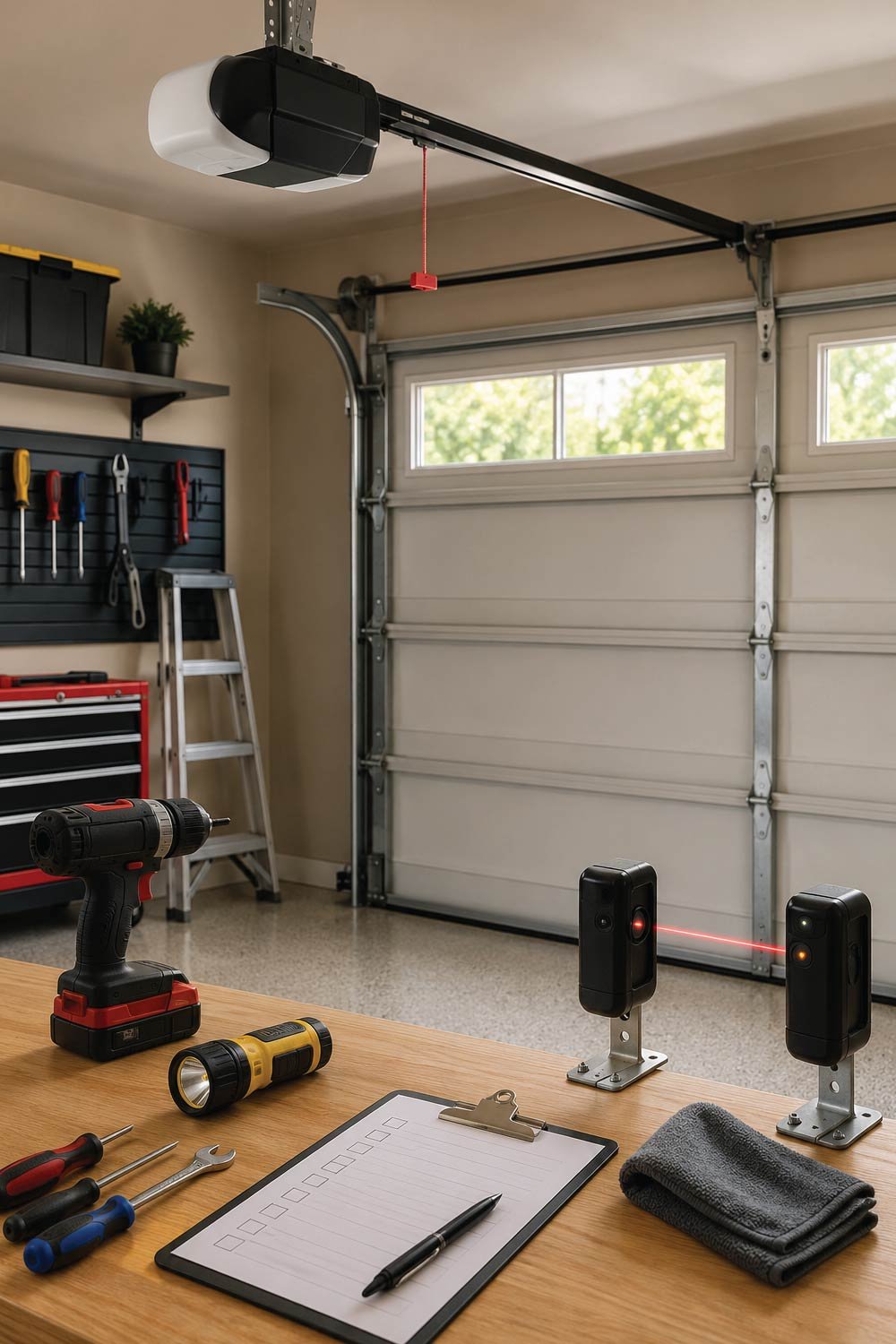
Garage door tracks are essential for guiding the door smoothly during operation. Any obstruction or misalignment can interrupt movement and cause the door to get stuck or operate unevenly.
What to Inspect in the Tracks
A careful inspection helps identify visible issues that may be affecting the door’s movement and alignment.
- Dirt, debris, or obstructions
- Bent or damaged tracks
- Loose mounting brackets
Fixing the Issue
Simple adjustments and cleaning can often restore proper track function without requiring major repairs.
- Clean the tracks using a damp cloth.
- Tighten any loose screws or bolts.
- Gently tap minor bends back into place with a rubber mallet.
Avoid forcing the door open, as this can cause further damage.
Step 5: Inspect the Springs
Springs play a critical role in supporting the weight of the garage door. If they fail, the door may become difficult or impossible to operate.
Signs of a Broken Spring
Recognizing these warning signs helps you act quickly and avoid unsafe situations.
- Loud snapping noise
- Door feels extremely heavy
- Door won’t open at all
Important safety note:
Garage door springs are under high tension and can be dangerous to handle.
What you should do:
Handling springs without proper knowledge can lead to serious injury, so caution is essential.
- Do NOT attempt to repair or replace springs yourself unless you have proper training.
- Contact a professional technician for spring replacement.
Step 6: Examine the Cables
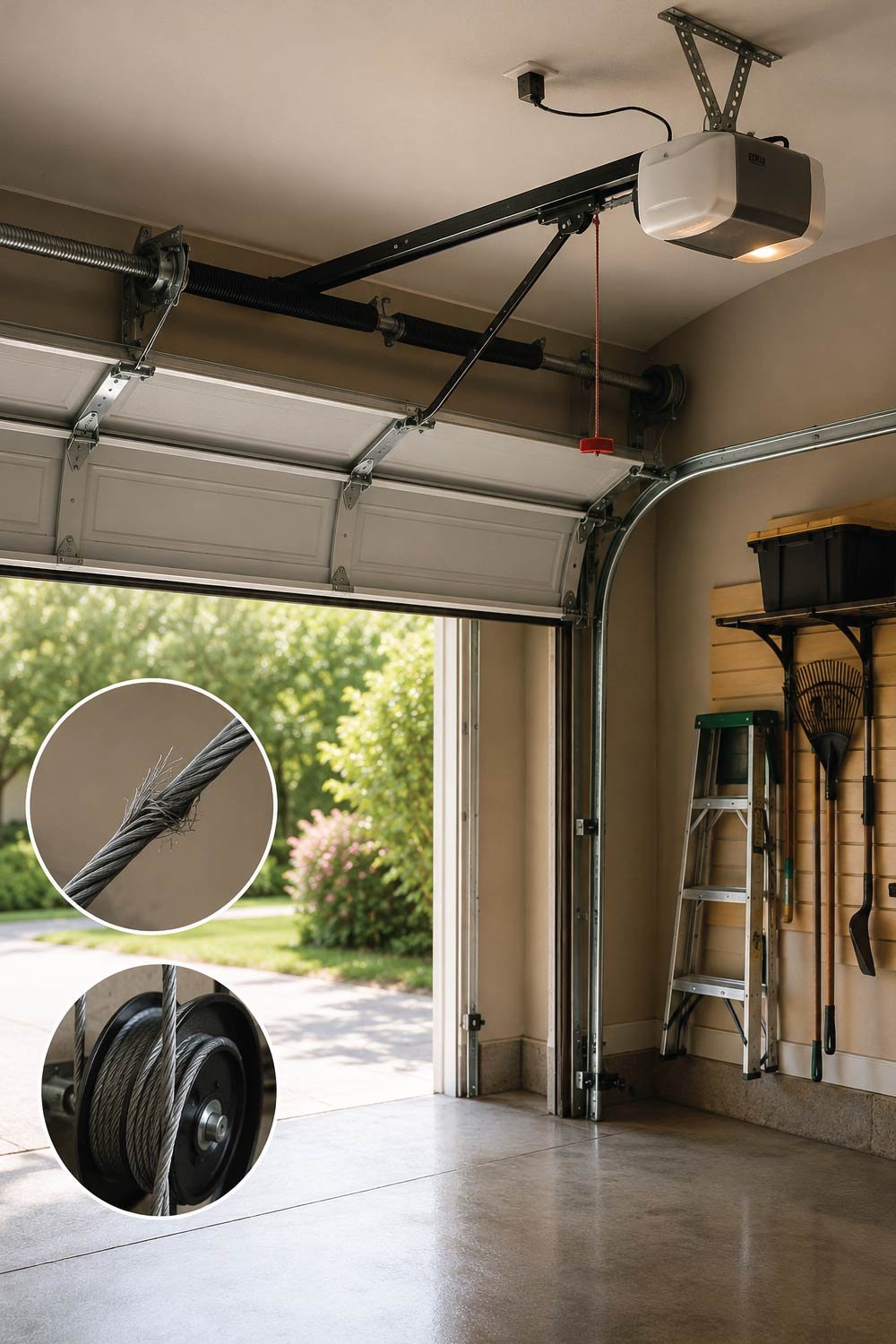
Cables work together with the springs to lift and lower the garage door. Any damage to them can disrupt the entire system and create safety risks.
Warning signs:
These indicators suggest that the cables may be worn or damaged and need immediate attention.
- Loose or hanging cables
- Uneven door movement
- Door stuck halfway
Solution:
Due to the tension involved, cable repairs should be handled carefully to avoid accidents.
- Like springs, cables are under tension and should be handled by professionals. Avoid using the door if you notice cable damage.
Step 7: Test the Garage Door Opener
If the door does not respond at all, the issue may lie within the opener unit itself. Testing the opener helps determine whether it is functioning correctly.
Troubleshooting steps:
These checks help identify whether the opener is receiving power and sending proper signals.
- Listen for any sound when you press the button.
- Check the opener’s motor unit for blinking lights (error codes).
- Reset the opener by unplugging it for a few minutes.
If the motor runs but the door doesn’t move, the issue could be with the drive mechanism or disconnected trolley.
Also Read:
Step 8: Check the Emergency Release Cord
The emergency release cord allows you to operate the door manually by disconnecting it from the opener. Sometimes it may be triggered unintentionally.
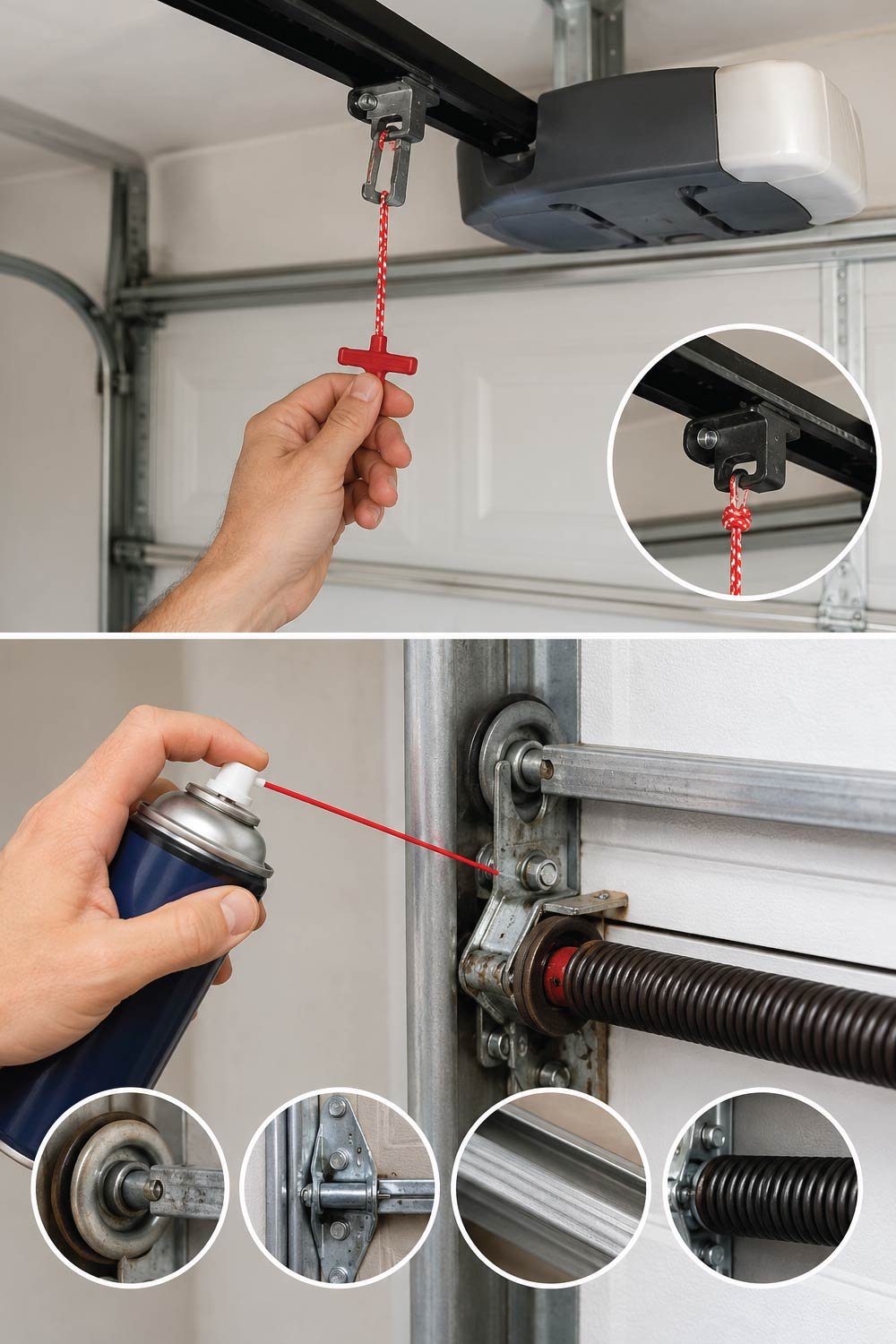
Possible issue:
Understanding this common problem can help restore normal operation quickly.
- The cord may have been pulled accidentally.
Fix:
Reconnecting the system properly ensures the door works with the opener again.
- Reconnect the trolley according to your opener’s manual.
- Ensure the door is fully closed before re-engaging.
Step 9: Lubricate Moving Parts
Proper lubrication reduces friction and ensures smooth operation of all moving components. Lack of lubrication can make the door noisy and difficult to operate.
Parts to lubricate:
Applying lubricant to the right areas improves performance and extends the lifespan of the door system.
- Rollers
- Hinges
- Tracks (lightly)
- Springs (with proper lubricant)
Use a silicone-based or garage door-specific lubricant for best results.
Also Read:
Step 10: Check for Lock Mode
Some garage door openers include a lock or vacation mode that disables remote operation. This feature can sometimes be activated accidentally.
Solution:
Checking and disabling this mode can quickly restore normal functionality.
- Look for a lock button on the wall control panel.
- Disable the lock mode to restore functionality.
When to Call a Professional
While many garage door issues can be handled with basic troubleshooting, some situations require expert attention. Attempting complex repairs without proper knowledge or tools can be risky. Knowing when to call a professional ensures safety, prevents further damage, and guarantees a more reliable and long-lasting solution.
Situations That Require Expert Help
Certain problems involve high-tension components or technical faults that are not safe to fix on your own. Recognizing these situations can save you time and protect you from potential injury.
Warning Signs You Should Not Ignore
These issues typically indicate serious mechanical or electrical problems that should be handled by a trained technician.
- Springs or cables are broken
- The door is off its tracks
- The opener motor is burned out
- You’re unsure about any repair step
Attempting complex repairs without proper tools or experience can lead to injury or further damage.
Also Read:
Preventive Maintenance Tips
Regular maintenance is essential to keep your garage door functioning smoothly and to avoid unexpected breakdowns. Simple routine checks can help identify small issues early and prevent them from turning into costly repairs over time.
Best Practices for Long-Term Performance
Following a consistent maintenance routine helps improve safety, efficiency, and the overall lifespan of your garage door system.
Easy Maintenance Checklist
These simple steps can be performed periodically to ensure your garage door remains in excellent working condition.
- Inspect your garage door monthly
- Keep tracks clean
- Test safety sensors regularly
- Lubricate moving parts every 3–6 months
- Tighten hardware as needed
Routine maintenance can extend the life of your garage door and prevent costly repairs.
Also Read:
Final Thoughts
A garage door that won’t open doesn’t always mean a major repair bill. In many cases, the issue can be traced to something simple like a power problem, misaligned sensors, or worn-out batteries. By following the steps outlined in this guide, you can diagnose and fix many common problems on your own.However, always prioritize safety. If a repair involves high-tension components like springs or cables, it’s best to leave it to professionals.
With a little patience and regular maintenance, you can keep your garage door running smoothly and avoid unexpected breakdowns in the future.