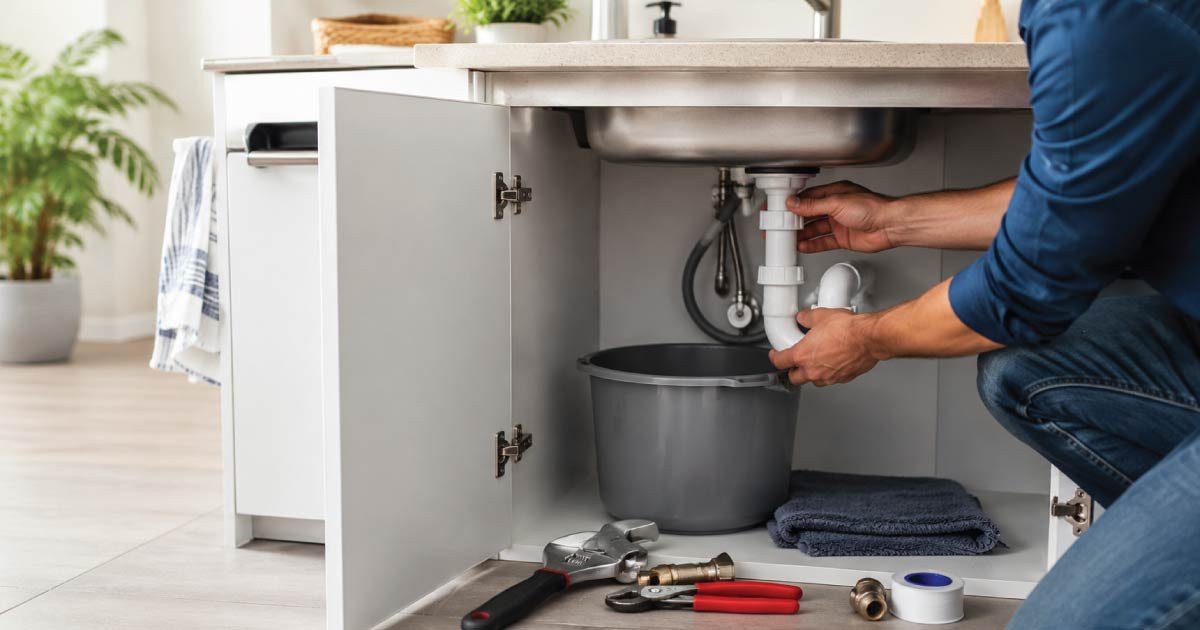
Plumbing is one of the most critical systems in any home, yet it is often the most overlooked. Most homeowners only think about their plumbing when something goes wrong a burst pipe, a clogged drain, or a leaking faucet. Unfortunately, by the time these problems appear, they can already be expensive and disruptive.
The good news is that many plumbing issues can be prevented with regular maintenance and a basic understanding of how your home’s plumbing system works.This guide will walk you through essential home plumbing maintenance tips that can help you avoid costly repairs, extend the lifespan of your plumbing system, and keep everything running smoothly year-round.
Understanding Your Home Plumbing System
Before diving into maintenance tips, it’s helpful to understand the basic components of your plumbing system. Your home plumbing is divided into two main subsystems:
- Water supply system – Brings clean water into your home under pressure.
- Drainage system – Removes wastewater safely from your home using gravity.
Knowing where your main water shutoff valve is located, how water flows through your house, and where drains connect can save valuable time in an emergency. If you ever notice a major leak, shutting off the main water supply quickly can prevent extensive water damage.
Regularly Check for Leaks
Small leaks in plumbing systems often go unnoticed because they start slowly and seem harmless. However, even a minor drip can waste a large amount of water over time and increase utility bills. Regular inspection helps catch these issues early before they develop into costly damage or structural problems.
Where to Look for Leaks
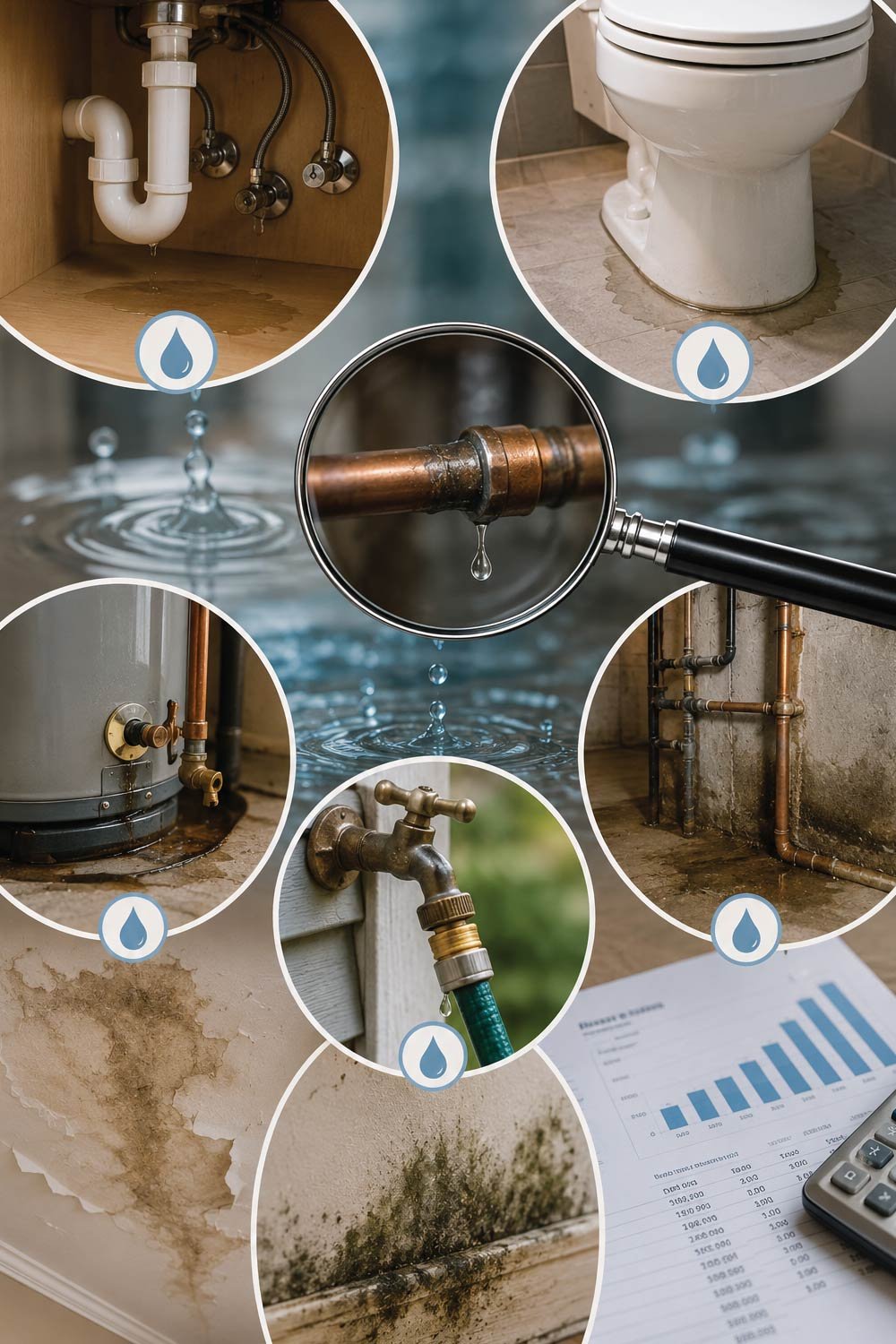
Leaks can appear in several hidden and visible areas of the home, so checking multiple locations is important for early detection. Focus on both indoor and outdoor plumbing systems, especially in places where water connections are frequently used or exposed to moisture and pressure changes.
- Under sinks in kitchens and bathrooms
- Around toilet bases
- Near water heaters
- On exposed pipes in basements or utility rooms
- Outdoor faucets and hose connections
Signs of leaks include water stains, musty odors, mold growth, peeling paint, or unexplained increases in your water bill. Addressing leaks early can prevent structural damage and reduce repair costs.
Maintain Your Drains Properly
Drains often become clogged due to everyday waste buildup, making them one of the most common household plumbing issues. While clogs may seem minor at first, repeated blockages can strain pipes and lead to backups. Regular maintenance helps keep water flowing smoothly and reduces long-term plumbing problems.
Drain Maintenance Tips
Proper drain care prevents blockages and extends pipe life by reducing buildup of grease, debris, and other materials. Simple daily habits can significantly improve drainage performance and reduce the need for frequent repairs or chemical treatments that may harm plumbing systems.
- Avoid pouring grease, oil, or fat down kitchen sinks
- Use drain strainers to catch hair, food scraps, and debris
- Flush drains monthly with hot water to clear buildup
- Avoid chemical drain cleaners, which can corrode pipes
For stubborn clogs, a plunger or plumbing snake is usually safer and more effective than harsh chemicals.
Take Care of Your Water Heater
A water heater is one of the most used appliances in a home, working continuously to provide hot water. Without proper maintenance, it can lose efficiency and develop problems over time. Regular care helps improve performance, reduce energy costs, and extend the overall lifespan of the unit.
Water Heater Maintenance Checklist
Routine maintenance ensures safe and efficient operation of your water heater while preventing sediment buildup and mechanical issues. Checking key components regularly helps avoid sudden breakdowns and ensures consistent hot water supply throughout the home.
- Flush the tank once a year to remove sediment buildup
- Check the pressure relief valve periodically
- Inspect for rust, corrosion, or leaks
- Set the thermostat to a safe temperature (around 120°F / 49°C)
Sediment buildup can reduce heating efficiency and cause overheating. Annual flushing helps improve performance and lowers energy costs.
Inspect and Maintain Toilets
Toilets are among the most frequently used fixtures in any home, which makes them more prone to wear and hidden leaks. Regular inspection helps detect small issues early, preventing water waste and avoiding costly repairs. Proper maintenance ensures smooth flushing and efficient water usage over time.
Toilet Maintenance Tips
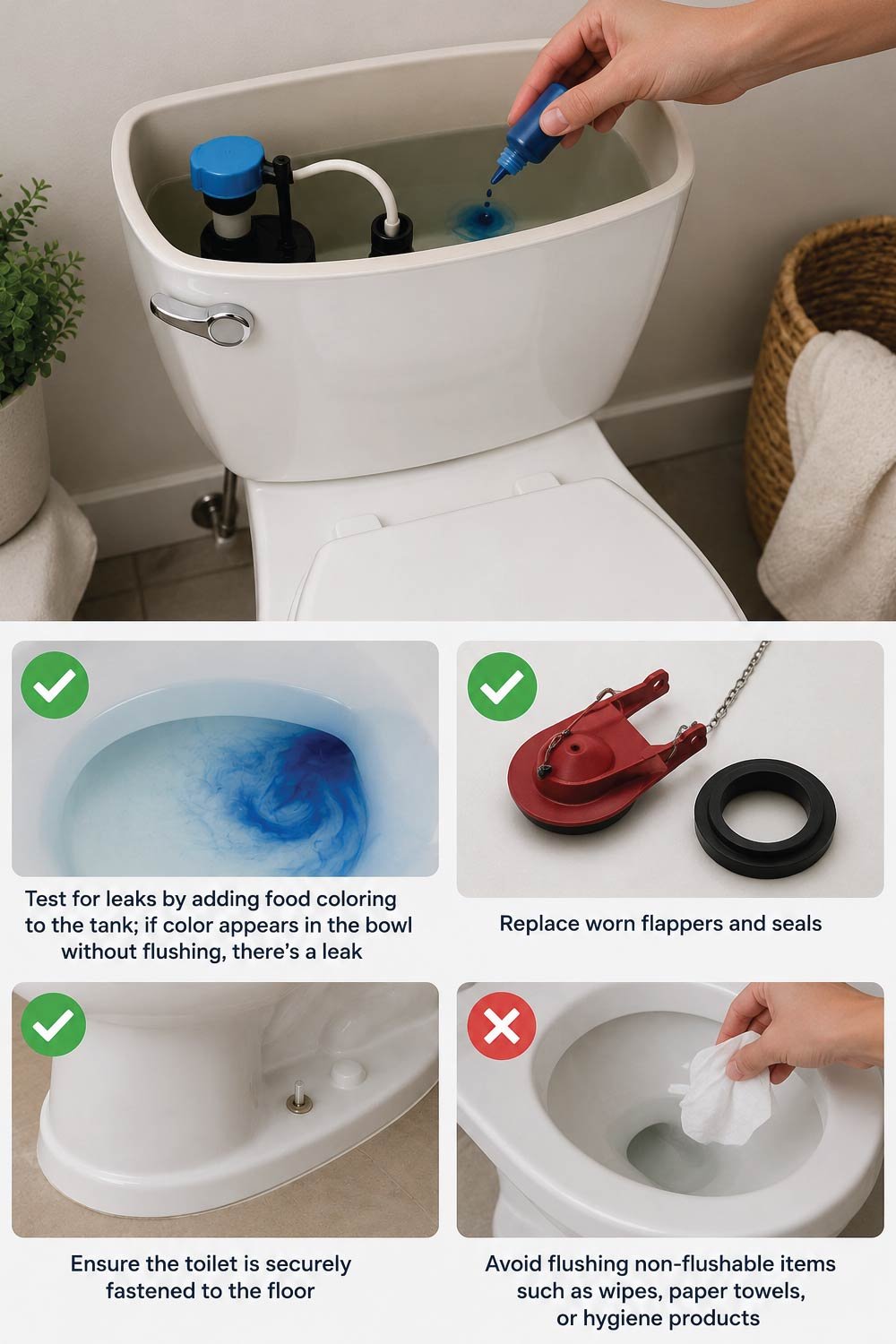
Basic toilet maintenance can prevent leaks, reduce water waste, and improve flushing performance. Small parts like flappers and seals wear out over time, so checking and replacing them when needed helps keep the toilet functioning properly and efficiently.
- Test for leaks by adding food coloring to the tank; if color appears in the bowl without flushing, there’s a leak
- Replace worn flappers and seals
- Ensure the toilet is securely fastened to the floor
- Avoid flushing non-flushable items such as wipes, paper towels, or hygiene products
A running toilet can waste a surprising amount of water, so early detection is key.
Also Read:
Protect Pipes from Corrosion and Damage
Pipes naturally degrade over time due to age, water quality, and environmental conditions. Without proper protection, they can develop corrosion or structural weaknesses. Regular maintenance and preventive care help reduce the risk of leaks, burst pipes, and expensive repairs in the long run.
How to Protect Your Pipes
Protecting pipes involves reducing stress, preventing exposure to extreme temperatures, and monitoring water conditions. These simple steps help maintain pipe strength and ensure a reliable plumbing system throughout the home.
- Insulate exposed pipes, especially in cold areas
- Avoid hanging heavy objects from pipes
- Monitor water pressure to prevent stress on pipes
- Replace old or corroded pipes when necessary
If your home has older plumbing materials, such as galvanized steel, proactive inspections are especially important.
Prevent Frozen Pipes in Cold Weather
Frozen pipes are a serious winter plumbing risk that can lead to pipe bursts and significant water damage. When water inside pipes freezes, it expands and creates pressure. Preventive measures during cold weather help protect plumbing systems and reduce the risk of emergency repairs.
Cold Weather Plumbing Tips
Taking precautions during winter helps keep pipes safe from freezing temperatures. Maintaining warmth and allowing slight water movement can significantly reduce the chances of pipes freezing or bursting.
- Insulate pipes in unheated areas like garages and crawl spaces
- Allow faucets to drip during extreme cold
- Keep cabinet doors open to allow warm air to circulate
- Disconnect and drain outdoor hoses
If you suspect a frozen pipe, act quickly and avoid using open flames to thaw it.
Maintain Outdoor Plumbing Fixtures
Outdoor plumbing systems are frequently exposed to weather changes, dirt, and seasonal pressure, making them more vulnerable to damage than indoor fixtures. Regular maintenance helps prevent leaks, blockages, and long-term structural issues that can affect both water efficiency and your home’s foundation stability.
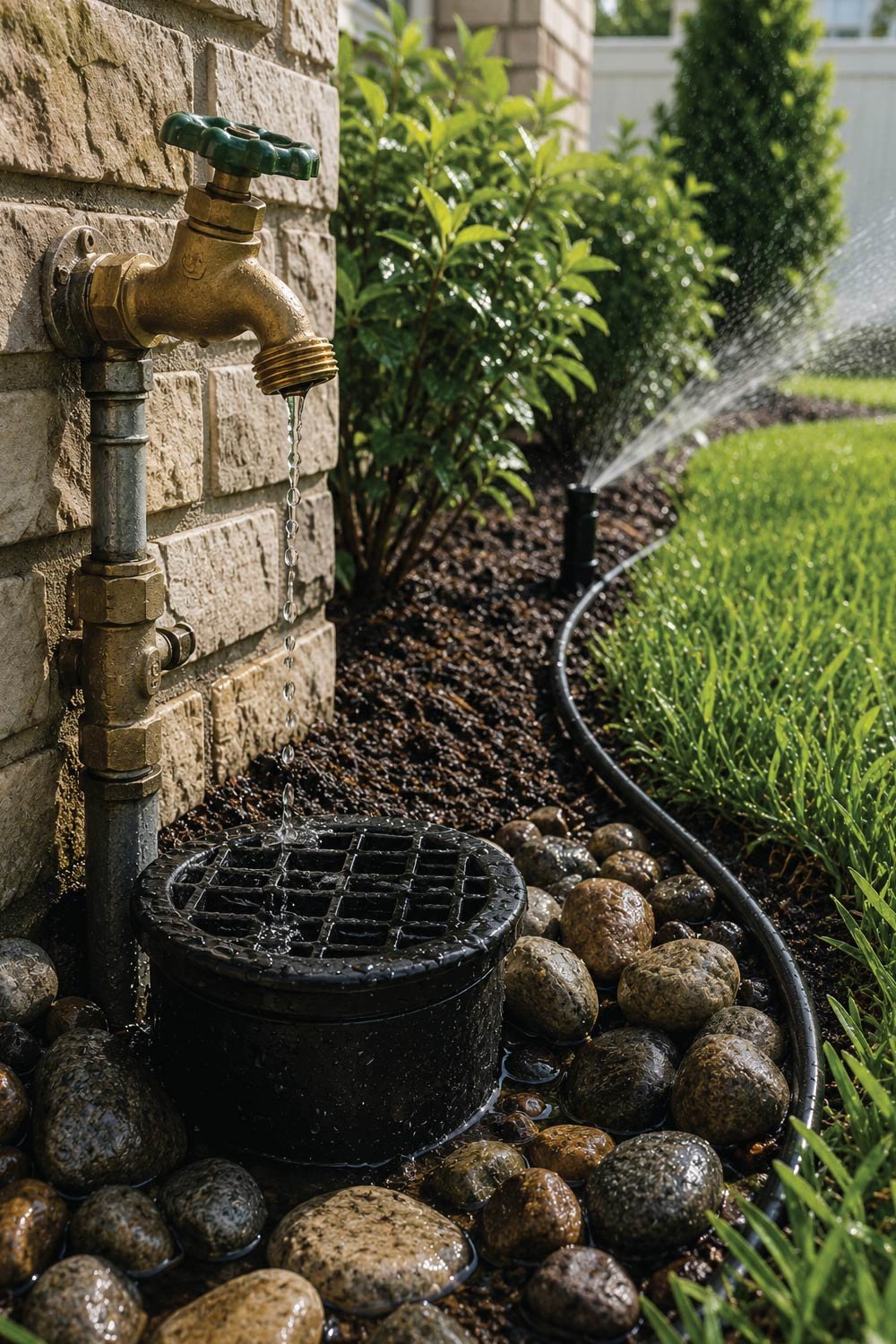
Outdoor Plumbing Maintenance
Proper care of outdoor fixtures ensures reliable water flow and protects your property from water damage. Seasonal checks and timely repairs help prevent small issues from turning into costly plumbing failures, especially during extreme weather conditions or heavy water usage periods.
- Check hose bibs and outdoor faucets for leaks
- Shut off and drain outdoor water lines before winter
- Inspect sprinkler systems for broken or leaking heads
- Ensure proper drainage away from your home’s foundation
Water pooling near your home can lead to foundation damage and basement flooding.
Also Read:
Watch Your Water Pressure
Water pressure plays an important role in plumbing system health. While strong pressure may feel comfortable during use, excessive force can strain pipes, joints, and appliances over time. Monitoring and regulating pressure helps maintain long-term system efficiency and prevents avoidable damage.
Signs of High Water Pressure
High water pressure often goes unnoticed until damage begins to appear. Recognizing early warning signs can help prevent leaks, pipe stress, and appliance failure. Addressing pressure issues early protects your plumbing system and reduces long-term repair costs.
- Banging or knocking pipes
- Frequent leaks
- Short appliance lifespan
Installing a pressure regulator and keeping water pressure within a safe range can prevent unnecessary wear on your plumbing system.
Know What Not to Flush or Drain
Many plumbing emergencies are caused by improper disposal habits. Drains and toilets are designed for specific waste types, and introducing unsuitable materials can lead to clogs, backups, and pipe damage. Proper awareness helps maintain a smooth and trouble-free plumbing system.
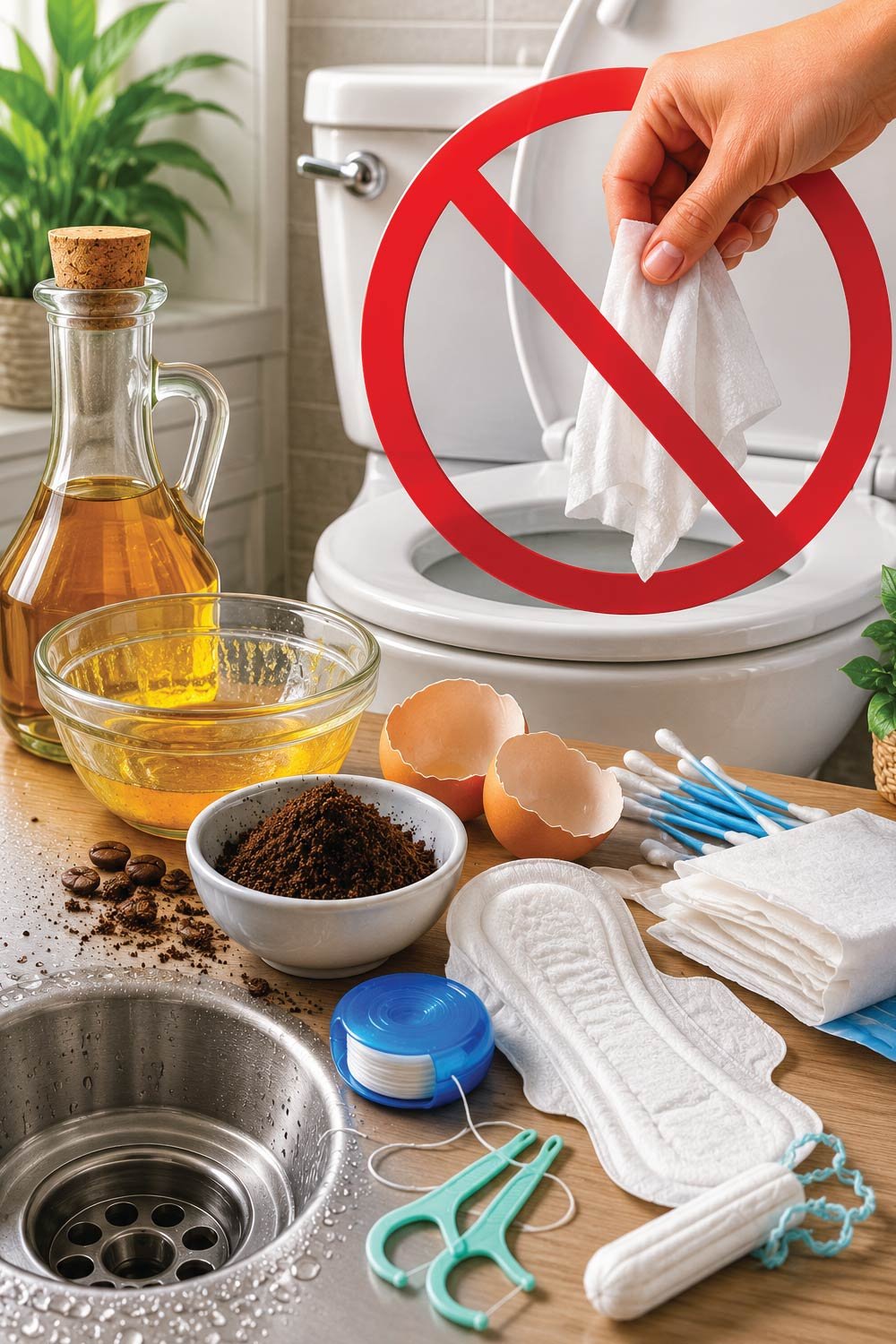
Items to Avoid
Avoiding certain materials from entering your plumbing system significantly reduces the risk of blockages and costly repairs. Many of these items do not break down easily and can accumulate inside pipes, causing long-term drainage issues.
- Cooking grease and oils
- Coffee grounds
- Eggshells
- Dental floss
- Wet wipes (even “flushable” ones)
- Feminine hygiene products
Teaching everyone in your household what should and should not be flushed can prevent many plumbing emergencies.
Also Read:
Schedule Professional Inspections
While routine maintenance can be handled at home, professional inspections provide a deeper evaluation of your plumbing system. Experts can detect hidden issues that are not visible during regular checks, helping prevent unexpected failures and improving overall system performance.
Benefits of Professional Plumbing Maintenance
Professional inspections offer valuable insights into the condition of your plumbing system. Early detection and expert guidance can prevent serious damage, improve efficiency, and ensure your home’s water system remains safe and reliable throughout the year.
- Early detection of hidden issues
- Expert assessment of pipe condition
- Advice on upgrades and efficiency improvements
- Peace of mind
An annual plumbing inspection can save you money by catching problems before they escalate.
Create a Plumbing Maintenance Routine
Consistency is essential for preventing plumbing issues and maintaining a healthy system. A structured maintenance routine helps you stay organized, reduces emergency repairs, and ensures every part of your plumbing system is checked regularly throughout the year.
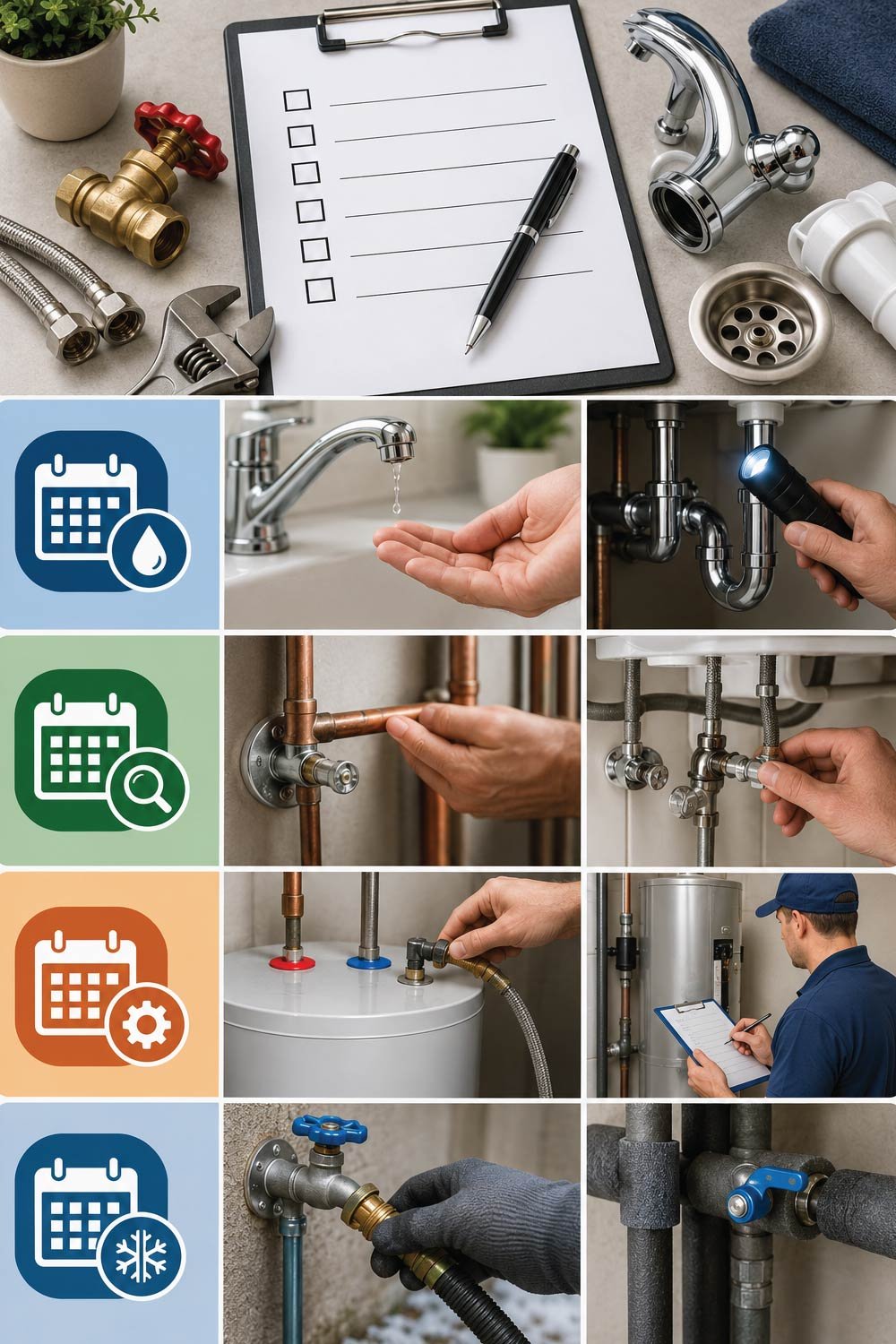
Suggested Maintenance Schedule
A simple schedule makes plumbing care easier and more effective. By dividing tasks into monthly, quarterly, annual, and seasonal checks, homeowners can manage maintenance without stress while ensuring long-term system reliability.
- Monthly: Check for leaks and slow drains
- Quarterly: Inspect visible pipes and fixtures
- Annually: Flush water heater and schedule professional inspection
- Seasonally: Prepare plumbing for weather changes
Keeping a simple maintenance checklist can make plumbing care manageable and stress-free.
Also Read:
Final Thoughts
Home plumbing maintenance doesn’t have to be complicated or time-consuming. By paying attention to small details, addressing minor issues early, and adopting good habits, you can avoid major plumbing disasters and extend the life of your system. A little prevention goes a long way when it comes to protecting your home, your budget, and your peace of mind.
Whether you’re a new homeowner or have lived in your house for years, investing time in plumbing maintenance is always worth the effort. With these tips, you’ll be better prepared to keep your plumbing system efficient, reliable, and trouble-free for years to come.