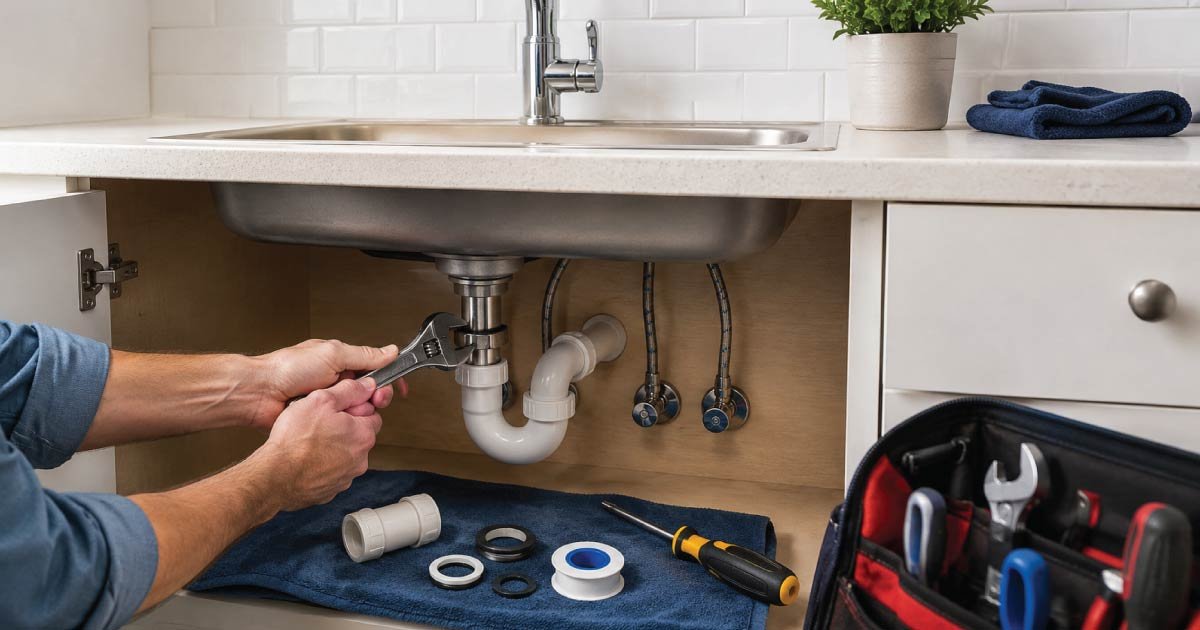
Plumbing issues are among the most stressful household problems. A leaking faucet, clogged drain, or running toilet can disrupt daily life, waste water, and increase utility bills. Many homeowners assume plumbing repairs require professional help, but the truth is that most everyday plumbing problems can be fixed safely and affordably with basic tools and a little know-how.
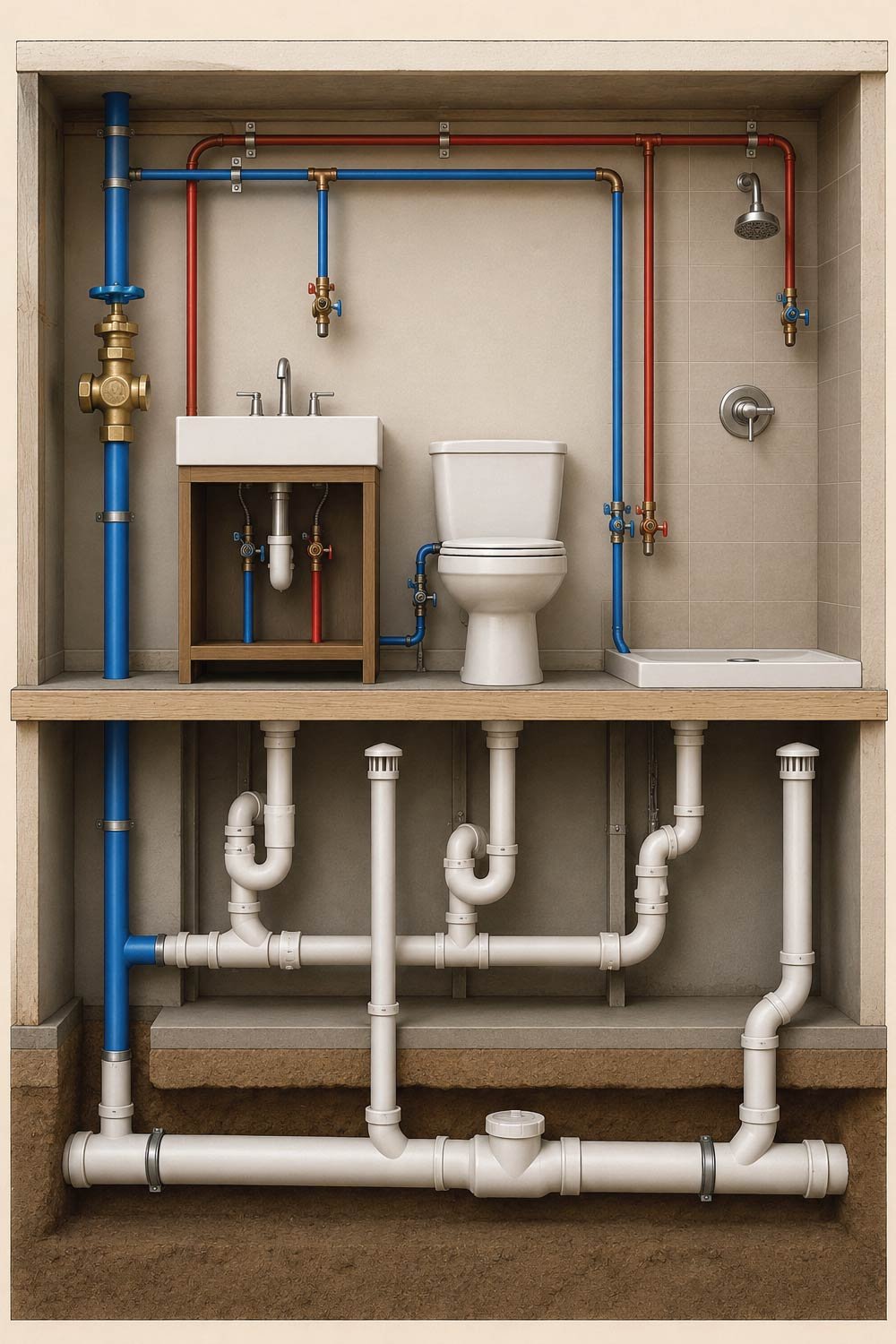
This DIY plumbing repair guide is designed for beginners and homeowners who want to handle common plumbing issues confidently. You’ll learn how plumbing systems work, what tools you need, how to fix frequent problems step by step, and when a repair is no longer a DIY job.
Essential Tools for DIY Plumbing Repairs
Having the right tools makes plumbing repairs faster, safer, and more efficient. You don’t need expensive equipment—just a few basic tools can handle most common household plumbing issues. Keeping them organized and accessible helps you respond quickly when leaks or clogs occur.
- Adjustable wrench
- Pipe wrench
- Plunger (cup and flange types)
- Drain snake or auger
- Screwdrivers (flathead and Phillips)
- Plumber’s tape (Teflon tape)
- Bucket and towels
- Replacement washers and O-rings
Having these tools on hand saves time and prevents small problems from becoming emergencies.
Safety First: What to Do Before Any Repair
Safety is the most important step in any plumbing repair. Taking a few precautionary actions before starting helps prevent water damage, electrical hazards, and personal injury. Proper preparation ensures a smooth repair process and reduces the risk of unexpected complications during the work.
- Turn off the water supply to the fixture or the whole house.
- Relieve pressure by opening a faucet.
- Unplug nearby electrical appliances.
- Wear gloves to protect your hands.
- Keep a bucket nearby to catch water spills.
Skipping these steps can lead to water damage or injury.
Fixing a Leaky Faucet
A leaky faucet is a common household issue that often results from worn internal components. Although it may seem minor, even a small drip can waste significant water over time. Fortunately, most faucet repairs are simple and can be completed with basic tools and minimal plumbing experience.
Common Causes
- Worn-out washer
- Damaged O-ring
- Corroded valve seat
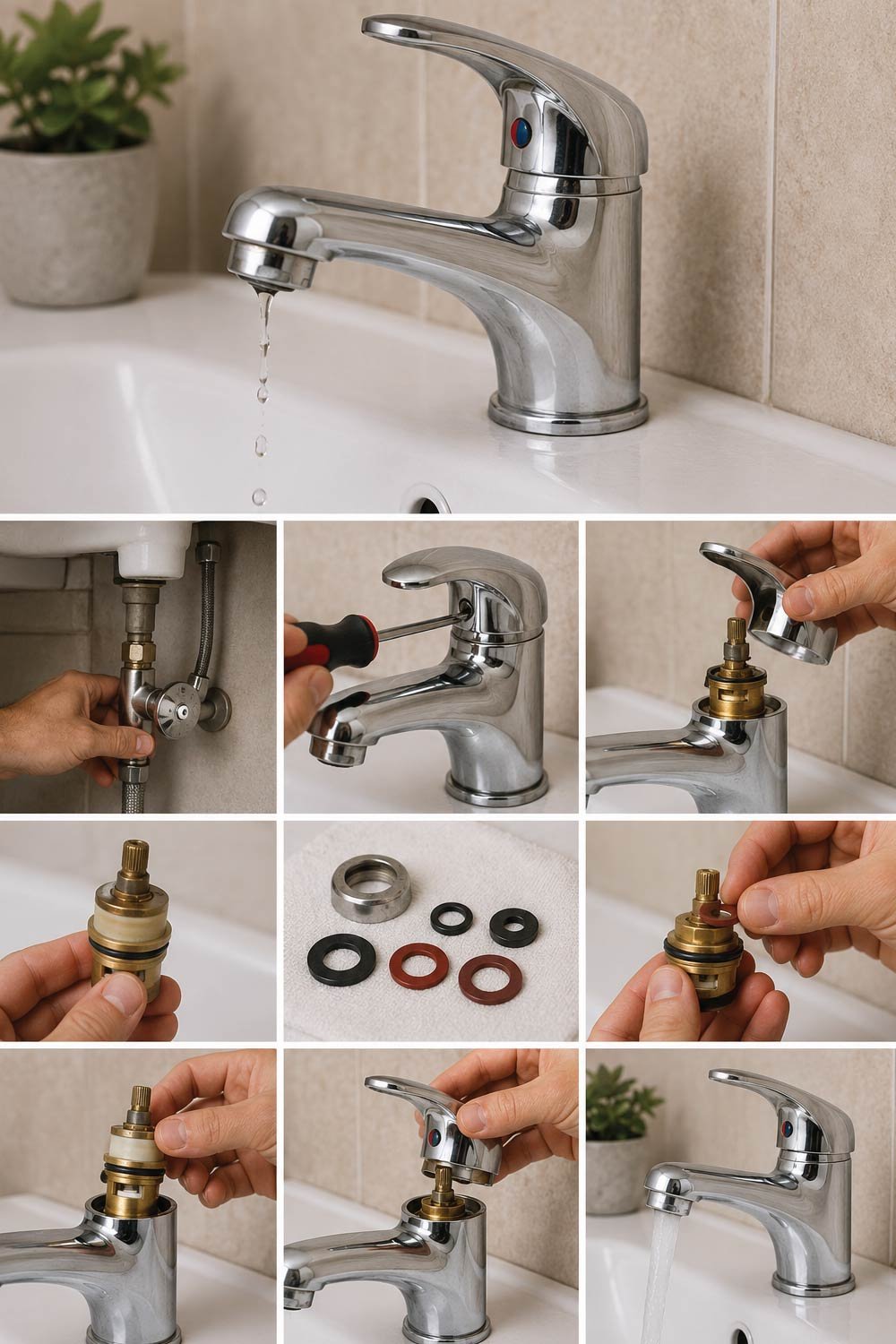
Steps to Fix
- Shut off the water supply under the sink.
- Remove the faucet handle using a screwdriver.
- Take out the cartridge or stem.
- Replace worn washers or O-rings.
- Reassemble the faucet and turn the water back on.
This repair can save gallons of water per day and reduce your utility bill.
Also Read:
Unclogging a Sink Drain
Sink clogs are usually caused by everyday buildup from grease, soap, food particles, or hair. These materials accumulate over time and restrict water flow. Using simple DIY methods can often clear the blockage without the need for harsh chemicals or professional help.
DIY Methods
- Boiling water for grease buildup
- Baking soda and vinegar for mild clogs
- Plunger for shallow blockages
- Drain snake for deeper clogs
Avoid chemical drain cleaners, as they can damage pipes and are harmful to the environment.
Repairing a Running Toilet
A running toilet is not only annoying but also wasteful, as it can significantly increase water bills if left unchecked. This issue usually occurs due to faulty internal tank components. Most repairs are quick, inexpensive, and can be done without professional assistance.
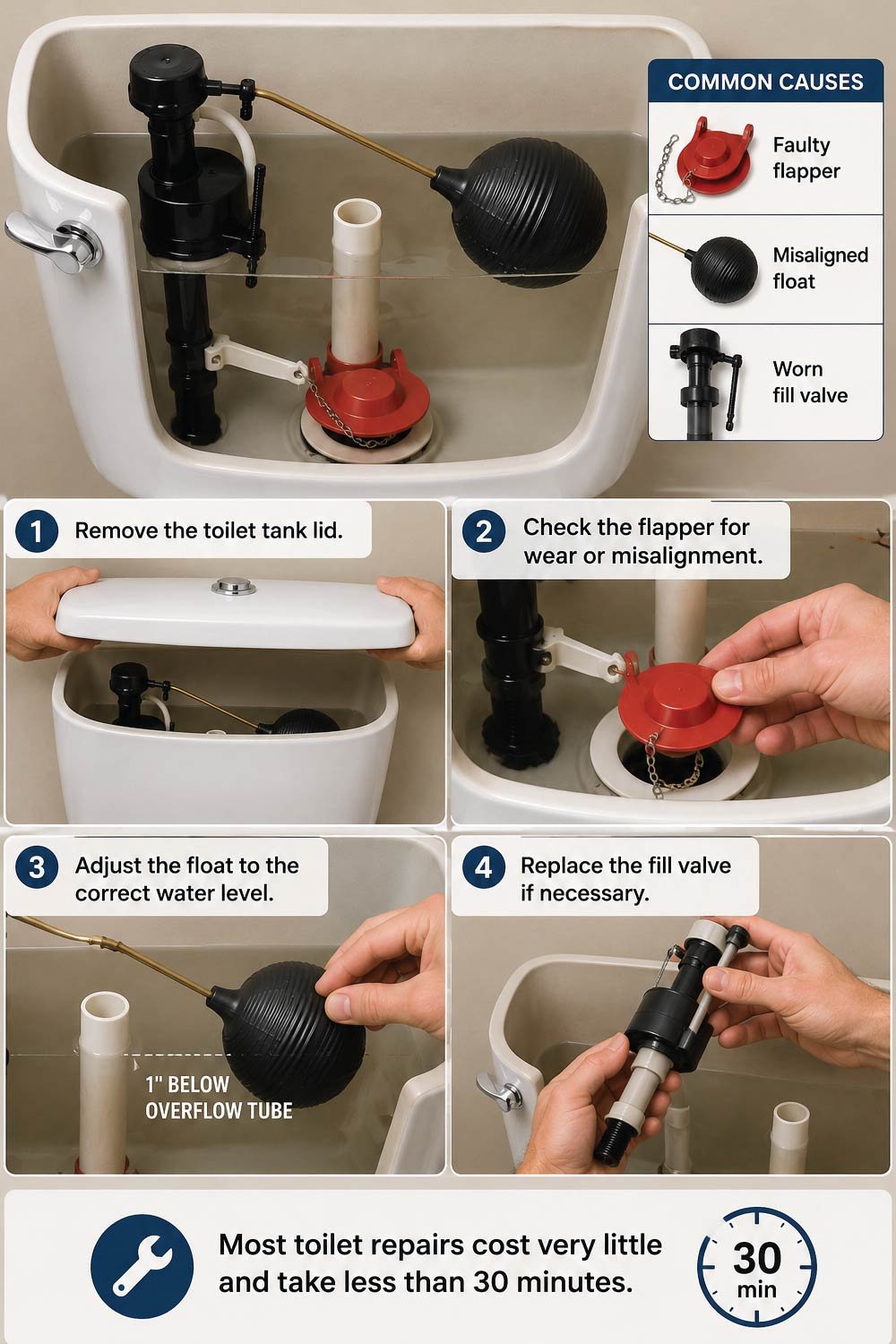
Common Causes
- Faulty flapper
- Misaligned float
- Worn fill valve
Steps to Fix
- Remove the toilet tank lid.
- Check the flapper for wear or misalignment.
- Adjust the float to the correct water level.
- Replace the fill valve if necessary.
Most toilet repairs cost very little and take less than 30 minutes.
Also Read:
Fixing a Leaky Pipe Joint
Pipe joint leaks usually occur when fittings loosen over time or when internal sealing materials wear out. These leaks may start small but can worsen quickly if ignored, leading to water damage or mold growth. Proper tightening and sealing techniques can often resolve the issue without replacing the entire pipe section.
Steps to Fix
- Turn off the water supply.
- Dry the leaking area.
- Tighten the joint gently with a wrench.
- If leaking continues, disassemble the joint.
- Wrap plumber’s tape around threads and reassemble.
For compression fittings, ensure washers are properly seated.
Replacing a Showerhead
Replacing a showerhead is one of the simplest plumbing upgrades and can instantly improve water flow, pressure, and efficiency. Old or clogged showerheads often reduce performance, while a new unit can enhance comfort and water savings with minimal effort and no specialized tools required.
Steps
- Turn off the water.
- Unscrew the old showerhead.
- Clean threads and apply plumber’s tape.
- Screw on the new showerhead.
- Turn on water and check for leaks.
This repair improves water flow and efficiency instantly.
Also Read:
Clearing a Clogged Toilet
Toilet clogs are common household plumbing issues and are often caused by excessive toilet paper or non-flushable items. In most cases, they can be resolved quickly using basic tools without professional help, as long as the blockage is not deep within the drainage system.
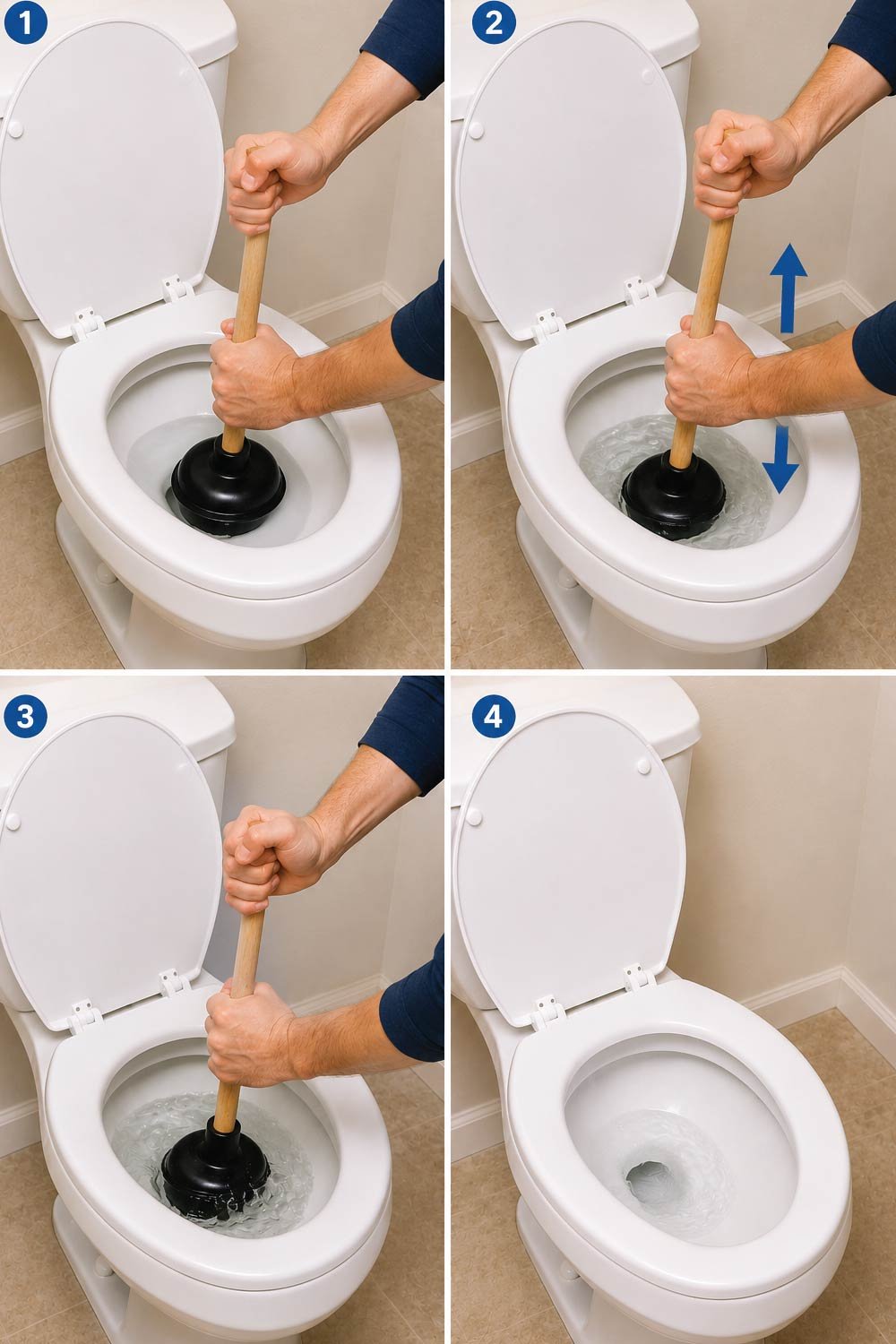
Steps
- Use a flange plunger for a proper seal.
- Push and pull gently at first.
- Increase pressure gradually.
- Flush once water begins to drain.
Never flush repeatedly if the water level is rising.
Fixing Low Water Pressure
Low water pressure can affect daily activities such as showering, cleaning, and washing dishes. It is usually caused by buildup, valve issues, or hidden leaks. Identifying the source of the problem helps determine whether it can be fixed with simple maintenance or requires professional inspection.
Possible Causes
- Mineral buildup in fixtures
- Partially closed shut-off valves
- Leaking pipes
Solutions
- Clean faucet aerators
- Check all shut-off valves
- Inspect visible pipes for leaks
If pressure issues affect the entire house, the problem may be beyond DIY repair.
Preventive Plumbing Maintenance Tips
Preventive care is the best way to avoid expensive plumbing repairs and unexpected emergencies. Regular habits and simple checks help maintain system efficiency, reduce wear on pipes, and extend the lifespan of household plumbing components.
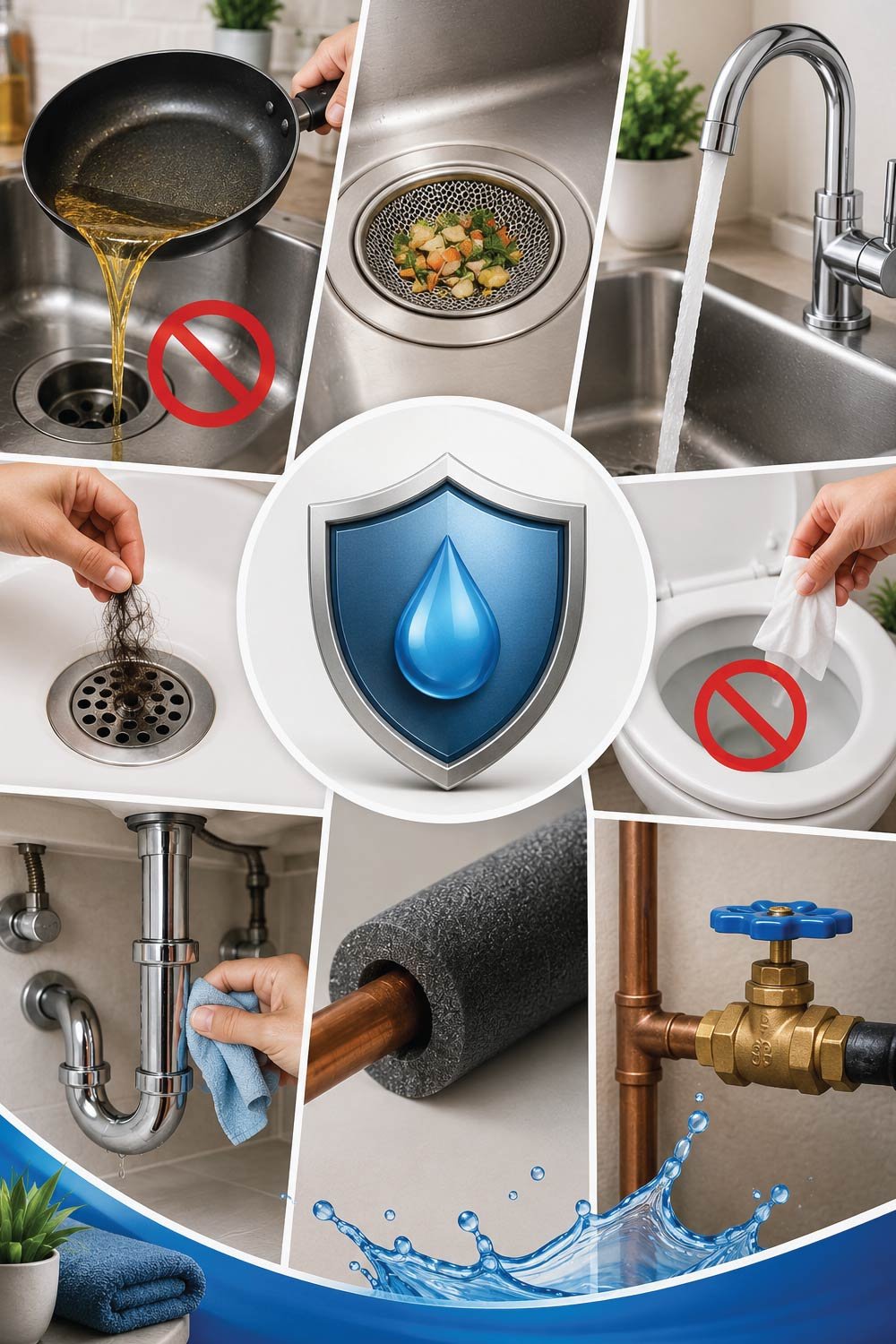
Kitchen
- Never pour grease down the drain
- Use sink strainers
- Run hot water after dishwashing
Bathroom
- Remove hair from drains weekly
- Avoid flushing wipes or hygiene products
General
- Check for leaks monthly
- Insulate pipes in cold weather
- Know where your main shut-off valve is
Regular maintenance extends the life of your plumbing system.
Also Read:
When DIY Plumbing Is Not Enough
While many plumbing issues can be handled at home, some problems indicate serious underlying damage or system failure. In these cases, attempting repairs without proper tools or expertise can worsen the situation and lead to higher repair costs or extensive water damage.
- Burst pipes
- Sewage smells
- Water damage inside walls
- Multiple drains backing up
- No water supply to the home
Attempting complex repairs without training can make the situation worse.
Final Thoughts
DIY plumbing repairs empower homeowners to save money, reduce stress, and maintain their homes more effectively. With basic tools, proper preparation, and a clear understanding of common plumbing systems, many repairs are well within reach even for beginners.
Start with small projects, follow safety guidelines, and don’t rush. Over time, your confidence and skills will grow. While not every plumbing problem should be tackled alone, knowing what you can fix makes a huge difference.A well-maintained plumbing system isn’t just about convenience it protects your home, your health, and your budget.