

Homeownership comes with comfort, freedom, and pride—but it also comes with an endless list of small repairs that can quickly feel overwhelming. A dripping tap, a loose door handle, a flickering light, or a wall crack might seem minor on their own, but when they start piling up, they create stress and confusion about where to even begin.
The good news is you don’t need to fix everything at once, and you definitely don’t need to be a professional handyman to make real improvements. Most common household problems can be handled with simple, low-cost fixes that restore comfort and prevent bigger damage later.
This guide breaks everything down into manageable steps so you can start small, build confidence, and gradually take control of your home repairs without feeling stressed or lost.
Table of Contents
ToggleWhy Home Repairs Feel So Overwhelming (Expanded Intro)
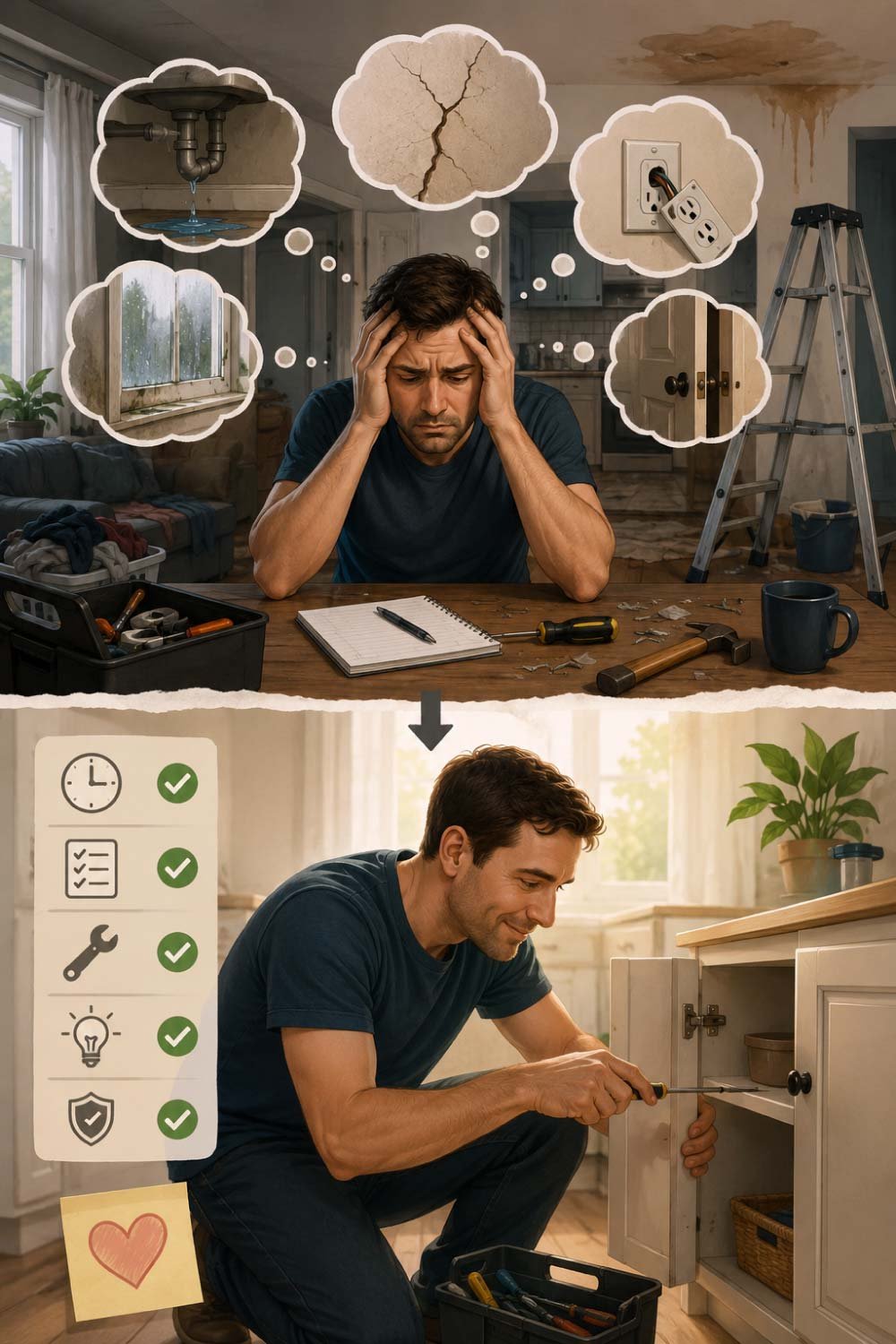
Home repairs often feel heavier in our minds than they actually are in practice. This is usually not because the tasks are complex, but because they show up unexpectedly and pile up quickly. When several small issues appear at once, it becomes hard to decide where to begin or what truly needs attention first.
- Problems appear unexpectedly and disrupt routine
- Multiple issues often happen at the same time
- Uncertainty makes it hard to decide urgency
- Lack of tools or experience creates hesitation
- Fear of making things worse delays action
This combination leads to procrastination, which often turns small issues into bigger, more expensive ones. The key mindset shift is this: you don’t need to fix everything today—just start with one small thing.
Step 1: Start With the “Quick Wins” (Expanded Intro)
Quick wins are simple home fixes that don’t require special skills or expensive tools. These are the kinds of repairs you can complete in minutes, yet they instantly make your home feel more organized and less stressful. Starting here builds confidence and momentum, making larger tasks feel more manageable later on.
1. Tighten Loose Screws and Handles
Loose screws on doors, cabinets, or furniture are small issues that often go ignored. Over time, they can worsen and lead to damage or breakage. Fixing them early helps maintain stability in everyday household items and prevents unnecessary replacements or costly repairs.
What you need:
- Screwdriver (flat or Phillips head)
What to do:
- Tighten any loose screws gently
- If a screw won’t hold, insert a toothpick or matchstick for grip
Why it matters:
- Prevents long-term damage
- Improves safety and usability
- Takes only a few minutes to fix
2. Stop Minor Water Drips
A dripping tap may seem like a small issue, but it can waste a surprising amount of water over time. It also adds up on utility bills and can become annoying if left untreated. Fixing it early keeps your plumbing in better condition.
Simple fix:
- Turn off water supply
- Replace rubber washer inside faucet
- Re-tighten all parts carefully
Even a quick inspection helps you understand whether the issue is minor or needs deeper repair.
3. Fix Squeaky Doors
Squeaky doors are one of the most common household annoyances. While they don’t affect function, they can make a space feel older or poorly maintained. Luckily, this is one of the fastest problems to solve.
Quick solution:
- Apply a few drops of oil or lubricant on hinges
- Open and close the door several times
Result:
- Reduces noise instantly
- Smoothens door movement
- Improves overall comfort
Step 2: Handle Visual Problems That Stress You Out (Expanded Intro)
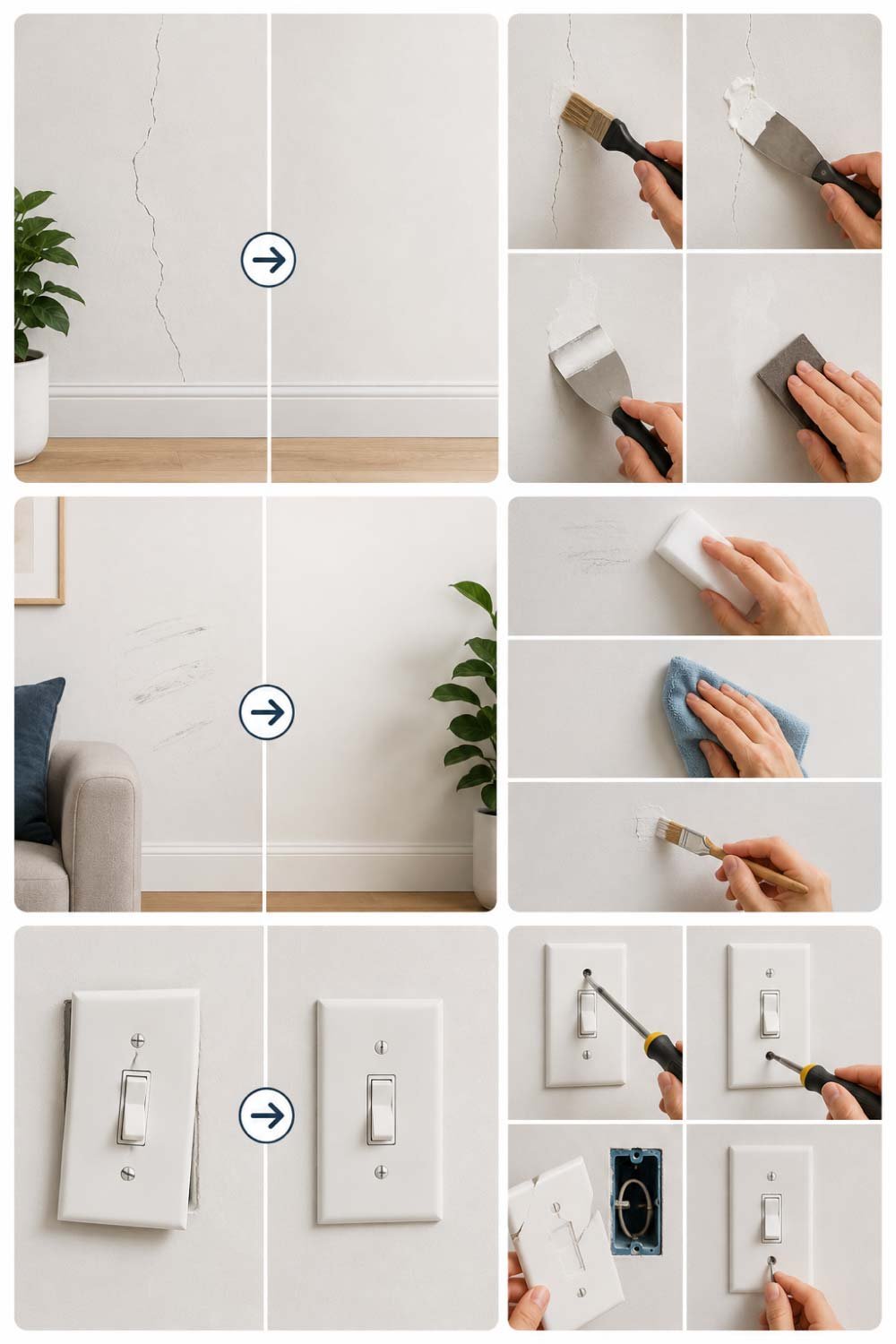
Not all home problems affect functionality—some mainly affect appearance. Even if everything works fine, visual issues like cracks, marks, or loose fittings can make your home feel unclean or neglected. Fixing these improves the overall atmosphere quickly.
4. Patch Small Wall Cracks
Small wall cracks are normal and often caused by settling or temperature changes. While they may not be structurally serious, they can make walls look worn out. Fixing them is simple and improves the overall look of any room.
Basic fix:
- Clean the crack area
- Apply wall filler or spackle
- Smooth with a putty knife
- Let it dry and repaint if needed
Even minor patching makes a noticeable difference in appearance.
5. Cover Scuffed Paint or Marks
Walls naturally collect marks over time from furniture, hands, or daily movement. These scuffs can make rooms look dull even if the rest of the space is clean. Thankfully, they are easy to refresh without repainting the entire wall.
Easy fix options:
- Magic eraser sponge for light marks
- Soap and water for mild stains
- Touch-up paint for deeper scuffs
Small touch-ups can instantly brighten a room.
6. Fix Loose Electrical Switch Plates
Loose switch plates may seem minor, but they can affect both appearance and safety. A wobbly switch cover can make a wall look unfinished and should be secured as soon as possible to avoid further issues.
Solution:
- Turn off power for safety
- Tighten screws on the plate
- Replace cracked covers if necessary
This simple fix improves both safety and visual neatness.
Also Read:
Stop Drafts From Windows and Doors
Drafts from windows and doors are one of the most common comfort problems in homes. They often go unnoticed until you feel temperature changes indoors. These air leaks make rooms harder to heat in winter and more difficult to cool in summer, which also increases energy costs over time.
Simple solutions:
- Use weather stripping tape around doors and windows
- Place draft stoppers at the bottom of doors
- Seal small gaps with silicone caulk
Benefits:
- Reduces unwanted air leakage
- Improves indoor temperature control
- Lowers energy usage and bills
- Makes rooms feel more comfortable instantly
8. Reduce Noisy Fixtures (Expanded Intro)
Household noise from fans, pipes, or loose fittings can quietly add stress to daily life. Even if these issues seem small, they can affect focus, sleep, and overall comfort. The good news is that most of these noises come from simple looseness or friction that can be fixed quickly.
Quick fixes:
- Tighten screws in ceiling fans
- Add rubber padding where parts touch
- Secure loose pipes with clamps
Why it helps:
- Reduces unnecessary background noise
- Improves relaxation and sleep quality
- Prevents wear and tear on fixtures
- Makes the home feel calmer and more stable
Also Read:
9. Fix Slow Drains (Expanded Intro)
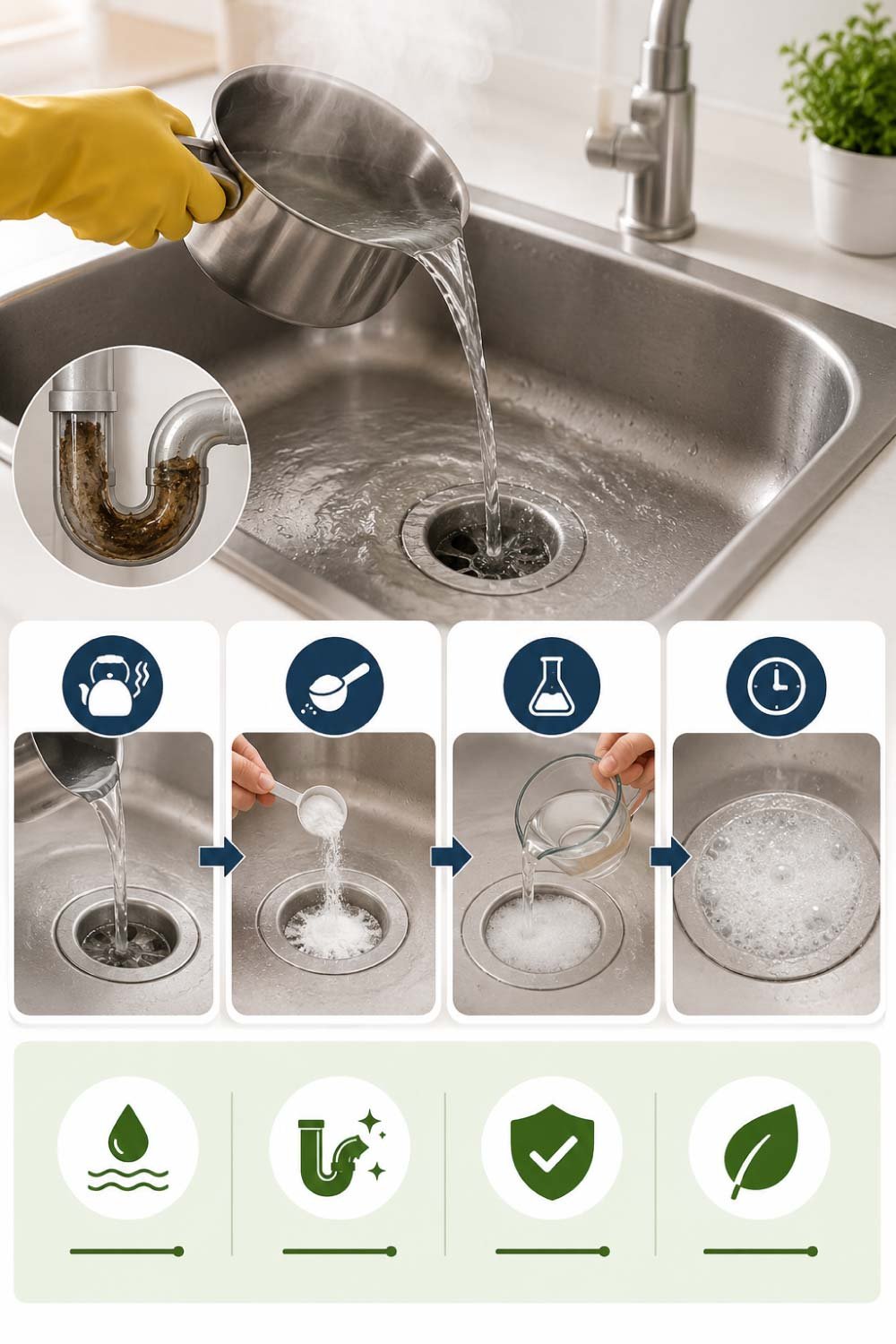
Slow drains are usually caused by buildup of grease, soap, or debris rather than serious plumbing damage. While the problem develops gradually, it can quickly become frustrating in daily routines like washing or bathing. Early cleaning helps prevent full blockages and keeps water flowing smoothly.
Easy method:
- Pour hot water down the drain
- Add baking soda followed by vinegar
- Wait 10–15 minutes
- Rinse thoroughly with hot water again
Result:
- Breaks down grease and residue naturally
- Improves water flow quickly
- Prevents future clogs
- Reduces need for harsh chemicals
Step 4: Organize Before You Repair More (Expanded Intro)
Before tackling more home repairs, organization becomes essential. Many people feel overwhelmed not because the tasks are hard, but because they don’t know where their tools are or what needs to be done first. A simple structure removes confusion and makes repairs feel more manageable and less stressful.
Create a Simple Home Repair Kit
A basic repair kit saves time and reduces hesitation when something breaks. Instead of searching for tools every time, having everything in one place makes small fixes easier and faster to complete.
Keep these essentials:
- Screwdrivers (flat + Phillips)
- Hammer
- Adjustable wrench
- Measuring tape
- Plumber’s tape
- Wall filler
- Sandpaper
- Basic adhesive
Why it matters:
- Removes delay in starting repairs
- Encourages quicker action
- Keeps home maintenance organized
Make a “Fix List” Instead of Stressing
When everything feels broken at once, it’s easy to feel mentally stuck. A fix list helps break that stress into clear, small actions so you can focus on one task at a time instead of everything at once.
Example list:
- Kitchen tap dripping
- Bedroom door squeaking
- Living room wall marks
How to use it:
- Pick just one task per day or weekend
- Mark it done after completion
- Add new items gradually
Why it helps:
- Turns overwhelm into structure
- Builds steady progress
- Improves confidence over time
Step 5: Learn When NOT to DIY (Expanded Intro)
Not every home repair is suitable for a DIY approach. While small fixes build confidence, certain problems require professional attention for safety and long-term reliability. Knowing when to stop is just as important as knowing how to fix things.
Avoid DIY for:
- Major electrical wiring issues
- Gas leaks or smell of gas
- Structural wall damage
- Severe plumbing leaks
Why calling a professional matters:
- Ensures safety for you and your home
- Prevents making the problem worse
- Can save money in long-term repairs
- Provides expert-level solutions
Also Read:
How to Repair Wooden Door Scratches: A Complete Step-by-Step Guide
Step 6: Build a Maintenance Habit (Not Just Repairs) (Expanded Intro)
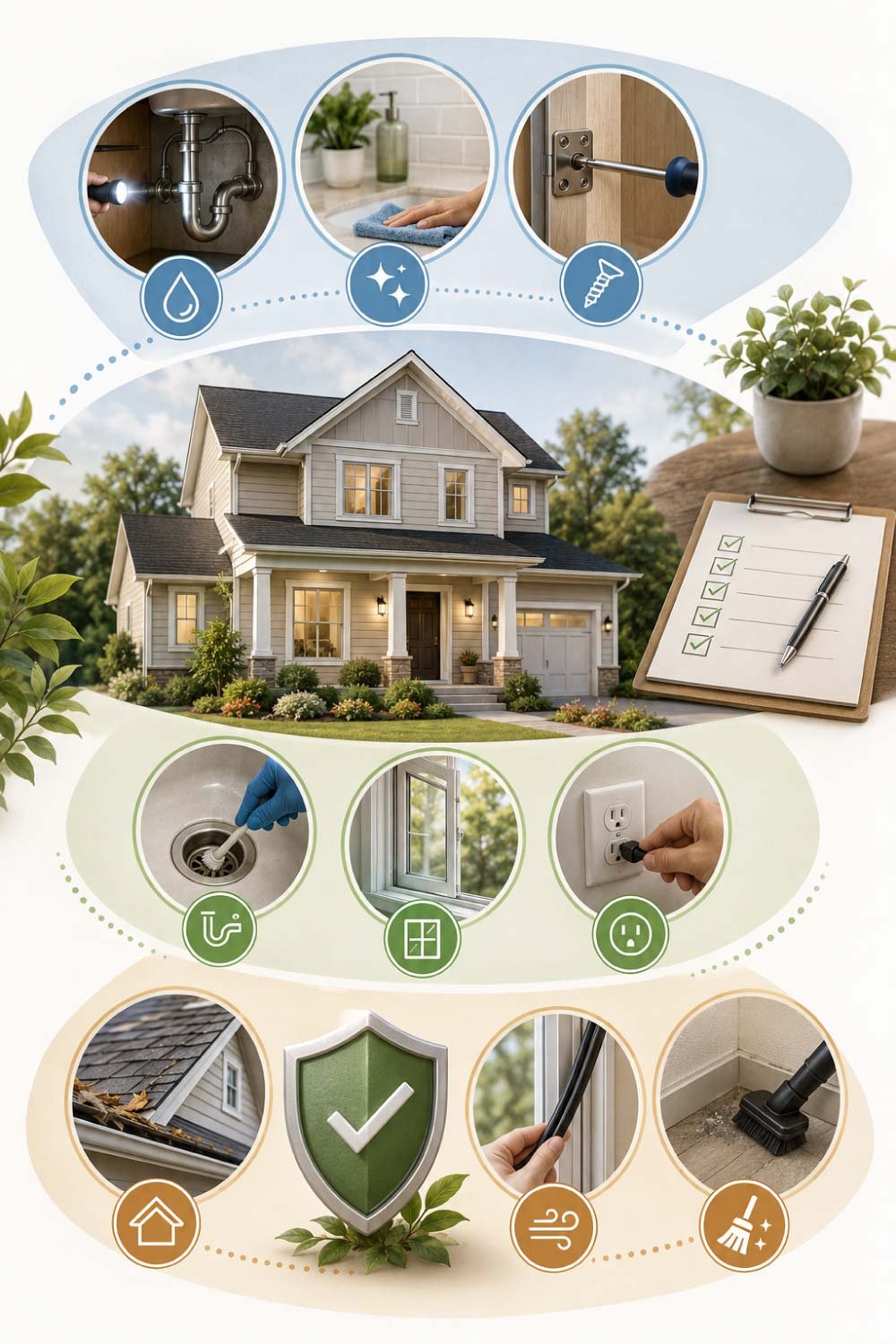
Home care becomes much easier when it shifts from random repairs to consistent maintenance. Instead of waiting for things to break, small regular habits help prevent issues from growing in the first place. This approach reduces stress and keeps your home in better condition year-round.
Weekly habits:
- Check for leaks under sinks
- Wipe down high-moisture areas
- Tighten any visibly loose screws
Monthly habits:
- Clean drains thoroughly
- Inspect doors and windows
- Test light switches and outlets
Seasonal habits:
- Check roof and exterior walls
- Replace worn weather stripping
- Deep clean neglected corners
Key takeaway:
Small consistent actions prevent big problems.
Final Thoughts
Home repairs don’t need to feel overwhelming or expensive. The secret is not doing everything at once—it’s starting small and staying consistent.
When you focus on easy fixes first, something powerful happens:
- Your home immediately feels better
- Problems stop piling up
- Confidence builds naturally
- Bigger repairs feel manageable instead of stressful
Every tightened screw, patched wall, or fixed drip is a step toward a more comfortable and controlled living space.
Start with just one small fix today. That’s all it takes to break the cycle of overwhelm and begin taking real control of your home.
Also Read:
How to Fix a Kitchen Cabinet Door: A Complete Step-by-Step Guide