
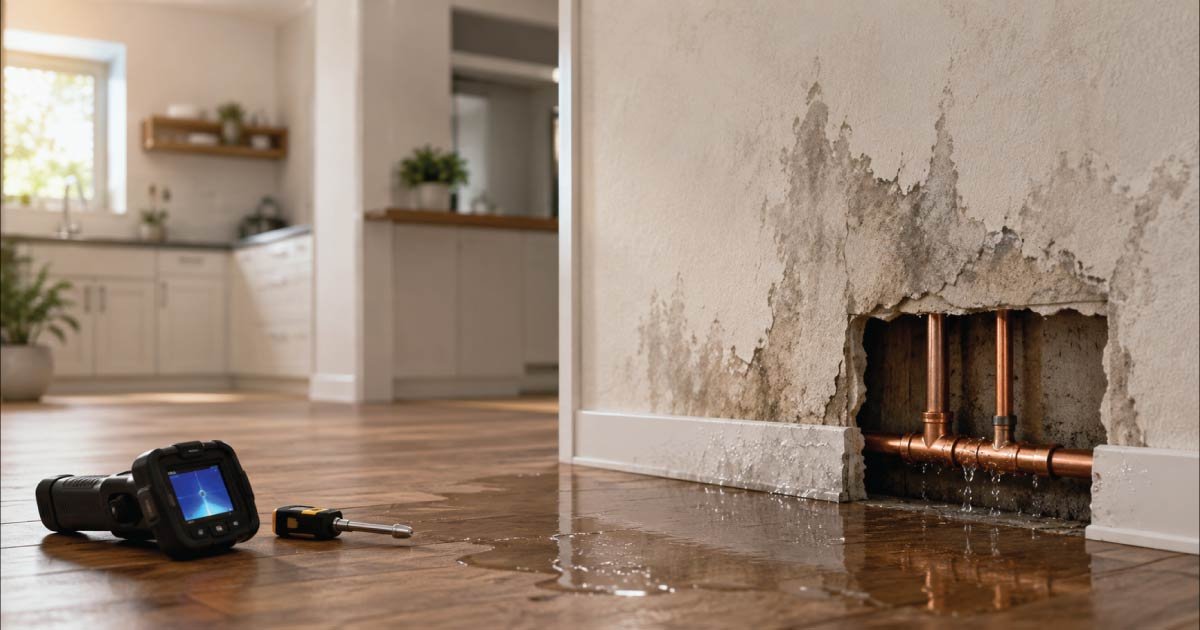
Water leaks are one of the most common and costly problems homeowners face. While some leaks are obvious like a dripping faucet or a burst pipe—many are hidden behind walls, under floors, or underground. These unseen leaks can quietly waste thousands of gallons of water, weaken your home’s structure, promote mold growth, and significantly increase utility bills.
Home water leak detection is the process of identifying leaks early, before they turn into expensive emergencies. Understanding the warning signs, knowing where leaks commonly occur, and learning basic detection methods can help homeowners protect their property and save money.This guide explains everything you need to know about detecting water leaks in your home, from simple DIY checks to professional detection methods.
Why Early Water Leak Detection Is So Important
A small leak may not seem like a big deal at first, but over time it can cause serious damage. Even slow leaks can rot wood, corrode metal, damage drywall, and create ideal conditions for mold and mildew, weakening structural integrity and increasing long-term repair costs if ignored.
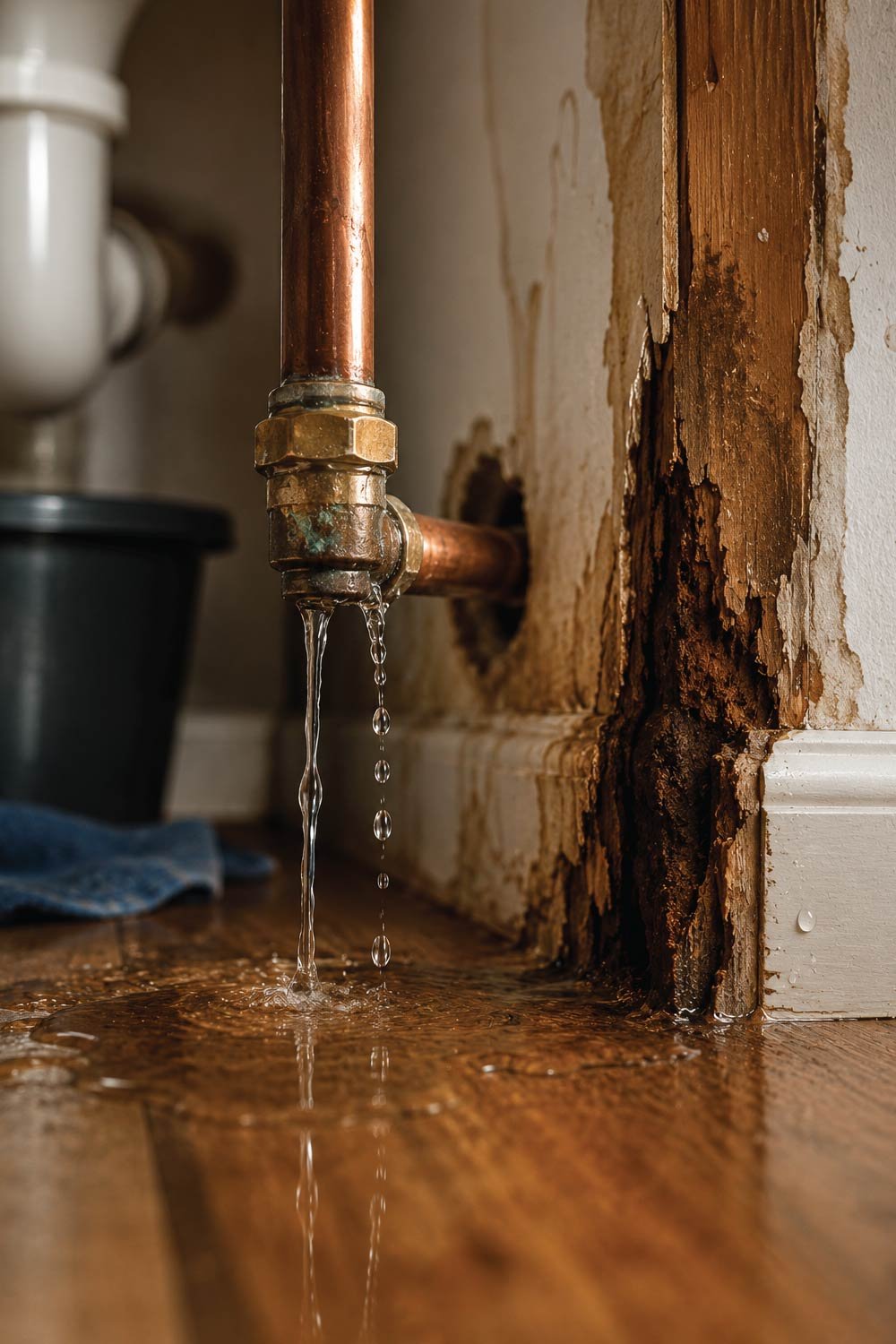
Early detection helps you:
- Prevent structural damage to walls, floors, and foundations
- Reduce water waste and lower utility bills
- Avoid mold-related health issues
- Extend the life of plumbing systems and appliances
- Prevent sudden plumbing emergencies
The sooner a leak is found, the easier and less expensive it is to repair.
Common Places Where Home Water Leaks Occur
Knowing where leaks commonly develop makes detection easier. Most household leaks occur in predictable areas. Understanding these weak points in plumbing systems allows homeowners to inspect them regularly, catch issues early, and prevent hidden water damage that can lead to costly repairs, structural deterioration, and unnecessary water wastage over time.
Pipes Behind Walls and Under Floors
Hidden plumbing lines can develop cracks or loose joints over time. Because these leaks are out of sight, they often go unnoticed until visible damage appears. This makes early detection important for preventing hidden structural damage inside a home.
Bathrooms
Bathrooms are one of the most leak-prone areas in a home due to frequent water use and constant moisture exposure. Plumbing fixtures and seals are under regular stress, making small leaks common and often unnoticed until damage spreads.
- Toilets with faulty flappers
- Shower and tub plumbing
- Sink drain connections
- Worn-out seals and grout
Kitchens
Kitchen leaks often occur under sinks, around dishwashers, or in refrigerator water lines. These areas are frequently used and have multiple connections, increasing the chances of wear, loose fittings, and slow leaks developing over time if not maintained properly.
Water Heaters
A failing water heater may leak slowly from the bottom of the tank or from connected pipes, often pooling unnoticed. This type of leak can indicate corrosion, pressure buildup, or aging components that require timely inspection and maintenance.
Outdoor Plumbing
Outdoor plumbing systems are exposed to soil movement, weather changes, and temperature fluctuations, making them highly vulnerable to hidden leaks that may go unnoticed for long periods and result in significant water loss.
- Underground water lines
- Sprinkler systems
- Outdoor faucets and hose bibs
Because these leaks are outside or underground, they can waste large amounts of water without being obvious.
Warning Signs of a Hidden Water Leak
Hidden leaks usually leave clues. Paying attention to these warning signs can help you catch problems early before they turn into costly repairs or structural damage. Most leaks develop slowly, so noticing small changes in your home’s condition is key to prevention.
Unexplained Increase in Water Bills
A sudden spike in your water bill without increased usage is often one of the first signs of a leak. This usually indicates water is being lost somewhere in the plumbing system without being used intentionally.
Damp or Discolored Walls and Ceilings
Yellow, brown, or dark stains on walls or ceilings may indicate water seeping behind surfaces. These marks often grow over time as moisture spreads through building materials.
Musty Odors
Persistent musty or moldy smells often signal hidden moisture. This odor is commonly caused by damp areas where water has been leaking for an extended period.
Peeling Paint or Bubbling Wallpaper
Moisture trapped behind walls can cause finishes to peel or bubble. This is often an early visible sign that water is accumulating inside the wall structure.
Mold or Mildew Growth
Mold growing in unexpected areas, especially away from bathrooms, is a strong indicator of a leak. It suggests consistent moisture is present in hidden spaces.
Sounds of Running Water
Hearing water when no fixtures are in use may indicate a hidden leak inside walls or floors. This sound often signals continuous water flow in the plumbing system.
How to Detect Water Leaks Yourself 2
Homeowners can perform several simple checks to identify potential leaks before calling a professional. These basic methods are effective for spotting hidden water loss early and preventing major damage.
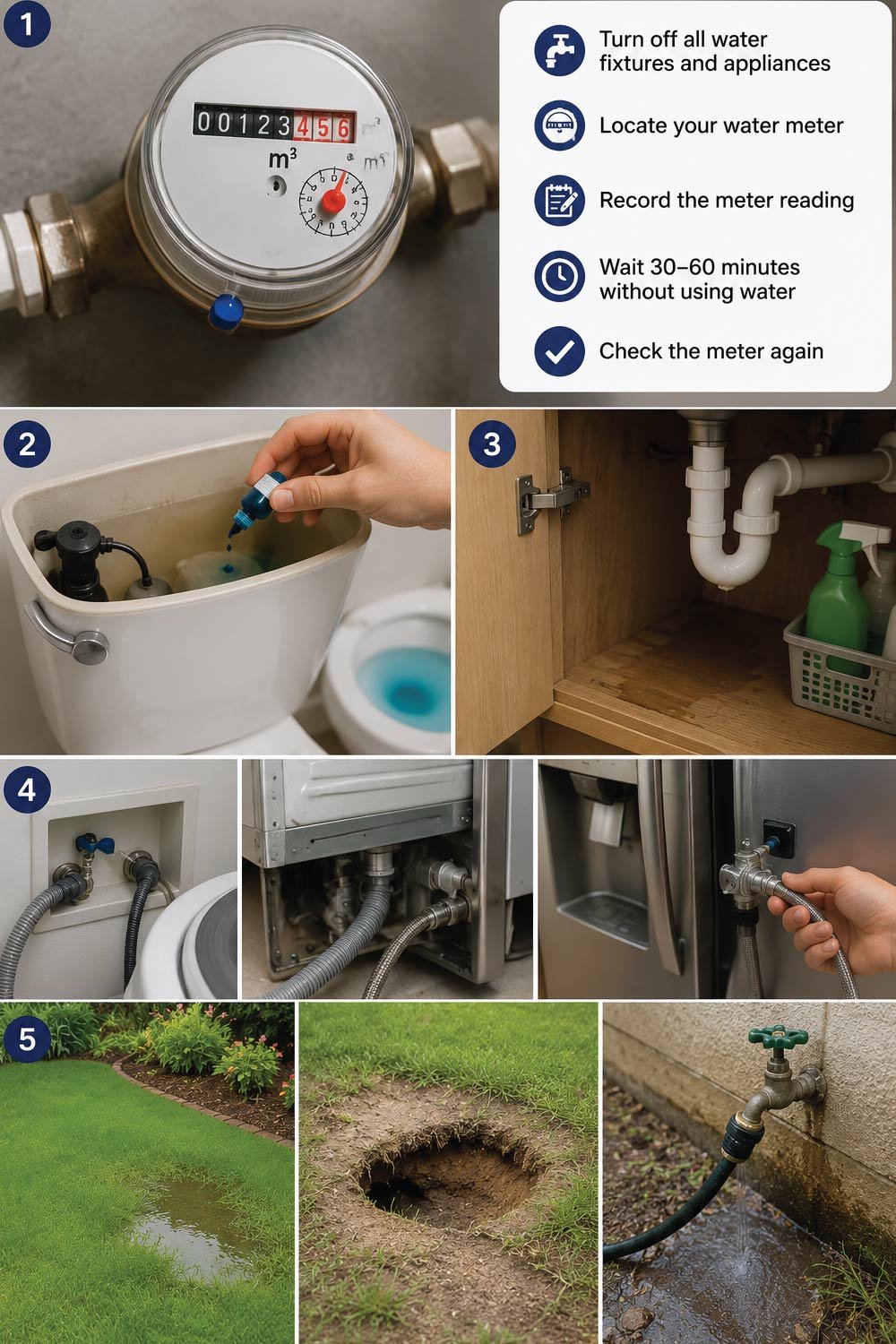
Check the Water Meter Test
One of the most effective DIY methods is the water meter test. This simple technique helps homeowners quickly identify hidden leaks by checking whether water is still being used when all fixtures are turned off. It is reliable, easy to perform, and does not require any special tools or technical knowledge.
Steps:
- Turn off all water fixtures and appliances
- Locate your water meter
- Record the meter reading
- Wait 30–60 minutes without using water
- Check the meter again
If the reading changes, water is flowing somewhere in your home, indicating a leak.
Inspect Toilets for Silent Leaks
Toilets are a common source of hidden water waste. Even a small internal leak can run continuously without being noticed, leading to significant water loss over time and higher utility bills if not checked regularly.
Easy test:
- Add a few drops of food coloring to the toilet tank
- Wait 15–20 minutes without flushing
- If color appears in the bowl, the flapper is leaking
This simple test can reveal leaks that waste hundreds of gallons per day.
Look Under Sinks and Cabinets
Regularly inspect under sinks for hidden signs of water leaks that often develop slowly and remain unnoticed for long periods. These areas are especially vulnerable because plumbing connections are usually enclosed and out of direct sight, allowing minor issues to become serious damage over time if not checked consistently.
- Moisture
- Water stains
- Warped wood
- Musty smells
Even small drips can cause long-term damage if ignored.
Check Appliances and Connections
Regular inspection of household appliances and their water connections is essential to prevent unexpected leaks and water damage. These systems operate under constant pressure, making hoses and fittings more likely to wear out, loosen, or crack over time if not properly maintained.
- Washing machines
- Dishwashers
- Refrigerators with water dispensers
Cracked or loose hoses are common causes of sudden leaks.
Examine Outdoor Areas
Regularly checking outdoor areas helps identify hidden plumbing issues that may not be visible inside the home. Underground leaks can develop slowly and often go unnoticed until they cause noticeable changes in soil condition, plant growth, or surface stability.
- Unusually green or soggy patches
- Sinkholes or soft ground
- Standing water near outdoor fixtures
These may indicate underground pipe leaks.
Advanced Leak Detection Methods
Some water leaks are deeply hidden or too complex for basic DIY checks, making them difficult to identify without specialized tools. In such cases, professional leak detection techniques are used to locate the exact source of the problem with greater accuracy and minimal damage to property.
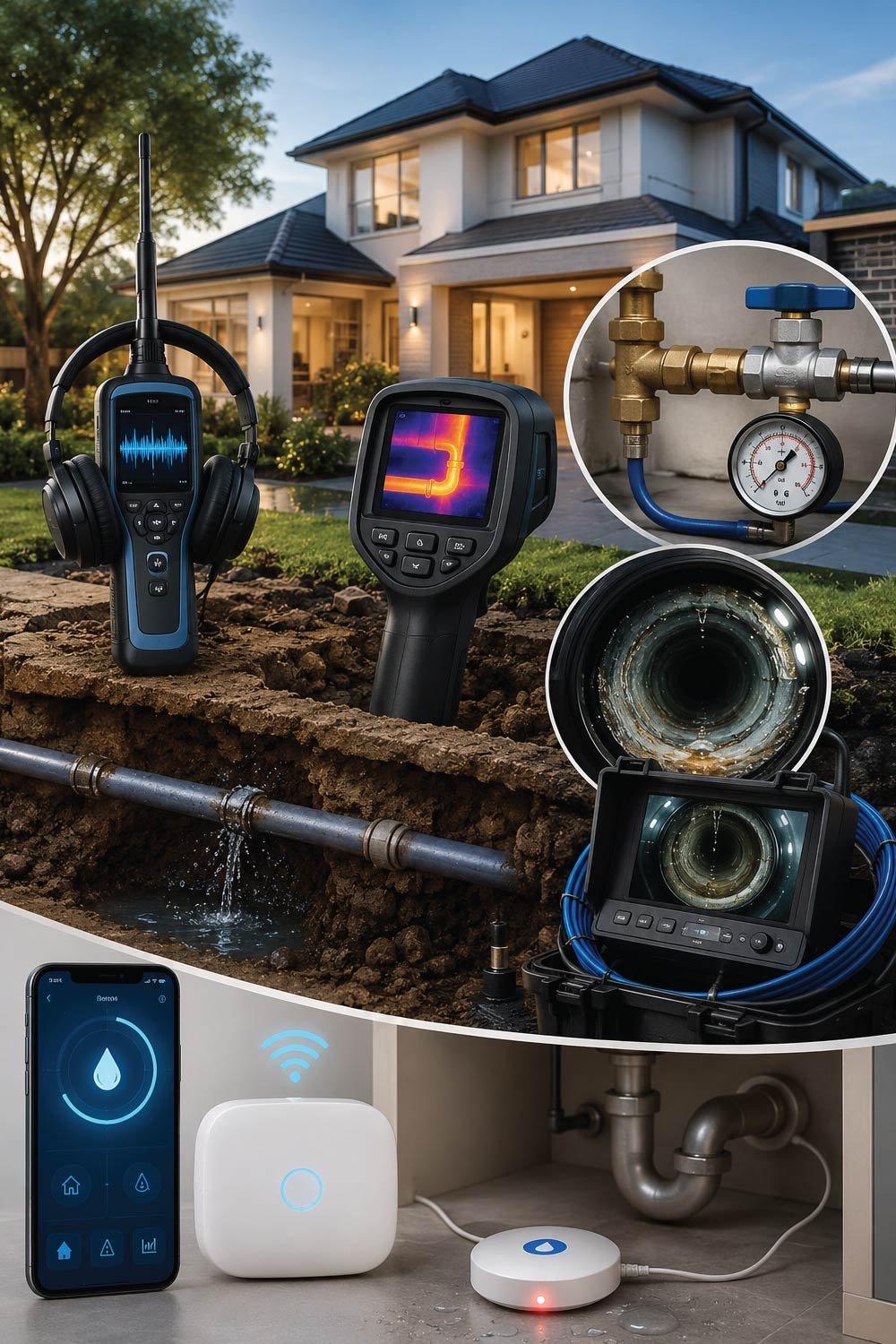
Acoustic Leak Detection
This method uses sensitive listening devices to detect the sound of water escaping from pipes, even behind walls or underground. It helps pinpoint leak locations based on sound frequency and vibration patterns.
Thermal Imaging
Thermal cameras identify temperature differences caused by moisture, helping locate leaks without opening walls or floors. This method is especially useful for detecting hidden leaks inside structural materials.
Pressure Testing
Plumbers may test water pressure in sections of your plumbing system to pinpoint leak locations. A drop in pressure in a specific line often indicates where the leak is occurring.
Video Pipe Inspection
Small cameras are inserted into pipes to visually inspect for cracks, corrosion, or blockages. This allows direct viewing of internal pipe conditions and accurate leak identification.
Smart Home Water Leak Detection Devices
Modern technology has made leak detection easier, faster, and more reliable than ever before. Smart leak detection devices and automated monitoring systems help homeowners identify problems instantly, reducing the risk of major water damage and expensive repairs by providing real-time alerts and automated responses.
Point-of-Use Leak Sensors
These small devices are placed near appliances or plumbing fixtures. They sound alarms when moisture is detected, helping you catch leaks early before they spread or cause significant damage to surrounding areas.
Whole-House Water Monitoring Systems
Installed on the main water line, these systems:
- Monitor water usage patterns
- Detect abnormal flow
- Send alerts to your phone
- Automatically shut off water in severe cases
Smart systems are especially useful for vacation homes or households frequently away from home.
Also Read:
DIY Plumbing Repair Guide: Fix Common Plumbing Problems Without a Professional
What to Do When You Detect a Leak
Once a leak is identified, quick action is essential to minimize damage and prevent the problem from worsening. Acting promptly can protect your home’s structure, reduce repair costs, and limit water waste.
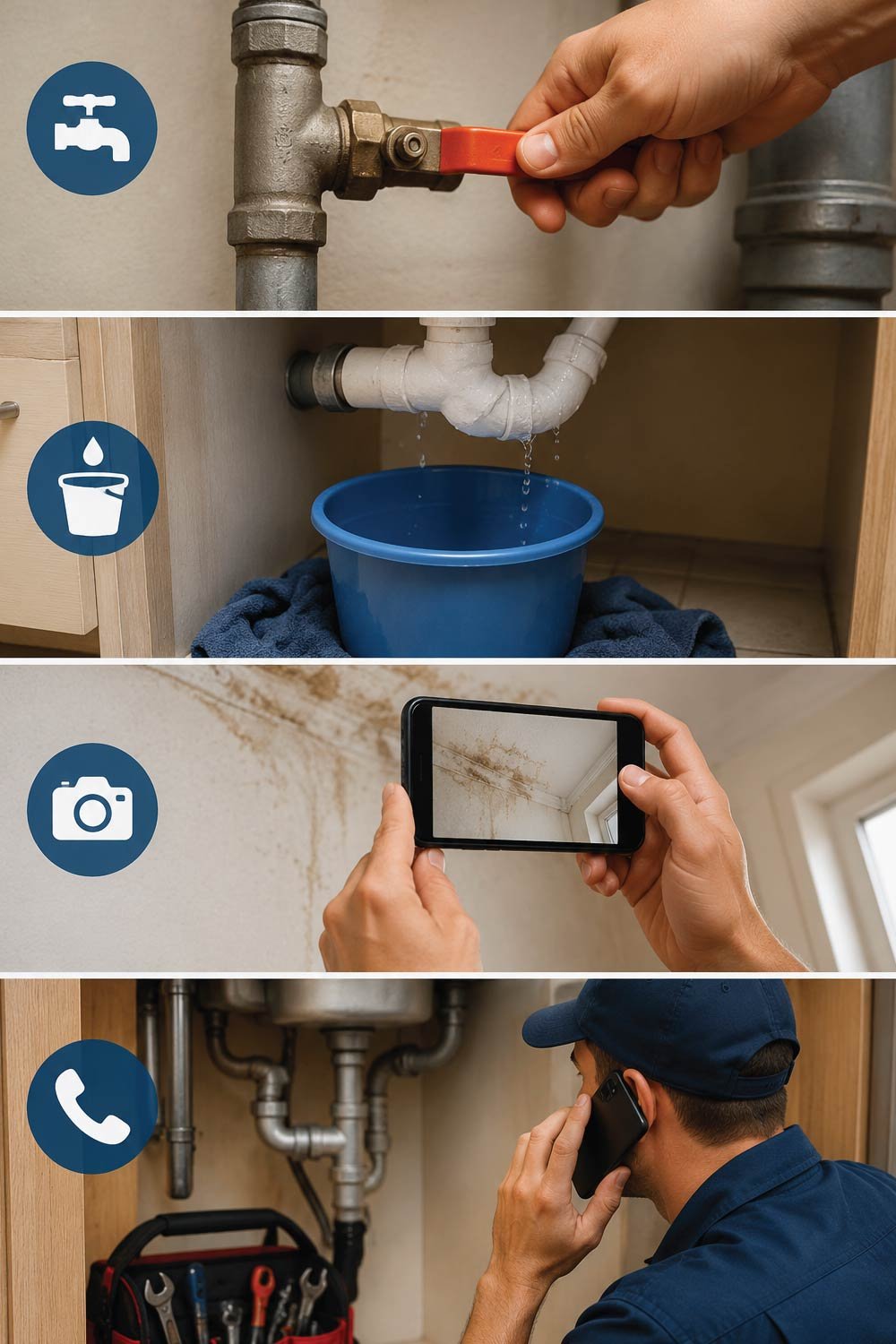
Shut Off the Water
Turn off the main water supply or the fixture’s shut-off valve to prevent further damage. This stops the flow of water immediately and helps control the situation before it spreads.
Contain the Water
Use buckets, towels, or pans to catch dripping water and protect floors and furniture. This helps reduce secondary damage to belongings and prevents slipping hazards.
Document the Damage
Take photos of affected areas for insurance purposes. Clear documentation can help support claims and make the repair or compensation process smoother.
Call a Professional Plumber
Even if the leak seems minor, professional repair ensures the issue is fully resolved and prevents recurrence. Expert inspection also helps identify any hidden damage that may not be immediately visible.
Preventing Future Water Leaks
Preventing water leaks before they occur is the most effective way to protect your home from costly damage, structural issues, and unnecessary water loss. With consistent maintenance and early attention to plumbing systems, homeowners can significantly reduce the chances of unexpected leaks developing over time.
Helpful prevention tips include:
- Schedule regular plumbing inspections
- Replace aging pipes and fittings
- Insulate pipes in cold areas
- Avoid chemical drain cleaners
- Monitor water pressure
- Install leak detection devices
Routine maintenance greatly reduces the risk of unexpected leaks.
Also Read:
How to Fix Kitchen Plumbing Issues: A Step-by-Step DIY Guide
Common Mistakes Homeowners Make with Leak Detection
Many homeowners unintentionally worsen water damage by making avoidable mistakes. Small leaks often seem harmless at first, but delaying action or using incorrect methods can quickly turn minor issues into costly structural problems and health risks.
Avoid:
- Ignoring small signs like damp smells or stains
- Delaying repairs to “see if it gets worse”
- Attempting major repairs without proper tools
- Shutting off water too late during a leak
Early action always costs less than delayed response.
When to Seek Professional Leak Detection Services
In some situations, DIY methods are not enough to locate or fix the problem accurately. Professional leak detection services use advanced tools and expertise to identify hidden issues without unnecessary damage to your property.
- You cannot locate the leak source
- Water bills continue rising
- Mold or structural damage appears
- Multiple areas show signs of moisture
- Leaks occur in slab foundations or underground
Professional leak detection saves time, reduces damage, and avoids unnecessary demolition.
Also Read:
Final Thoughts
Home water leak detection is an essential part of responsible homeownership. Leaks rarely fix themselves, and the longer they go unnoticed, the more damage they cause. By understanding common leak locations, recognizing early warning signs, and performing routine checks, homeowners can catch problems before they become major repairs.
Whether you rely on simple DIY methods or advanced detection technology, the goal is the same: protect your home, conserve water, and maintain a safe living environment. Staying alert and proactive is the best defense against hidden water leaks.