
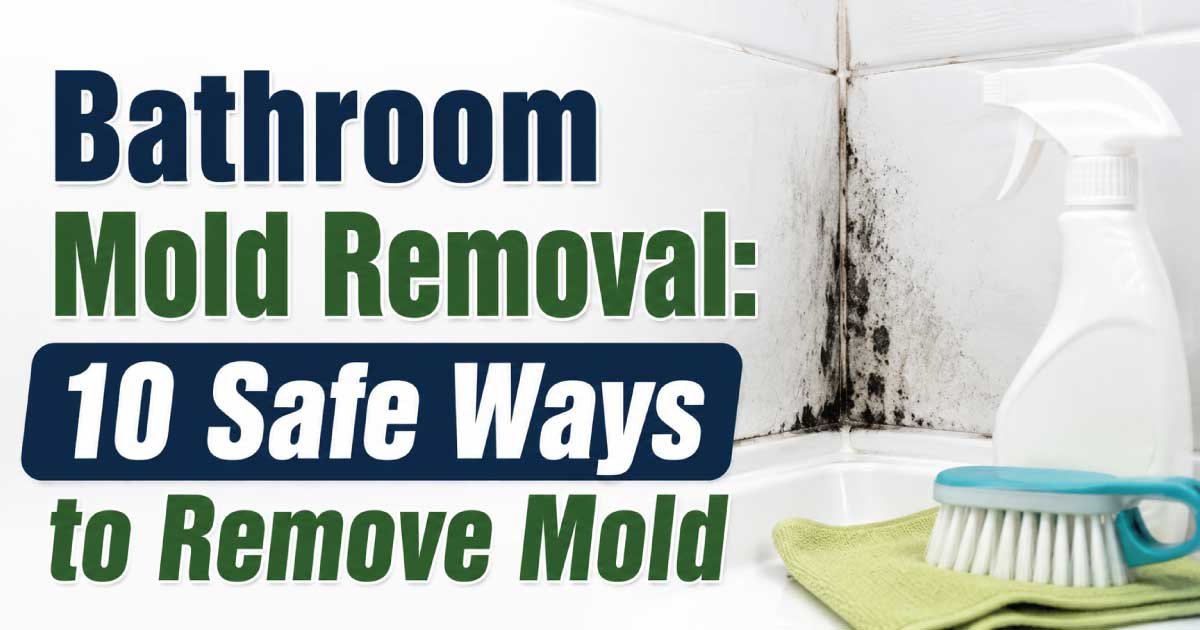
Mold is one of the most common problems homeowners face in bathrooms. Warm temperatures, constant moisture, and limited ventilation create the perfect environment for mold to grow on tiles, grout, ceilings, shower curtains, and around sinks. Besides making your bathroom look dirty, mold can produce unpleasant odors and may contribute to indoor air quality issues if left untreated.
Fortunately, you don’t always need harsh chemicals to tackle mold. With the right cleaning methods and regular maintenance, you can safely remove mold and help prevent it from returning. In this guide, you’ll learn 10 safe ways to remove bathroom mold, along with prevention tips, common mistakes to avoid, and advice on when it’s time to call a professional.
Why Does Mold Grow in Bathrooms?
Mold thrives in damp, humid environments where moisture lingers for extended periods. Bathrooms provide ideal conditions because of frequent showers, poor ventilation, and water splashes.
Common causes of bathroom mold include:
- High humidity levels
- Poor ventilation
- Water leaks
- Condensation on walls and windows
- Damp shower curtains and bath mats
- Standing water around sinks and tubs
- Infrequent cleaning
Addressing these issues is just as important as removing the mold itself.
Signs You Have Bathroom Mold
Mold isn’t always obvious. Knowing what to look for can help you address it early.
Common Signs
- Black, green, or brown spots on grout or caulk
- Musty or earthy odors
- Discoloration on ceilings or walls
- Mold on shower curtains
- Peeling paint caused by moisture
- Persistent dampness around fixtures
Early removal is usually easier and helps prevent mold from spreading.
Supplies You’ll Need
Gather these supplies before you start cleaning.
| Cleaning Supply | Purpose |
|---|---|
| White vinegar | Helps remove surface mold |
| Baking soda | Cleans and deodorizes |
| Hydrogen peroxide | Helps lift mold stains |
| Mild dish soap | Cleans dirt and residue |
| Spray bottle | Applies cleaning solutions |
| Soft scrub brush | Scrubs grout and tiles |
| Microfiber cloth | Wipes surfaces clean |
| Rubber gloves | Protects hands |
| Protective eyewear | Helps protect eyes from splashes |
| Face mask (if desired) | Helps reduce inhalation of disturbed particles during cleaning |
Always ensure the room is well-ventilated before beginning.
1. Remove Surface Mold with White Vinegar
White vinegar is a popular household cleaner that can help remove mold from many non-porous bathroom surfaces.
How to Use It
- Pour undiluted white vinegar into a spray bottle.
- Spray directly onto the mold.
- Let it sit for about one hour.
- Scrub gently with a soft brush.
- Wipe clean with a damp microfiber cloth.
- Allow the area to dry completely.
Best For
- Shower walls
- Bathroom tiles
- Glass doors
- Sink areas
Avoid using vinegar on natural stone surfaces such as marble or limestone.
2. Clean Mold with Baking Soda
Baking soda is a gentle cleaner that also helps neutralize odors.
Steps
- Mix one tablespoon of baking soda with two cups of water.
- Pour the solution into a spray bottle.
- Spray affected areas.
- Scrub lightly with a soft brush.
- Wipe clean.
- Allow the surface to dry.
Benefits
- Non-toxic
- Affordable
- Gentle on most bathroom surfaces
- Helps reduce lingering odors
3. Treat Stains with Hydrogen Peroxide
Hydrogen peroxide can help remove mold stains from hard, non-porous surfaces.
Instructions
- Spray 3% hydrogen peroxide onto the affected area.
- Let it sit for 10–15 minutes.
- Gently scrub with a brush.
- Wipe clean with water.
- Dry the surface thoroughly.
Hydrogen peroxide is particularly useful for stained grout and tile.
4. Wash Shower Curtains Regularly
Shower curtains frequently develop mold because they stay damp after use.
Cleaning Method
Machine wash the curtain with:
- Mild laundry detergent
- Two bath towels
For additional cleaning:
- Add ½ cup baking soda during the wash cycle.
- Add ½ cup white vinegar during the rinse cycle.
Hang the curtain immediately after washing to air dry completely.
5. Scrub Mold from Grout Carefully
Grout is porous, allowing mold to settle below the surface.
How to Clean
- Apply a baking soda paste or another suitable grout cleaner.
- Let it sit for 10–15 minutes.
- Scrub using an old toothbrush or grout brush.
- Rinse with clean water.
- Dry thoroughly.
For damaged or crumbling grout, cleaning alone may not solve the problem, and repairs may be needed.
6. Improve Bathroom Ventilation
Removing mold is only part of the solution. Moisture control helps prevent it from returning.
Ways to Improve Airflow
- Run the exhaust fan during and for at least 20 minutes after showers.
- Open windows whenever possible.
- Leave the shower door or curtain partially open after bathing.
- Dry wet surfaces with a towel or squeegee.
Better ventilation reduces humidity and discourages mold growth.
7. Repair Water Leaks Promptly
Leaking fixtures create hidden moisture that encourages mold.
Check These Areas
- Under sinks
- Around toilets
- Bathtub plumbing
- Showerheads
- Faucet connections
Repairing leaks quickly helps prevent recurring mold problems and protects your home from water damage.
8. Dry Wet Surfaces Daily
Even small amounts of standing water can contribute to mold growth.
Daily Routine
- Wipe shower walls after use.
- Dry countertops.
- Remove water around the sink.
- Hang towels so they dry completely.
- Empty water from soap dishes if needed.
These simple habits greatly reduce excess moisture.
9. Use Mold-Resistant Products During Renovations
If you’re remodeling your bathroom, consider products designed to resist moisture.
Examples Include
- Mold-resistant paint
- Moisture-resistant drywall
- Mold-resistant caulk
- Water-resistant grout
- Properly sealed tile
These materials won’t eliminate mold entirely but can reduce the likelihood of future growth when combined with good maintenance.
10. Deep Clean Your Bathroom Regularly
Routine cleaning prevents mold from becoming established.
Weekly Tasks
- Clean the shower and bathtub.
- Wipe bathroom walls.
- Scrub grout.
- Wash bath mats.
- Disinfect frequently touched surfaces.
- Clean around the toilet.
- Empty trash bins.
Regular cleaning removes soap residue and moisture that mold feeds on.
Bathroom Mold Prevention Schedule
Consistency is the best defense against mold.
| Task | Frequency |
|---|---|
| Wipe shower walls | Daily |
| Dry sink and countertops | Daily |
| Run exhaust fan | Every shower |
| Wash shower curtain | Monthly |
| Scrub grout | Monthly |
| Check for leaks | Monthly |
| Deep clean bathroom | Weekly |
| Inspect caulk and seals | Every 3–6 months |
Following a simple routine helps keep mold under control.
Tips to Prevent Bathroom Mold
A few preventive habits can make a big difference.
Helpful Tips
- Keep humidity levels as low as practical.
- Use the exhaust fan consistently.
- Open windows when weather permits.
- Replace damaged caulk promptly.
- Dry bath mats completely after use.
- Clean spills immediately.
- Avoid leaving damp towels on the floor.
- Keep shower doors and curtains clean.
Moisture control is the most effective way to discourage mold growth.
Common Mold Removal Mistakes
Avoid these mistakes to clean more safely and effectively.
- Mixing bleach with vinegar, ammonia, or other cleaners, as this can create dangerous fumes
- Painting over mold without cleaning it first
- Ignoring the source of moisture
- Using abrasive tools that damage grout or tile
- Leaving cleaned areas damp
- Waiting too long before addressing mold
Cleaning without fixing the underlying moisture problem often leads to mold returning.
Natural vs. Commercial Mold Cleaners
Both natural and commercial products have their place.
| Natural Cleaners | Commercial Mold Cleaners |
|---|---|
| Eco-friendly | Often formulated for heavy mold buildup |
| Budget-friendly | Convenient for stubborn stains |
| Suitable for routine maintenance | May contain stronger active ingredients |
| Readily available | Can disinfect certain surfaces when used as directed |
| Effective on light surface mold | Better suited for extensive visible mold on appropriate surfaces |
Always read and follow the manufacturer’s instructions when using commercial products.
When to Call a Professional
Some mold problems are too extensive for routine household cleaning.
Consider contacting a qualified mold remediation professional if:
- Mold covers a large area (many public health agencies suggest professional evaluation for extensive growth)
- Mold repeatedly returns despite cleaning
- Water damage has affected walls or ceilings
- Mold appears inside HVAC systems
- Building materials are soft, crumbling, or structurally damaged
- You suspect hidden mold behind walls or under flooring
A professional can identify the moisture source and safely remove widespread contamination.
Conclusion
Bathroom mold is a common issue, but it doesn’t have to become a long-term problem. By using safe cleaning methods such as white vinegar, baking soda, hydrogen peroxide, regular grout cleaning, improved ventilation, prompt leak repairs, drying wet surfaces, mold-resistant materials, and consistent deep cleaning, you can remove visible mold and significantly reduce the chances of it returning.
The key to long-lasting results is prevention. Keeping your bathroom dry, well-ventilated, and clean helps stop mold before it has a chance to grow. With a regular maintenance routine and quick attention to moisture problems, you can enjoy a cleaner, fresher, and healthier bathroom throughout the year.