
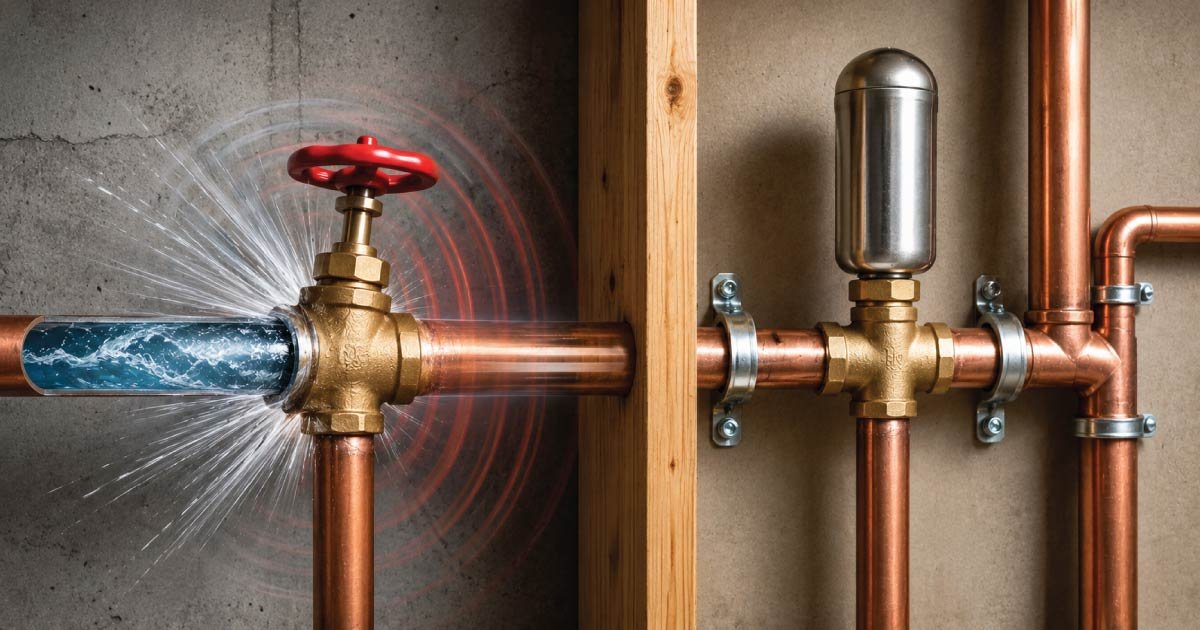
Water hammer is a loud banging, knocking, or thudding sound that happens in plumbing pipes when water flow suddenly stops or changes direction. It often occurs when a faucet, washing machine, dishwasher, or toilet valve shuts off quickly. While water hammer may seem like just an annoying noise, it can actually damage pipes, loosen fittings, and shorten the lifespan of your plumbing system if left unaddressed.
The good news is that water hammer is a common problem with well-understood causes, and many fixes are straightforward. This guide explains what water hammer is, why it happens, how to fix it step by step, and how to prevent it from coming back.
What Is Water Hammer?
Water hammer is a plumbing phenomenon that happens when flowing water is forced to stop suddenly, creating a strong pressure wave inside pipes. This shockwave can produce loud banging sounds, pipe vibration, and long-term damage if the system is not properly controlled or protected.
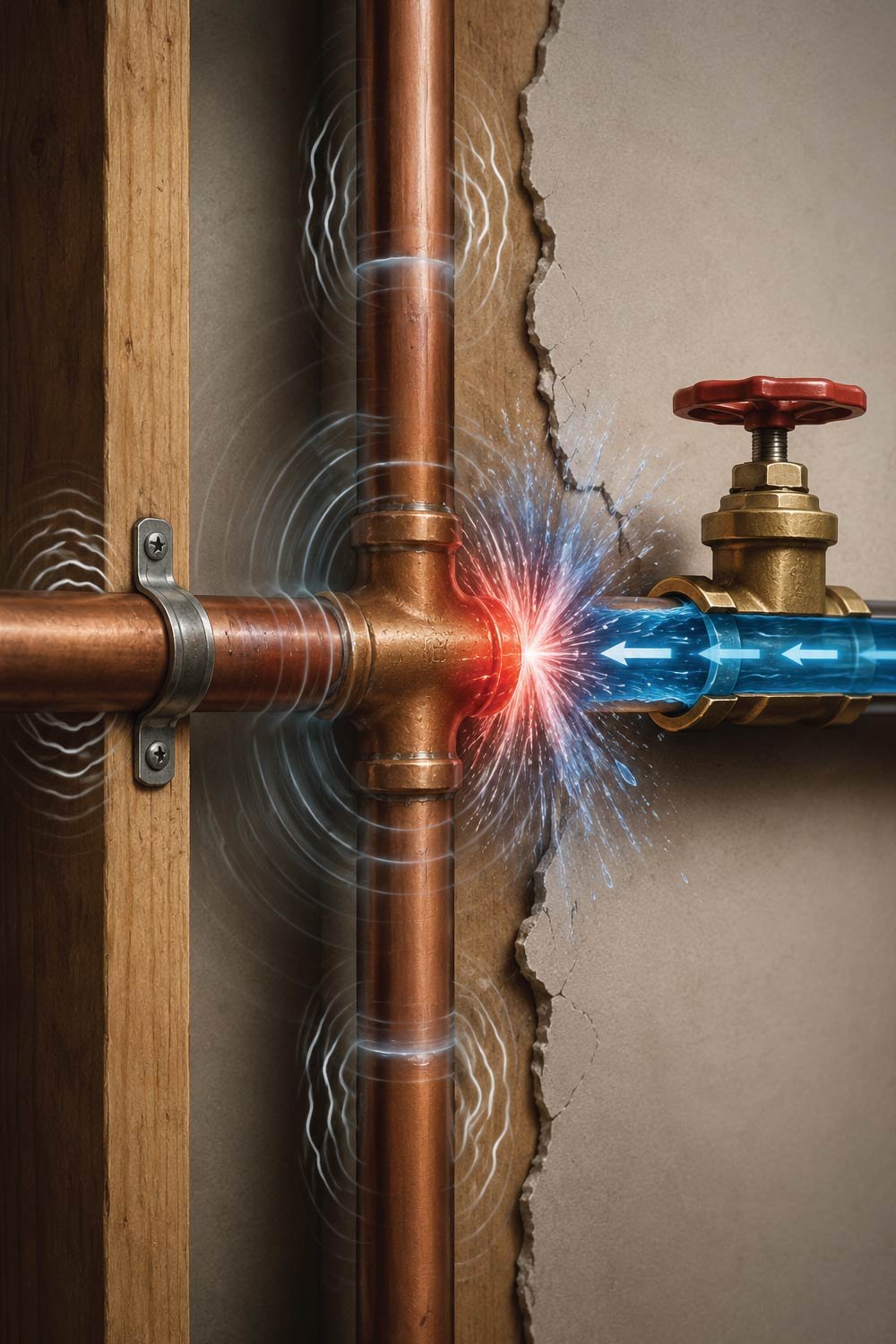
Water hammer occurs when moving water is forced to stop abruptly. Water has momentum, and when it suddenly hits a closed valve, it creates a shockwave that travels through the pipes. This shockwave causes pipes to vibrate or bang against framing, walls, or other pipes.The sound may range from a soft thump to a loud bang that seems to echo through the house. Over time, repeated water hammer can cause:
- Loose pipe joints
- Leaks at fittings or valves
- Cracked pipes
- Damage to appliances
That’s why water hammer should be fixed, not ignored.
Common Signs of Water Hammer
Water hammer usually shows clear warning signs in your plumbing system, especially when water flow suddenly stops or appliances shut off. These symptoms often become more noticeable over time and can help you identify the issue before it causes serious pipe damage.
- Loud banging or knocking noises when turning off water
- Pipes shaking or vibrating
- Noise when appliances stop filling with water
- Banging that happens only with hot or cold water
- Sounds that are worse at night or early morning
Identifying when and where the noise happens helps pinpoint the cause.
What Causes Water Hammer in Pipes?
Water hammer develops due to sudden changes in water flow, pressure imbalances, and insufficient cushioning inside plumbing systems. Several common household conditions and fixtures can trigger this issue, especially in modern high-pressure water systems and older pipe installations.
Fast-Closing Valves
Fast-closing valves shut water flow instantly, creating sudden pressure spikes inside pipes.Modern appliances and fixtures often use fast-closing solenoid valves. Washing machines and dishwashers are common culprits.
High Water Pressure
High water pressure increases force inside pipes, making the impact stronger when flow stops suddenly.Excessive water pressure increases the force of moving water, making the shock stronger when flow stops.
Lack of Air Cushions
Air cushions help absorb pressure surges, but many systems lose this protective air over time.Older plumbing systems relied on air chambers to absorb shock. Over time, these chambers can fill with water and stop working.
Loose or Unsupported Pipes
Poorly secured pipes move excessively when pressure changes, causing noise and structural impact.Pipes that are not properly secured can move and bang when pressure changes.
Long Straight Pipe Runs
Extended straight pipe sections allow pressure waves to travel freely, increasing the intensity of water hammer.Long sections of pipe without bends or cushioning are more prone to shockwaves.
Step 1: Identify the Source of the Water Hammer
Identifying the exact source of water hammer is essential because different fixtures or appliances can create similar noises. This step helps isolate the problem area so you can apply the correct fix without unnecessary adjustments to the entire plumbing system.
- Turn off faucets one at a time
- Run appliances individually
- Flush toilets and listen
Note whether the noise happens with hot water, cold water, or both. This information helps narrow down the fix.
Step 2: Check and Adjust Water Pressure
Checking and adjusting water pressure is important because excessive pressure is one of the main causes of water hammer. Proper pressure control reduces stress on pipes and minimizes sudden shock when water flow stops in the system.
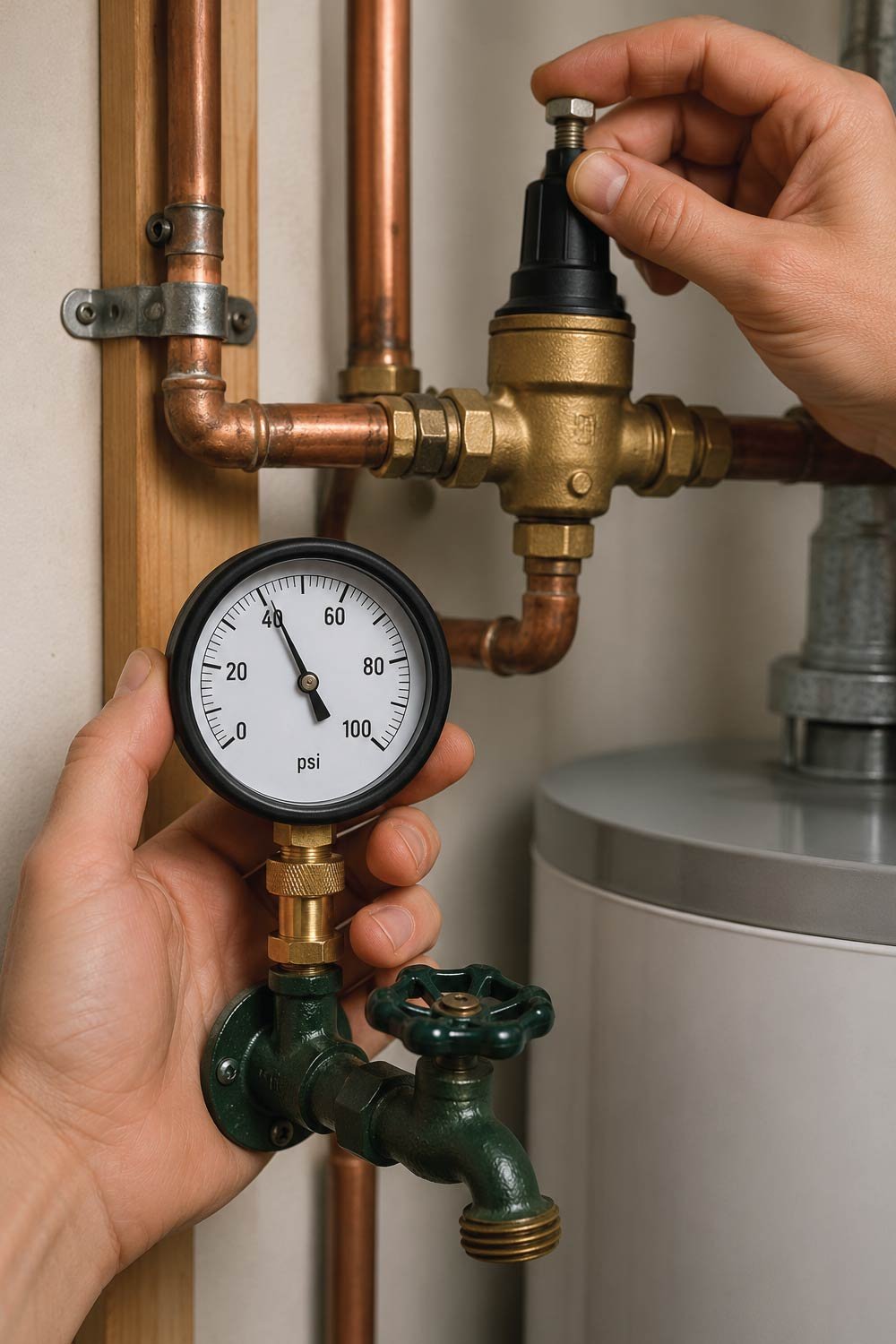
How to Check Water Pressure
Use a water pressure gauge attached to an outdoor spigot or laundry sink.
- Ideal household pressure: 40–60 psi
- Pressure above 80 psi is considered too high
How to Fix High Pressure
- Adjust the pressure-reducing valve (if your home has one)
- Install a pressure-reducing valve if none exists
Lowering water pressure often reduces or completely eliminates water hammer.
Step 3: Drain the Plumbing System to Restore Air Chambers
Draining the plumbing system helps restore trapped air in older air chamber systems, which act as cushions against sudden pressure changes. This step can temporarily reduce or eliminate water hammer by reintroducing air pockets into the plumbing lines.
How to Drain the System
- Turn off the main water supply
- Open the highest faucet in the house
- Open the lowest faucet in the house
- Flush toilets to drain remaining water
- Let the system drain fully
- Turn the main water back on slowly
This process can restore trapped air and reduce hammering—though the effect may be temporary.
Step 4: Install Water Hammer Arrestors
Installing water hammer arrestors provides a permanent solution by absorbing sudden pressure shocks directly at the source. These devices protect plumbing systems from repeated impact and are commonly added to appliances and fast-closing fixtures.
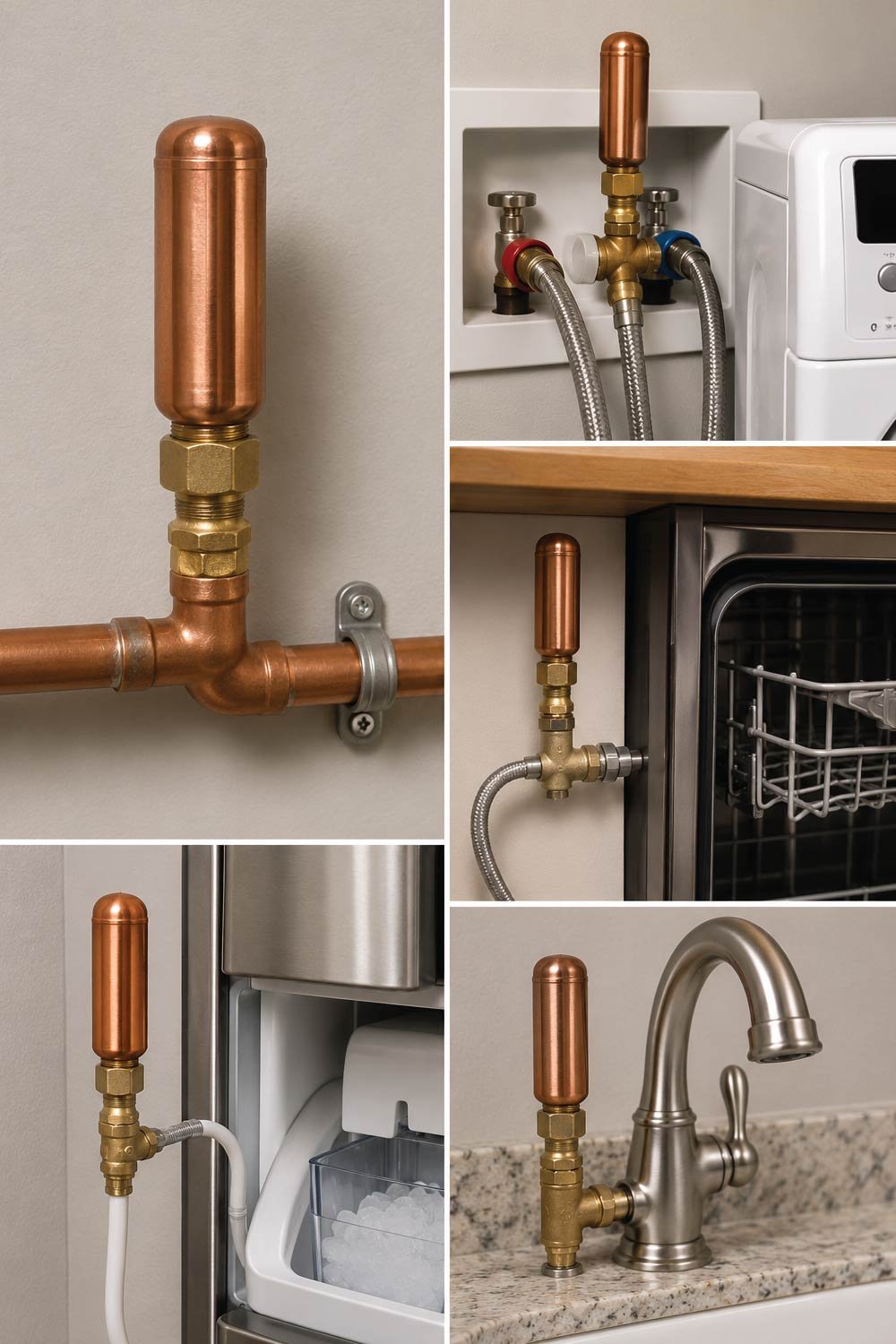
What Is a Water Hammer Arrestor?
It’s a small device with a sealed air cushion or piston that absorbs shock when water flow stops suddenly.
Where to Install Them
- Washing machine supply lines
- Dishwasher supply lines
- Ice maker lines
- Fast-closing faucets
They are usually installed close to the fixture causing the noise.
Benefits
- Quiet operation
- Long-lasting
- No maintenance required
Many arrestors can be installed without opening walls.
Step 5: Secure Loose Pipes
Loose pipes can make water hammer much louder because they move and hit surrounding structures when pressure changes occur. Properly securing plumbing lines reduces vibration, prevents banging sounds, and minimizes long-term wear on joints and fittings.
What to Look For
- Pipes moving when water turns on or off
- Banging inside walls or ceilings
- Visible pipes without clamps or straps
How to Fix It
- Add pipe straps or clamps
- Use foam insulation to cushion pipes
- Ensure pipes are not touching framing directly
Securing pipes won’t stop pressure shock, but it reduces noise and damage.
Also Read:
Step 6: Slow Down Valve Closure
Slowing down how quickly valves shut reduces sudden pressure changes inside pipes, which helps minimize or prevent water hammer. This approach is especially useful for faucets and appliances that close water flow too quickly.
If water hammer occurs mainly at faucets, slowing valve closure can help.
Solutions
- Replace fast-closing valves with slow-close models
- Turn off faucets more gradually
- Use appliances designed with soft-close valves
This reduces the sudden stop that causes shockwaves.
Step 7: Check Appliances and Fixtures
Certain household appliances and plumbing fixtures are more likely to create water hammer due to rapid water shutoff and high-flow operation. Identifying and upgrading these components can significantly reduce noise and pressure issues.Some appliances are more prone to causing water hammer.
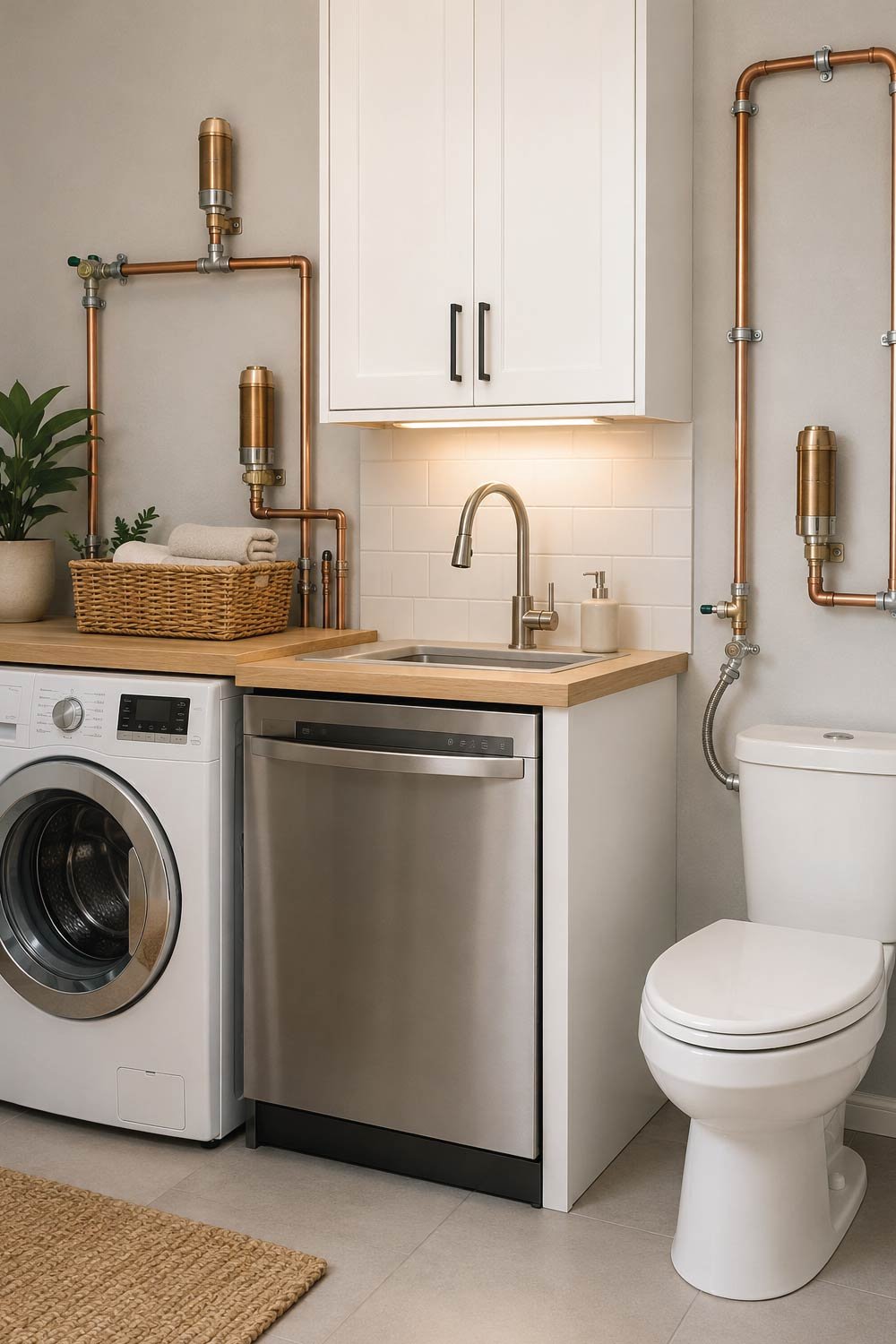
Common Offenders
- Washing machines
- Dishwashers
- Toilets with fast-fill valves
Fixes
- Install arrestors on supply lines
- Replace worn or outdated valves
- Adjust fill valve speed where possible
Newer appliances often include built-in hammer protection.
Temporary Fixes (Short-Term Only)
Temporary fixes can help reduce noise and vibration until proper plumbing repairs are completed. However, they do not address the root cause and should only be used as short-term solutions.If you need a quick solution until proper repairs can be made:
- Secure pipes temporarily with padding
- Reduce water pressure slightly
- Avoid slamming valves shut
These are not permanent solutions but may reduce noise temporarily.
Also Read:
Common Mistakes to Avoid
Avoiding common errors is important because incorrect actions can make water hammer worse or cause additional plumbing damage. Proper diagnosis and repair ensure long-term system stability.
When dealing with water hammer, avoid:
- Ignoring the problem because it’s “just noise”
- Increasing water pressure to improve flow
- Relying only on pipe insulation
- Repeatedly draining the system instead of installing arrestors
Proper fixes protect both pipes and appliances.
When to Call a Professional Plumber
Calling a professional plumber is necessary when water hammer persists or when the plumbing system shows signs of deeper issues that cannot be resolved with basic fixes.
You should contact a plumber if:
- Water hammer persists after basic fixes
- Pipes are hidden behind walls or ceilings
- Water pressure is consistently too high
- Leaks develop near fittings
- The noise is severe or worsening
Professional assessment ensures long-term safety and code-compliant repairs.
Also Read:
Preventing Water Hammer in the Future
Preventing water hammer in the future involves proactive plumbing care, correct pressure management, and timely maintenance of fixtures. By using protective devices and improving pipe stability, homeowners can avoid recurring noise issues and reduce risk of long-term damage to plumbing systems and connected appliances.
Helpful tips:
- Maintain proper water pressure
- Install arrestors during appliance upgrades
- Secure pipes during renovations
- Replace aging valves and fittings
- Address plumbing noise early
Prevention is far less costly than repairing water damage later.
Also Read:
Final Thoughts
Water hammer is more than just an annoyance—it’s a warning sign that your plumbing system is under stress. Whether caused by high water pressure, fast-closing valves, or missing shock absorption, the issue can usually be fixed with the right approach.
By identifying the source, controlling pressure, securing pipes, and installing water hammer arrestors where needed, you can protect your plumbing system, reduce noise, and prevent costly damage. Addressing water hammer early keeps your home quieter, safer, and more reliable for years to come.