
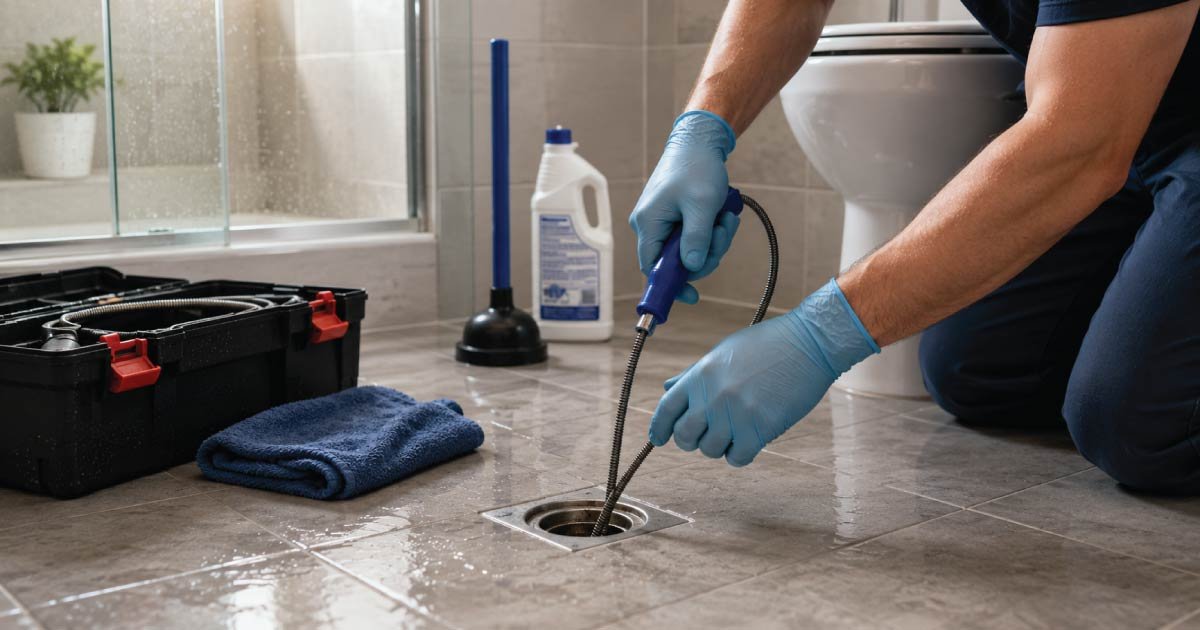
A clogged bathroom drain is one of the most common and frustrating household problems. Whether it’s a sink that drains slowly, a shower pooling water around your feet, or a bathtub that refuses to empty, a blocked drain can disrupt your daily routine and, if ignored, lead to unpleasant odors, water damage, or costly plumbing repairs.
The good news is that most bathroom drain clogs are preventable and many are fixable without professional help. Understanding what causes clogs, how to remove them safely, and how to prevent them in the future can save you time, money, and stress. This guide covers everything you need to know about bathroom drain unclogging—from simple DIY solutions to signs that it’s time to call a plumber.
Why Bathroom Drains Get Clogged
Bathroom drains commonly clog because they regularly handle a mix of hair, soap, and hygiene products. Over time, these materials accumulate inside pipes, reducing water flow and creating stubborn blockages that can lead to slow drainage, unpleasant odors, and complete pipe obstruction if not addressed early.
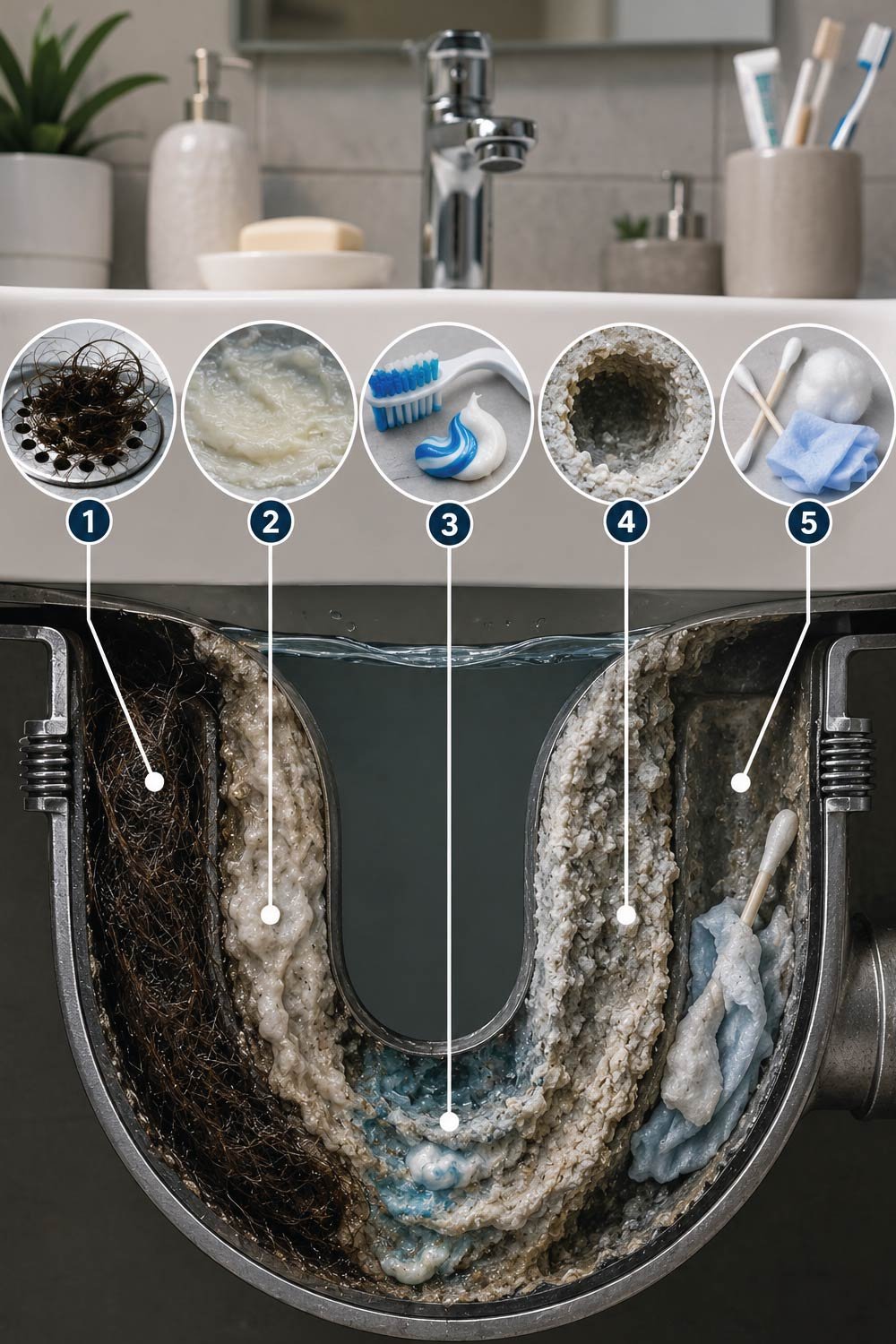
1. Hair Buildup
Hair is the leading cause of bathroom drain clogs. It easily combines with soap residue and sticks to the inner walls of pipes, gradually forming dense blockages that restrict water flow, especially in showers and bathtub drains.
2. Soap Scum
Soap scum forms when fats in bar soap react with minerals in water. This sticky residue builds up on pipe walls over time, narrowing the passage and making it easier for other debris to get trapped and form clogs.
3. Toothpaste and Hygiene Products
Toothpaste, shaving cream, facial cleansers, and makeup residues may seem harmless, but they can harden and accumulate inside pipes. Over time, these substances contribute to slow drainage and partial blockages.
4. Hard Water Mineral Deposits
In areas with hard water, minerals such as calcium and magnesium build up inside pipes. This reduces pipe diameter gradually, making drainage less efficient and increasing the likelihood of clogs forming.
5. Foreign Objects
Items like cotton swabs, wipes (even those labeled “flushable”), dental floss, and small dropped objects can quickly cause serious blockages. These materials do not break down easily and often get trapped inside drains.
Early Signs of a Clogged Bathroom Drain
Recognizing early signs of a clogged bathroom drain helps prevent minor issues from turning into major plumbing problems. These warning signals indicate restricted water flow or developing blockages inside the drainage system.
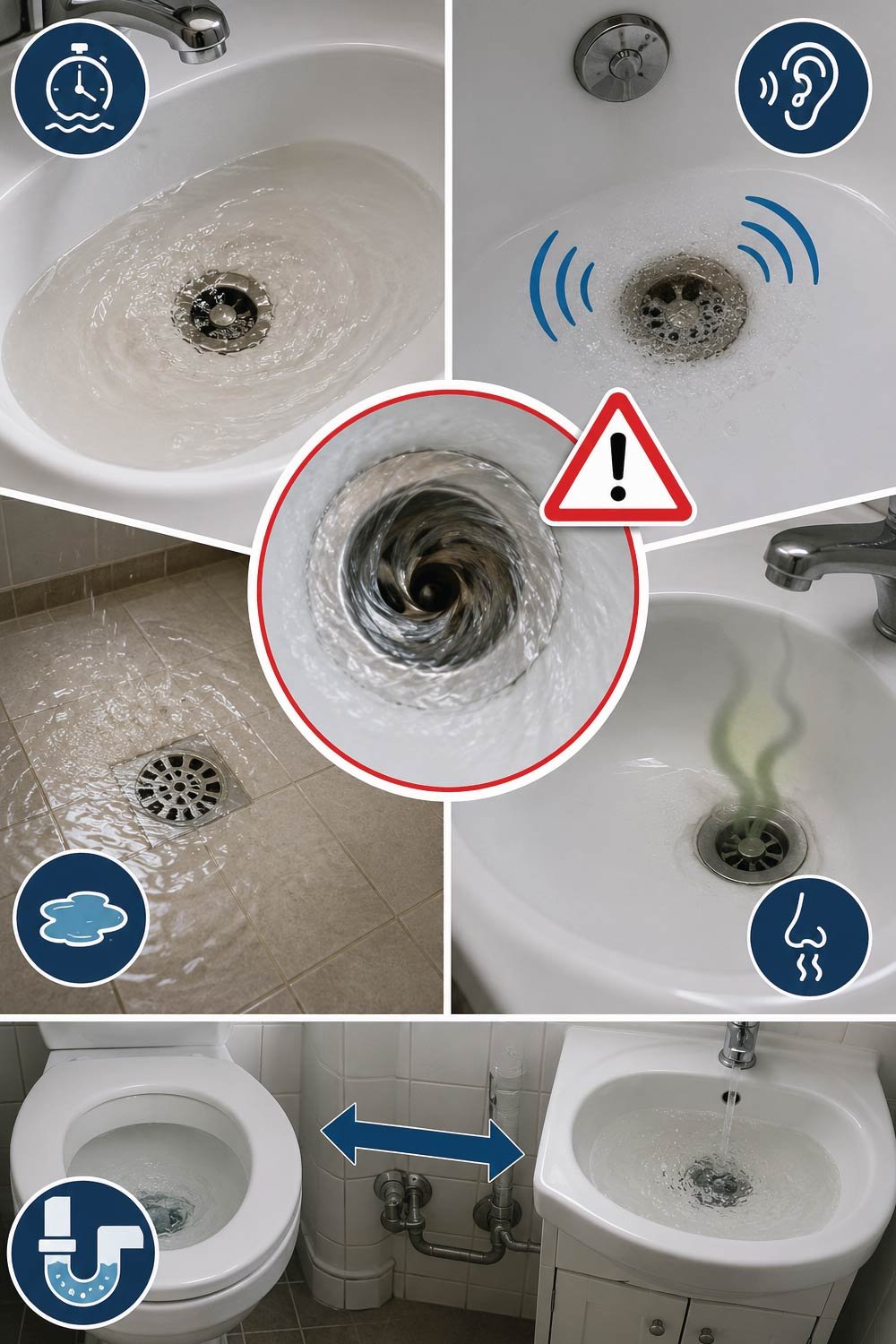
- Slow-draining water in sinks, tubs, or showers
- Gurgling sounds from drains
- Standing water around the drain
- Unpleasant or sewage-like odors
- Water backing up when another fixture is used
Ignoring these signs can turn a minor clog into a major plumbing issue.
DIY Bathroom Drain Unclogging Methods
Before using harsh chemicals or calling a plumber, several safe DIY methods can effectively clear minor to moderate bathroom drain clogs. These techniques target common blockages like hair, soap scum, and light debris without damaging pipes.
1. Boiling Water
This is the simplest method and works best for soap scum and light grease buildup.
How to do it:
- Boil a kettle or pot of water
- Slowly pour it down the drain in stages
- Wait a few minutes and test drainage
Avoid using boiling water on PVC pipes if the clog is severe, as excessive heat may soften joints.
2. Baking Soda and Vinegar
This natural drain-cleaning method is commonly used for mild bathroom clogs and helps eliminate unpleasant odors. It works by creating a fizzy reaction that loosens light buildup such as soap scum and small debris inside the drain.
Steps:
- Pour ½ cup of baking soda down the drain
- Add 1 cup of white vinegar
- Cover the drain and let it fizz for 15–30 minutes
- Flush with hot water
This works best as a maintenance solution rather than for heavy hair blockages.
3. Plunger
A cup-style plunger is a simple but effective tool for clearing minor clogs in bathroom sinks and tubs. It works by creating pressure that helps loosen blockages and restore normal water flow without damaging pipes.
Tips for success:
- Remove the drain stopper if possible
- Seal overflow holes with a damp cloth
- Use short, forceful plunges
- Test drainage after several attempts
Plunging works by loosening the clog and restoring water flow, not pushing it deeper.
4. Drain Snake or Hair Auger
A drain snake or hair auger is one of the most effective tools for removing hair-based clogs in bathroom drains. It physically reaches into the pipe to grab and pull out trapped debris, making it highly efficient for stubborn blockages.
How it works:
- Insert the snake into the drain
- Twist and pull upward
- Remove hair and debris
- Rinse the drain with hot water
Plastic zip style drain snakes are inexpensive, reusable, and safe for most bathroom drains.
5. Removing and Cleaning the Trap
The P-trap under bathroom sinks is a common location for clogs because it naturally collects debris over time. Cleaning it manually allows you to directly remove buildup and restore proper drainage.
Steps:
- Place a bucket under the trap
- Unscrew the fittings by hand or with pliers
- Remove debris and rinse the trap
- Reassemble and check for leaks
This method is ideal for sinks but not practical for tubs or showers.
Also Read:
https://poemsnest.com/how-to-fix-loose-ceiling-fixture-ceiling-fixture-repair-complete-guide/
Should You Use Chemical Drain Cleaners?
Chemical drain cleaners are often marketed as a quick fix for clogged bathroom drains, but they come with significant risks. While they may dissolve some types of buildup, they can also damage plumbing systems and create safety hazards, making them unsuitable for regular use in most situations.
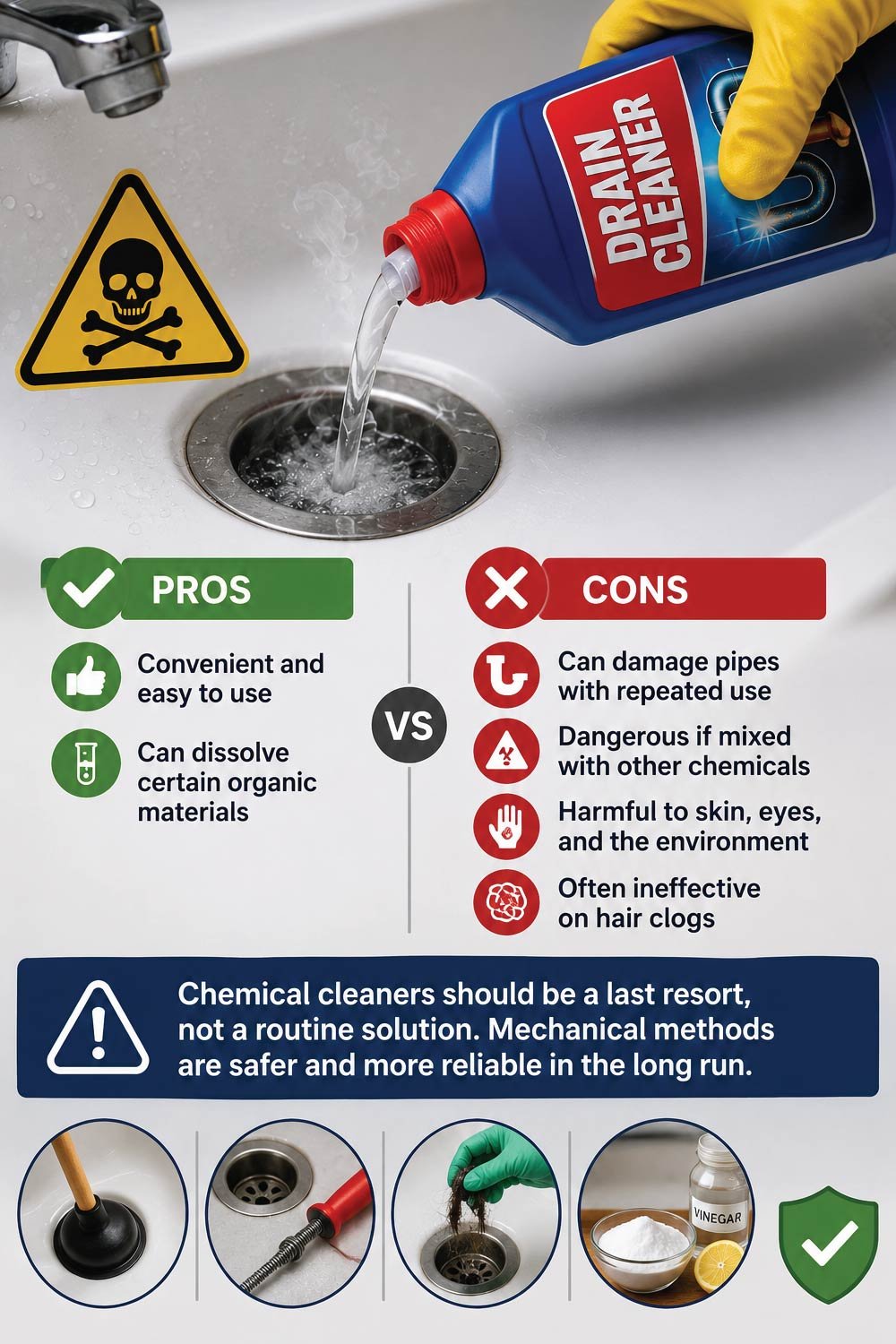
Pros:
- Convenient and easy to use
- Can dissolve certain organic materials
Cons:
- Can damage pipes with repeated use
- Dangerous if mixed with other chemicals
- Harmful to skin, eyes, and the environment
- Often ineffective on hair clogs
Chemical cleaners should be a last resort, not a routine solution. Mechanical methods are safer and more reliable in the long run.
How to Unclog Specific Bathroom Drains
Different bathroom drains clog for different reasons, so the best solution depends on the fixture involved. Identifying whether the issue is in a sink, shower, or bathtub helps you choose the most effective unclogging method and avoid unnecessary damage.
Bathroom Sink
Most sink clogs come from toothpaste, soap, and hair. Start with boiling water, then try a drain snake or clean the P-trap if needed.
Shower Drain
Hair is the main culprit. Remove the drain cover and use a hair auger. Follow up with baking soda and vinegar for odor control.
Bathtub Drain
Bathtubs often have deeper clogs due to heavier hair buildup. A longer drain snake is usually required. Avoid plunging aggressively if the tub has an overflow plate—seal it first.
Preventing Bathroom Drain Clogs
Preventing bathroom drain clogs is much easier and more cost-effective than dealing with repeated blockages. Simple daily habits and regular maintenance can keep water flowing smoothly and reduce the need for frequent repairs.
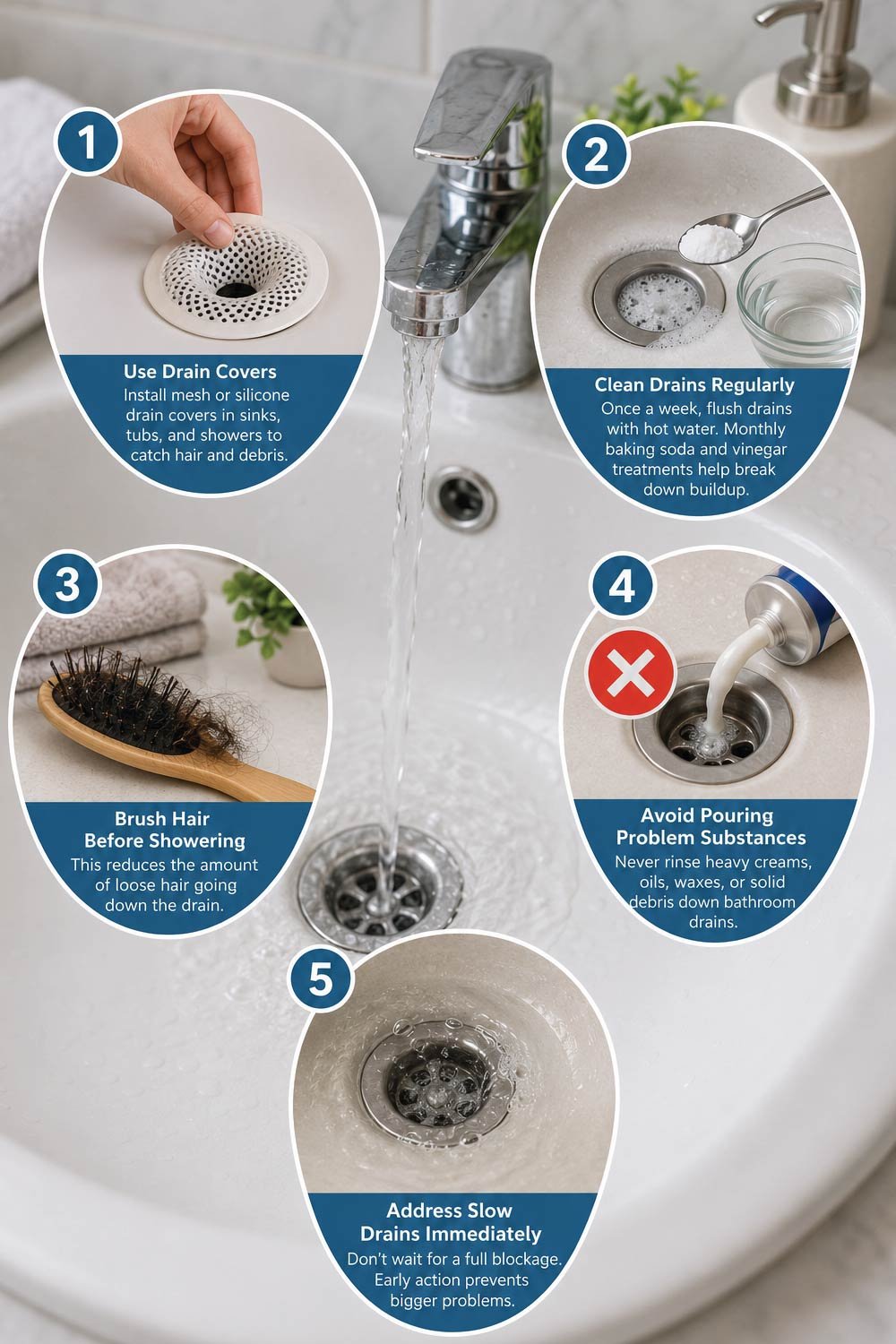
1. Use Drain Covers
Install mesh or silicone drain covers in sinks, tubs, and showers to catch hair and debris.
2. Clean Drains Regularly
Once a week, flush drains with hot water. Monthly baking soda and vinegar treatments help break down buildup.
3. Brush Hair Before Showering
This reduces the amount of loose hair going down the drain.
4. Avoid Pouring Problem Substances
Never rinse heavy creams, oils, waxes, or solid debris down bathroom drains.
5. Address Slow Drains Immediately
Don’t wait for a full blockage. Early action prevents bigger problems.
Also Read:
When to Call a Professional Plumber
Some drainage issues cannot be solved with basic DIY methods and may indicate deeper plumbing system problems. In these cases, professional inspection is necessary to prevent further damage and ensure safe, long-term repairs.
- Multiple bathroom drains are clogged at once
- Water backs up into sinks or tubs
- You smell sewage odors
- DIY methods fail repeatedly
- Pipes are old or fragile
Persistent clogs may indicate deeper issues like tree root intrusion, collapsed pipes, or sewer line problems.
The Cost of Ignoring a Clogged Bathroom Drain
A slow or clogged bathroom drain may seem minor at first, but ignoring it can lead to serious plumbing and structural damage. Early intervention helps prevent costly repairs and protects the overall health of your home.
- Water damage to floors and walls
- Mold and mildew growth
- Pipe corrosion or bursting
- Increased repair costs
- Health risks from bacteria buildup
Prompt unclogging and routine maintenance protect both your plumbing system and your home.
Also Read:
Eco-Friendly Drain Unclogging Tips
Eco-friendly drain care focuses on reducing chemical use and adopting safer, more sustainable maintenance methods. These practices protect both your plumbing system and the environment while still keeping drains clean and functional.
- Use mechanical tools instead of chemicals
- Choose enzyme-based drain cleaners
- Reduce water waste by fixing slow drains early
- Maintain pipes to extend their lifespan
Eco-friendly practices are safer for your home and the environment.
Final Thoughts
Bathroom drain unclogging doesn’t have to be stressful or expensive. By understanding what causes clogs, using the right tools, and adopting preventative habits, most homeowners can keep their bathroom drains flowing freely year-round.
Start with gentle, natural solutions and mechanical methods before turning to chemicals. Pay attention to early warning signs, and don’t hesitate to call a professional if the problem persists. A little routine maintenance goes a long way in preventing major plumbing headaches.
With the right approach, unclogging your bathroom drain can be a simple task instead of a recurring problem—saving you time, money, and frustration in the long run.