
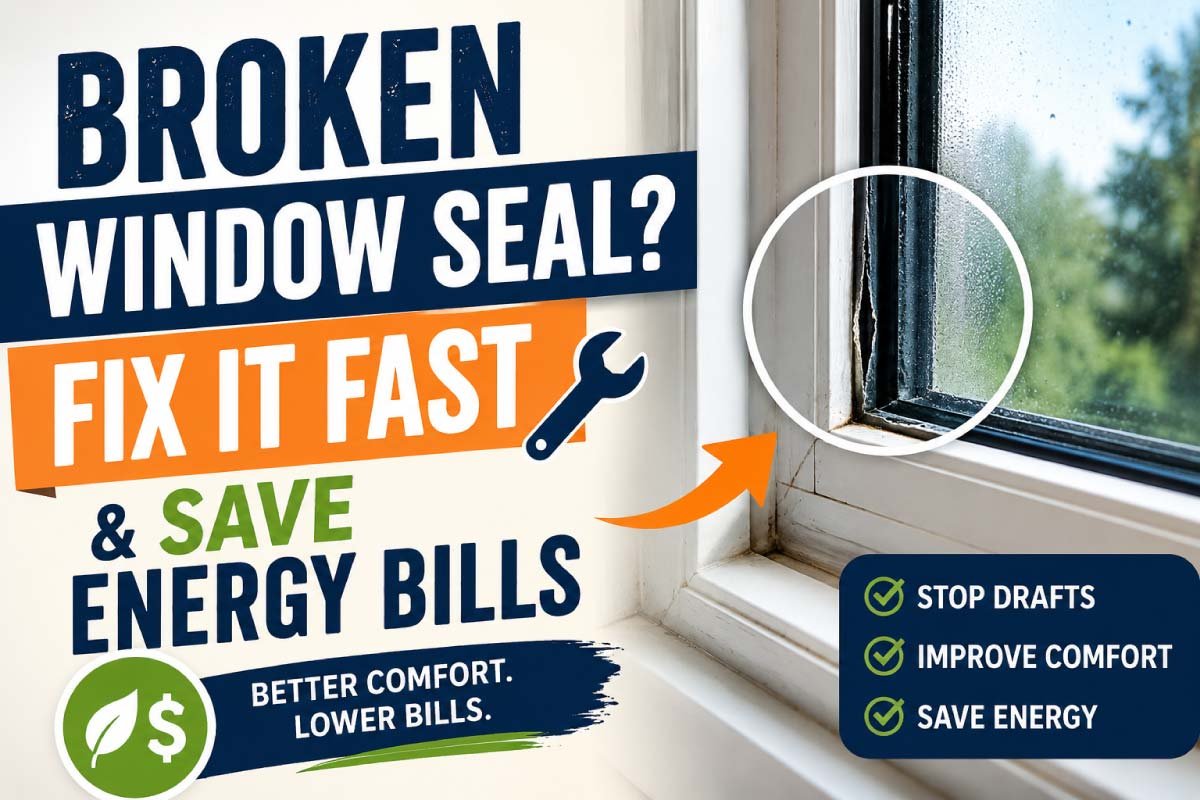
A broken window seal might seem like a small household issue, but it can quietly cause big problems over time. From rising energy bills to uncomfortable indoor temperatures and even moisture damage, a compromised window seal affects both comfort and cost. The good news is that you don’t always need expensive replacements or professional repairs. In many cases, you can identify the issue early and fix it yourself with simple, practical steps.
This guide explains everything you need to know about broken window seals—how to spot them, why they fail, and most importantly, how to fix them quickly and effectively to save energy and money.
What Is a Window Seal and Why Does It Matter?
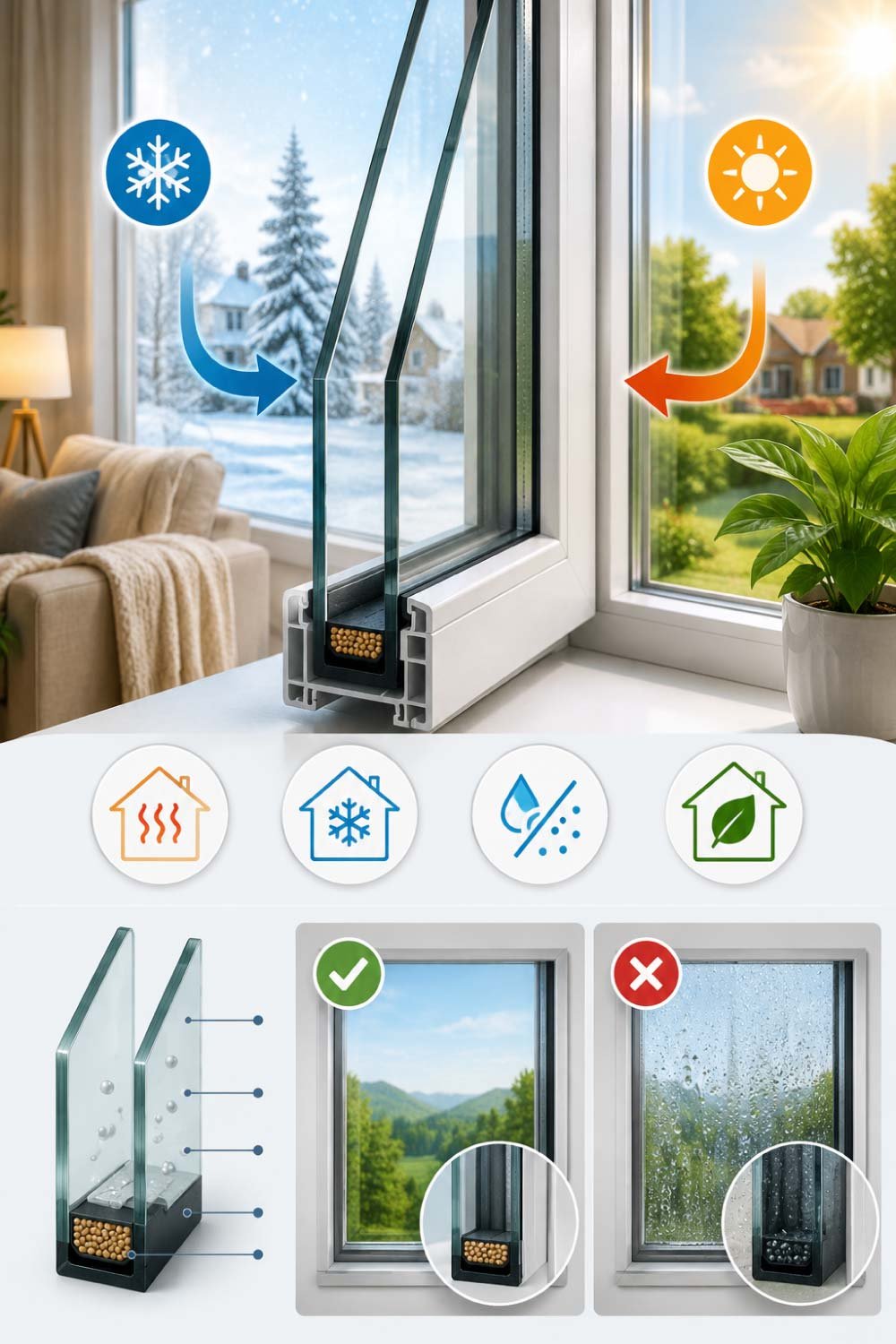
A window seal is a critical insulating barrier found in double-pane or insulated glass windows. It keeps the space between glass layers airtight and filled with insulating gas. This design helps control indoor temperature, improve comfort, and reduce energy usage throughout the year.
Modern windows, especially double-pane or insulated glass units, are designed with a sealed space between glass layers. This space is usually filled with air or inert gas like argon, which helps reduce heat transfer. The seal around the edges keeps this insulating layer intact.
When the seal is working properly:
- Heat stays inside during winter
- Cool air stays inside during summer
- Moisture is blocked from entering between panes
- Energy efficiency is maximized
But when the seal breaks, that protective barrier fails. Air and moisture enter the space between glass panes, reducing insulation and causing visible and invisible problems.
Signs of a Broken Window Seal
A broken window seal doesn’t always appear obvious at first, but there are clear warning signs that homeowners can easily notice. These symptoms often develop slowly and worsen over time, affecting comfort, visibility, and energy efficiency inside your home.
Before jumping into repairs, you need to confirm whether your window seal is actually damaged. Here are the most common signs:
Fog or Condensation Between Glass Panes
If you notice mist, fog, or water droplets trapped between double-pane glass, it’s a strong indication that the seal has failed. This moisture cannot be wiped away from the outside.
Visible Distortion or Hazy Glass
A broken seal often creates a cloudy or distorted appearance. The glass may look slightly dirty even after cleaning.
Increased Energy Bills
If your heating or cooling costs suddenly rise without any major change in usage, air leakage through broken seals could be the cause.
Drafts Near Windows
Feeling cold air near closed windows usually indicates insulation failure.
Temperature Differences in Rooms
Rooms with broken window seals may feel noticeably hotter in summer or colder in winter compared to other areas.
Why Window Seals Break
Window seals are designed to be durable, but they are not permanent. Over time, environmental stress, aging materials, and structural changes can weaken them. Understanding these causes helps you prevent repeated damage and extend the life of future repairs or replacements.
Window seals don’t usually fail overnight. They weaken gradually due to several factors:
- Age and wear: Most seals last 10–20 years
- Temperature changes: Expansion and contraction weaken adhesive bonds
- Poor installation: Improper sealing during installation shortens lifespan
- Weather exposure: Sunlight, rain, and wind slowly degrade materials
- House movement: Structural settling can stress window frames
Understanding the cause helps you prevent future damage after repair.
Can a Broken Window Seal Be Fixed?
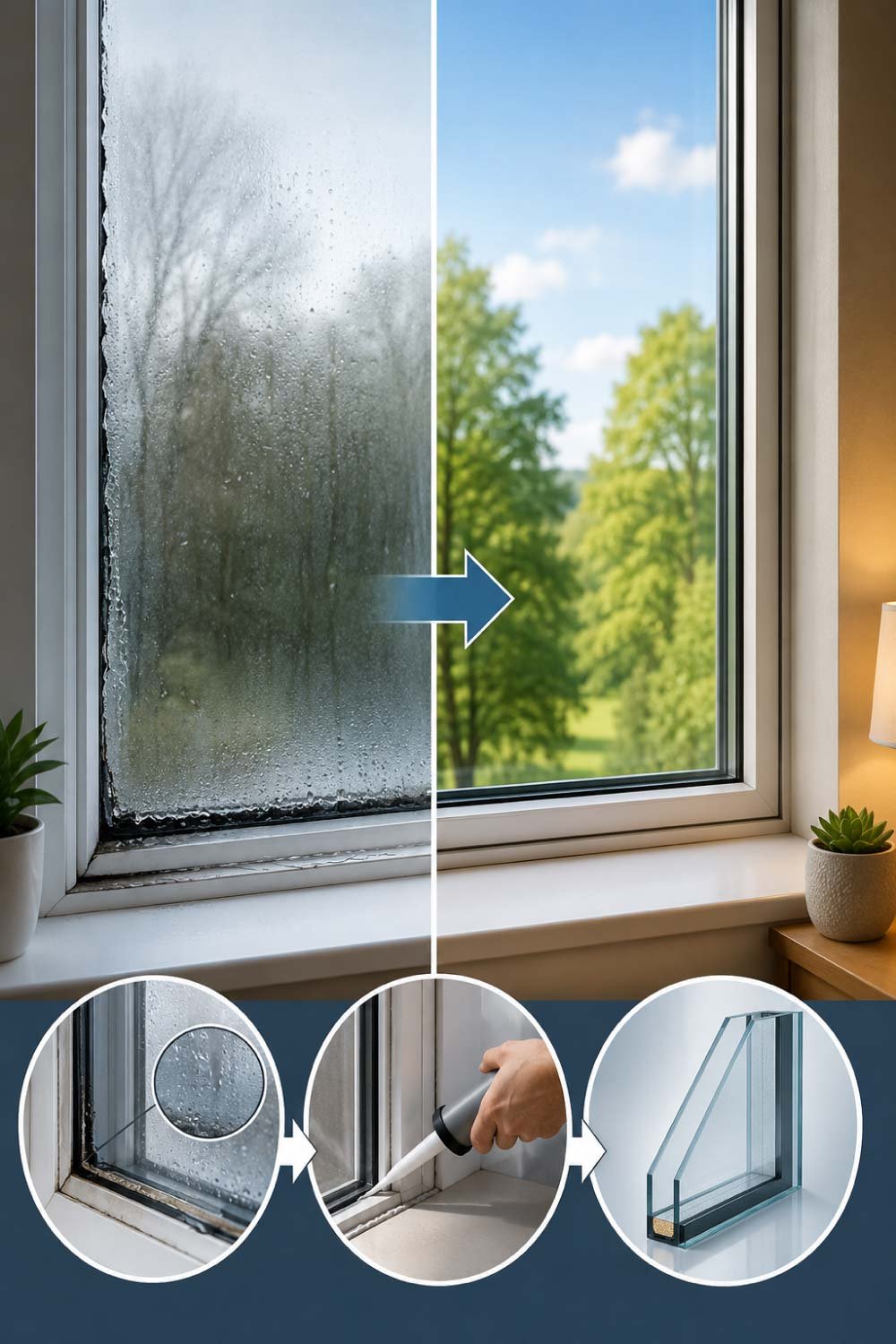
Whether a broken window seal can be fixed depends on how severe the damage is and how long it has been present. Some cases allow for simple repairs, while others may require more advanced solutions or full glass replacement.
This depends on the severity of the damage.
Minor Issues:
If condensation is light or recently started, you may improve the situation temporarily using DIY methods.
Moderate Issues:
You can reseal edges or reduce air leakage, improving efficiency.
Severe Damage:
If moisture is permanently trapped between panes or gas has escaped completely, full glass unit replacement may be necessary.
However, even in severe cases, you can still reduce energy loss significantly before replacing the window.
How to Fix a Broken Window Seal Fast
Fixing a broken window seal quickly can help restore comfort and reduce energy loss inside your home. Depending on the severity, you can apply simple DIY solutions that improve insulation and slow down further damage before considering full replacement.
Here are practical methods you can use depending on the situation.
1. Clean and Inspect the Window First
Before starting any repair, it is important to carefully examine the window condition. Cleaning helps you clearly identify whether the issue is actually a broken seal or just dirt, moisture, or external condensation affecting visibility.
Steps:
- Clean the glass inside and outside
- Check for cracks in frame edges
- Look for gaps in caulking or rubber seals
- Confirm if fog is inside panes or outside
Sometimes what looks like a broken seal is actually dirt buildup or exterior condensation.
2. Reseal the Window Edges with Caulk
If the outer sealing has weakened or cracked, applying fresh caulk can significantly reduce air leaks. This simple repair improves insulation and helps maintain indoor temperature more effectively, especially during extreme weather conditions.
What you need:
- Silicone caulk (weather-resistant)
- Caulking gun
- Utility knife
Steps:
- Remove old, cracked sealant carefully
- Clean the frame and let it dry
- Apply a smooth line of new caulk along edges
- Press gently to ensure full sealing
- Let it cure for 24 hours
This method won’t fix internal condensation but will improve insulation significantly.
3. Use a Window Insulation Film (Quick Energy Saver)
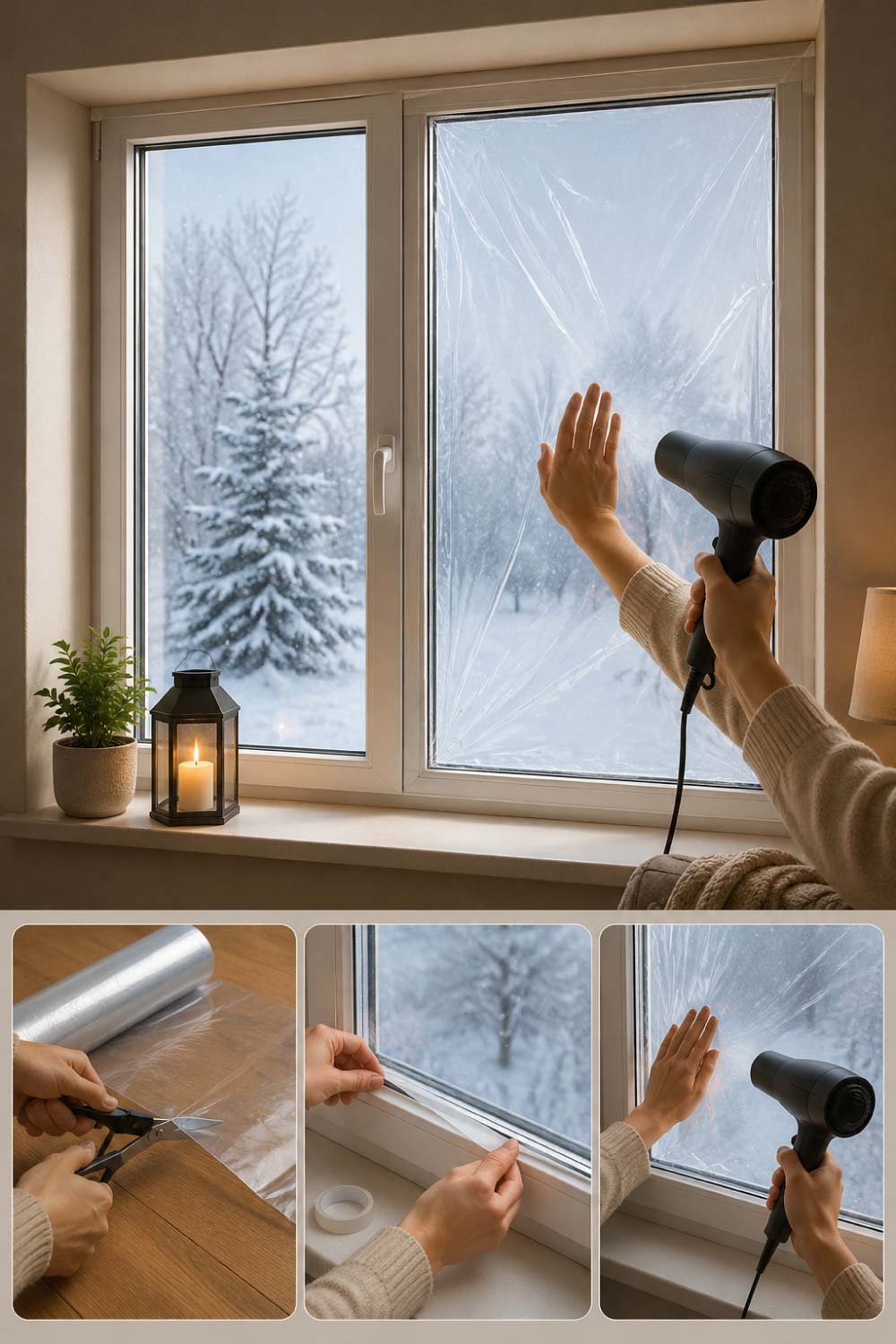
Window insulation film is one of the fastest and most affordable ways to improve energy efficiency. It creates an extra protective layer that helps trap indoor heat and block cold air, especially useful during winter months.
Benefits:
- Reduces heat loss instantly
- Blocks cold drafts
- Affordable and easy to install
How to apply:
- Cut film to window size
- Stick it using double-sided tape
- Use a hairdryer to tighten and shrink film
This creates an extra insulating layer, reducing strain on your heating or cooling system.
Also Read:
How to Fix Nail Holes in a Wall: A Complete Step-by-Step Guide
4. Replace the Rubber Weather Stripping
Rubber weather stripping plays an important role in sealing the small gaps around window edges. Over time, it becomes hard, brittle, or compressed, which allows outside air to leak in and reduces indoor comfort. Replacing it is a quick, low-cost way to restore proper insulation.
Weather stripping around windows often wears out faster than glass seals.
Signs it needs replacement:
- Cracked or brittle rubber
- Gaps when window is closed
- Air leakage sounds
Fix:
- Remove old stripping carefully
- Clean channel properly to remove dust and adhesive residue
- Install new adhesive-backed strip and press firmly
This simple step can dramatically reduce drafts.
5. Moisture Removal Techniques (Temporary Fix)
When condensation appears between glass panes, it usually means the seal has already failed. While you cannot fully repair the internal seal with DIY methods, you can temporarily reduce moisture buildup and improve visibility inside the glass.
This approach is mainly for short-term comfort and slowing further damage.
Methods:
- Use a dehumidifier in the room
- Keep windows exposed to sunlight during daytime
- Improve room ventilation by opening doors or vents
While this won’t repair the seal, it may slow further deterioration temporarily.
6. Drill-and-Vent Method (Advanced DIY – Temporary Only)
Some homeowners attempt a more aggressive approach by drilling small ventilation holes to release trapped moisture between glass panes. This method can improve visibility briefly, but it is not a true repair and comes with risks.
This should only be done cautiously and is not always recommended.
Purpose:
- Allows moisture to escape from between panes
- Improves visibility temporarily
- Reduces fogging in the short term
Downside:
- Reduces insulation permanently
- Can worsen structural integrity
- May lead to further glass damage over time
Only use this as a last resort before replacement.
Also Read:
How to Fix Nail Holes in a Wall: A Complete Step-by-Step Guide
7. Full Glass Unit Replacement (Permanent Solution)
When a window seal is completely failed, no amount of sealing or DIY repair can restore its original insulating performance. In such cases, replacing the insulated glass unit is the most reliable long-term solution.
This option restores energy efficiency and eliminates condensation issues permanently.
When to choose this option:
- Heavy fogging between panes
- No improvement after sealing edges
- Old windows beyond 15–20 years
A professional can replace only the glass unit without changing the entire frame, saving cost compared to full window replacement.
How Broken Window Seals Increase Energy Bills
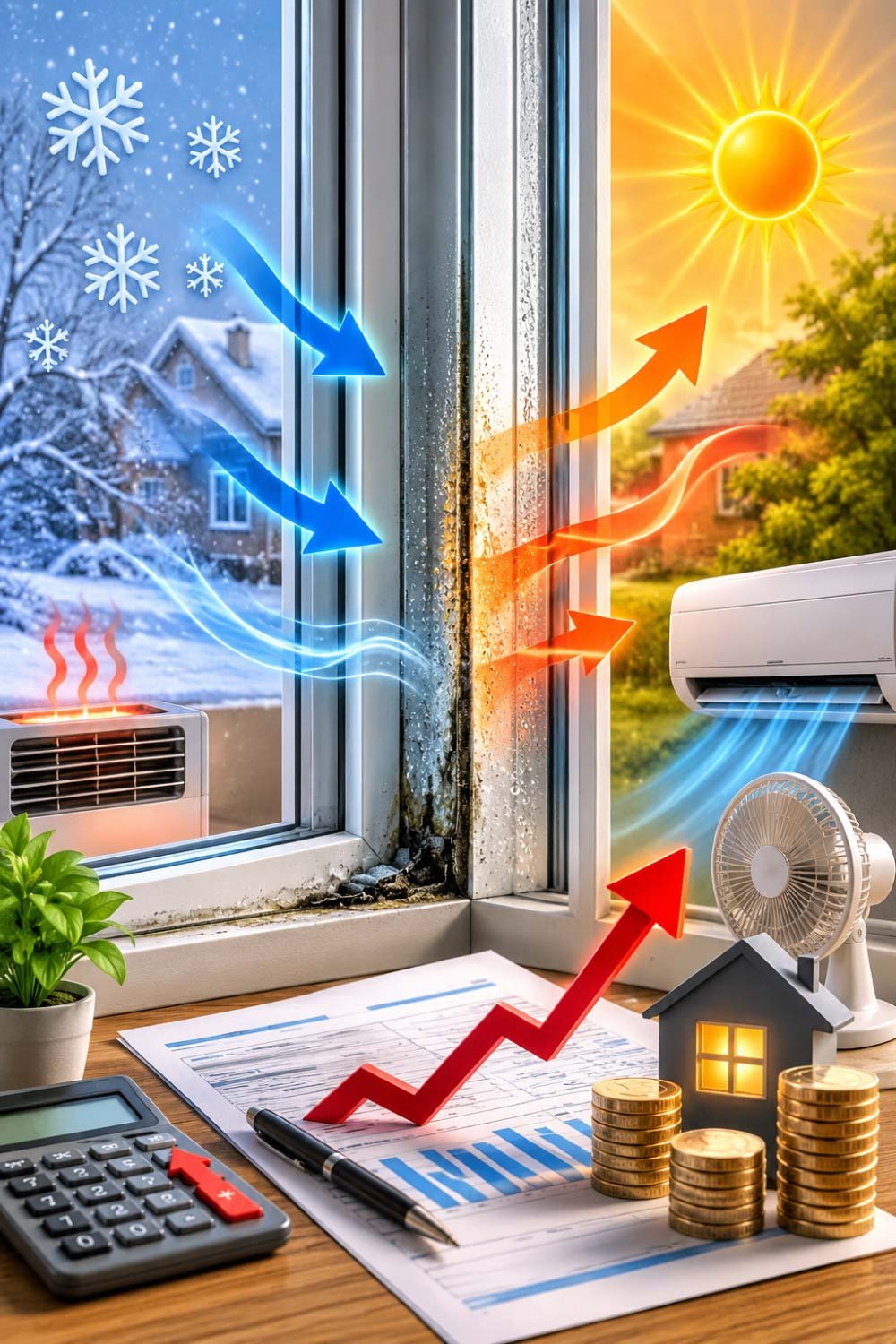
A damaged window seal may seem like a minor issue, but it can significantly affect your home’s energy consumption. Poor insulation forces heating and cooling systems to work harder, which directly increases electricity usage and monthly utility expenses.
Understanding this impact helps you realize why timely repair is important.
Heat Loss in Winter
Warm air escapes through poorly insulated windows, forcing heaters to work harder.
Heat Gain in Summer
Hot air enters easily, increasing reliance on air conditioners.
HVAC Overload
Your heating and cooling system runs longer cycles, increasing electricity consumption.
Uneven Room Temperatures
You may use extra appliances like fans or heaters to compensate.
Over time, this leads to noticeably higher monthly utility bills.
Also Read:
Preventing Future Window Seal Damage
Once you fix a broken window seal, the next important step is prevention. Regular care and small maintenance habits can significantly extend the lifespan of your windows and reduce the chances of recurring issues.
Good prevention also saves money on future repairs.
Tips to extend seal life:
- Avoid slamming windows shut
- Clean frames regularly to remove dust and debris
- Reapply exterior caulk every few years
- Install UV-protective window film to reduce sun damage
- Keep drainage holes unclogged to prevent moisture buildup
- Inspect seals before seasonal changes
Small maintenance steps can add years to your window’s lifespan.
When to Call a Professional
While many minor window seal issues can be handled with DIY methods, some problems require expert attention. Knowing when to call a professional helps prevent further damage and ensures proper long-term repair.
If the issue goes beyond surface-level damage, professional inspection is the safest option.
Call an expert if:
- Condensation is trapped permanently between panes
- Multiple windows show seal failure
- Frames are warped or damaged
- You notice mold around windows
Professionals can assess whether repair or replacement is more cost-effective.
Final Thoughts
A broken window seal is more than just a cosmetic issue—it directly affects your comfort, health, and monthly energy bills. The good news is that early detection and quick action can make a huge difference.
From simple resealing and insulation films to full glass replacement when necessary, there are multiple ways to restore efficiency. Even temporary fixes can help you reduce drafts and save energy while you plan a permanent solution.
Taking care of window seals today means a warmer home in winter, a cooler home in summer, and lower bills all year round.
Also Read:
How to Tighten a Door Hinge: A Complete DIY Guide for Homeowners