
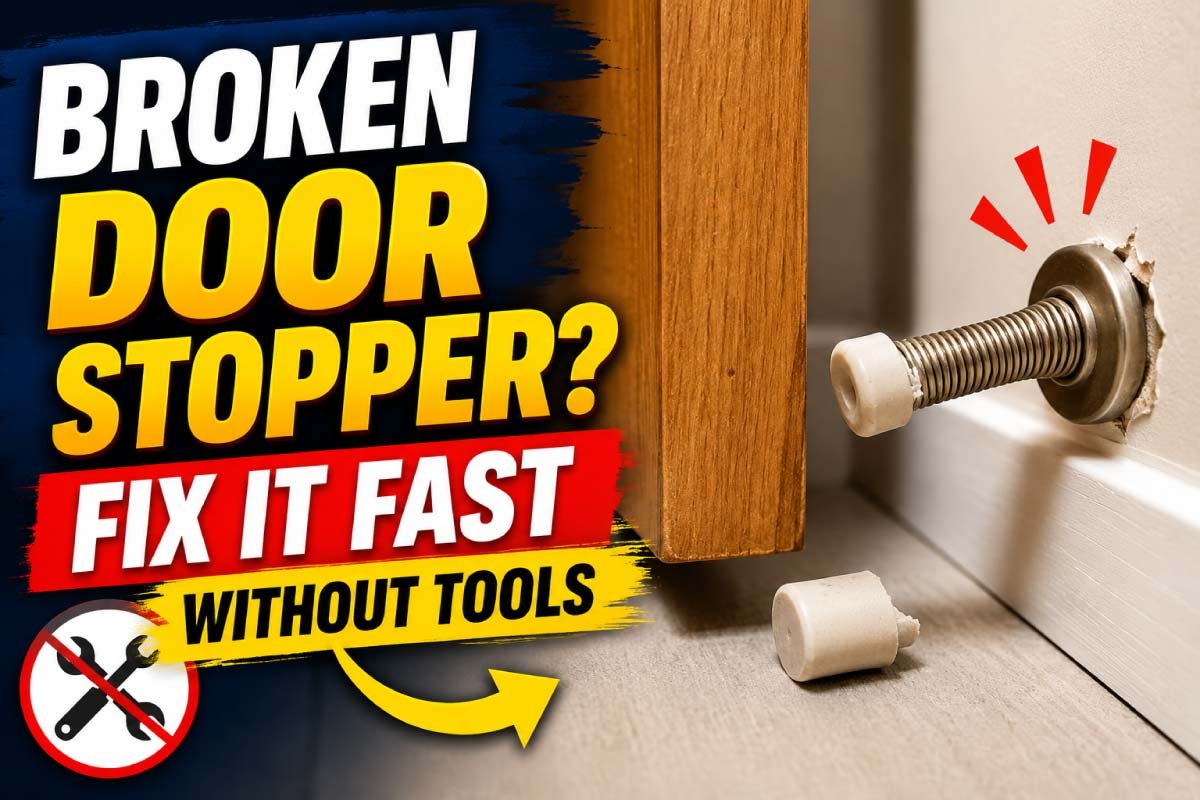
A broken door stopper might seem like a small household issue, but it can quickly turn into a bigger annoyance. Doors start banging into walls, paint gets chipped, handles leave marks, and over time even the door itself can get damaged. The good news is that you don’t always need tools, drills, or expensive hardware to fix it.
In many cases, you can repair or replace a door stopper using simple household items in just a few minutes. This guide will walk you through practical, tool-free solutions that are easy, safe, and effective for renters and homeowners alike.
Table of Contents
ToggleWhy Door Stoppers Break in the First Place
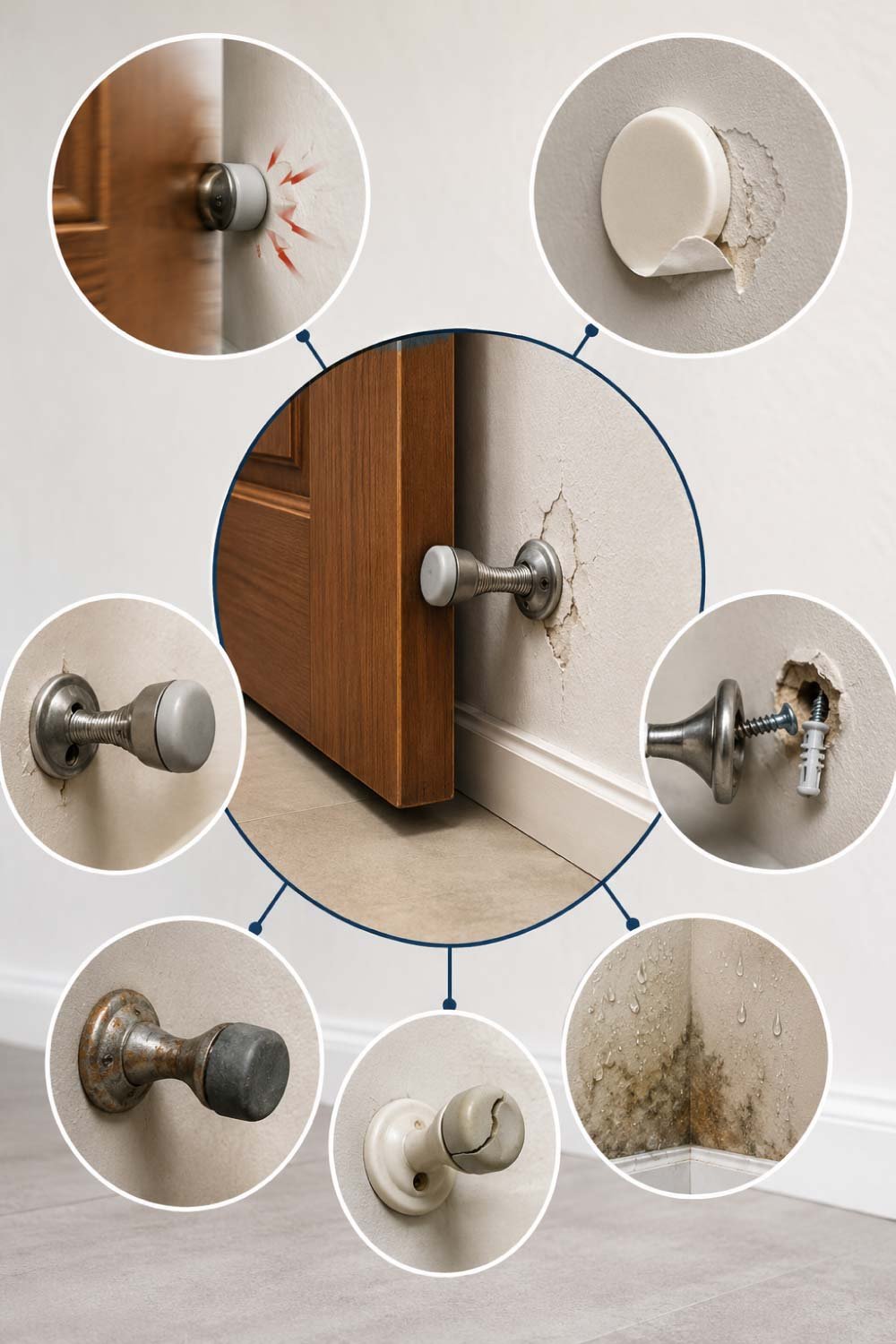
Door stoppers may look simple, but they deal with constant daily impact every time a door opens and hits the wall. Over time, this repeated force weakens even good-quality stoppers. Understanding the root cause helps you choose a faster and more effective fix instead of guessing.
Common reasons include:
- Constant pressure from the door swinging too hard
- Weak adhesive on stick-on stoppers
- Loose mounting due to worn wall anchors
- Moisture damage (especially in bathrooms)
- Poor installation or low-quality materials
- Age and general wear and tear
Once you know the cause, you can choose the right quick fix instead of replacing the entire system.
Quick Fix #1: Use a Thick Rubber Pad or Cushion
A rubber pad is one of the fastest and most effective replacements for a broken door stopper. It works by absorbing impact instead of letting the door hit the wall directly. This simple solution can be done using common household items without needing any tools or hardware.
How to do it:
- Take a thick sponge, rubber mat piece, or even an old mouse pad
- Cut it into a small square or circle
- Stick it to the wall where the door hits
No tools method:
If you don’t have adhesive, you can use:
- Double-sided tape (strong household type)
- Duct tape folded into a loop
- Even strong packaging tape in multiple layers
Why it works:
Rubber absorbs impact better than plastic or metal stoppers. It prevents noise, protects paint, and cushions the door every time it swings open.
Quick Fix #2: Make a Temporary Door Stop with Socks or Fabric
Fabric-based door stops are a surprisingly effective short-term solution when you need something quick and free. They are soft, flexible, and easy to shape, making them ideal for emergency fixes in any room of the house.
Steps:
- Take an old sock, cloth, or towel
- Roll it tightly into a ball or cylinder
- Wrap it firmly with tape or string
- Place it on the wall contact point or behind the door edge
Best use cases:
- Rental homes
- Temporary repairs
- Kids’ rooms or light-use doors
Advantage:
It costs nothing and can be replaced anytime. Plus, it won’t damage walls.
Quick Fix #3: Adhesive-Based Door Stop Replacement (No Tools Needed)
If your door stopper has fallen off or stopped sticking, adhesive-based repair is one of the cleanest and easiest solutions. It avoids drilling and works well for lightweight stoppers when applied properly.
What you need:
- Strong double-sided tape OR mounting adhesive strips
- A clean cloth
- Optional: alcohol or soap water for cleaning surface
Steps:
- Clean the wall or floor area where the stopper will go
- Dry it completely
- Apply adhesive tape or strip to the back of the stopper
- Press firmly for 30–60 seconds
- Let it set for at least 1 hour before use
Pro tip:
Pressing it with a heavy object (like a book) for a few minutes improves bonding strength.
Why this works:
Modern adhesive strips are strong enough to hold lightweight stoppers and can last months or even years if applied correctly.
Quick Fix #4: Use a Furniture Pad or Chair Foot Cover
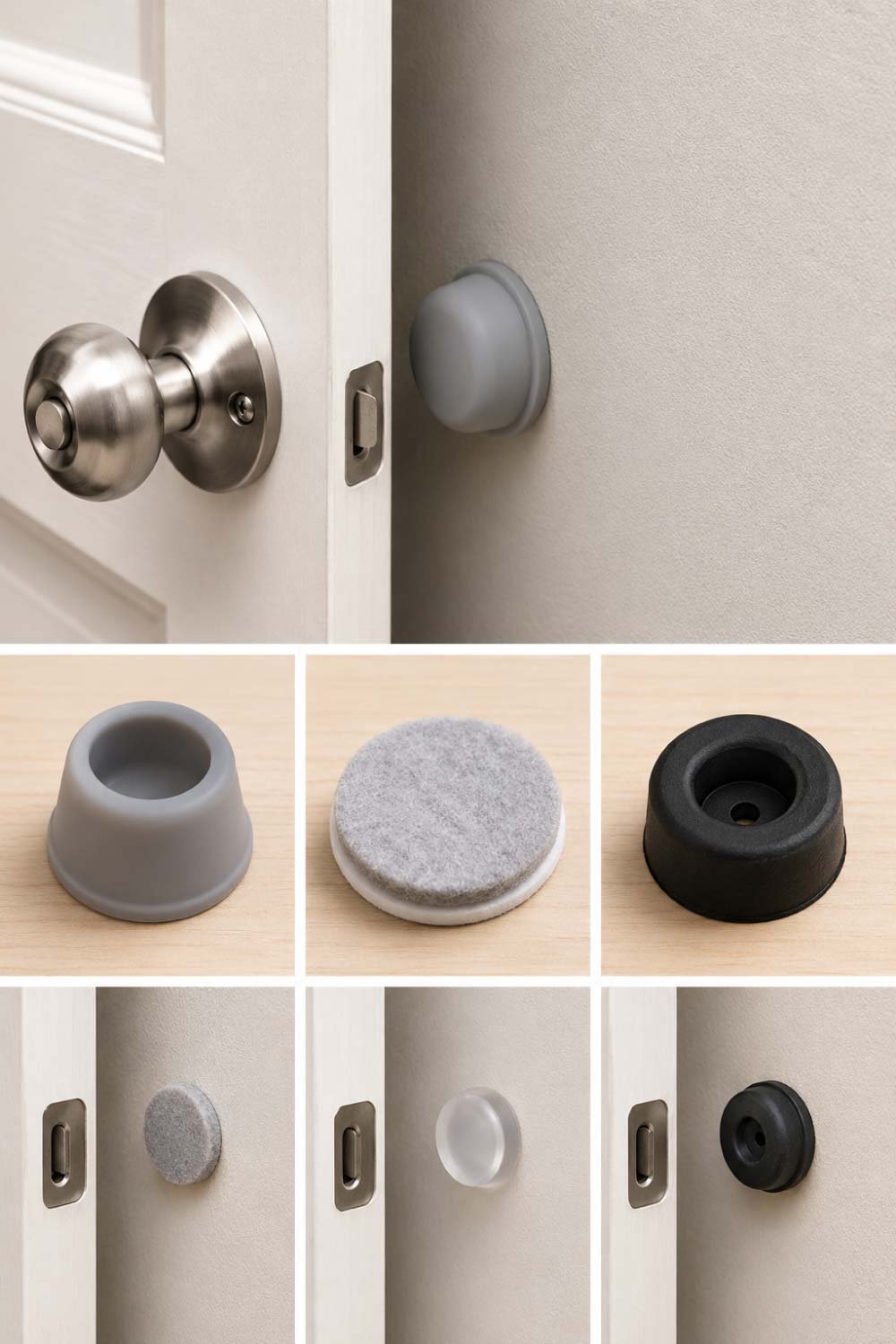
Furniture pads and chair foot covers are often overlooked, but they can work perfectly as soft wall buffers. They are durable, clean-looking, and designed to absorb pressure quietly without damaging surfaces.
Options:
- Silicone chair leg caps
- Felt furniture pads
- Rubber furniture feet
How to use:
Simply stick or press the pad onto the wall where the door hits. Some even come with self-adhesive backing.
Benefits:
- Soft cushioning
- Noise reduction
- Clean appearance
- Easy to remove later without damage
This is one of the most “invisible” fixes and works great in modern homes.
Also Read:
Quick Fix #5: DIY Wall Protection Using Cardboard Layering
Cardboard is a simple emergency solution that can protect your wall from repeated door impact. While not permanent, it works well when you need instant protection without spending anything.
Steps:
- Cut a small piece of thick cardboard
- Fold it 2–3 times for thickness
- Tape it to the wall at door impact height
Why it helps:
Cardboard absorbs impact energy and prevents paint chipping. It’s not permanent but works well for immediate protection.
Bonus idea:
Wrap the cardboard with cloth or decorative paper to make it look cleaner.
Quick Fix #6: Rearrange Door Swing Impact Point
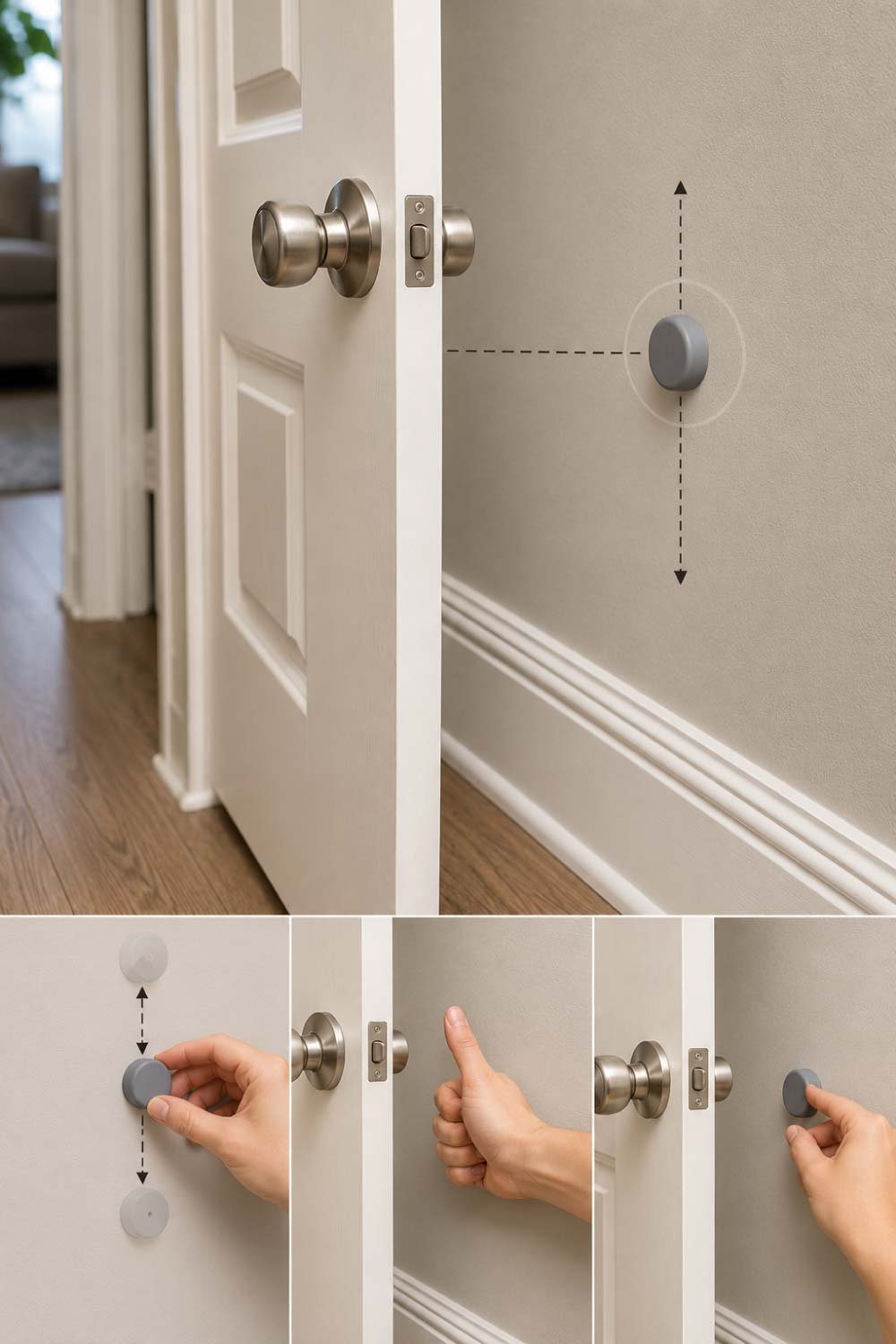
Not every door problem is actually about the stopper itself—sometimes the real issue is where the door is making contact with the wall. If the impact point is too high, too low, or uneven, even a good stopper won’t work properly. Adjusting the position slightly can instantly reduce pressure and prevent repeated damage.
Try this:
- Check if the door hits too high or too low on the wall
- Shift your temporary stopper slightly up or down
- Test different positions until the impact feels soft and balanced
A few centimeters can make a big difference in reducing damage.
Quick Fix #7: Use a Thick Tape Cushion Layer
When nothing else is available, layered tape can surprisingly act as a quick cushioning solution. It may not look fancy, but it works well in emergencies by reducing direct hard contact between the door and the wall surface.
Steps:
- Take strong packing tape or duct tape
- Fold it multiple times over itself (sticky side inward)
- Build a thick padded patch
- Stick it on the wall impact area
Advantage:
- Quick setup
- Easily replaceable
- Works in emergencies
Also Read:
Preventing Future Door Stopper Breakage
Fixing a broken door stopper is helpful, but preventing it from breaking again saves both time and effort. A few simple habits and small adjustments can significantly extend the life of your stopper and protect your walls from repeated damage.
- Avoid Slamming Doors
Most damage happens due to forceful closing. Encourage gentle door handling. - Use Proper Impact Positioning
Make sure the stopper is placed exactly where the door naturally hits. - Clean the Surface Before Sticking
Dust, oil, or moisture can weaken adhesive strength and cause early failure. - Check Every Few Months
A quick inspection helps you catch loosened or worn-out stoppers early. - Reinforce High-Use Doors
Kitchen, bathroom, and main entrance doors need stronger protection than others.
Signs Your Door Stopper Needs Immediate Attention
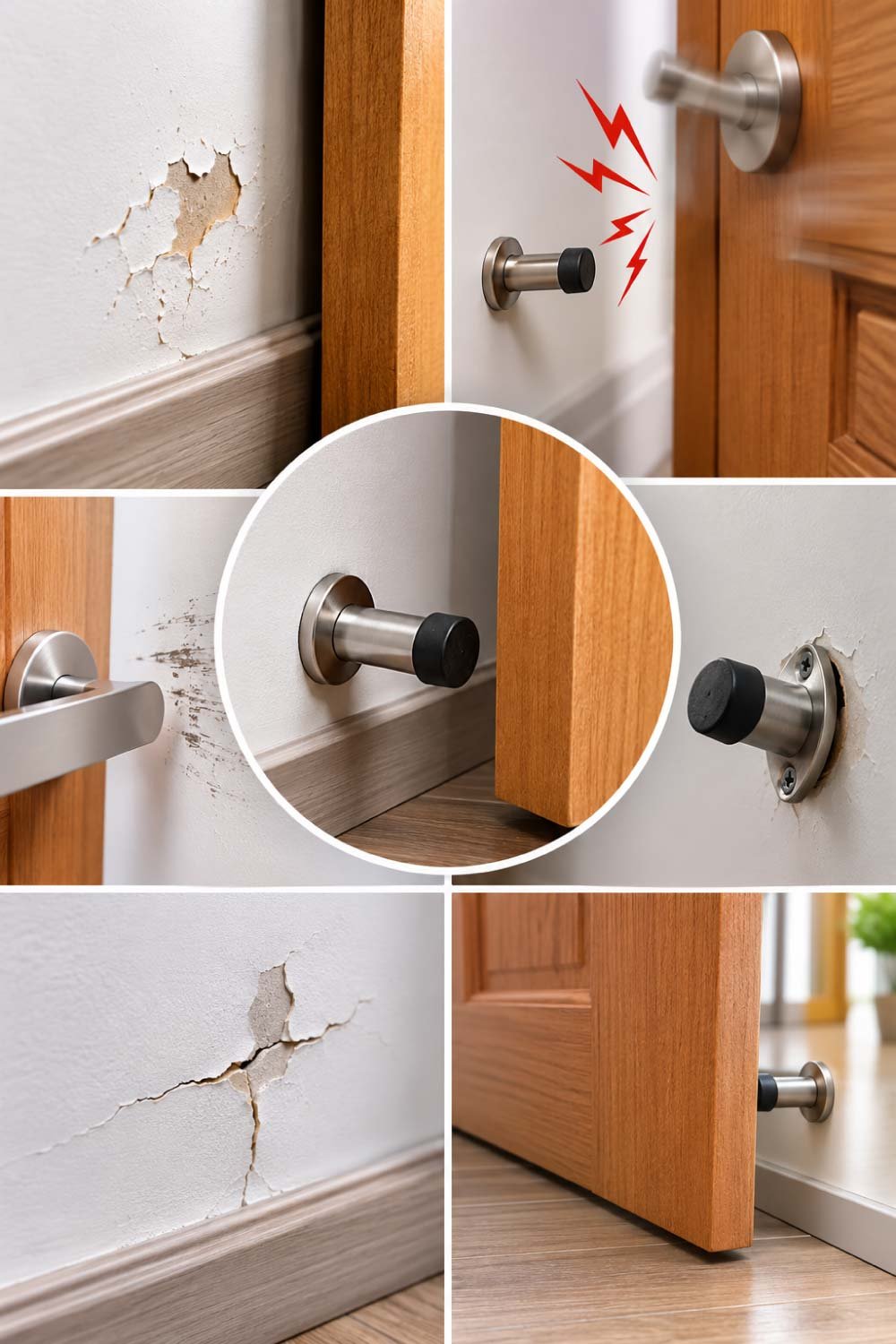
Door stopper issues usually start small but can quickly lead to wall damage if ignored. Paying attention to early warning signs helps you fix the problem before it becomes expensive or difficult to repair.
- Wall paint starts chipping
- Loud banging noise increases
- Door handle hits the wall
- Existing stopper feels loose
- Visible cracks around impact area
Fixing it early prevents costly wall repairs later.
When You Should Upgrade Instead of DIY Fixing
DIY fixes are great for quick solutions, but they don’t always last—especially in heavy-use areas or damaged walls. In some cases, upgrading to a stronger, more permanent solution is the smarter and safer choice for long-term protection.
Consider replacing the stopper if:
- The wall is already damaged
- The door is heavy (wood or metal)
- Temporary fixes keep failing
- You need long-term durability
In those cases, a proper wall-mounted or floor-mounted stopper is the best solution.
Also Read:
Final Thoughts
A broken door stopper is not a major repair job, but ignoring it can lead to wall damage, noise issues, and unnecessary repair costs. The good news is that you don’t need special tools or professional help to fix it in most situations.
From rubber pads and fabric hacks to adhesive strips and cardboard solutions, there are plenty of fast, simple, and affordable ways to handle the problem right away. These methods are especially useful for renters or anyone who wants a quick fix without drilling or permanent changes.
With just a few minutes and everyday items, you can protect your walls, reduce noise, and make your doors work smoothly again—no tools required.