
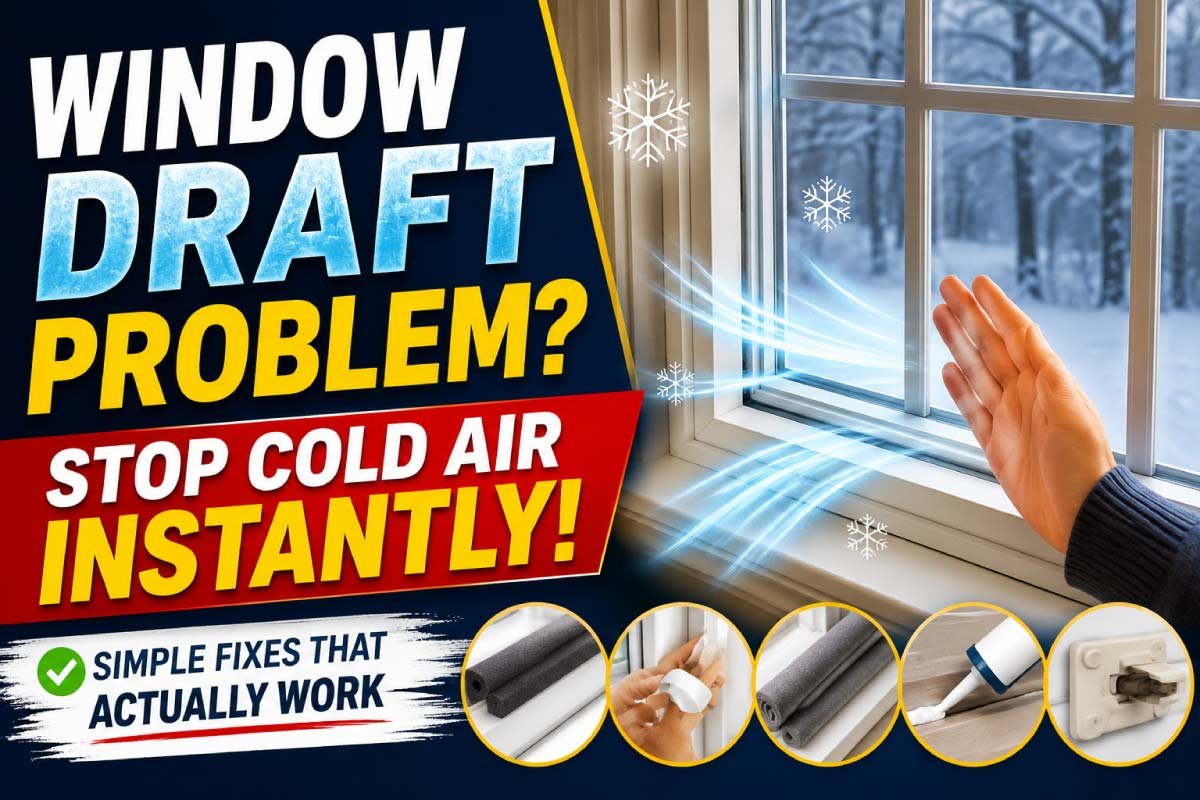
Cold air sneaking through your windows can quietly turn your home uncomfortable, especially in winter or windy weather. You may notice it when you sit near a window and feel a sudden chill, or when your room never seems to stay warm even though the heater is running. This is usually caused by window drafts—tiny gaps that allow outside air to enter and indoor air to escape.
The good news is that you don’t always need expensive replacements or professional help to fix it. In most cases, you can stop cold air instantly using simple, affordable solutions. In this guide, you’ll learn why window drafts happen, how to identify them, and practical methods to seal them effectively.
Table of Contents
ToggleUnderstanding the Window Draft Problem
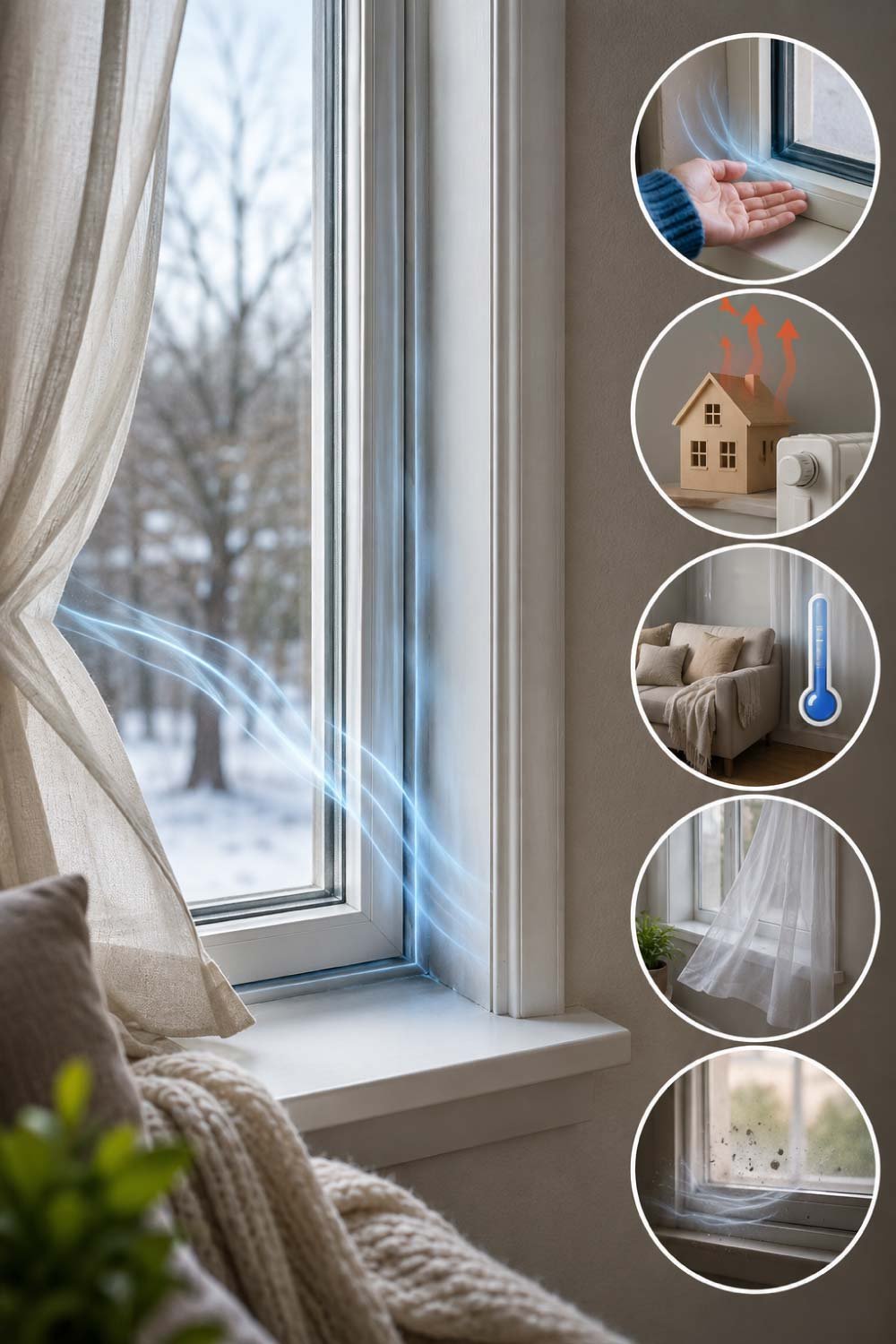
A window draft is a common household issue where outside air sneaks into your home through small gaps around window frames. These leaks often go unnoticed at first but gradually affect indoor comfort, making rooms colder in winter and less energy efficient throughout the year.
Drafts usually form because windows lose their perfect seal over time. As materials age, they expand, contract, and shift slightly, creating tiny openings that allow air to pass through easily.
Common signs of window drafts include:
- A noticeable cold breeze near windows even when they are closed
- Higher heating bills during winter months due to heat loss
- Uneven room temperatures where some areas feel colder than others
- Curtains gently moving even when all windows are shut
- Dust, outdoor odors, or smells entering the room easily
If you’ve experienced any of these, your windows are likely leaking air.
Why Window Drafts Happen in the First Place
Before fixing window drafts, it’s important to understand what actually causes them. Most draft problems develop gradually due to aging materials, poor sealing, or structural movement in the window frame over time. Identifying the root cause helps ensure a long-lasting solution.
- Worn Out Weather Stripping
Weather stripping is the soft seal around window edges that blocks air leakage. Over time, it becomes dry, cracked, or detached, allowing cold air to enter freely. - Gaps in Window Frames
Wooden or metal frames naturally shift with temperature changes. This expansion and contraction can create small but significant air gaps. - Poor Installation
If windows were not installed correctly, they may never have formed a proper airtight seal, leaving continuous leakage points. - Old or Damaged Caulking
Caulk seals the space between the wall and window frame. When it dries, cracks, or shrinks, it stops blocking air effectively. - Single Pane Glass
Older homes often have single-pane windows that naturally allow more heat loss compared to modern double-glazed options.
How to Detect Window Drafts Quickly
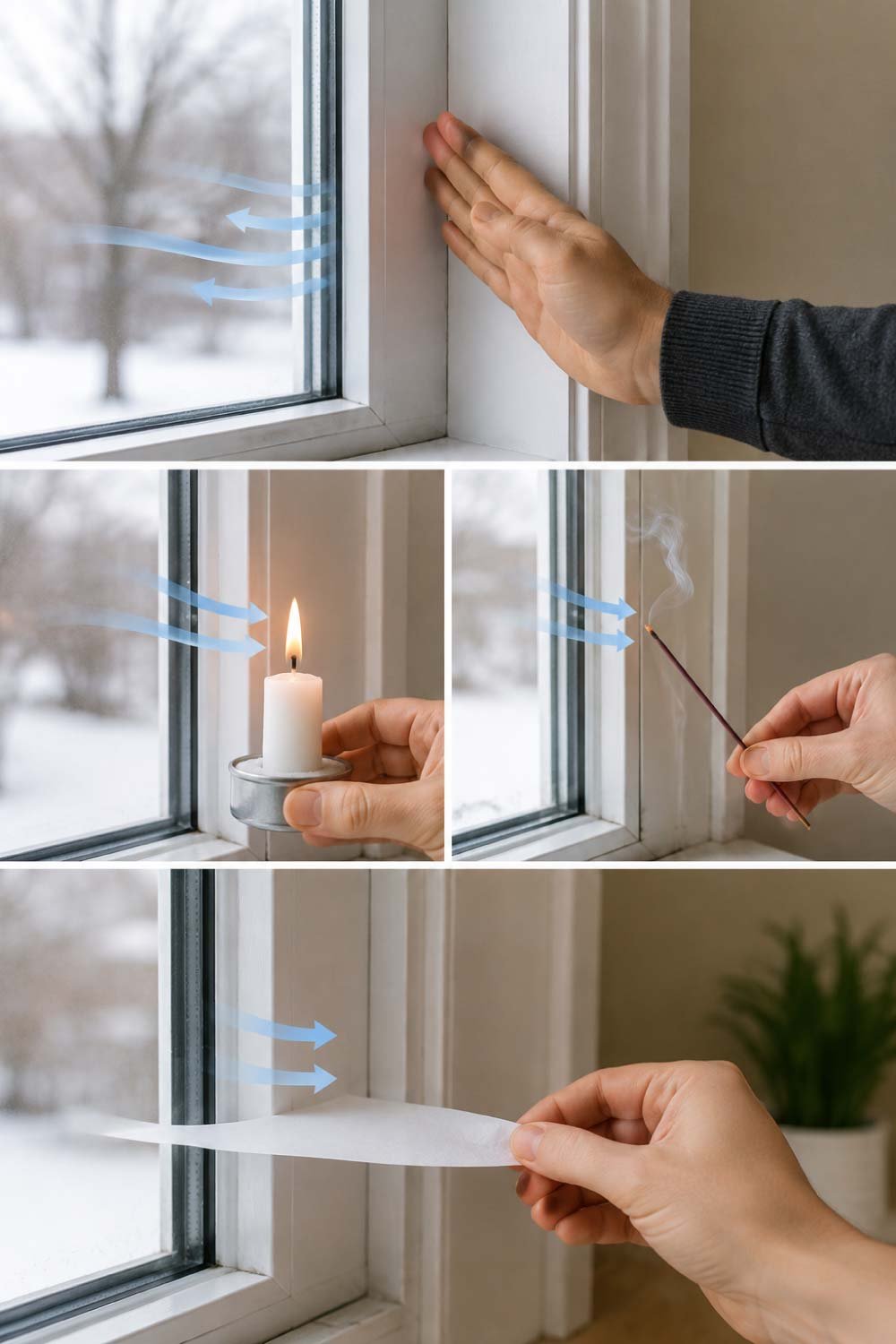
Finding window drafts does not require expensive tools or professional help. You can easily detect air leaks using simple at-home methods. These quick checks help you locate problem areas so you can fix them efficiently and improve indoor comfort.
Simple methods to detect drafts:
- Hand Test: Slowly move your hand around window edges to feel for cold air movement or slight breezes.
- Candle or Incense Test: Hold a lit candle near the frame and watch for flickering flames, which indicate airflow.
- Paper Test: Place a thin strip of paper near closed windows; movement shows air leakage.
Once you identify the problem areas, you can move on to fixing them.
Also Read:
Instant Fix #1: Use Weather Stripping (Fastest Solution)
Weather stripping is one of the quickest and most affordable ways to block cold air from entering through windows. It creates a flexible seal around movable parts of the window, stopping unwanted airflow almost instantly and improving overall insulation.
Steps:
- Clean the window edges properly to remove dust and old residue
- Measure the frame carefully to ensure correct sizing
- Cut weather stripping according to the required length
- Stick it firmly along all window edges and joints
- Press down firmly to ensure a tight and secure seal
It blocks airflow immediately and improves insulation without changing your window structure.
Instant Fix #2: Seal Gaps with Caulking
Caulking is a highly effective method for sealing fixed gaps between the window frame and the surrounding wall. It works by filling cracks and preventing air from slipping through hidden openings that are often difficult to notice but cause major drafts.
What you need:
- Caulking gun
- Silicone or acrylic sealant
Steps:
- Remove old or cracked caulk completely if present
- Clean the surface to ensure proper adhesion
- Apply a smooth, continuous line of caulk along all gaps
- Smooth it using a wet finger or finishing tool
- Allow it to dry completely before exposure
A strong airtight seal that prevents cold air from entering through hidden gaps.
Instant Fix #3: Use Draft Stoppers for Bottom Gaps
Sometimes, window drafts come from the bottom edges or sliding tracks where air easily slips through. Draft stoppers provide a simple and effective solution by blocking these low-level openings instantly without any permanent installation.
Benefits:
- Blocks cold air entering from the bottom gaps
- Easy to place, remove, and reposition anytime
- Very affordable and requires no tools or installation work
- Works well for both windows and sliding doors
You simply place them at the base of the window to block airflow instantly.
Instant Fix #4: Window Insulation Film
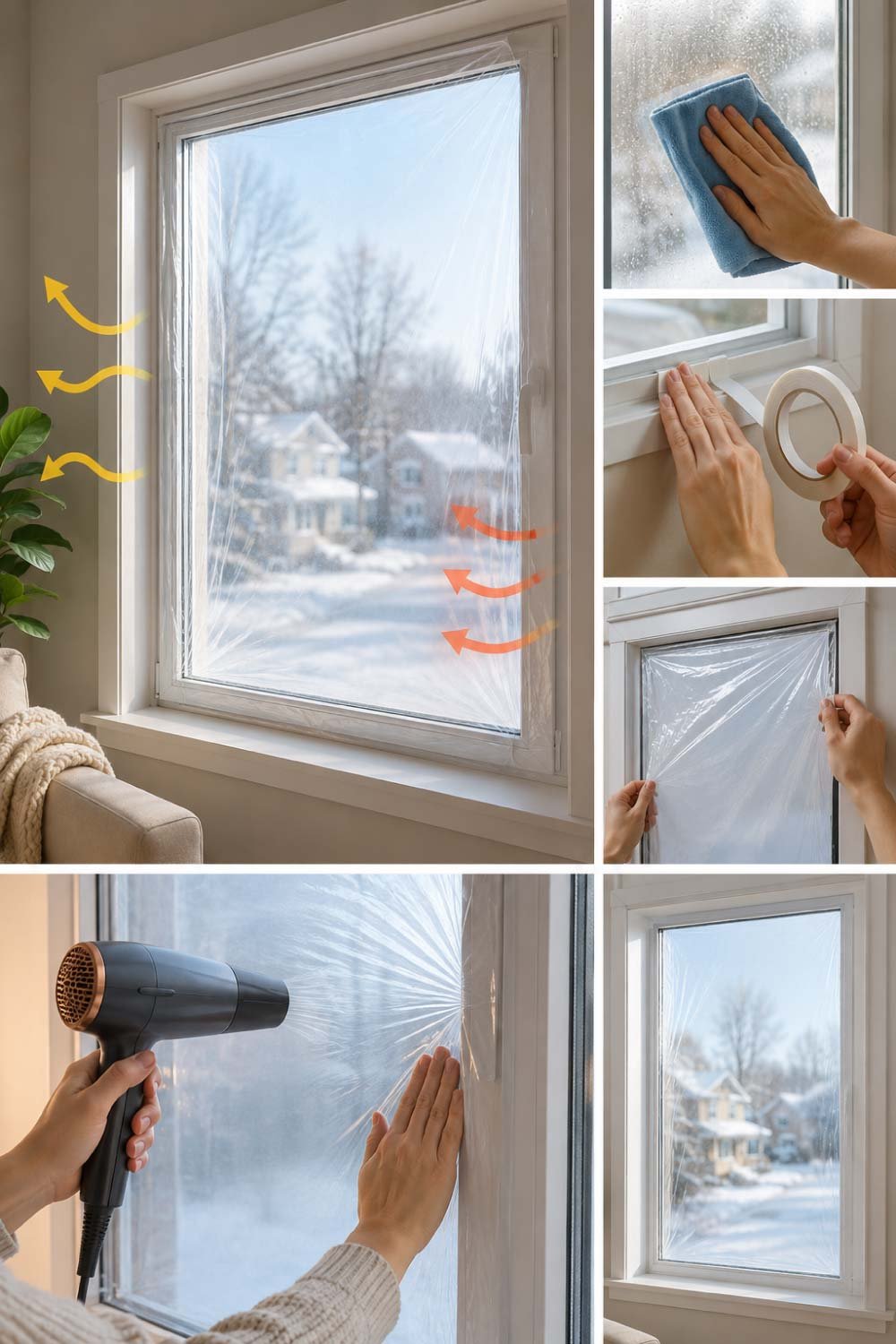
Window insulation film is a simple yet highly effective solution that adds an extra thermal barrier over your existing windows. It works especially well during colder months when heat loss becomes a major issue in homes without double glazing.
It is a transparent plastic layer that reduces heat exchange and helps keep indoor air warm while blocking cold drafts from entering through the glass surface.
How it works:
- It creates an additional insulating air layer between the window and room
- It reduces heat transfer through glass, which is a major source of energy loss
- It helps stabilize indoor temperature without changing the window itself
Steps:
- Clean the window glass thoroughly to remove dust and grease
- Apply double-sided tape carefully around the window frame
- Attach the insulation film evenly without wrinkles
- Use a hairdryer to gently shrink and tighten the film for a smooth finish
It reduces heat loss significantly and is ideal for winter months.
Also Read:
Instant Fix #5: Heavy Curtains for Extra Protection
Curtains play a bigger role in insulation than most people realize. Thick, thermal curtains can act as a strong barrier against cold drafts while also improving overall room comfort and privacy.
When properly used, they reduce heat loss from windows and help maintain a stable indoor temperature during colder nights.
Best practice:
- Use thick, thermal or blackout curtains for better insulation
- Ensure curtains fully cover the window and extend beyond edges
- Close them during cold nights and early mornings
- Keep them slightly overlapping the wall for maximum coverage
Effect:
- They trap warm air inside the room effectively
- They reduce cold air circulation near windows
- They improve comfort without any installation work
They trap warm air inside and block cold air from spreading into the room.
Instant Fix #6: Foam Tape for Small Cracks
Foam tape is a quick and budget-friendly DIY solution designed for sealing small gaps and uneven surfaces around window frames. It is especially useful when weather stripping alone is not enough to fully block air leaks.
Because of its flexibility, foam tape easily adapts to irregular surfaces and provides an instant sealing effect.
Steps:
- Carefully inspect and identify narrow cracks in window frames
- Cut foam tape into required lengths for each gap
- Peel off backing and stick it firmly along the edges
- Press evenly to ensure proper adhesion and sealing
Advantage:
- Flexible and easy to apply on uneven or curved surfaces
- Works instantly without drying time
- Ideal for quick repairs and minor air leaks
It is flexible, easy to apply, and perfect for uneven surfaces.
Long-Term Solution: Upgrade Window Seals
If window drafts keep returning even after repeated fixes, it may indicate deeper structural issues. In such cases, temporary solutions are not enough, and upgrading window seals or components becomes necessary for lasting comfort and efficiency.
Permanent improvements not only stop drafts but also enhance overall home insulation and energy savings.
Options include:
- Replacing old or worn-out weather stripping with new sealing material
- Completely re-caulking all window edges for a fresh airtight seal
- Installing modern double-glazed windows for better insulation
- Repairing or replacing damaged or warped window frames
While these may cost more initially, they significantly improve home comfort and energy efficiency.
Also Read:
Energy Savings You Might Not Notice Immediately

Fixing window drafts is not just about comfort—it also has a direct impact on your household energy usage. Many homeowners do not realize how much heat escapes through small gaps until they see their energy bills.
When cold air enters your home, heating systems must work harder to maintain temperature, leading to increased energy consumption.
By sealing drafts, you can:
- Reduce heating and cooling costs over time
- Maintain a more stable and comfortable indoor temperature
- Improve overall home energy efficiency
- Reduce unnecessary strain on HVAC or heating systems
Even small fixes can make a noticeable difference over time.
Common Mistakes People Make
Many people try to fix window drafts quickly but overlook important steps, which reduces the effectiveness of their repairs. Avoiding these common mistakes ensures better results and longer-lasting protection against air leaks.
Avoid these errors:
- Applying caulk without properly cleaning or drying the surface first
- Ignoring small gaps because they seem insignificant
- Installing weather stripping on dusty, oily, or wet surfaces
- Using thin or decorative curtains instead of insulated ones
- Forgetting to seal corners and hidden edge areas
Proper preparation ensures long-lasting results.
Final Thoughts
Window drafts are a common but easily fixable household problem. They may seem small, but they can greatly affect your comfort, energy bills, and overall living environment. The key is identifying where the air is leaking and applying the right fix quickly.
Whether you use weather stripping, caulking, insulation film, or simple draft stoppers, you can stop cold air instantly without major renovation. Even combining a few of these methods can dramatically improve warmth in your home.
A draft-free home is not just warmer—it is also more energy-efficient and comfortable throughout the year.
Also Read: