
Choosing the right wardrobe for your bedroom might seem simple at first but once you start exploring options, it can quickly become overwhelming. From size and style to storage and materials, there are many factors to consider. The right wardrobe not only keeps your space organized but also enhances the overall look and feel of your bedroom.
In this guide, I will walk you through 8 expert tips to help you select the perfect wardrobe, along with some personal experiences to help you avoid common mistakes.
1. Measure Your Space Carefully
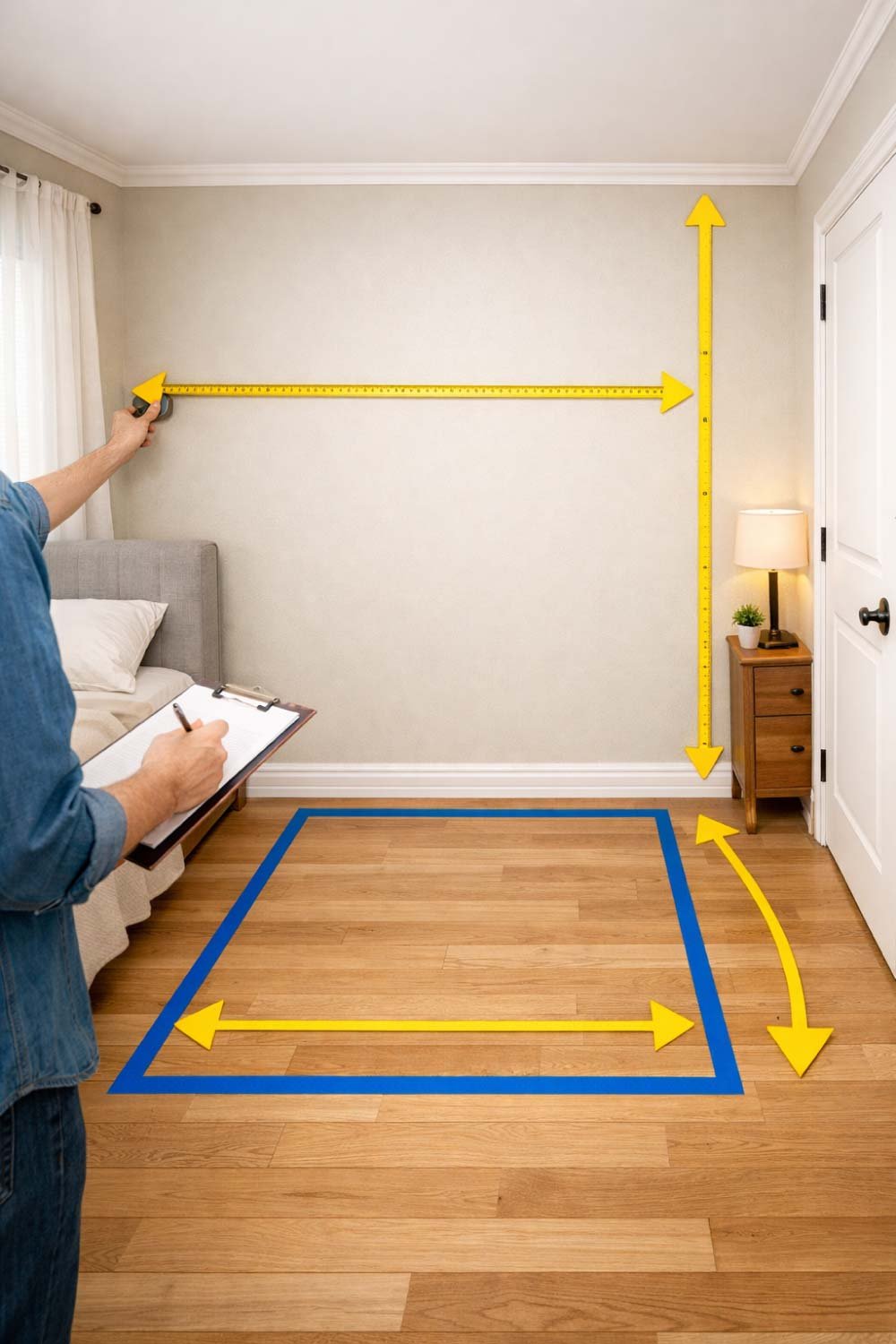
Before you even start browsing designs or comparing wardrobe styles, the very first step should always be measuring your space accurately. It might sound simple, but this is where many people make costly mistakes. A wardrobe is not a small decorative item—it’s a large, functional piece of furniture that directly impacts how your room looks and feels.
Start by measuring the width of the wall where you plan to place the wardrobe. Don’t just eyeball it or rely on assumptions. Use a measuring tape and note the exact dimensions. Then move on to the ceiling height. This is especially important because wardrobes often come in standard heights, and even a small mismatch can create installation problems.
Next, consider the depth. A wardrobe that is too deep can eat into your walking space, making the room feel cramped and uncomfortable. On the other hand, a wardrobe that is too shallow might not provide enough storage. Striking the right balance is key.
Another critical factor people forget is door clearance. If you’re choosing a wardrobe with hinged doors, make sure there’s enough space for the doors to open fully without hitting the bed, wall, or other furniture. Even with sliding wardrobes, you need to ensure there’s enough room to comfortably access both sides.
It’s also important to think beyond just the wardrobe itself. Consider how it fits into the overall layout of your room. Will it block natural light? Will it interfere with pathways? Ideally, your wardrobe should complement the room—not dominate it.
A useful tip is to mark the wardrobe dimensions on the floor using tape. This gives you a visual sense of how much space it will occupy and helps you avoid surprises later.
Pro Tip:
Always leave a few inches of breathing space around the wardrobe. This not only makes installation easier but also prevents the room from feeling boxed in.
My Experience:
I once made the mistake of skipping proper measurements because I was excited about a wardrobe I saw in a showroom. It looked perfect—sleek, modern, and exactly what I wanted. But when it arrived, I realized it was slightly taller than my ceiling height. We tried tilting and adjusting it during installation, but it ended up scratching the ceiling and still didn’t sit properly. That experience taught me a valuable lesson: no matter how perfect something looks, if it doesn’t fit your space, it won’t work.
2. Choose the Right Type of Wardrobe
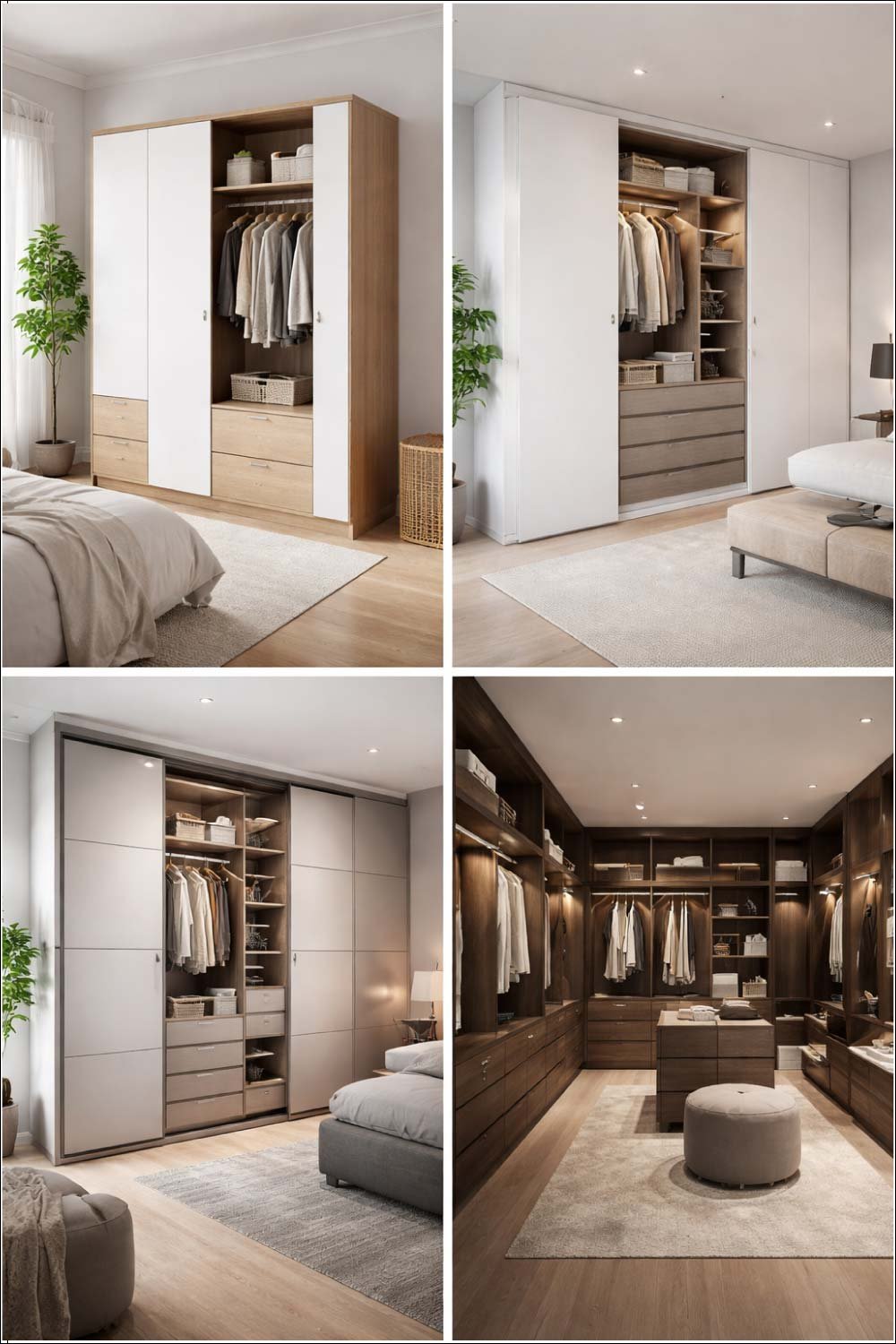
Once you’ve measured your space, the next step is choosing the right type of wardrobe. This decision goes beyond aesthetics—it directly affects functionality, convenience, and how efficiently you use your space.
There are several types of wardrobes available, and each serves a different purpose.
Freestanding wardrobes
are the most common and versatile option. They are easy to move, which makes them ideal for renters or anyone who likes to rearrange their room occasionally. However, they may not utilize space as efficiently as built-in options.
Built-in wardrobes
are custom-made to fit your room perfectly. They maximize every inch of available space and often look more seamless and elegant. The downside is that they are permanent and usually more expensive.
Sliding door wardrobes
are a popular choice for modern homes, especially in smaller bedrooms. Since the doors slide instead of swinging open, they save space and make movement around the room easier.
Walk-in wardrobes
are a luxury option, best suited for large rooms or dedicated dressing areas. They offer plenty of storage and organization but require significant space.
Choosing the right type depends on your room size, lifestyle, and long-term needs. For example, if you have a compact bedroom, a bulky freestanding wardrobe with hinged doors might not be the best choice. Instead, a sliding wardrobe can make the room feel more open and accessible.
You should also think about how often you might move or redesign your space. If flexibility is important, a freestanding wardrobe is a safer choice. If you’re designing your “forever home,” a built-in wardrobe might be worth the investment.
My Experience:
In one of my earlier setups, I had a traditional hinged wardrobe in a small bedroom. Every time I opened the doors, it felt like the room shrank. It even blocked part of my bed, making daily use frustrating. Eventually, I switched to a sliding door wardrobe, and the difference was immediate. The room felt more spacious, movement became easier, and the overall layout improved significantly. It was a simple change, but it completely transformed how the room functioned.
Also Read:
3. Plan Your Storage Needs
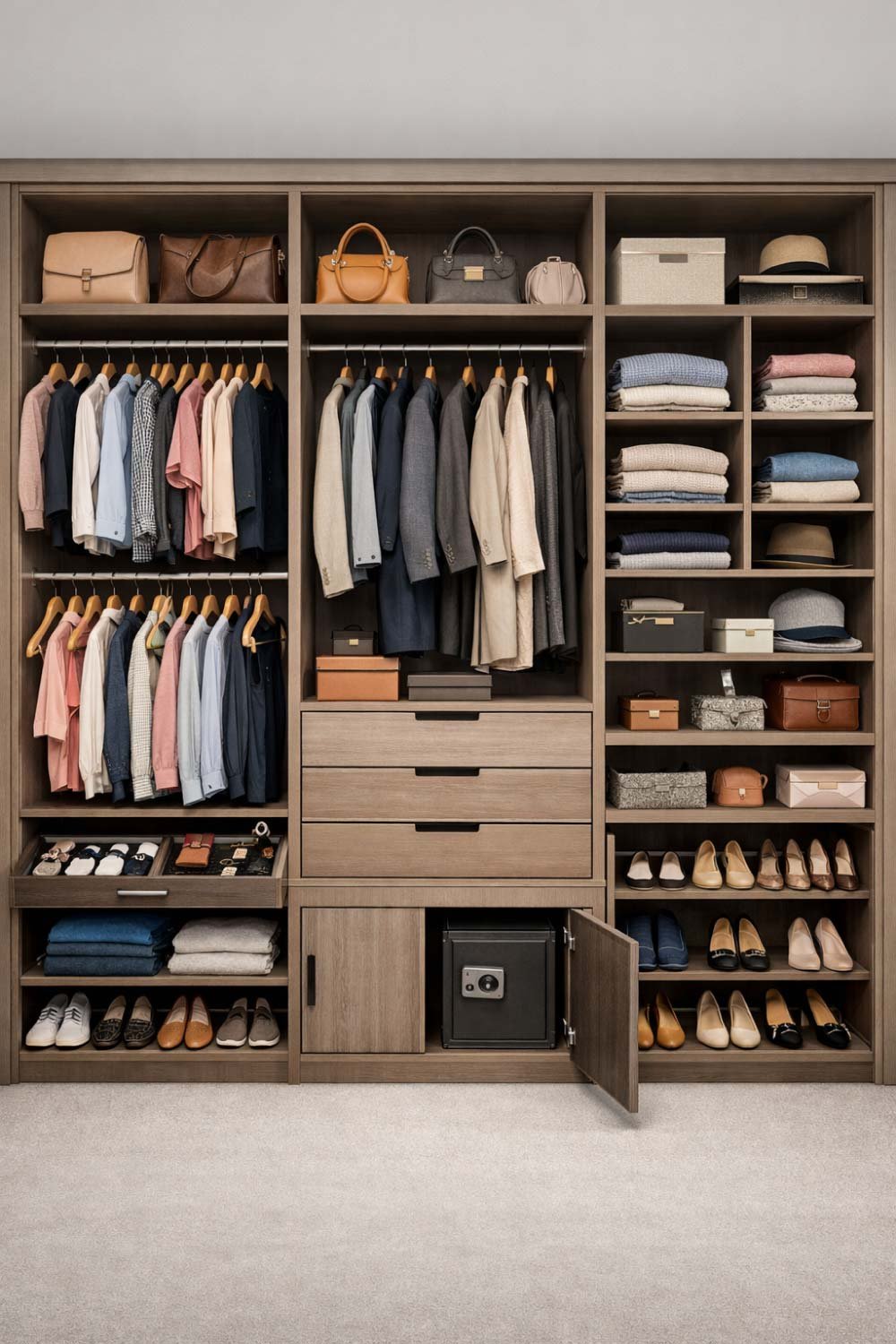
A wardrobe isn’t just about looks—it’s about how well it supports your daily routine. One of the biggest mistakes people make is choosing a wardrobe based purely on appearance without considering their actual storage needs.
Before making a decision, take some time to evaluate your lifestyle. Ask yourself practical questions. Do you have more clothes that need hanging, like shirts, dresses, or suits? Or do you mostly fold items like t-shirts and jeans? Do you own a lot of shoes, bags, or accessories? Do you share your wardrobe with someone else?
These questions will help you determine the internal layout you need.
A well-designed wardrobe typically includes a mix of storage options:
- Hanging rods for clothes that wrinkle easily
- Shelves for folded items
- Drawers for smaller items like socks, undergarments, and accessories
- Shoe racks to keep footwear organized
- Hidden compartments for valuables or less frequently used items
The goal is to create a system that makes your daily routine easier. When everything has its place, you spend less time searching for items and more time enjoying your space.
Another important aspect is accessibility. Frequently used items should be easy to reach, while seasonal or occasional items can be stored in higher or less accessible areas.
If you share the wardrobe, consider dividing it into sections so each person has their own dedicated space. This prevents clutter and makes organization much simpler.
My Experience:
In the past, I chose a wardrobe that looked clean and minimal from the outside but lacked proper internal organization. It had very few drawers and limited shelving. At first, I thought it wouldn’t matter—but over time, it became a daily frustration. I struggled to organize smaller items, and everything ended up looking messy.
Later, I upgraded to a wardrobe with multiple compartments, including extra drawers and dedicated sections for accessories. The difference was incredible. Not only did it look neater, but it also made my mornings faster and less stressful. That experience taught me that internal design is just as important as external appearance.
Also Read:
4. Pick the Right Material
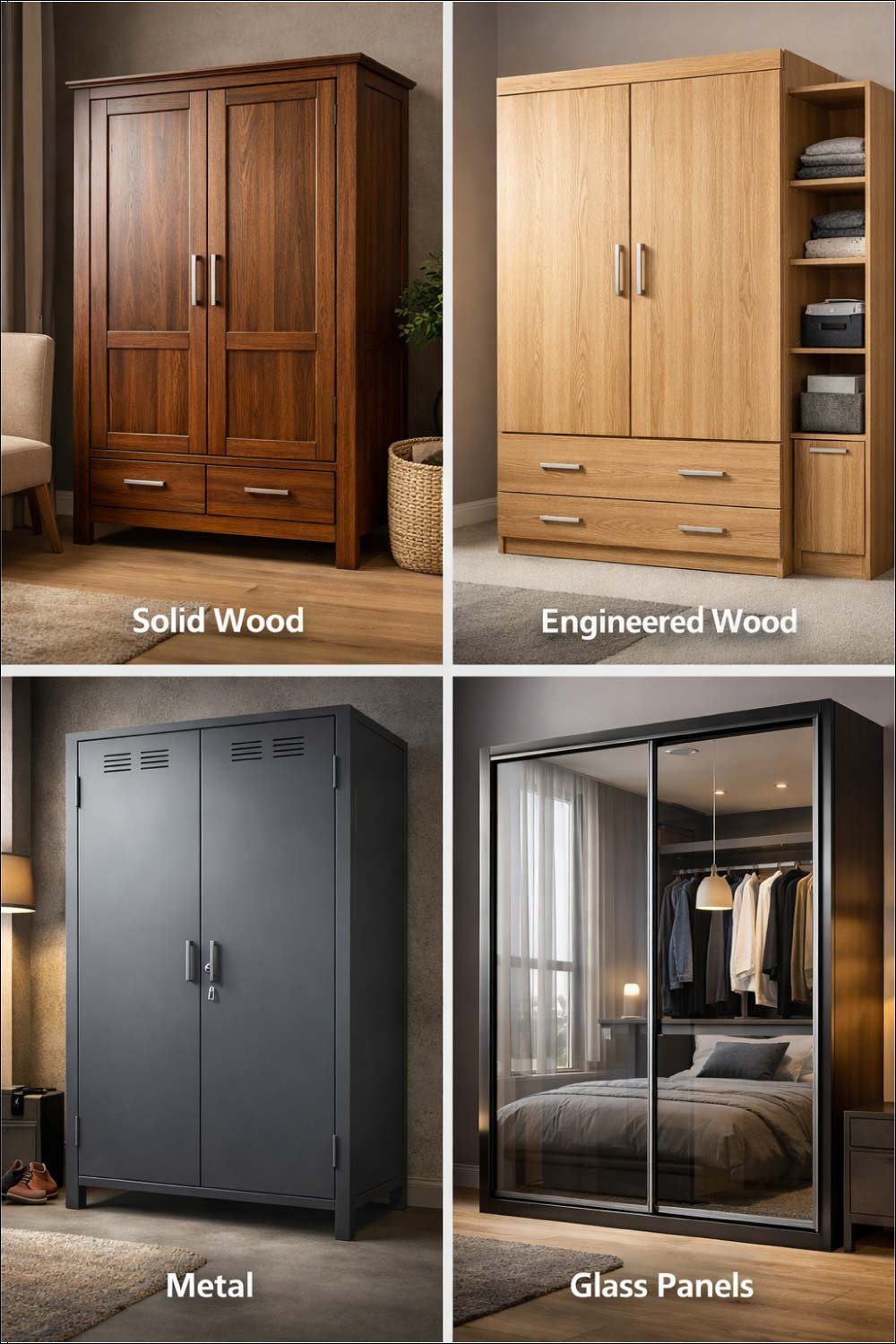
The material of your wardrobe plays a crucial role in its durability, appearance, and overall value. While it’s tempting to focus only on design, the material determines how well your wardrobe will hold up over time.
There are several common materials to choose from, each with its own pros and cons.
Solid wood
is considered the most premium option. It’s strong, durable, and has a timeless appeal. However, it is also more expensive and can be affected by humidity if not properly treated.
Engineered wood
such as MDF or plywood, is a more affordable alternative. It offers versatility in design and is widely used in modern furniture. However, its durability can vary depending on the quality.
Metal wardrobes
are less common in bedrooms but are known for their strength and durability. They are often used in more functional or industrial-style spaces.
Glass panels
are usually used in combination with other materials to add a modern and stylish touch. While they enhance aesthetics, they require regular cleaning and careful handling.
When choosing a material, consider your local climate. In humid environments, certain types of wood may expand or warp over time. Proper finishing and treatment can help, but it’s something to keep in mind.
Budget is another important factor. While it’s natural to look for cost-effective options, remember that a wardrobe is a long-term investment. Spending a little more on better quality can save you money in the long run by reducing the need for repairs or replacements.
Maintenance is also worth considering. Some materials require more care than others. For example, glossy finishes may show fingerprints easily, while natural wood mayحتاج polishing over time.
My Experience:
At one point, I decided to save money by choosing a cheaper engineered wood wardrobe. Initially, it looked great and served its purpose. But after some time, I started noticing signs of wear—slight warping, loose fittings, and reduced sturdiness.
Eventually, I realized that the money I saved upfront wasn’t worth the compromise in quality. When I replaced it with a better-built wardrobe made from higher-quality materials, the difference was clear. It felt more solid, looked better over time, and required less maintenance. That experience taught me that when it comes to furniture, quality is always worth the investment.
Also Read:
5. Focus on Design and Style
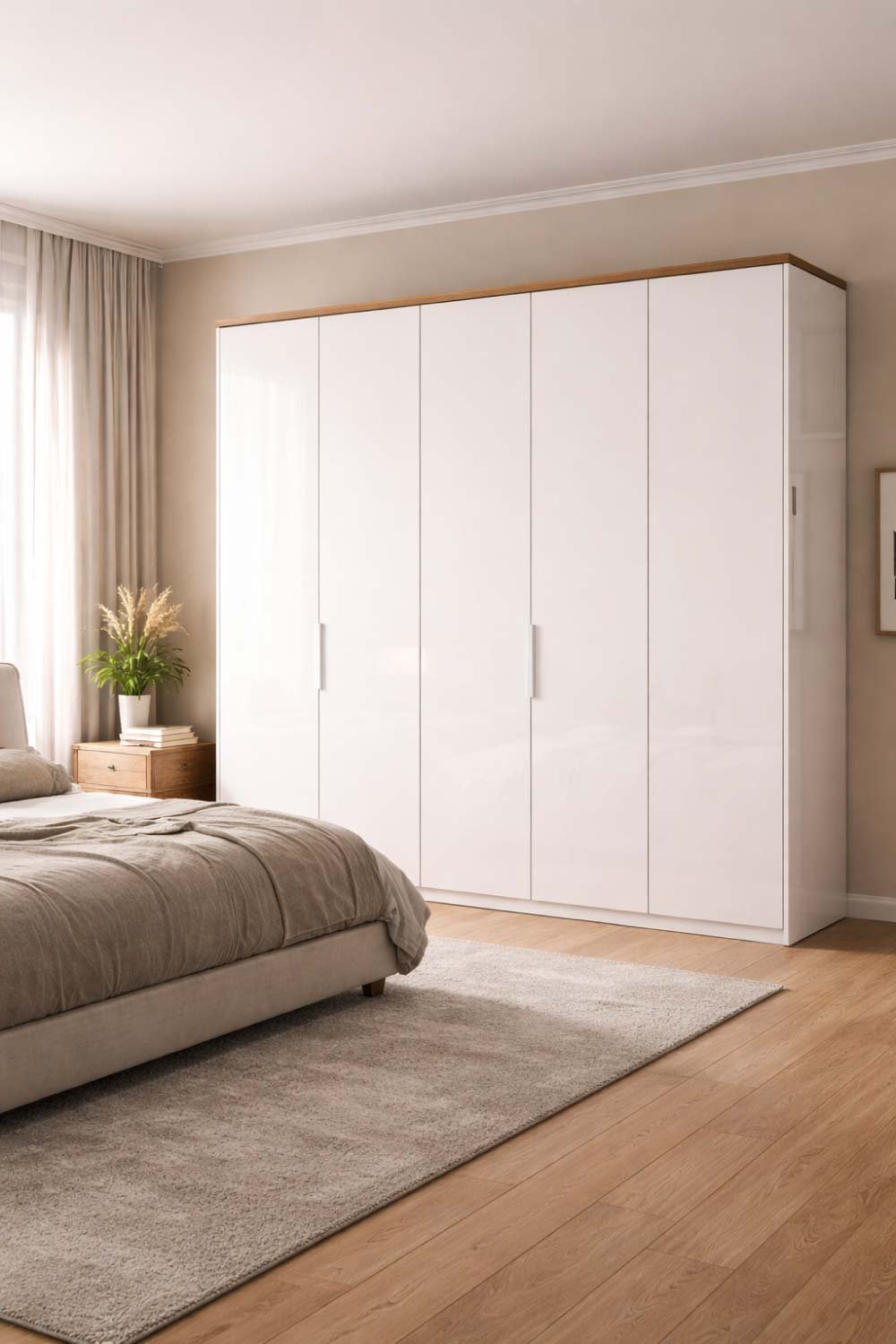
While functionality is crucial, the design and style of your wardrobe play a huge role in how your bedroom feels overall. A wardrobe is often one of the largest and most noticeable pieces of furniture in a room, so its appearance can either enhance your décor or completely throw it off balance.
The key is to choose a design that complements your existing bedroom theme rather than competing with it. Think of your wardrobe as part of a cohesive visual story. Every element—your bed, nightstands, curtains, and even wall colors—should work together harmoniously.
There are several popular wardrobe styles to consider:
Modern minimalist wardrobes
focus on clean lines, smooth finishes, and clutter-free designs. These are perfect for those who prefer a simple, sleek look. They often come in neutral shades and handle-less designs, which create a seamless appearance.
Classic wooden wardrobes
bring warmth and timeless elegance to a bedroom. They are ideal for traditional interiors and often feature rich textures, natural grains, and detailed craftsmanship.
Contemporary wardrobes with mirrors
combine style with practicality. The reflective surfaces not only look modern but also make the room appear larger and brighter.
Scandinavian-inspired wardrobes
are known for their light tones, simplicity, and functionality. They usually feature soft colors, natural materials, and a cozy, airy aesthetic.
When it comes to color, your choice can significantly impact the perception of space.
- Light colors like white, beige, or soft grey can make a room feel more open and spacious.
- Dark colors like deep brown or black add richness and sophistication but can make smaller rooms feel more enclosed.
- Neutral tones are always a safe choice because they blend easily with different styles and are less likely to go out of trend.
You should also consider finishes. Glossy finishes reflect light and create a modern look, while matte finishes offer a more subtle and refined feel. Textured finishes can add depth and character to your wardrobe.
Another important factor is consistency. If your room has a modern vibe, a heavily carved traditional wardrobe might feel out of place. Similarly, a sleek, glossy wardrobe might not suit a rustic or classic setting.
My Experience:
I once chose a dark-colored wardrobe for a small bedroom because I loved how elegant it looked in the showroom. However, once it was placed in my room, the entire space felt heavier and more confined. It absorbed light instead of reflecting it, making the room appear smaller than it actually was. Later, I switched to a lighter-toned wardrobe, and the difference was immediate. The room felt brighter, more open, and much more inviting. That experience taught me that style isn’t just about looks—it’s about how it interacts with your space.
Also Read:
6. Consider Door Functionality
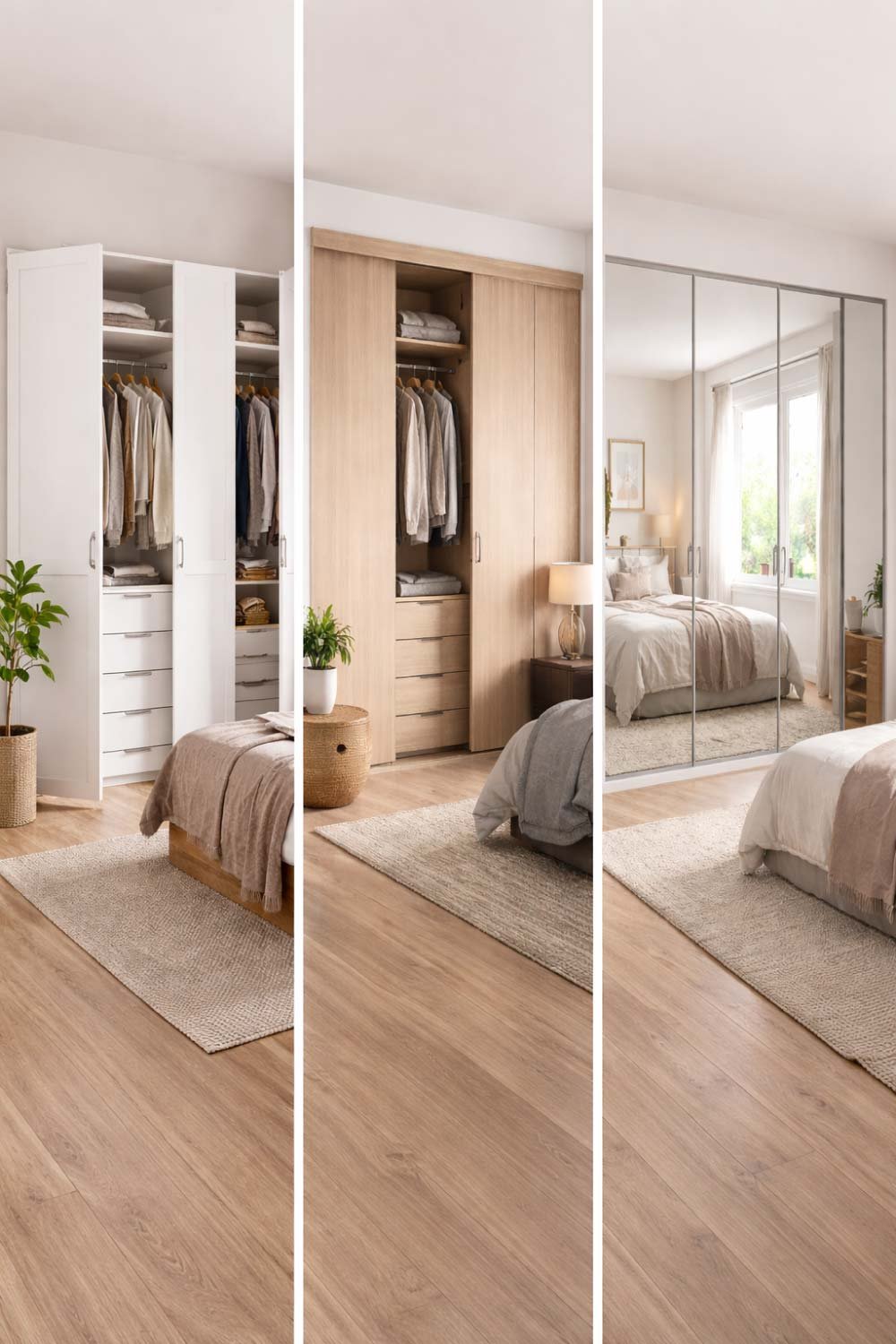
Wardrobe doors are often overlooked during the selection process, but they have a major impact on both usability and space efficiency. The type of door you choose can affect how easily you access your clothes and how freely you can move around your room.
There are three main types of wardrobe doors:
Hinged doors
are the traditional option. They open outward, providing full access to the wardrobe interior. This makes it easy to see and reach everything at once. However, they require enough space in front of the wardrobe to open fully, which can be a challenge in smaller rooms.
Sliding doors
are a modern and space-saving alternative. Instead of swinging open, they glide horizontally along tracks. This makes them ideal for compact bedrooms where space is limited. However, one drawback is that you can only access one side of the wardrobe at a time.
Mirror doors
can be incorporated into either hinged or sliding designs. They serve a dual purpose—acting as both wardrobe doors and full-length mirrors. This not only saves space but also enhances the room’s brightness and sense of depth.
When choosing door functionality, think about your daily routine. Do you prefer quick and full access to your clothes? Or is saving space your top priority? Also, consider the layout of your room. If your bed or other furniture is placed close to the wardrobe, sliding doors might be the better option.
Another aspect to consider is maintenance. Hinged doors are generally simpler and easier to repair, while sliding doors require smooth tracks and proper alignment to function well over time.
My Experience:
One of the best upgrades I made was adding mirror panels to my wardrobe doors. Initially, I didn’t think it would make a big difference, but it completely transformed the room. I no longer needed a separate dressing mirror, which freed up space. Plus, the mirrors reflected natural light, making the room feel brighter and more spacious. It was a simple change, but it added both practicality and style to my bedroom.
Also Read:
7. Think About Internal Lighting
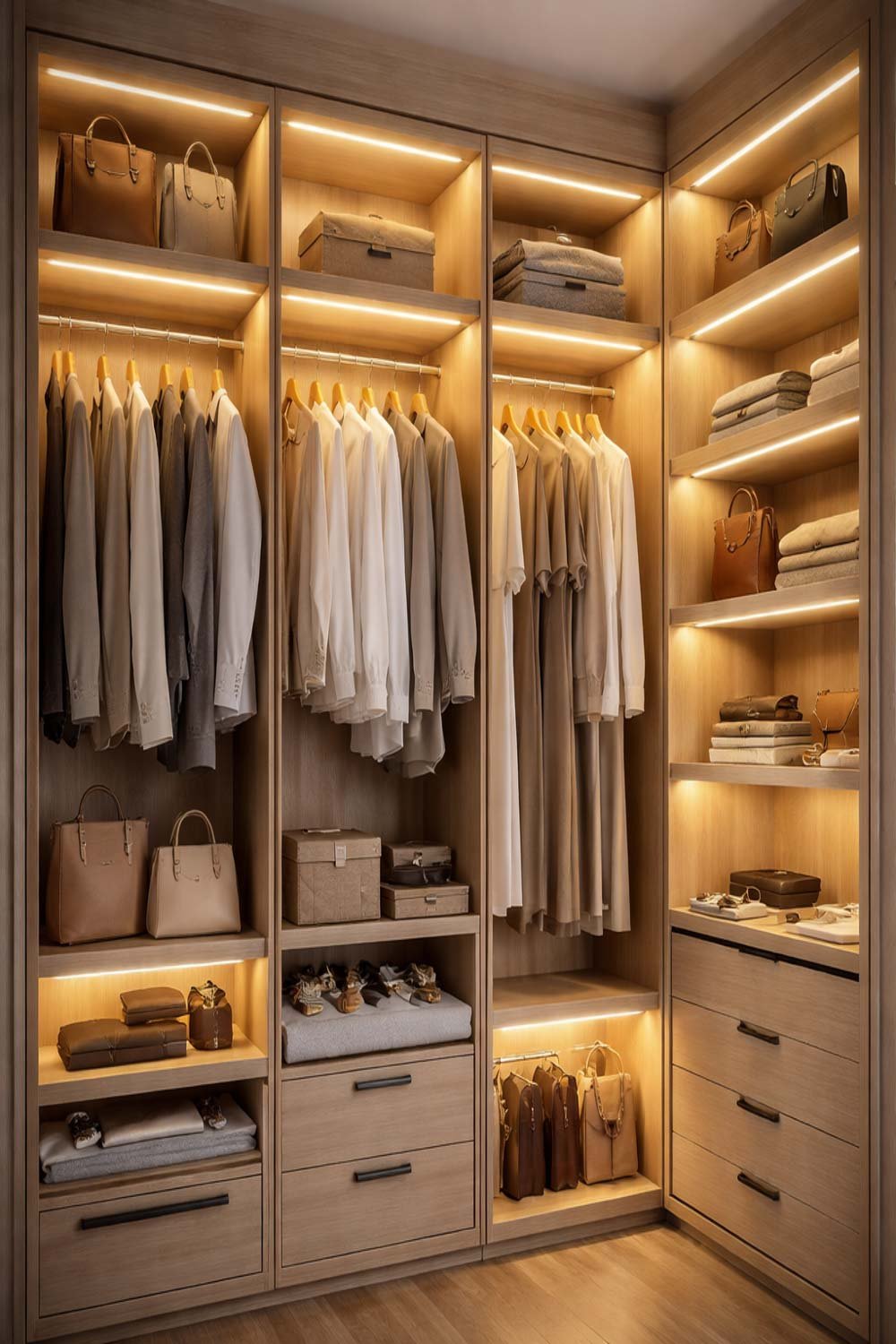
Internal wardrobe lighting is one of those features that people often overlook—but once you have it, you’ll wonder how you ever lived without it. It’s not just about aesthetics; it’s about convenience and functionality.
Imagine trying to pick an outfit early in the morning or late at night in a dimly lit room. Without proper lighting inside your wardrobe, it can be frustrating to find what you need. Internal lighting solves this problem by illuminating every corner of your wardrobe.
There are several benefits to adding lighting:
- Improved visibility: You can easily find clothes, accessories, and items without digging through everything.
- Enhanced organization: When everything is clearly visible, it’s easier to keep your wardrobe neat.
- Premium feel: Lighting adds a touch of luxury and sophistication to your wardrobe.
There are different lighting options to choose from:
LED strip lights
are the most popular choice. They are energy-efficient, long-lasting, and can be installed along shelves or hanging rods for even illumination.
Motion sensor lights
turn on automatically when you open the wardrobe and switch off when you close it. This is not only convenient but also helps save energy.
Built-in lighting systems
are integrated into the wardrobe design and offer a seamless, high-end look.
When installing lighting, think about placement. Lights should be positioned in a way that eliminates shadows and evenly distributes brightness across the wardrobe.
You should also consider the color temperature of the light. Cool white lighting provides better visibility, while warm lighting creates a softer, more ambient feel.
My Experience:
I added motion-sensor LED lights inside my wardrobe, and it completely changed my daily routine. Before that, I often struggled to find clothes in low light, especially during early mornings. Now, as soon as I open the wardrobe, the lights turn on automatically. Everything is clearly visible, and it makes the entire experience smoother and more enjoyable. It’s a small upgrade, but it makes a big difference.
Also Read:
8. Set a Realistic Budget
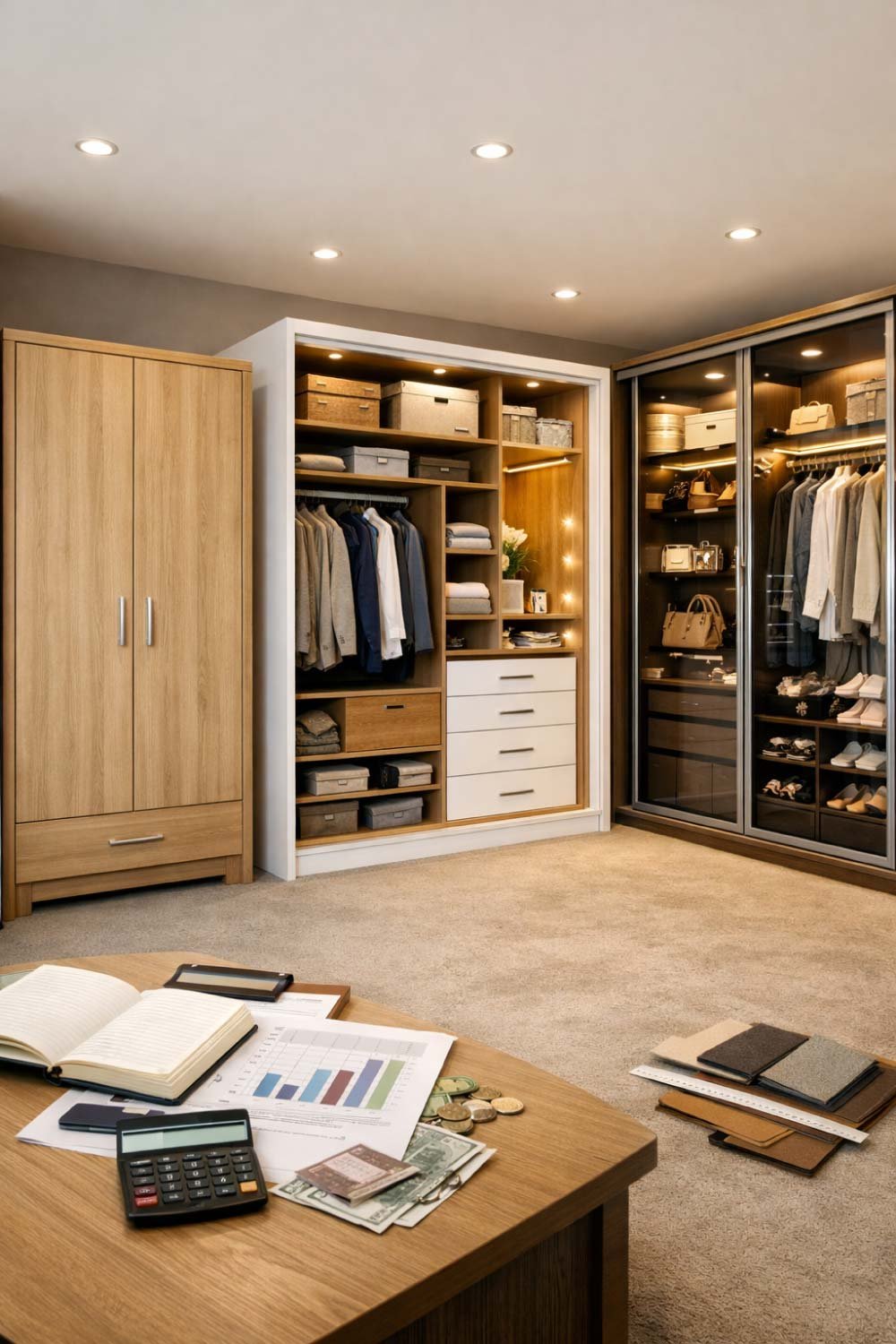
Setting a realistic budget is a crucial step when choosing a wardrobe. With so many options available, it’s easy to get overwhelmed—or tempted to overspend on features you may not actually need.
Wardrobes come in a wide price range, depending on several factors:
- Size: Larger wardrobes naturally cost more due to increased material and design complexity.
- Material: Solid wood is more expensive than engineered wood, while premium finishes and glass elements can add to the cost.
- Customization: Built-in or custom wardrobes are typically more expensive than ready-made ones.
- Additional features: Extras like lighting, mirrors, soft-close doors, and specialized compartments can increase the price.
The key is to strike a balance between cost and quality. Instead of going for the cheapest option, focus on value. A well-built wardrobe may cost more initially but will last longer and perform better over time.
Here are some smart spending tips:
- Invest in durability: Choose quality materials and construction that will stand the test of time.
- Avoid unnecessary features: Don’t pay extra for features you won’t use.
- Compare options: Take your time to explore different brands, designs, and price points before making a decision.
It’s also helpful to think long-term. A wardrobe is not something you replace frequently, so it’s worth investing in something that will meet your needs for years to come.
If you’re working with a limited budget, prioritize the essentials—like size, structure, and storage layout—and consider upgrading features later if possible.
My Experience:
In the past, I focused too much on saving money and ended up choosing a cheaper wardrobe. At first, it seemed like a good deal, but it didn’t take long for problems to appear—loose hinges, reduced sturdiness, and wear over time. Eventually, I had to replace it much sooner than expected, which cost me more in the long run.
Now, I approach wardrobe shopping differently. I see it as a long-term investment rather than a short-term expense. By prioritizing quality and durability, I’ve been able to choose options that not only look better but also last longer and perform more reliably.
Also Read:
Final Thoughts
Selecting the right bedroom wardrobe is about balancing functionality, style, and space. It’s not just a storage unit—it’s a key piece of furniture that impacts your daily routine and the overall feel of your bedroom.
Quick Recap:
- Measure your space accurately
- Choose the right wardrobe type
- Plan your storage needs
- Select durable materials
- Match the design with your décor
- Consider door functionality
- Add internal lighting
- Stick to a smart budget
My Overall Experience:
Over the years, I’ve made my fair share of wardrobe mistakes—from choosing the wrong size to ignoring storage needs. But each mistake helped me understand what truly matters: practicality, quality, and thoughtful design.
Now, whenever I choose furniture, I focus on how it will actually function in my daily life—not just how it looks. And that mindset has made all the difference.
Also Read: