
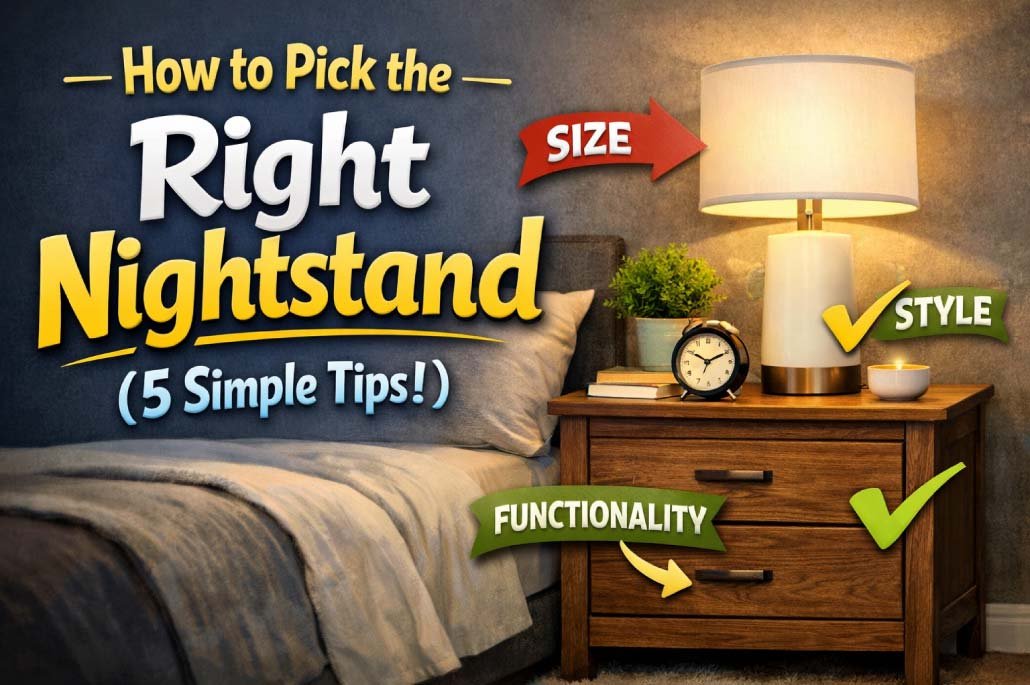
Choosing the right nightstand might seem like a small decision, but it can have a big impact on both the functionality and style of your bedroom. A well-chosen nightstand doesn’t just hold your lamp or phone—it completes your space, improves organization, and enhances your daily routine.
When I first started paying attention to bedroom design, I underestimated how important a nightstand really is. I bought one just because it “looked nice,” but within a week, I realized it was too tall, had no storage, and didn’t match my actual needs. That experience taught me that picking the right nightstand requires more thought than most people expect.
In this guide, I will walk you through five simple yet powerful tips to help you choose the perfect nightstand for your bedroom, along with practical insights from my own experience.
1. Match the Height with Your Bed
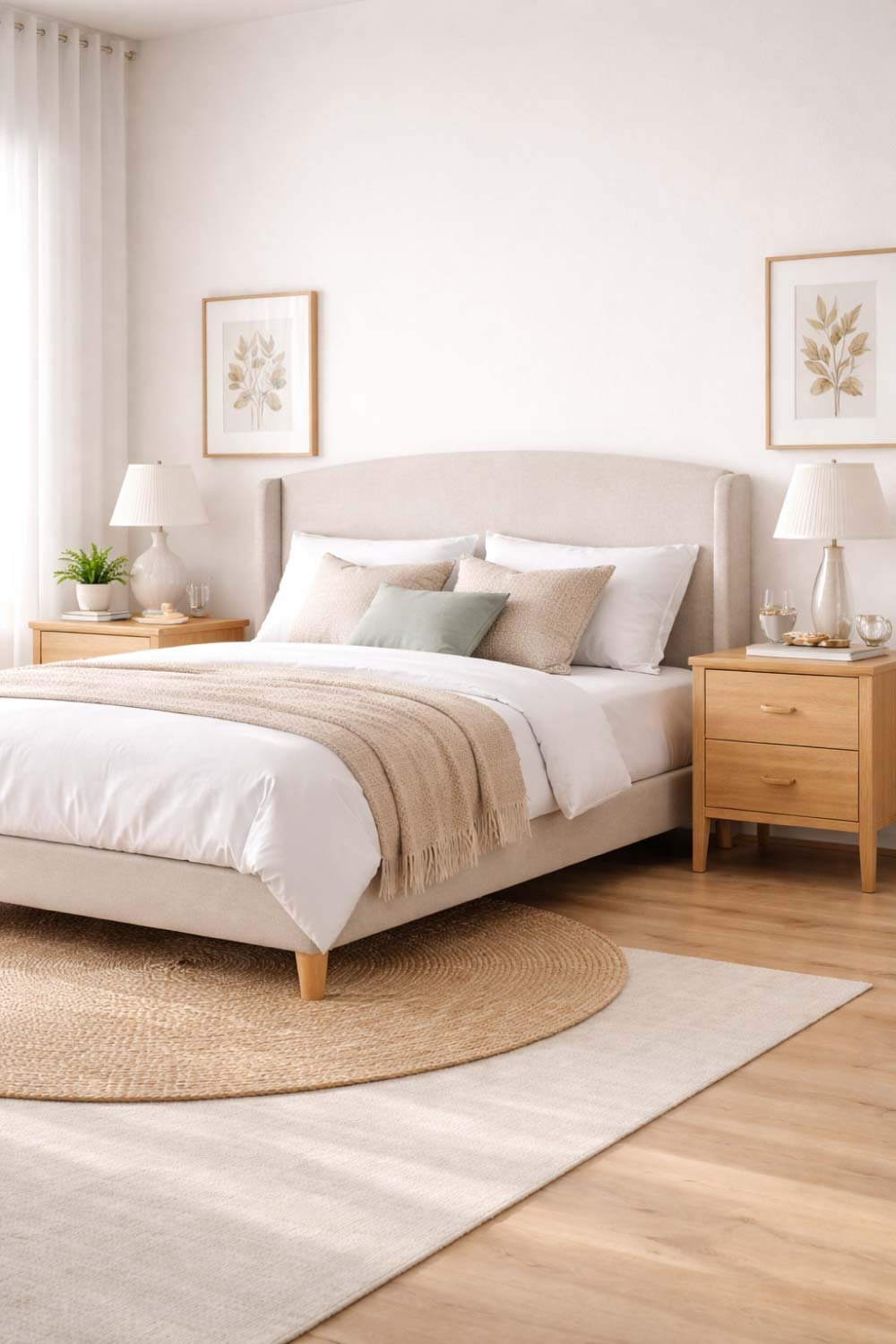
One of the most overlooked yet crucial aspects of choosing the right nightstand is its height in relation to your bed. While style, color, and material often grab most of the attention, the height of your nightstand plays a much bigger role in your daily comfort than you might think.
Why Nightstand Height Matters More Than You Think
Your nightstand is something you interact with every single day—often multiple times. Whether it’s reaching for your phone, turning off your alarm, grabbing a glass of water, or placing a book down before sleep, the height determines how natural and comfortable these actions feel.
When the height is off, even slightly, it can disrupt your routine in subtle but frustrating ways.
The Ideal Height Rule
The general rule is simple:
Your nightstand should be level with or slightly lower than the top of your mattress.
This ensures:
- Easy, natural reach without stretching or bending
- Better visibility of items placed on top
- A balanced and proportionate look in your bedroom
If your mattress sits at 24 inches high, your nightstand should ideally fall between 22–24 inches.
The Problem with a Nightstand That’s Too Low
A low nightstand might look modern and stylish, especially in minimalist or contemporary designs. However, practicality often suffers.
Common issues:
- You have to bend down repeatedly
- It strains your back and shoulders over time
- Items are harder to grab quickly
- Increased chances of knocking things over
My Experience:
I once chose a sleek, low-profile nightstand because it matched the aesthetic I was going for. It looked amazing in photos—clean, modern, and minimal.
But in real life, it quickly became annoying.
Every night, I had to lean down just to grab my phone or reach for my water glass. In the morning, turning off my alarm felt like a mini workout. It didn’t take long before the inconvenience outweighed the design appeal.
Eventually, I replaced it with a nightstand that aligned perfectly with my mattress height—and the difference was immediate. Everything felt more intuitive, smoother, and more comfortable.
Also Read:
The Problem with a Nightstand That’s Too High
On the other end of the spectrum, a nightstand that’s too tall can be equally problematic.
Issues you might face:
- Awkward arm positioning when reaching
- Items feel “too close” to your face while lying down
- Increased risk of knocking items over while sleeping
- Visually overwhelming next to the bed
A taller nightstand can dominate the space and make your bed feel smaller or out of proportion.
How to Measure the Right Height
Getting the correct height is easier than most people think.
Step-by-step:
- Measure from the floor to the top of your mattress
- Subtract 1–2 inches (optional, based on preference)
- Use that number as your ideal nightstand height
Bonus Tip:
If you use a mattress topper or plan to upgrade your mattress in the future, factor that into your measurement.
Consider Bed Types and Their Impact
Different bed styles affect height significantly.
Platform Beds:
- Typically lower to the ground
- Require shorter nightstands
Traditional Beds with Box Springs:
- Higher overall height
- Pair better with standard or taller nightstands
Adjustable Beds:
- Height may vary slightly depending on setup
- Look for flexible or mid-range height options
Thick Mattresses:
Modern mattresses can be quite tall, especially memory foam or hybrid types. These often require taller nightstands than older, thinner mattresses.
Visual Balance in Bedroom Design
Height isn’t just about function—it also impacts how your room looks.
A nightstand that aligns well with your bed:
- Creates a clean horizontal line
- Makes the room feel cohesive
- Enhances symmetry (especially with two nightstands)
If you’re aiming for a polished, designer-like bedroom, this alignment plays a big role.
What If You Already Have the Wrong Height?
Don’t worry—there are simple fixes.
If your nightstand is too low:
- Add risers underneath
- Use a stack of books or a tray for elevation
- Swap legs (in some designs)
If it’s too high:
- Use shorter legs if replaceable
- Lower your bed slightly (if adjustable)
- Repurpose it elsewhere and replace it
Pro Tip: Adjustable and Custom Options
If you want flexibility, consider:
- Adjustable-height nightstands
- Wall-mounted floating nightstands
- Custom-built options
Floating nightstands are especially useful because you can install them at the exact height you need.
Also Read:
2. Consider Your Storage Needs
While height determines comfort, storage determines functionality. A nightstand isn’t just a decorative piece—it’s a practical storage solution that can either simplify your life or contribute to clutter.
Choosing the right type of storage depends heavily on your habits, lifestyle, and how you use your bedroom space.
Why Storage Matters
Your nightstand is often the “catch-all” spot for everyday essentials. Without proper storage, it can quickly become messy and disorganized.
A well-designed nightstand helps you:
- Keep essentials within reach
- Reduce visible clutter
- Maintain a clean and calming environment
- Improve your bedtime and morning routines
Start by Understanding Your Needs
Before choosing a nightstand, ask yourself a few important questions:
- What items do I use every night?
- Do I prefer a clean, minimal surface?
- Do I need hidden storage or easy access?
- How much space do I actually have?
Your answers will guide you toward the right type.
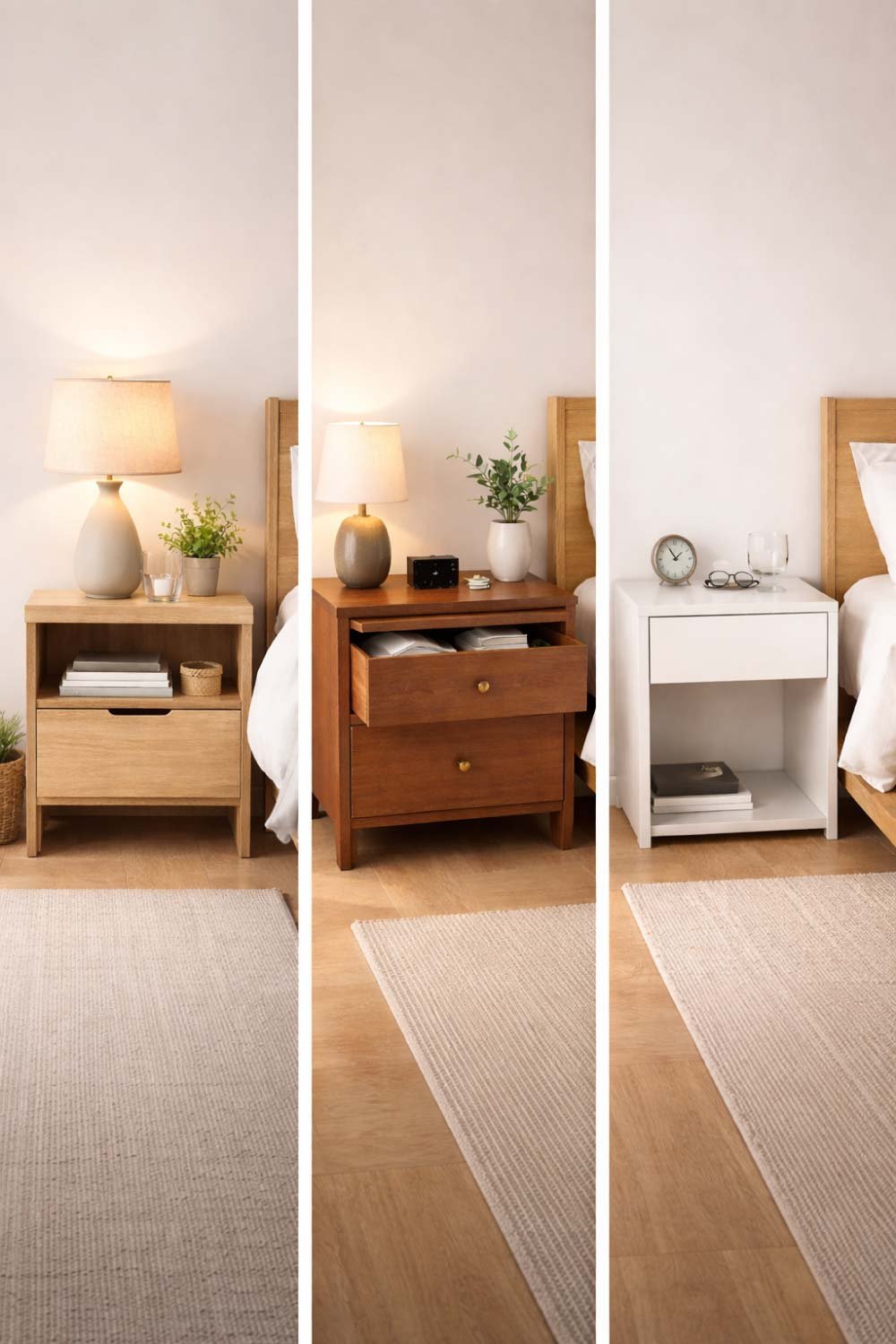
Types of Nightstands Based on Storage
1. Open Shelf Nightstands
These feature one or more open compartments.
Best for:
- People who like easy access
- Minimalist or modern spaces
- Displaying books or decor
Pros:
- Light and airy appearance
- Easy to reach items
- Visually less bulky
Cons:
- Clutter is visible
- Requires regular organization
2. Drawer Nightstands
These come with one or multiple drawers.
Best for:
- People who prefer a clean look
- Storing personal or small items
- Reducing visual clutter
Pros:
- Hidden storage
- Cleaner appearance
- Better organization
Cons:
- Slightly bulkier
- Takes more effort to access items
3. Minimal Night Tables
These are simple surfaces with little to no storage.
Best for:
- Very small bedrooms
- Minimalists
- People who only need space for essentials
Pros:
- Space-saving
- Sleek and modern
- Lightweight
Cons:
- Limited functionality
- Can lead to clutter if overloaded
My Experience:
For a long time, I used a basic nightstand with no storage—just a flat surface. At first, it seemed enough.
But over time, things started piling up:
Books, chargers, notebooks, random receipts—you name it.
It quickly turned into a cluttered mess.
Not only did it look untidy, but it also made my bedroom feel chaotic. I didn’t realize how much it was affecting my mood until I made a change.
I switched to a nightstand with two drawers.
The transformation was incredible.
Now, I keep only essentials on top—a lamp, a book, maybe my phone. Everything else goes inside the drawers.
The room instantly felt calmer, cleaner, and more organized. It even improved how relaxed I felt before going to sleep.
Also Read:
Matching Storage to Lifestyle
If you’re a reader:
Look for:
- Open shelves or larger surfaces
- Space for multiple books
If you use gadgets:
Consider:
- Drawers for chargers and cables
- Built-in charging ports (modern designs)
If you like minimalism:
Go for:
- One-drawer or no-drawer designs
- Keep only essentials visible
If you tend to clutter:
Choose:
- At least one or two drawers
- Hidden storage to maintain a clean look
Smart Storage Features to Look For
Modern nightstands come with clever features:
- Built-in USB ports
- Cable management holes
- Pull-out trays
- Soft-close drawers
- Hidden compartments
These small additions can make a big difference in usability.
Space Considerations
If your bedroom is small, bulky nightstands can make it feel cramped.
Space-saving ideas:
- Narrow nightstands
- Floating wall-mounted designs
- Multi-functional furniture
The goal is to balance storage with available space.
Organization Tips
Even with drawers, organization matters.
Try this:
- Use drawer dividers
- Keep only essential items
- Declutter regularly
- Assign each item a place
Pro Tip
If you tend to accumulate small items, always choose a nightstand with at least one drawer. It’s a simple upgrade that dramatically improves both function and appearance.
Also Read:
3. Choose the Right Size for Your Space
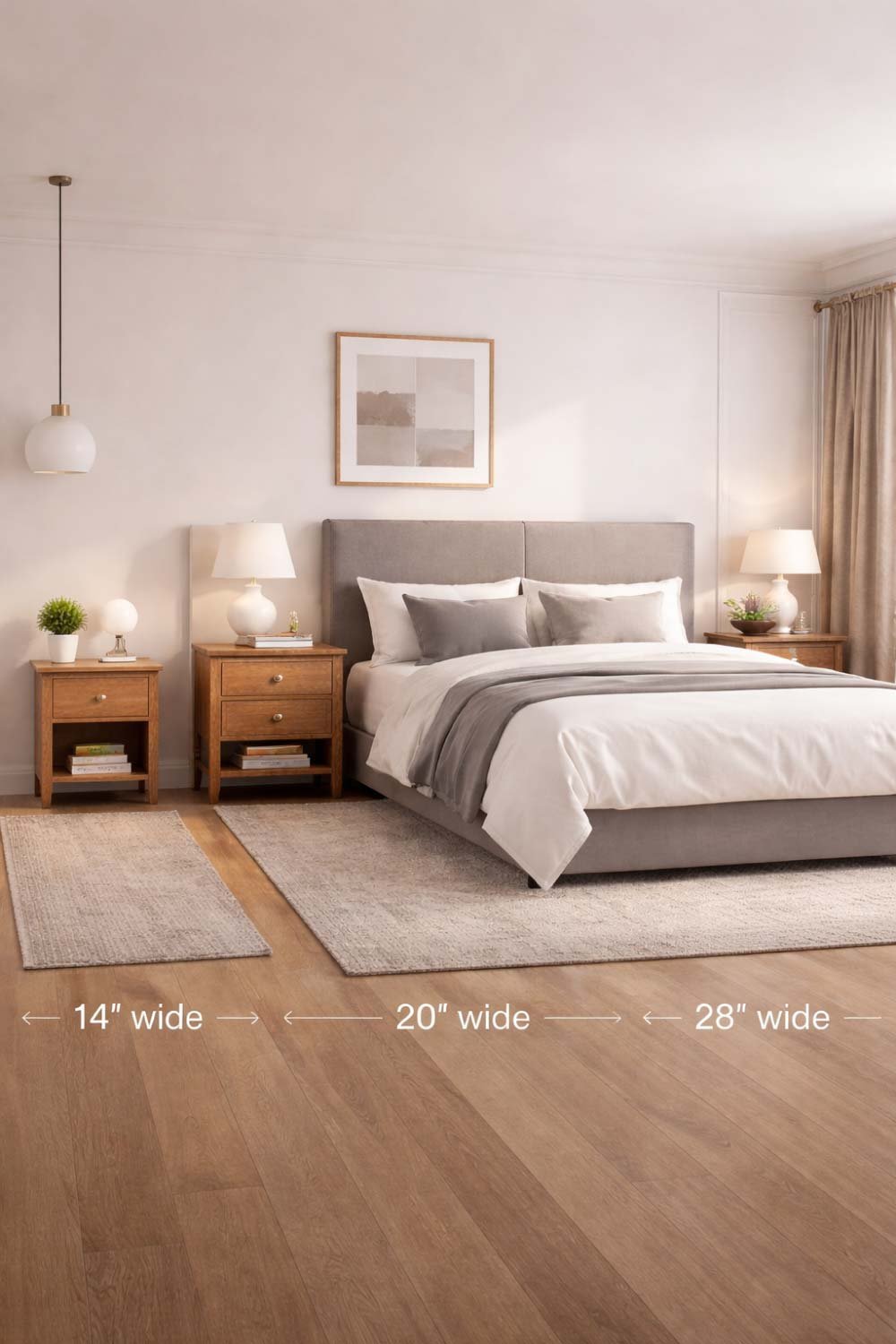
When selecting a nightstand, size is one of the most important factors—yet it’s often underestimated. Many people focus on design or storage but forget that even the most beautiful nightstand can feel completely wrong if it doesn’t fit the scale of the room.
A nightstand should complement your space, not compete with it.
Why Size Matters So Much
Your bedroom is meant to feel comfortable, open, and easy to move around in. A poorly sized nightstand can disrupt all of that.
If it’s too large:
- It makes the room feel cramped
- Blocks natural walking paths
- Overwhelms the bed visually
If it’s too small:
- It looks insignificant or out of place
- Lacks functionality
- Doesn’t provide enough usable surface area
The goal is to strike a balance between functionality and proportion.
Start with Measuring Your Space
Before you even start browsing for nightstands, take a few minutes to measure.
What to measure:
- The width between your bed and the wall
- Distance between your bed and nearby furniture (like a wardrobe or desk)
- Available walking space
Ideal spacing:
You should have enough room to:
- Walk comfortably beside your bed
- Open drawers or doors without obstruction
- Move freely without bumping into furniture
A good rule of thumb is to leave at least 24–30 inches of walking space where possible. In tighter rooms, even a few inches of clearance can make a big difference.
Proportions Matter: Match the Bed Size
Your nightstand should feel proportional to your bed.
For smaller beds (single/twin):
- Narrow nightstands (12–18 inches wide) work best
- Avoid bulky or oversized designs
For queen beds:
- Medium-sized nightstands (18–24 inches wide) offer balance
For king beds:
- Wider nightstands (24–30+ inches) can look more appropriate
A tiny nightstand next to a large bed can look awkward, while a large nightstand next to a small bed can feel overwhelming.
Also Read:
Small Bedroom? Think Smart and Compact
If you’re working with a small bedroom, every inch matters.
Best choices:
- Slim or narrow nightstands
- Floating wall-mounted designs
- Multi-functional pieces (like nightstands with storage)
Avoid:
- Wide or bulky designs
- Heavy, blocky furniture that visually crowds the room
Space-saving ideas:
- Use vertical storage (taller, narrower nightstands)
- Choose open designs to create an airy feel
- Consider corner nightstands
Large Bedroom? You Have More Freedom
In larger rooms, you can afford to be a bit more expressive.
Options include:
- Wider nightstands with extra surface space
- Statement pieces that add character
- Matching sets for symmetry
However, even in large rooms, balance is key. Oversized furniture can still feel disproportionate if not placed thoughtfully.
My Experience:
In my previous small bedroom, I made a classic mistake.
I chose a wide nightstand because I thought more surface area would make things more convenient. On paper, it sounded like a great idea—I imagined having plenty of space for my lamp, books, phone, and other essentials.
But once I placed it next to my bed, reality hit.
The room immediately felt tighter. Moving around became slightly awkward. It even blocked part of the natural walking path, which I hadn’t considered before.
What surprised me most was how much it affected the overall feel of the room. It no longer felt relaxing—it felt crowded.
Eventually, I switched to a narrower, more compact nightstand.
The difference was incredible.
The room instantly felt more open, breathable, and comfortable. Movement improved, and visually, everything looked more balanced.
That experience taught me that bigger isn’t always better—especially in small spaces.
Also Read:
20 Budget Bedroom DIY Ideas to Transform Your Space Affordably
Visual Weight vs Physical Size
Sometimes, a nightstand might not be physically large but can still feel “heavy.”
Factors that affect visual weight:
- Dark colors
- Thick materials
- Solid, blocky designs
To create a lighter feel:
- Choose lighter colors (white, beige, light wood)
- Opt for open or leggy designs
- Use glass or metal accents
This is especially useful in smaller bedrooms.
Placement Tips for Better Flow
Where you place your nightstand also impacts how it feels.
Keep in mind:
- Align it neatly with your bed
- Avoid pushing it too close to walls
- Ensure drawers can open fully
Pro Tip:
Always leave a few inches of space between your nightstand and nearby walls or furniture. Even a small gap improves movement and makes the room feel less cramped.
Also Read:
4. Match Your Bedroom Style
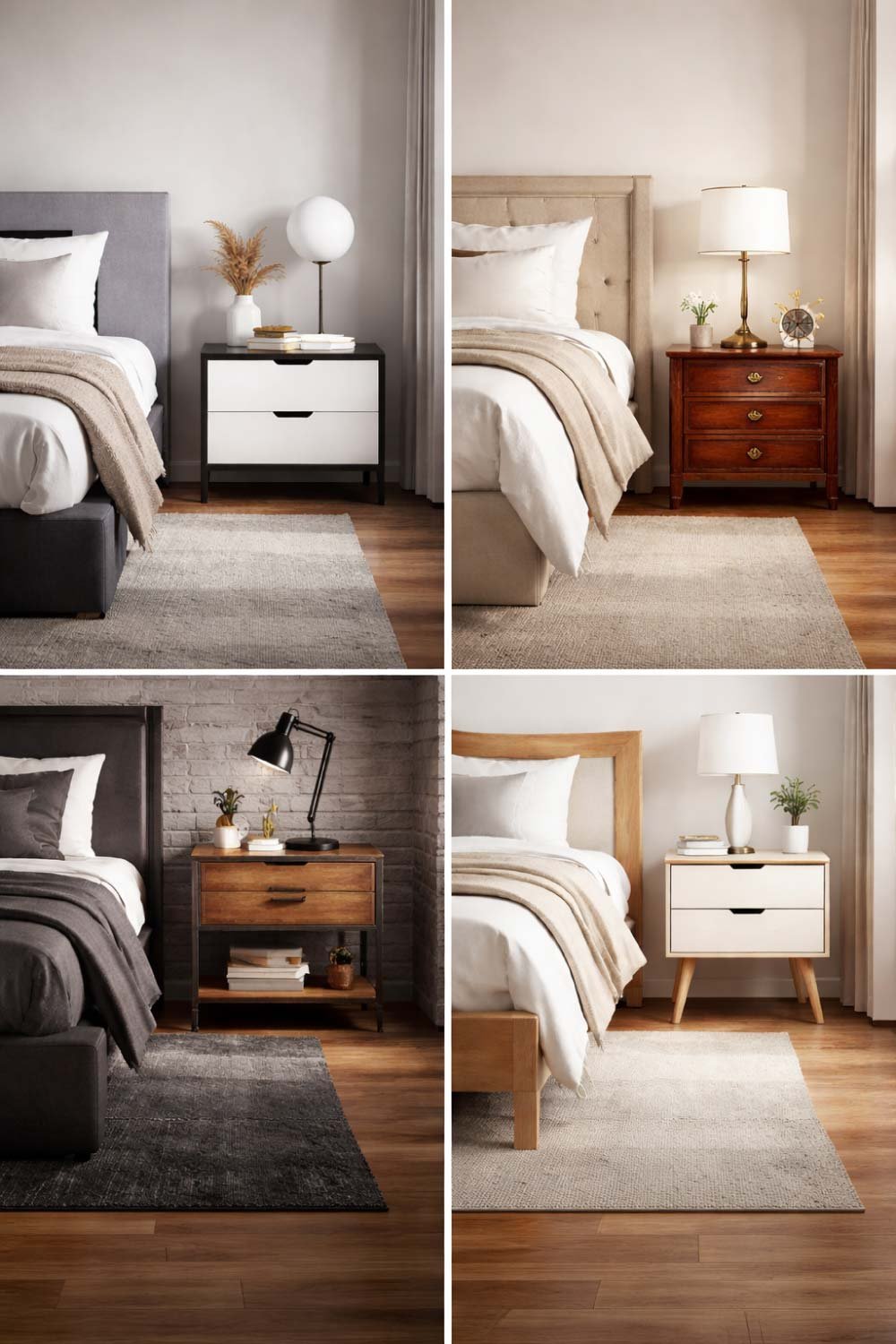
A nightstand is more than just a functional piece—it’s part of your bedroom’s overall design story. Even if everything else in your room looks perfect, a mismatched nightstand can disrupt the entire aesthetic.
The key is to create visual harmony.
Why Style Consistency Matters
Your bedroom should feel cohesive and intentional. When all elements work together, the space feels:
- Calm and relaxing
- Visually appealing
- Well-designed and put-together
When styles clash, the room can feel:
- Disjointed
- Confusing
- Less polished
Understanding Popular Nightstand Styles
Let’s explore some common styles so you can identify what suits your space.
1. Modern Style
- Clean lines
- Minimal details
- Neutral colors (black, white, gray)
Perfect for:
- Contemporary bedrooms
- Sleek, uncluttered spaces
2. Traditional Style
- Rich wood finishes
- Classic shapes and detailing
- Warm tones
Perfect for:
- Elegant, timeless interiors
- Cozy, classic bedrooms
3. Industrial Style
- Combination of metal and wood
- Raw, unfinished look
- Dark or rustic tones
Perfect for:
- Urban or loft-style spaces
- Bold, edgy interiors
4. Scandinavian Style
- Light colors
- Simple, functional design
- Natural materials
Perfect for:
- Minimalist lovers
- Bright and airy bedrooms
What Should Your Nightstand Match?
You don’t need an exact match, but you should aim for consistency in:
1. Bed Frame
Your nightstand sits right next to your bed, so they should complement each other.
2. Color Palette
Stick to similar tones or colors that blend well together.
3. Materials
If your room features wood, metal, or glass, try to repeat those elements.
My Experience:
At one point, I made a styling mistake that completely changed how my bedroom felt.
I had a sleek, modern bed with clean lines and a neutral color palette. It looked minimal and elegant—exactly the vibe I wanted.
But I paired it with a rustic wooden nightstand.
Individually, both pieces looked great.
Together? Not so much.
The nightstand felt out of place, almost like it belonged in a different room. The contrast wasn’t intentional—it just looked mismatched.
It bothered me more than I expected.
Eventually, I replaced it with a modern-style nightstand that matched the bed’s aesthetic.
The transformation was immediate.
Suddenly, the room felt cohesive, balanced, and visually pleasing. It looked like everything belonged together.
That experience taught me that style harmony makes a huge difference—even if you can’t immediately explain why.
Also Read:
Mixing Styles the Right Way
If you like mixing styles, it’s absolutely possible—but it needs to be intentional.
Tips for successful mixing:
- Stick to a consistent color palette
- Repeat materials across the room
- Balance bold pieces with simpler ones
For example:
A modern bed + industrial nightstand can work if both share similar tones or materials.
Small Details That Make a Big Impact
Sometimes, it’s the little things that tie everything together:
- Matching hardware (handles, knobs)
- Similar finishes (matte, glossy, natural)
- Coordinated decor (lamps, books, accessories)
Pro Tip:
You don’t need everything to match perfectly. Instead, aim for harmony in color, texture, and overall style. Think of your bedroom as a coordinated look—not a matching set.
Also Read:
5. Think About Functionality & Lifestyle
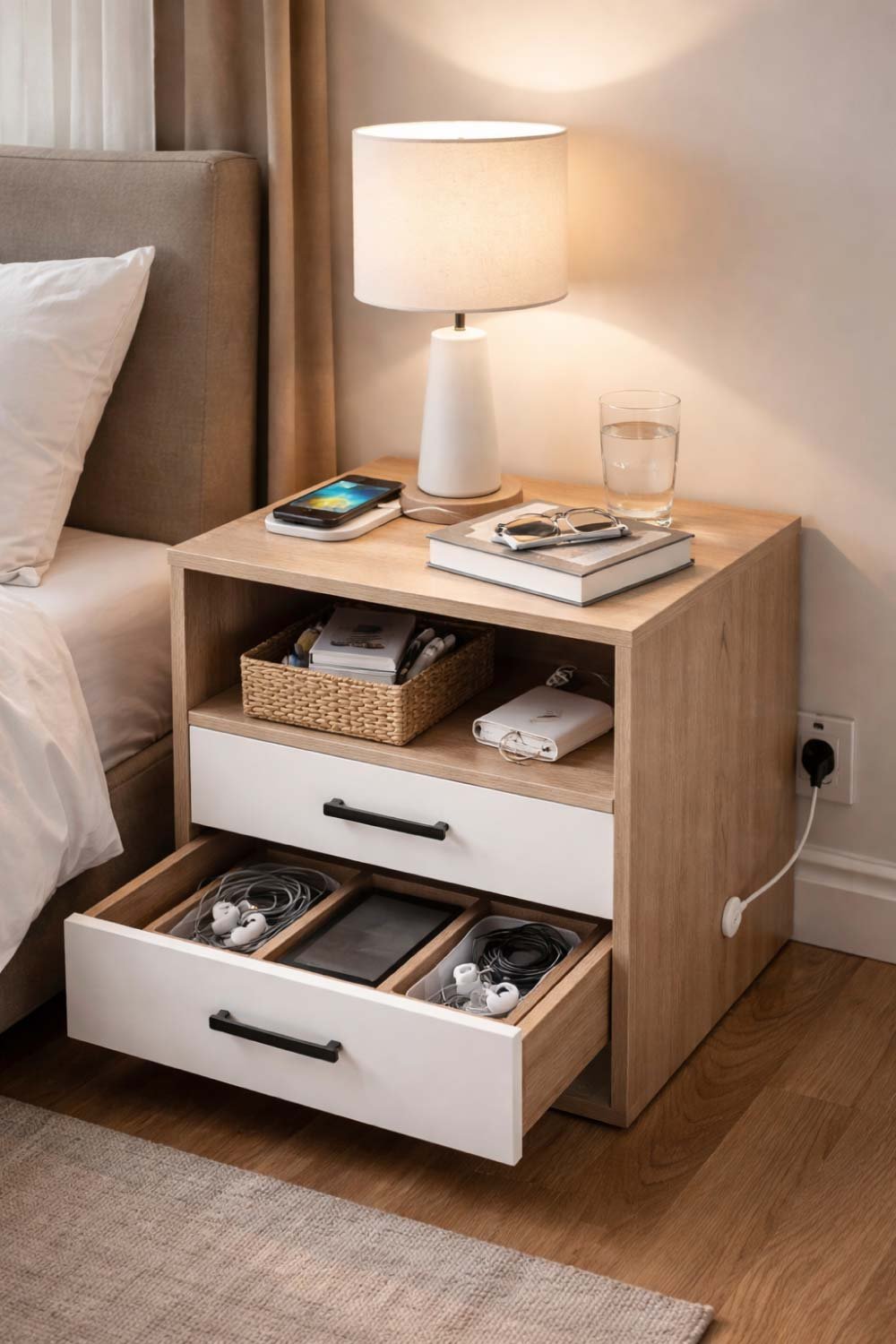
At the end of the day, your nightstand should work for you. No matter how stylish or well-sized it is, if it doesn’t support your daily habits, it won’t feel right.
Your lifestyle should guide your choice.
Why Functionality Comes First
Your nightstand is part of your daily routine—from the moment you wake up to the moment you go to sleep.
It should make your life easier, not harder.
A functional nightstand helps you:
- Stay organized
- Access essentials quickly
- Maintain a smooth bedtime routine
- Reduce stress and clutter
Understand Your Daily Habits
Start by thinking about how you actually use your nightstand.
Ask yourself:
- Do I use my phone in bed?
- Do I read before sleeping?
- Do I keep water nearby?
- Do I need space for a lamp?
- Do I charge devices overnight?
Your answers will determine what features you need.
Key Features to Look For
1. Surface Space
Make sure there’s enough room for:
- A lamp
- Your phone
- A book or notebook
- A glass of water
2. Charging Options
Modern nightstands often include:
- Built-in USB ports
- Power outlets
These are especially useful if you use multiple devices.
3. Cable Management
Messy cables can ruin the look of your space.
Look for:
- Built-in holes for cables
- Hidden compartments
4. Storage Options
Drawers or shelves help keep things organized and out of sight.
5. Sturdy Build
A stable nightstand prevents accidents—especially important for items like lamps or water glasses.
My Experience:
I didn’t realize how important functionality was until my lifestyle changed.
At one point, I started working late nights from bed. My nightstand suddenly became more than just a place for a lamp—it became a mini workspace.
I needed space for:
- My phone
- Charger
- Notebook
- Glass of water
My old nightstand couldn’t handle it.
It felt cramped, messy, and inconvenient.
So I upgraded to one with:
- A wider top surface
- Drawer storage
- Space for organizing cables
The improvement was immediate.
Everything had its place. My routine became smoother, and I no longer had to search for things in the dark.
It made a bigger difference than I expected.
Also Read:
Lifestyle-Based Recommendations
If you’re a reader:
- Choose a larger surface
- Add a lamp-friendly design
If you’re tech-heavy:
- Look for charging ports
- Ensure good cable management
If you prefer minimalism:
- Keep it simple with limited storage
- Focus on essentials only
If you like organization:
- Choose drawers or compartments
- Keep surfaces clutter-free
Creating a Better Night Routine
A well-designed nightstand can actually improve your sleep habits.
How:
- Keeps essentials within reach
- Reduces clutter (which can reduce stress)
- Supports a calm, organized environment
Pro Tip:
Think about what you reach for right before sleeping and right after waking up. Your nightstand should support those exact actions.
Bonus Tip: Don’t Forget Lighting
While technically not part of the nightstand itself, lighting plays a crucial role.
Pair your nightstand with:
- A bedside lamp
- Wall-mounted light (for small spaces)
- Adjustable reading light
My Experience:
I once had a beautiful nightstand but no proper lighting. I had to rely on overhead lights, which felt harsh at night.
Adding a small bedside lamp made a huge difference—it created a cozy atmosphere and made nighttime reading much more enjoyable.
Final Thoughts
Picking the right nightstand is about more than just appearance—it’s about comfort, practicality, and how well it fits into your daily life.
Quick Recap of the 5 Tips:
- Match the height with your bed
- Consider your storage needs
- Choose the right size for your space
- Match your bedroom style
- Think about functionality and lifestyle
My Overall Experience:
Over time, I’ve learned that even small furniture choices can make a big difference. The right nightstand improved not just the look of my bedroom, but also how I use the space every day.
Now, my nightstand holds exactly what I need—nothing more, nothing less—and everything is within easy reach. It may seem like a minor detail, but it plays a major role in creating a comfortable and organized bedroom.
Also Read: