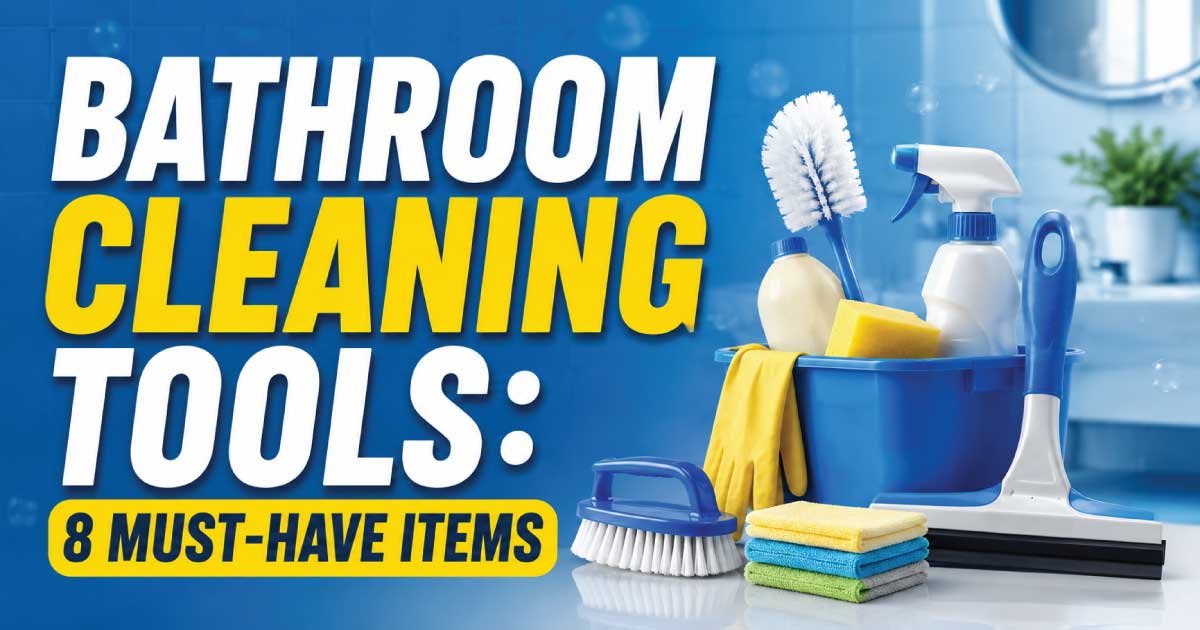
A clean bathroom is essential for maintaining a healthy and comfortable home. Bathrooms collect moisture, soap residue, hard water stains, bacteria, and unpleasant odors more quickly than many other areas of the house. While regular cleaning habits are important, having the right bathroom cleaning tools can make the process faster, easier, and more effective.
Using suitable tools not only improves cleaning results but also protects bathroom surfaces from unnecessary damage. From removing stubborn stains on tiles to keeping mirrors streak-free, each tool has a specific purpose. Whether you are doing a quick daily cleanup or a deep bathroom cleaning session, these eight must-have items can help you maintain a fresh and hygienic space.
1. Toilet Brush and Holder
The toilet is one of the most important areas to clean regularly because it can contain harmful germs and bacteria. A high-quality toilet brush helps remove stains, buildup, and residue from the bowl without requiring excessive scrubbing.
A toilet brush with firm but flexible bristles can reach under the rim and into difficult areas. A holder is equally important because it keeps the brush stored properly and prevents water from spreading around the bathroom floor.
Key Features to Look For
- Durable and flexible bristles
- Comfortable handle grip
- Rust-resistant holder
- Quick-drying design
- Easy-to-clean materials
Modern toilet brushes often come with silicone heads that are easier to rinse and less likely to trap dirt compared to traditional nylon brushes.
2. Microfiber Cleaning Cloths
Microfiber cloths are among the most useful bathroom cleaning tools because they can clean multiple surfaces without leaving scratches. They are especially effective for mirrors, countertops, faucets, and glass shower doors.
Unlike regular cotton towels, microfiber cloths attract dust and absorb moisture more efficiently. They also require less cleaning product because their fine fibers capture dirt effectively.
Common Uses of Microfiber Cloths
| Bathroom Area | Cleaning Purpose |
|---|---|
| Mirrors | Removes fingerprints and water marks |
| Faucets | Removes soap residue and fingerprints |
| Countertops | Cleans dust and spills |
| Shower doors | Reduces streaks and water spots |
| Cabinets | Removes surface dirt |
Keeping separate microfiber cloths for different bathroom areas is recommended. For example, use one cloth for sinks and another for toilets to maintain better hygiene.
3. Grout Cleaning Brush
Tile grout is one of the hardest bathroom areas to keep clean. Because grout lines are porous, they easily collect soap scum, mold, and dirt. A specialized grout cleaning brush makes it easier to remove buildup from narrow spaces.
A grout brush is smaller than a regular scrub brush and usually has angled bristles that fit between tiles.
Benefits of Using a Grout Brush
- Reaches tight spaces between tiles
- Removes stubborn dirt effectively
- Helps prevent mold growth
- Protects tile surfaces from excessive scrubbing
For best results, apply a suitable bathroom cleaner or a mild cleaning solution before scrubbing. Regular grout cleaning also helps maintain the original appearance of tiled surfaces.
4. Bathroom Scrub Brush
A bathroom scrub brush is a versatile tool designed for cleaning tough areas such as shower floors, bathtubs, sinks, and tiles. It provides stronger scrubbing power than a cloth and helps remove soap scum and mineral deposits.
Different brush shapes serve different purposes. A larger brush works well for floors and walls, while smaller brushes are useful for corners and fixtures.
Important Features
- Strong but non-damaging bristles
- Comfortable handle
- Water-resistant construction
- Suitable size for different surfaces
A good scrub brush reduces the amount of effort required when dealing with stubborn bathroom stains.
5. Squeegee for Shower Glass
A shower squeegee is a simple tool that can significantly reduce bathroom cleaning time. It removes excess water from glass shower doors, tiles, and walls after every shower.
Leaving water droplets on surfaces can lead to mineral deposits and water stains. Using a squeegee daily prevents buildup and keeps shower areas looking cleaner.
Why a Shower Squeegee Is Useful
- Prevents water spots
- Reduces soap scum buildup
- Keeps glass surfaces clearer
- Makes deep cleaning easier
For the best results, choose a squeegee with a flexible rubber blade and a comfortable handle. Hanging it inside the shower makes daily use convenient.
6. Spray Bottle for Cleaning Solutions
A spray bottle is an essential tool for organizing and applying bathroom cleaning products. It allows you to distribute cleaning solutions evenly across surfaces while reducing product waste.
Many homeowners use spray bottles for homemade cleaning mixtures or diluted commercial cleaners.
Advantages of a Quality Spray Bottle
| Feature | Benefit |
| Adjustable nozzle | Controls spray pattern |
| Durable plastic | Prevents leaks and damage |
| Clear design | Shows remaining solution level |
| Comfortable trigger | Makes cleaning easier |
Always label spray bottles clearly, especially when storing different cleaning solutions. Avoid mixing chemicals unless the product instructions specifically allow it.
7. Rubber Gloves
Rubber gloves are an important safety tool for bathroom cleaning. They protect your hands from cleaning chemicals, bacteria, and dirty surfaces.
Frequent exposure to cleaning products can dry out or irritate skin. Wearing gloves creates a protective barrier while allowing you to clean more comfortably.
What to Consider When Choosing Gloves
- Proper hand size
- Waterproof material
- Comfortable inner lining
- Strong resistance to tears
- Easy movement while cleaning
Reusable rubber gloves are a practical choice because they can be washed and stored for future cleaning tasks.
8. Mop and Bucket
A mop and bucket are necessary for keeping bathroom floors clean and sanitary. Bathroom floors often collect water, hair, dust, and cleaning residue, especially in areas near showers and sinks.
A suitable mop helps remove dirt from large floor areas quickly and prevents slippery surfaces.
Types of Bathroom Mops
| Mop Type | Best Use |
| Microfiber mop | Everyday cleaning |
| Spin mop | Quick water removal |
| Flat mop | Small bathrooms and tight spaces |
| Steam mop | Deep cleaning without chemicals |
Choose a mop that is easy to squeeze and maintain. Cleaning the mop after each use prevents bacteria growth and unpleasant smells.
How to Organize Your Bathroom Cleaning Tools
Having the right tools is helpful, but proper organization makes cleaning more efficient. Store your bathroom cleaning supplies in a designated area where they are easy to access.
Simple Organization Tips
- Keep frequently used tools together
- Allow brushes and mops to dry completely
- Store cleaning products away from children and pets
- Replace worn-out tools regularly
- Wash reusable items after use
A small cleaning caddy can be useful because it allows you to carry all essential supplies from one room to another.
Essential Bathroom Cleaning Tool Checklist
| Tool | Main Purpose |
| Toilet brush | Cleans toilet bowls |
| Microfiber cloths | Wipes and polishes surfaces |
| Grout brush | Cleans tile lines |
| Scrub brush | Removes tough stains |
| Shower squeegee | Prevents water spots |
| Spray bottle | Applies cleaning solutions |
| Rubber gloves | Protects hands |
| Mop and bucket | Cleans bathroom floors |
Conclusion
Maintaining a clean bathroom becomes much easier when you have the right cleaning tools available. Items such as toilet brushes, microfiber cloths, grout brushes, scrub brushes, squeegees, spray bottles, gloves, and mops each play an important role in keeping different surfaces clean and hygienic.
Investing in quality bathroom cleaning tools saves time, improves cleaning results, and helps prevent long-term problems such as mold, stains, and buildup. With these eight essential items, regular bathroom maintenance becomes a simpler and more manageable task.