
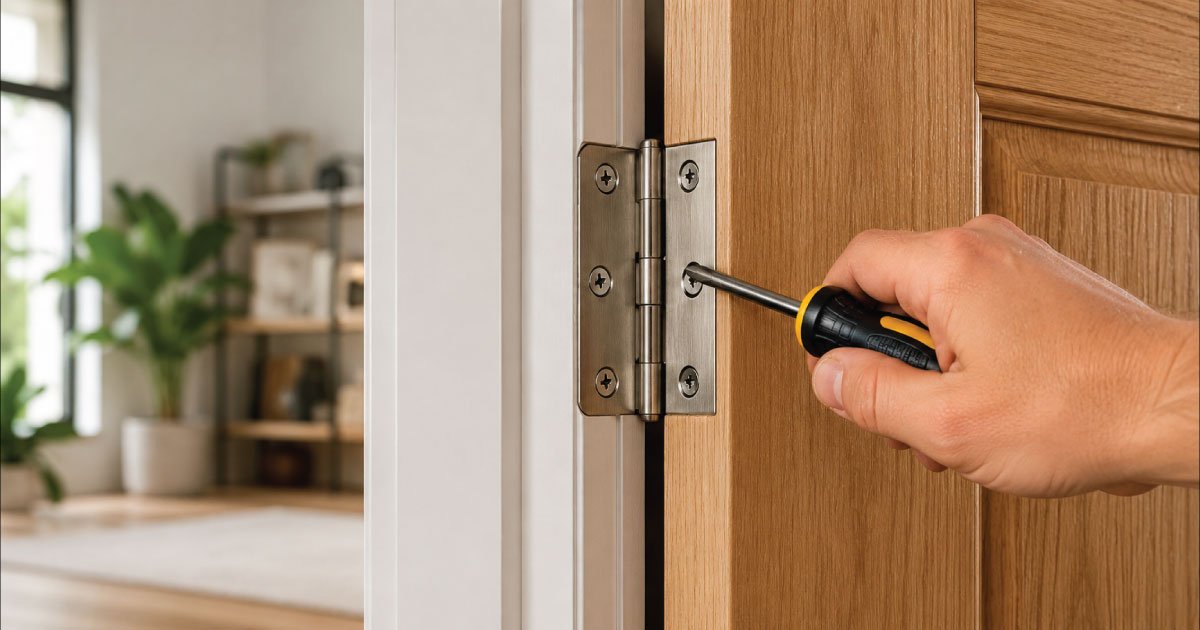
A loose door hinge might seem like a minor inconvenience, but over time it can lead to bigger problems misaligned doors, annoying squeaks, scraping floors, or even damage to the door frame. Whether it’s a bedroom door that won’t close properly or a front door that feels unstable, tightening door hinges is a simple and effective fix you can do yourself without calling a professional.
In this guide, we’ll walk you through everything you need to know about tightening door hinges, from identifying the problem to fixing it step by step. Even if you have no prior DIY experience, this blog will help you handle the task with confidence.
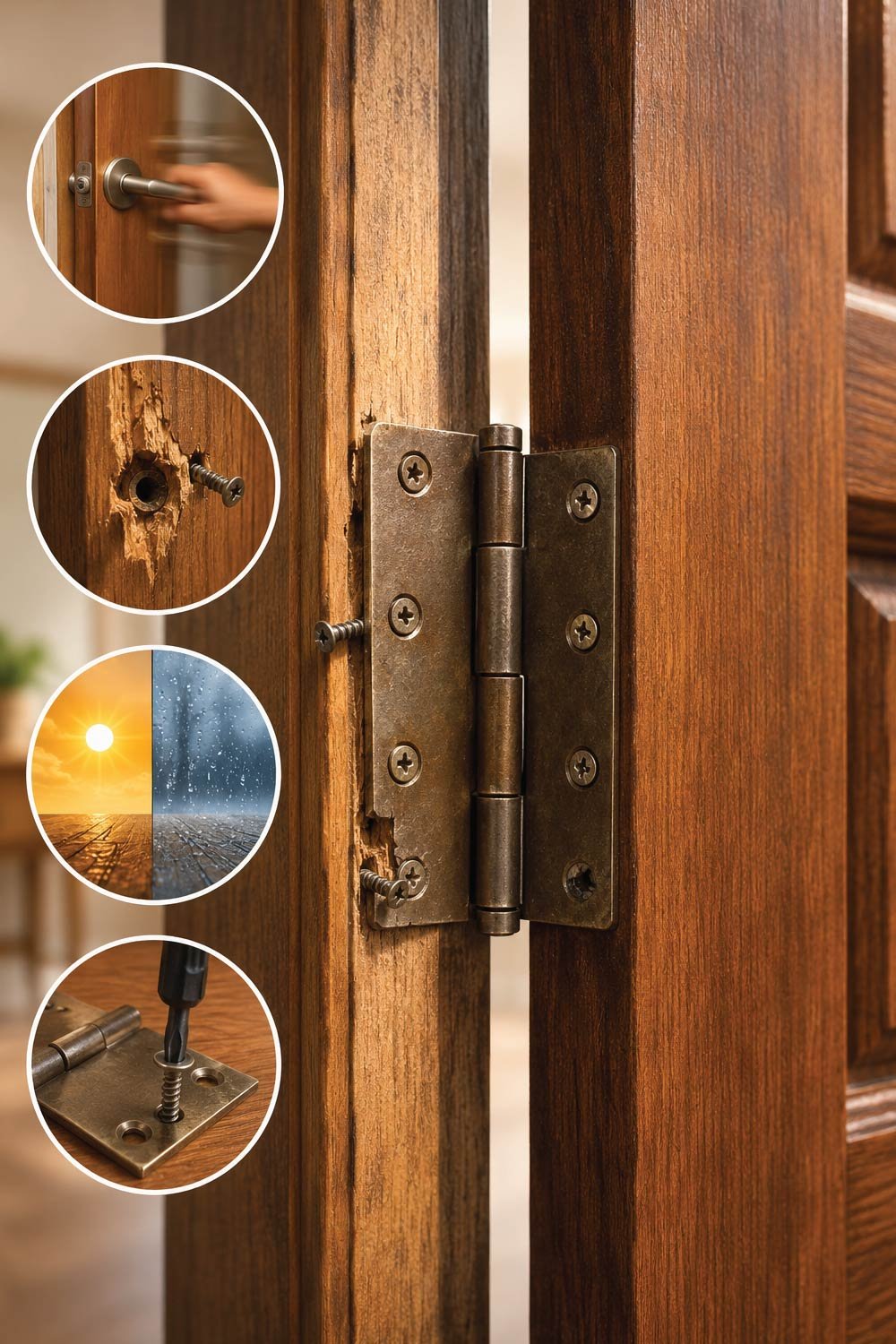
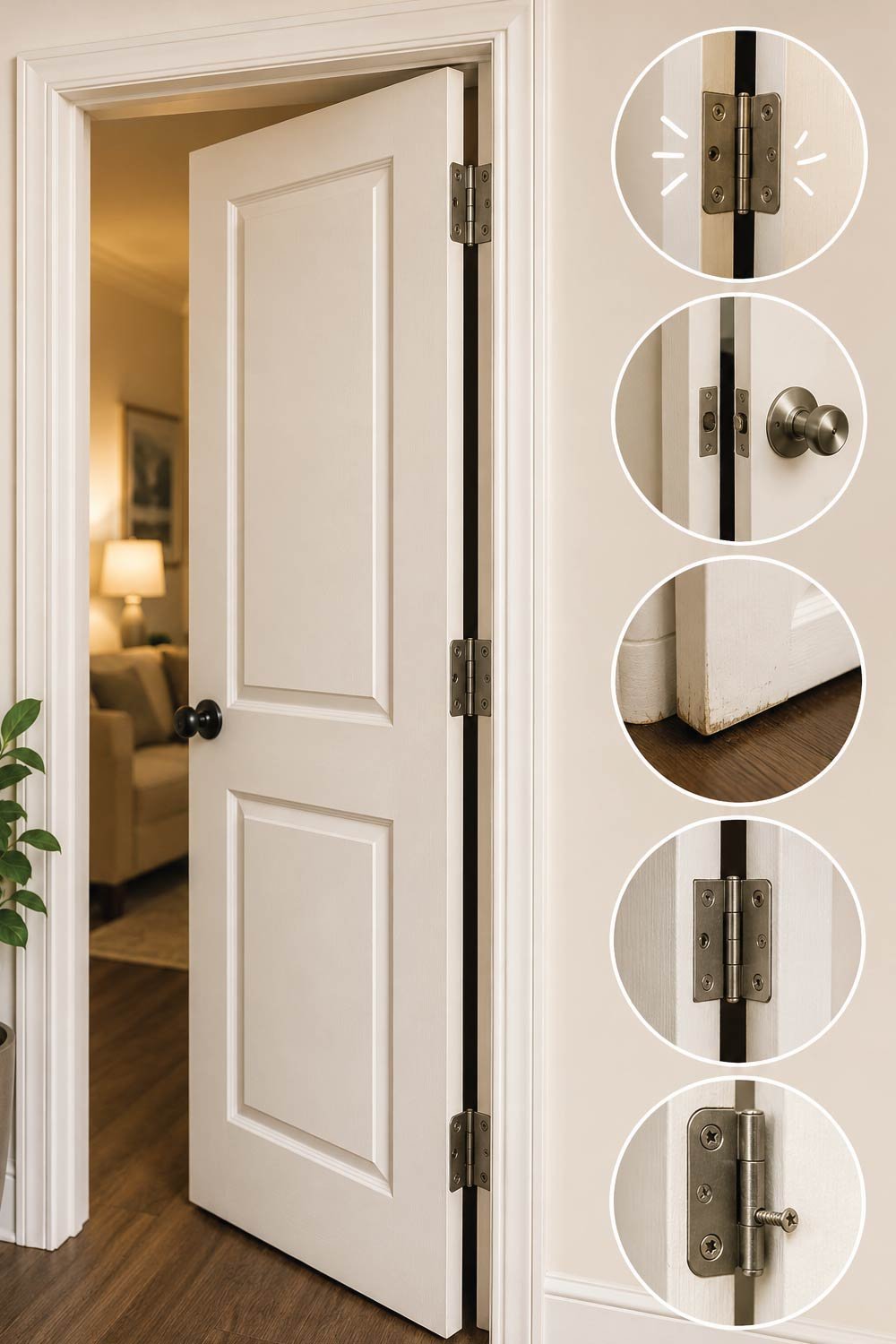
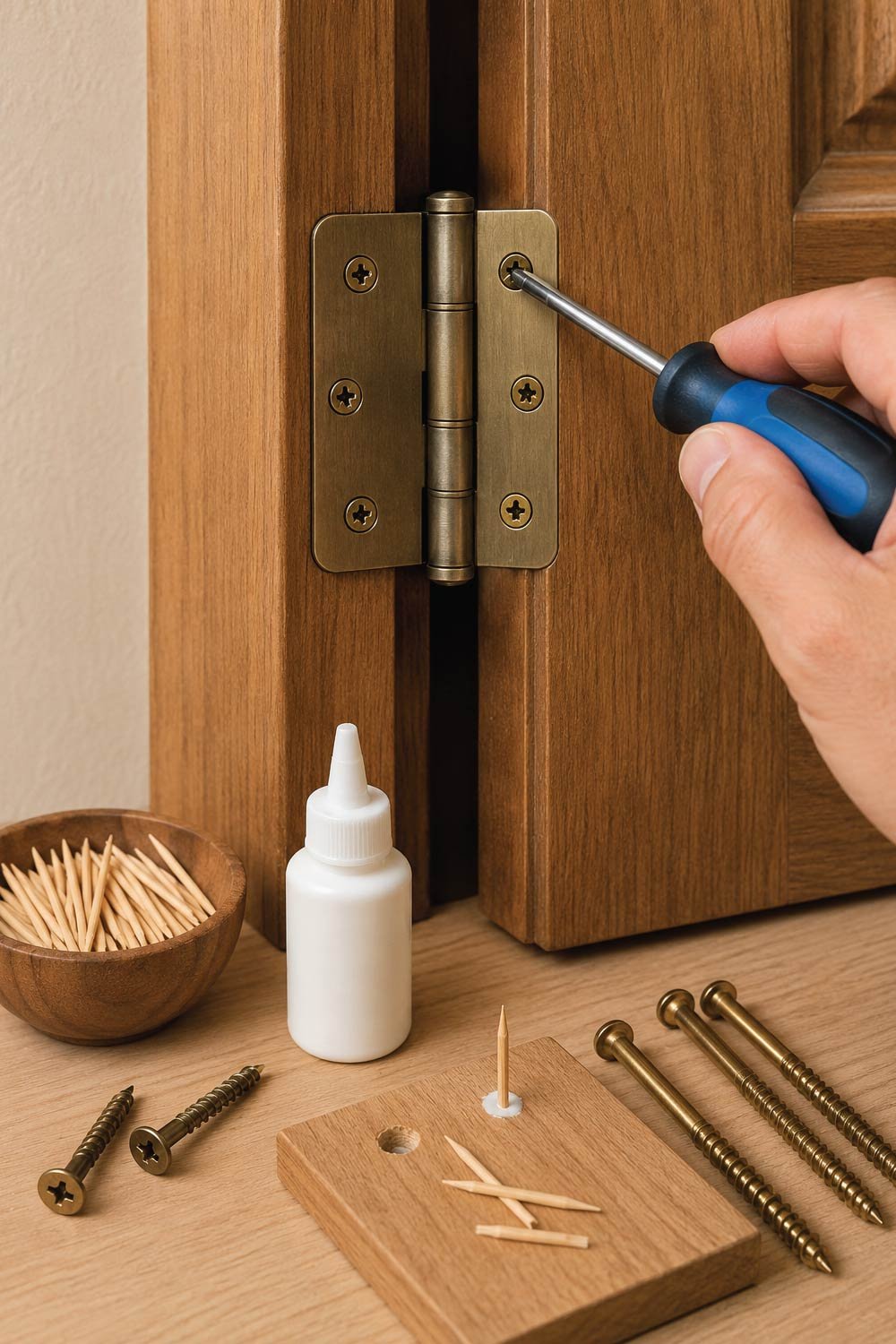
m, so inspect all of them carefully.
When to Replace Door Hinges
While tightening and minor repairs can solve most hinge issues, there are situations where replacement becomes necessary. Damaged or worn-out hinges can affect door performance and safety. Knowing when to replace them ensures your door remains functional, stable, and long-lasting without recurring problems.
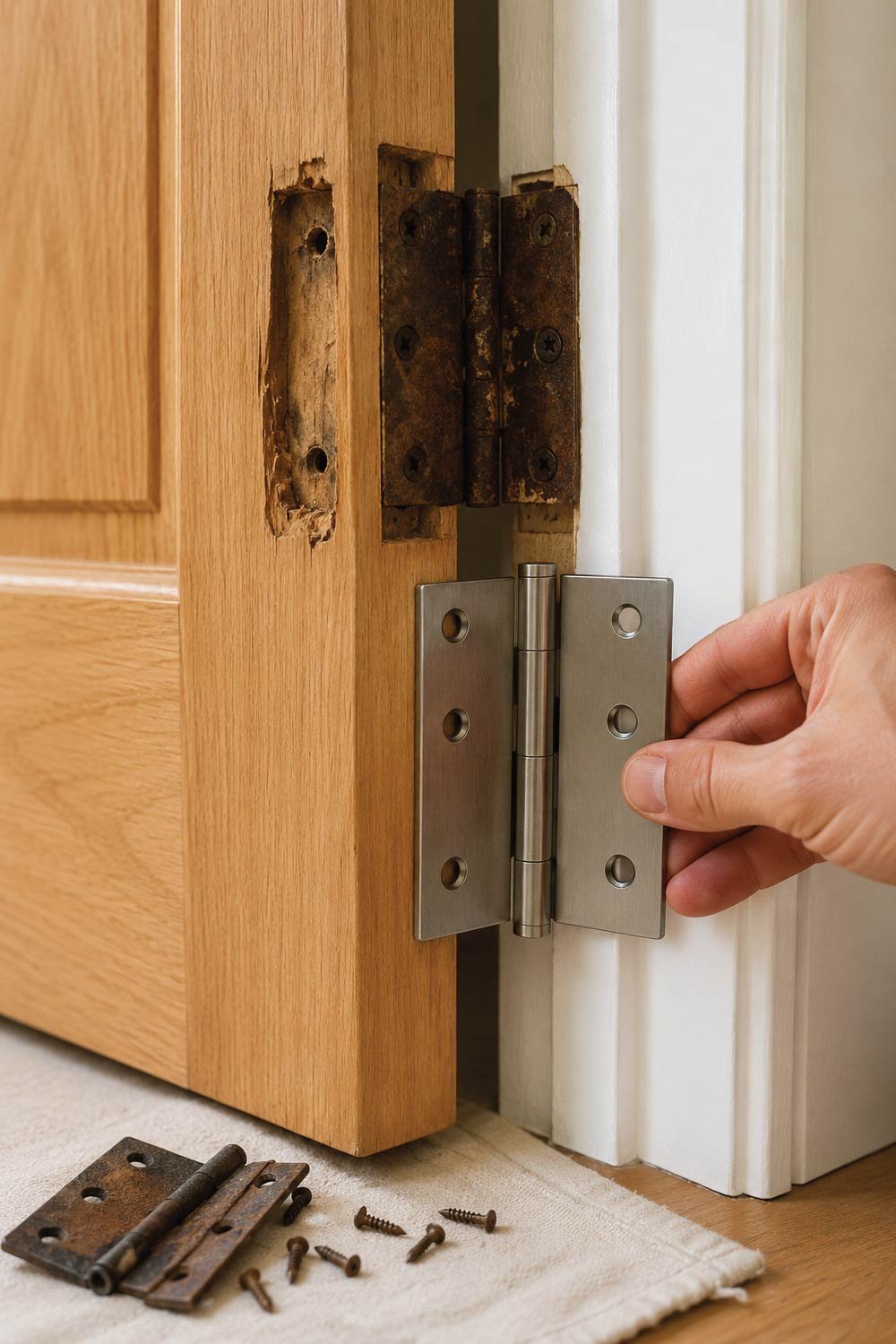
Clear Signs You Need Replacement
Certain conditions indicate that hinges can no longer be fixed with simple adjustments. Recognizing these signs early helps you avoid further damage to the door or frame.
Irreparable Hinge Issues
These problems usually mean the hinge has reached the end of its lifespan and should be replaced for better performance and reliability.
- Hinges are bent or damaged
- Rust is affecting movement
- Screws no longer hold even after repairs
Replacing hinges is still a manageable DIY task and often improves door performance significantly.
Tips for Long-Term Maintenance
Proper maintenance is essential to keep door hinges working smoothly over time. With a few simple habits, you can prevent loosening, reduce wear and tear, and extend the life of your hinges without frequent repairs or replacements.
Simple Maintenance Practices
Regular care and attention can make a big difference in hinge performance. Following these easy practices helps maintain stability and ensures your door operates quietly and efficiently.
Habits for Lasting Performance
Incorporating these small actions into your routine can save time, effort, and money by avoiding major hinge problems in the future.
- Check hinges every few months
- Tighten screws as soon as they loosen
- Keep hinges clean and lubricated
- Avoid slamming doors
- Use high-quality screws and hardware
A little maintenance goes a long way in preventing bigger problems.
Also Read:
How to Fix Cracks in Ceiling? Complete Guide About Ceiling Cracks Repair
Final Thoughts
Tightening a door hinge is one of those simple home repairs that can make a big difference. It improves functionality, eliminates noise, and prevents long-term damage to your doors and frames. Best of all, it’s a quick DIY task that requires minimal tools and effort.
By following the steps in this guide, you can confidently fix loose hinges and keep your doors working smoothly. Whether you’re a homeowner, renter, or DIY enthusiast, this is a handy skill worth mastering.
So the next time your door starts sagging or squeaking, don’t ignore it—grab a screwdriver and fix it in minutes.