
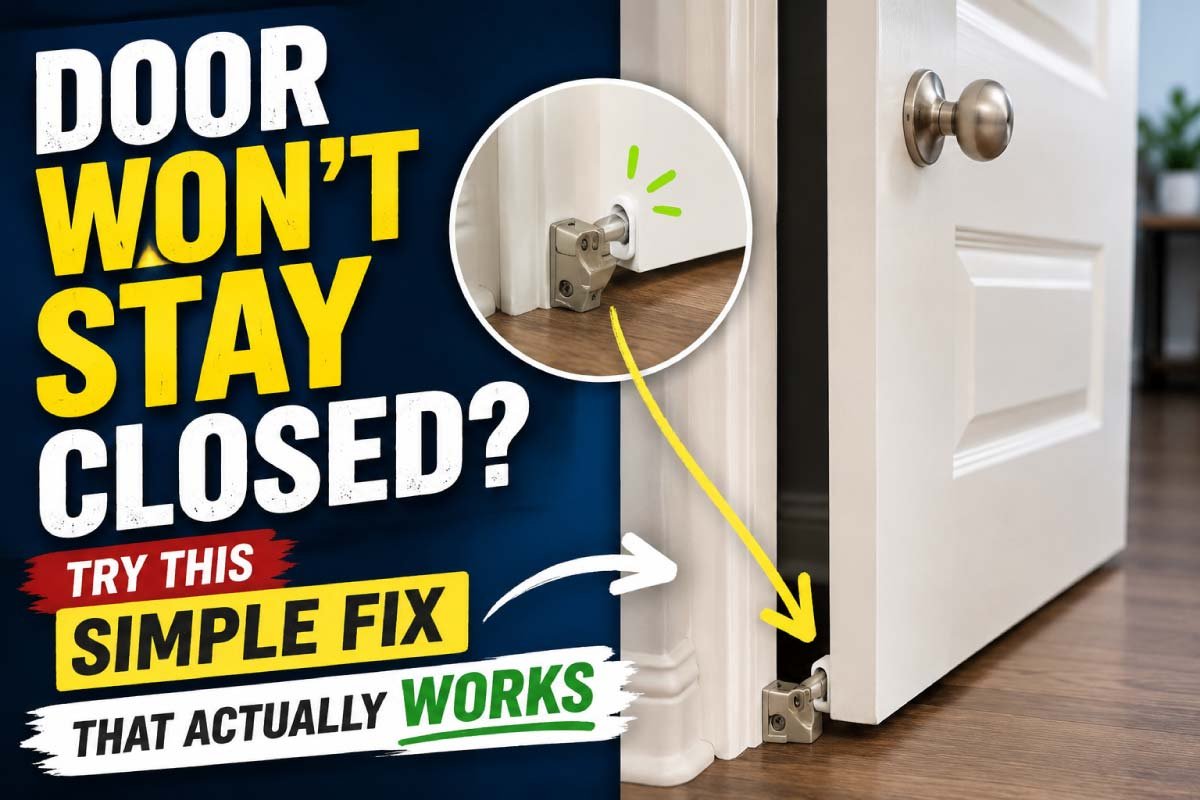
Door Won’t Stay Closed? Try This Simple Fix That Actually Works

A door that refuses to stay closed might seem like a small annoyance at first, but over time it can become a constant frustration. You shut it, it swings back open. You close it again, it pops right out of the latch. Sometimes it even rattles in the frame or slowly creeps open on its own.

The good news is that this problem is usually not serious. In most cases, you don’t need to replace the door or call a professional. A simple adjustment or low-cost fix can solve it in minutes.

In this guide, we will break down why doors stop staying closed and walk through practical, easy solutions you can do at home—even if you have no repair experience.
Why Your Door Won’t Stay Closed

Stay Closed

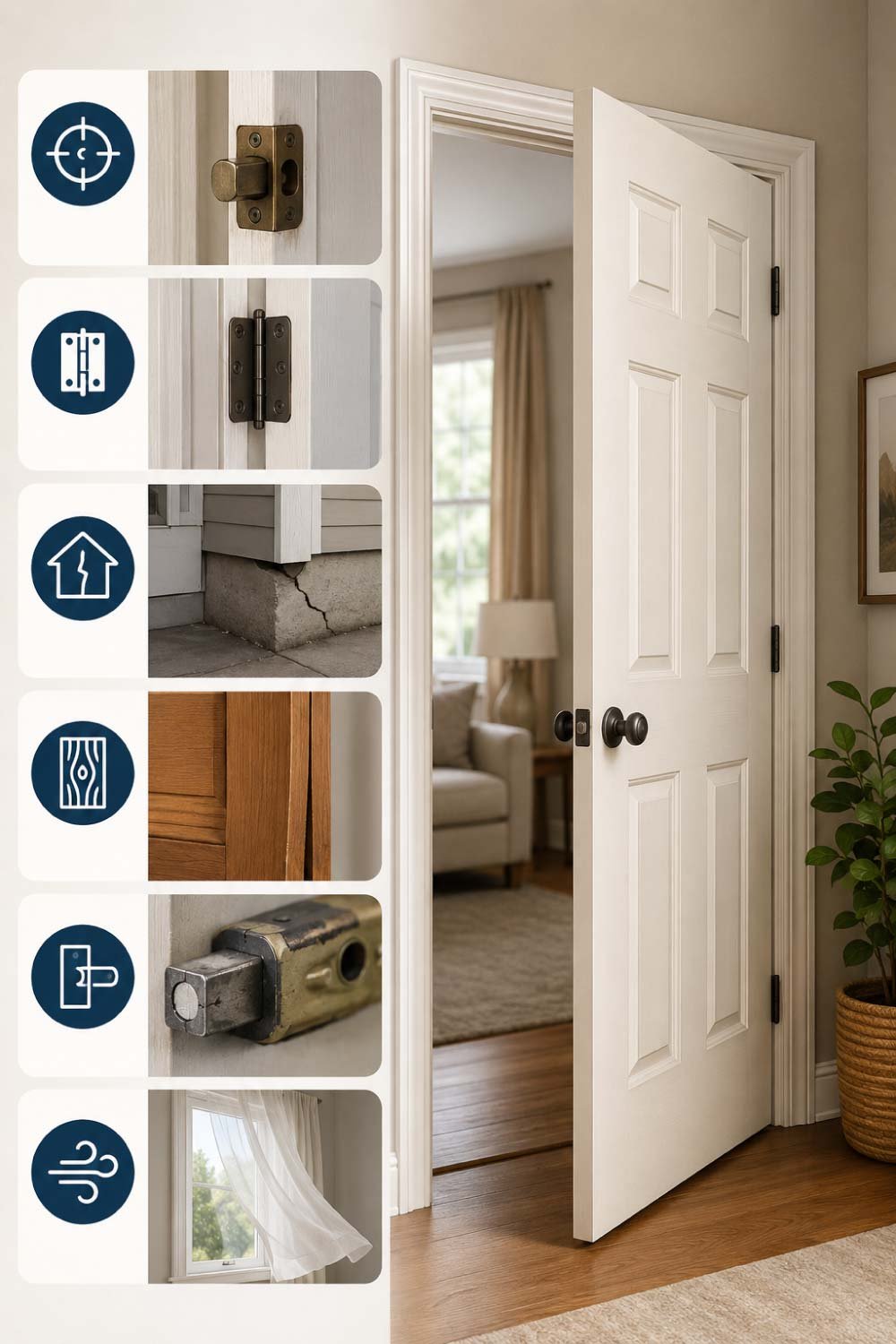
Before jumping into fixes, it helps to understand what’s actually going wrong. A door that refuses to stay shut is usually not a random issue but the result of small mechanical or structural problems building up over time. Identifying the root cause makes the repair process faster, easier, and far more effective in the long run.

  • The latch may not be reaching the strike plate correctly due to alignment issues.
  • Hinges might be loose, causing the door to sag slightly over time.
  • Natural house settling can shift the frame out of perfect alignment.
  • Wooden doors may warp due to humidity or temperature changes.
  • Worn or weak latch mechanisms can fail to hold the door closed.
  • Air pressure or airflow can gently push the door open repeatedly.

Once you identify the cause, fixing the problem becomes much easier.


Simple Fix #1: Tighten the Hinges (Fastest Solution)

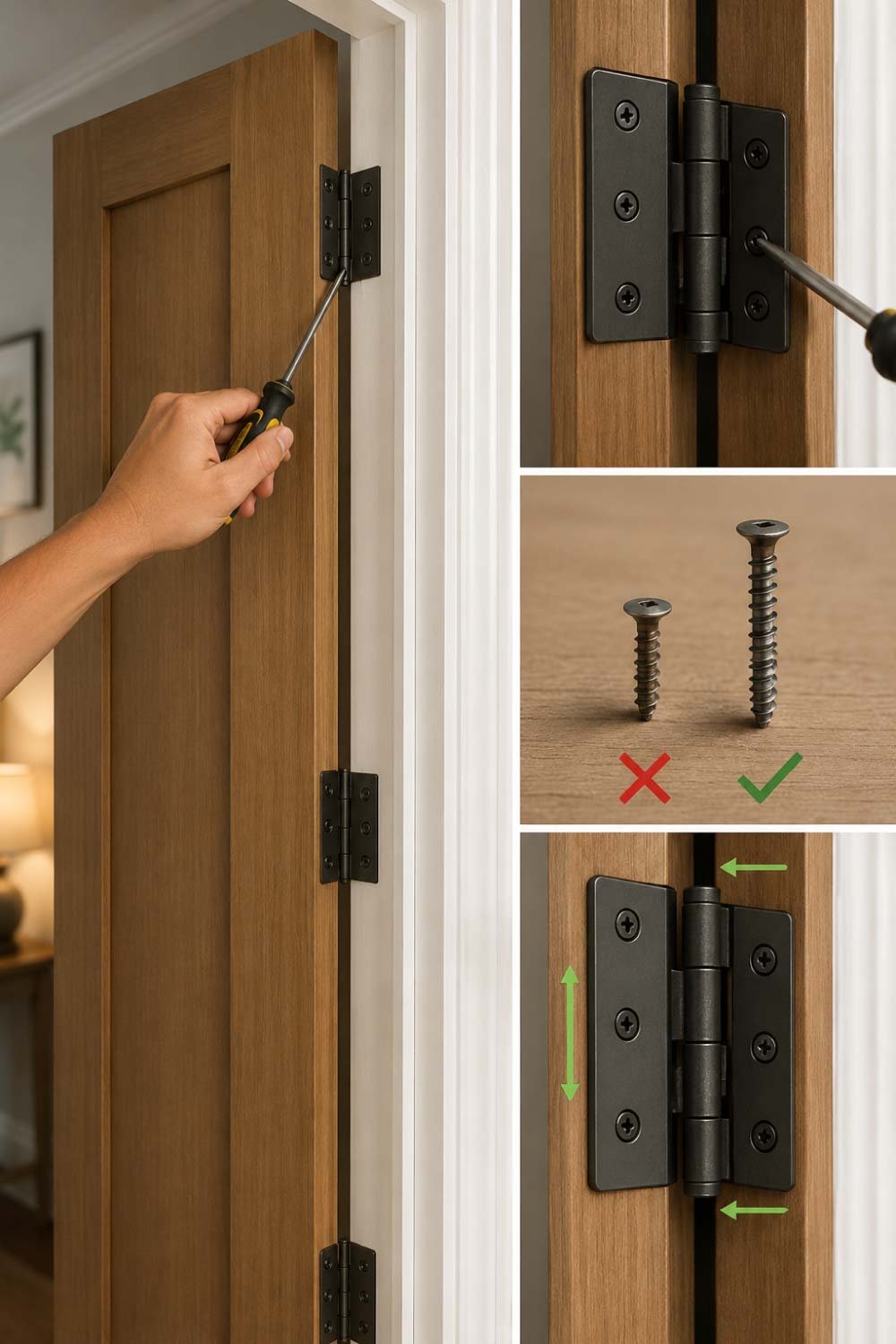
This is often the quickest and most effective fix for a door that won’t stay closed. Loose hinges gradually cause the door to shift out of alignment, even if the movement is not clearly visible. Tightening them restores stability and helps the latch meet the strike plate properly again.

  • Check all hinge screws from top to bottom carefully.
  • Tighten any loose or slightly backed-out screws firmly.
  • Replace stripped screws with longer ones for better grip.
  • Ensure the hinge plates sit flush against the door frame.
  • Test the door movement after tightening to check improvement.

In many cases, this alone solves the problem completely.


Simple Fix #2: Adjust the Strike Plate

Adjust the Strike Plate

If the door closes but doesn’t stay shut, the strike plate is usually the main issue. Even a few millimeters of misalignment can prevent the latch from catching properly. Adjusting it ensures the latch slides in smoothly and locks the door securely without resistance or slipping.

  • Observe where the latch is hitting the strike plate.
  • Loosen the strike plate screws slightly.
  • Shift it up, down, or sideways for proper alignment.
  • Retighten once the latch fits smoothly into place.
  • Use a marker on the latch to identify contact points.

Quick tip:

You can also color the latch with a marker and close the door. The mark will show exactly where it’s hitting incorrectly.


Simple Fix #3: Tighten the Door Frame Alignment

If hinge and strike plate adjustments don’t solve the issue, the door frame itself may be slightly out of alignment. This can happen due to long-term settling or structural movement in the house. Correcting the frame position helps restore proper balance so the door closes and stays shut naturally.

  • Check for uneven gaps around the door edges.
  • Inspect whether the frame has shifted over time.
  • Tighten screws on the door frame trim if loose.
  • Add small shims behind hinges to correct tilt.
  • Recheck alignment after each adjustment.

Why it matters:

Even a small tilt in the frame changes how the latch connects with the strike plate.


Simple Fix #4: Fix a Warped Door

Wooden doors are especially sensitive to moisture and temperature changes. Over time, they can bend or swell slightly, making it difficult for them to close properly. A warped door often drags, sticks, or refuses to stay shut even when hardware is correctly aligned.

  • Look for rubbing at the top or bottom edges.
  • Check for visible bending or uneven door shape.
  • Sand down tight contact areas carefully.
  • Apply protective sealant or paint to prevent moisture damage.
  • Improve ventilation to reduce humidity in the room.

In severe cases, replacing the door may be the only long-term fix—but most mild warping can be corrected.

Also Read:

How to Fix a Window That Won’t Close: Step-by-Step Guide


Simple Fix #5: Use a Latch Adjustment Trick

Use a Latch Adjustment Trick

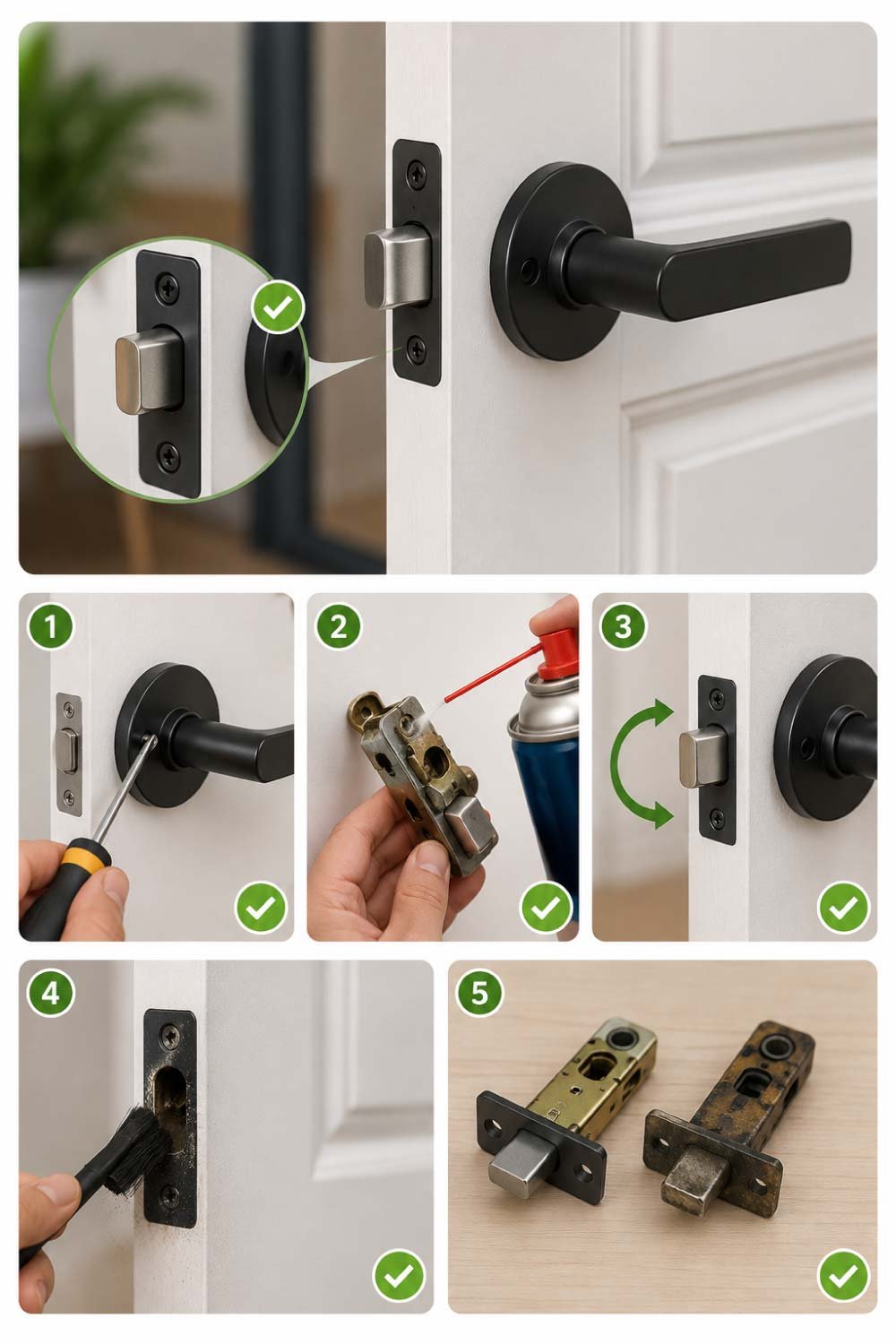
Sometimes the issue isn’t alignment or structure but the latch mechanism itself. If the latch is sticky, weak, or not extending fully, the door won’t lock into place properly. A simple adjustment or cleaning can restore smooth operation and improve closing performance instantly.

  • Tighten all door handle and latch screws.
  • Apply light lubricant to the latch mechanism.
  • Test if the latch fully extends when turned.
  • Clean dust or debris from inside the lock area.
  • Replace worn latch parts if performance doesn’t improve.

A sticky latch may fail to lock into the strike plate even when everything else is aligned correctly.


Simple Fix #6: Add a Door Stopper or Magnet Catch

If you want a quick, budget-friendly solution without doing any repairs, this is one of the easiest options. Instead of fixing alignment or hardware issues, you simply add a device that helps keep the door closed securely. It’s ideal for situations where the door is only slightly problematic.

  • Magnetic door catch holds the door firmly in place.
  • Rubber door stopper prevents unwanted movement.
  • Spring-loaded latch helps maintain closure pressure.
  • Easy to install with basic tools or adhesive backing.
  • Works especially well for lightweight interior doors.

These are especially useful for lightweight interior doors like bedroom or bathroom doors.


Simple Fix #7: Check Air Pressure and Drafts

It may sound unusual, but air movement inside a home can sometimes be strong enough to push doors open or prevent them from staying shut. This usually happens when airflow is uneven between rooms, creating pressure differences that affect door movement.

  • Ceiling fans can create constant air pressure shifts.
  • Open windows on opposite sides increase cross airflow.
  • HVAC systems may push air unevenly in closed rooms.
  • Drafts can gently force doors to swing open repeatedly.
  • Air balance issues often go unnoticed but still affect doors.

Solution:
Adjust ventilation
Close nearby windows slightly
Install a stronger latch or magnetic catch

Also Read:

How to Repair a Door Frame: A Complete Step-by-Step Guide


Simple Fix #8: Replace Worn Hardware (Last Step)

If all previous fixes fail, the problem is often due to worn-out or damaged hardware. Over time, hinges, latches, and strike plates can lose their strength or shape, making it impossible for the door to function properly. Replacing them is often the most reliable long-term solution.

  • Replace door latch if it no longer extends fully.
  • Install a new strike plate for better alignment.
  • Change hinges if they are rusted, bent, or loose.
  • Upgrade to modern hardware for improved durability.
  • Ensure all parts match properly for smooth operation.

Modern hardware is inexpensive and often improves performance significantly.


Preventing the Problem in the Future

Once your door is working properly again, a little maintenance goes a long way. Regular care prevents small issues from turning into major alignment or hardware problems. Consistent checks help your door stay smooth, secure, and properly balanced throughout the year.

  • Tighten hinge screws every few months.
  • Clean dust and debris from the latch area regularly.
  • Lubricate moving parts twice a year for smooth operation.
  • Check alignment after seasonal temperature changes.
  • Inspect for early signs of warping or loose fittings.

Wood expands and contracts with temperature and humidity, so minor adjustments over time are normal.


When You Should Call a Professional
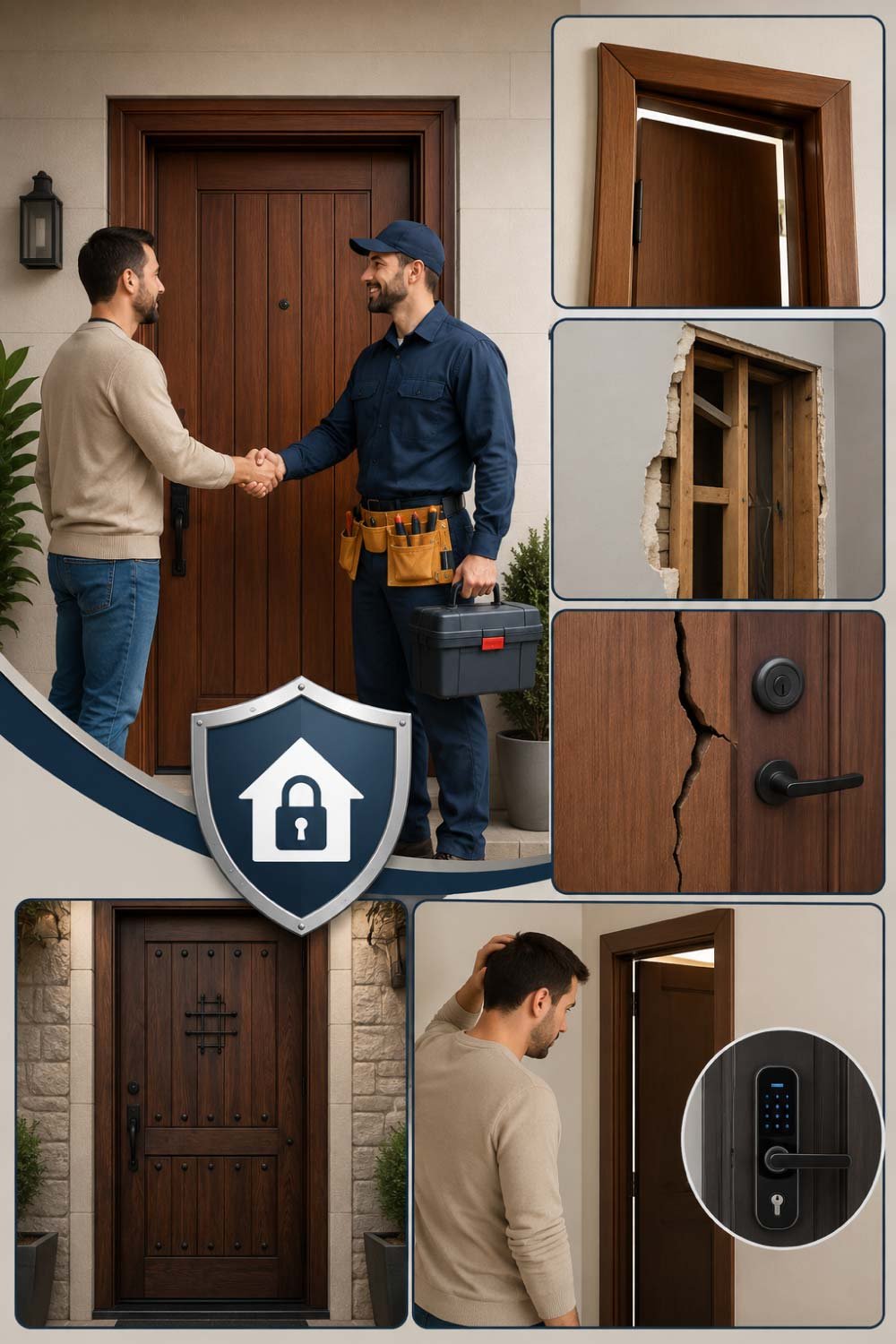
When You Should Call a Professional

While most door issues can be handled with simple DIY fixes, there are situations where professional help is the safer and more effective choice. If the problem involves structural damage or complex alignment issues, expert repair ensures long-term stability and proper function.

  • Severe door frame warping or structural shifting.
  • Damage inside the wall or supporting frame.
  • Broken or cracked main door structure.
  • Heavy solid wood or high-security entry doors.
  • Persistent issues after multiple DIY attempts.

If the door is part of a security entry system, it’s also better to get professional help for safety reasons.


Final Thoughts

A door that won’t stay closed can be frustrating, but in most cases, it’s a simple mechanical issue rather than a serious defect. The most common fixes—tightening hinges, adjusting the strike plate, or correcting alignment—can be done in just a few minutes with basic tools.

Instead of forcing the door or ignoring the issue, a quick inspection usually reveals the cause. Once fixed, your door should close smoothly and stay firmly in place again.

With a little patience and the right adjustment, you can restore full function without spending money on replacements or repairs.

Also Read:

How to Tighten a Door Hinge: A Complete DIY Guide for Homeowners

Leave a Comment