
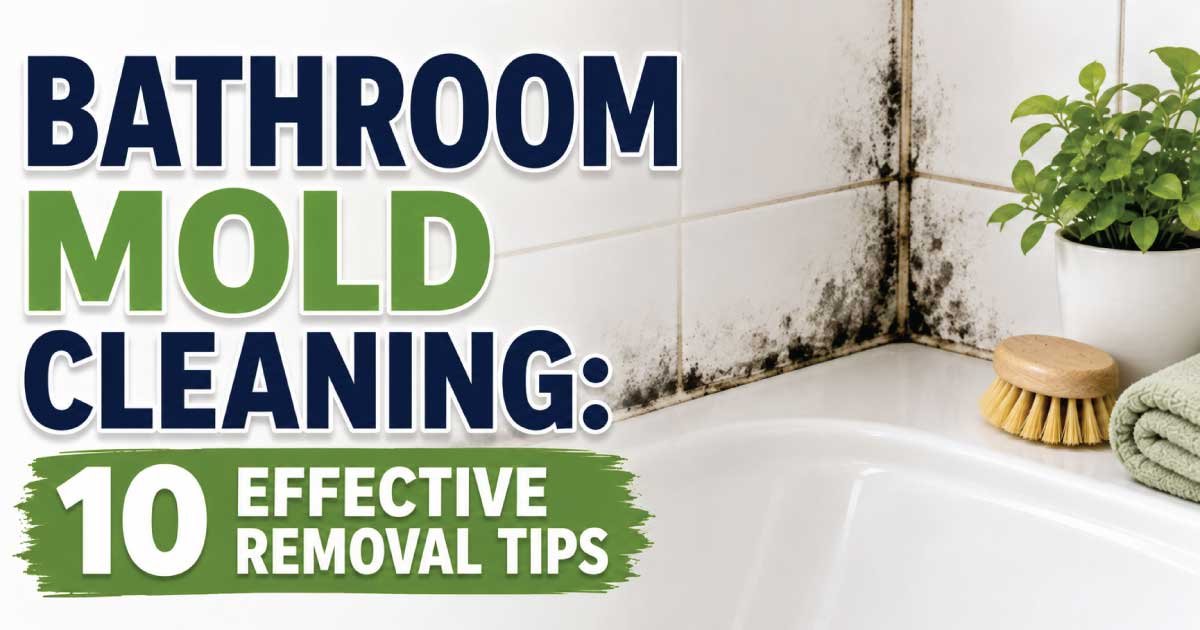
Bathroom mold is a common household problem caused by excess moisture, poor ventilation, and damp surfaces. Because bathrooms regularly experience humidity from showers, sinks, and water splashes, they create the perfect environment for mold growth. If left untreated, mold can spread across walls, tiles, grout, ceilings, and other surfaces.
Removing bathroom mold does not always require complicated solutions. With the right cleaning methods and preventive habits, you can eliminate existing mold and reduce the chances of it returning. The following tips will help you keep your bathroom cleaner, healthier, and more resistant to mold growth.
1. Identify Mold Growth Early
The first step in effective bathroom mold cleaning is recognizing the problem before it becomes severe. Mold often starts as small dark spots but can quickly spread if moisture remains present.
Common signs of bathroom mold include:
- Black, green, or gray spots on surfaces.
- A musty or damp smell.
- Dark stains around grout lines.
- Discoloration on ceilings or walls.
- Peeling paint or damaged surfaces.
Regularly inspecting moisture-prone areas helps you discover mold early and remove it before it becomes harder to manage.
2. Improve Bathroom Ventilation
Poor airflow is one of the main causes of mold growth. When moisture stays trapped inside the bathroom, surfaces remain damp for longer periods, creating ideal conditions for mold.
Improving ventilation is one of the most effective long-term solutions.
| Improvement | How It Helps |
|---|---|
| Use an exhaust fan | Removes humidity from the room |
| Open windows after showers | Allows fresh air circulation |
| Keep doors open when possible | Helps moisture escape |
| Clean ventilation systems | Maintains proper airflow |
Better ventilation not only helps remove existing mold but also prevents future growth.
3. Dry Wet Surfaces Immediately
Mold thrives in wet environments, so reducing moisture is essential. Water left on bathroom surfaces creates opportunities for mold spores to grow.
Develop a habit of drying areas that frequently collect water.
Important areas to dry include:
- Shower walls.
- Bathtub edges.
- Sink countertops.
- Bathroom floors.
- Corners and grout lines.
Using a microfiber cloth or shower squeegee after bathing can significantly reduce moisture buildup.
4. Clean Moldy Grout Lines
Grout between bathroom tiles is one of the most common places for mold to grow. Because grout is porous, it can absorb moisture and hold onto dirt, making it difficult to keep clean.
To clean mold from grout:
- Apply a suitable bathroom cleaner or mold remover.
- Allow the solution to sit for the recommended time.
- Scrub the grout with a small brush.
- Rinse the area thoroughly.
- Dry the surface completely.
Regular grout cleaning prevents mold from becoming deeply embedded.
5. Use Natural Cleaning Solutions Carefully
Some homeowners prefer natural cleaning methods for mild mold problems. Certain household ingredients can help remove surface mold when used correctly.
Common options include:
| Cleaning Solution | Best Use |
| White vinegar | Light surface mold |
| Baking soda | Scrubbing and odor removal |
| Hydrogen peroxide | Removing mold stains from some surfaces |
Always test any cleaning solution on a small hidden area first. Some materials may react differently to certain products.
6. Clean Shower Curtains and Mats Regularly
Bathroom fabrics can trap moisture and become areas where mold develops. Shower curtains, bath mats, and towels should be cleaned regularly to prevent mold buildup.
Helpful habits include:
- Washing fabric shower curtains as recommended.
- Drying bath mats completely between uses.
- Avoiding leaving wet towels on the floor.
- Replacing damaged or heavily stained items.
Keeping bathroom fabrics dry improves overall hygiene and reduces mold risks.
7. Remove Mold From Bathroom Ceilings and Walls
Ceilings and walls can develop mold when humidity levels remain high. Mold on these surfaces should be addressed quickly because it may spread behind paint or wallpaper.
For surface-level mold:
- Wear protective gloves.
- Clean the affected area carefully.
- Avoid spreading mold spores.
- Dry the area completely.
- Improve ventilation afterward.
If mold covers a large area or continues returning, the underlying moisture problem should be investigated.
Also Read:
8. Maintain Proper Bathroom Humidity Levels
Controlling humidity is one of the best ways to prevent mold from returning. Bathrooms naturally become humid, but excessive moisture creates ongoing problems.
Ways to reduce bathroom humidity include:
- Running the exhaust fan during showers.
- Avoiding unnecessary standing water.
- Repairing leaking faucets or pipes.
- Increasing airflow.
- Using a dehumidifier if needed.
A balanced moisture level makes it much harder for mold to grow.
9. Seal and Protect Bathroom Surfaces
Preventive maintenance can make bathroom surfaces more resistant to mold. Sealing porous materials helps reduce moisture absorption.
Consider protecting areas such as:
- Tile grout.
- Natural stone surfaces.
- Shower corners.
- Bathroom joints.
Replacing damaged sealant around tubs, sinks, and showers can prevent water from reaching hidden areas where mold may develop.
10. Create a Regular Mold Prevention Routine
The best way to handle bathroom mold is to prevent it from returning. A consistent cleaning routine keeps moisture and dirt under control.
A simple prevention schedule may look like this:
| Task | Frequency |
| Dry shower surfaces | Daily |
| Clean sink and fixtures | Daily |
| Wash bath mats | Weekly |
| Inspect grout and corners | Weekly |
| Deep clean bathroom surfaces | Monthly |
Small maintenance tasks are easier than dealing with major mold problems later.
Also Read:
Common Mistakes When Cleaning Bathroom Mold
While removing mold, some cleaning mistakes can make the problem worse. Avoid these common errors:
- Ignoring moisture problems.
- Scrubbing mold without proper protection.
- Mixing different cleaning chemicals.
- Leaving cleaned areas damp.
- Covering mold with paint without removing it.
Effective mold removal requires both cleaning and prevention. Removing visible mold without fixing the moisture source usually leads to the problem returning.
Safety Tips for Bathroom Mold Removal
Safety should always be considered when cleaning mold. Mold particles can become airborne during scrubbing, so proper precautions are important.
Recommended safety steps include:
- Wear gloves while cleaning.
- Use proper ventilation.
- Avoid touching mold with bare hands.
- Protect your eyes when using cleaning products.
- Follow product instructions carefully.
For extensive mold growth, professional help may be needed to safely remove the problem.
Final Thoughts on Bathroom Mold Cleaning
Bathroom mold can be frustrating, but it is manageable with the right approach. Early detection, proper cleaning techniques, moisture control, and regular maintenance can help keep your bathroom mold-free.
Simple habits such as drying wet surfaces, improving ventilation, cleaning grout, and maintaining bathroom fabrics can make a significant difference. By combining effective removal methods with prevention strategies, you can create a cleaner, healthier, and more comfortable bathroom environment.
Also Read: