
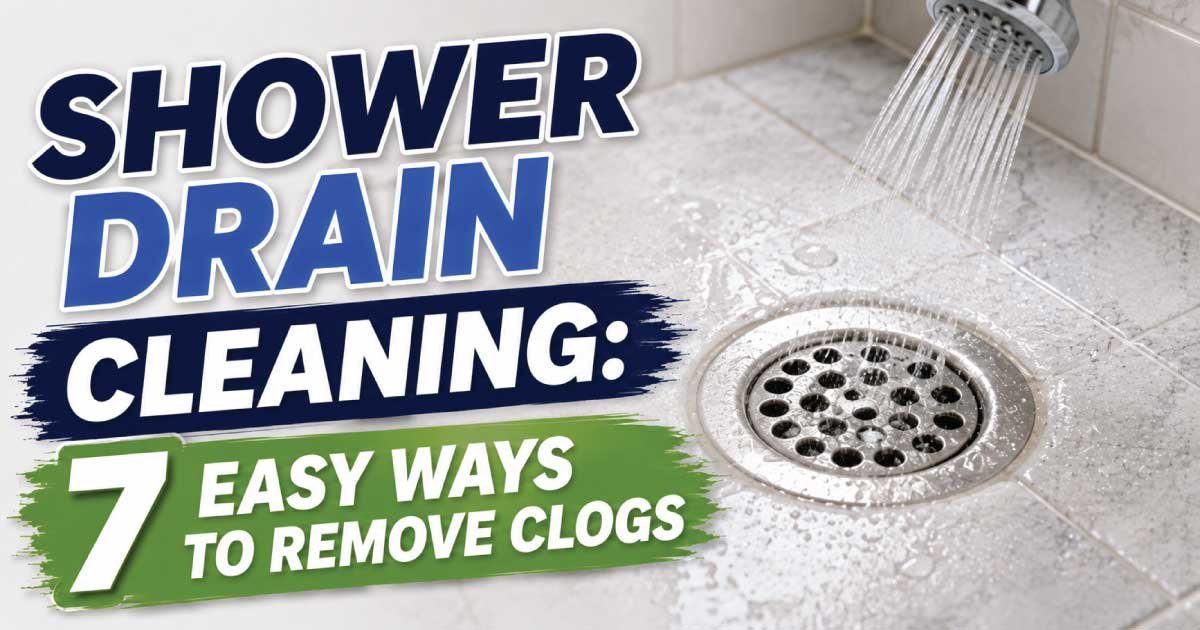
A slow or clogged shower drain is a common household problem that can quickly turn a relaxing shower into a frustrating experience. Hair, soap scum, body oils, mineral deposits, and small debris gradually collect inside the drain, restricting water flow and causing unpleasant odors. Fortunately, many minor clogs can be cleared using simple household tools and natural cleaning methods without relying on harsh chemical drain cleaners.
Regular shower drain cleaning not only restores proper drainage but also helps prevent plumbing issues, reduces foul smells, and extends the life of your drainage system. By addressing small clogs early and following a consistent maintenance routine, you can keep your shower drain flowing smoothly year-round.
The following seven easy methods will help you remove common shower drain clogs safely and effectively.
Why Shower Drains Become Clogged
Most shower drain blockages develop gradually as debris accumulates over time. Understanding the cause of the clog can help you choose the most effective cleaning method.
Common causes include:
- Hair buildup
- Soap scum accumulation
- Body oils and skin residue
- Hard water mineral deposits
- Dirt and sand
- Shampoo and conditioner residue
- Small objects accidentally entering the drain
Routine maintenance prevents these materials from forming stubborn blockages.
7 Easy Ways to Remove Shower Drain Clogs
1. Remove Visible Hair by Hand
Hair is the leading cause of shower drain clogs. Removing visible hair before it moves deeper into the pipe is often the quickest solution.
Follow these steps:
- Remove the drain cover if possible.
- Wear disposable or reusable cleaning gloves.
- Pull out visible hair and debris.
- Dispose of the waste in a trash bin.
- Rinse the drain with warm water.
This simple method can significantly improve water flow when performed regularly.
2. Flush the Drain With Hot Water
Hot water helps soften soap scum and wash away light residue inside the drain.
To use this method:
- Heat water until it is very hot but not boiling if you have PVC plumbing.
- Slowly pour the water into the drain.
- Wait a few minutes.
- Test the drainage.
Avoid using boiling water on plastic pipes, as repeated exposure to extreme heat may damage certain plumbing materials.
3. Use Baking Soda and Vinegar
A combination of baking soda and white vinegar can help loosen minor clogs and reduce unpleasant odors.
Steps:
- Pour ½ cup of baking soda into the drain.
- Add 1 cup of white vinegar.
- Allow the mixture to fizz for 15–30 minutes.
- Flush the drain with hot water.
This method works well for light buildup caused by soap residue and organic material.
4. Clear the Drain With a Drain Snake
A drain snake, also called a drain auger, is useful for removing clogs located deeper inside the pipe.
How to use it:
- Insert the drain snake slowly into the drain.
- Rotate the handle as it moves through the pipe.
- Pull the tool out carefully.
- Remove any hair and debris attached to the snake.
- Rinse the drain with warm water.
A drain snake is effective for stubborn hair clogs that cannot be reached by hand.
5. Use a Plunger for Minor Blockages
A small sink or shower plunger can help loosen clogs by creating pressure inside the drain.
For best results:
- Add a small amount of water to cover the plunger cup.
- Place the plunger firmly over the drain.
- Push and pull several times.
- Remove the plunger and test the water flow.
This method is particularly helpful when the clog is close to the drain opening.
6. Clean the Drain Cover Thoroughly
The drain cover often traps hair, soap residue, and debris before they enter the plumbing.
Regular cleaning should include:
- Removing the cover
- Washing it with warm water
- Scrubbing away soap buildup
- Clearing blocked holes
- Reinstalling it securely
A clean drain cover improves drainage and helps prevent future clogs.
7. Prevent Future Clogs With Regular Maintenance
Preventive care is the easiest way to avoid major drain blockages.
Simple habits include:
- Installing a drain hair catcher
- Removing hair after every shower
- Flushing the drain with hot water weekly
- Cleaning the drain cover regularly
- Avoiding rinsing excessive dirt or sand into the drain
- Scheduling monthly drain maintenance
Consistent care reduces the need for more extensive plumbing work.
Best Tools for Shower Drain Cleaning
Using the right tools makes cleaning easier and reduces the risk of damaging your plumbing.
| Tool | Primary Purpose |
|---|---|
| Drain snake | Removes deep hair clogs |
| Drain hair catcher | Prevents debris from entering pipes |
| Rubber gloves | Improves hygiene during cleaning |
| Small plunger | Loosens minor blockages |
| Soft cleaning brush | Cleans drain covers |
| Bucket | Collects debris during cleaning |
Keeping these tools on hand allows you to address drain problems quickly.
Natural vs. Chemical Drain Cleaning
Many homeowners prefer natural cleaning methods because they are safer for household use and the environment.
| Natural Cleaning Methods | Chemical Drain Cleaners |
| Gentle on most plumbing | May contain harsh chemicals |
| Lower environmental impact | Can release strong fumes |
| Affordable household ingredients | Often more expensive |
| Suitable for regular maintenance | Best reserved for severe clogs |
| Helps reduce odors naturally | May damage some plumbing with repeated use |
Natural methods work well for routine maintenance and minor blockages, while severe or recurring clogs may require professional assistance.
Common Shower Drain Cleaning Mistakes
Avoiding common mistakes helps protect your plumbing and improves cleaning results.
Do not:
- Pour grease or oils into the drain
- Ignore slow drainage for long periods
- Use sharp metal objects that may damage pipes
- Overuse harsh chemical drain cleaners
- Force large tools into narrow pipes
- Forget to clean the drain cover regularly
Proper cleaning techniques reduce the risk of expensive plumbing repairs.
Signs Your Shower Drain Needs Cleaning
Recognizing early warning signs can prevent complete blockages.
Watch for:
- Water draining slowly
- Standing water during showers
- Gurgling sounds from the drain
- Unpleasant odors
- Visible hair around the drain opening
- Water backing up after showering
Addressing these signs early makes clog removal much easier.
How Often Should You Clean a Shower Drain?
Cleaning frequency depends on how often the shower is used and the amount of hair and debris entering the drain.
A general maintenance schedule includes:
| Cleaning Task | Recommended Frequency |
| Remove visible hair | After every shower or as needed |
| Flush with hot water | Weekly |
| Clean drain cover | Weekly |
| Baking soda and vinegar treatment | Monthly |
| Use a drain snake | Every 2–3 months or when drainage slows |
| Inspect for buildup | Monthly |
Following this routine helps maintain proper water flow and reduces the likelihood of stubborn clogs.
When to Call a Professional Plumber
While many clogs can be cleared at home, some situations require professional help.
Consider contacting a plumber if:
- Water does not drain after repeated cleaning attempts
- Multiple drains in your home are clogged at the same time
- Water backs up frequently
- There is a persistent sewage odor
- You suspect a blockage deep within the plumbing system
Professional inspection can identify more serious plumbing issues before they become costly repairs.
Conclusion
A clogged shower drain is usually caused by hair, soap scum, and everyday debris, but most minor blockages can be removed using simple household methods. Removing visible hair, flushing the drain with hot water, using baking soda and vinegar, cleaning the drain cover, and maintaining a regular cleaning schedule can keep water flowing freely without harsh chemicals.
By following these seven easy shower drain cleaning methods and practicing preventive maintenance, you can reduce the risk of future clogs, eliminate unpleasant odors, and keep your bathroom plumbing in excellent condition.