
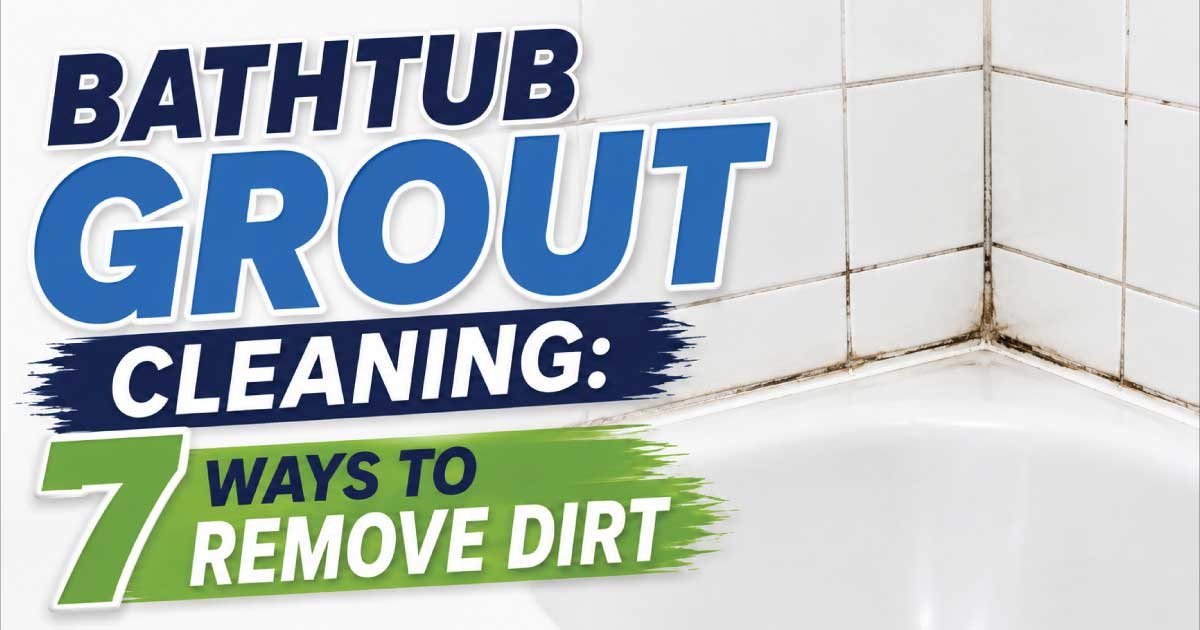
Keeping bathtub grout clean is an important part of maintaining a fresh and hygienic bathroom. Grout is the material that fills the spaces between tiles, and because it is porous, it easily absorbs dirt, soap scum, hard water minerals, and moisture. Over time, this buildup can cause grout lines to become stained, discolored, and even develop mold or mildew.
Fortunately, restoring dirty grout doesn’t have to be difficult. With the right cleaning methods, suitable tools, and regular maintenance, you can keep bathtub grout looking bright and extend the life of your tiled surfaces. Whether you’re dealing with light discoloration or stubborn grime, these seven cleaning methods can help remove dirt effectively while protecting your bathroom.
1. Start With Warm Water and a Grout Brush
Before using stronger cleaning products, try loosening dirt with warm water and a dedicated grout cleaning brush. Warm water helps soften soap residue and surface grime, making it easier to scrub away.
A grout brush has narrow, firm bristles designed to reach deep into grout lines without damaging nearby tiles.
Steps for Basic Grout Cleaning
- Wet the grout with warm water.
- Allow the water to sit for a few minutes.
- Scrub gently using a grout brush.
- Rinse with clean water.
- Dry the area with a microfiber cloth.
This method is ideal for routine maintenance and light dirt buildup.
2. Apply a Baking Soda Paste
Baking soda is an inexpensive household cleaner that provides gentle scrubbing power. It can help lift dirt and soap scum without scratching most tile surfaces.
Mix baking soda with a small amount of water until it forms a thick paste, then apply it directly to the grout lines.
Benefits of Baking Soda
| Benefit | Description |
|---|---|
| Gentle abrasive | Removes dirt without excessive scratching |
| Affordable | Budget-friendly cleaning option |
| Easy to use | Requires only water for mixing |
| Multi-purpose | Suitable for many bathroom surfaces |
Allow the paste to sit for several minutes before scrubbing and rinsing thoroughly.
3. Use White Vinegar for Mineral Deposits
White vinegar is commonly used to remove soap scum and light mineral deposits caused by hard water. Its mild acidity helps dissolve buildup that can make grout appear dull or stained.
Spray a mixture of equal parts white vinegar and water onto the grout, allow it to sit briefly, then scrub with a grout brush.
Best Uses for Vinegar
- Soap scum removal
- Hard water deposits
- Light grout stains
- Routine grout maintenance
Avoid using vinegar on natural stone surfaces such as marble or limestone, as acidic cleaners may damage these materials.
4. Choose a Grout-Specific Cleaner for Stubborn Dirt
If regular household solutions are not enough, a grout-specific cleaner may provide better results. These products are designed to remove deep stains, soap residue, and grime while helping preserve grout.
Always follow the manufacturer’s instructions and test the product on a small, hidden area first.
When to Use a Commercial Grout Cleaner
| Cleaning Situation | Recommended Solution |
| Everyday dirt | Mild bathroom cleaner |
| Deep grout stains | Grout-specific cleaner |
| Heavy soap scum | Bathroom tile cleaner |
| Hard water buildup | Mineral deposit remover |
Using the correct cleaner helps remove stains without causing unnecessary damage.
5. Remove Mold and Mildew Promptly
Bathtub grout is regularly exposed to moisture, making it an ideal environment for mold and mildew growth. Black or dark spots along grout lines often indicate mildew that should be addressed quickly.
Cleaning mold early helps prevent it from spreading and protects the appearance of your bathroom.
Ways to Reduce Mold Growth
- Improve bathroom ventilation
- Dry bathtub walls after use
- Repair leaking fixtures
- Clean grout regularly
- Reduce standing water
For persistent mold, use a cleaner specifically designed for bathroom mildew and carefully follow the product instructions.
6. Steam Clean the Grout
Steam cleaning is another effective method for loosening dirt trapped inside porous grout. The high-temperature steam helps soften grime without relying heavily on chemical cleaners.
Many handheld steam cleaners include narrow attachments designed specifically for grout lines.
Advantages of Steam Cleaning
- Reduces chemical use
- Loosens stubborn dirt
- Cleans hard-to-reach areas
- Refreshes grout appearance
Before using steam, confirm that your tile and grout are suitable for high-temperature cleaning.
7. Seal the Grout After Cleaning
Once the grout is clean and completely dry, applying a grout sealer can help protect it from future stains and moisture. Sealers create a protective barrier that reduces water absorption and makes routine cleaning easier.
Regular sealing is especially beneficial in bathrooms because of constant exposure to water.
Benefits of Sealing Grout
| Benefit | Why It Matters |
| Water resistance | Helps reduce moisture absorption |
| Easier maintenance | Prevents dirt from penetrating deeply |
| Longer grout life | Reduces wear and staining |
| Cleaner appearance | Keeps grout looking brighter |
Follow the sealer manufacturer’s recommendations regarding drying time and reapplication intervals.
Essential Tools for Bathtub Grout Cleaning
Using the proper tools makes grout cleaning faster and more effective.
Recommended Cleaning Supplies
- Grout cleaning brush
- Microfiber cloths
- Spray bottle
- Soft sponge
- Rubber gloves
- Bucket
- Steam cleaner (optional)
- Grout sealer applicator
Quality tools improve cleaning results while helping protect both grout and tile surfaces.
Common Mistakes to Avoid When Cleaning Grout
Some cleaning methods can do more harm than good if used incorrectly. Avoiding these mistakes helps preserve your bathtub grout.
Cleaning Errors to Avoid
- Using metal brushes that scratch grout
- Scrubbing too aggressively
- Leaving cleaning products on surfaces too long
- Mixing different chemical cleaners
- Ignoring product safety instructions
- Skipping regular maintenance
Gentle, consistent cleaning is usually more effective than occasional heavy scrubbing.
How to Keep Bathtub Grout Cleaner for Longer
Preventing dirt buildup is easier than removing deep stains. A few simple habits can help keep grout cleaner between deep cleaning sessions.
Long-Term Maintenance Tips
| Task | Recommended Frequency |
| Wipe bathtub walls | After each use |
| Dry grout lines | Daily |
| Light grout cleaning | Weekly |
| Deep grout cleaning | Monthly |
| Inspect grout for damage | Every few months |
| Reapply grout sealer | As recommended by the manufacturer |
Consistent care helps prevent discoloration, mold, and stubborn grime.
Signs Your Bathtub Grout Needs Attention
Recognizing early warning signs allows you to clean or repair grout before problems become more serious.
Common Signs of Dirty or Damaged Grout
- Dark or discolored grout lines
- Visible mold or mildew spots
- Cracked or crumbling grout
- Persistent soap scum
- Hard water stains
- Musty odors around the bathtub
Addressing these issues promptly helps maintain both the appearance and durability of your bathroom.
Conclusion
Bathtub grout can easily collect dirt, soap residue, and moisture, but regular maintenance makes it much easier to keep clean. Starting with gentle cleaning methods, using baking soda or white vinegar for light stains, choosing grout-specific cleaners for stubborn buildup, and sealing grout after cleaning can all help maintain bright and attractive grout lines.
By following these seven effective cleaning methods and practicing simple preventive habits, you can extend the life of your grout, improve your bathroom’s appearance, and create a cleaner, healthier bathing space.