

In today’s digital-first world, businesses of all sizes recognize the power of social media in connecting with customers, building brand awareness, and driving sales.
However, not every business has the expertise or time to manage their social media effectively. This is where a Social Media Management (SMM) business comes in.
If you have a flair for social media, strategic thinking, and creativity, starting an SMM business can be both profitable and rewarding. Here’s a detailed guide to get started.
Understanding the Social Media Management Industry
Social media management is more than just posting content. It involves planning, creating, publishing, monitoring, and analyzing content across social media platforms.
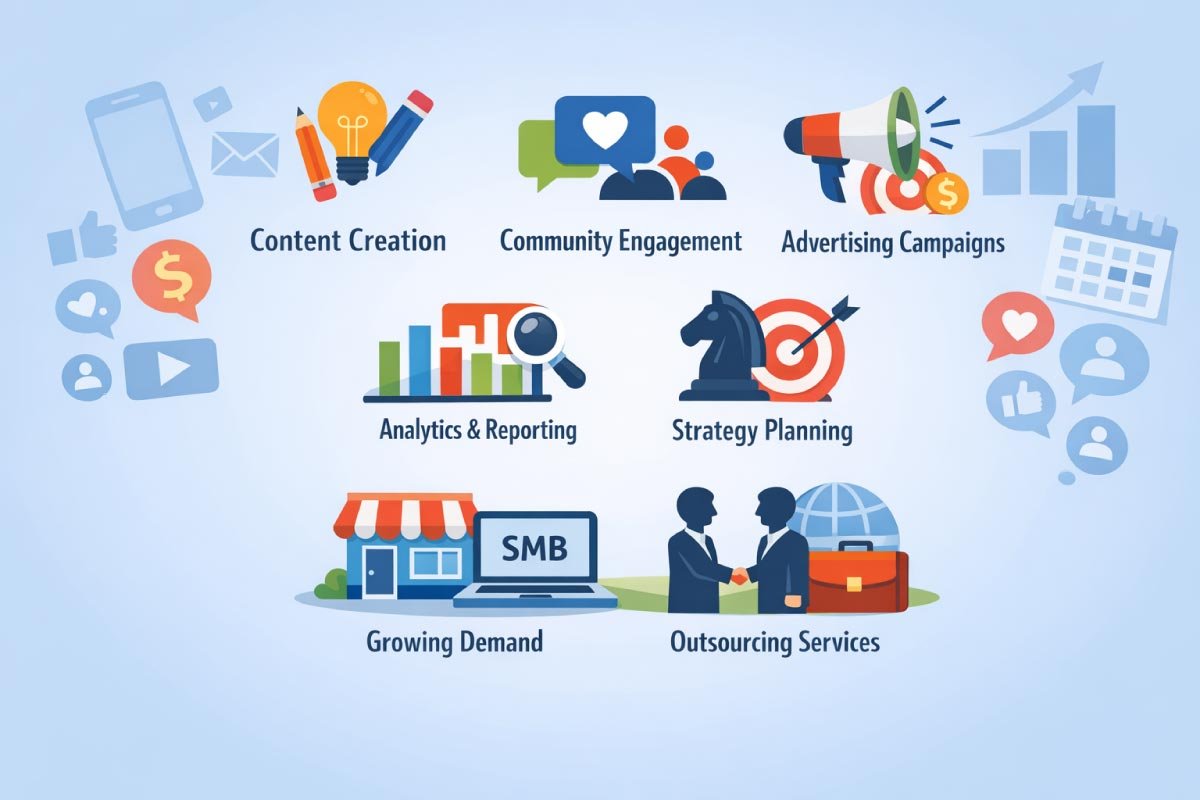
A professional SMM business helps businesses grow their online presence, engage their audience, and achieve marketing goals.
Some key roles in social media management include:
-
Content creation
-
Community engagement
-
Advertising campaigns
-
Analytics and reporting
-
Strategy planning
The industry has been rapidly growing as more businesses shift their marketing budgets from traditional methods to online channels. According to trends, small and medium businesses are increasingly outsourcing their social media needs to experts, making it an ideal time to enter this field.
2. Identifying Your Niche
Identifying your niche is crucial for standing out in a competitive market. Focus on a specific audience, industry, or problem your business can solve uniquely.
A well-defined niche allows you to tailor your services, marketing, and messaging effectively, attracting the right clients and building a loyal customer base.
Examples of niches:
| Niche | Target Clients | Benefits |
|---|---|---|
| Restaurants & Cafes | Small to medium restaurants | Focus on visuals and engagement strategies for food lovers |
| E-commerce Brands | Online stores | Expertise in product promotion and ad campaigns |
| Fitness & Wellness | Gyms, yoga studios, coaches | Ability to create motivating and inspirational content |
| Real Estate | Realtors & property agencies | Focused strategies for local lead generation |
| Influencers & Creators | Social media personalities | Support in content planning and audience growth |
Choosing a niche also allows you to tailor your services, pricing, and marketing to a specific audience, increasing your chances of success.
3. Setting Up Your Business
Setting up your business lays the foundation for long-term success. This includes registering your company, obtaining necessary licenses, establishing a legal structure, and organizing finances.
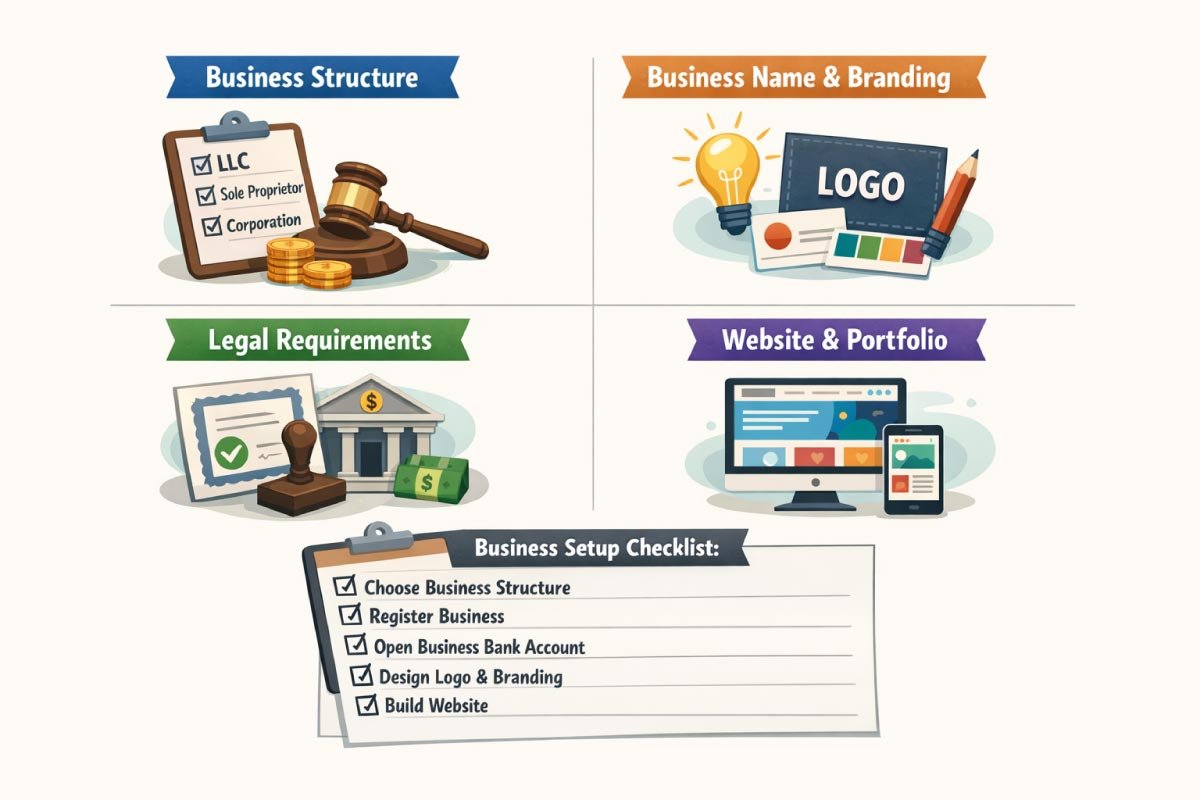
A strong setup ensures compliance, builds credibility, and provides a clear framework for operations, growth, and sustainable business management.
Steps to Set Up:
-
Business Structure – Decide whether you will operate as a sole proprietor, LLC, or corporation. This affects taxes and liability.
-
Business Name & Branding – Choose a memorable name and design a professional logo.
-
Legal Requirements – Register your business, get a business license if required, and set up a business bank account.
-
Website & Portfolio – Create a website showcasing your services, case studies, and testimonials.
Business Setup Checklist:
| Task | Status | Notes |
|---|---|---|
| Choose business structure | ☐ | Consider LLC for liability protection |
| Register business | ☐ | Check local regulations |
| Open business bank account | ☐ | Separate personal and business finances |
| Design logo & branding | ☐ | Use Canva or hire a designer |
| Build website | ☐ | Include portfolio and contact form |
A professional setup builds credibility and reassures potential clients that they are working with a legitimate company.
4. Defining Your Services
Common services include:
| Service | Description | Tools Often Used |
|---|---|---|
| Content Creation | Designing posts, graphics, videos, reels | Canva, Photoshop, Premiere Pro |
| Scheduling & Posting | Planning and publishing posts | Buffer, Hootsuite, Later |
| Social Media Strategy | Creating content calendars and marketing plans | Trello, Asana, Notion |
| Community Management | Engaging with followers, replying to comments/messages | Native social media platforms |
| Analytics & Reporting | Measuring performance and ROI | Sprout Social, Google Analytics, Meta Insights |
| Paid Ads Management | Running social media ad campaigns | Facebook Ads, Instagram Ads, LinkedIn Ads |
You can offer a package approach where clients pay a monthly fee for a bundle of services or offer a la carte services depending on their needs.
5. Pricing Your Services
Pricing your services strategically is vital for profitability and business growth. Consider factors such as your expertise, market rates, project complexity, and the value you deliver to clients.
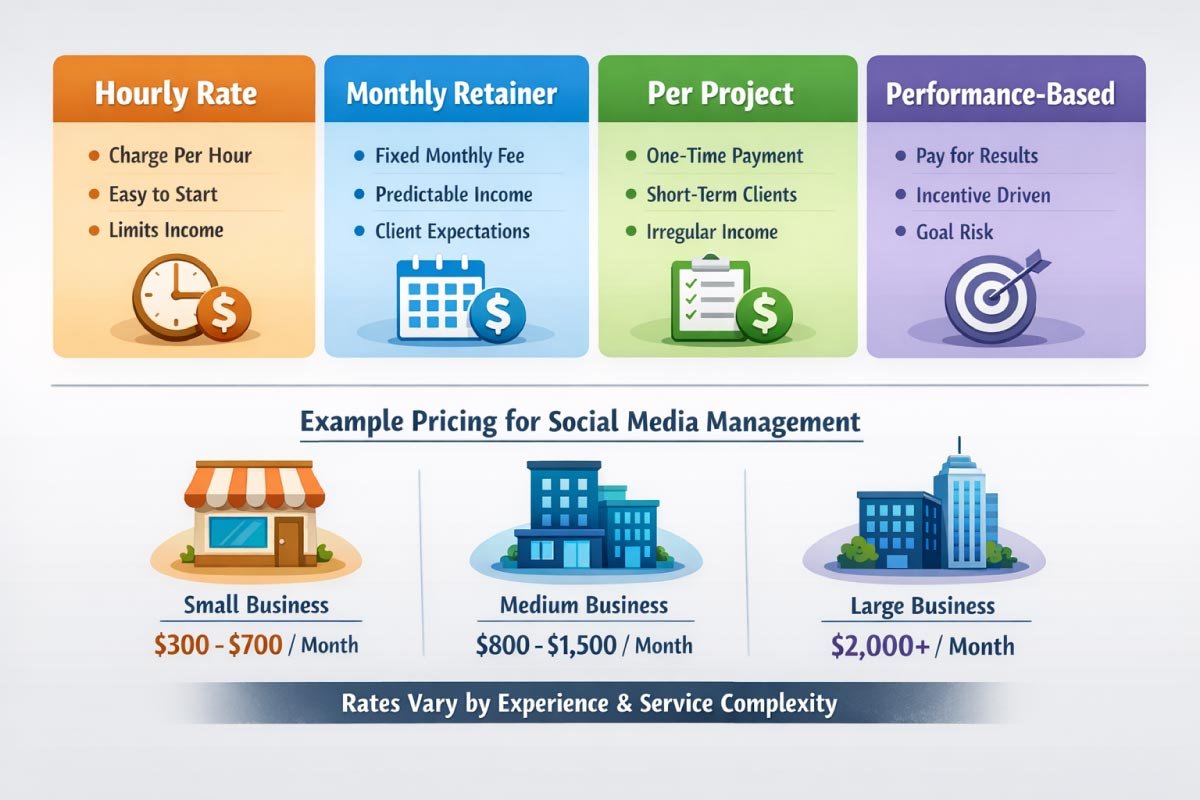
Clear, competitive pricing attracts the right customers, ensures sustainable revenue, and positions your business as a trusted and professional service provider.
Pricing Models:
| Model | Description | Pros | Cons |
|---|---|---|---|
| Hourly Rate | Charge per hour of work | Flexible, easy to start | Hard to scale, limits income |
| Monthly Retainer | Fixed monthly fee for ongoing services | Predictable income, scalable | Client expects consistent deliverables |
| Per Project | One-time payment for a specific project | Good for short-term clients | Irregular income |
| Performance-Based | Payment based on results | Motivates you and client | Risky if goals aren’t achievable |
Example pricing for a beginner social media manager:
-
Small businesses: $300–$700/month
-
Medium businesses: $800–$1,500/month
-
Large businesses: $2,000+/month
Pricing depends on your expertise, niche, and the complexity of services provided.
6. Acquiring Clients
Acquiring clients is essential for growing and sustaining your business. Focus on networking, referrals, targeted outreach, and showcasing your expertise through portfolios or case studies.
Building trust, providing value, and maintaining consistent communication helps attract the right clients and secure long-term partnerships that drive business success.
Client Acquisition Strategies:
| Strategy | How to Execute | Tips |
|---|---|---|
| Cold Outreach | Email or message potential clients | Personalize messages, highlight value |
| Networking | Attend local business events, online communities | Focus on relationship building |
| Social Media Presence | Showcase your own social media skills | Use Instagram, LinkedIn, and TikTok |
| Referrals | Ask existing clients for recommendations | Offer incentives like discounts |
| Freelance Platforms | Upwork, Fiverr, Freelancer | Start with smaller projects to build credibility |
A strong portfolio and testimonials significantly improve your chances of landing clients. You can start by managing social media for friends, local businesses, or nonprofits at a lower rate to gather case studies.
Read More:
7. Tools and Technology
Tools and technology play a crucial role in running an efficient and competitive business.
From project management and communication platforms to analytics and automation software, the right tools streamline operations, improve productivity, and enhance client service.
Leveraging technology effectively supports growth and ensures your business stays ahead in the market.
| Category | Recommended Tools | Purpose |
|---|---|---|
| Design & Graphics | Canva, Adobe Photoshop | Create visually appealing posts |
| Scheduling | Buffer, Hootsuite, Later | Automate posting |
| Analytics | Sprout Social, Google Analytics | Track performance and ROI |
| Collaboration | Trello, Notion, Slack | Organize projects and communicate with clients |
| Advertising | Meta Ads Manager, LinkedIn Campaign Manager | Run paid campaigns effectively |
Investing in these tools ensures professional service delivery and saves time, allowing you to handle multiple clients simultaneously.
8. Creating an Effective Workflow
Creating an effective workflow is key to running a productive and organized business.
Streamline tasks, define clear responsibilities, and implement efficient processes to reduce errors and save time.
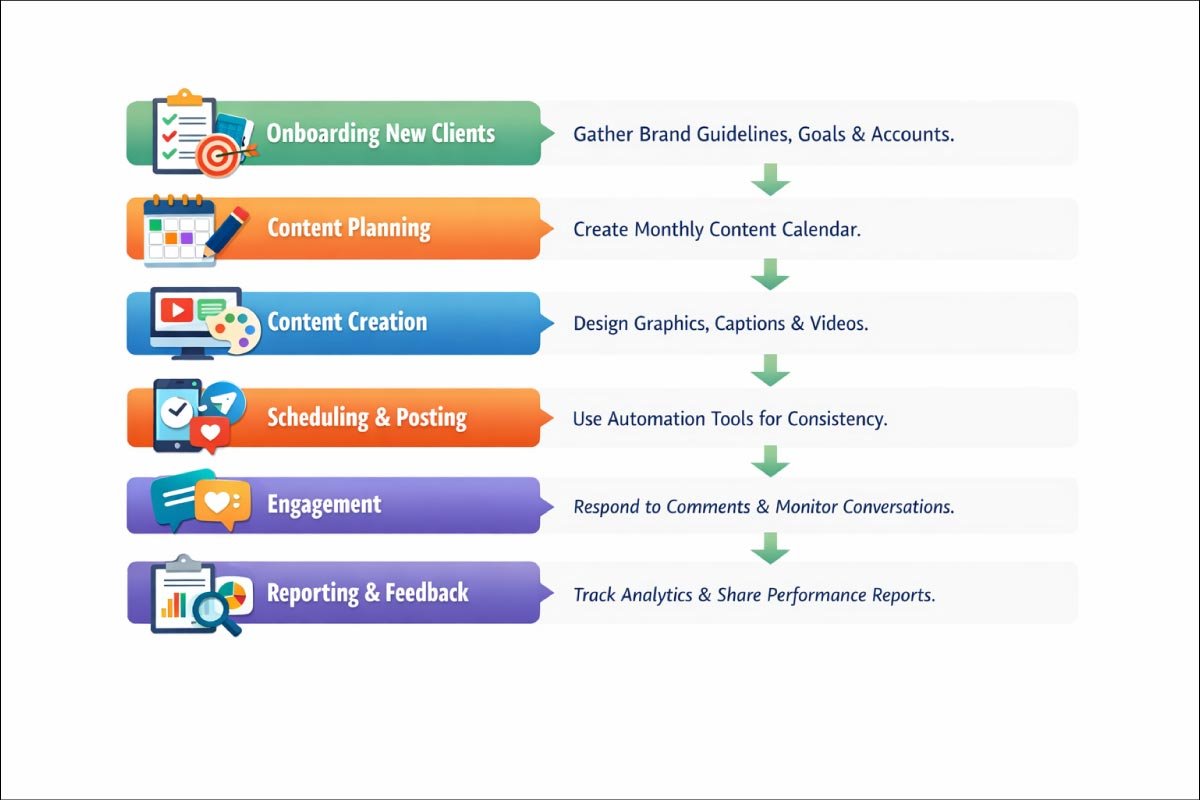
A well-structured workflow improves team collaboration, enhances service delivery, and supports scalable growth for your business.
-
Onboarding New Clients – Gather brand guidelines, goals, and existing social media accounts.
-
Content Planning – Create a monthly content calendar.
-
Content Creation – Design graphics, write captions, and create videos.
-
Scheduling & Posting – Use automation tools to maintain consistency.
-
Engagement – Respond to comments, messages, and monitor social conversations.
-
Reporting & Feedback – Track analytics and share performance reports with clients.
Sample Workflow Table:
| Step | Action | Tools |
|---|---|---|
| Client Onboarding | Collect requirements & goals | Google Forms, Zoom |
| Content Planning | Design calendar & themes | Notion, Trello |
| Content Creation | Graphics, captions, videos | Canva, Photoshop |
| Scheduling | Schedule posts on platforms | Buffer, Later |
| Engagement | Reply to followers & messages | Native platforms |
| Reporting | Analyze & report results | Google Analytics, Sprout Social |
A well-defined workflow helps maintain quality, avoid delays, and manage multiple clients efficiently.
Read More:
9. Marketing Your Business
Marketing your business is essential for attracting clients, increasing visibility, and driving growth.
Utilize strategies like social media, content marketing, email campaigns, SEO, and paid advertising to reach your target audience.
Consistent, value-driven marketing helps build brand awareness, establish credibility, and generate leads that convert into loyal customers.
Effective Marketing Strategies:
-
Showcase your social media skills on your own platforms.
-
Create case studies and share results achieved for clients.
-
Use LinkedIn to connect with business owners.
-
Share valuable tips, tutorials, and insights to build credibility.
-
Run your own paid ads to demonstrate results in real time.
Remember, your marketing should highlight not only your skills but also the value you bring to a business—more sales, higher engagement, and stronger brand presence.
10. Scaling Your Business
Scaling your business involves expanding operations, increasing revenue, and reaching a larger audience while maintaining quality and efficiency.
Implementing systems, hiring the right team, and leveraging technology allow you to take on more clients or projects.
Strategic growth ensures long-term sustainability and strengthens your brand in the marketplace.
-
Hire Freelancers or Staff – Delegate content creation, ads, and analytics.
-
Offer Advanced Services – Paid ad campaigns, influencer collaborations, SEO integration.
-
Automate Processes – Use tools to schedule posts, generate reports, and track campaigns.
-
Expand Your Niche – Take on new industries as you gain expertise.
Scaling Options Table:
| Method | Benefits | Challenges |
|---|---|---|
| Hiring Team | Handle more clients | Requires management & training |
| Advanced Services | Higher revenue & value | Learning curve for new services |
| Automation | Time-saving & efficiency | Cost of tools |
| New Niches | More opportunities | Need for industry knowledge |
Scaling ensures that your SMM business remains profitable without being limited by your own time and effort.
Read More:
11. Tips for Success
Tips for success in building and growing your agency include staying adaptable, continuously learning, and maintaining strong client relationships.
Focus on delivering consistent value, leveraging technology to streamline operations, and building a clear brand identity.

These practices help you attract clients, improve performance, and achieve long-term business growth.
-
Stay Updated – Social media trends change rapidly. Keep learning.
-
Track Metrics – Focus on results, not just posting content.
-
Build Relationships – Strong client relationships lead to referrals.
-
Invest in Tools – Use professional tools to streamline workflow.
-
Specialize – A clear niche can set you apart from competitors.
Conclusion
Starting a social media management business is an excellent opportunity for those who love creativity, strategy, and helping businesses grow.
With a clear niche, professional setup, defined services, strategic marketing, and effective workflow, you can establish a profitable business while making a real impact on your clients’ online presence.
The key is to start small, gain experience, build a strong portfolio, and scale your operations over time.
By following this comprehensive guide and using the included tables as references, anyone with dedication and social media expertise can successfully launch and grow a social media management business.