

Starting a coffee shop can be one of the most exciting and rewarding business ventures for entrepreneurs. Coffee has evolved from a simple beverage to a lifestyle choice, creating opportunities for unique experiences, cozy atmospheres, and a thriving community hub.
However, opening a successful coffee shop requires careful planning, thorough market research, and strategic execution. In this guide, we will walk you through the essential steps to start your coffee shop business from scratch.
Understanding the Coffee Shop Market
Before investing time and money, it’s crucial to understand the coffee shop industry. Coffee consumption continues to grow worldwide, and customers seek quality products, comfortable ambiance,
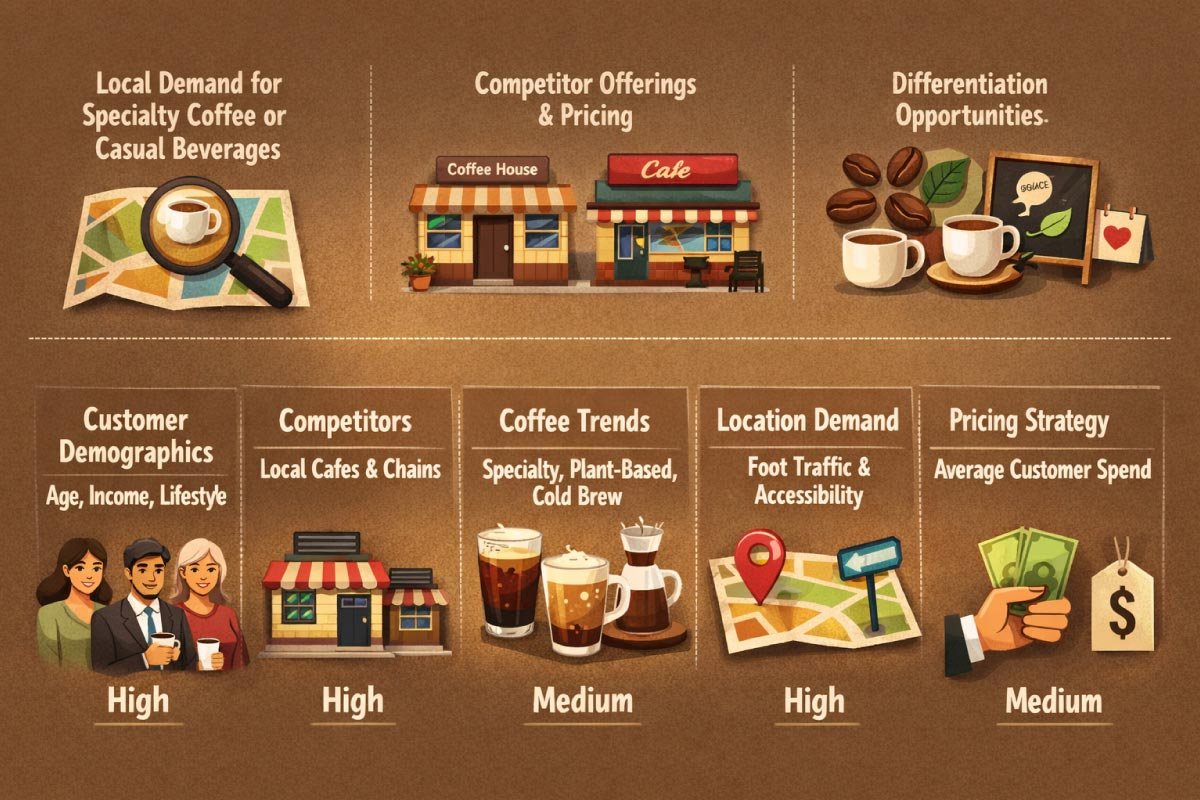
and personalized experiences. Market research will help you identify your target audience, their preferences, and potential competitors in your area.
Key Considerations:
-
Local demand for specialty coffee or casual beverages.
-
Competitor offerings and pricing.
-
Opportunities for differentiation (e.g., organic coffee, unique flavors, community events).
Coffee Shop Market Analysis Example
| Factor | Description | Importance Level |
|---|---|---|
| Customer Demographics | Age, income, lifestyle | High |
| Competitors | Local coffee shops, chains, cafes | High |
| Coffee Trends | Specialty coffee, plant-based milk, cold brew | Medium |
| Location Demand | Foot traffic, visibility, accessibility | High |
| Pricing Strategy | Average customer spend | Medium |
Creating a Business Plan
Creating a business plan is a foundational step for your coffee shop’s success. It outlines your vision, goals, target market, menu offerings, and financial projections.
A well-structured plan guides decision-making, attracts investors, and provides a roadmap for growth, helping you launch and manage your business with confidence.
-
Executive Summary: An overview of your coffee shop concept.
-
Market Analysis: Research insights and target audience details.
-
Menu and Services: Types of coffee, snacks, and additional offerings.
-
Marketing Strategy: How you will attract and retain customers.
-
Operations Plan: Staffing, supplier relationships, and workflow.
-
Financial Plan: Startup costs, revenue projections, and break-even analysis.
Sample Coffee Shop Business Plan Outline
| Section | Key Points |
|---|---|
| Executive Summary | Concept, mission, vision, goals |
| Market Analysis | Customer profile, competitors, trends |
| Menu & Services | Coffee varieties, snacks, seasonal specials |
| Marketing Strategy | Social media, loyalty programs, local events |
| Operations Plan | Staffing, supplier sourcing, equipment needs |
| Financial Plan | Startup budget, revenue forecast, break-even point |
Choosing the Right Location
Choosing the right location is vital for your coffee shop’s visibility and success. A prime location attracts steady foot traffic, aligns with your target audience, and provides easy accessibility.
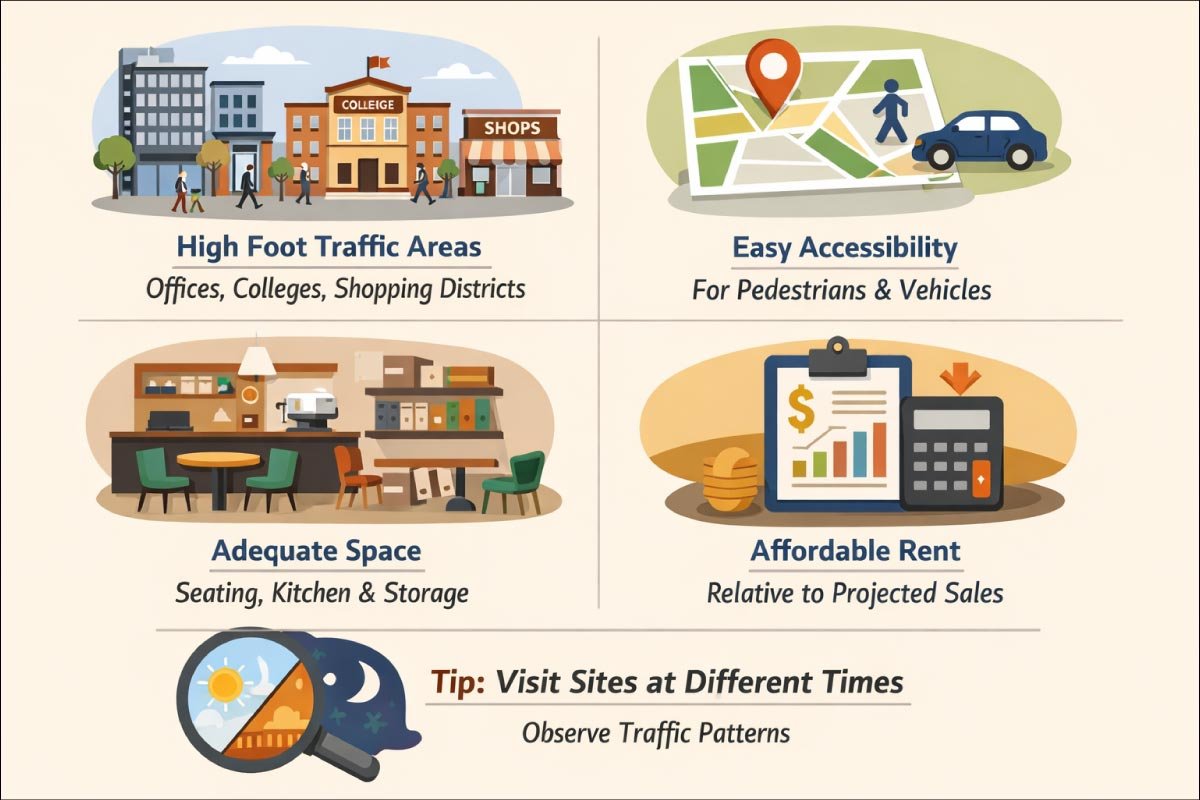
Careful evaluation of demographics, competition, and neighborhood dynamics ensures your shop thrives and achieves long-term profitability.
-
High foot traffic areas near offices, colleges, or shopping districts.
-
Easy accessibility for pedestrians and vehicles.
-
Adequate space for seating, kitchen, and storage.
-
Rent affordability relative to projected sales.
Tip: Visit multiple potential sites during different times of the day to observe traffic patterns.
Read More:
Designing Your Coffee Shop
The design of your coffee shop plays a huge role in attracting and retaining customers. A welcoming ambiance encourages repeat visits, and an efficient layout ensures smooth operations. Consider these aspects:
-
Interior Design: Choose themes that resonate with your target audience.
-
Seating Arrangement: Comfortable and varied seating options.
-
Lighting & Décor: Proper lighting enhances the atmosphere and aesthetics.
-
Workflow: Barista counter placement should optimize customer flow.
Coffee Shop Layout and Design Tips
| Element | Recommendation |
|---|---|
| Seating | Mix of tables, couches, and bar seating |
| Lighting | Natural light + warm artificial lights |
| Décor | Minimalistic, cozy, or modern depending on concept |
| Counter Placement | Central or near entrance for easy service |
| Equipment Placement | Espresso machines, grinders, and storage efficiently positioned |
Acquiring Necessary Licenses and Permits
Acquiring necessary licenses and permits is a crucial step to operate your coffee shop legally and avoid fines. This includes health permits, business registration, and food service licenses.
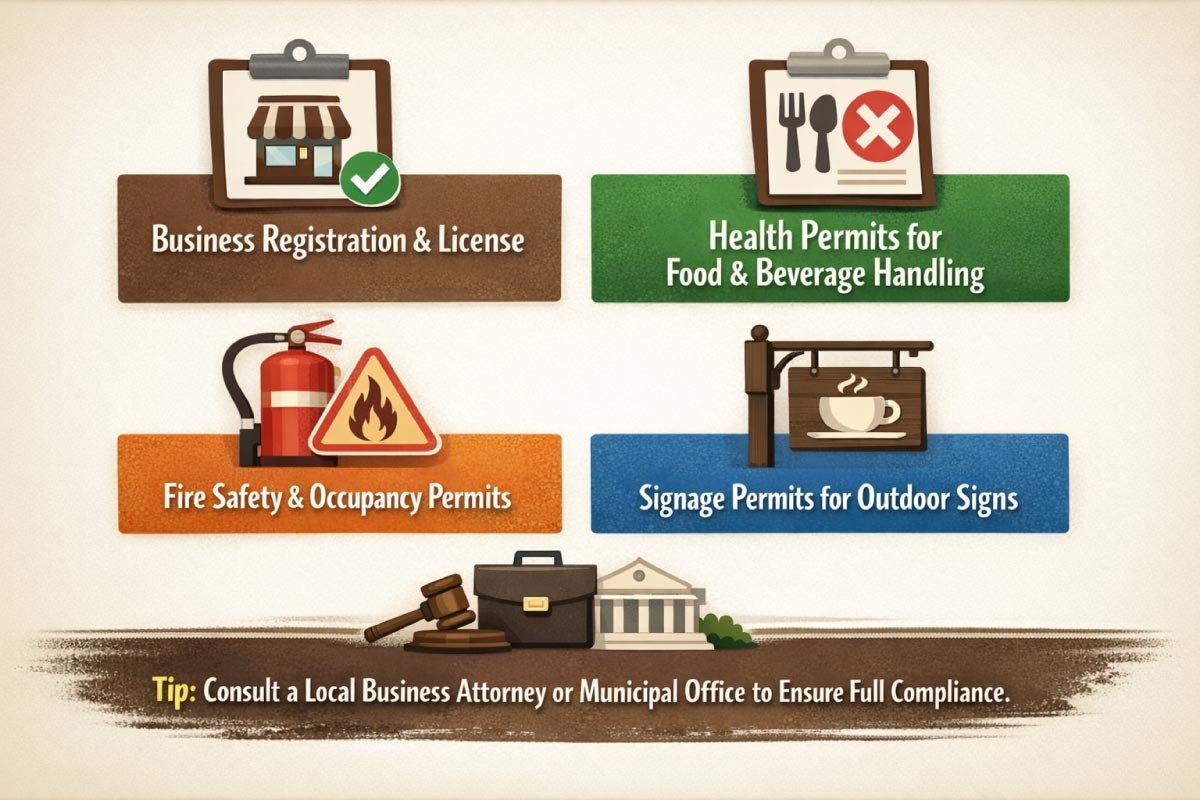
Ensuring compliance with local regulations protects your business, builds customer trust, and provides a solid foundation for smooth, uninterrupted operations.
-
Business registration and license.
-
Health permits for food and beverage handling.
-
Fire safety and occupancy permits.
-
Signage permits if displaying outdoor signs.
Tip: Consult a local business attorney or municipal office to ensure full compliance.
Read More:
Sourcing Coffee and Supplies
Sourcing coffee and supplies is a critical step in maintaining quality and consistency in your coffee shop.
Choosing reliable suppliers for beans, equipment, and ingredients ensures freshness and efficiency.
By building strong supplier relationships and monitoring inventory, you can control costs, meet customer expectations, and support smooth daily operations.
-
Decide between single-origin, specialty blends, or popular commercial brands.
-
Source fresh milk, syrups, pastries, and snacks.
-
Purchase essential equipment: espresso machines, grinders, brewers, refrigerators, and POS systems.
Essential Coffee Shop Supplies & Equipment
| Category | Items |
|---|---|
| Coffee Equipment | Espresso machine, coffee grinder, drip brewer |
| Furniture | Tables, chairs, counter stools, couches |
| Kitchenware | Cups, saucers, spoons, serving trays |
| Consumables | Coffee beans, milk, sugar, pastries |
| Technology | POS system, inventory software, Wi-Fi setup |
Staffing Your Coffee Shop
Staffing your coffee shop is essential for delivering excellent service and creating a welcoming atmosphere.
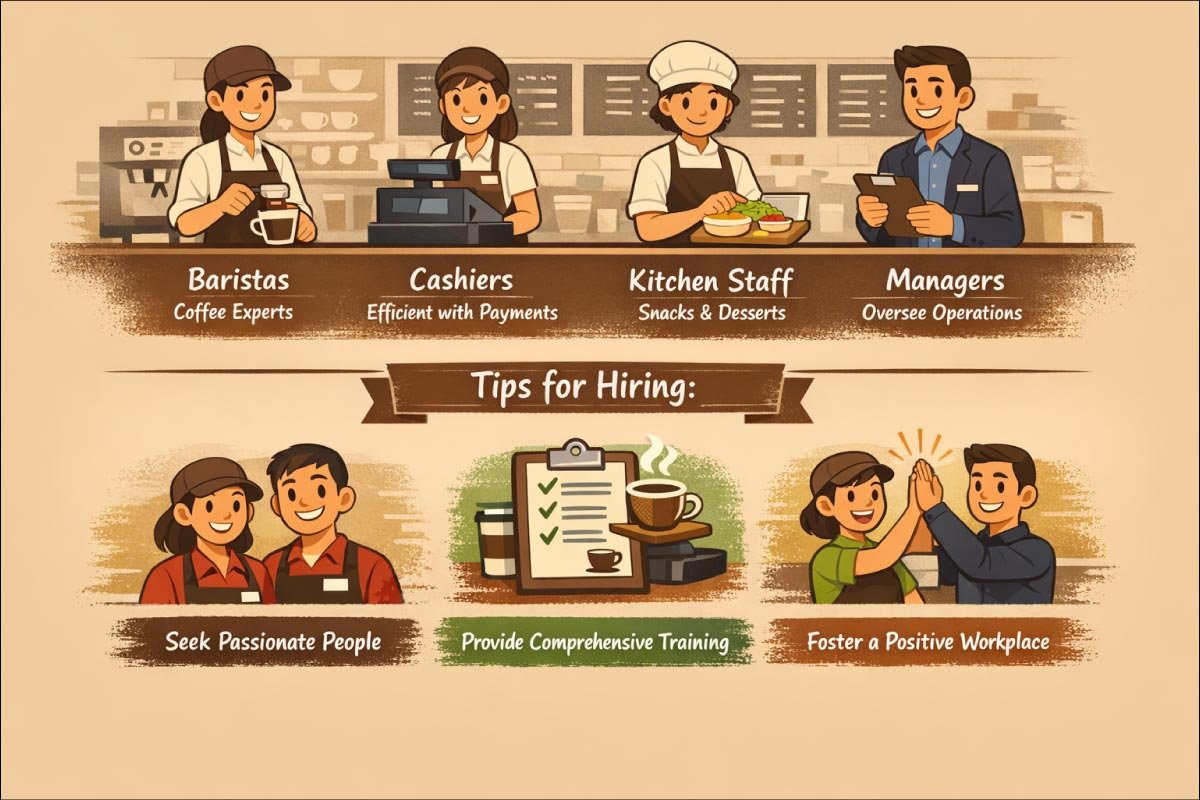
Hiring skilled baristas, friendly support staff, and reliable managers ensures smooth daily operations.
Proper training, clear roles, and a motivated team help maintain quality, enhance customer satisfaction, and drive the success of your business.
-
Baristas: Skilled in coffee preparation and customer interaction.
-
Cashiers: Handle payments efficiently.
-
Kitchen Staff: Prepare snacks and desserts.
-
Managers: Oversee operations, inventory, and staff.
Tips for hiring:
-
Look for passionate individuals who enjoy interacting with customers.
-
Provide comprehensive training on coffee preparation, hygiene, and customer service.
-
Create a positive work environment to reduce staff turnover.
Read More:
Developing Your Menu
Developing your menu is crucial for defining your coffee shop’s identity and appeal. Thoughtfully crafted offerings balance customer preferences, pricing, and operational efficiency.
By highlighting signature drinks, seasonal specials, and popular favorites, you can enhance the customer experience, encourage repeat visits, and boost overall profitability.
-
Coffee varieties: espresso, cappuccino, latte, cold brew, flavored drinks.
-
Non-coffee options: tea, smoothies, juices.
-
Seasonal specials to attract repeat customers.
-
Light snacks and pastries to complement drinks.
Tip: Price items competitively while maintaining profit margins. Offer bundle deals for combos to increase sales.
Marketing Your Coffee Shop
Marketing your coffee shop is key to attracting customers and building a loyal following. Effective strategies combine branding, promotions, social media, and community engagement to create awareness and excitement.
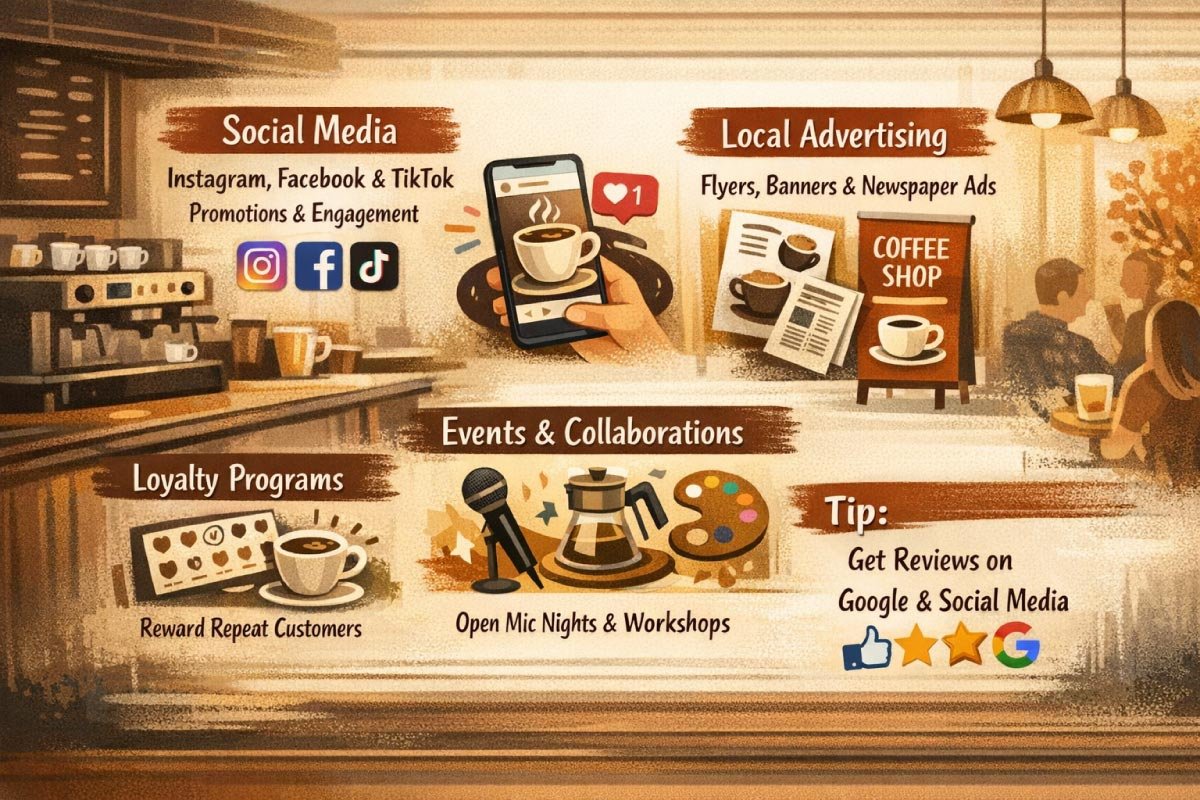
By showcasing your unique offerings and connecting with your audience, you can drive traffic, increase sales, and establish a strong market presence.
-
Social Media: Instagram, Facebook, and TikTok for promotions and engagement.
-
Local Advertising: Flyers, banners, and newspaper ads.
-
Loyalty Programs: Reward repeat customers to encourage loyalty.
-
Events & Collaborations: Host open mic nights, coffee workshops, or partner with local artists.
Tip: Encourage satisfied customers to leave reviews on Google and social media.
Read More:
Financial Planning and Break-Even Analysis
Financial planning and break-even analysis are essential for understanding your business’s viability and profitability.
By projecting expenses, revenues, and cash flow, you can make informed decisions, set realistic goals,
and identify the point at which your business becomes self-sustaining. This ensures smarter budgeting and long-term financial stability.
-
Startup Costs: Rent, equipment, licenses, initial inventory.
-
Operating Expenses: Utilities, wages, marketing, supplies.
-
Revenue Projections: Estimate sales based on foot traffic and average spend.
-
Break-Even Point: When your revenue covers all expenses.
Tip: Monitor financial performance monthly and adjust strategies accordingly.
Opening Your Coffee Shop
Opening your coffee shop is the exciting culmination of careful planning and preparation.
From finalizing the setup to welcoming your first customers, this stage involves executing your vision, ensuring smooth operations,
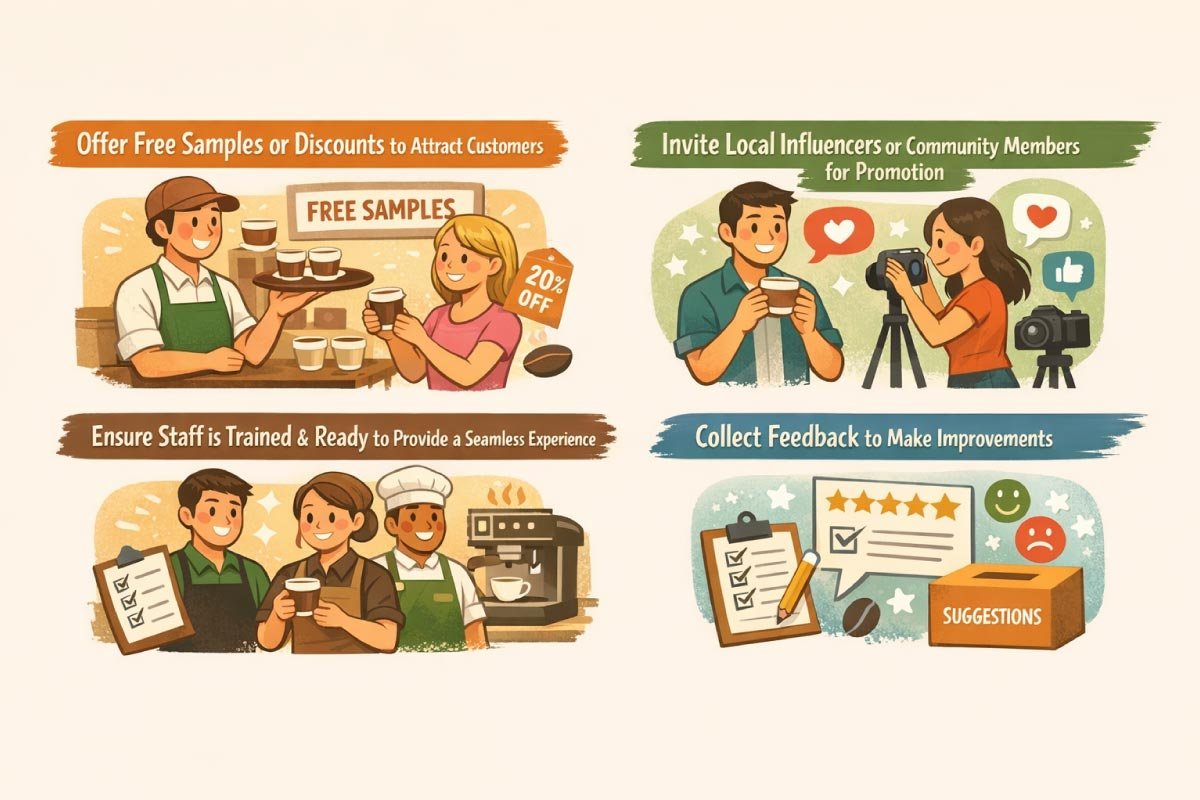
and creating a memorable experience. A successful launch sets the tone for growth, reputation, and long-term success.
-
Offer free samples or discounts to attract customers.
-
Invite local influencers or community members for promotion.
-
Ensure staff is trained and ready to provide a seamless experience.
-
Collect feedback to make improvements.
Read More:
Long-Term Success Strategies
Long-term success strategies focus on sustaining growth, building customer loyalty, and adapting to market changes.
By planning for scalability, investing in quality, and continuously improving operations, businesses can maintain a competitive edge.
These strategies ensure stability, profitability, and lasting impact in an ever-evolving marketplace.
-
Continuously update your menu with seasonal drinks or trends.
-
Engage with the local community through events or partnerships.
-
Monitor industry trends and adjust offerings accordingly.
-
Expand to online delivery or catering services if feasible.
-
Invest in staff training to maintain quality and customer satisfaction.
Conclusion
Starting a coffee shop business is a rewarding venture for entrepreneurs passionate about coffee and customer experiences.
With proper planning, a unique concept, and attention to detail, your coffee shop can become a thriving local hotspot. Focus on quality, ambiance, customer service, and continuous innovation to ensure long-term success.